20 Home Office Decor Ideas That Make You Actually Want to Work

Introduction
A home office that feels good to sit in makes a bigger difference to your productivity than any app or system ever could. When the space around you feels intentional and well-designed, showing up to work stops feeling like a chore. The right combination of lighting, color, and a few thoughtful details can turn even a small corner into somewhere you genuinely want to spend your mornings.
These twenty ideas cover everything from furniture choices to small styling touches, giving you a practical starting point no matter your budget or available space. Pick the ones that fit your setup and build from there.
1. Invest in a Chair You Actually Want to Sit In
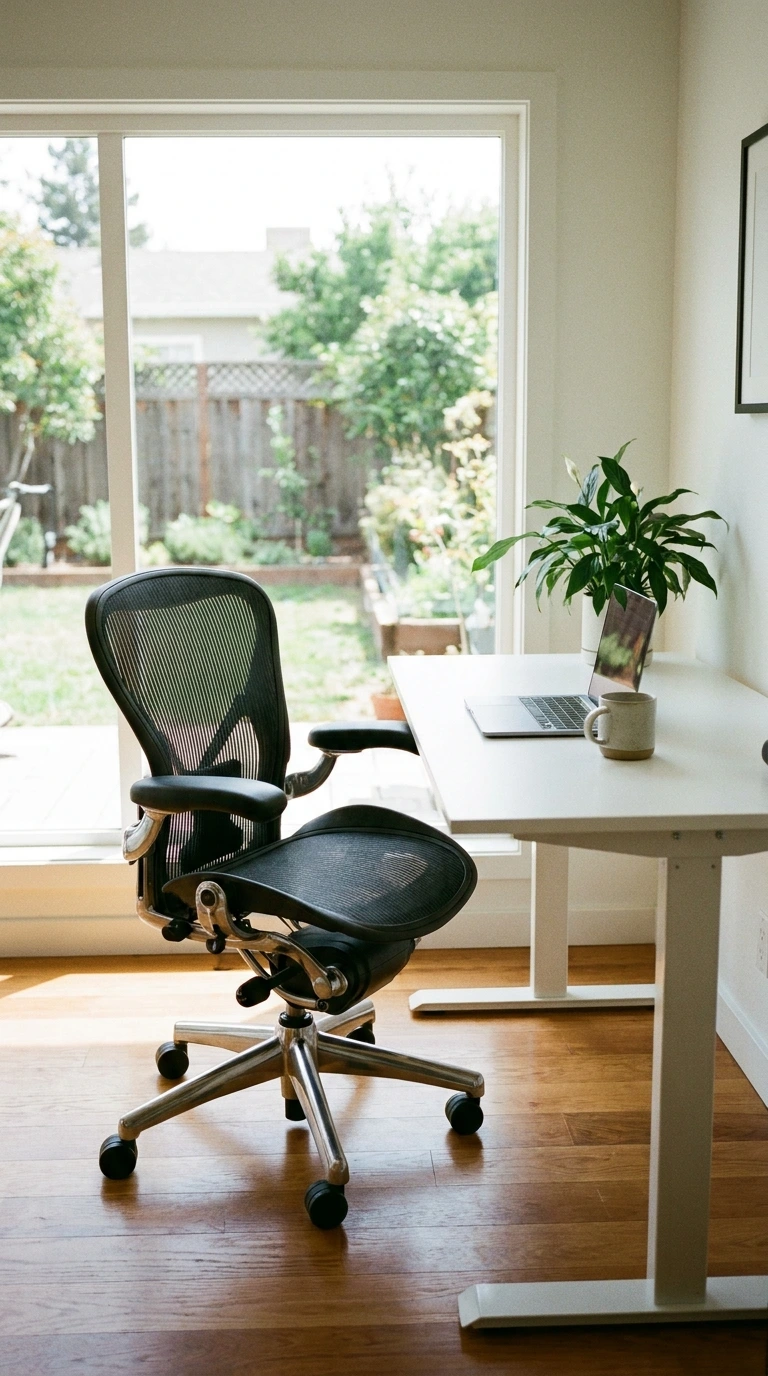
The chair is the single most important piece of furniture in a home office, and it is the one place where cutting costs tends to backfire the fastest. A chair that is uncomfortable or poorly sized for your desk will undermine every other upgrade you make to the space. This is the one splurge that earns its cost back in daily comfort.
Look for a chair with adjustable seat height, lumbar support, and armrests at elbow level. Ergonomic does not have to mean clinical, since many well-designed options now come in warm materials and colors that suit a home environment. Sit in a chair before buying it whenever possible.
What to Look for in a Home Office Chair
- Adjustable seat height and tilt tension
- Lumbar support that matches the curve of your lower back
- Armrests that sit at or just below elbow height
- A seat depth that allows a few inches of clearance behind your knees
- Breathable material for longer sitting sessions
2. Choose a Desk With Enough Surface Area
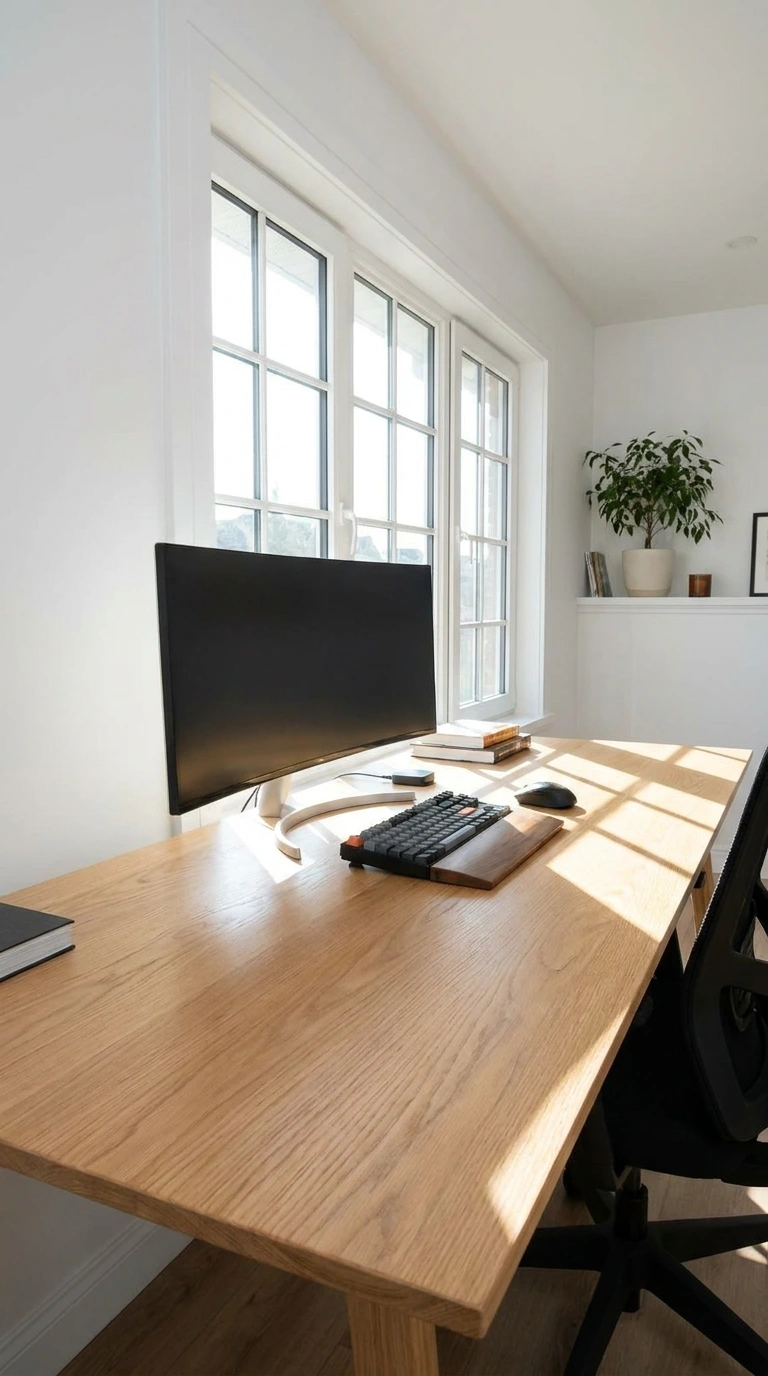
A desk that is too small for your actual workflow creates constant frustration, since you end up shuffling items around rather than focusing on the work itself. The right desk size depends on what you do, but most people benefit from more surface area than they initially think they need. This is one setup decision worth getting right from the start.
A depth of at least twenty-four inches gives most people enough room for a monitor, keyboard, and a few working documents at once. An L-shaped desk is worth considering if you switch between different types of tasks throughout the day. Look for a desk with at least one drawer for keeping everyday items off the surface.
3. Get the Lighting Right Before Anything Else
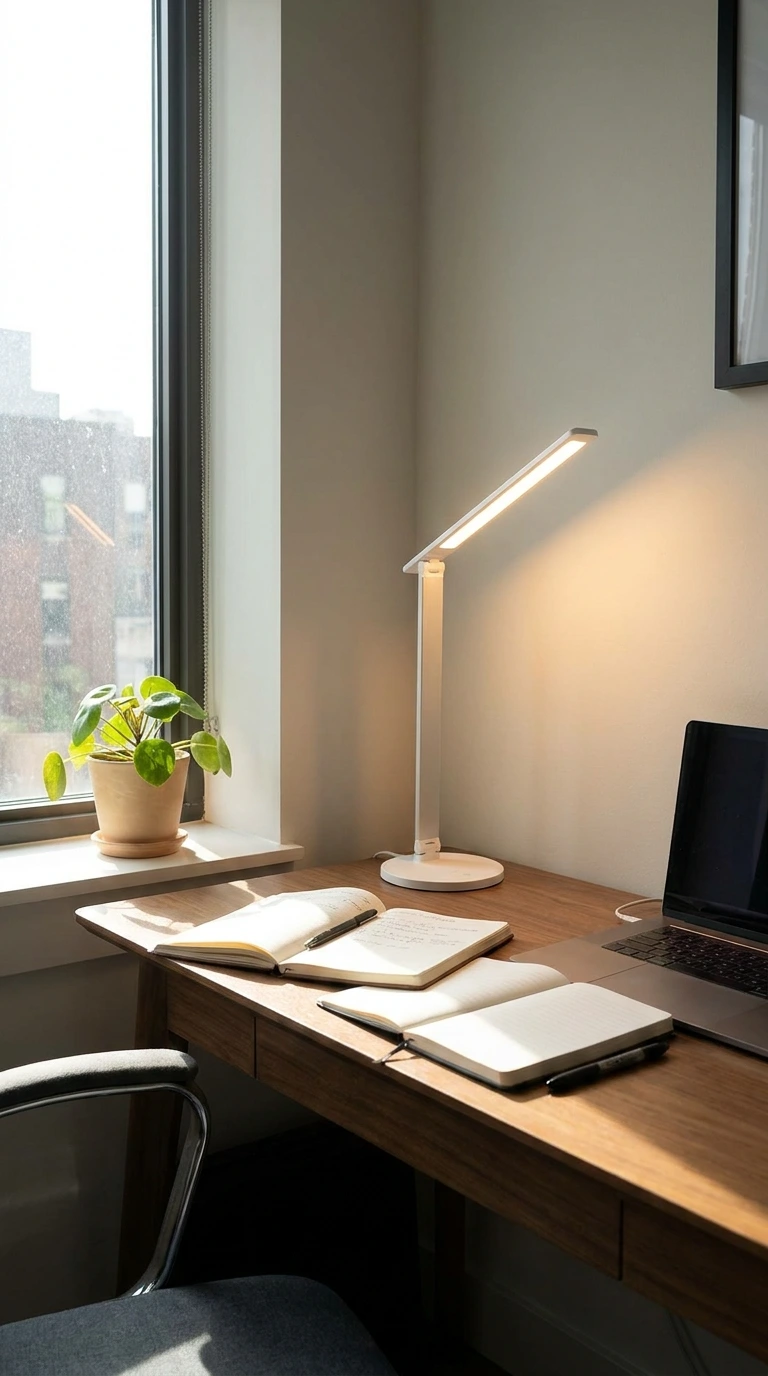
Lighting is the detail that most home office setups get wrong, and poor lighting has a direct effect on eye strain, headaches, and focus throughout the day. Overhead lighting alone creates harsh shadows across your workspace, particularly if your desk faces a wall. Layering multiple light sources solves this more effectively than any single fixture change.
A dedicated desk lamp positioned to the side of your non-dominant hand reduces glare without creating shadows over your work. Pair it with natural light from a nearby window wherever possible, since daylight has a measurable effect on alertness and mood. Avoid placing your monitor directly in front of a bright window.
Pro Tip: Use a bias lighting strip behind your monitor to reduce eye strain during long screen sessions. The soft glow behind the screen balances the brightness difference between the monitor and the surrounding room.
4. Paint the Walls a Color That Supports Focus
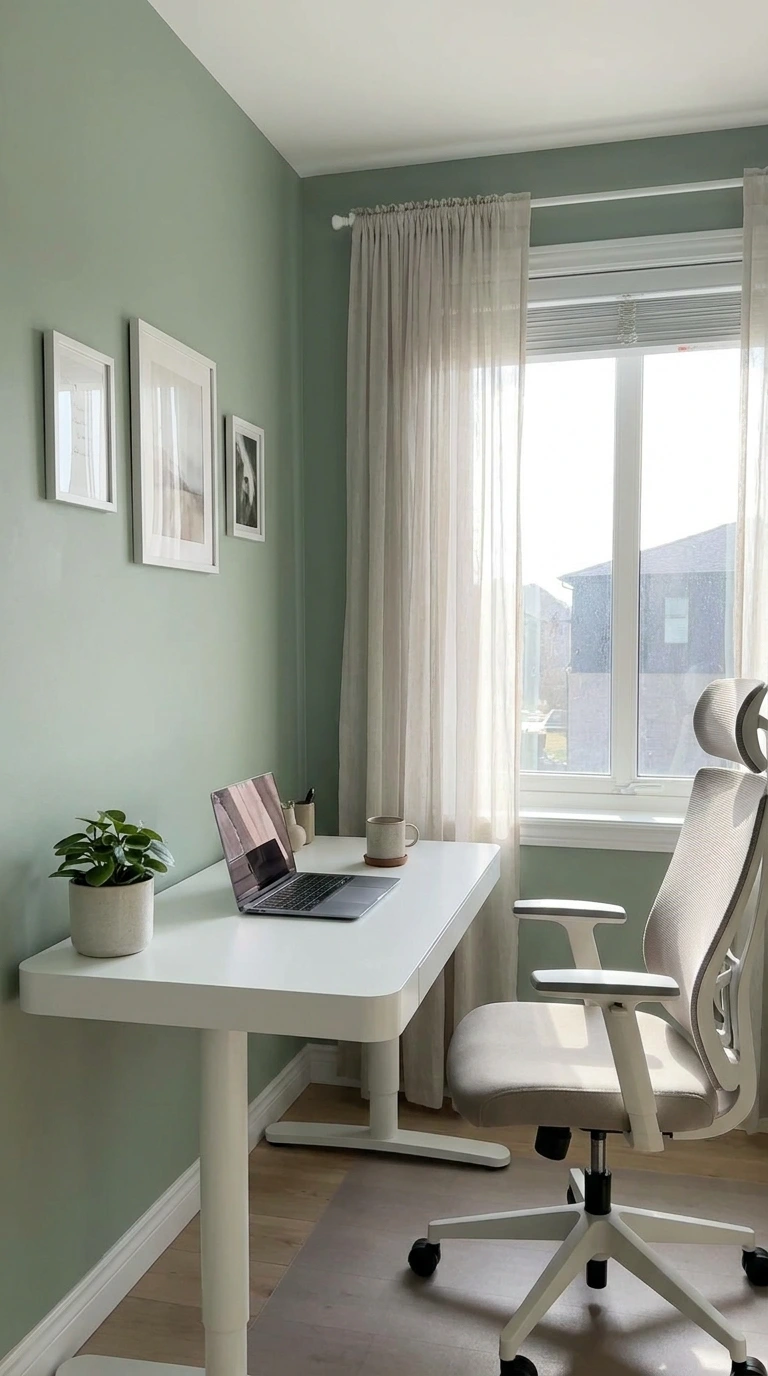
Wall color has a real effect on how a workspace feels throughout the day, and the wrong color can make even a well-furnished office feel draining or distracting. Soft, muted tones tend to work better for focus than bright, saturated ones. This is a low-cost change that affects the entire feel of the room.
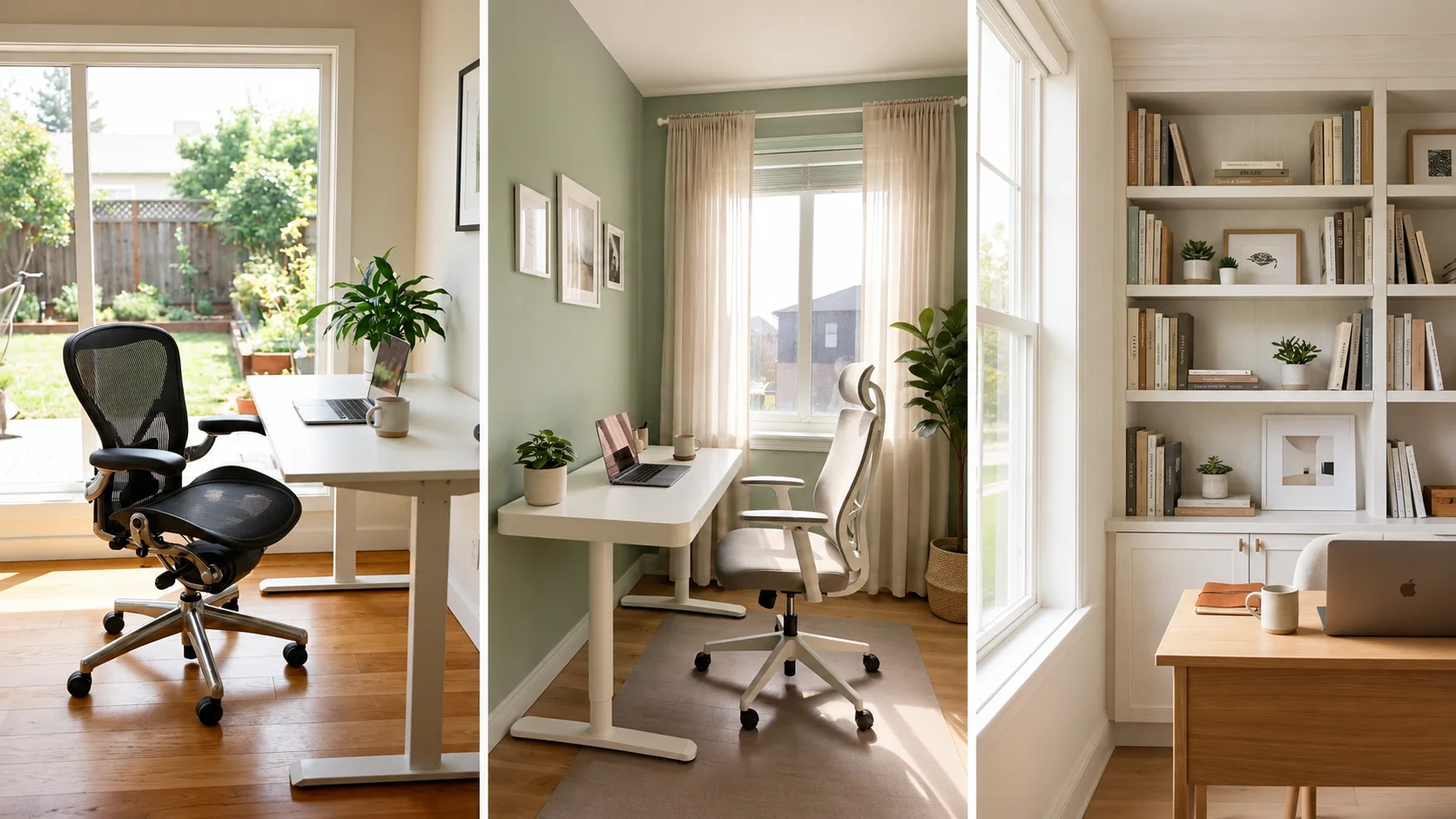
Warm greens, soft blues, and muted earthy tones are consistently popular for home offices because they feel calm without being dull. Test a paint sample on the actual wall and observe it at different times of day before committing. Even a single accent wall behind the desk in a different tone can shift the room’s energy significantly.
Colors That Work Well in a Home Office
- Warm sage green for calm and focus
- Soft terracotta for energy without overstimulation
- Muted blue-gray for a cool, clear-headed atmosphere
- Warm white for a clean, bright baseline
- Deep forest green for a grounded, moody focus environment
5. Add a Dedicated Bookshelf or Display Wall
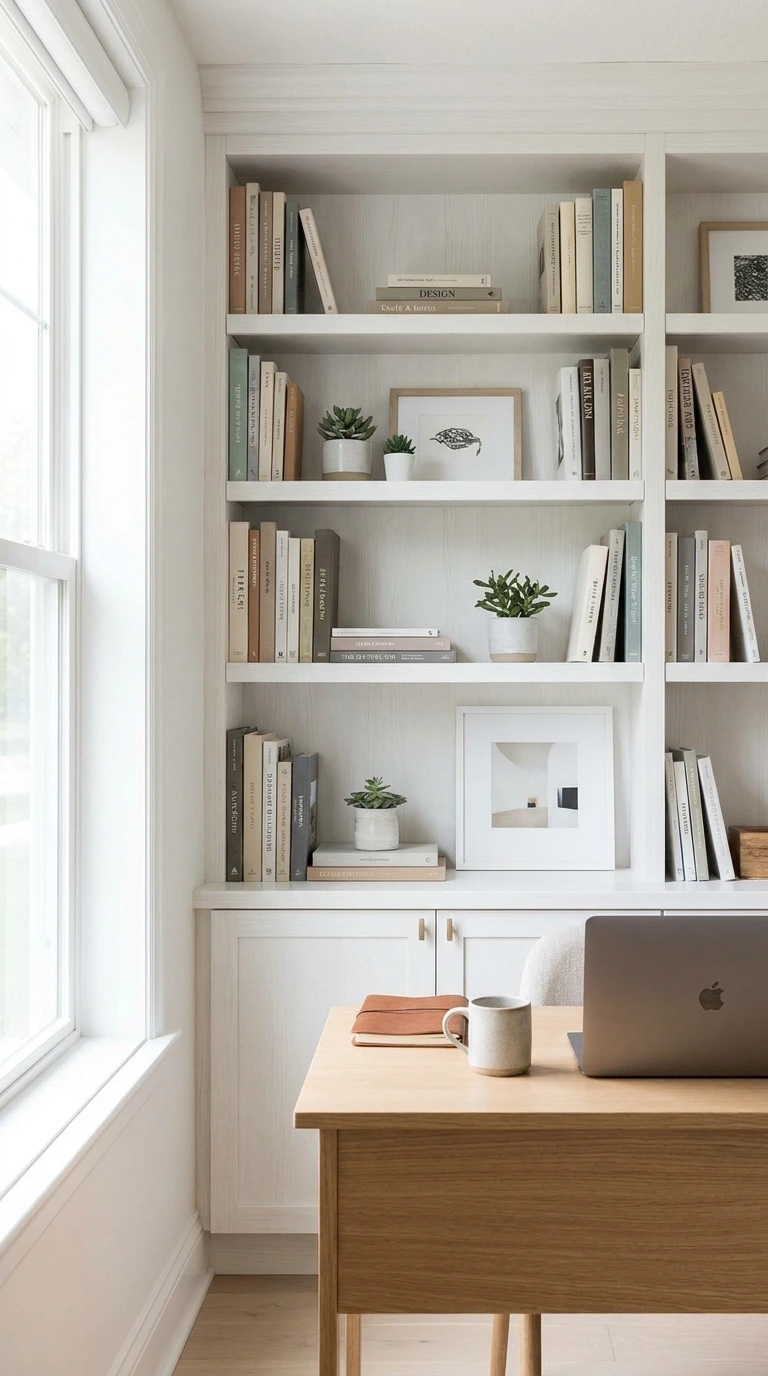
A bookshelf or styled display wall behind your desk gives the space a sense of depth and personality, especially if you appear on video calls regularly. Beyond the visual benefit, having reference books and useful resources within arm’s reach genuinely improves the efficiency of your workday. This is one of the easiest ways to make a home office feel complete.
Style the shelves with a mix of books, a plant or two, and a few personal objects rather than filling every inch with storage. Grouping items by height and leaving some negative space keeps the display looking intentional rather than cluttered. A shelf that faces your desk gives you something worth looking at during the thinking pauses that every workday includes.
6. Keep the Desk Surface as Clear as Possible
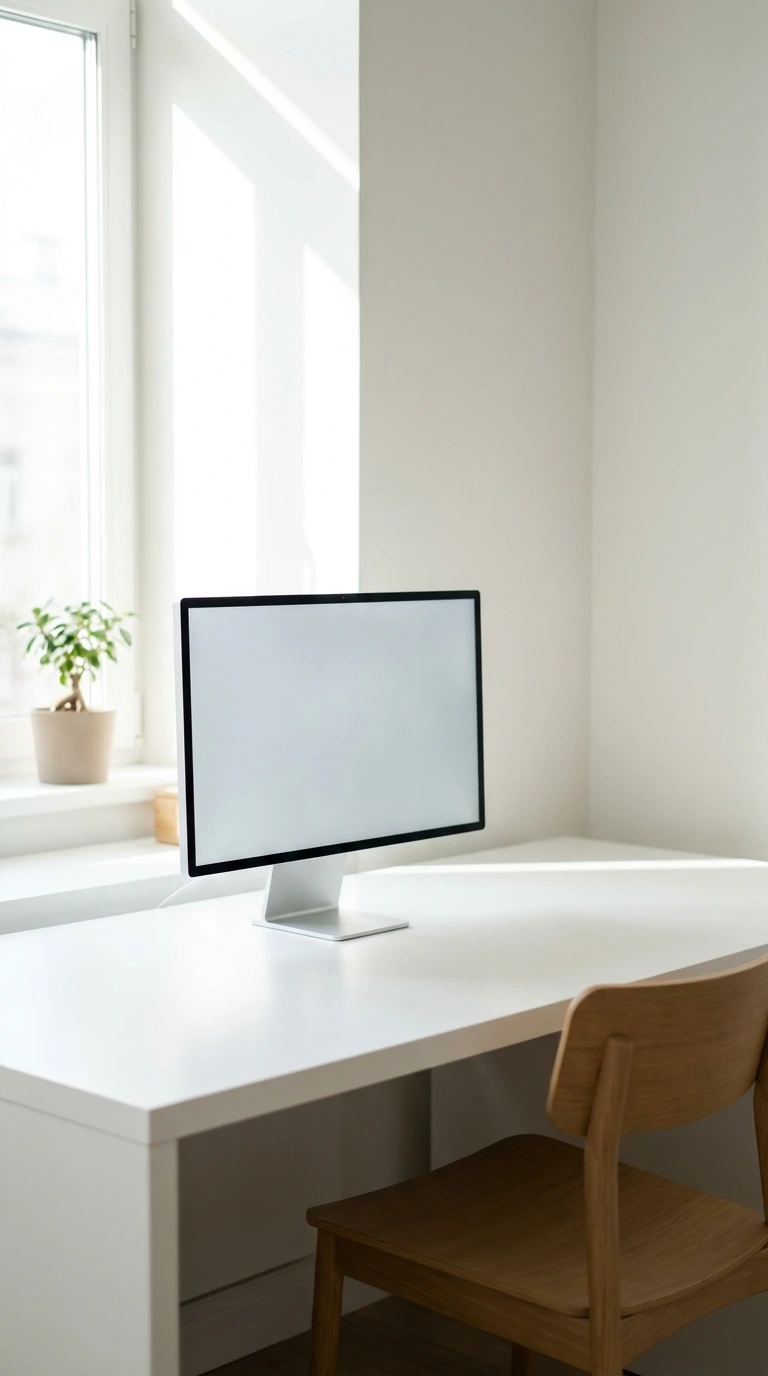
A clear desk surface has a direct effect on how easy it is to start work, since visual clutter competes for the same mental bandwidth as the task in front of you. This is not about minimalism for its own sake but about creating a surface that invites focus rather than resisting it. Even keeping just the center third of the desk clear makes a noticeable difference.
Invest in one or two pieces of desk organization, like a tray for everyday items or a cable box for chargers, rather than covering every inch with separate organizers. Put items back in their designated spots at the end of each day so the desk is ready to use the next morning. A clear start to the day makes every session easier to begin.
Warning: Avoid buying too many desk organizers at once in an attempt to solve clutter all at once. More containers often just create more places to pile things rather than genuinely reducing the amount of stuff on the desk.
7. Bring in a Plant or Two
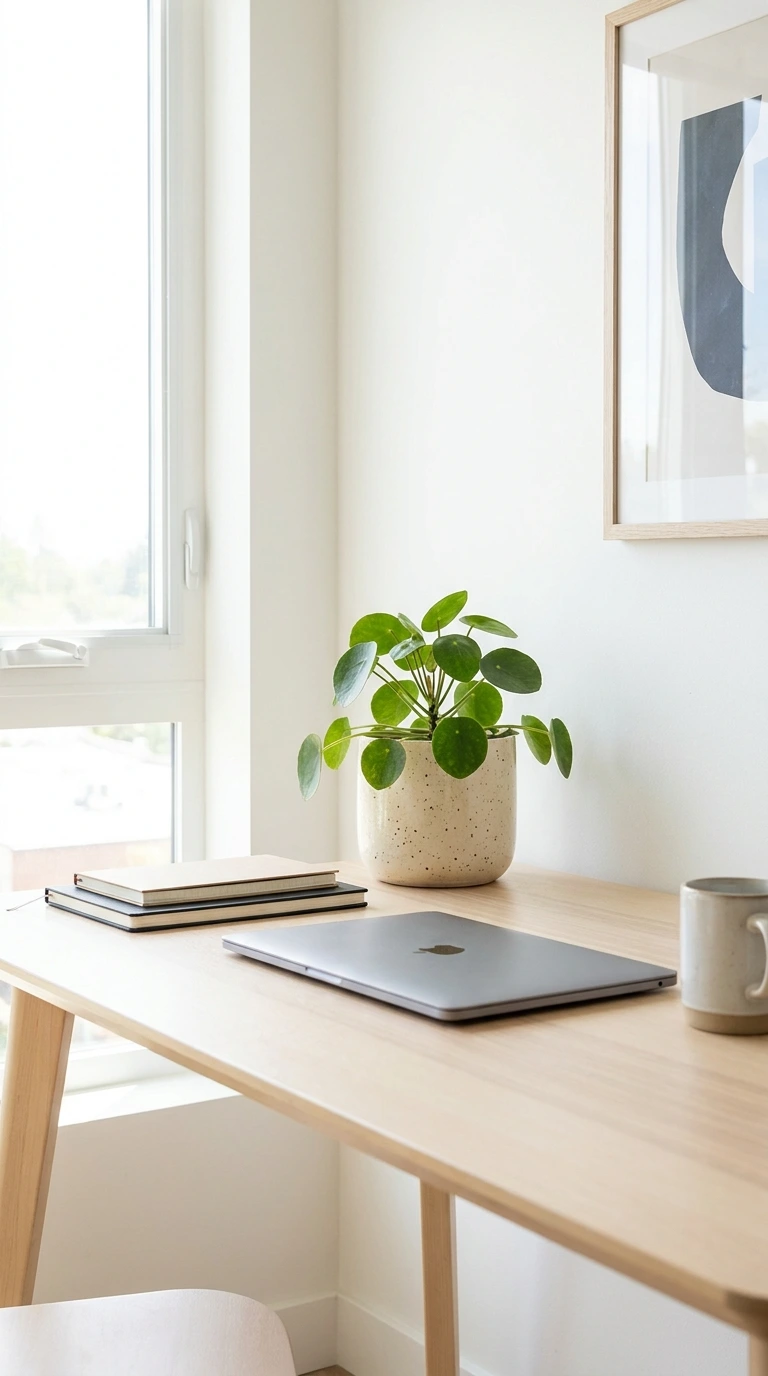
A plant on the desk or on a nearby shelf adds a natural, living element that no amount of styled decor can fully replicate. Research consistently shows that having plants in a workspace improves mood and reduces stress, which translates directly into a better working environment. They also add color and texture to what can otherwise be a fairly hard-surfaced room.
Choose low-maintenance plants like a pothos, snake plant, or ZZ plant if you tend to forget watering schedules. A small plant on the desk itself feels more personal, while a larger plant in the corner adds more visual presence. Either approach brings something alive into a space that otherwise risks feeling static.
Best Plants for a Home Office
- Pothos for low light and easy care
- Snake plant for clean air and minimal watering
- ZZ plant for near-indestructible durability
- Peace lily for a softer, flowering option
- Small succulents for a compact desk presence
8. Use a Monitor Arm to Free Up Desk Space
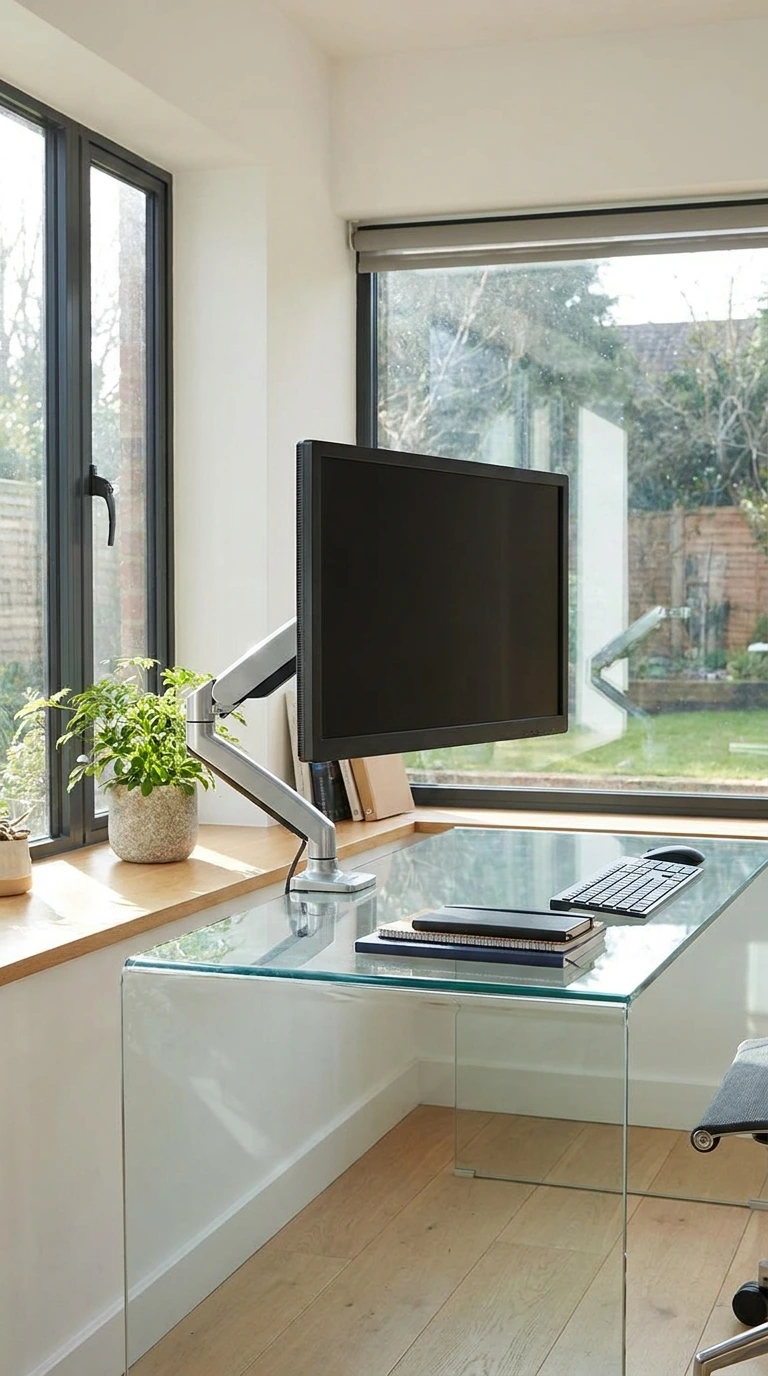
A monitor arm mounts your screen to the desk or wall and lifts it off the surface entirely, freeing up a meaningful amount of desk space that a standard monitor stand would otherwise occupy. This change also allows you to adjust the monitor height and angle precisely, which most standard stands do not allow. The result is a tidier desk and a better ergonomic setup at the same time.
Choose an arm with a gas spring mechanism for smooth, easy repositioning throughout the day. A single arm works for one monitor while a dual arm handles two side by side. This is a hardware upgrade that pays off in both comfort and usable desk space.
9. Add a Rug Under the Desk
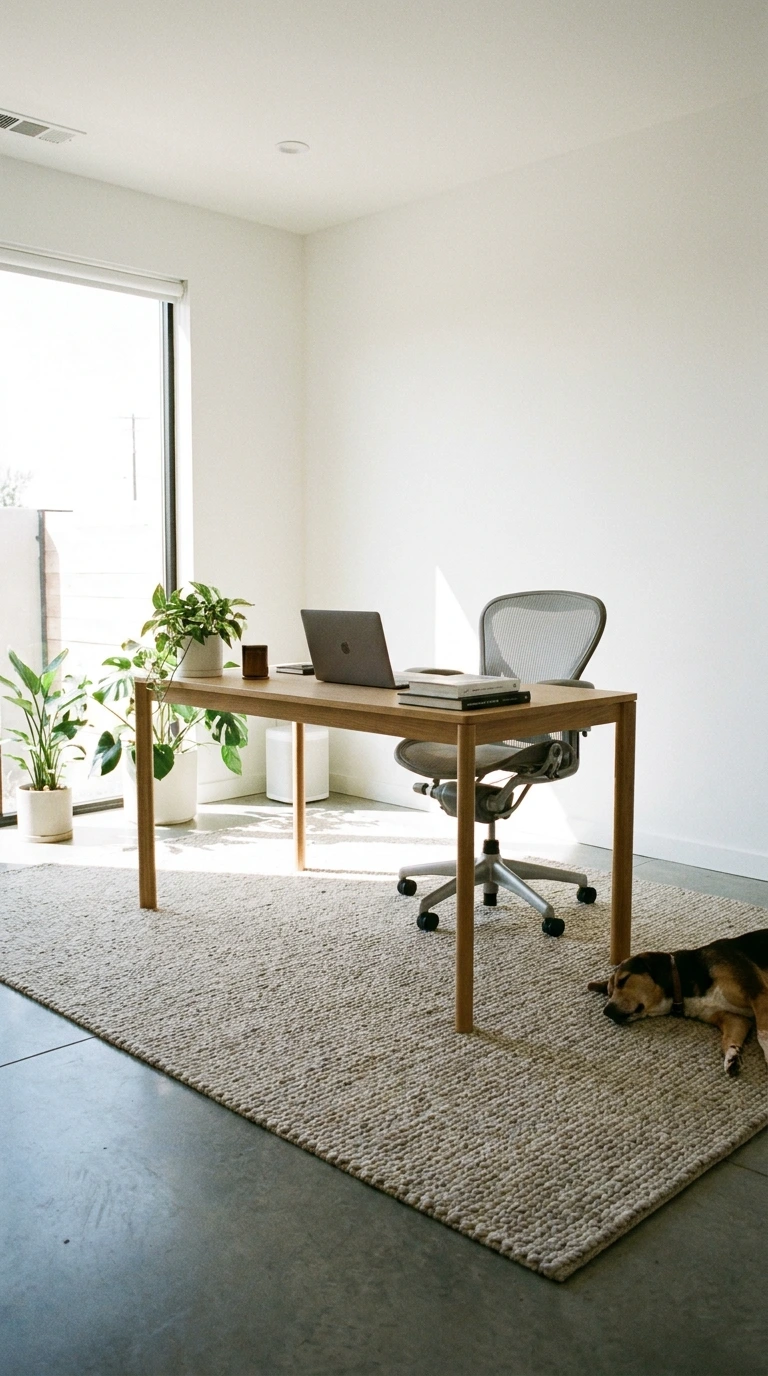
A rug beneath the desk adds warmth and texture to a space that often defaults to bare floors, and it helps define the office area within a larger room. This is especially useful in open-concept spaces where the home office shares floor space with a living area. A rug also reduces echo, which makes a real difference on calls.
Choose a rug large enough to sit under the desk and extend a foot or two in front of it, since a rug that is too small will look visually disconnected from the furniture. A low pile works better under a rolling chair than a high pile, which can make the chair feel resistant. This is an affordable addition that changes how grounded and intentional the space feels.
| Style Name | Best For | Maintenance Level | Footprint Saved |
|---|---|---|---|
| Ergonomic Chair | Any home office | Low | None |
| Monitor Arm | Single or dual screens | Low | Medium |
| Floating Shelves | Small offices | Low | Large |
| Cable Management Box | Any desk setup | Low | Small |
| Desk Lamp | Any workspace | Low | None |
10. Manage Your Cables
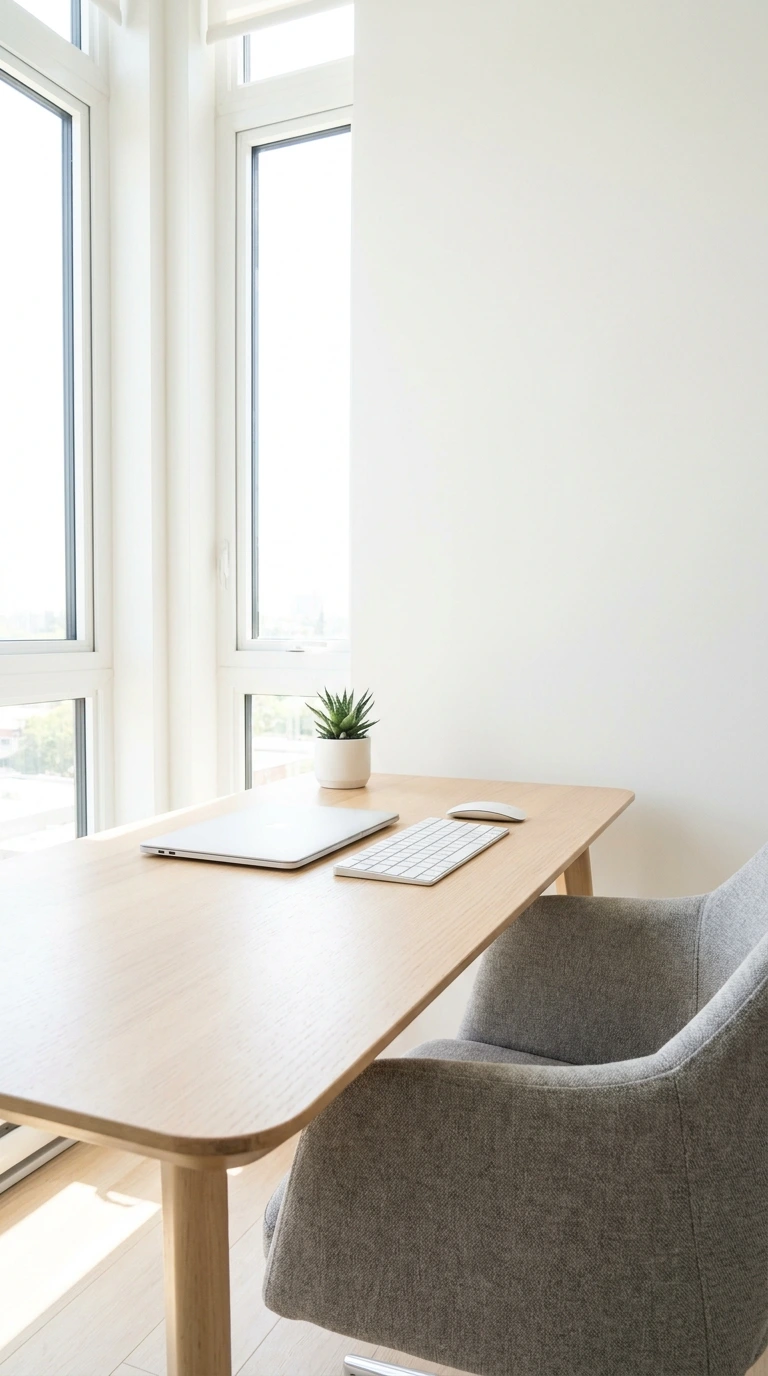
Visible cable clutter is one of the fastest ways to make a well-designed home office look unfinished, and it creates a low-level visual distraction throughout the day. Managing cables does not require expensive equipment, just a few simple tools and about an hour of time. The difference in how the desk looks and feels afterward is immediate.
A cable management box hides power strips and excess cable length. Adhesive cable clips keep individual cords running neatly along the back edge of the desk. A single cable channel running from the desk to the floor handles the drop to the wall outlet. Use these three solutions together and the desk surface looks dramatically cleaner within an afternoon.
11. Style Your Desk With One Personal Object
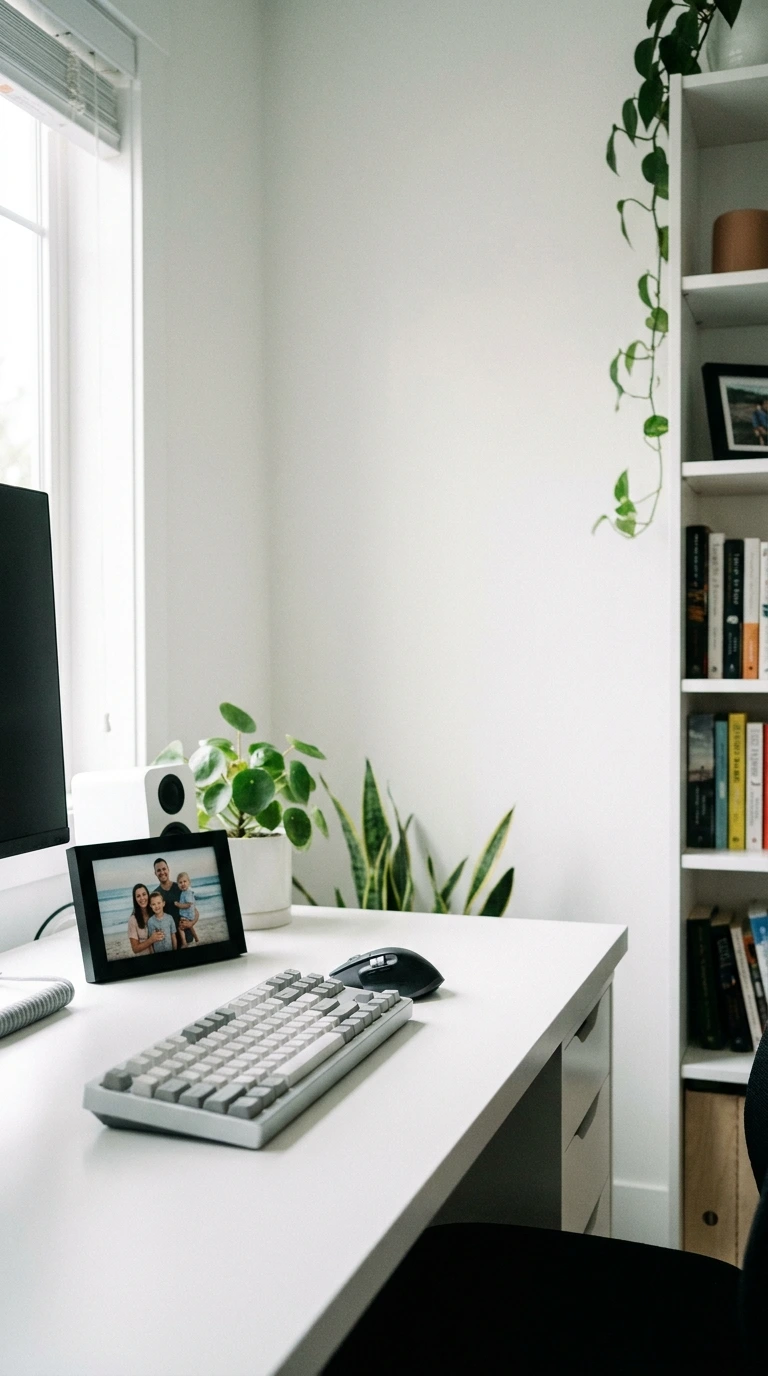
A single personal object on the desk, like a small framed photo, a meaningful trinket, or a piece of art you love, makes the space feel like yours rather than a generic workstation. This is a small detail but it matters for how connected you feel to the space each morning. One object works better than several, since a single item reads as intentional rather than cluttered.
Choose something that brings genuine positive feeling when you glance at it during the day, not just something that looks good in photos. Replace it occasionally if you notice it has become invisible through familiarity. It is a detail that costs nothing but contributes quietly to how the space feels.
12. Add a Corkboard or Magnetic Board
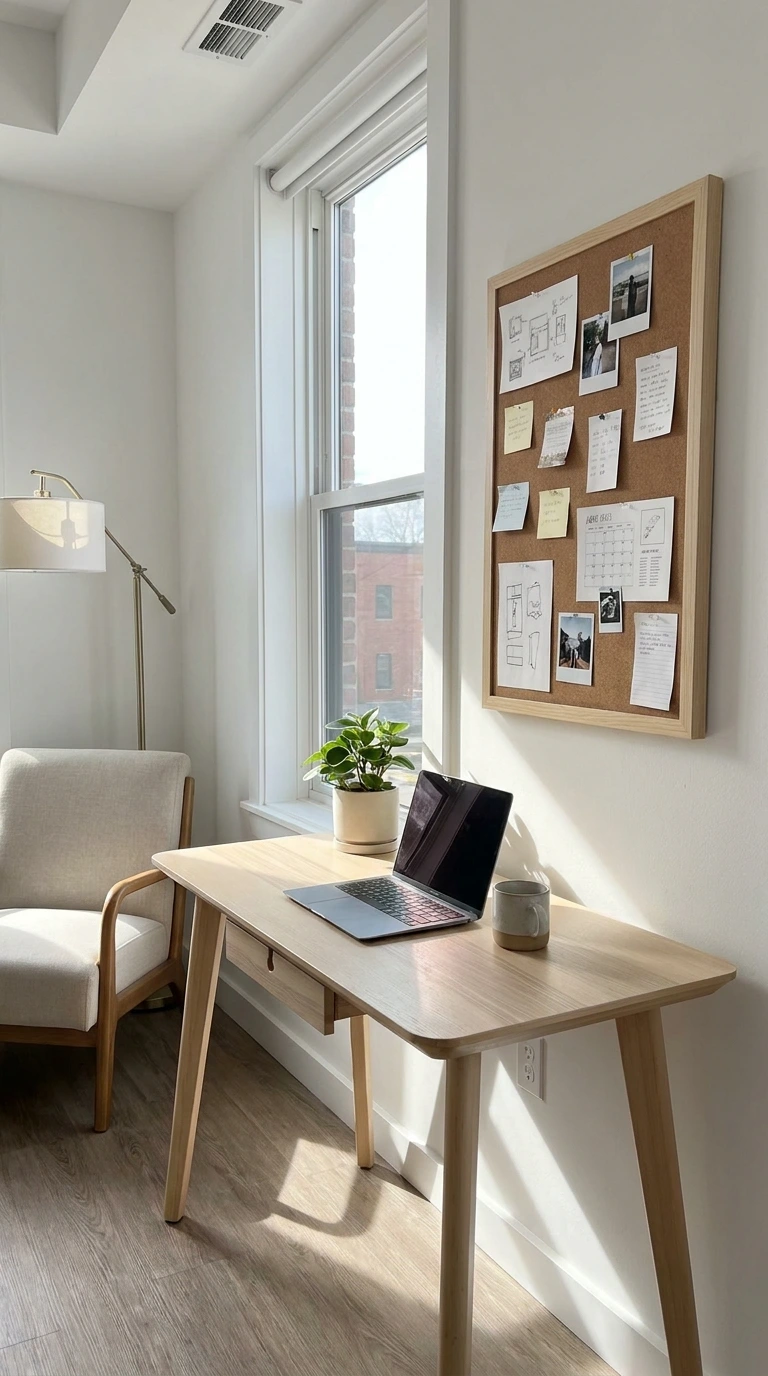
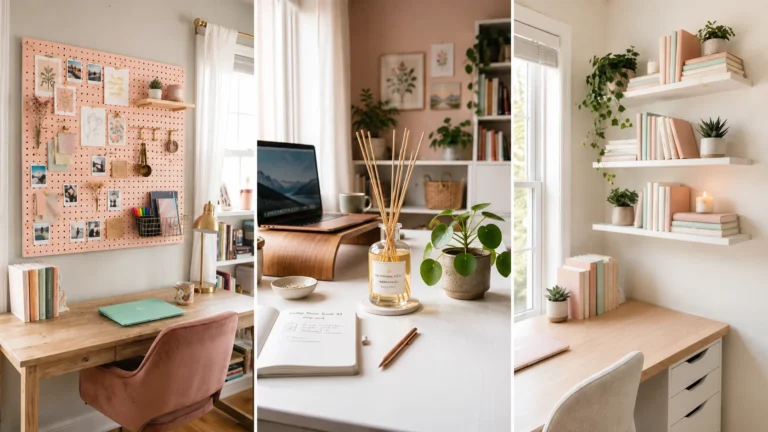
A corkboard or magnetic board mounted near the desk gives you a visual workspace for current projects, reference materials, and notes that do not have a permanent home. This reduces the amount of paper that ends up on the desk surface while keeping important information visible and accessible. It works particularly well for anyone whose workflow involves physical sketches or printed references.
Choose a board sized for the available wall space near the desk rather than the maximum size that fits. A simple frame or thin border keeps the board looking finished rather than purely functional. Pin current projects only, rotating items out as they are completed to avoid the board becoming a permanent dumping ground.
Important: Set up your home office in a room with a door if at all possible. The ability to close the door at the end of the workday creates a physical and psychological boundary between work and rest that an open-plan setup rarely manages to replicate.
13. Use Floating Shelves Above the Desk
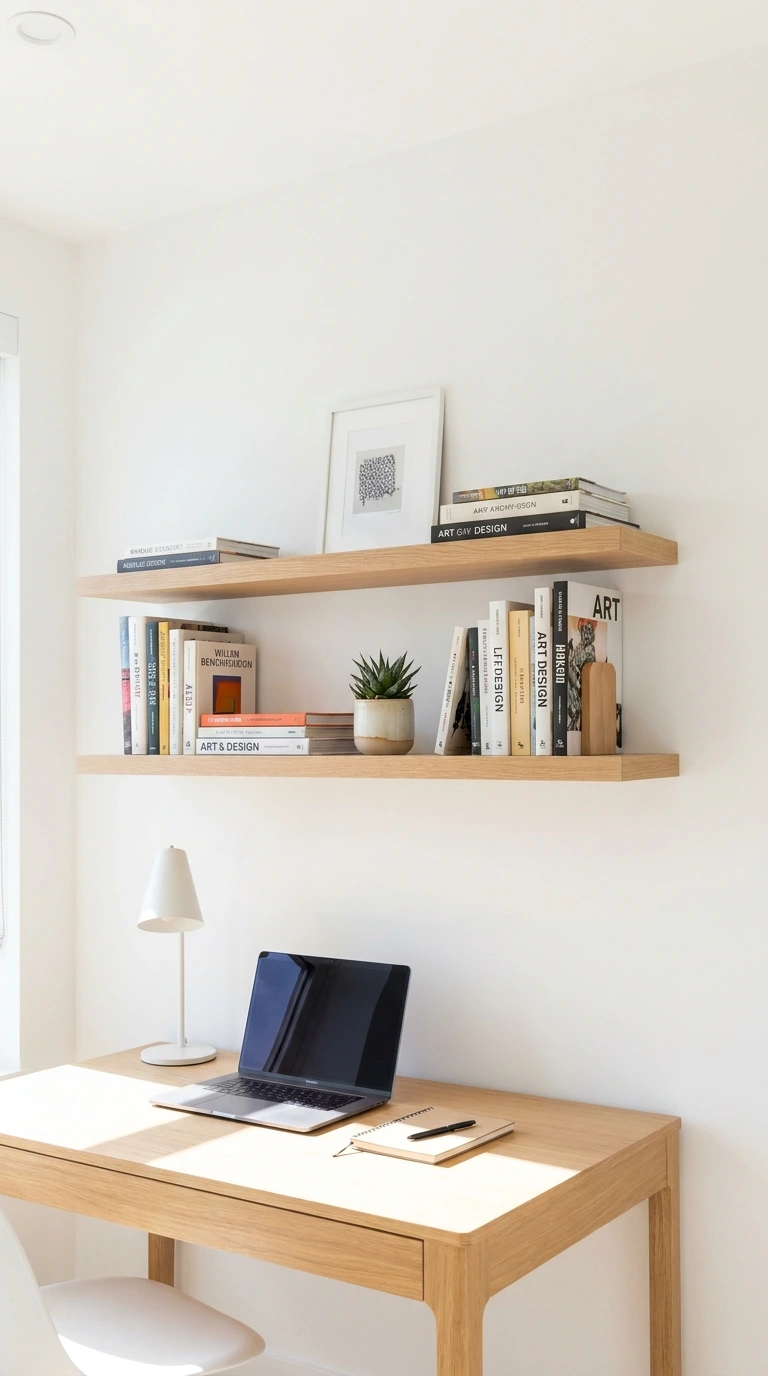
Floating shelves mounted above the desk add vertical storage and display space without consuming any floor area. This is particularly useful in small home offices where every square foot of floor space matters. Shelves above the desk also bring books, plants, and styling within easy reach of the workspace itself.
Mount shelves at a height that does not require you to strain to reach the bottom shelf while seated. Leave the shelf directly above the monitor relatively clear to avoid visual clutter in your direct sightline. Two shelves at staggered heights tend to look more interesting than a single row.
What to Put on Floating Shelves Above a Desk
- Reference books organized by frequency of use
- A small plant for a natural element at eye level
- One or two framed pieces of art or personal photos
- A small speaker or other tech that benefits from being raised
- Decorative objects that reflect your personal style
14. Choose Warm, Layered Lighting
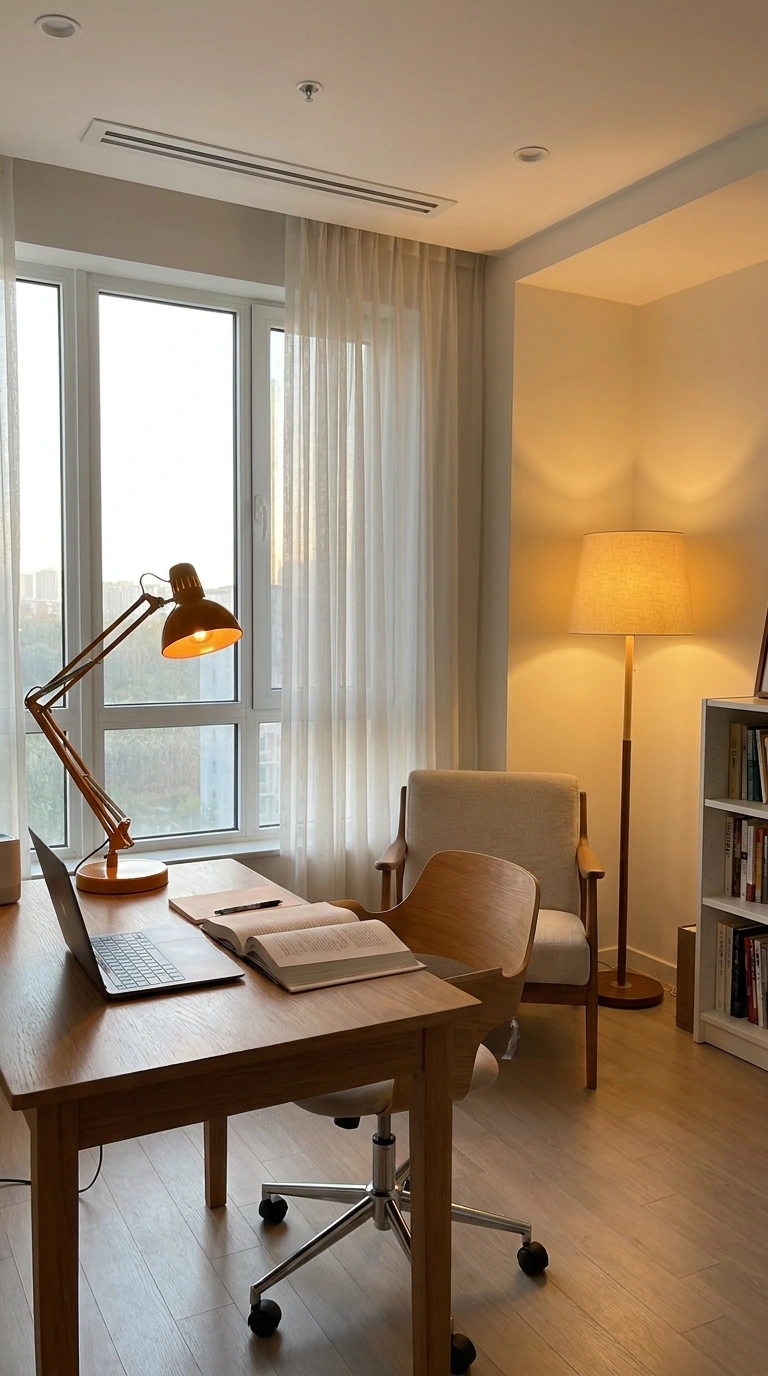
A single overhead light source creates flat, uninspiring illumination that flattens the room and strains the eyes during long sessions. Layering two or three light sources at different heights creates a warmer, more dynamic environment that feels genuinely inviting to work in. This is one of the highest-impact changes available for almost any home office.
Combine a ceiling fixture or recessed light for general illumination with a desk lamp for task lighting and a floor lamp or shelf light for ambient warmth. Choose bulbs with a color temperature around 3000 to 4000 kelvin for a balance between warmth and clarity. Avoid fluorescent or very cool-toned bulbs, which tend to feel clinical and draining over a full workday.
15. Paint or Wallpaper One Accent Wall
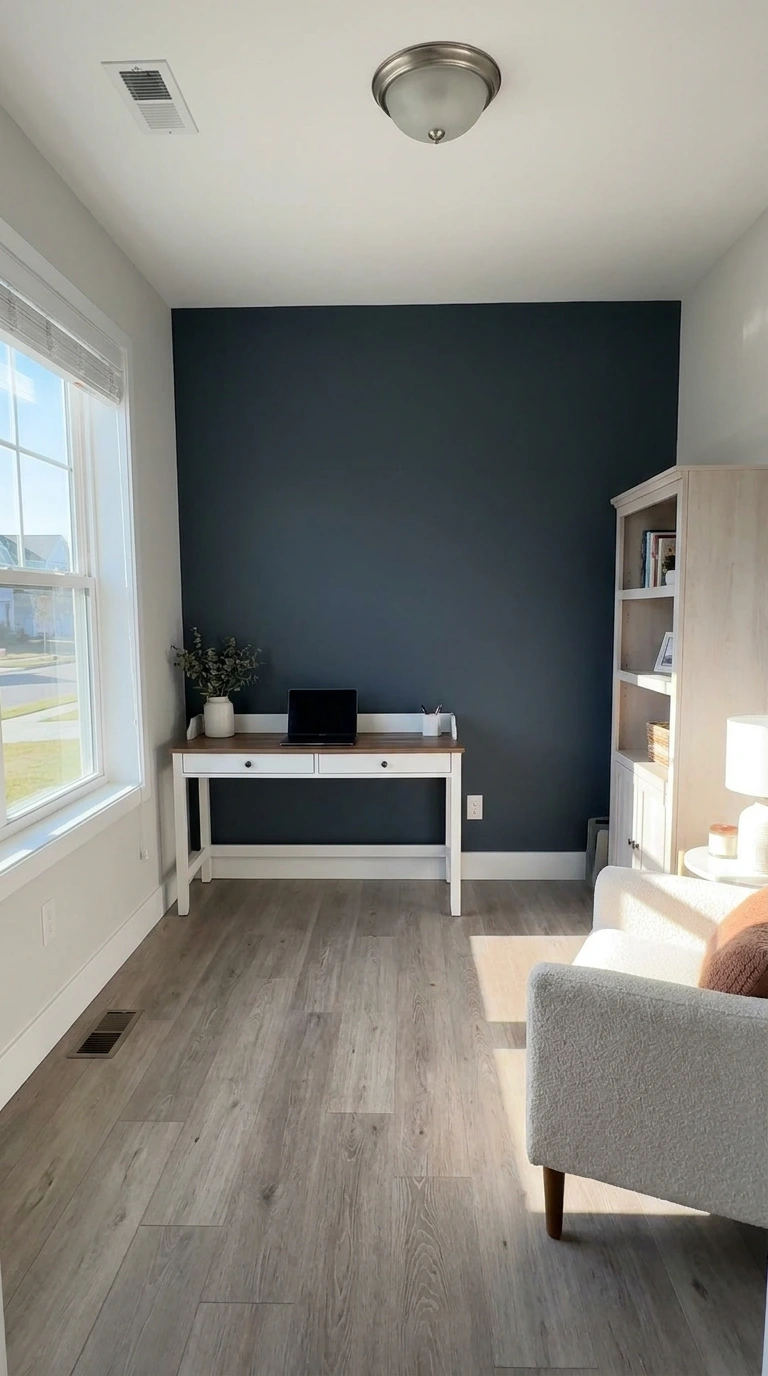
A single accent wall behind the desk adds depth and visual interest without committing the entire room to a bold design choice. This approach works particularly well for video calls, since a styled wall behind you looks far more professional and intentional than a plain white surface. It is a relatively low-commitment change that has a high visual payoff.
Choose a color or pattern that complements rather than competes with the rest of the room. A dark, moody tone behind a light desk creates a striking contrast that reads well both in person and on camera. Removable wallpaper makes this accessible for renters who cannot paint.
16. Invest in a Good Desk Mat
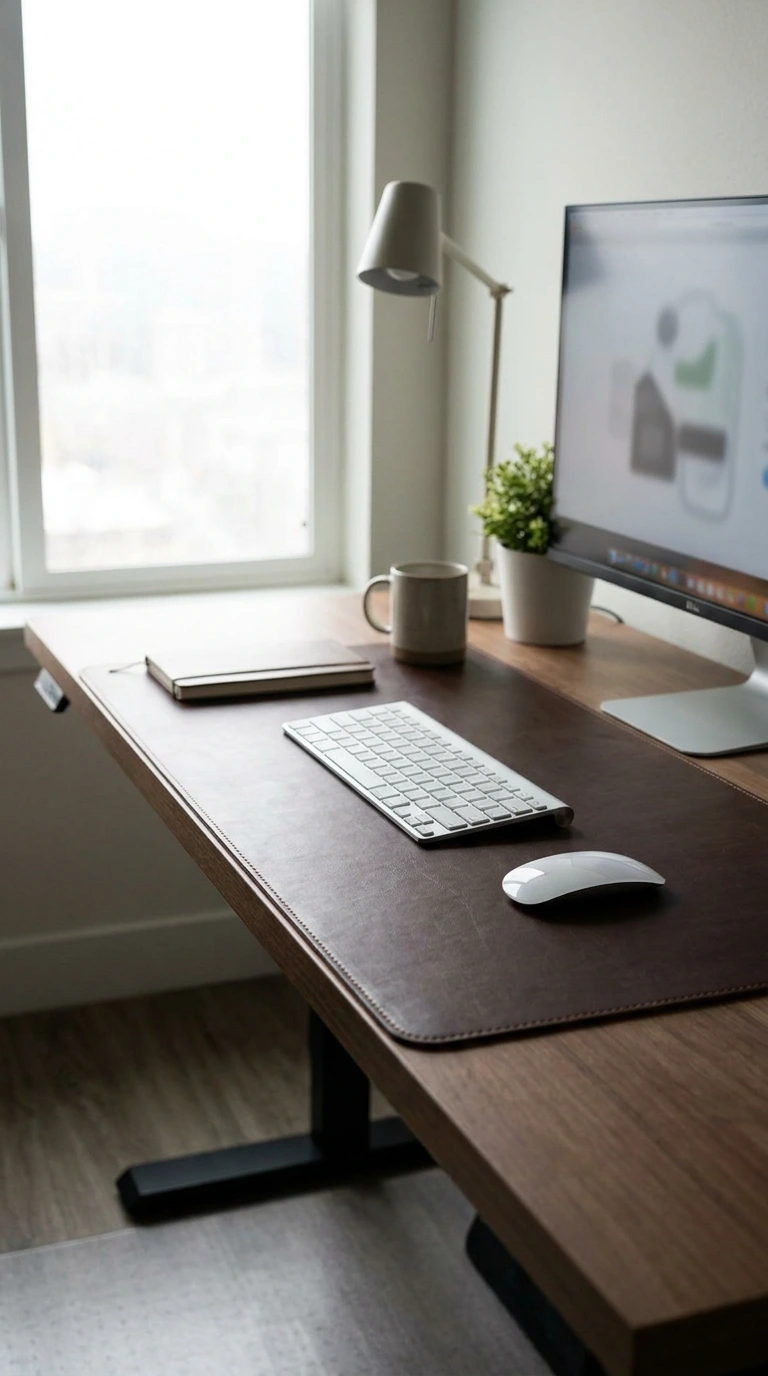
A large desk mat covers the surface beneath your keyboard and mouse, protecting the desk while adding a layer of texture and color that makes the whole setup feel more finished. This is one of the most affordable and overlooked home office upgrades available. A good mat also makes the surface more comfortable for long writing sessions.
Choose a mat that extends the full width of your keyboard and mouse area, since a mat that is too small defeats the purpose. Leather or felt mats in neutral tones tend to complement most desk setups without competing with other elements. This is a small detail that makes the desk feel noticeably more intentional.
💡 Pro Tip: A large desk mat in a contrasting color to your desk surface adds a subtle design layer that makes the whole setup look more considered. Dark mat on a light desk or light mat on a dark desk both work well.
17. Create a Dedicated Storage Zone
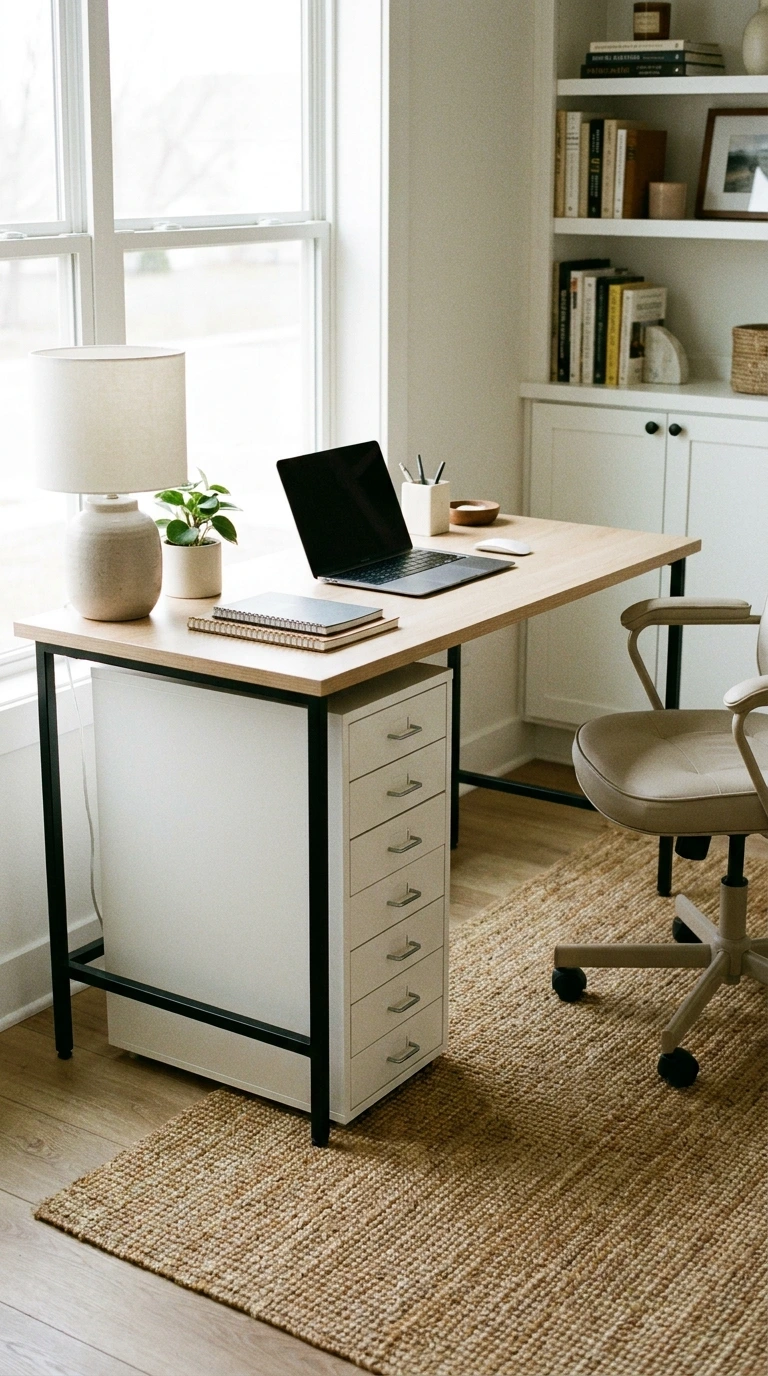
Keeping office supplies, files, and equipment in a clearly defined storage zone, rather than scattered across the desk and surrounding floor, is one of the most practical changes you can make to a home office. This could be a filing cabinet, a dedicated drawer unit, or a simple set of labeled boxes on a shelf. The key is that everything has a specific home.
Choose storage that fits within the existing furniture footprint rather than adding separate pieces that crowd the room. A rolling pedestal drawer unit that tucks under the desk is particularly space-efficient. Label storage clearly so items return to the right place rather than defaulting back to the desk surface.
18. Add an Inspiration Board or Gallery Wall
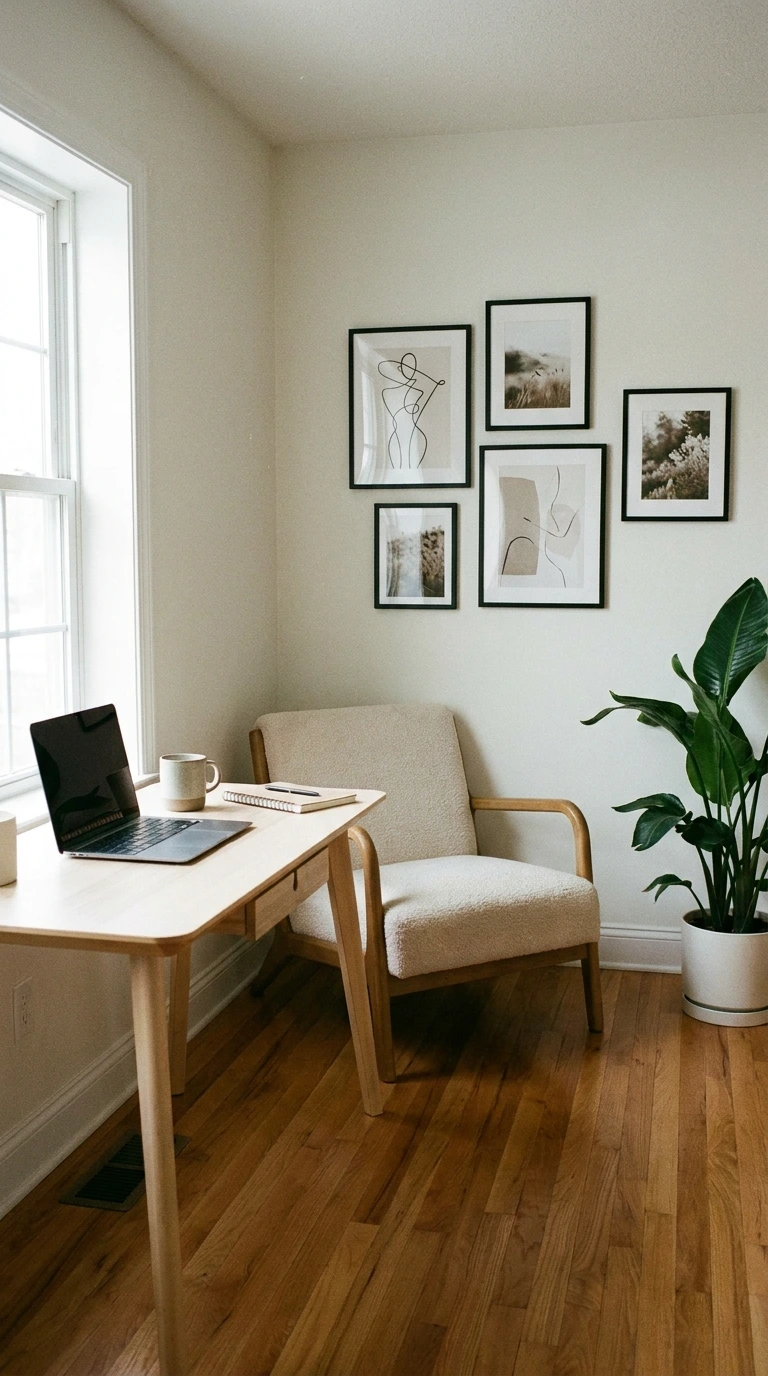
A small gallery wall or inspiration board on the wall beside or behind the desk gives you something visually engaging to look at during thinking moments throughout the day. This detail makes the space feel more personally yours and can genuinely support creative thinking when a project feels stuck. It works for any type of work, not just creative fields.
Mix prints, postcards, clippings, and personal photos rather than buying a matching set of frames for a more collected, lived-in feel. Keep the board positioned within your peripheral vision rather than directly in your sightline, since something too visually stimulating directly ahead can compete with the screen. Refresh the board occasionally to keep it feeling current.
19. Keep the Background of Your Video Calls Clean
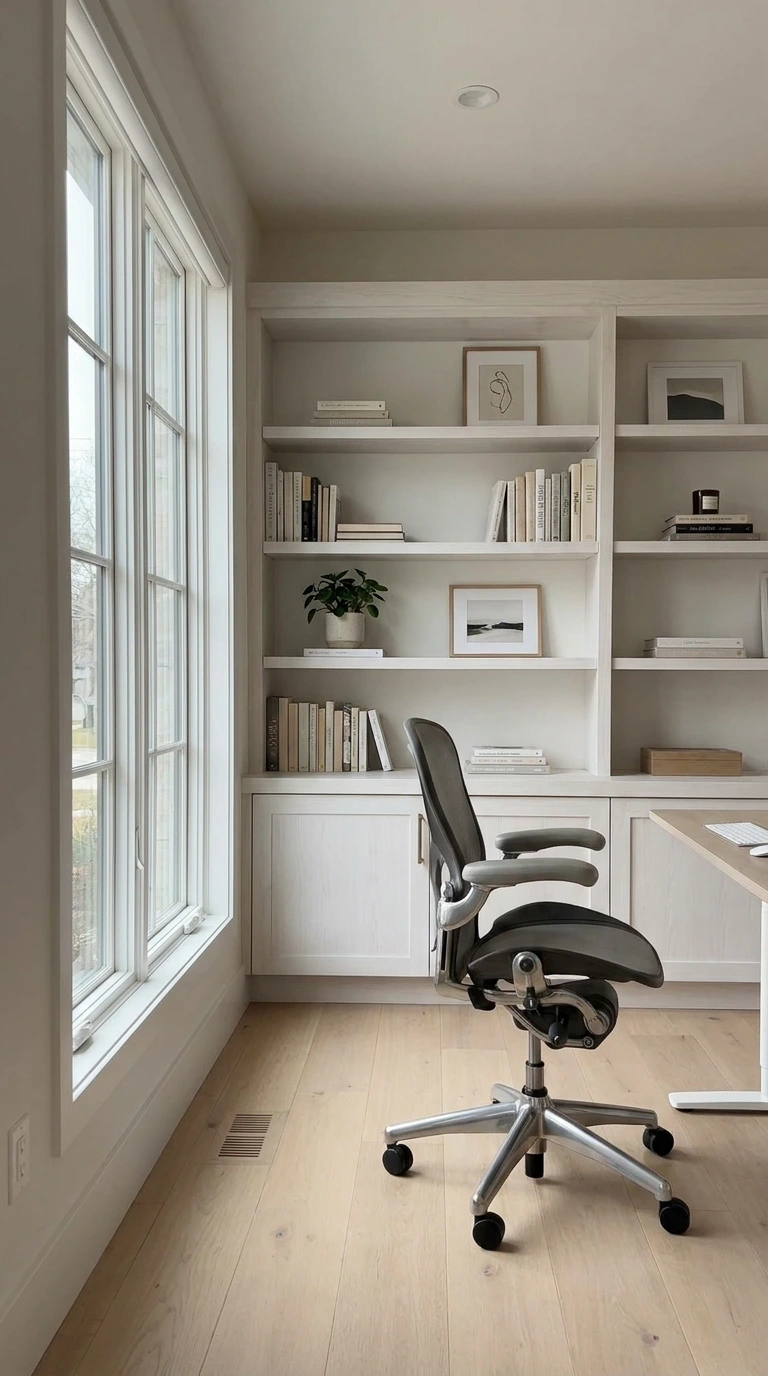
If you appear on video calls regularly, the area visible behind you on camera is worth treating as its own design zone. A cluttered or poorly lit background creates a distracting impression before you have said a single word. A simple, intentional background makes you look more professional without requiring any expensive equipment.
Position the desk so your back is to a wall rather than a window, since backlit faces are difficult to see on calls. Style the wall or bookshelf behind you with a few simple elements that look good on camera without being distracting. Good lighting in front of you, facing your face, makes a greater difference than any background styling.
20. Personalize the Space So It Feels Like Yours
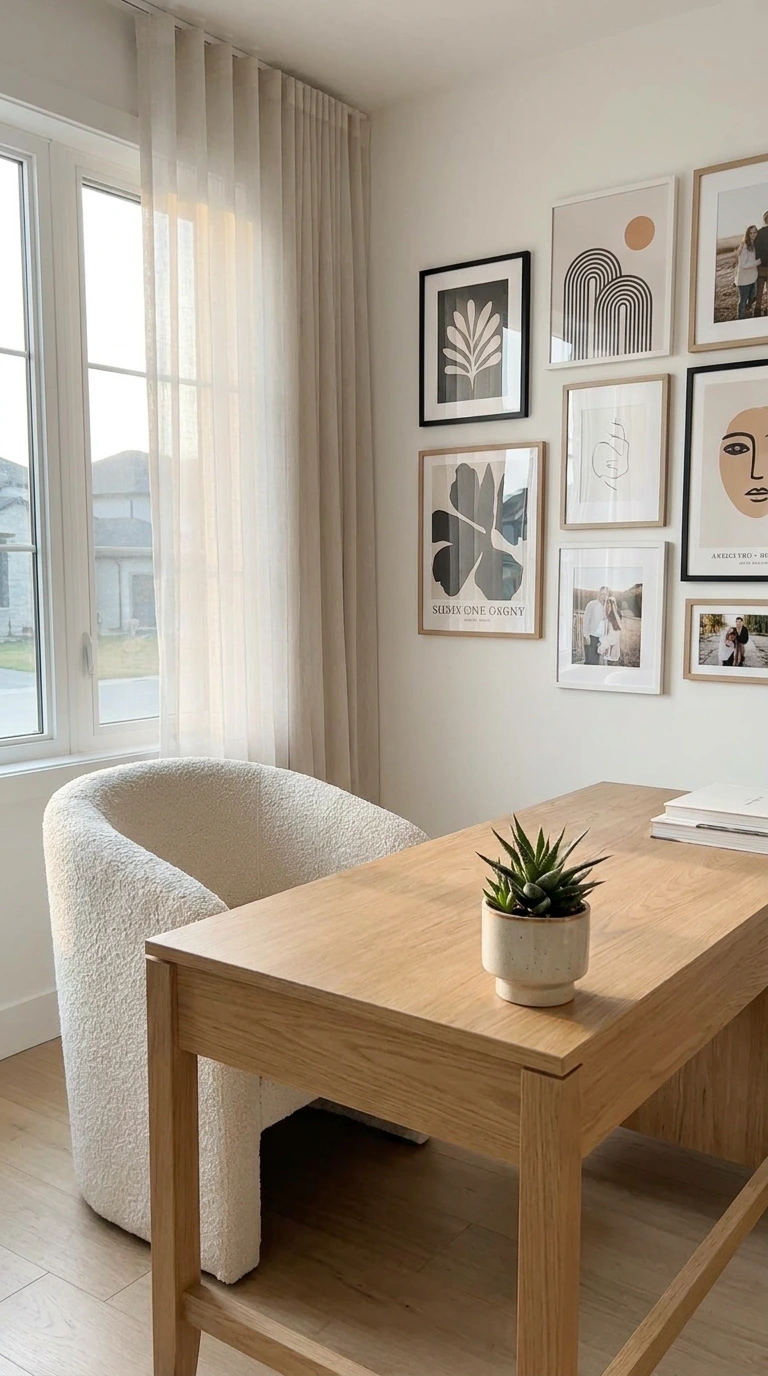
A home office that feels generic and impersonal is harder to spend time in than one that reflects who you are. This does not mean filling the space with clutter but rather choosing a few elements that genuinely represent your taste, interests, or what motivates you. Personalization is what separates a home office that functions from one that actually inspires.
Choose one strong design direction, whether that is warm and rustic, clean and minimal, or bold and colorful, and commit to it rather than mixing too many styles. A space that feels coherent feels more settled to work in than one that looks assembled from different sources without a clear point of view. This is the detail that ties every other upgrade on this list together.
Frequently Asked Questions
What is the most important thing to get right in a home office?
Lighting and seating have the most direct daily impact on comfort and focus. Getting both right before spending money on styling or decor tends to produce the best overall result.
Can I set up a good home office in a small space?
Yes, a corner of a room with a wall-mounted desk, floating shelves, and a good chair works well for most types of work. Vertical storage and a monitor arm help maximize a small footprint without sacrificing function.
What color should I paint my home office?
Soft, muted tones like warm green, muted blue-gray, or warm white tend to support focus without feeling clinical or dull. The right color depends on your natural light levels and personal preference.
How do I reduce distractions in a home office?
A clear desk surface, managed cables, and a closed door make the biggest difference. Keeping personal items and non-work objects outside the immediate desk area also helps significantly.
Do plants really help in a home office?
Research suggests that plants in a workspace can improve mood and reduce stress. Beyond the research, they add a natural, living element that makes a space feel less static and more enjoyable to spend time in.
How do I make my home office look good on video calls?
Position the desk so a wall or styled bookshelf is behind you rather than a window. Add good lighting facing your face, and keep the area visible on camera clean and intentionally styled.
Is a standing desk worth it for a home office?
A height-adjustable desk is worth considering if you find yourself spending the majority of your day seated. Alternating between sitting and standing throughout the day can help with energy levels and posture over long sessions.
Conclusion
A home office that works for you is not about having the most expensive setup or the most perfectly styled room. It comes down to getting the foundational details right, like good lighting, a comfortable chair, and a clear surface, and then layering in the personal touches that make the space feel genuinely yours. Those two things together are what turn a desk in a corner into somewhere you actually want to show up every morning.
Start with the changes that will affect your daily comfort the most, then build toward the styling details as time and budget allow. A great home office is worth investing in, because you spend more time there than almost anywhere else in your home.