Platform Bed vs. Traditional Bed Frame: Which is Right for Your Bedroom?

Introduction
Choosing between a platform bed and a traditional bed frame comes down to more than just looks. The two options differ in height, support, cost, storage, and even how long they last, and getting this decision right affects everything from your sleep quality to how the whole bedroom feels.
Both styles serve the same basic purpose, holding your mattress off the floor, but they go about it in genuinely different ways. A platform bed relies on a solid or closely slatted base built into the frame itself, while a traditional frame typically depends on a separate box spring to do that same job.
This guide breaks the decision down into forty specific points of comparison, covering everything from mattress compatibility to room size, so you can figure out which style actually fits your bedroom and your sleep habits.
1. What Defines a Platform Bed
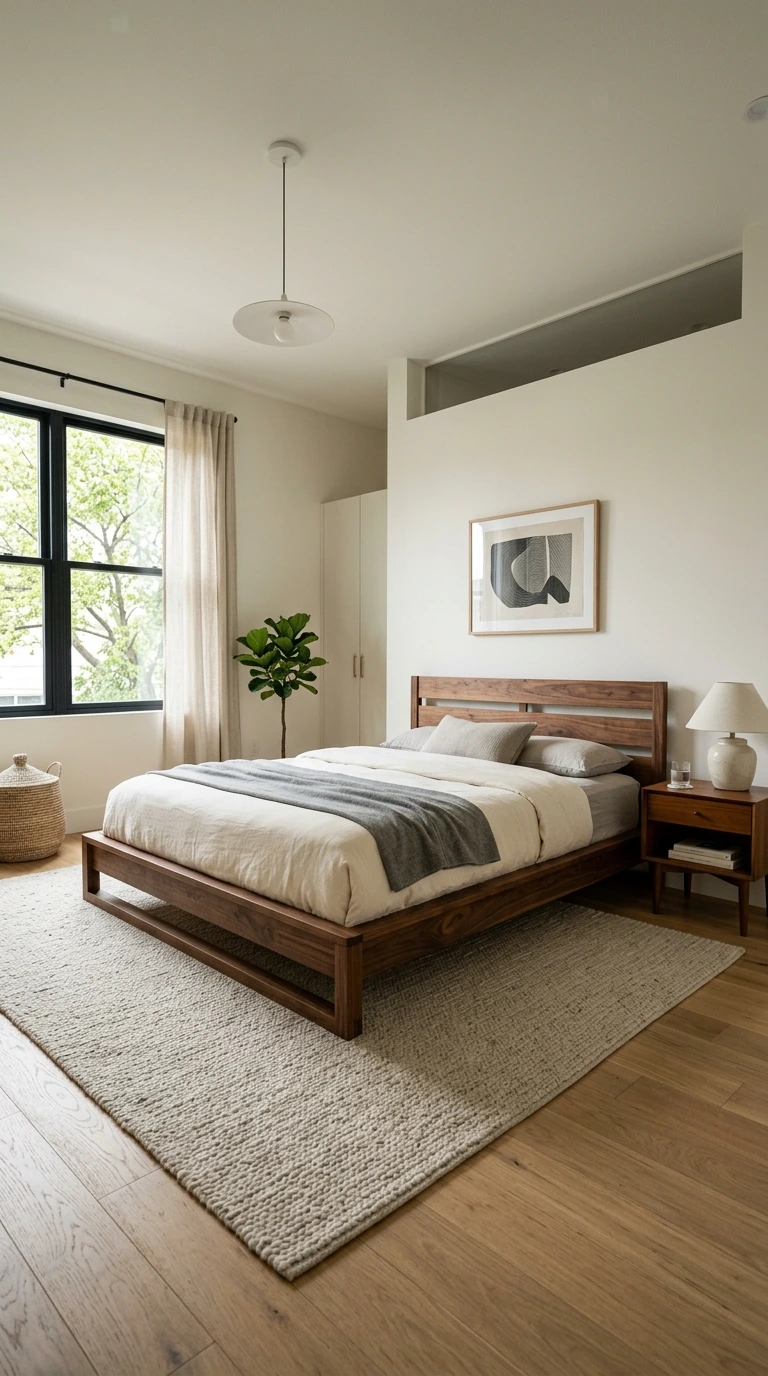
A platform bed is built around a single defining feature, a low-profile base, either a solid surface or closely spaced slats, that supports the mattress directly without needing a separate foundation. The frame itself does the structural work that a box spring would otherwise handle.
Because the base sits close to the ground and requires no additional layer beneath the mattress, platform beds tend to have a distinctly modern, streamlined silhouette. This construction style has become the most common choice in newly built homes and contemporary furniture lines over the past decade.
2. What Defines a Traditional Bed Frame
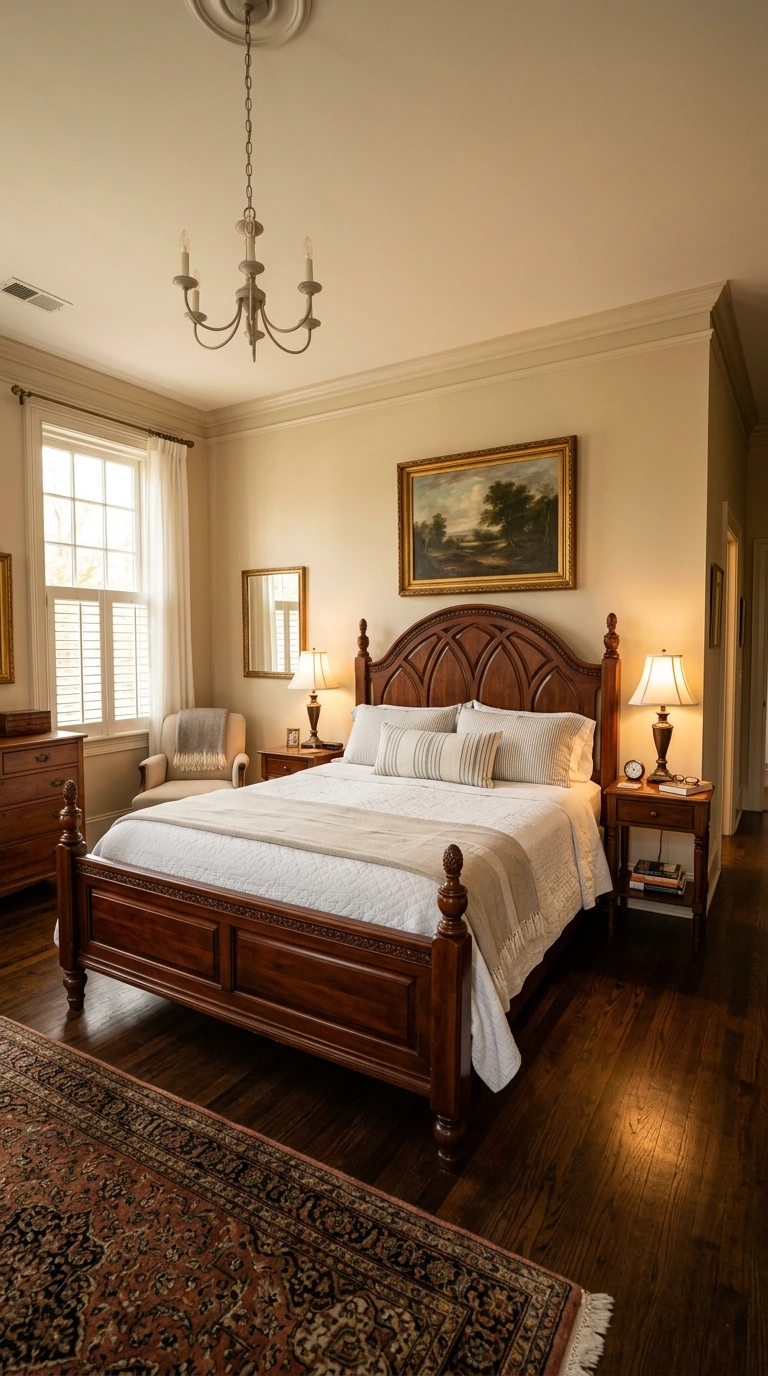
A traditional bed frame, sometimes called a panel bed, typically features a headboard, footboard, and side rails built around widely spaced slats or ledges that cannot support a mattress on their own. This structure depends on a box spring to bridge the gap between the frame and the mattress.
This design has a much longer history than the platform bed, and it remains associated with a classic, more formal bedroom look. Many traditional frames are built to conceal the box spring within their structure, keeping it out of sight while still relying on it functionally.
Important: Before buying a traditional bed frame, confirm whether it is designed to accommodate a box spring or expects you to purchase one separately. Some newer “traditional-style” frames actually include platform-style slat support despite their classic appearance.
3. Box Spring Requirement
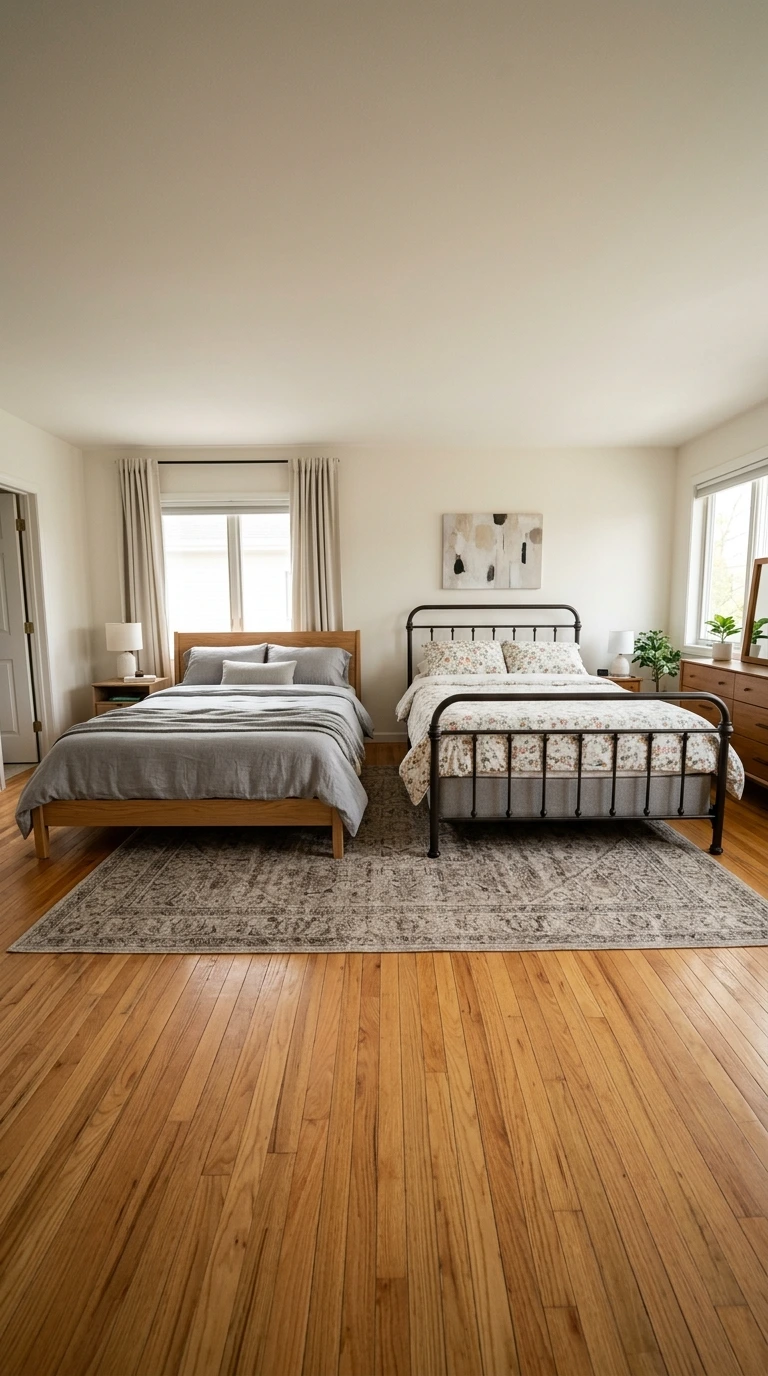
This is the single most defining structural difference between the two bed types. A platform bed eliminates the need for a box spring entirely, since its solid or closely spaced slat base provides all the support a mattress requires on its own.
A traditional frame, by contrast, generally requires a box spring to function properly, since its wider slat spacing or ledge design cannot adequately support a mattress without one. Skipping the box spring on a traditional frame often leads to premature sagging and reduced mattress lifespan.
4. Overall Bed Height
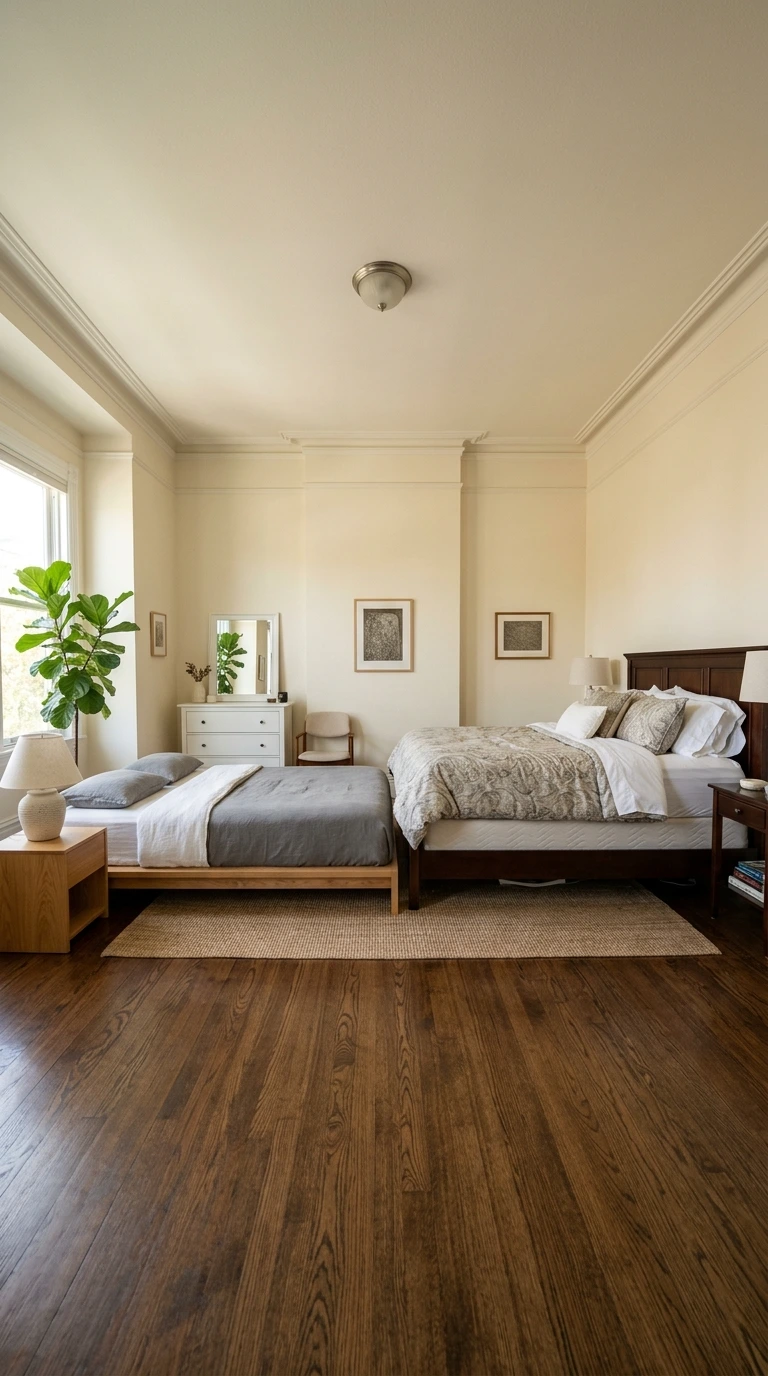
Platform beds sit noticeably lower to the ground, typically between twelve and eighteen inches from floor to mattress top, creating a grounded, low-profile look. Some ultra-low platform designs sit even closer to six inches off the floor for an especially minimal aesthetic.
Traditional frames paired with a box spring generally reach twenty to twenty-five inches in total height, creating a taller, more elevated bed. This added height contributes to the more formal, substantial feel traditional frames are known for, though it can also make the bed feel more imposing in a smaller room.
5. Visual Style and Aesthetic
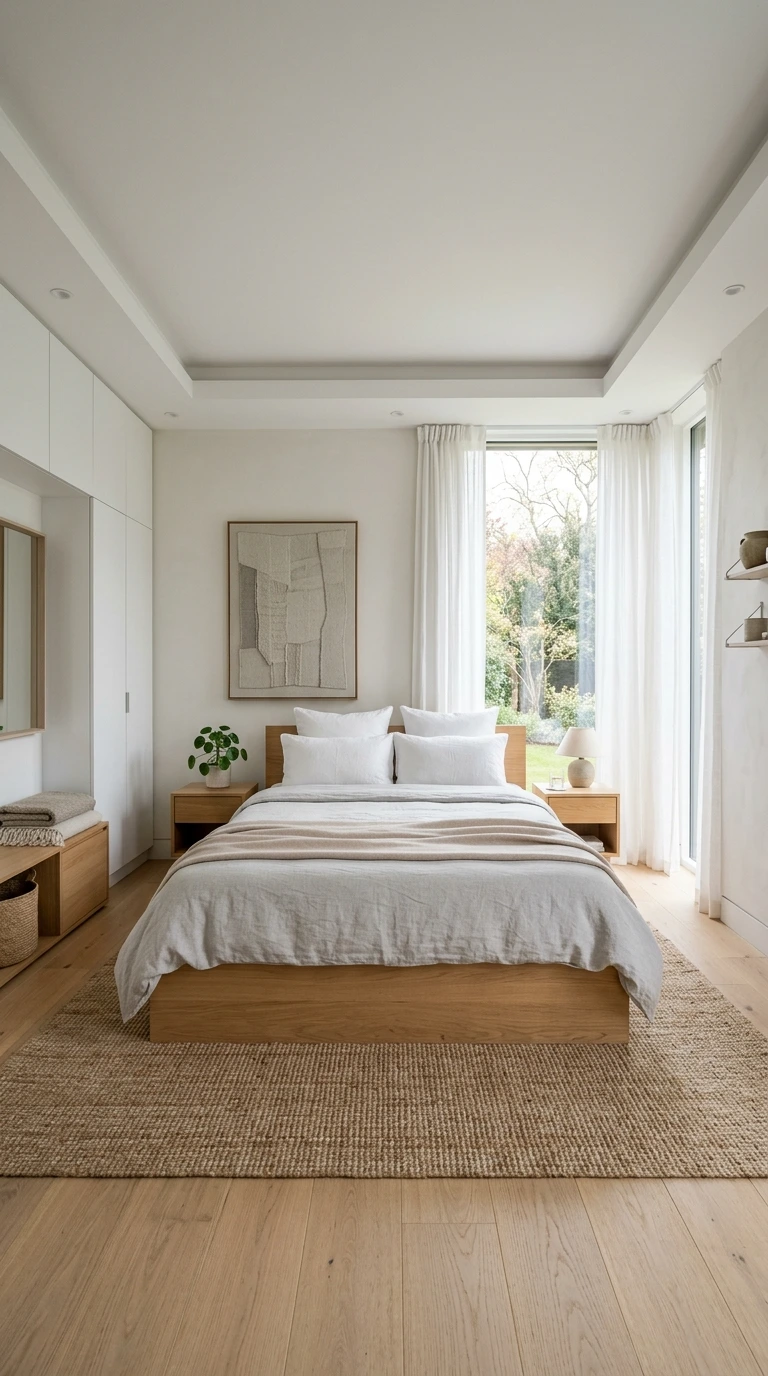
Platform beds lean strongly toward a modern, minimalist aesthetic, with clean lines and a low profile that suits contemporary and streamlined bedroom styles particularly well. Many platform designs skip a footboard entirely, further reinforcing their pared-down look.
Traditional frames offer a more classic, ornate, and elevated appearance, often featuring detailed headboards, footboards, and side rails that suit a more formal or vintage-inspired bedroom. If your bedroom’s overall style leans traditional, farmhouse, or classic, a traditional frame typically integrates more naturally than a platform bed would.
6. Mattress Compatibility for Platform Beds
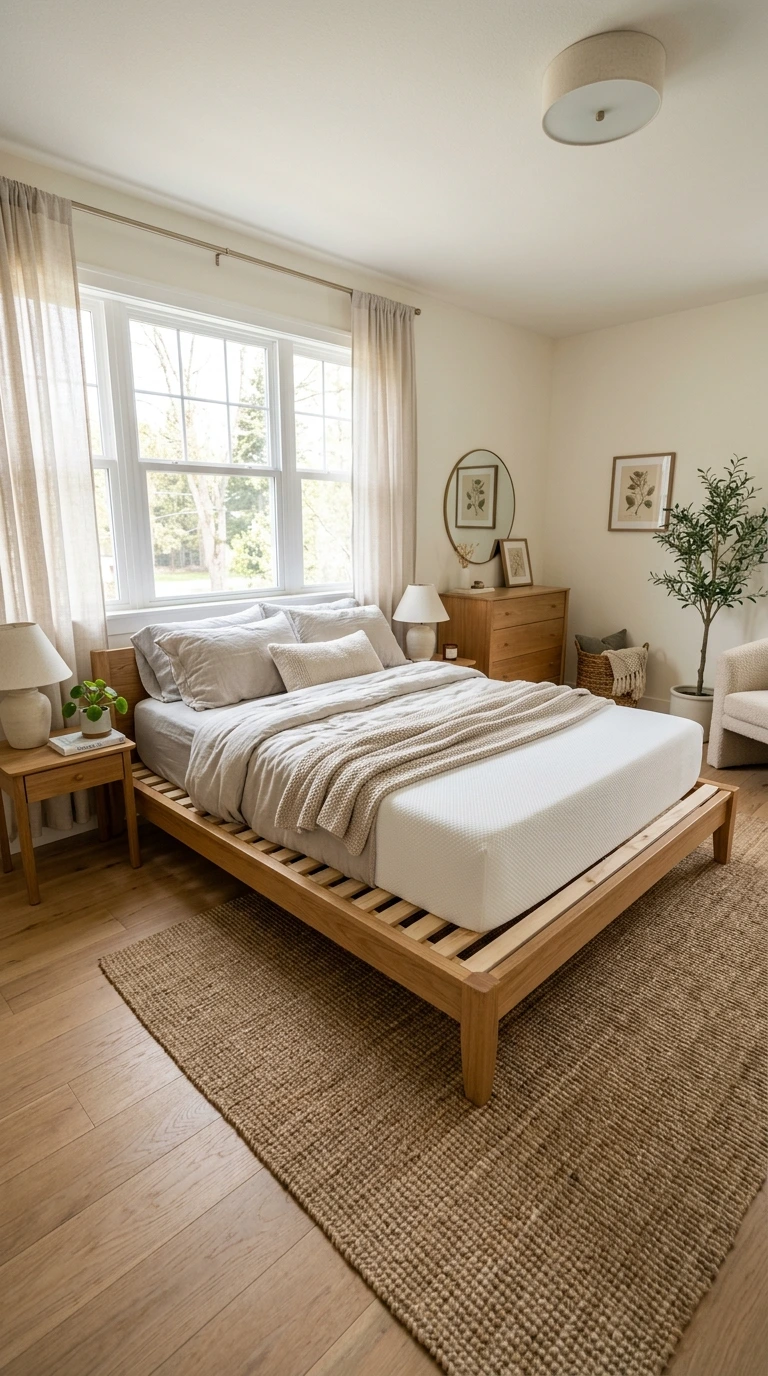
Platform beds work well with a wide range of mattress types, including memory foam, latex, hybrid, and even innerspring mattresses, as long as the base is solid or the slats are spaced no more than about three inches apart. This close spacing prevents sagging between gaps over time.
Foam and latex mattresses in particular tend to perform best on a platform base, since these materials benefit from the firm, even support a solid or closely slatted surface provides, without the extra give a box spring would otherwise add underneath.
7. Mattress Compatibility for Traditional Frames
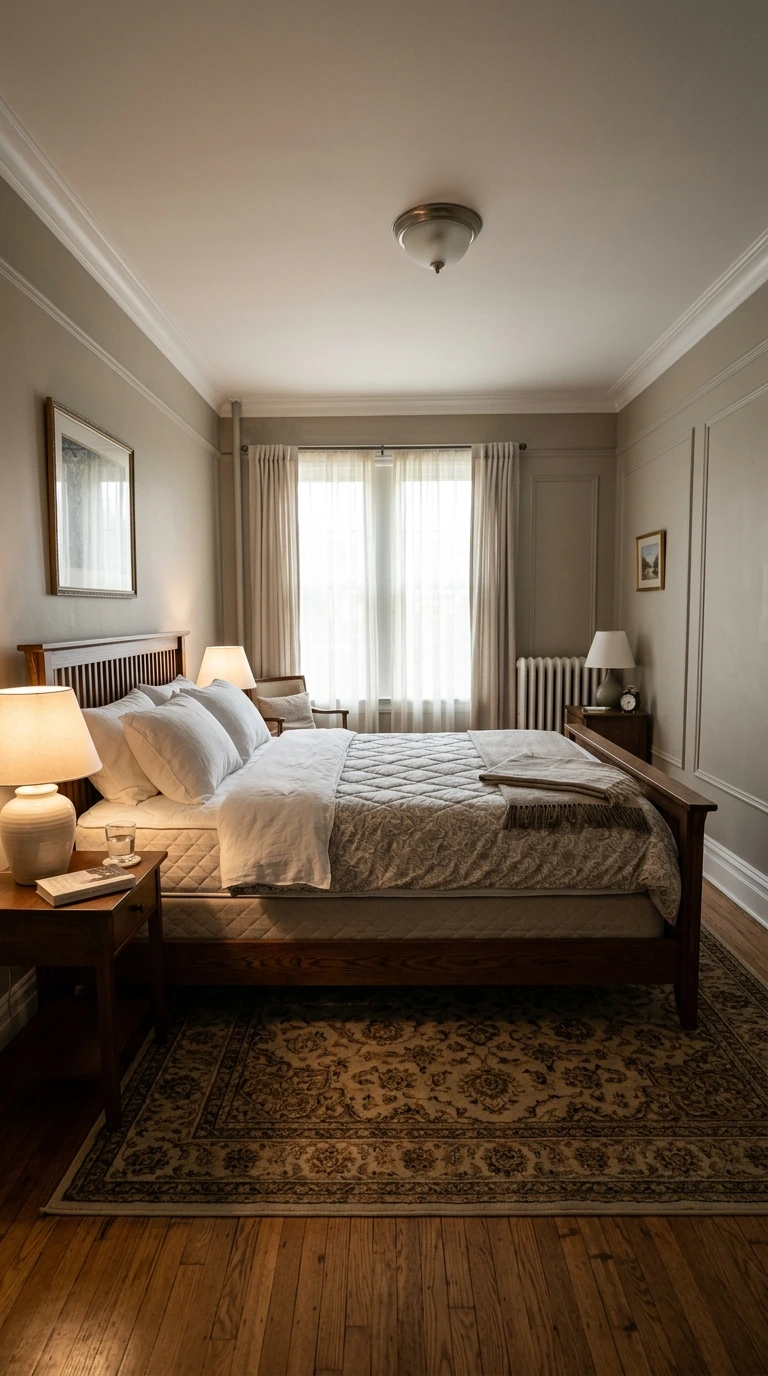
Traditional frames paired with a box spring suit innerspring mattresses particularly well, since the box spring’s internal coils work in tandem with the mattress’s own springs to absorb shock and distribute weight more evenly across the surface.
Denser foam and latex mattresses are generally less compatible with a traditional box spring setup, since these materials require a firmer, flatter surface than a box spring’s cushioned give can provide. Pairing the wrong mattress type with a traditional frame can shorten the mattress’s usable lifespan considerably.
Warning: Placing a dense memory foam or latex mattress directly on a traditional frame’s widely spaced slats without a box spring or solid support board underneath can cause the mattress to sag prematurely between the gaps.
8. Support and Sag Prevention
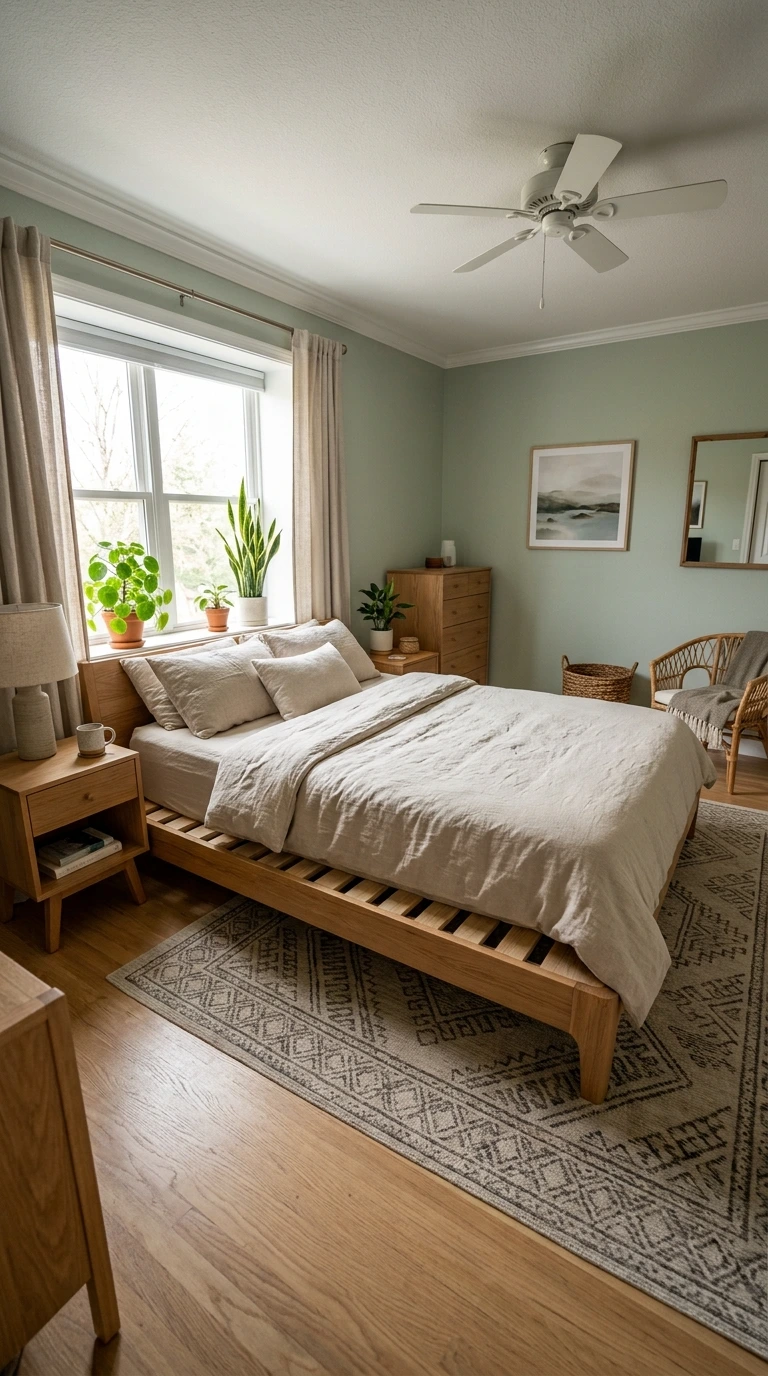
Platform beds generally offer more consistent, even support across the entire mattress surface, thanks to closely spaced slats or a fully solid base that leaves no significant gaps for the mattress to sink into over time.
Traditional frames with a box spring can develop soft spots as the box spring’s internal springs wear down with years of use, whereas a platform bed’s simpler, more rigid support structure tends to hold its shape more consistently over a comparable timeframe.
9. Airflow and Temperature Regulation
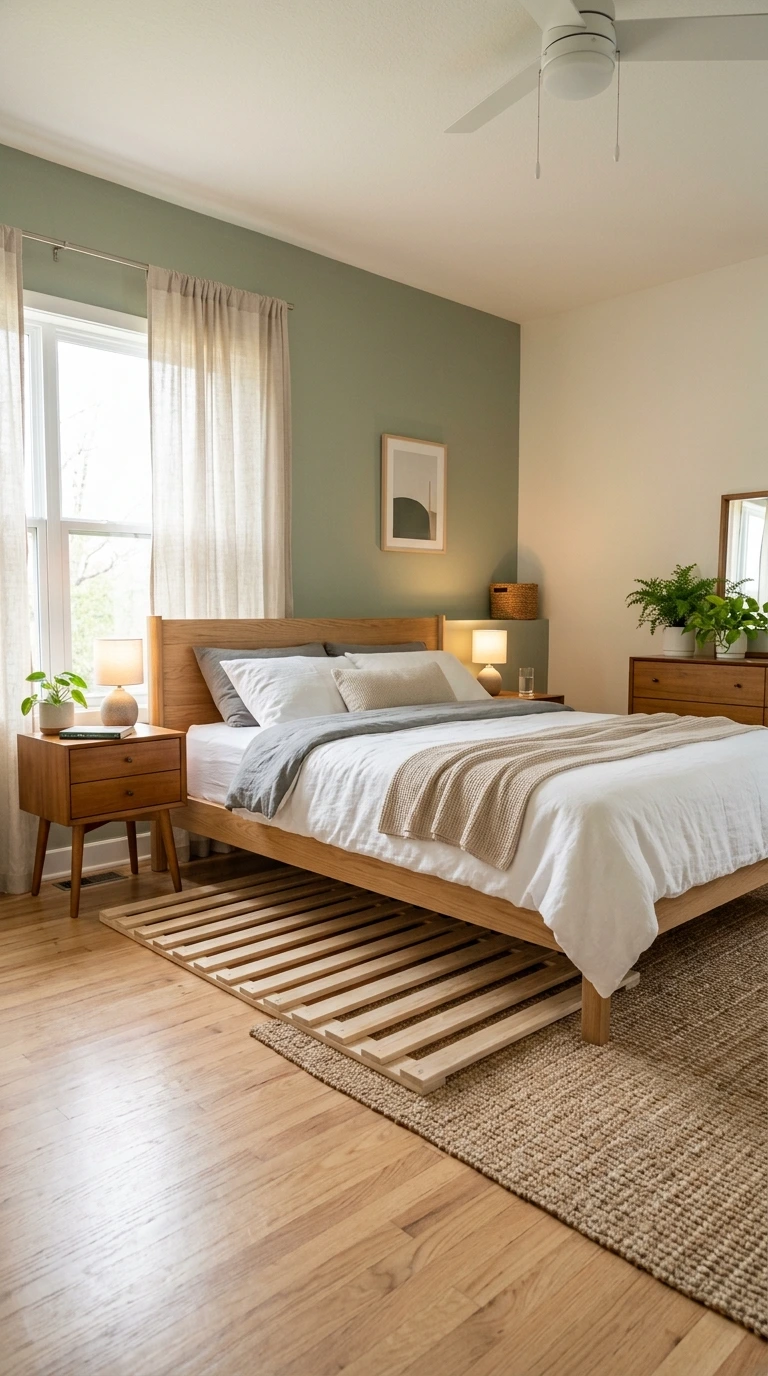
Slatted platform beds allow air to circulate freely beneath the mattress, which helps regulate temperature and prevents the buildup of heat and moisture that can otherwise degrade mattress materials over time, particularly foam.
Traditional box springs tend to retain more heat underneath the mattress due to their enclosed, upholstered construction, which can make the sleep surface feel slightly warmer overall compared to the more ventilated setup a slatted platform bed typically provides.
Airflow and Support Quick Facts
- Platform beds with slats spaced 3 inches or less prevent mattress sagging most effectively
- Solid platform bases work well for foam mattresses that need firm, even support
- Box springs add height and cushioning but can retain more heat over time
- Innerspring mattresses generally pair best with a traditional box spring setup
10. Under-Bed Storage Options
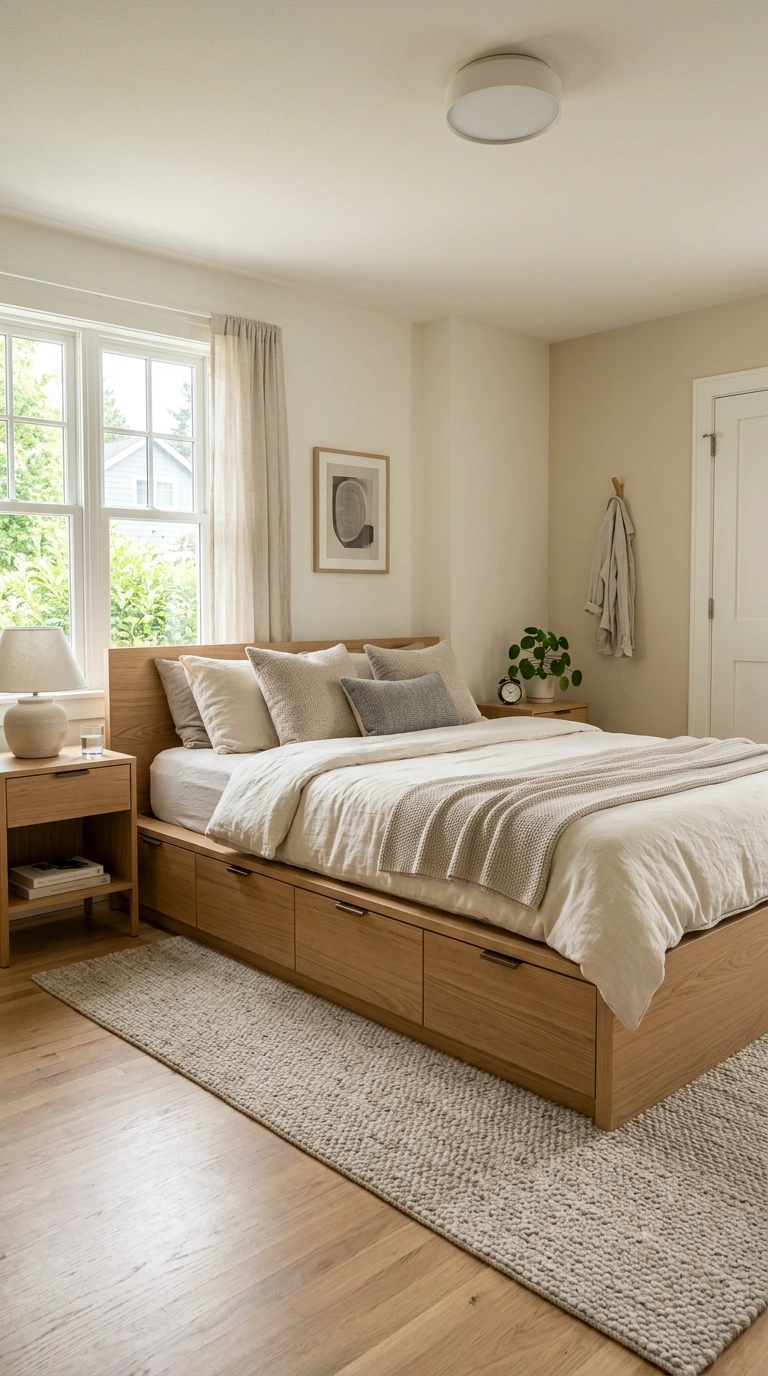
Many platform beds include built-in drawers or enough ground clearance for storage bins, making them a particularly strong choice for smaller bedrooms where every inch of storage space genuinely matters.
Traditional frames typically leave open space beneath the bed as well, though this space is often taken up partially or entirely by the box spring itself, leaving less usable storage clearance than a platform bed’s more open or drawer-equipped design.
Pro Tip: If storage space is a priority, look specifically for platform beds advertised with built-in drawers rather than simply open under-bed clearance, since drawer-equipped models make far better use of that space than bins alone.
11. Cost of a Platform Bed
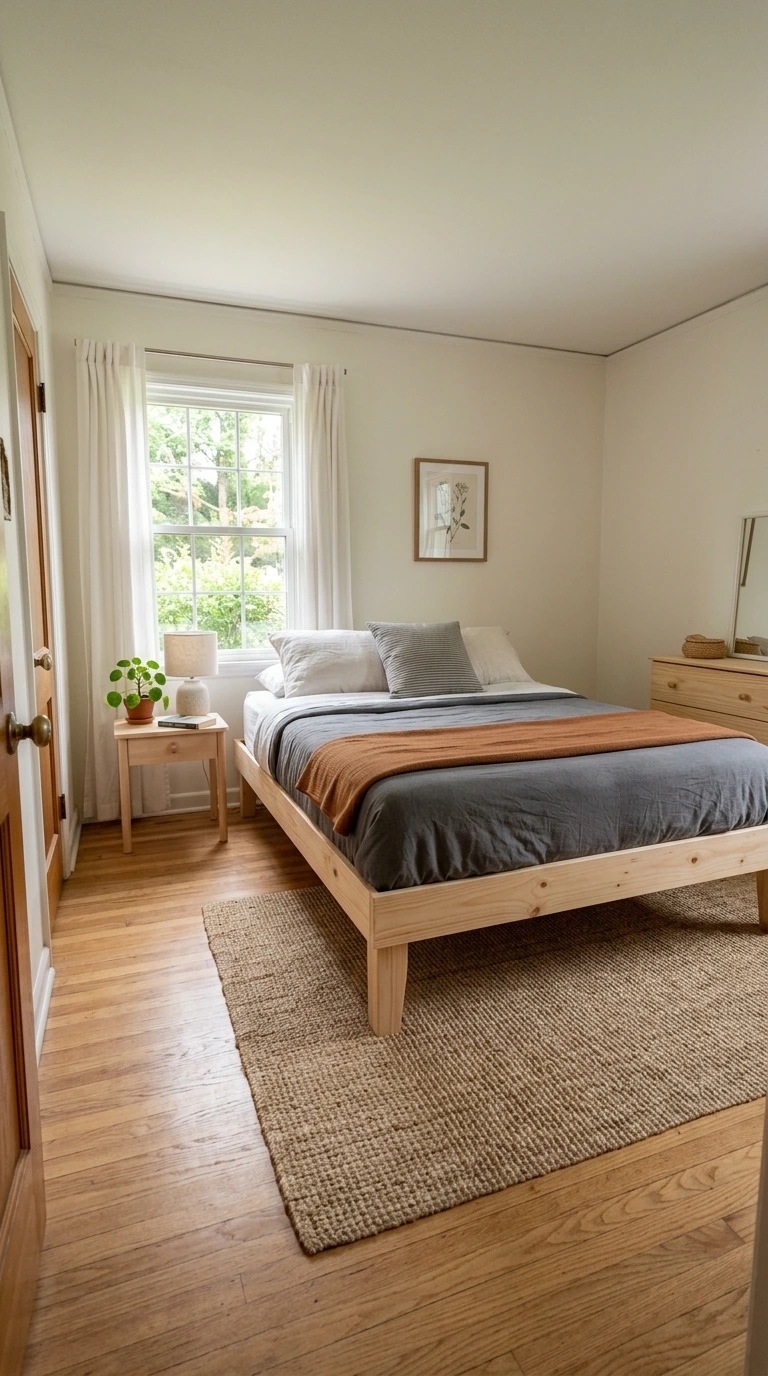
Basic wooden platform beds typically start in the $150 to $250 range, with mid-range upholstered platform options running between $300 and $800 depending on materials and brand. Because no box spring is required, the total cost of getting a platform bed set up tends to be lower overall.
This cost advantage becomes more significant when you factor in the $100 to $300 typically spent on a separate box spring for a traditional setup, a cost platform bed shoppers simply do not need to budget for.
12. Cost of a Traditional Frame Setup
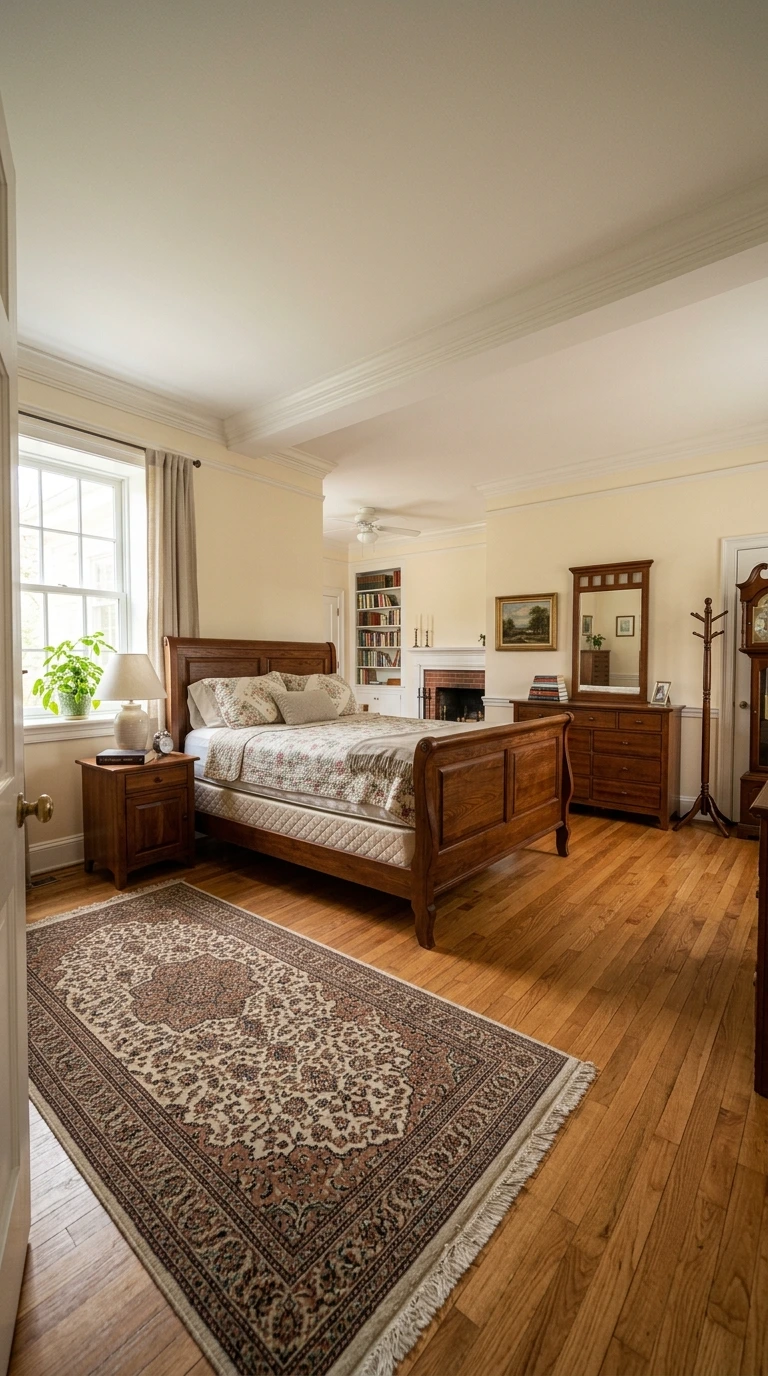
A traditional bed frame’s price often looks comparable to a platform bed at first glance, but the true cost includes the box spring, which is a required, not optional, component for proper mattress support in most traditional frame designs.
Once the box spring cost is factored in, a traditional frame setup frequently ends up more expensive overall than an equivalent platform bed, even when the base frame prices themselves are similar between the two options.
13. Assembly and Setup Difficulty
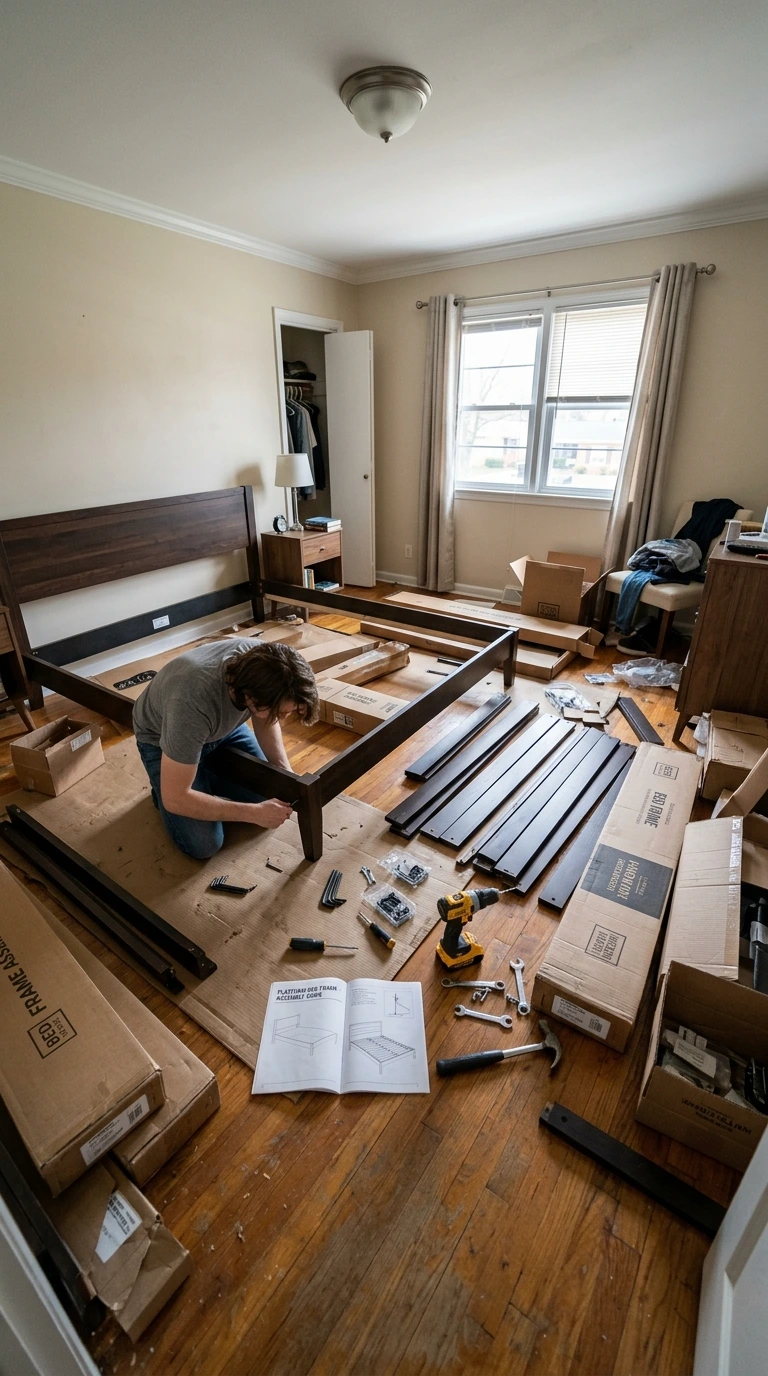
Platform beds are generally simpler to assemble, since there is no box spring to maneuver into place, and many models arrive with fewer total components than a traditional frame and box spring combination requires.
Traditional frames, particularly those designed to conceal the box spring within their structure, often involve a more involved setup process, including positioning the box spring correctly before the mattress goes on top, which adds both time and physical effort to the process.
14. Weight and Ease of Moving
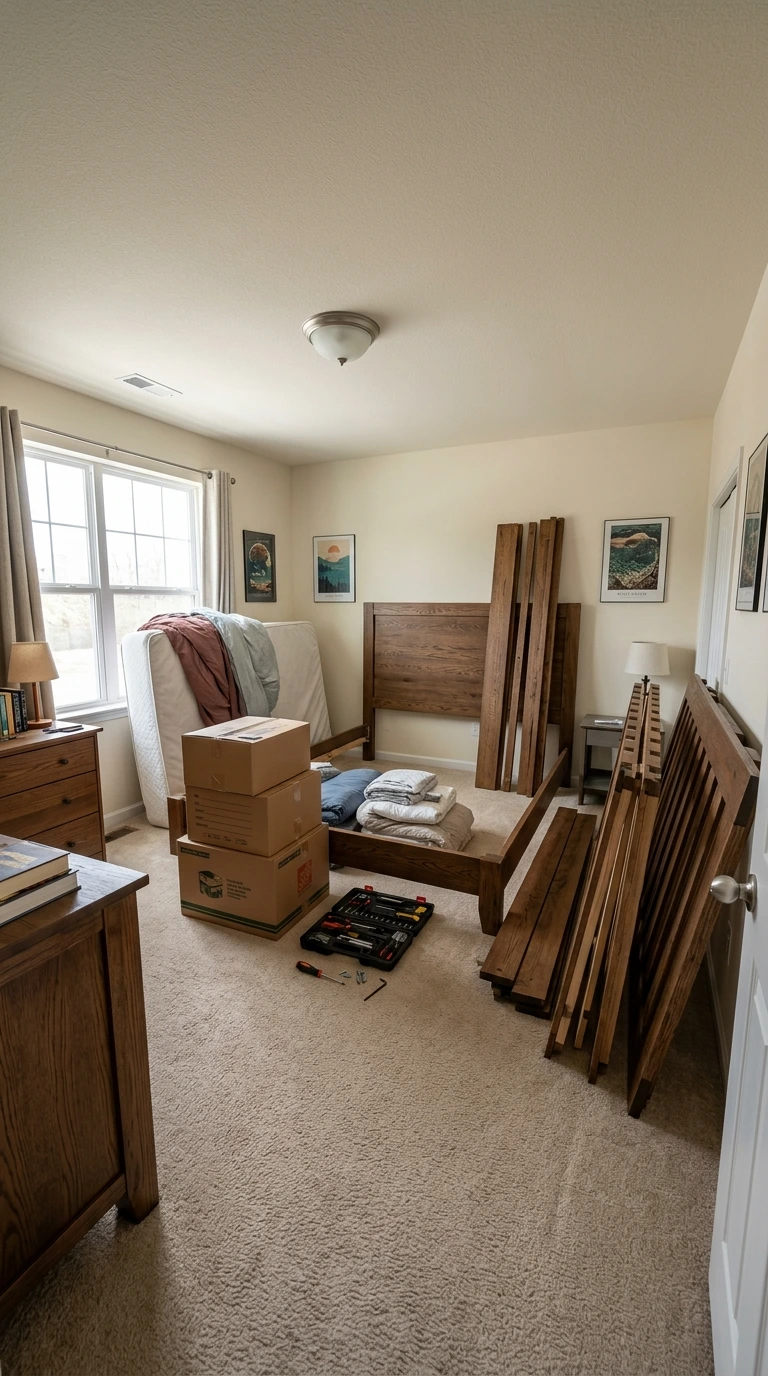
Platform beds, especially solid wood or metal models, can be genuinely heavy and more difficult to relocate than expected, particularly models with a fully solid base rather than a slatted one.
Traditional frames paired with a box spring present their own moving challenges, since a box spring’s bulky size and awkward shape make it cumbersome to transport, particularly through narrow hallways, doorways, or stairwells in older homes.
Important: Measure your doorways, stairwells, and hallway turns carefully before purchasing either a heavy platform bed or a bulky box spring. Both present real logistical challenges that are easy to overlook until moving day arrives.
15. Longevity and Durability
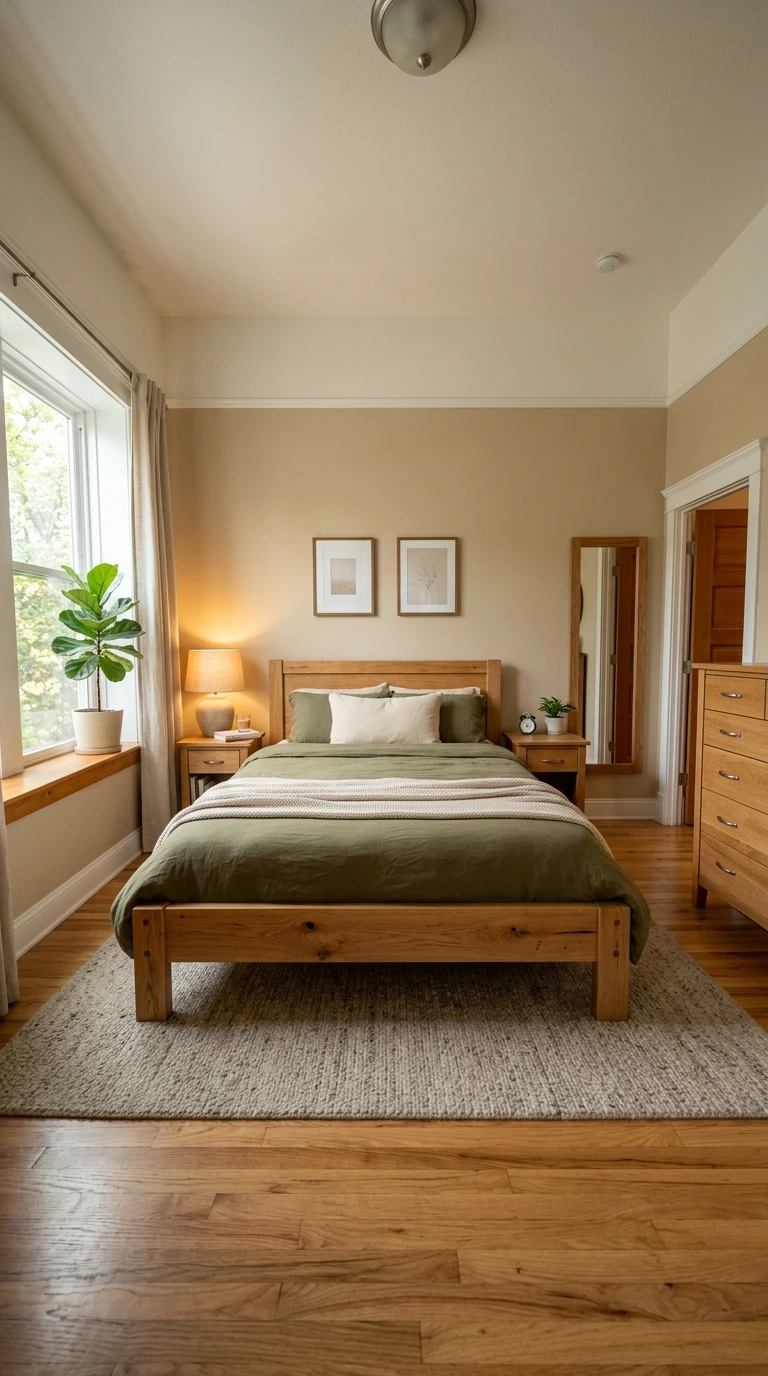
Platform beds, particularly those built with solid wood or sturdy metal slats, tend to hold their structural shape well over time, since there are fewer moving or wearable components compared to a traditional frame and box spring setup.
Traditional frames can also be quite durable on their own, but the box spring component specifically tends to wear out faster, developing squeaks or soft spots after several years of regular use, which affects the overall system’s longevity more than the frame itself.
Platform Bed vs. Traditional Frame: Quick Comparison
| Factor | Platform Bed | Traditional Frame |
|---|---|---|
| Box spring needed | No | Yes, in most cases |
| Typical height | 12-18 inches | 20-25 inches |
| Starting cost | $150-$250 | Frame + $100-$300 box spring |
| Under-bed storage | Often built-in | Limited, box spring takes space |
| Best mattress fit | Foam, latex, hybrid | Innerspring |
16. Noise and Squeaking Over Time
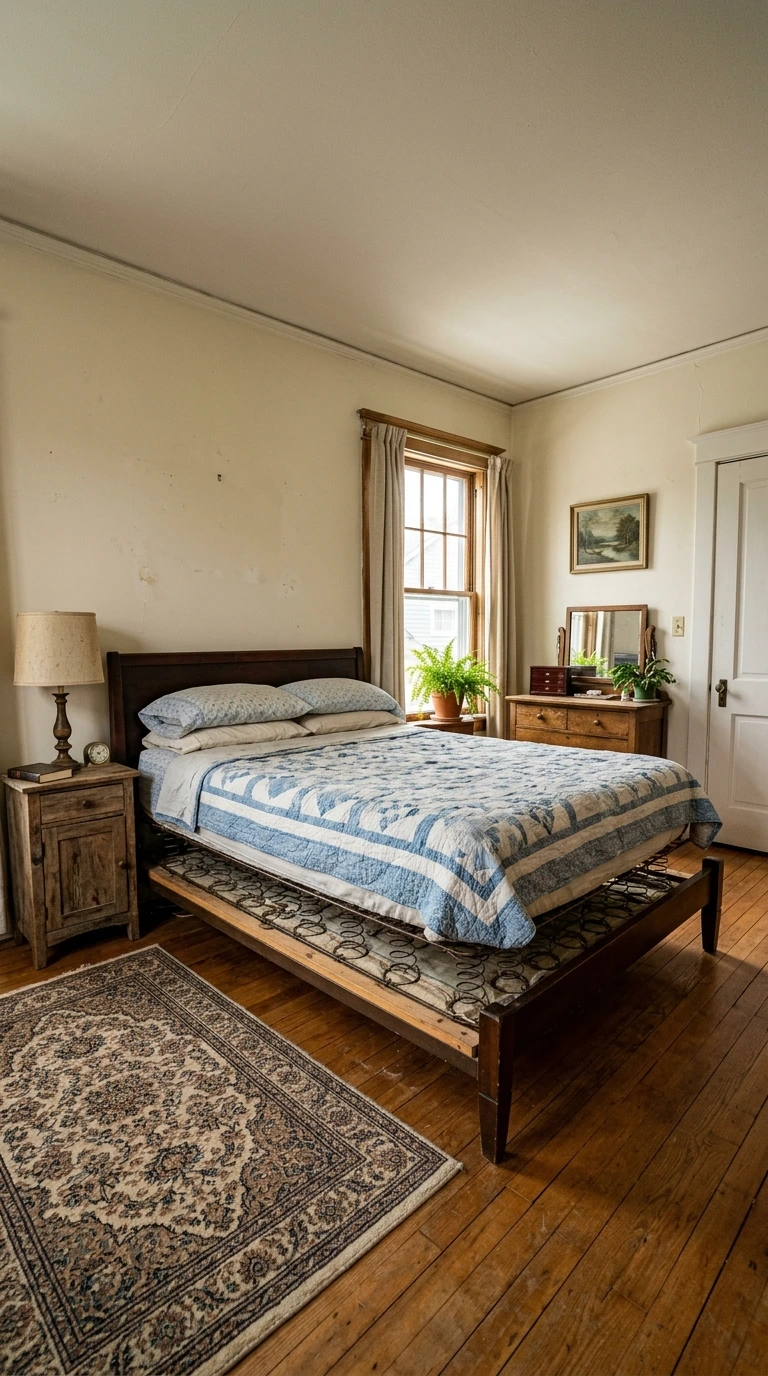
Platform beds with a solid base or well-secured slats tend to stay quieter over the years, since there are fewer independently moving parts that can loosen, shift, or develop squeaks the way box spring components sometimes do.
Traditional frames paired with an aging box spring are more prone to developing noise over time, as the internal springs and wooden components inside the box spring gradually wear and loosen with years of regular weight and movement.
17. Ease of Getting In and Out of Bed
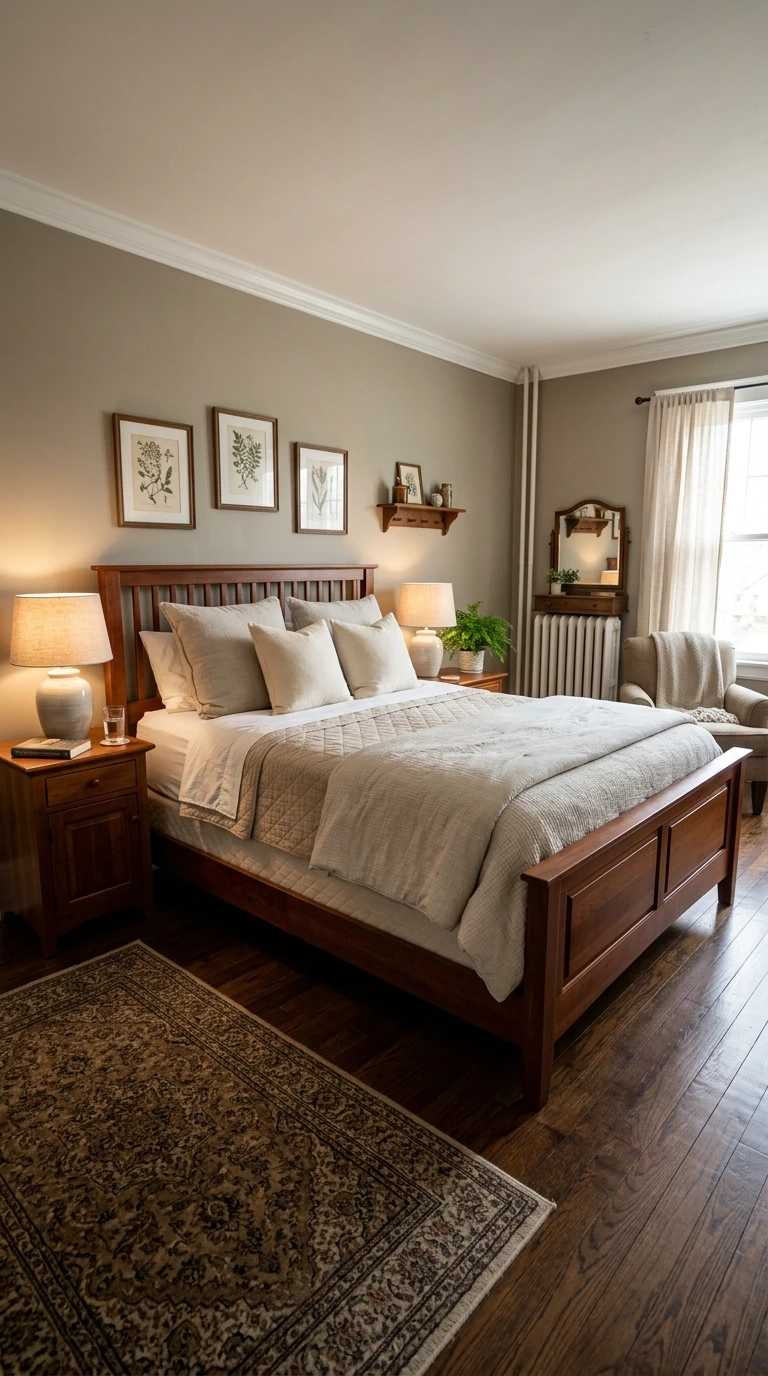
Traditional frames, thanks to their added height from the box spring, are often easier to get into and out of, particularly for taller individuals or anyone with mobility concerns who benefits from a higher seated transition point.
Platform beds sit lower to the ground, which some sleepers find requires more effort to stand up from, particularly older adults or anyone with joint or mobility limitations who may prefer the higher profile a traditional frame naturally provides.
18. Suitability for Small Bedrooms
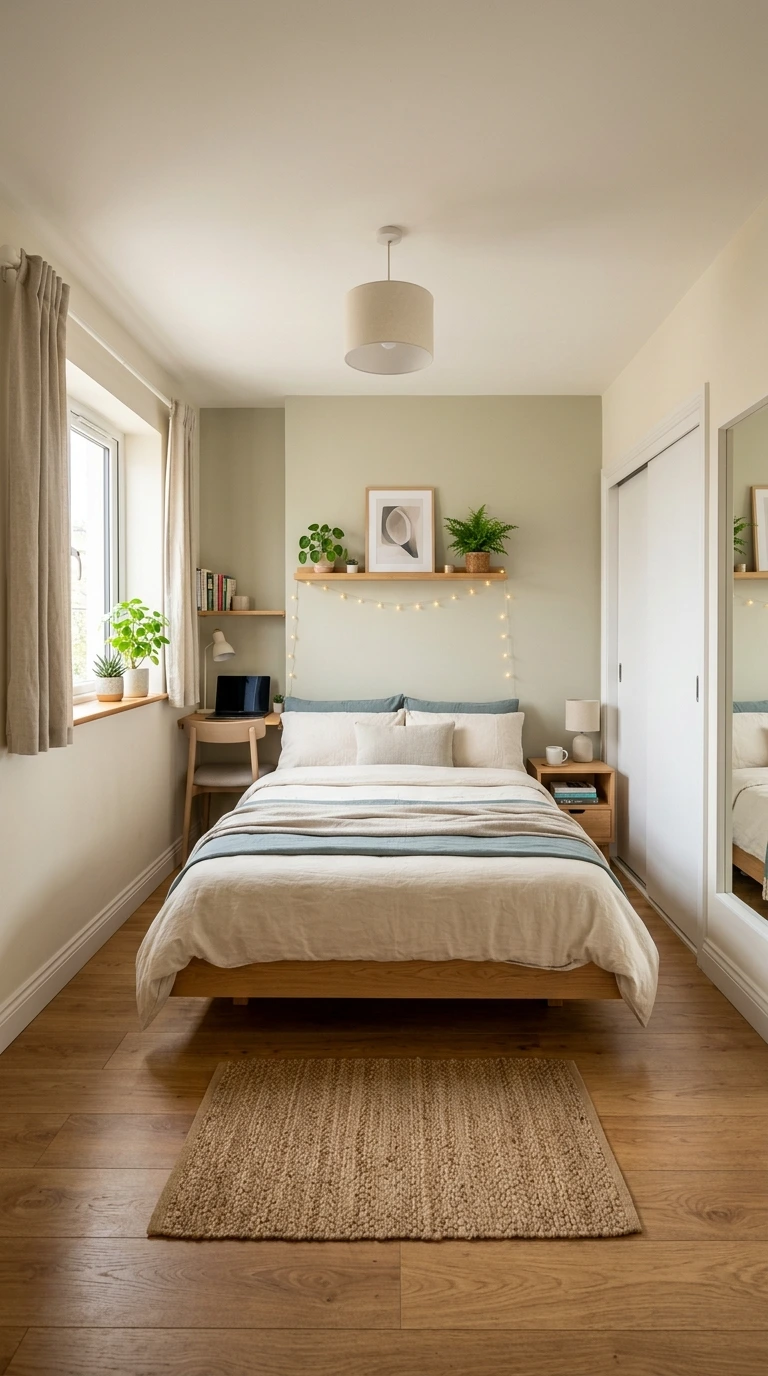
A platform bed’s lower profile and often slimmer visual footprint make it a particularly strong choice for small bedrooms, since the reduced height helps the whole room feel more open and less visually crowded than a taller traditional setup would.
Traditional frames, with their added height and sometimes bulkier footboard and side rail structure, can make a small bedroom feel more cramped, particularly if the frame’s style leans toward heavier, more ornate detailing rather than a slimmer classic silhouette.
19. Suitability for Large Bedrooms
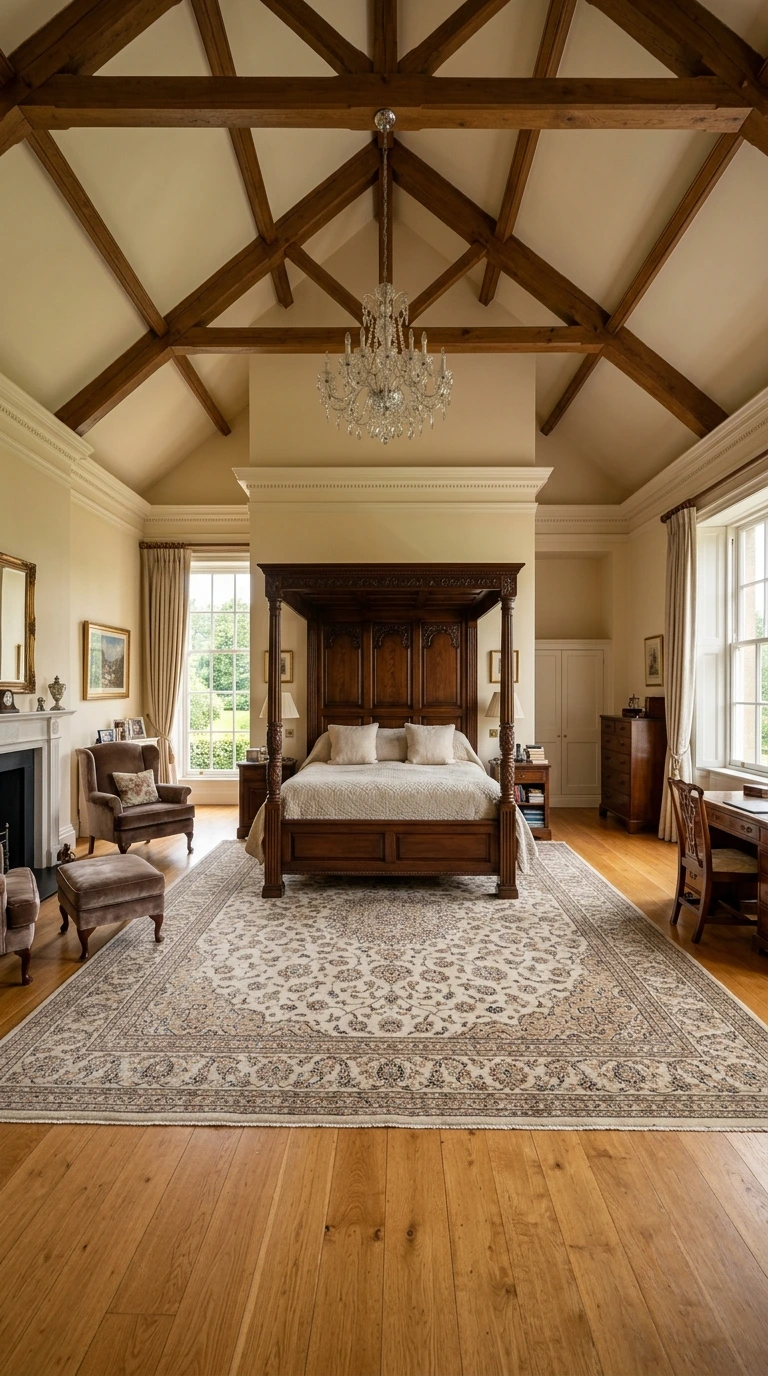
In a larger bedroom, a traditional frame’s added height and more substantial presence can actually work in its favor, creating a grander, more anchored focal point that fills the room’s proportions more comfortably than a lower platform bed might.
Platform beds can still work beautifully in larger rooms, particularly when paired with a tall, upholstered headboard that adds vertical presence without raising the bed’s actual height, striking a balance between a modern base and a more substantial visual anchor.
20. Headboard and Footboard Options
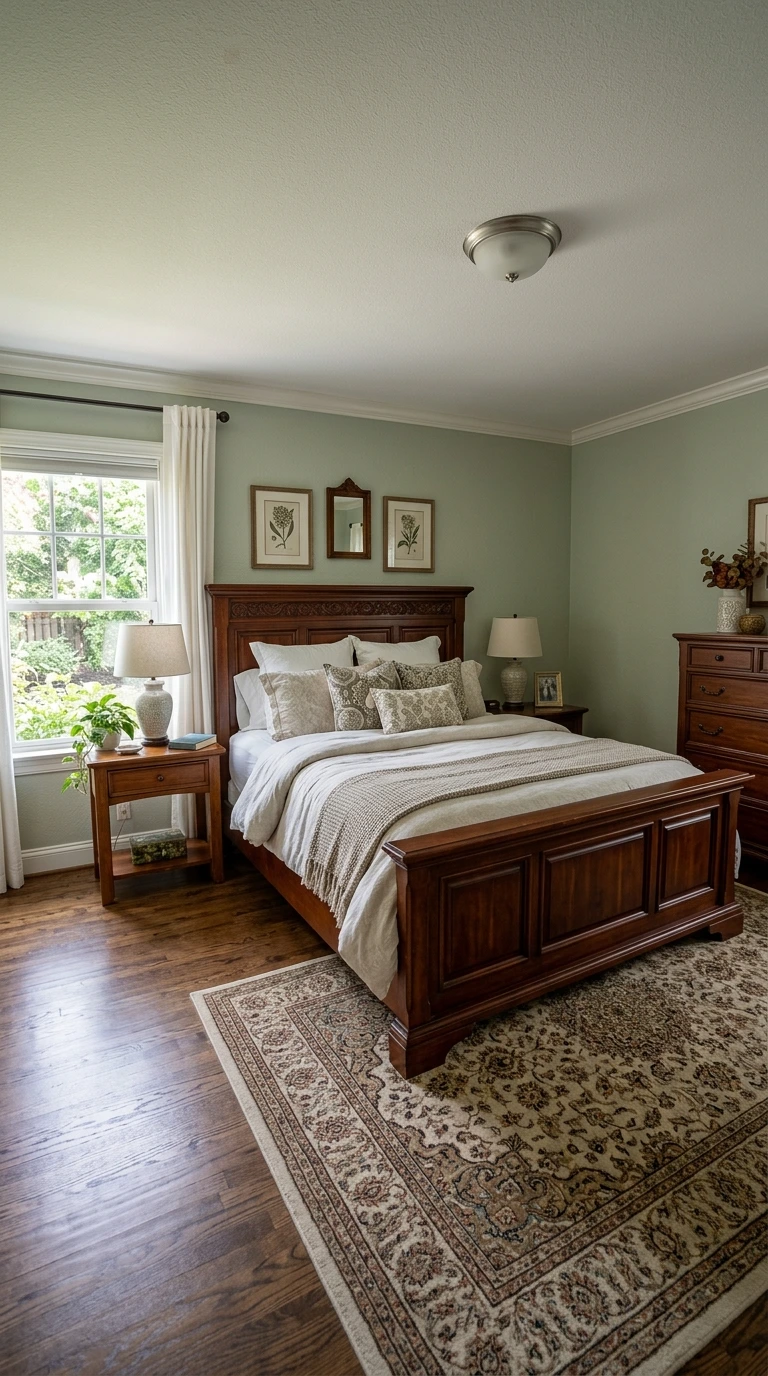
Many modern platform beds include an upholstered or wood headboard as part of their design, though fewer platform models include a footboard, since the overall aesthetic favors a cleaner, more minimal silhouette.
Traditional frames typically include both a headboard and footboard as standard, offering a more classic, fully framed appearance around the mattress. This gives traditional frames an edge for anyone specifically drawn to a complete, formally bookended bed silhouette.
21. Customization and Style Variety
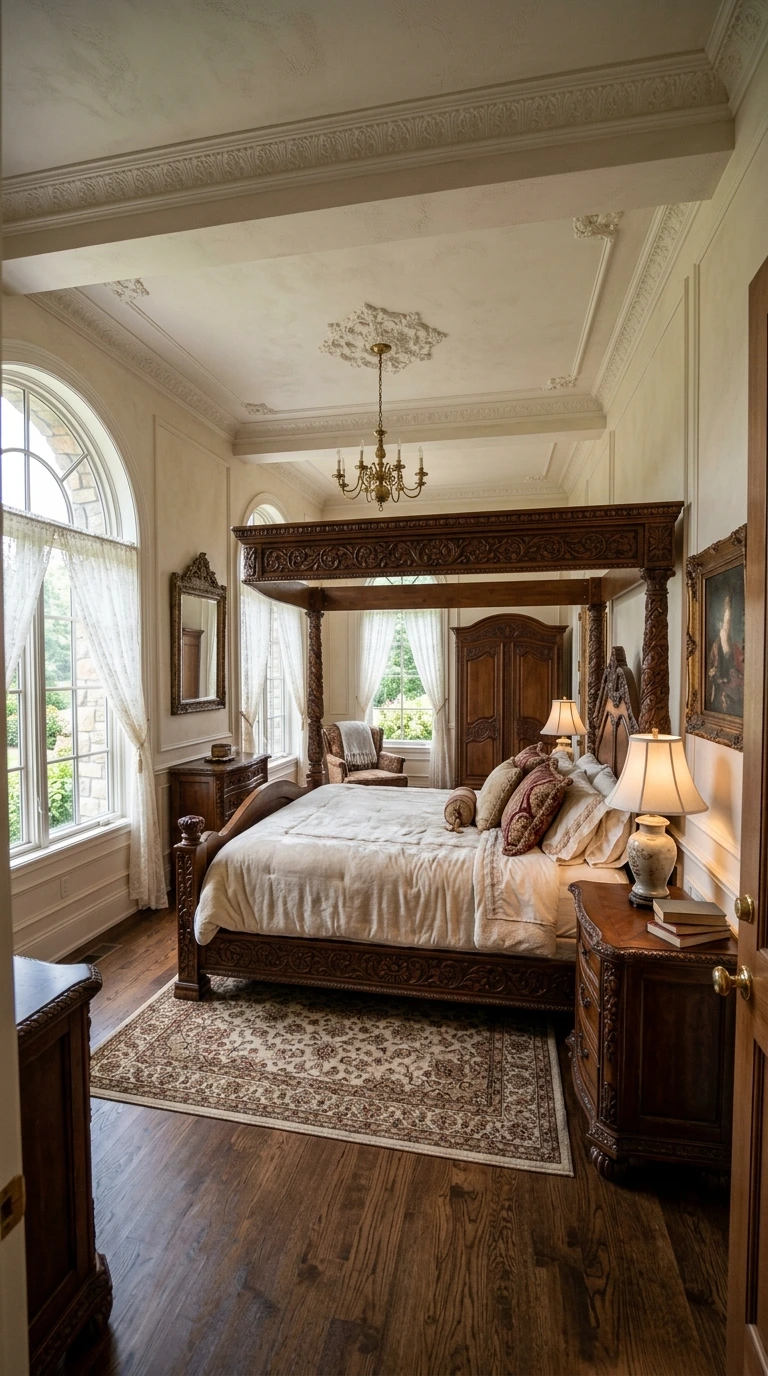
Traditional bed frames currently offer a wider overall range of styles, from ornately carved wood designs to more subdued classic silhouettes, giving shoppers more variety to match a specific traditional or vintage-inspired bedroom aesthetic.
Platform beds have expanded significantly in style variety over the past several years as well, now available in upholstered, rustic wood, and sleek modern metal finishes, though the overall design language still leans toward minimalism rather than ornate detail.
22. Modern vs Classic Aesthetic Fit
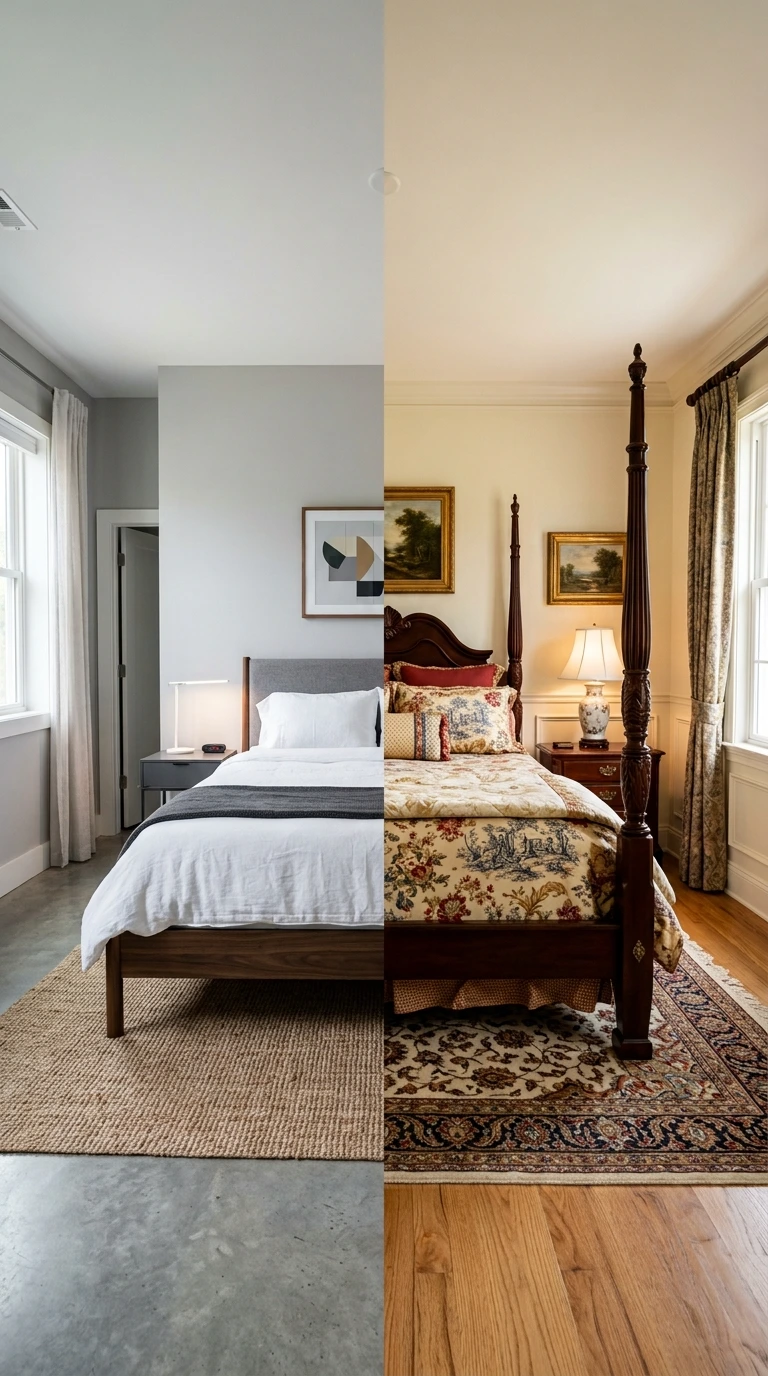
If your bedroom’s existing style leans toward contemporary, minimalist, or Scandinavian design, a platform bed’s clean lines and low profile will integrate far more naturally than a traditional frame’s more elevated, classic silhouette would.
For a bedroom already built around traditional, farmhouse, or vintage-inspired decor, a traditional frame’s headboard, footboard, and taller profile will feel considerably more cohesive with the room’s established aesthetic than a minimalist platform bed would.
23. Compatibility with Adjustable Bases
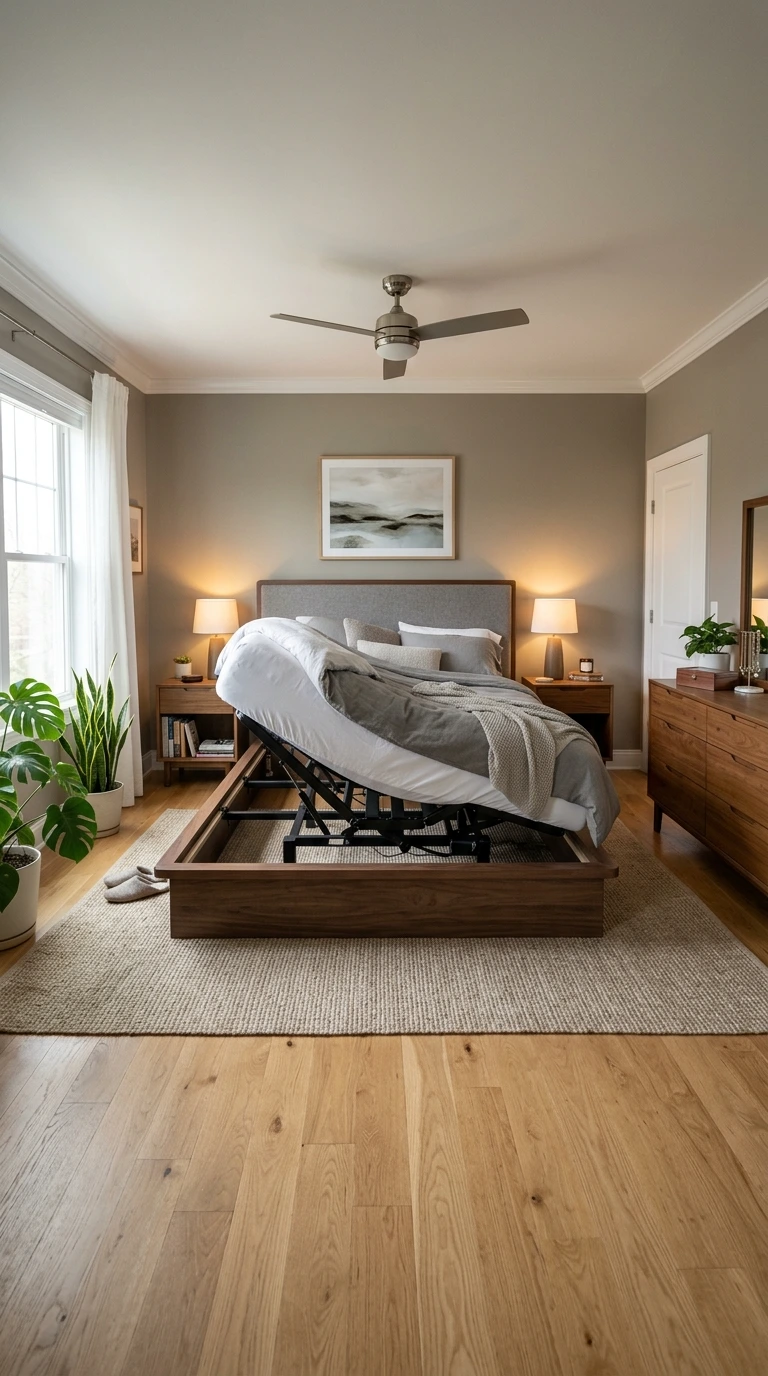
Many platform beds are specifically designed to accommodate adjustable bases, since their open, slatted, or solid frame structure provides the clearance and support an adjustable base mechanism requires to function properly.
Traditional frames are generally less compatible with adjustable bases, since their box spring dependency and enclosed side rail structure were not originally designed with the clearance and flexibility an adjustable base mechanism needs to operate.
24. Weight Capacity Considerations
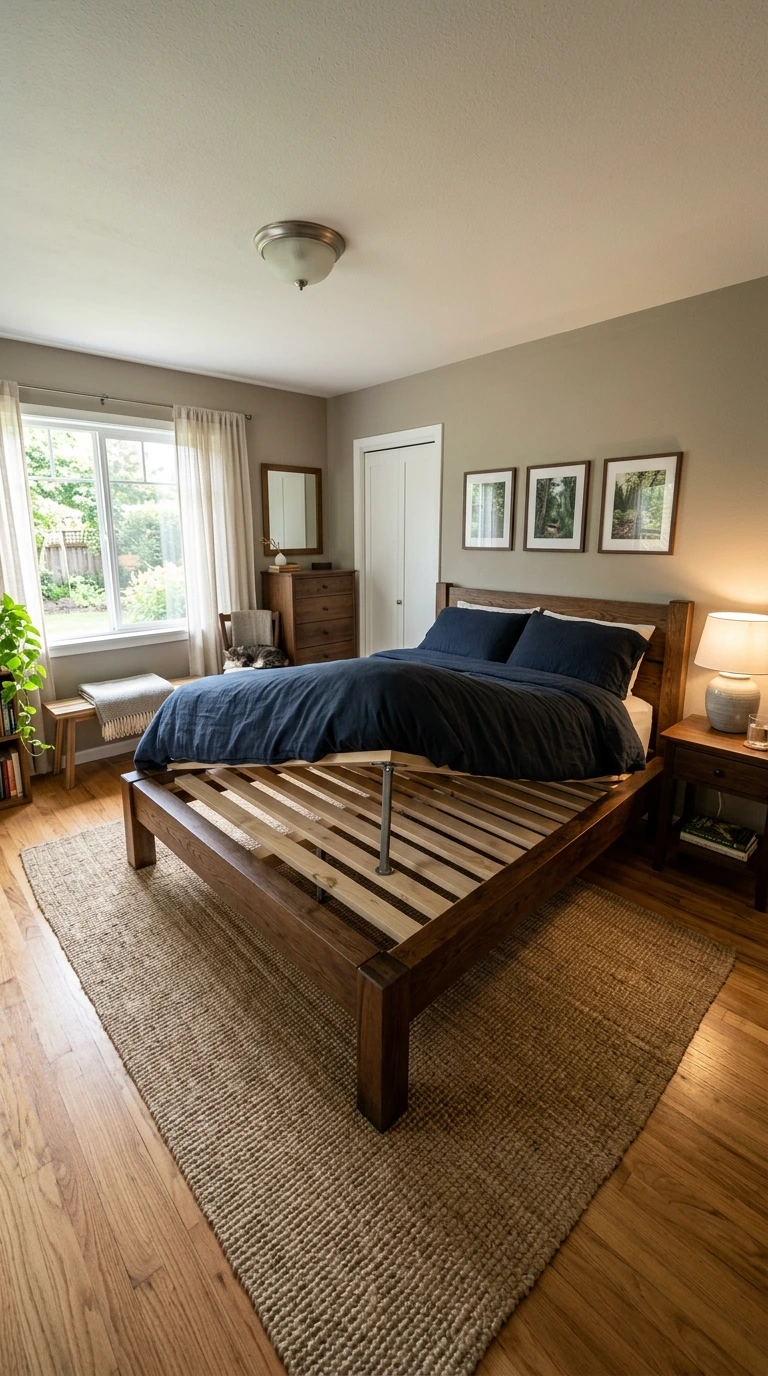
Platform beds vary considerably in their weight capacity depending on slat spacing, material, and construction quality, so checking the manufacturer’s specific weight rating matters more with a platform bed than it typically does with a traditional frame and box spring combination.
Traditional frames, when paired with a properly rated box spring, generally offer robust, well-established weight support, since box springs have been engineered and refined for this specific purpose for considerably longer than most platform bed designs have existed.
Warning: Always check a platform bed’s specific weight capacity before assuming it will support a heavier mattress or multiple sleepers comfortably. Capacity varies significantly between models, unlike the more standardized support a box spring typically provides.
25. Best Mattress Type for Each
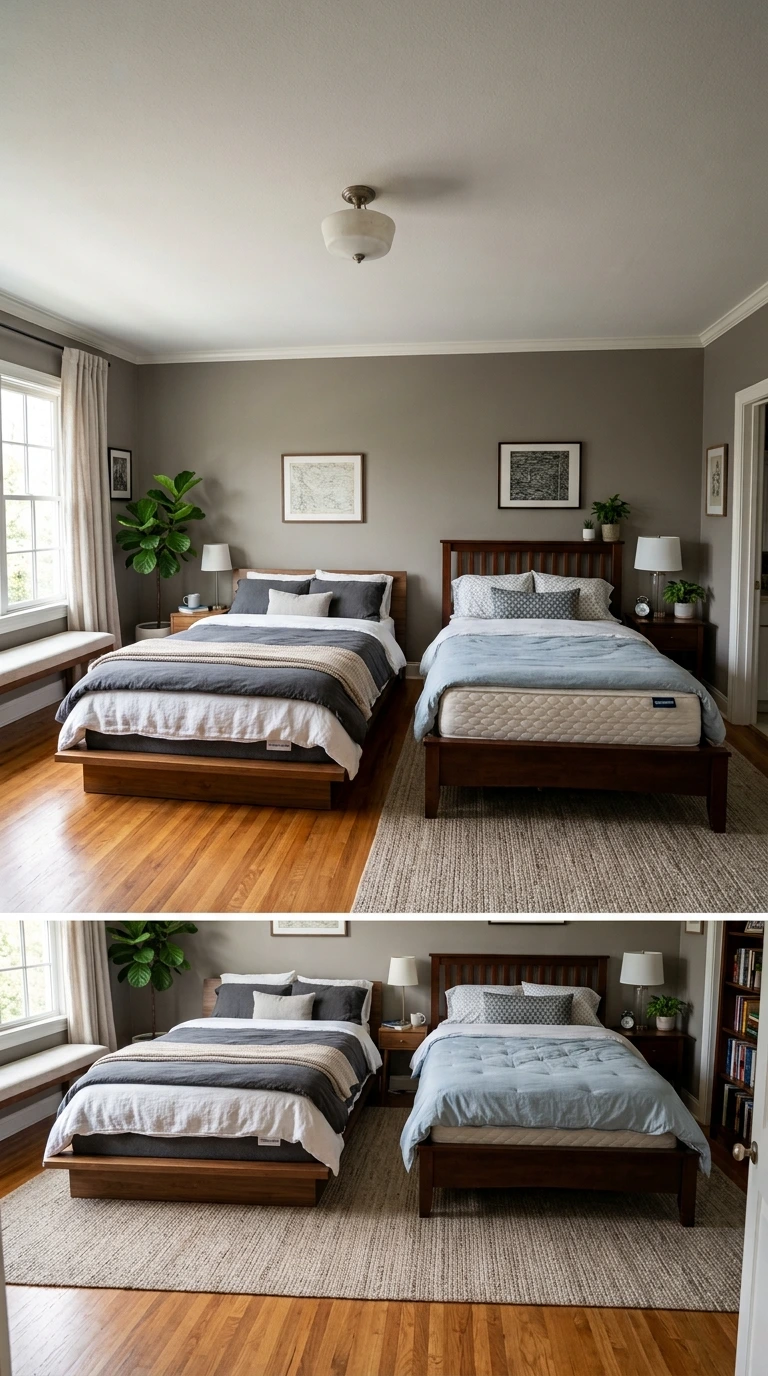
Memory foam, latex, and hybrid mattresses generally perform best on a platform bed, since these materials benefit from the firm, even, well-ventilated support a solid or closely slatted base provides without an additional cushioned layer underneath.
Traditional innerspring mattresses tend to pair best with a traditional frame and box spring setup, since the box spring’s own coil system works in tandem with the mattress’s springs to enhance bounce and responsiveness in a way a rigid platform base cannot replicate.
26. Impact on Room’s Perceived Size
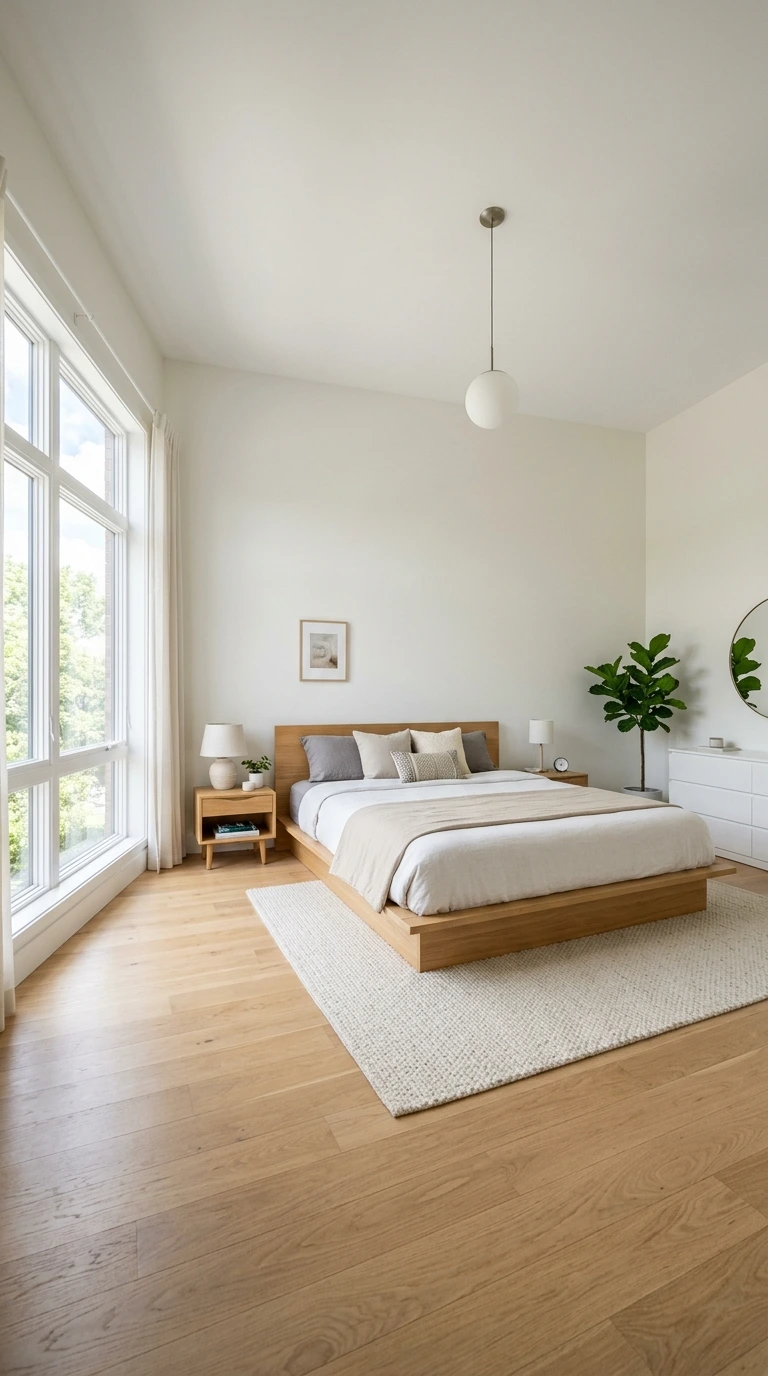
A platform bed’s lower height genuinely makes a bedroom feel more open and spacious, since less of the room’s vertical space is occupied by the bed itself, leaving more visual breathing room above and around it.
A traditional frame’s added height can make a bedroom feel more filled and substantial, which works well in a larger room seeking a grander presence but can make a smaller bedroom feel comparatively more crowded and visually heavy.
27. Cleaning and Dust Underneath
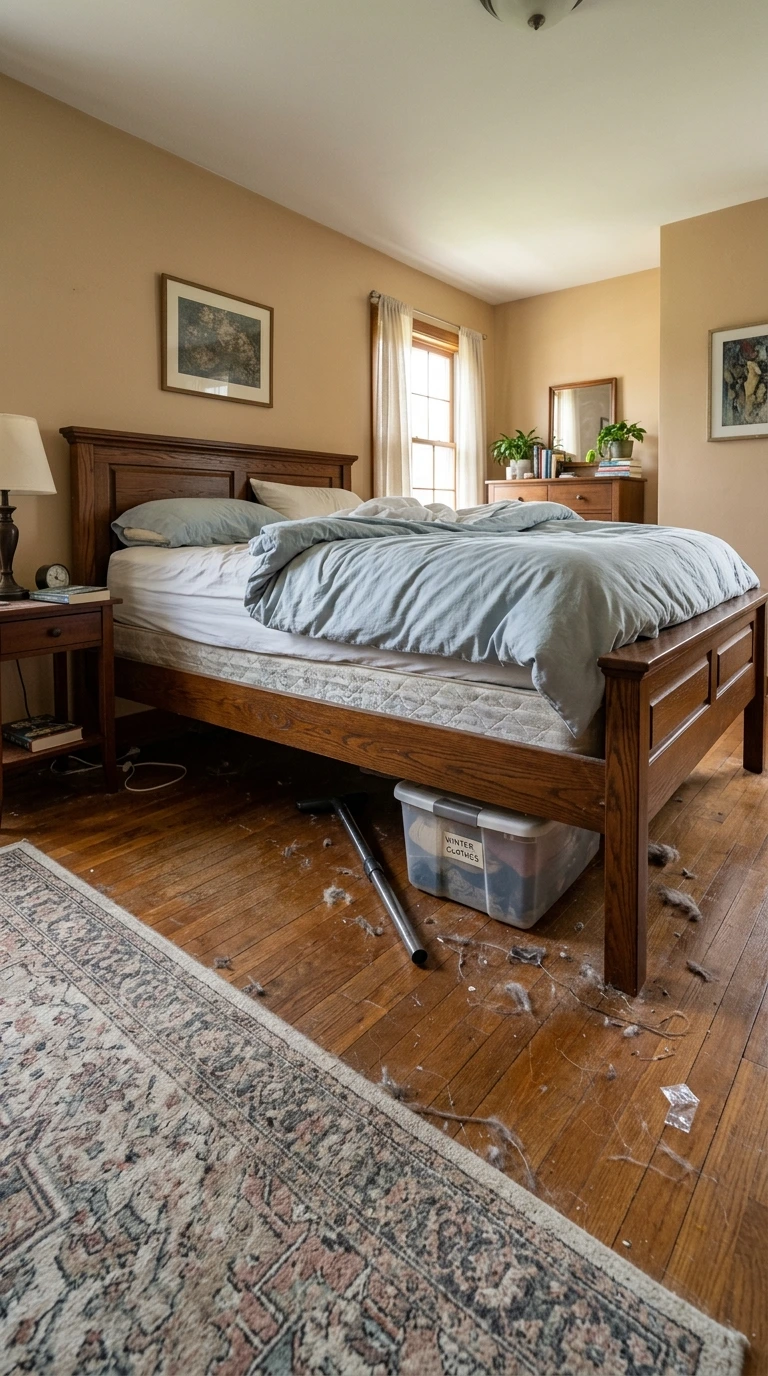
A platform bed’s lower clearance, particularly on solid-base models, can make cleaning underneath more difficult, since there may be little to no gap for a vacuum or duster to access the floor beneath the bed.
Traditional frames typically leave more open space beneath the bed, even accounting for the box spring’s footprint, which can make sweeping or vacuuming underneath somewhat easier, though the box spring itself can also collect dust along its fabric-covered sides over time.
28. Pet Accessibility Underneath the Bed
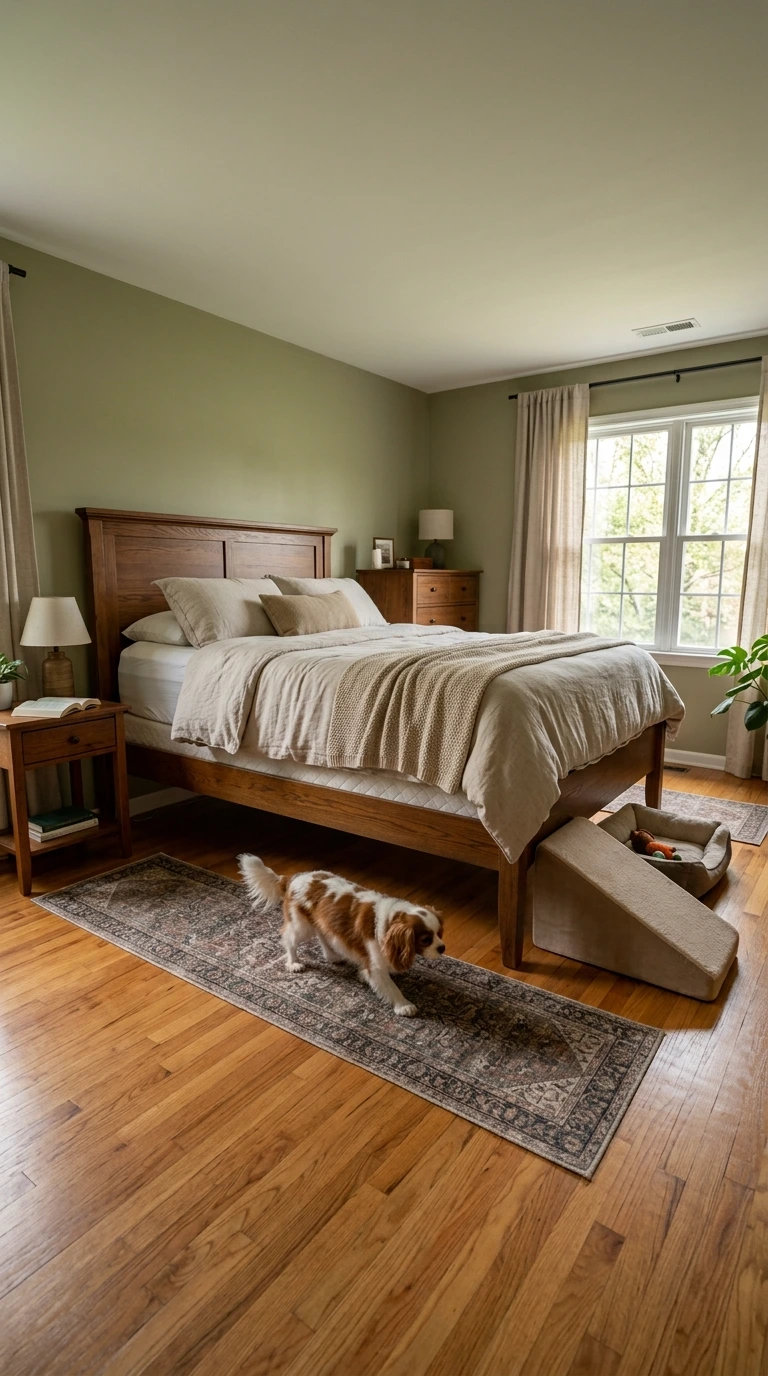
Traditional frames with their added height and often more open under-bed clearance tend to give pets easier access to the space beneath the bed, which some households appreciate as a cozy hideaway spot for cats or small dogs.
Platform beds, particularly lower-profile or solid-base models, often restrict or entirely eliminate this under-bed access, which can be an advantage for households wanting to discourage pets from claiming that space as their own.
29. Suitability for Kids’ Rooms
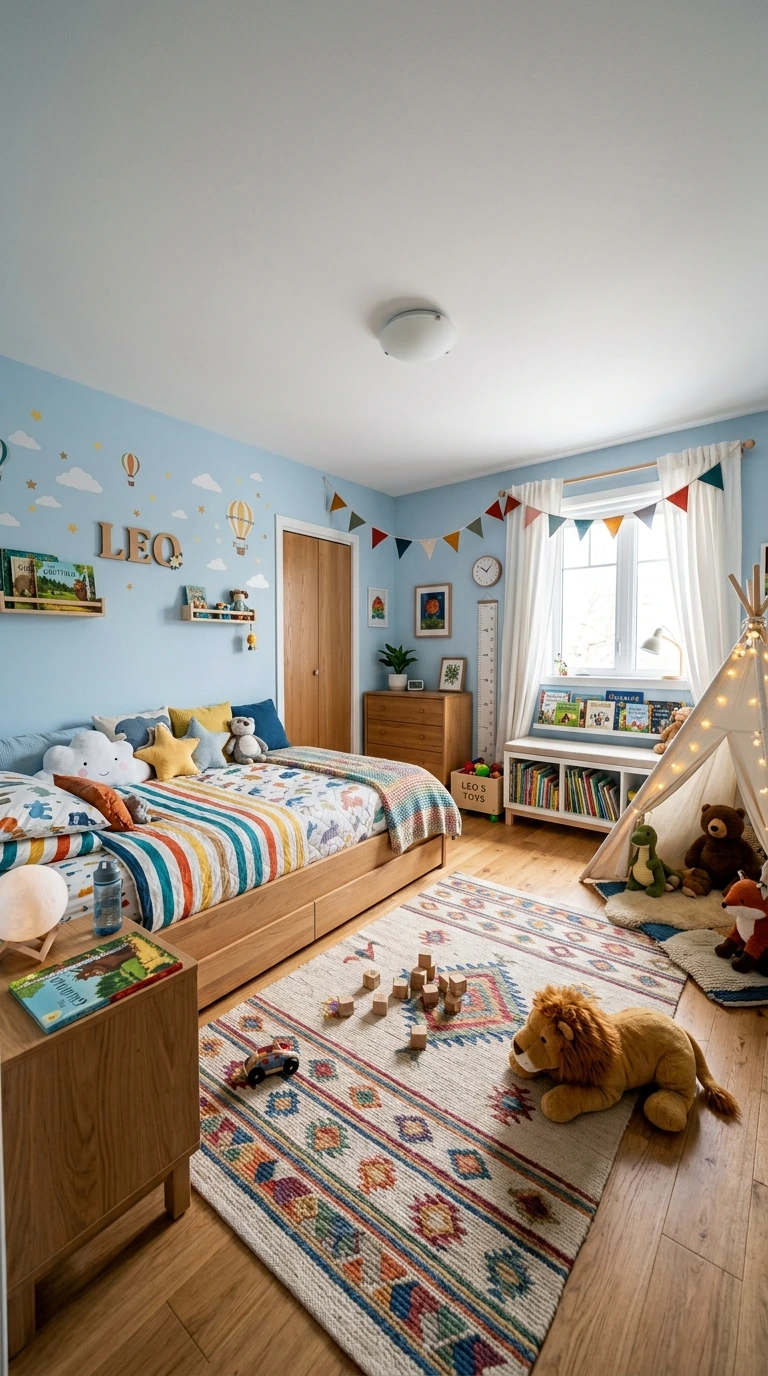
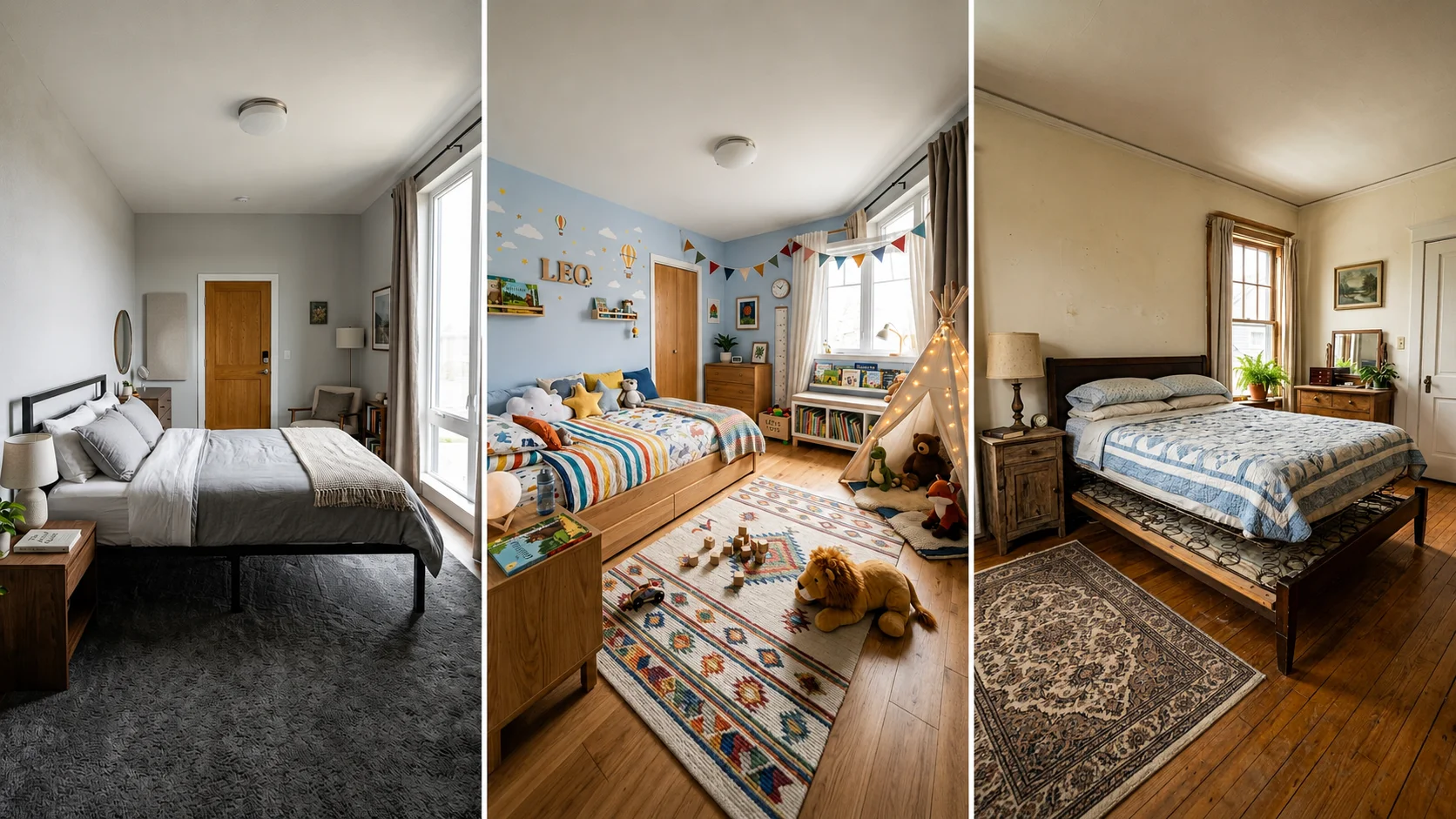
Platform beds’ lower height makes them a genuinely practical choice for children’s bedrooms, since the reduced distance to the floor lowers the risk of injury from rolling or climbing out of bed compared to a taller traditional frame.
Traditional frames can still work well in a child’s room, particularly for older kids or in households wanting the bed to grow with the child over many years, though the added height is worth considering carefully for younger children specifically.
30. Suitability for Guest Rooms
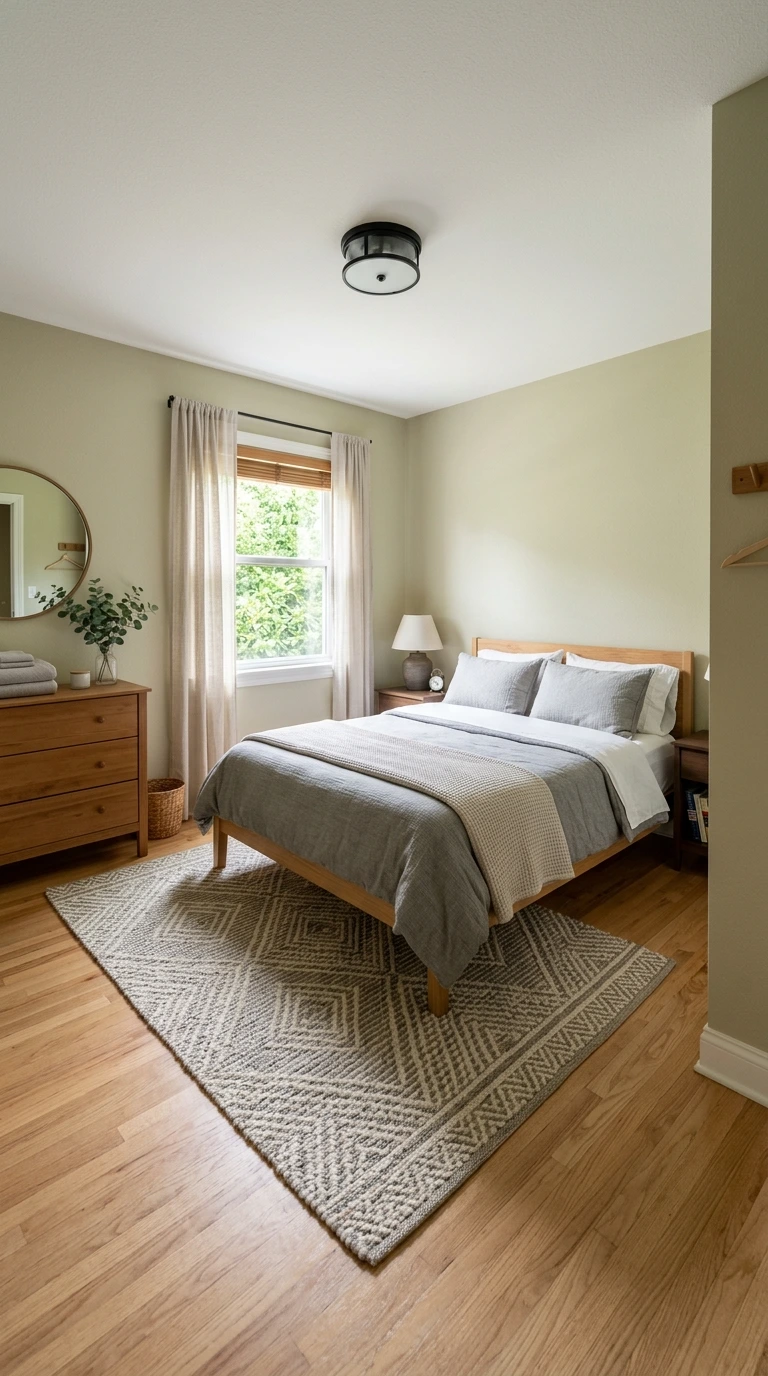
A platform bed’s simpler construction and typically lower cost make it a practical, budget-friendly choice for a guest room, where the priority is genuine comfort and function rather than an elaborate, statement-making design.
Traditional frames can also work well in a guest room, particularly if the space leans toward a more classic overall bedroom style, though the added cost of a box spring is worth factoring into the guest room’s overall furnishing budget.
31. Rental and Renter-Friendliness
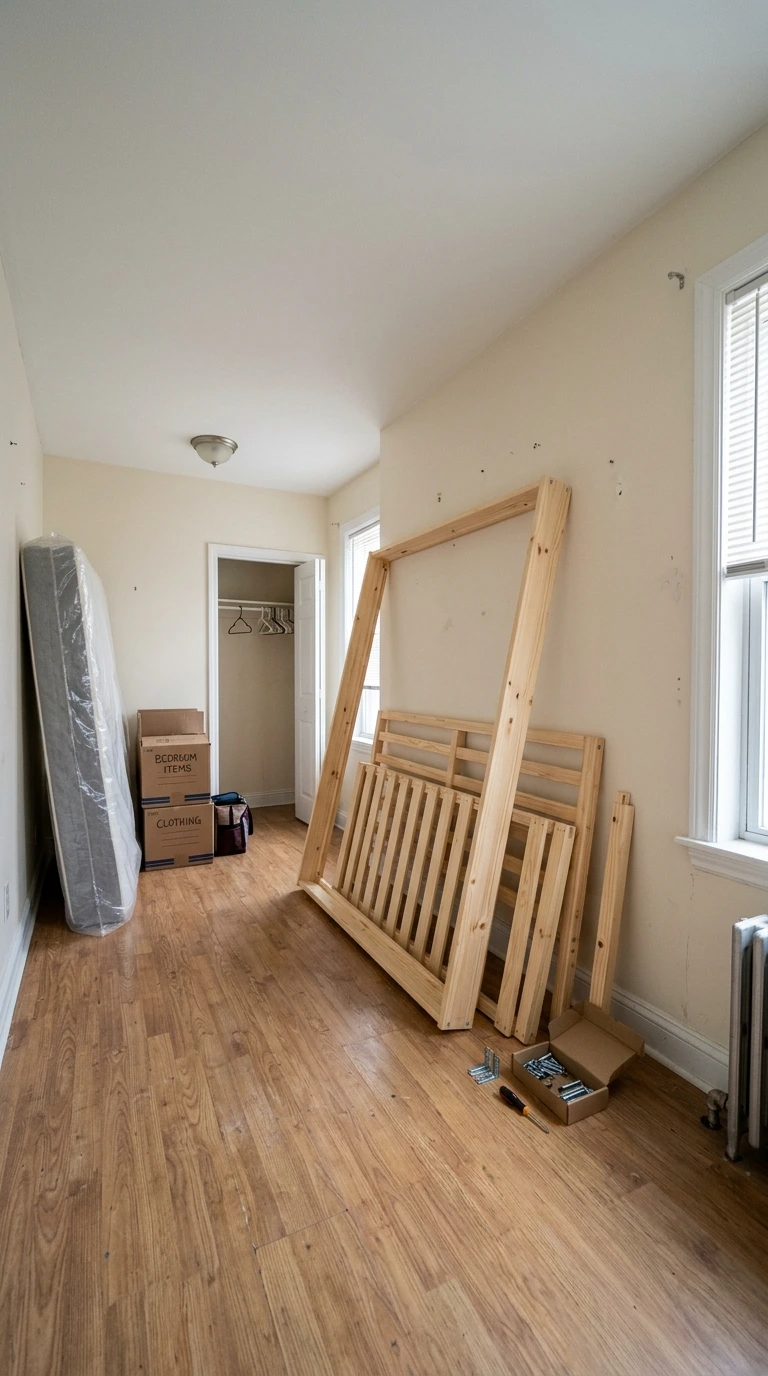
Platform beds are generally easier to disassemble, transport, and set up again in a new location, which makes them a particularly good fit for renters who anticipate moving more frequently than homeowners typically do.
Traditional frames, especially heavier wood designs paired with a bulky box spring, present more of a logistical challenge for renters facing frequent moves, given the added weight and awkward shape of the box spring component specifically.
32. Resale and Long-Term Value
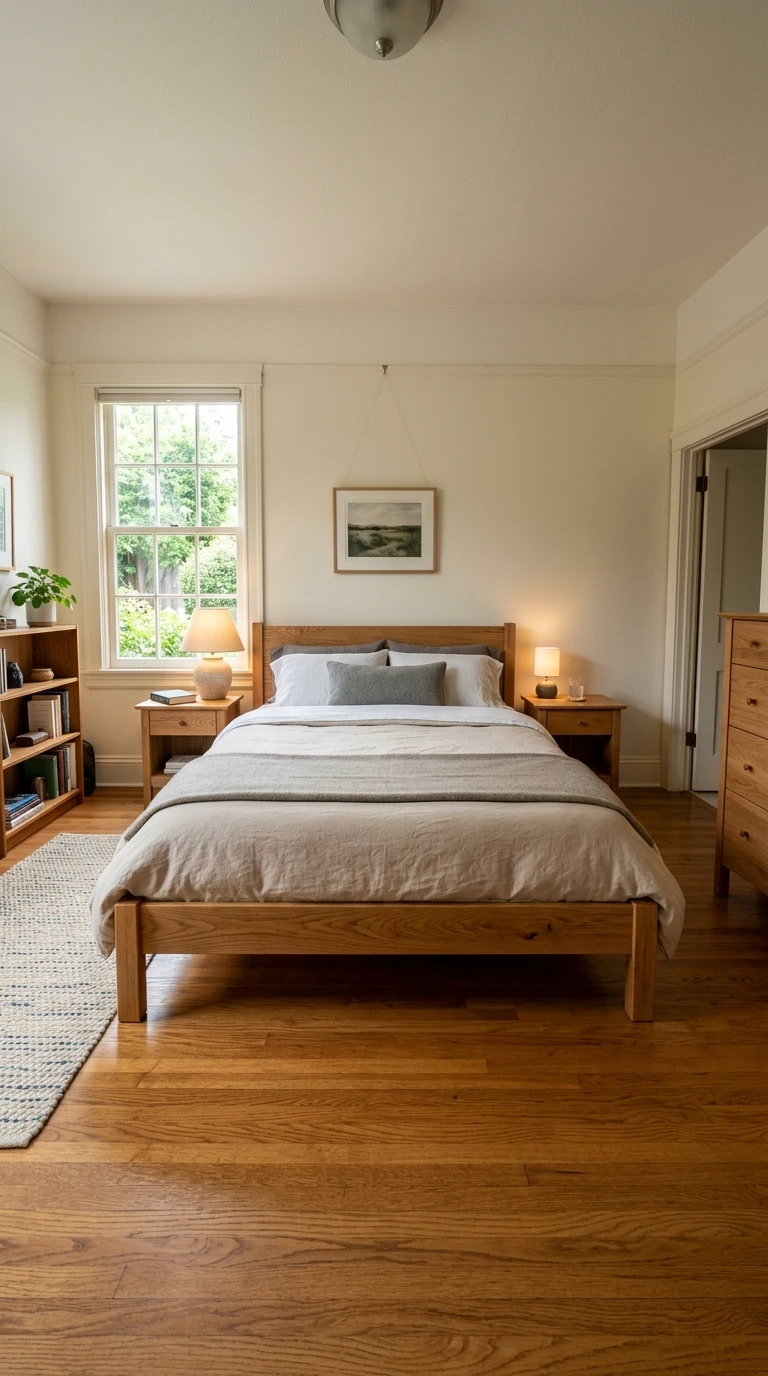
Platform beds, particularly well-built solid wood or metal models, tend to hold their resale value reasonably well, since their simpler construction involves fewer components that can wear out or become dated over time.
Traditional frames can also hold value well, especially classic or antique-style designs that appeal to buyers seeking a specific vintage aesthetic, though the box spring component itself typically has little resale value once it shows any signs of wear.
33. Eco-Friendliness and Materials
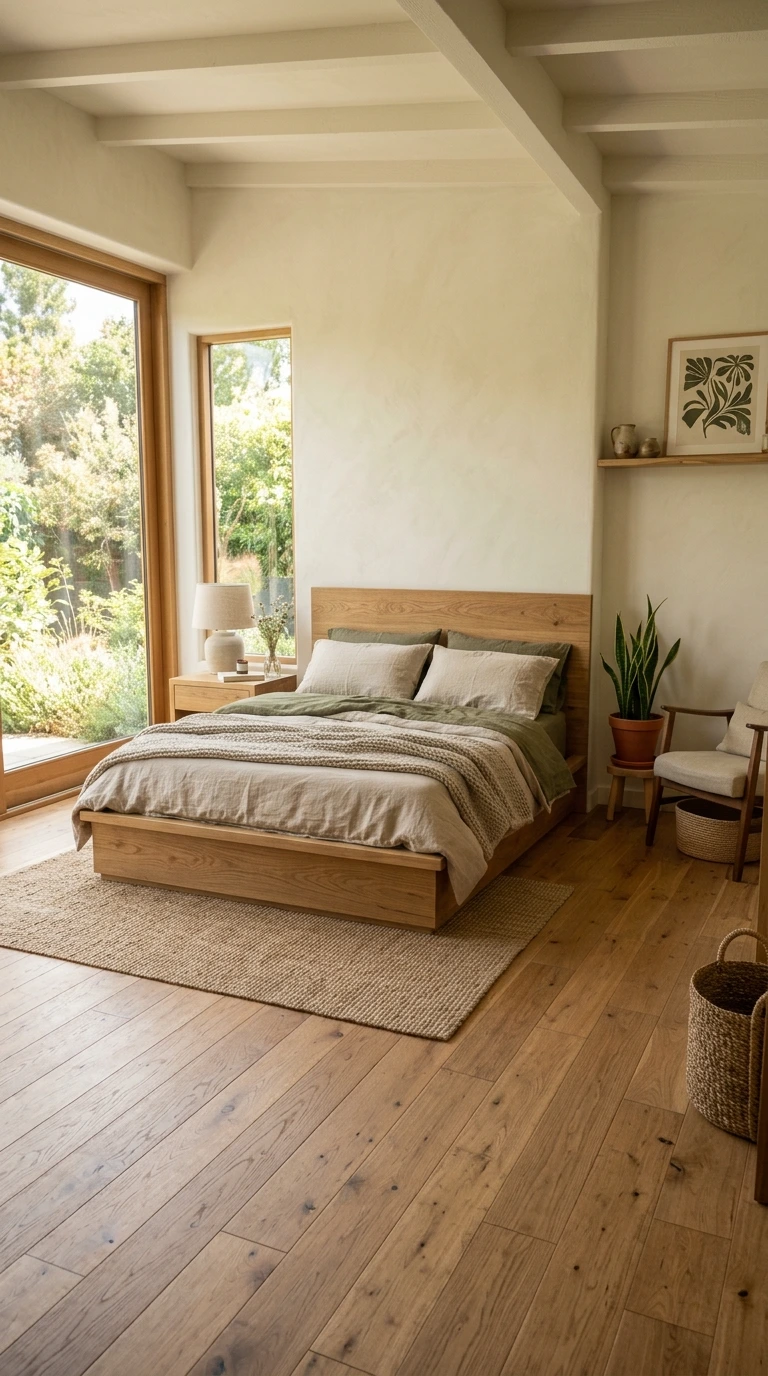
Platform beds built from solid, sustainably sourced wood, without an additional box spring layer, can represent a lower overall material footprint compared to a traditional setup that requires both a frame and a separately manufactured box spring.
Traditional frames paired with a box spring involve more total manufactured components, which some environmentally conscious shoppers may want to factor into their decision, particularly if sustainability and material sourcing are genuine priorities in furniture buying.
34. Comfort Preference: Firm vs Cushioned
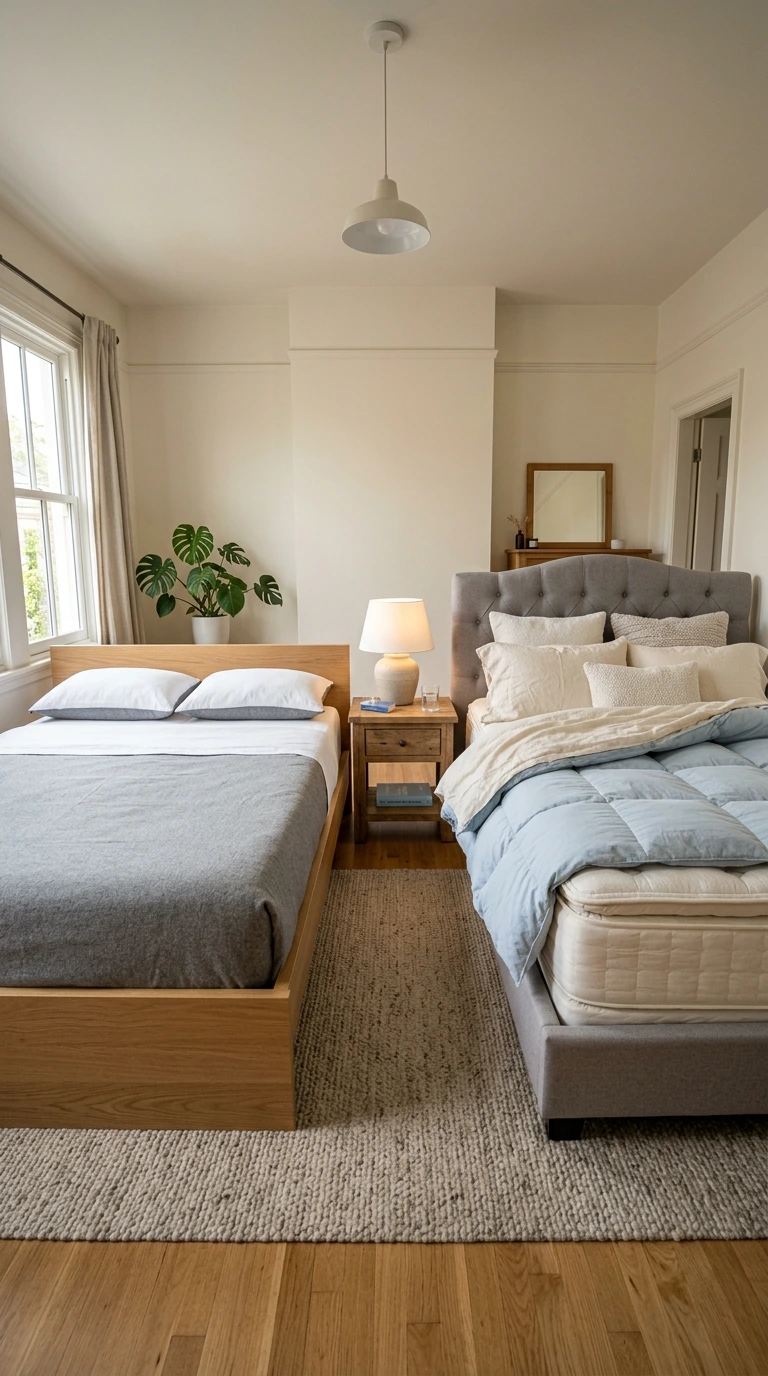
Sleepers who prefer a firmer, more supportive sleep surface generally gravitate toward platform beds, since the solid or closely slatted base provides consistent, even support without the additional give a box spring introduces.
Sleepers who prefer a slightly softer, more cushioned feel often favor a traditional frame with a box spring, since the box spring’s internal coil system adds a layer of gentle give and bounce that some find more comfortable, particularly with innerspring mattresses.
Quick Decision Checklist
- ✅ Check whether your mattress type suits a solid platform base or a box spring
- ✅ Measure the room to see whether a lower or taller bed profile fits better
- ✅ Consider under-bed storage needs before choosing a frame style
- ✅ Factor in the full cost, including a box spring if going the traditional route
- ✅ Think about ease of moving if you rent or relocate frequently
- ✅ Match the frame style to your bedroom’s existing overall aesthetic
35. Mobility and Accessibility Considerations
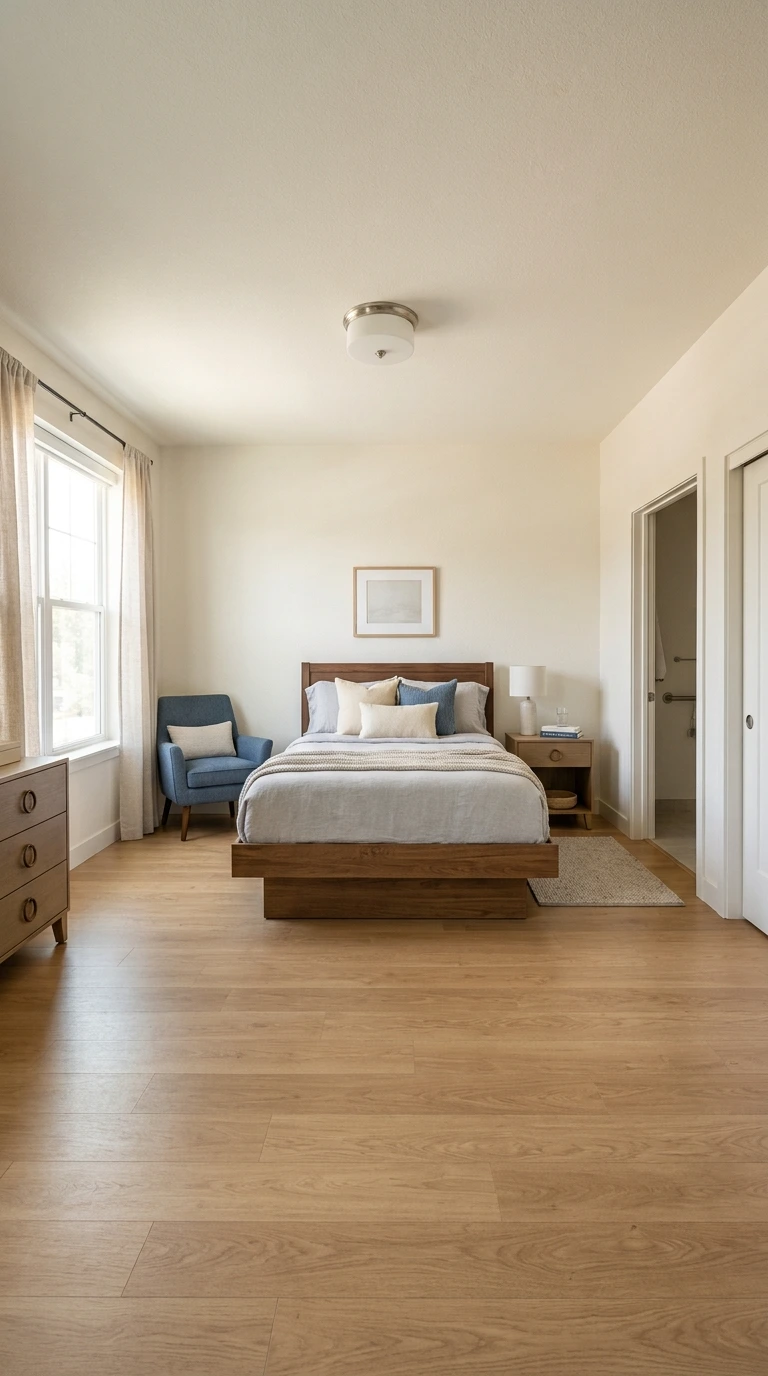
For anyone with mobility limitations, joint pain, or difficulty transitioning from a seated to standing position, a traditional frame’s added height, thanks to the box spring, can make getting in and out of bed noticeably easier day to day.
Some platform bed manufacturers do offer higher-profile models specifically to address this concern, so mobility limitations do not automatically rule out a platform bed, provided you specifically look for a taller platform design rather than an especially low-profile one.
36. Sound Dampening and Bedroom Privacy
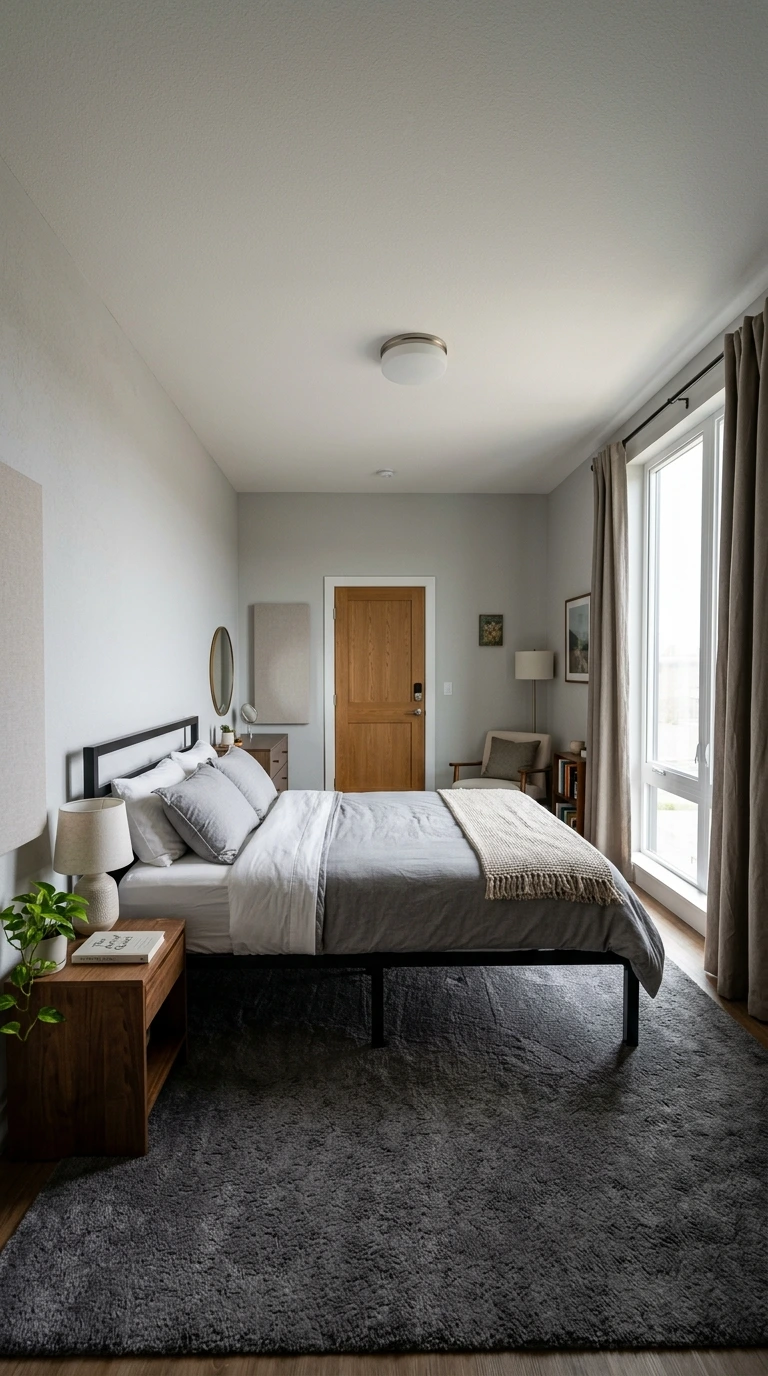
Certain platform bed designs incorporate sound-dampening materials or a more rigid steel frame construction specifically to minimize shake and noise, which can matter in a household where bedroom privacy or noise sensitivity is a genuine concern.
Traditional frames generally do not include this kind of specific sound engineering, and an aging box spring can actually introduce more noise over time as its internal components wear, making this a point worth considering for light sleepers.
37. Seasonal and Trend Longevity
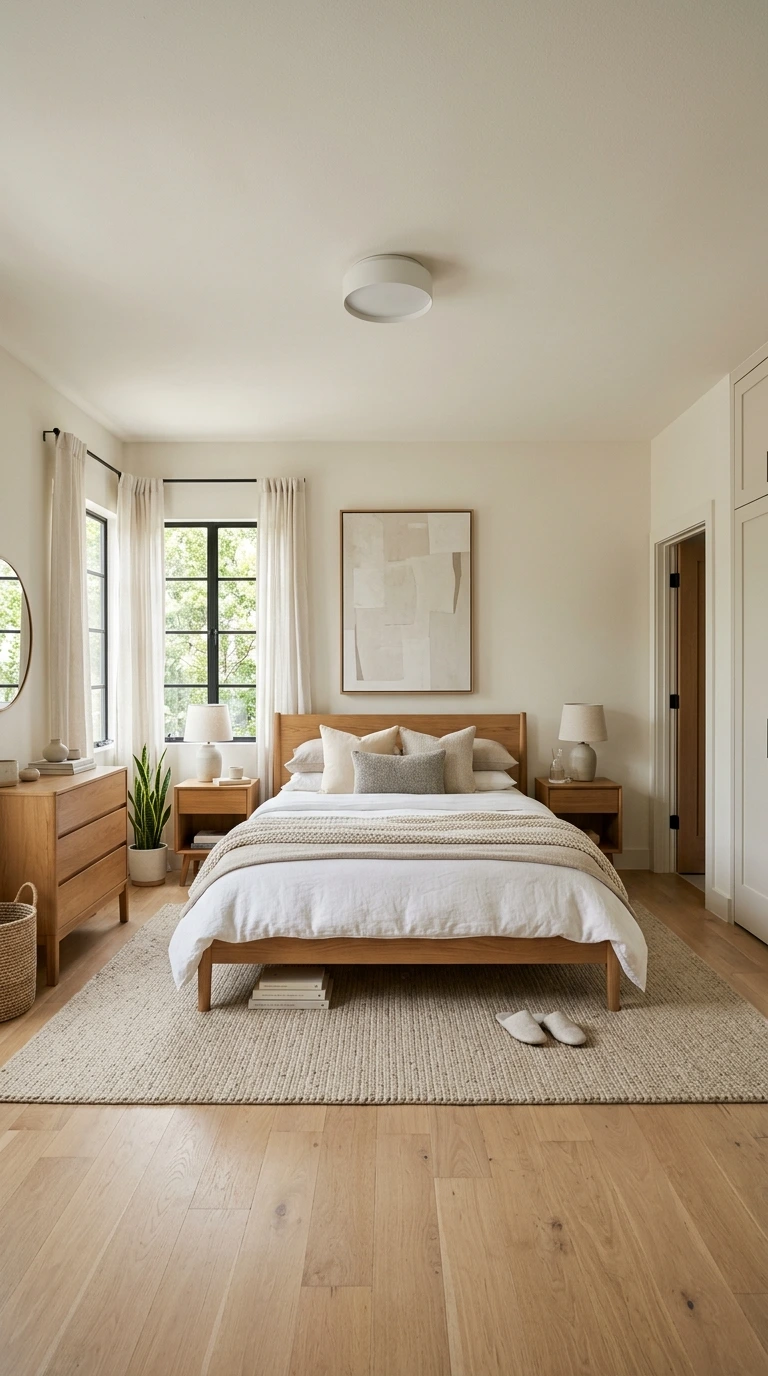
Platform beds have remained the dominant style choice in contemporary furniture and new home design for roughly the last decade, suggesting their current popularity is more than a passing trend and likely to remain relevant for years to come.
Traditional frames, meanwhile, draw on a design history that predates the platform bed by a considerable margin, giving them a genuinely timeless quality that is less subject to shifting design trends than more contemporary styles tend to be.
38. Mixing Styles: Platform Base with Traditional Headboard
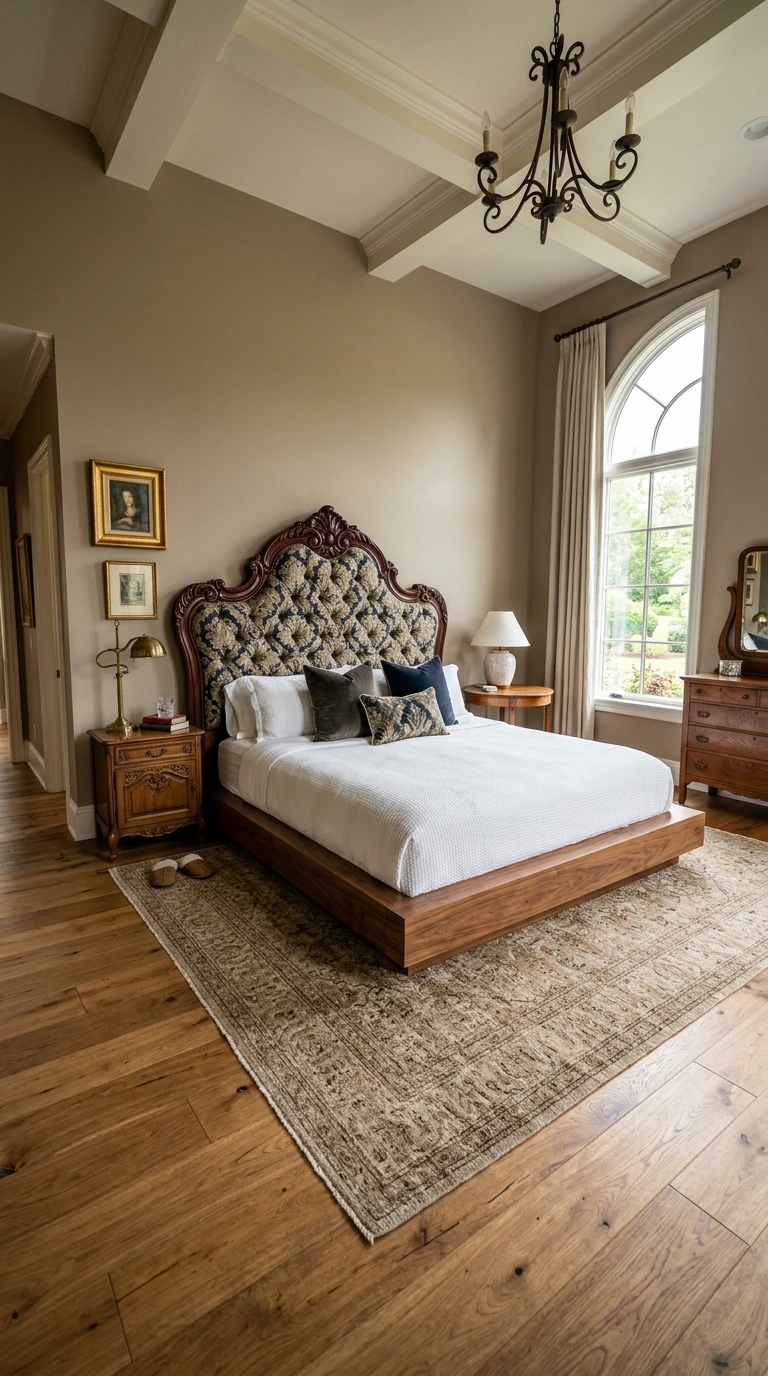
It is entirely possible to combine a platform bed’s practical, low-profile base with a more traditional, ornate headboard, creating a hybrid look that captures some of each style’s advantages without fully committing to one aesthetic.
This approach works particularly well for anyone who wants a platform bed’s practical benefits, no box spring, better airflow, storage options, while still achieving a more classic or elevated visual statement through the headboard choice specifically.
39. Which Mattress Warranty Terms to Check
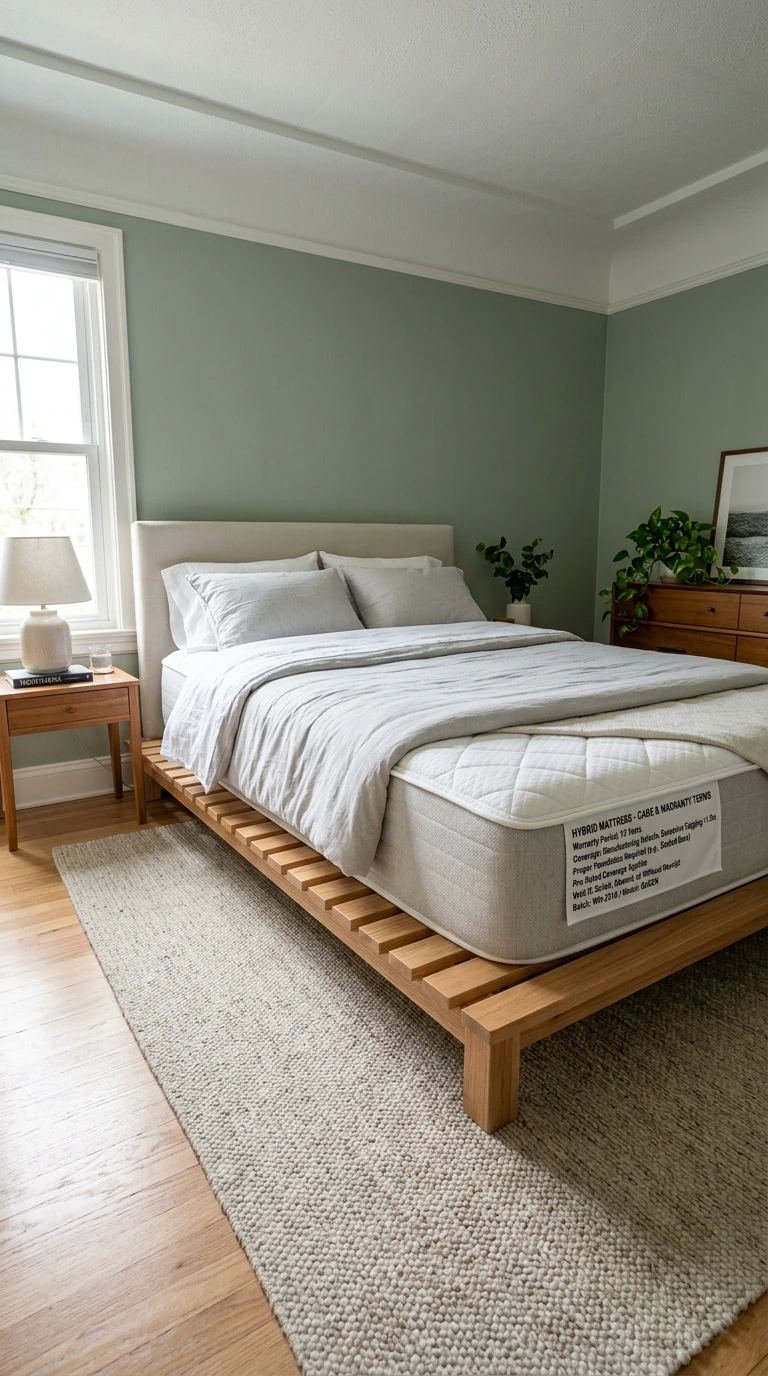
Some mattress warranties specifically require a particular type of foundation, either a solid platform base or a box spring meeting certain specifications, and using the wrong foundation type can void that warranty entirely without you realizing it.
Before finalizing either a platform bed or a traditional frame purchase, check your mattress’s specific warranty documentation to confirm which foundation types are approved, since this detail is easy to overlook until a warranty claim is actually needed.
Important: Always check your mattress manufacturer’s warranty terms regarding foundation type before choosing between a platform bed and a traditional frame. Some warranties are voided entirely by using an unapproved foundation, regardless of how well that foundation otherwise performs.
40. Making the Final Decision for Your Bedroom
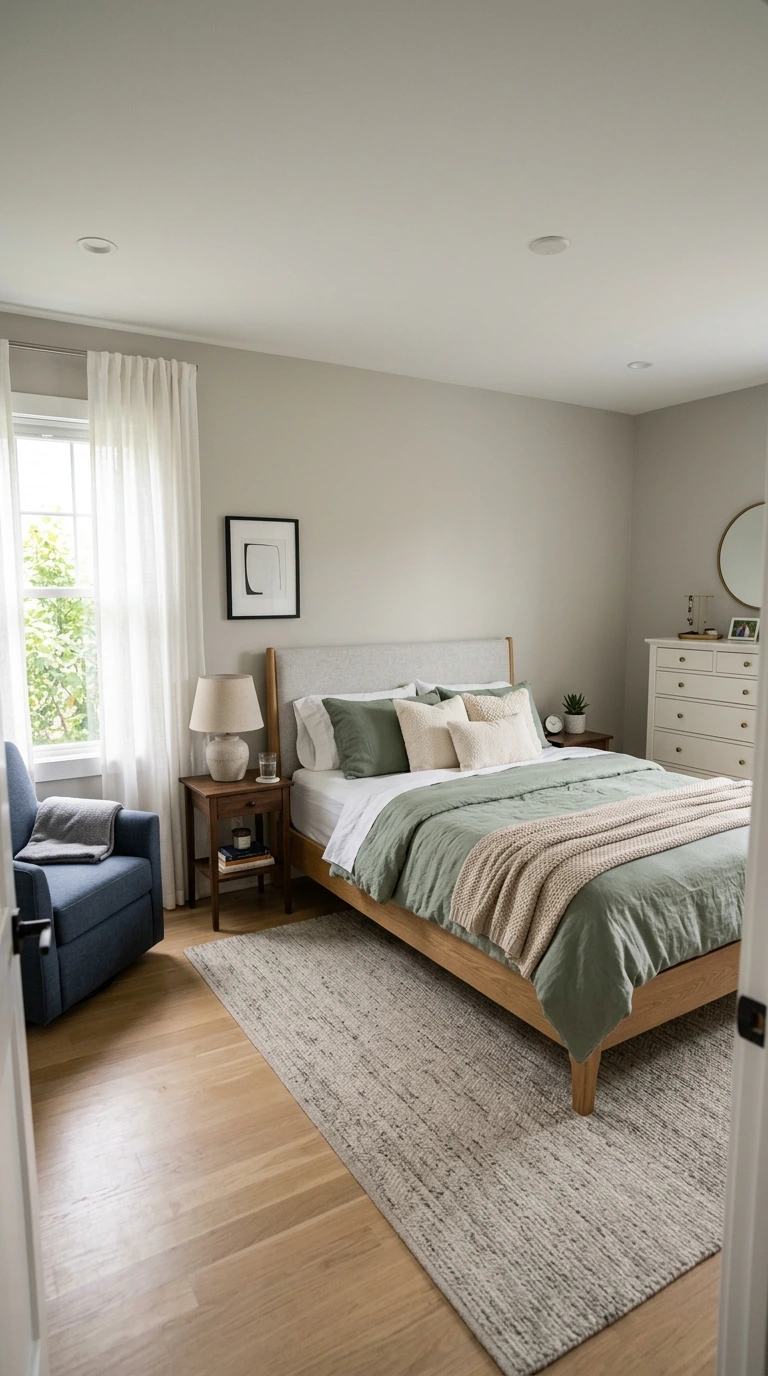
Ultimately, the right choice between a platform bed and a traditional frame comes down to your room’s size, your mattress type, your budget, and your personal aesthetic preference, since both options can deliver a genuinely comfortable, well-supported night’s sleep.
Take stock of your specific priorities, storage needs, mobility considerations, budget constraints, and overall bedroom style, before making a final decision. Neither option is objectively superior; the right choice is simply the one that best matches your actual bedroom and how you live in it.
Common Buying Mistakes
Mistake 1: Assuming any mattress works on any frame
Dense foam and latex mattresses generally need a platform bed’s firm support, while innerspring mattresses typically perform best with a box spring. Mismatching mattress and frame type can shorten the mattress’s lifespan considerably.
Mistake 2: Forgetting to budget for a box spring
A traditional frame’s advertised price often does not include the box spring, which is a required component in most cases. Factor this additional $100 to $300 cost into your total budget before comparing prices between the two styles.
Mistake 3: Ignoring the room’s actual proportions
A platform bed’s lower profile suits smaller rooms particularly well, while a traditional frame’s added height can work better in a larger room. Choosing based on style alone, without considering the room’s actual scale, often leads to a mismatched result.
Mistake 4: Overlooking mattress warranty requirements
Some mattress warranties specify an approved foundation type, and using the wrong one can void coverage entirely. Check your mattress’s specific warranty terms before finalizing either a platform bed or a traditional frame purchase.
Mistake 5: Not considering mobility needs
A platform bed’s lower height can be genuinely difficult for some individuals with mobility limitations to use comfortably. Consider a higher-profile platform model or a traditional frame if this is a real concern for anyone using the bed regularly.
Frequently Asked Questions
1. Can any mattress go on a platform bed?
Most mattress types, including memory foam, latex, hybrid, and innerspring, work well on a platform bed, provided the base is solid or the slats are spaced no more than about three inches apart to prevent sagging.
2. Do platform beds save money compared to traditional frames?
Yes, in most cases. Since platform beds eliminate the need for a separate box spring, the total setup cost is often lower than a traditional frame once you factor in the $100 to $300 typically spent on a box spring.
3. Which option is better for a small bedroom?
A platform bed’s lower profile and often slimmer footprint generally suit small bedrooms better, since the reduced height helps the room feel more open and less visually crowded than a taller traditional frame setup.
4. Is a platform bed less comfortable than a traditional frame?
Not necessarily. Comfort depends more on the mattress itself than the frame type, though platform beds tend to offer a firmer, more consistent feel, while traditional frames with a box spring can add a slightly softer, more cushioned sensation.
5. Are traditional bed frames better for people with mobility issues?
Often, yes. A traditional frame’s added height from the box spring makes it easier to transition in and out of bed for some individuals, though certain higher-profile platform bed models can address this concern as well.
6. Can I use a platform bed with an adjustable base?
Many platform beds are specifically designed to accommodate adjustable bases, though it is worth confirming compatibility with the specific model before purchasing, since not every platform design offers the needed clearance and structure.
7. Do platform beds offer under-bed storage?
Many platform beds include built-in drawers or ample ground clearance for storage bins, making them a particularly practical option for smaller bedrooms where storage space is at a genuine premium.
Conclusion
Neither a platform bed nor a traditional bed frame is universally better than the other. Each serves a genuinely different combination of style, support, storage, and cost, and the right choice depends entirely on your specific bedroom, your mattress type, and how you actually use the space.
Consider your room’s size, your budget, your mattress compatibility, and your personal aesthetic before deciding. Whichever style you choose, making sure the foundation properly supports your specific mattress matters more than the frame’s style alone ever will.