Sectional Sofa vs. Regular Sofa: Which is Right for Your Living Room?

Introduction
Choosing between a sectional and a regular sofa is one of the biggest decisions in furnishing a living room, and it’s rarely as simple as picking whichever looks nicer online. The right choice depends on your room’s actual shape, how many people typically sit there, and how your household actually uses the space day to day.
Both options have genuine strengths and real trade-offs, and the “right” answer changes significantly based on your specific situation. Below are 20 factors to weigh when deciding between a sectional and a regular sofa, so you can choose with confidence rather than guesswork.
Pro Tip: Before deciding, tape out the exact footprint of both a sectional and a regular sofa on your living room floor using painter’s tape. Living with the outlined space for a few days often reveals scale issues that are hard to picture from a showroom or website photo alone.
1. Room Shape and Layout
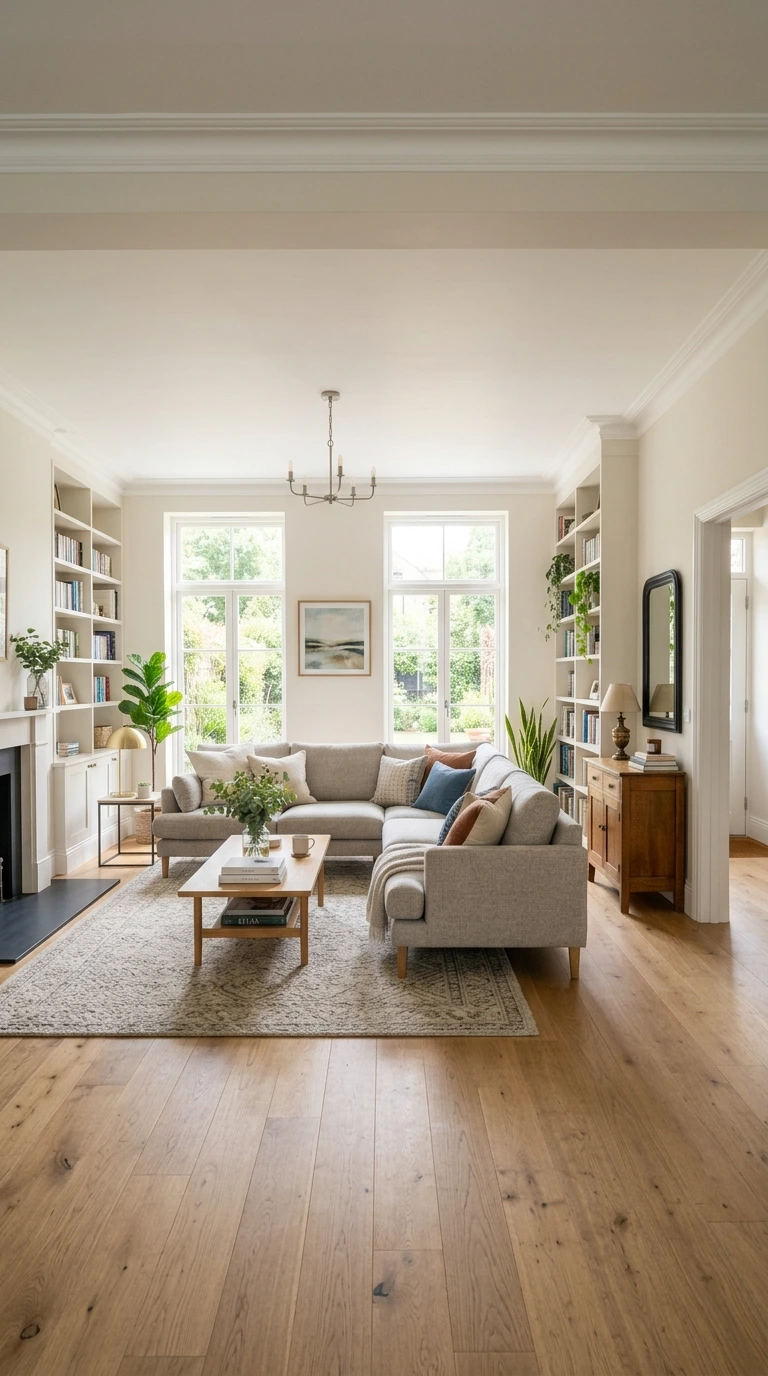
Sectionals are essentially large L-shapes or U-shapes, which means they work best in clean, predictable rectangular rooms with generous wall space. A regular sofa, by contrast, adapts far more easily to unusual room shapes, angled walls, or older homes with architectural quirks that don’t align with a sectional’s fixed footprint.
If your living room has an irregular layout, multiple doorways, or awkward corners, a regular sofa paired with a chair or two typically gives you more flexibility to work around those constraints. A sectional, on the other hand, genuinely shines in an open, rectangular space where it can anchor the room without fighting the walls.
2. Available Floor Space and Scale
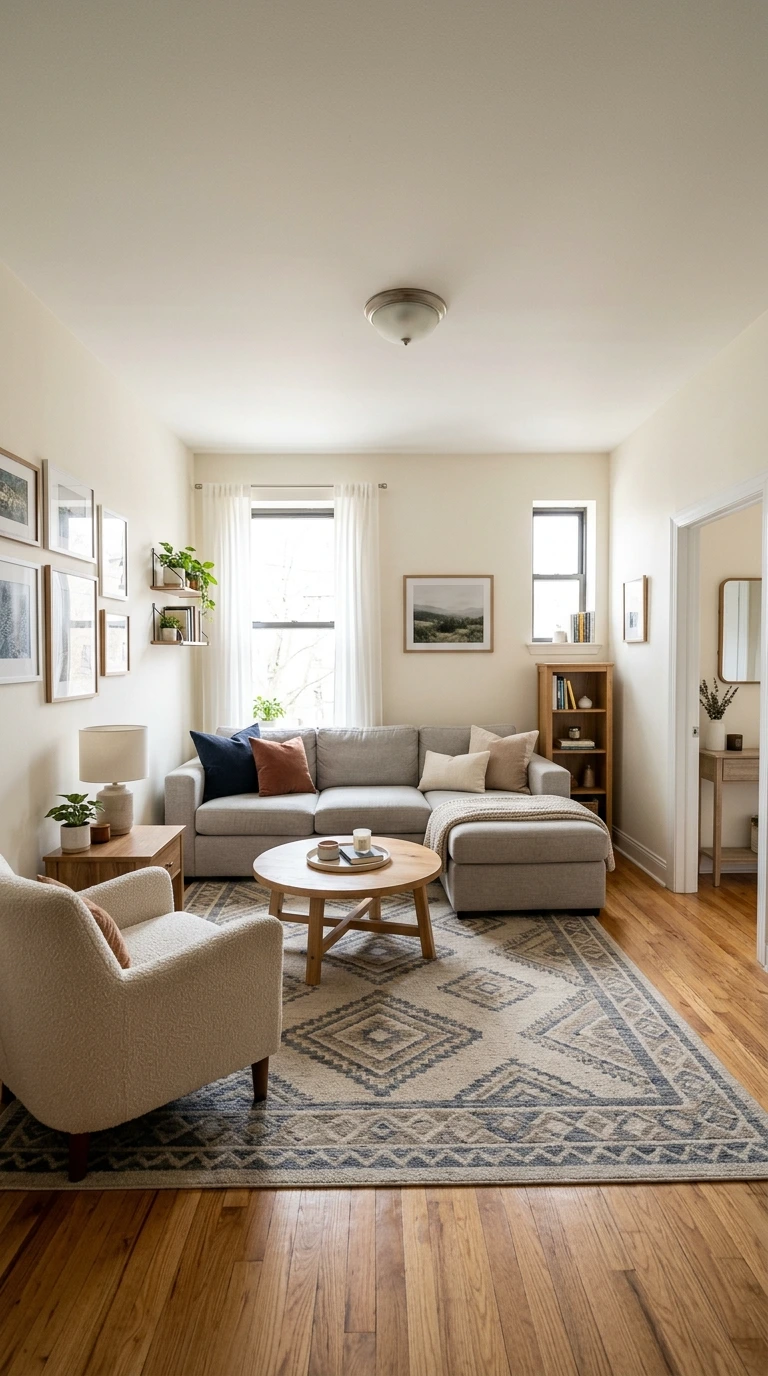
A sectional can be surprisingly space-efficient in a small room, since a single well-scaled piece often provides more total seating than fitting a sofa and separate chairs into the same footprint. That said, an oversized sectional in a room that’s too small will overwhelm the space and block natural walking paths.
Measuring your room’s full dimensions, including doorways and walkways, before committing to either option is essential regardless of which direction you lean. As a general rule, leave at least 30 to 36 inches of clearance around any large seating piece so the room still feels open rather than obstructed.
3. Total Seating Capacity
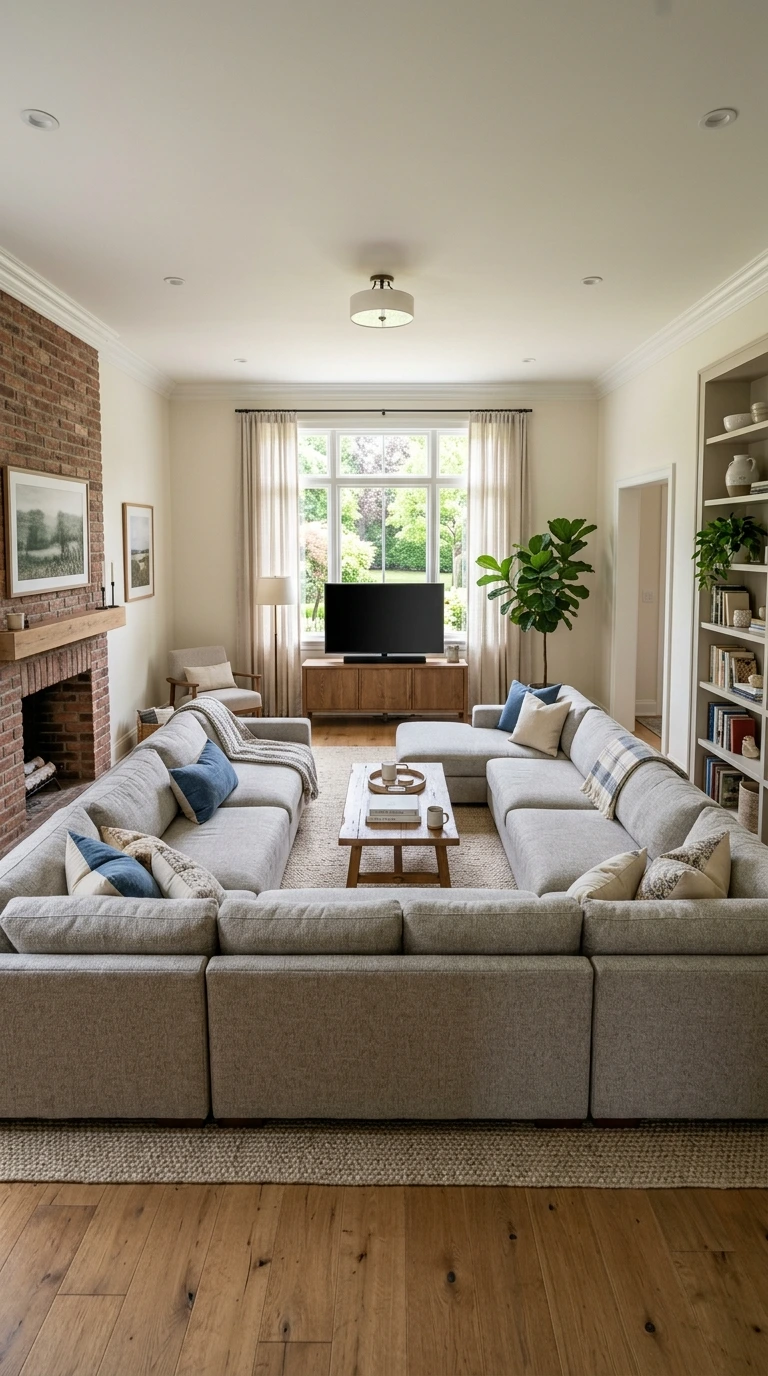
A large sectional generally seats more people in one continuous piece than a comparably sized regular sofa alone, which matters if your household frequently gathers as a full group for movies or games. However, a regular sofa paired with one or two accent chairs can often match or exceed a sectional’s seating capacity while distributing that seating across multiple distinct pieces.
If maximizing the number of people who can comfortably sit down at once is your top priority, a sectional typically wins in a like-for-like footprint comparison. If you’d rather spread seating across a few pieces for more flexible arrangement, a sofa-and-chairs combination often serves that goal just as well.
4. Household Size and Everyday Lifestyle
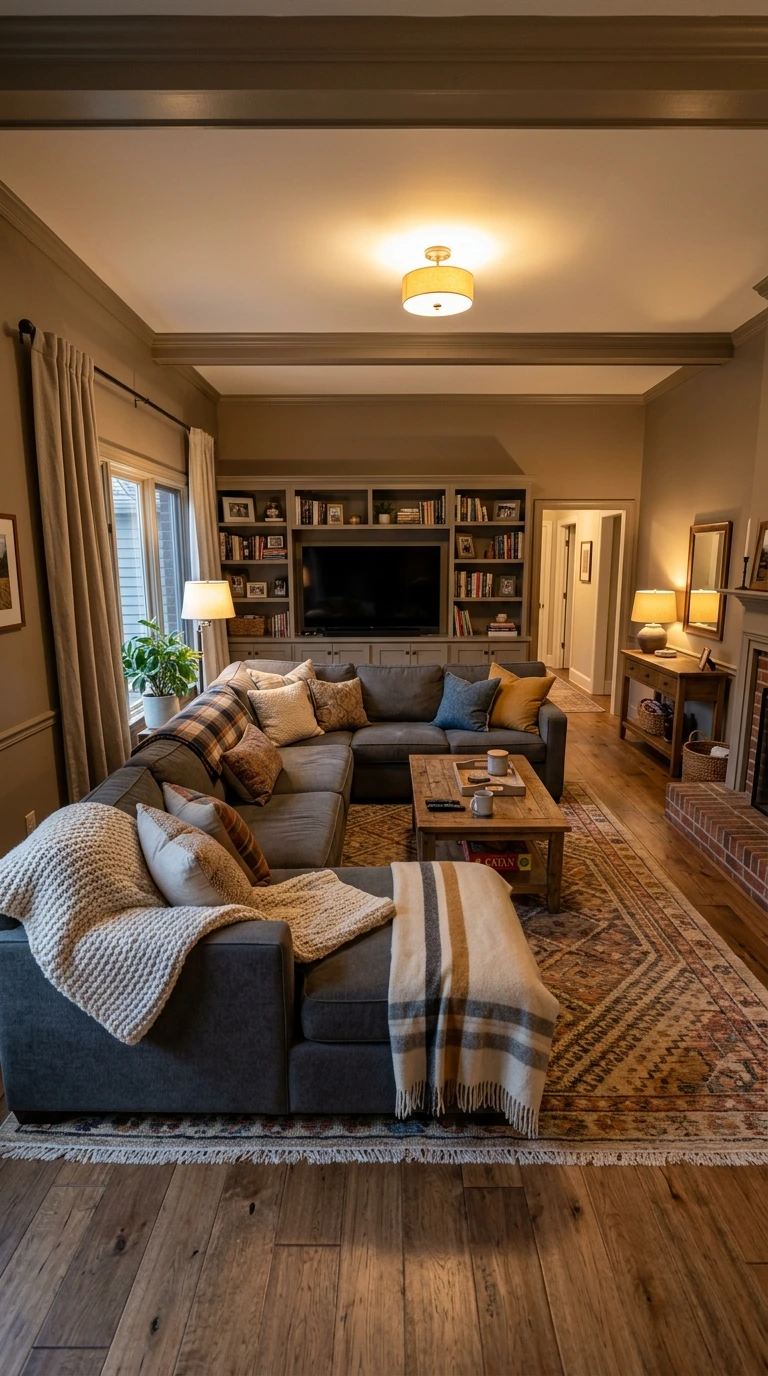
Larger households or families who spend most evenings together in the living room tend to gravitate toward sectionals, since everyone can comfortably pile onto one connected piece for movie nights or lounging. Smaller households, or those who prefer their own individual seat, often find a regular sofa combined with separate chairs more comfortable long-term.
Consider how your household actually spends time in the room on a typical evening, not just how you imagine using it during a big gathering. A sectional that looks perfect for a full family movie night may go mostly unused if, day to day, only one or two people are in the room at once.
Warning: Don’t choose a sectional purely based on how it looks in a showroom or online photo staged for a large family gathering. If your actual daily use involves just one or two people most of the time, a smaller sofa and chair combination may prove more practical and comfortable in the long run.
5. Entertaining Style and Guest Flow
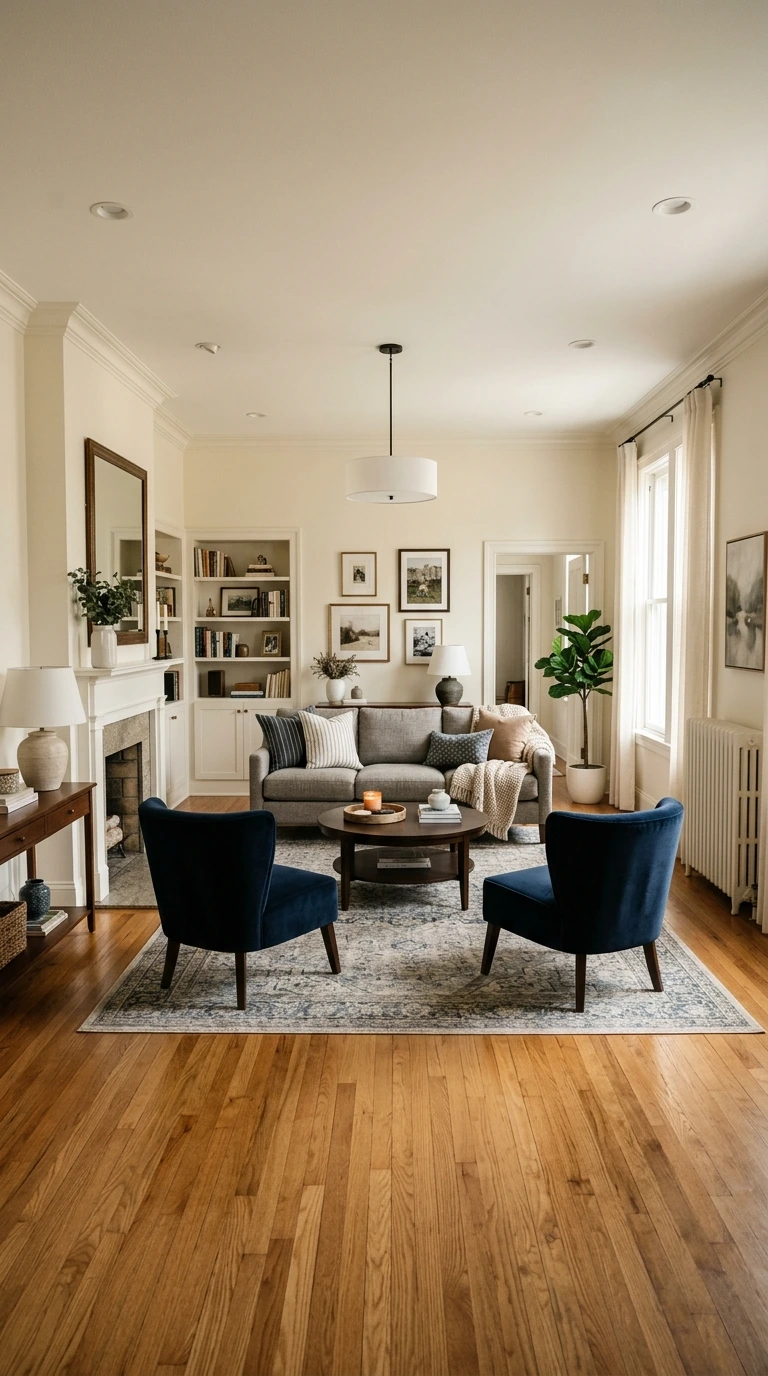
If you frequently host guests who aren’t all part of the same household or close friend group, a regular sofa paired with separate chairs tends to create a more natural conversation flow, since people can face each other rather than sitting in a single connected row. Sectionals, while excellent for close family lounging, can make it harder for unrelated guests to comfortably interact.
For households that host game nights, movie marathons, or casual family gatherings regularly, a sectional’s connected seating handles that kind of casual crowd beautifully. For more formal entertaining, like dinner parties or small gatherings meant for conversation, a sofa with accent chairs arranged to face each other usually works better.
6. Formality of the Room
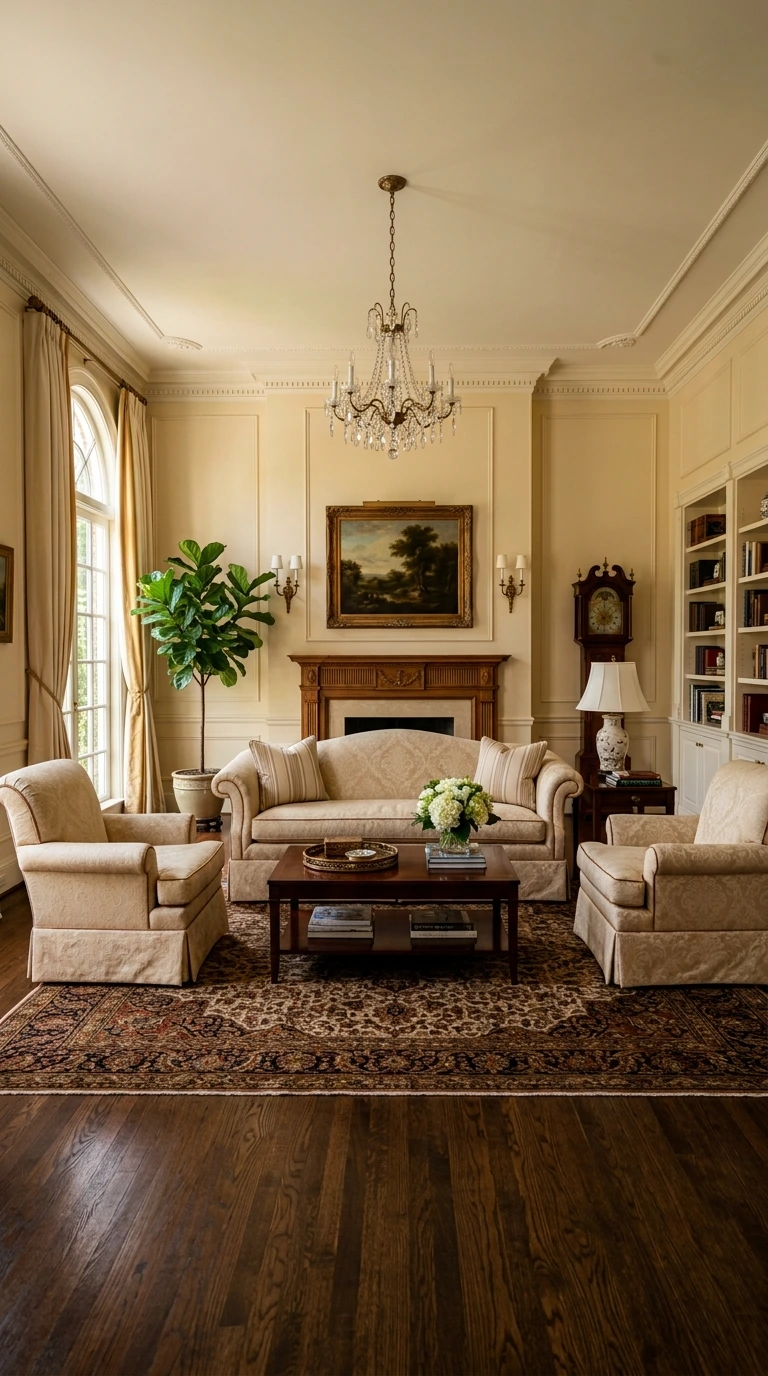
A regular sofa, especially when paired with a coordinating chair or loveseat, tends to read as more polished, tailored, and formal than most sectionals. This makes it a stronger choice for a living room intended to impress guests or serve a more traditional, curated design style.
Sectionals lean naturally toward a casual, laid-back atmosphere, which suits family rooms, media rooms, or more relaxed, everyday living spaces. If your living room is the more formal, “company” space in your home, a sofa-based arrangement is generally the safer and more versatile choice.
7. Flexibility to Rearrange the Room
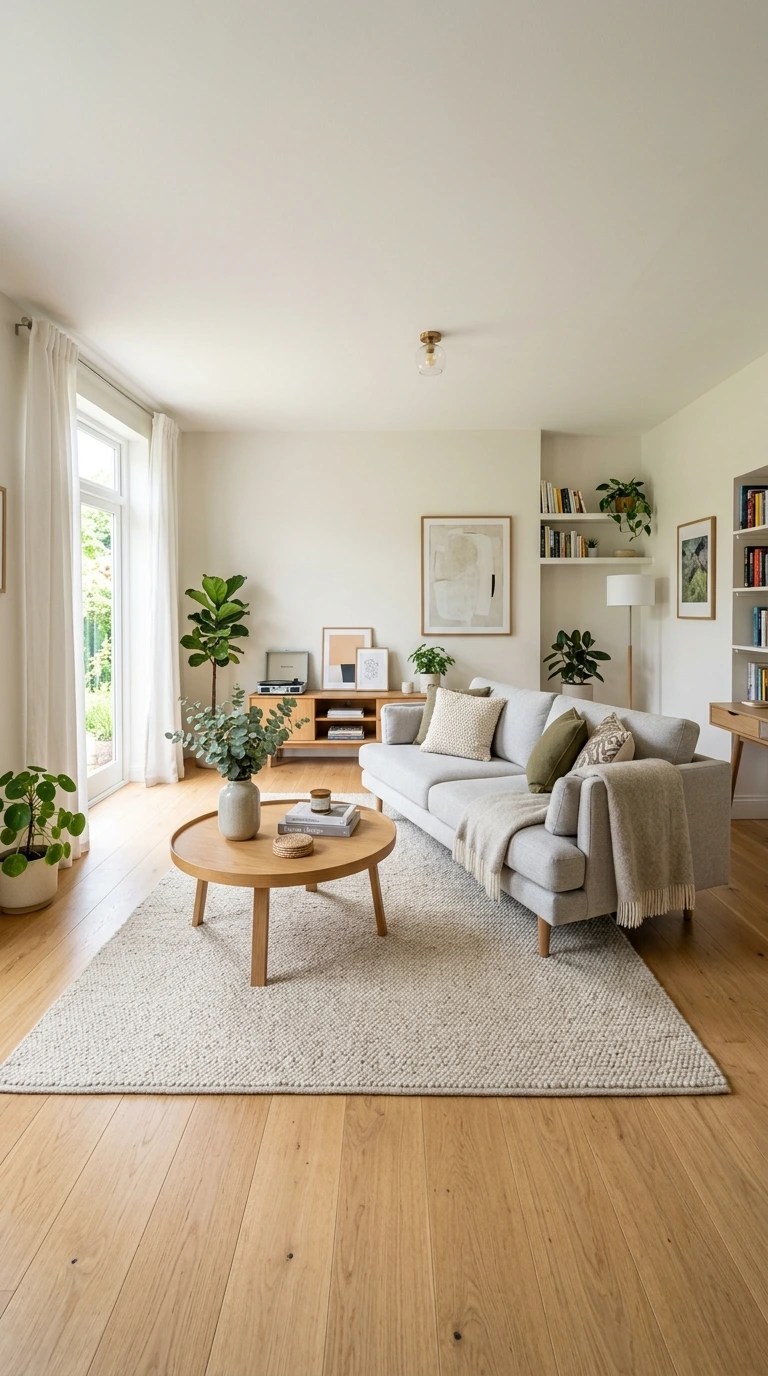
A regular sofa, or a set of individual seating pieces, is significantly easier to rearrange than a sectional, since each piece can be angled, floated in the middle of the room, or repositioned independently. This flexibility becomes valuable if you like to refresh your layout periodically or need to adapt the room for different occasions.
A sectional, once positioned, tends to stay in that configuration long-term, since its connected shape doesn’t lend itself to quick rearranging. If flexibility and the ability to easily change your room’s layout matter to you, this is a meaningful point in favor of a regular sofa.
8. Moving and Reconfiguring Between Homes
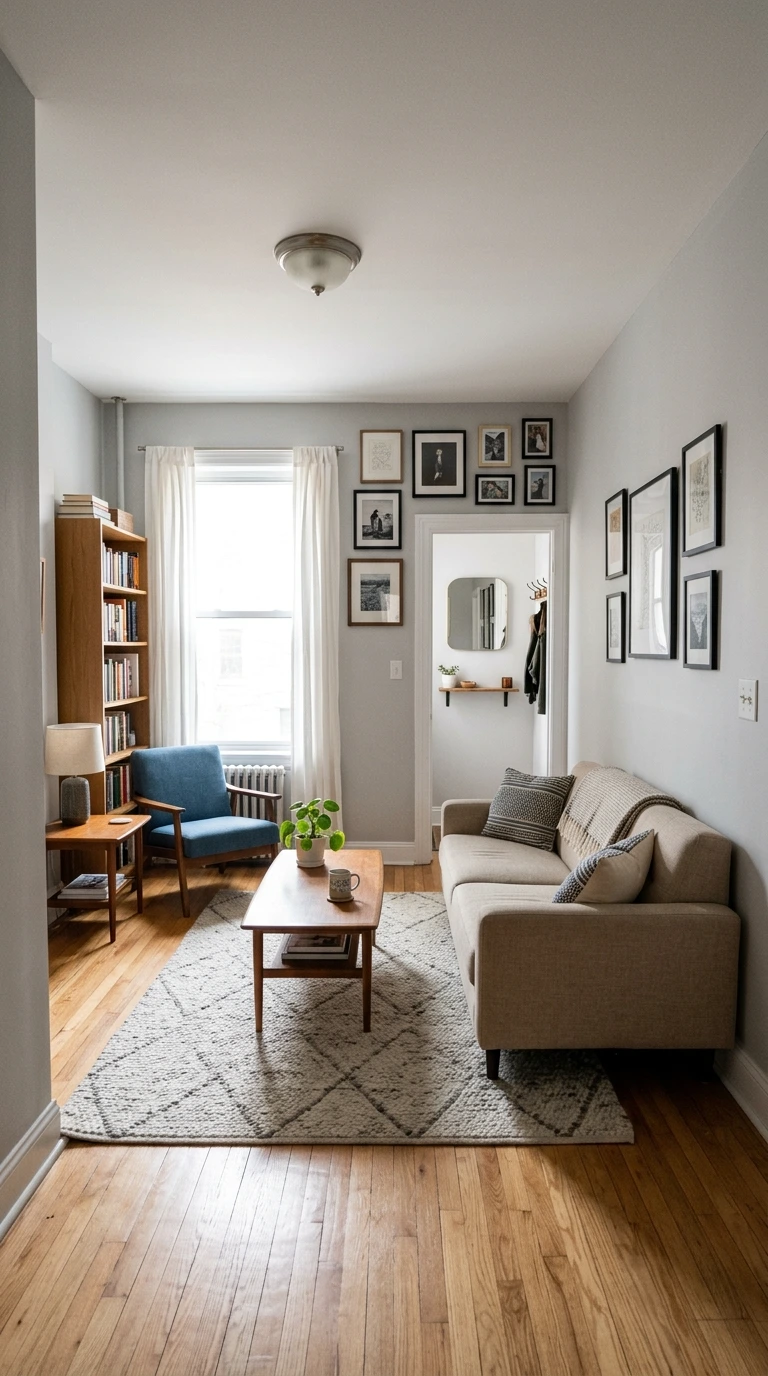
Regular sofas are considerably easier to move through tight stairwells, narrow apartment doorways, and awkward hallway turns than most sectionals, whose larger connected pieces can be surprisingly difficult to maneuver. This matters more than people often expect, especially for renters or anyone who anticipates moving again within a few years.
A sectional that fits beautifully in your current living room may be entirely wrong for your next home’s layout, requiring a costly replacement rather than a simple rearrangement. If you move frequently or aren’t certain about your long-term living situation, a regular sofa offers considerably more flexibility for an unknown future space.
Important: Even sectionals sold as “modular” or split into separate pieces can still be surprisingly bulky and difficult to maneuver through narrow stairwells or doorways. Always measure your actual moving path, not just the final room, before assuming a sectional will fit.
9. Visual Weight and Room Proportion
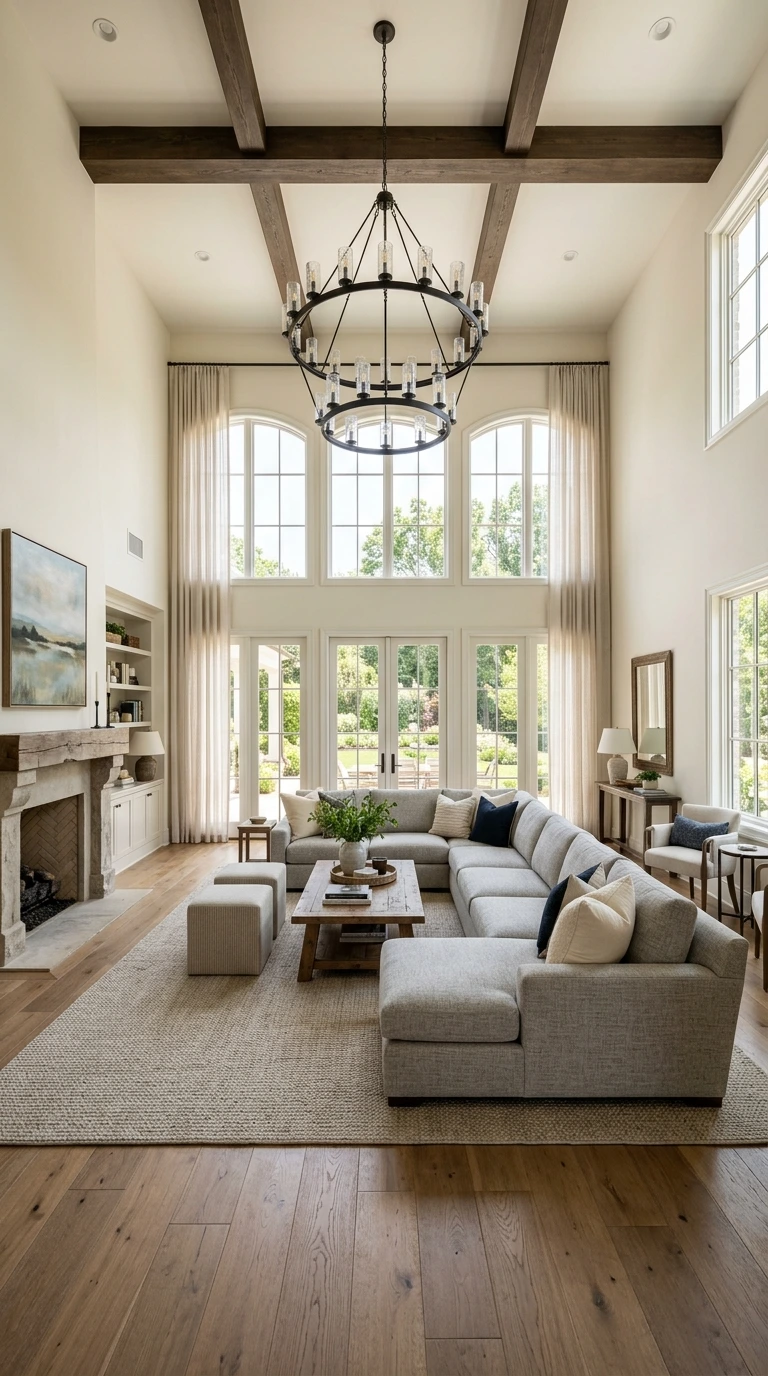
A large sectional carries significant visual weight and works best in a room with generous scale, tall ceilings, or an open floor plan where its size feels proportional rather than overwhelming. In a smaller or more traditionally proportioned room, that same visual weight can dominate the space and block sightlines to architectural details like fireplaces or bay windows.
A regular sofa generally leaves more breathing room around itself, allowing other architectural or decorative features in the room to remain visible and appreciated. If your living room has details worth showcasing, like crown molding, built-in shelving, or a fireplace mantel, a sofa-based layout typically preserves those sightlines better than a bulky sectional.
10. Overall Cost and Budget
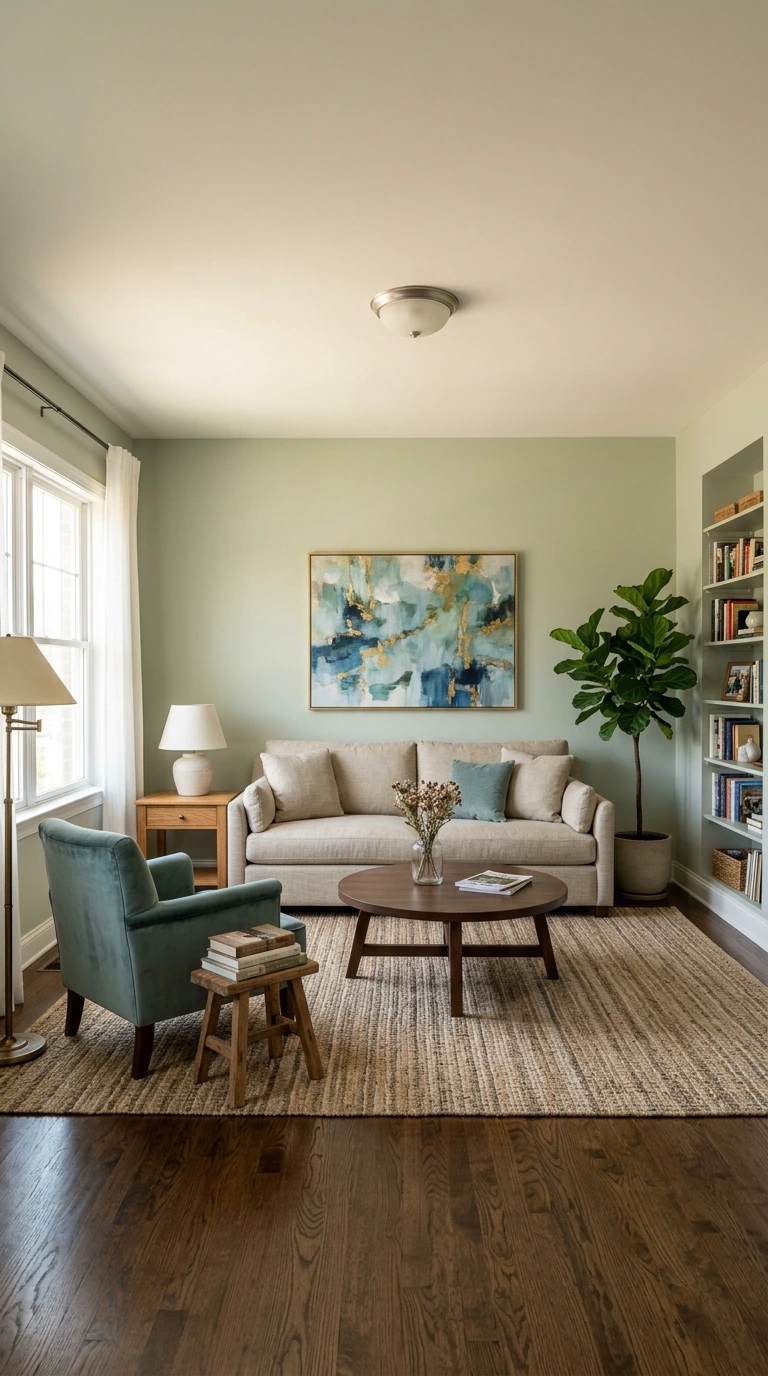
Pricing varies considerably by brand and material, but a comparable sectional often costs more than a single regular sofa of similar quality, simply due to the additional fabric, framing, and connected sections involved. That said, a sofa paired with one or two additional chairs to match its seating capacity can sometimes end up costing just as much, or more, than a single well-made sectional.
Rather than comparing sticker prices alone, calculate the total cost of whichever combination of pieces actually meets your seating needs. A single sectional might be more cost-effective than buying a sofa plus two separate accent chairs, depending on the specific pieces you’re comparing.
Sectional vs. Regular Sofa at a Glance
| Factor | Sectional | Regular Sofa |
|---|---|---|
| Best Room Shape | Rectangular, open-plan | Any shape, including irregular layouts |
| Seating Style | Casual, connected, family-oriented | Formal or flexible, easy to rearrange |
| Moving/Reconfiguring | Bulkier, harder to move between homes | Easier to move and adapt to new spaces |
| Typical Cost | Often higher per seat, but consolidated | Varies, can add up with matching chairs |
11. Modular Configuration Options
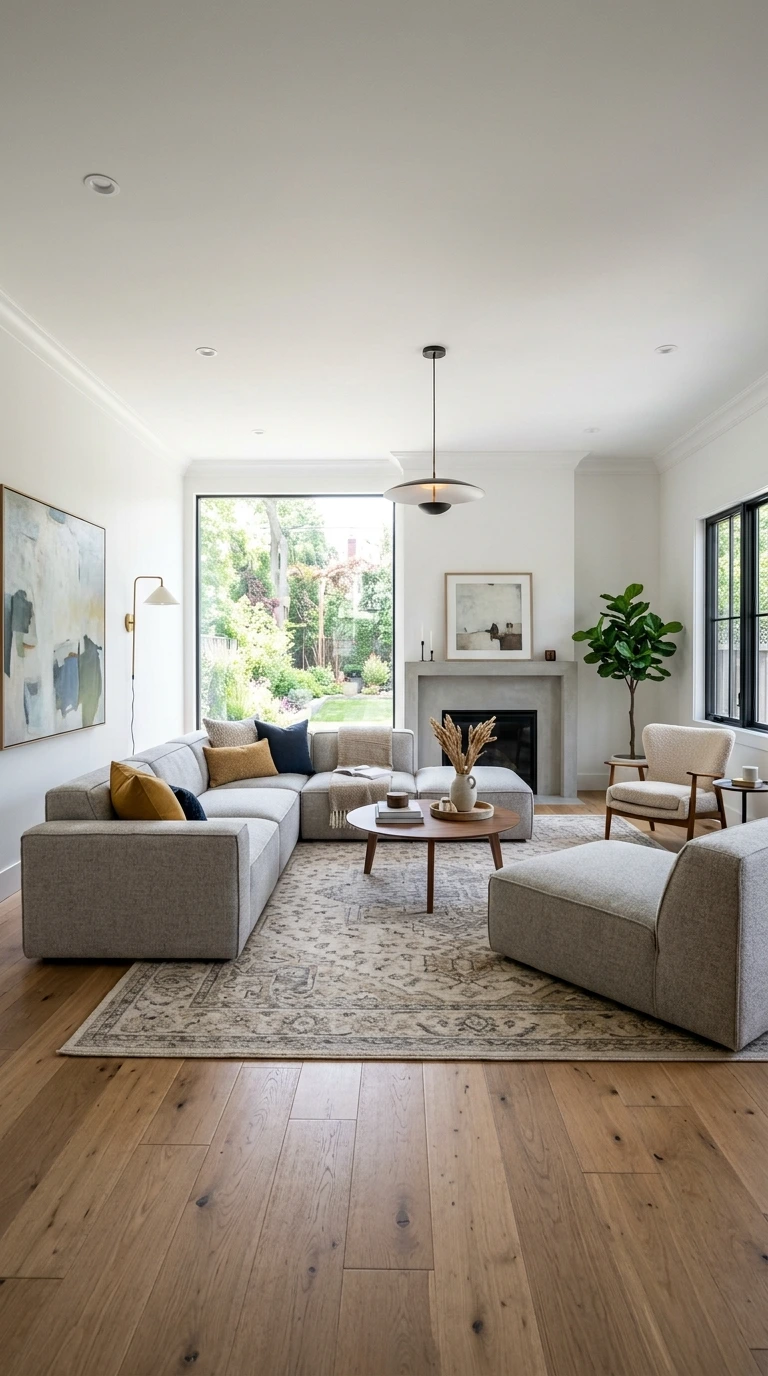
Some sectionals, particularly modular designs, are made from independent pieces that can be rearranged, added to, or removed over time as your needs change. This offers a middle ground between the fixed shape of a traditional sectional and the full independence of separate sofa and chair pieces.
If you like the connected, casual look of a sectional but want more flexibility for future changes, a modular option is worth prioritizing over a traditional fixed-shape sectional. Keep in mind that modular pieces typically come at a higher price point than an equivalent traditional sectional, due to the added engineering required for the connector system.
12. Comfort Style: Lounging vs. Upright Sitting
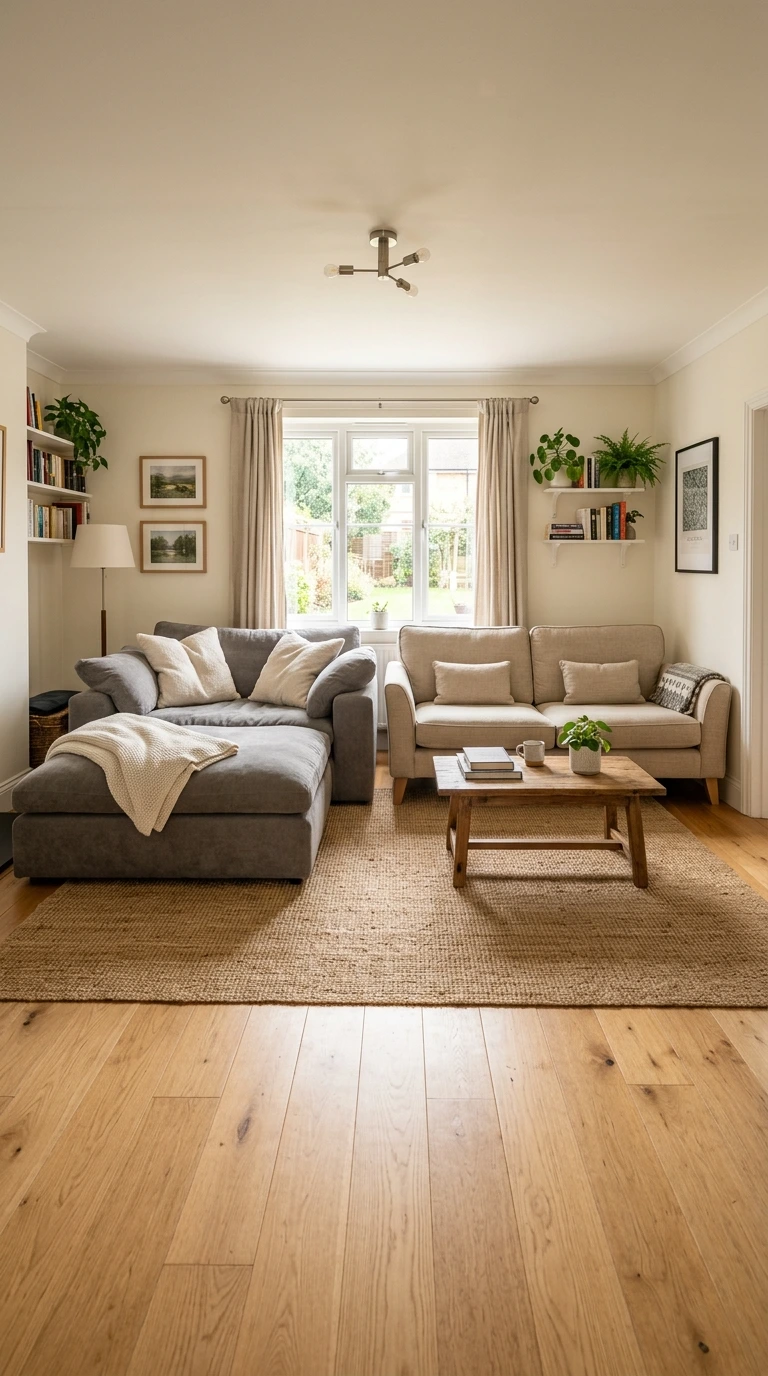
Sectionals, particularly those with a chaise section, are generally designed for lounging and stretching out, with deeper seats that invite sinking in for a movie or a nap. Regular sofas can be built in either deep, lounge-style comfort or a more upright, tailored seat depth, giving you more control over exactly how the seating feels.
If your household primarily uses the living room for relaxed lounging and stretching out, a sectional’s typically deeper seating suits that use case well. If you prefer a more upright, formal sitting posture, or need seating that’s easier to get in and out of, a regular sofa with a shallower seat depth is often the more comfortable long-term choice.
13. Natural Conversation Flow
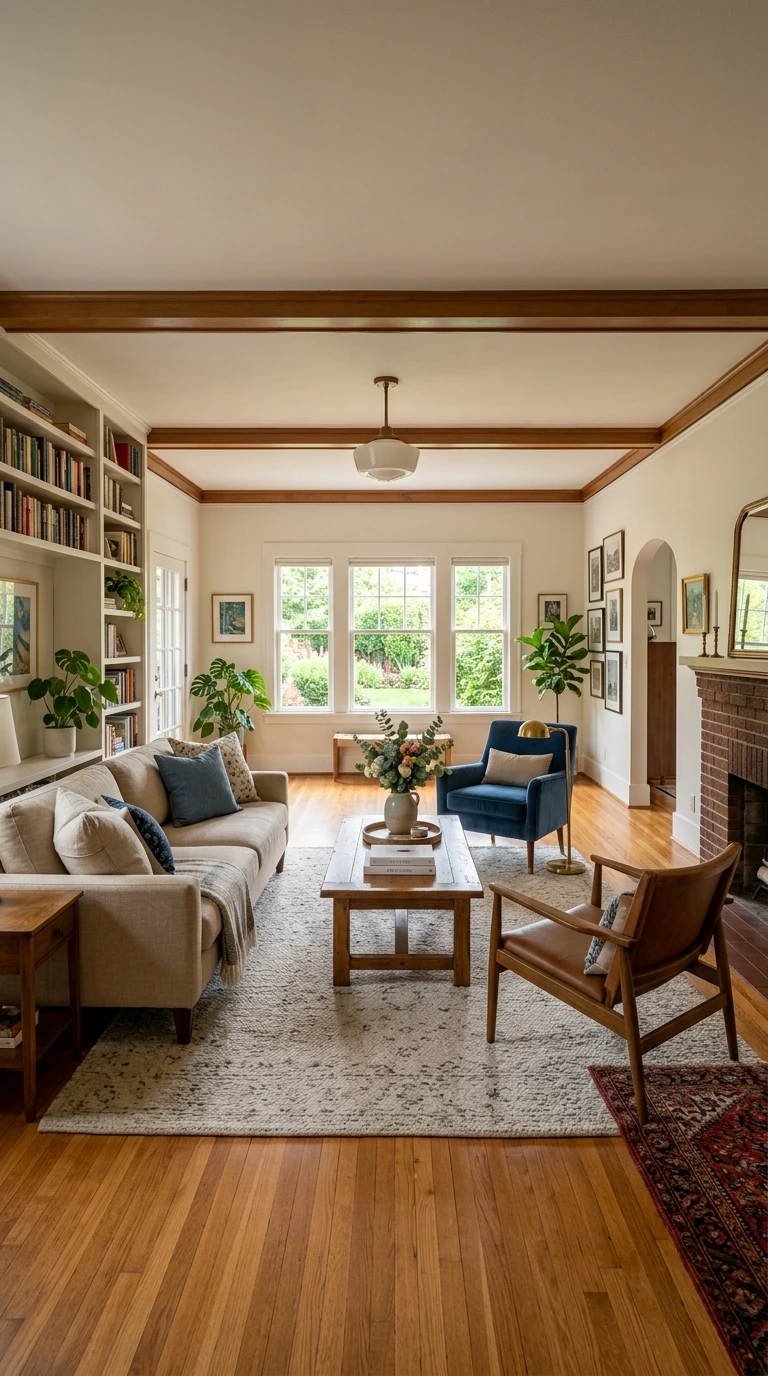
Because sectional seating is arranged along a connected line, conversation between people at opposite ends can feel less natural than seating arranged to directly face each other. A sofa paired with chairs positioned across from it typically creates a more balanced, face-to-face conversation setup.
If genuine conversation, rather than shared lounging, is the primary function of your living room, a sofa-and-chairs arrangement generally facilitates that better than a sectional’s linear seating layout. Sectionals still work fine for group conversation, but the dynamic tends to feel more casual and less evenly distributed.
14. Fit for Multi-Purpose Rooms
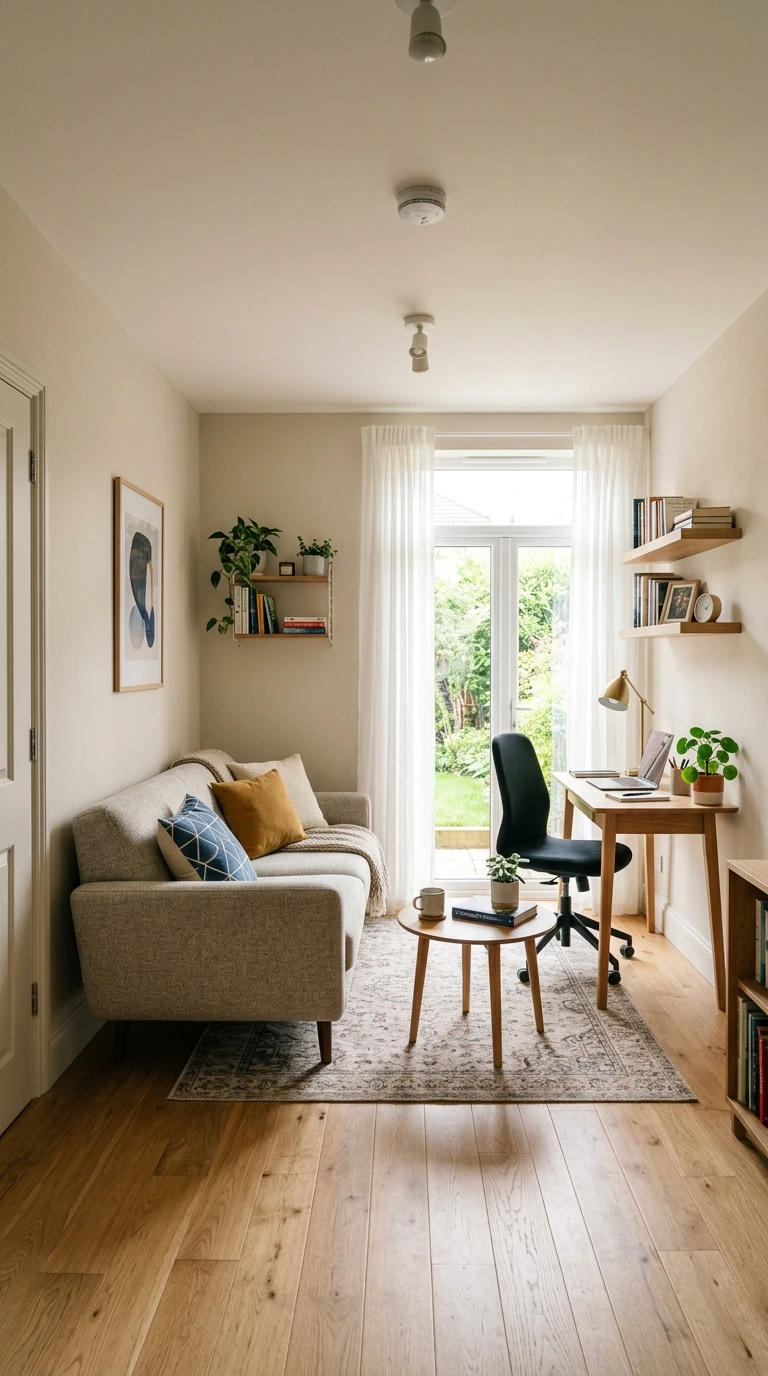
In a living room that also needs to function as a home office corner, a playroom, or a dining overflow space, a regular sofa’s smaller footprint and flexibility to reposition make it easier to share the room with other functions. A sectional’s larger, fixed footprint can make multi-purpose room planning considerably more difficult.
If your living room serves several roles throughout the day or week, prioritize furniture that can adapt or be moved as those needs shift. A sectional works best when the room’s primary purpose is dedicated seating and lounging, without significant competition from other daily functions.
15. Fit Around Architectural Features
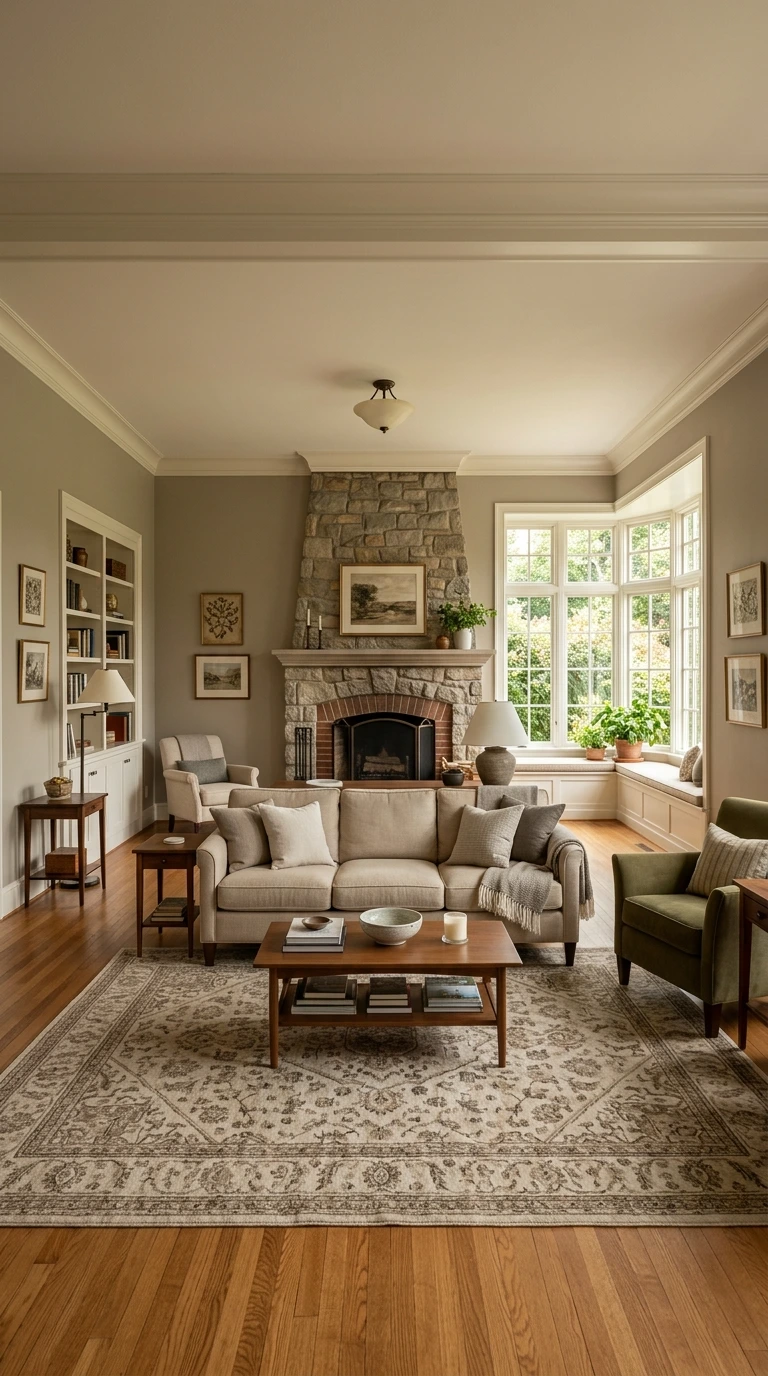
Rooms with distinctive architectural features, like a fireplace, bay window, or built-in bookshelves, often benefit from a regular sofa’s flexibility to be positioned around those elements without blocking them. A sectional’s rigid, connected shape is harder to configure around existing architectural constraints.
If your living room includes features you want to showcase rather than obscure, measure carefully to confirm a sectional wouldn’t block sightlines or access to those elements. A well-proportioned sofa generally leaves more room for these details to remain a visible, appreciated part of the space.
- ✅ Measure your room’s actual walkways, doorways, and stairwells, not just the final floor space
- ✅ Consider how the room is used on a typical evening, not just during rare large gatherings
- ✅ Weigh total cost across the full seating arrangement, not just a single piece’s price tag
- ✅ Check whether existing architectural features would be blocked by a sectional’s footprint
- ✅ Factor in how often you expect to move homes or rearrange the room’s layout
16. Upholstery Material and Long-Term Maintenance
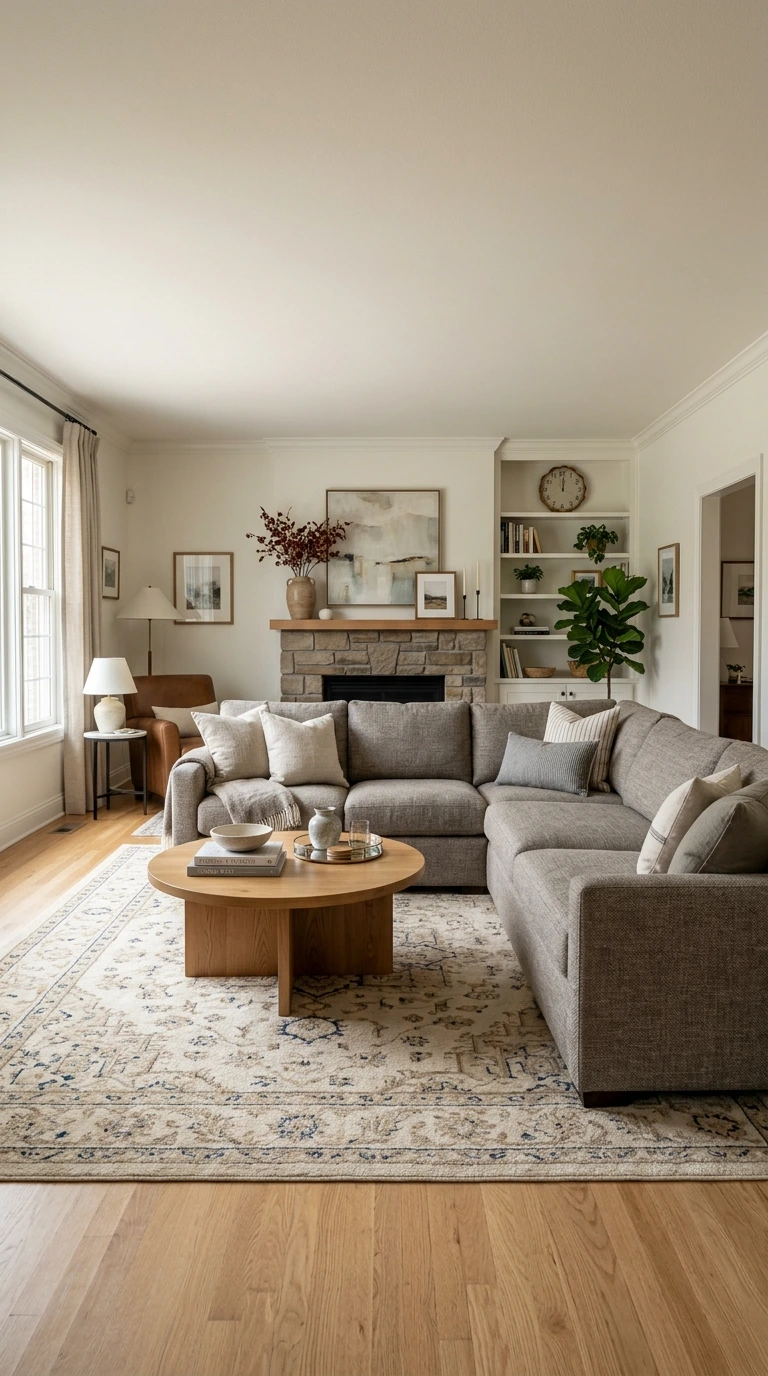
Both sectionals and regular sofas are available in similar upholstery options, including leather and performance fabrics designed to resist stains and spills. However, a sectional’s larger surface area generally means more fabric exposed to wear, spills, and daily use across its connected sections.
Choosing a durable, easy-to-clean material matters somewhat more for a sectional simply due to its larger footprint and the likelihood of more people using it at once. Regardless of which option you choose, performance fabric or leather remains a smart investment for households with kids, pets, or heavy daily use.
17. Practicality for Households with Kids and Pets
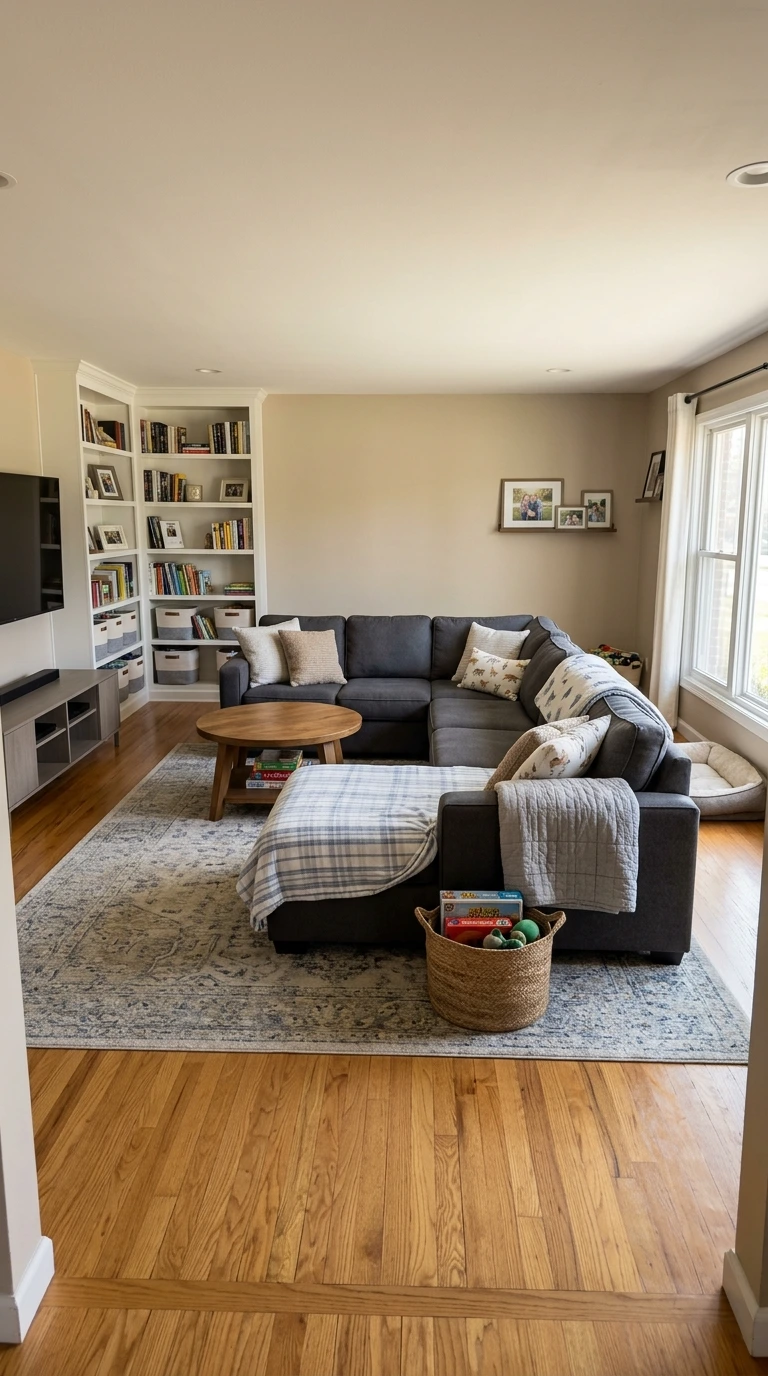
Sectionals often appeal to families with kids, since the connected seating gives everyone a spot on the same piece for movie nights, and the larger surface area accommodates sprawled-out lounging. Pets also tend to gravitate toward a sectional’s larger continuous surface for napping.
That said, a sectional’s size can make it harder to clean thoroughly compared to a smaller, more accessible regular sofa. If frequent deep cleaning or moving the furniture to vacuum underneath matters to your household, a lighter regular sofa may prove more practical over time.
Warning: Sectionals with a chaise or corner section can create hard-to-reach gaps where crumbs, pet hair, and dropped items accumulate more easily than on a straightforward regular sofa. Factor in your realistic cleaning routine before committing to a large sectional.
18. Style Versatility and Aesthetic
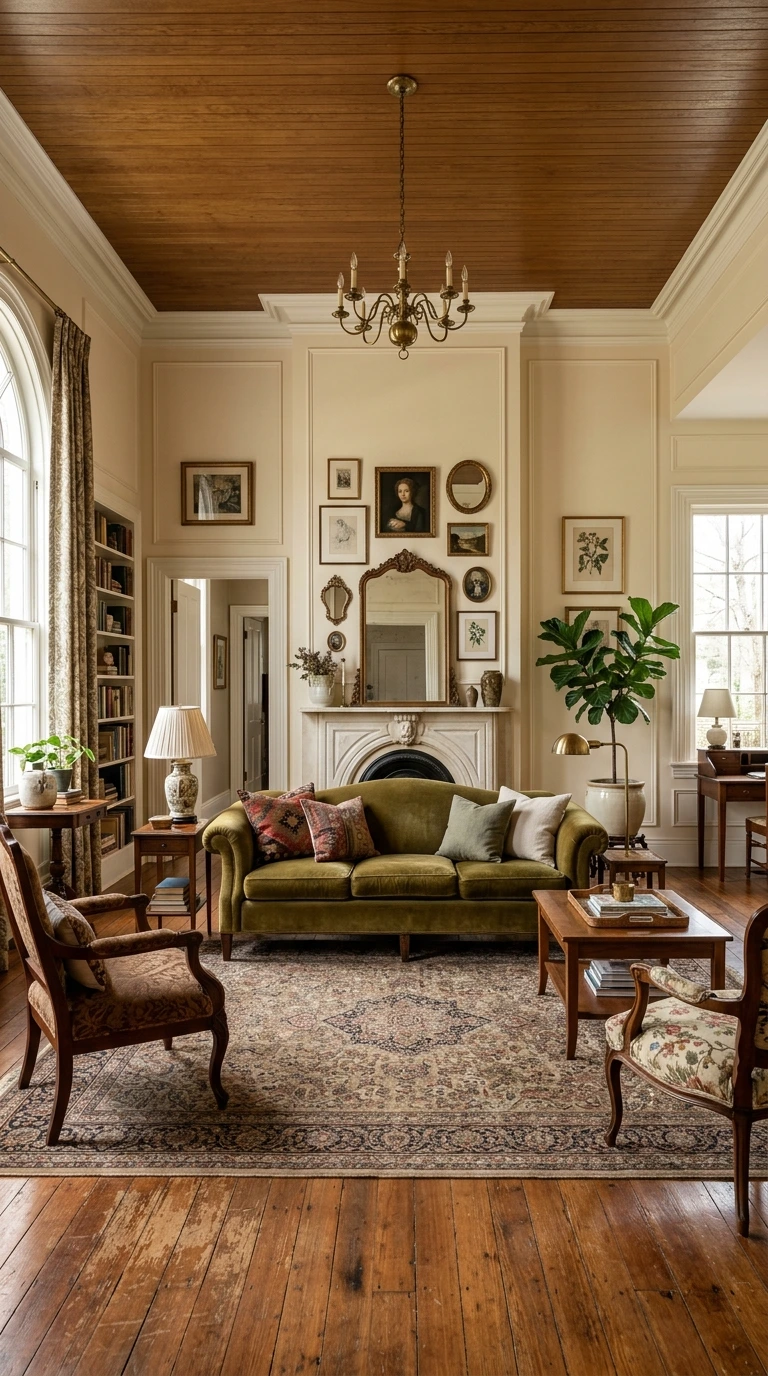
Regular sofas come in an especially wide range of styles, from classic rolled arms to sleek modern silhouettes, making it easier to find one that matches an existing, more eclectic decor scheme. Sectionals tend to lean toward a more casual, contemporary aesthetic overall, though modular and curved options have expanded the style range in recent years.
If your living room’s design leans traditional, formal, or eclectic, a regular sofa generally offers more style options to match that direction. If your space is more modern, open-concept, or casual by design, a sectional often fits naturally into that aesthetic without requiring additional matching pieces.
19. Longevity and Resale Value
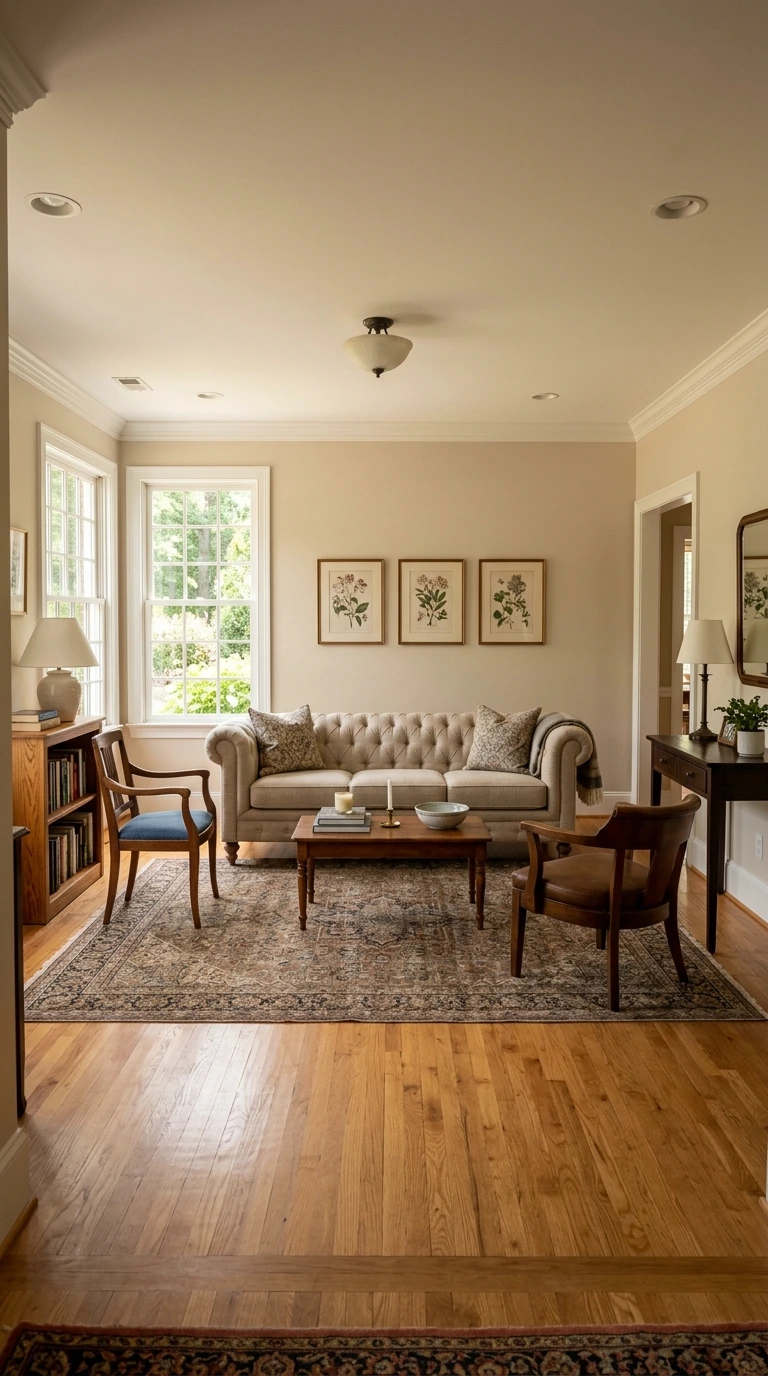
Sectionals are generally considered durable due to their unified construction, and a well-made one from a reputable manufacturer can last just as long as a comparable regular sofa. However, sectionals can be harder to resell or repurpose later, since their large, specific shape doesn’t fit every buyer’s room the way a standard sofa does.
A regular sofa’s more universal shape and size tends to make it easier to sell, donate, or repurpose in a future home if your needs change. If resale flexibility matters to you, this is a subtle but real point in favor of choosing a regular sofa over a fixed-shape sectional.
20. Adapting to Future Life Changes
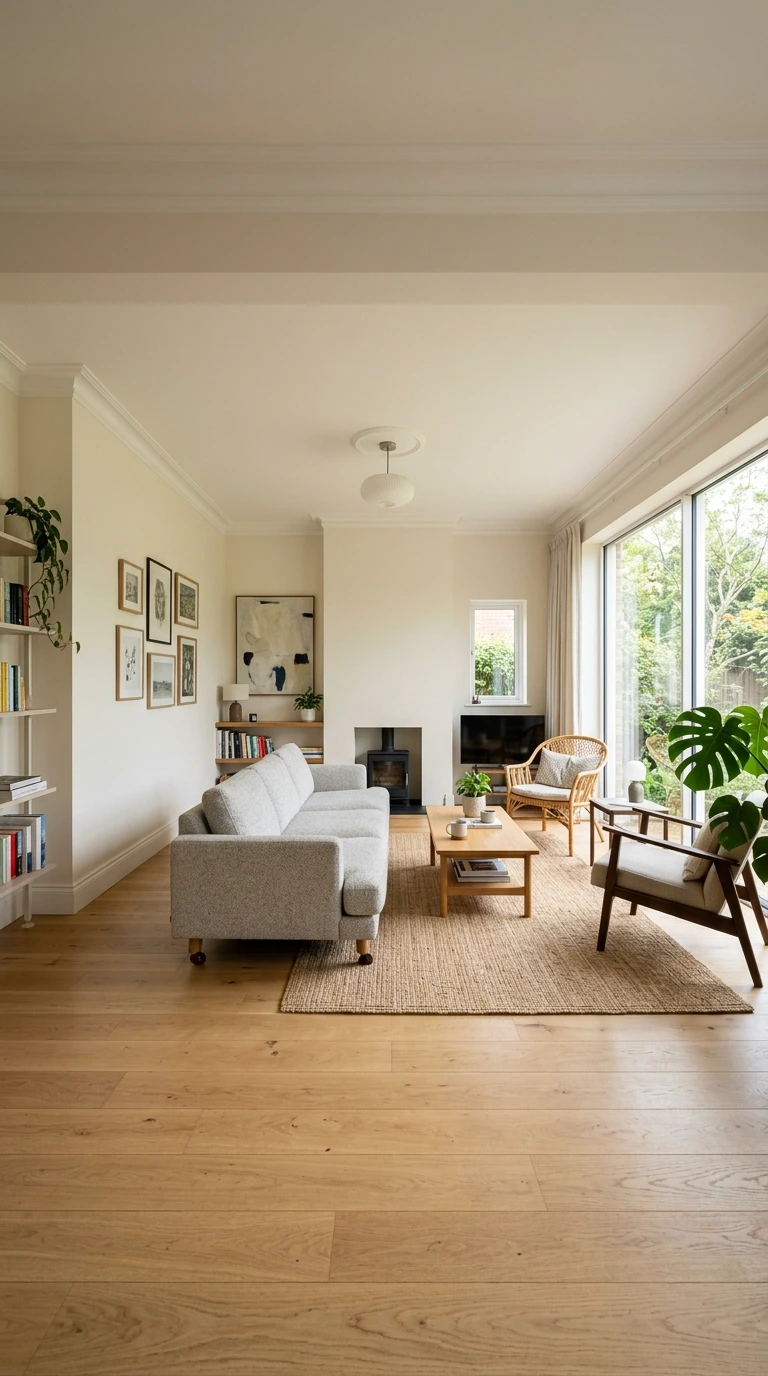
Life circumstances change: households grow, shrink, or relocate, and furniture that works perfectly today may not suit your situation in a few years. A regular sofa’s flexibility to be moved, rearranged, or paired with additional pieces gives you more room to adapt as those changes happen.
A sectional, once positioned and lived with for years, can become a genuine obstacle when life changes require a different room layout or a move to a new home with a different floor plan. If long-term adaptability is a priority, this factor alone may be enough to tip the decision toward a regular sofa, even if a sectional otherwise fits your current needs well.
Frequently Asked Questions
1. Is a sectional or a regular sofa better for a small living room?
It depends on the room’s shape more than its size alone. A well-scaled sectional can actually maximize seating in a compact rectangular room, while an irregularly shaped small room often works better with a smaller, more flexible regular sofa.
2. Which option is more comfortable for lounging and movie nights?
Sectionals, especially those with a chaise section, are generally designed for deeper, more relaxed lounging, making them a strong choice for households that spend a lot of time stretched out watching movies together.
3. Which is easier to move between homes or apartments?
A regular sofa is typically easier to move through tight stairwells, hallways, and doorways than a sectional, whose larger connected pieces can be surprisingly difficult to maneuver even when separated into sections.
4. Do sectionals work in traditional or formal living rooms?
Not usually as well as regular sofas. Sectionals lean toward a casual, laid-back aesthetic, while a regular sofa paired with coordinating chairs tends to read as more polished and appropriate for a formal or traditional design style.
5. Which option is better for entertaining guests?
It depends on your entertaining style. Sectionals handle casual gatherings and family movie nights well, while a sofa paired with chairs arranged to face each other typically creates better conversation flow for guests who aren’t all part of the same household.
6. Are modular sectionals a good compromise?
Yes, modular sectionals offer a middle ground, providing the connected, casual look of a traditional sectional with the flexibility to rearrange, add, or remove pieces over time. They typically cost more than a fixed sectional but offer meaningfully more long-term adaptability.
7. Which option holds its value better over time?
Regular sofas generally have an easier time being resold or repurposed later, thanks to their more universal size and shape. Sectionals, while often just as durable, can be harder to fit into a different room or sell to a new buyer due to their larger, more specific footprint.
Conclusion
There’s no universally “better” choice between a sectional and a regular sofa; the right decision depends entirely on your room’s shape, your household’s daily habits, and how much flexibility you need for the future. A sectional excels at maximizing casual, connected seating in the right rectangular space, while a regular sofa offers more adaptability, style range, and ease of movement over time.
Walk through the 20 factors above with your actual living room and lifestyle in mind, rather than choosing based purely on how either option looks in a showroom photo. The right seating choice is the one that fits how you genuinely live in the space, not just how the room looks on the day it’s delivered.