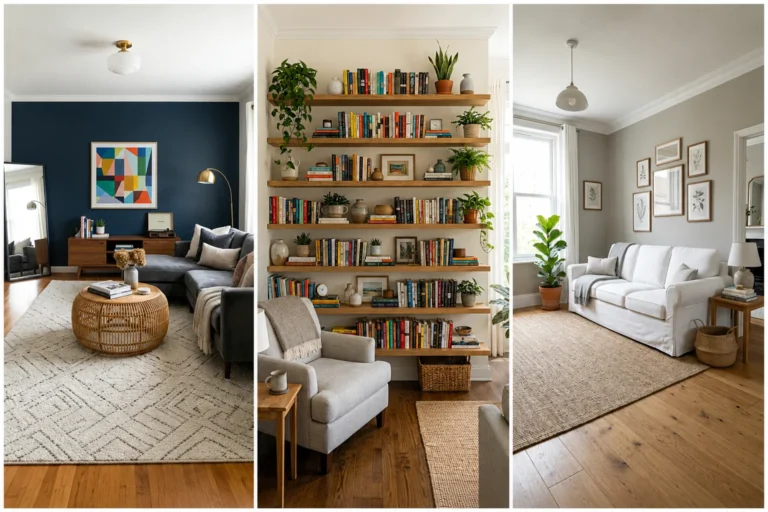
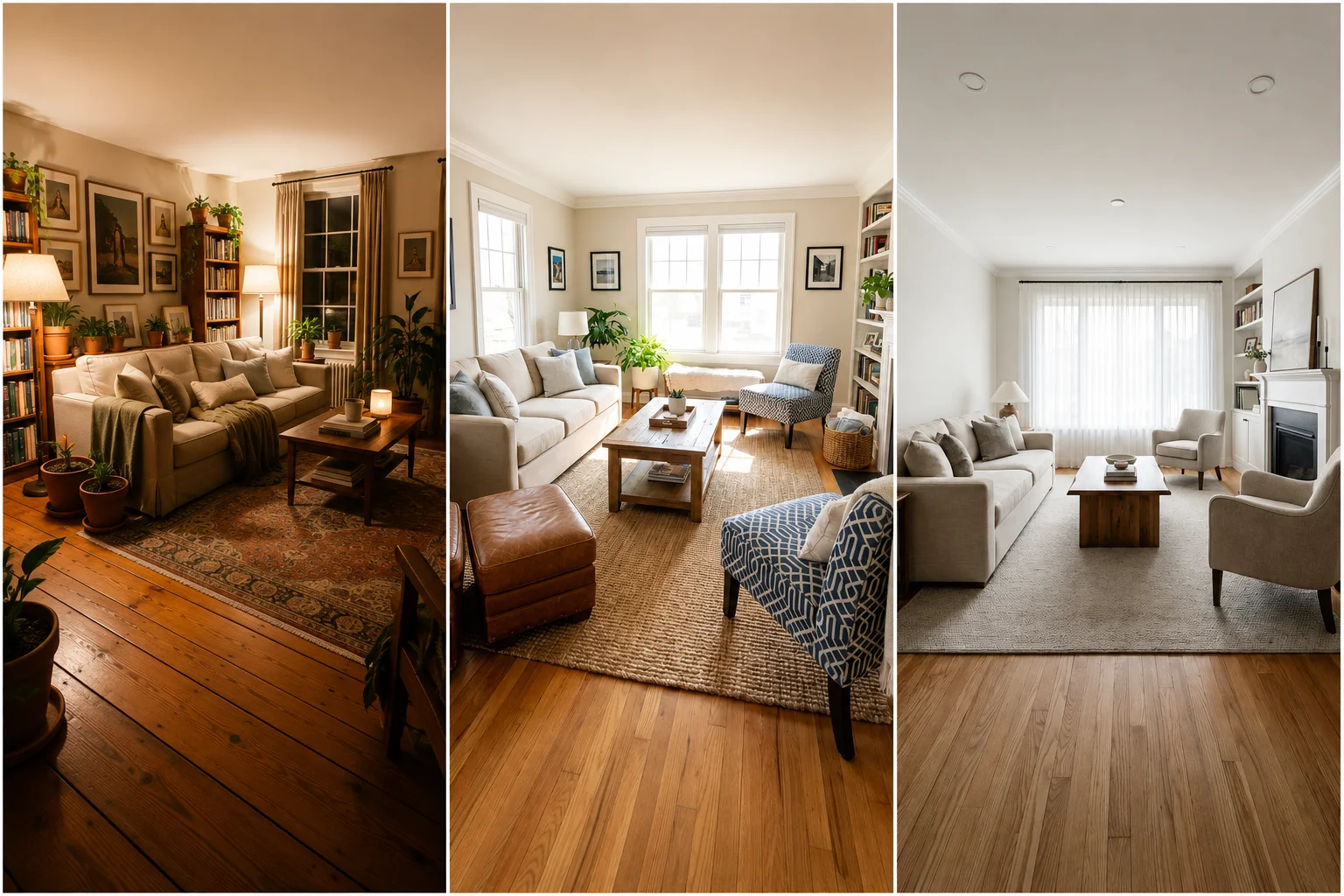
8 Decorating Mistakes That Make Your Living Room Look Cheap

Introduction
A living room doesn’t need a massive budget to look expensive, and it doesn’t need luxury brands to look cheap either. More often than not, the difference between a room that feels polished and one that feels like an afterthought comes down to a handful of small, fixable details rather than the price tags on the furniture itself. Scale, lighting, and proportion do far more visual work than most people realize.
The good news is that once you know what these mistakes actually look like, they’re some of the easiest things in a living room to correct. Below are 8 of the most common decorating mistakes that quietly cheapen a space, along with what to do instead to get that pulled-together, intentional look.
1. Choosing a Rug That’s Too Small
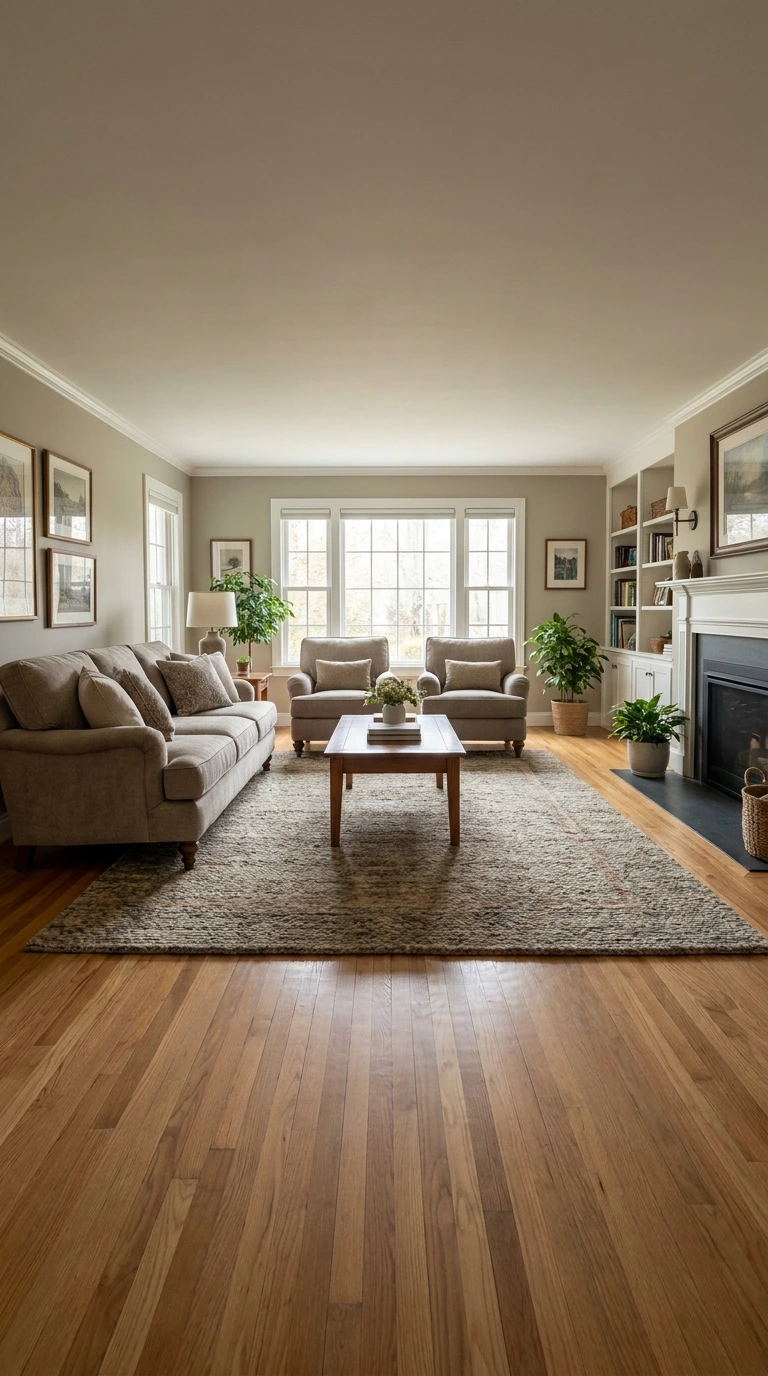
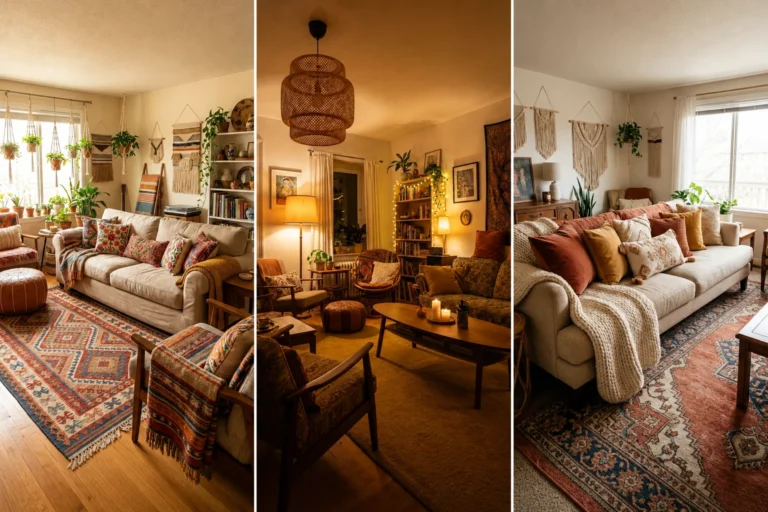
An undersized rug is one of the fastest ways to make an otherwise well-furnished living room look unfinished. When a rug floats in the middle of the floor with only the coffee table touching it, the whole seating area reads as disconnected, as if the furniture was never meant to go together in the first place.
A rug should genuinely anchor the room rather than sit as an afterthought beneath the coffee table alone. In most living rooms, at least the front legs of the sofa and chairs should rest on the rug, and when you’re torn between two sizes, sizing up is almost always the safer choice, since an oversized rug reads as intentional while an undersized one looks like a mistake.
2. Relying on a Single Overhead Light
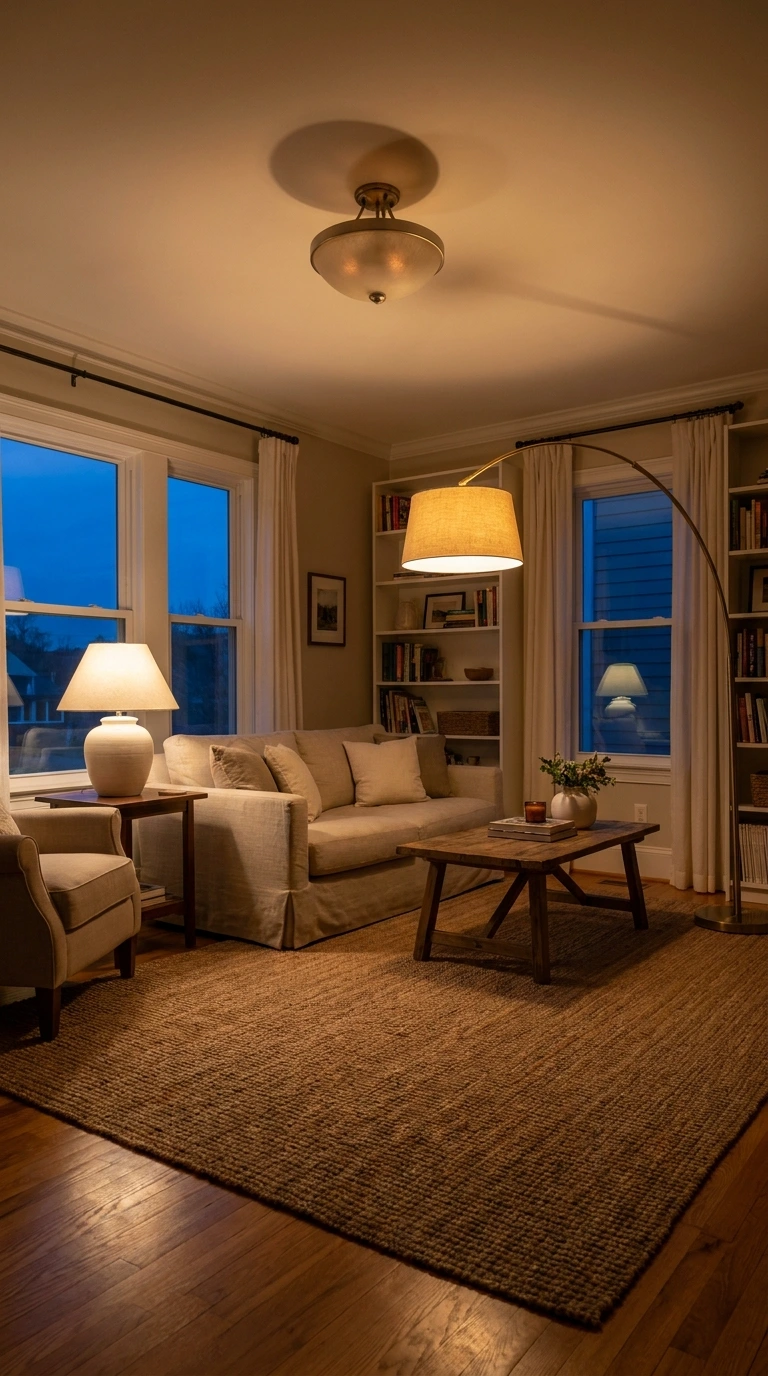
A room lit only by one ceiling fixture tends to feel flat, cold, and slightly clinical, no matter how nice the furniture underneath it is. Overhead lighting alone also casts unflattering shadows and fails to create any real sense of depth or warmth in the space.
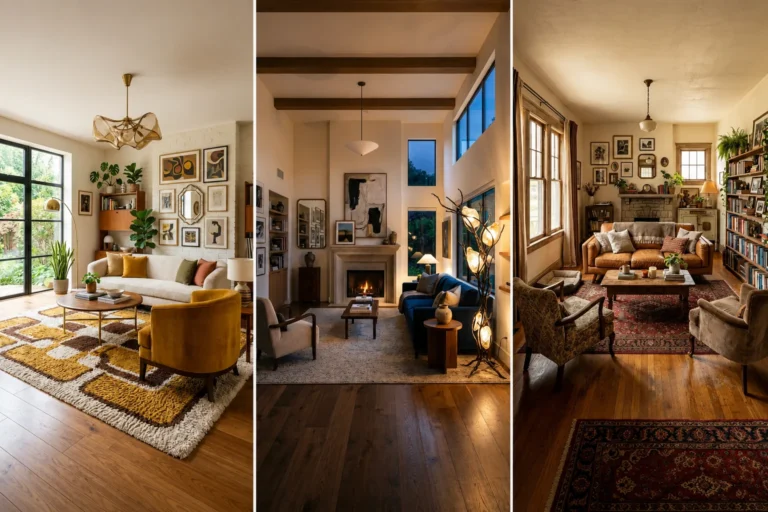
Layering in table lamps, floor lamps, or wall sconces alongside your overhead light immediately makes a room feel more considered and comfortable. Warm-toned bulbs, generally in the 2700K to 3000K range, add to this effect further, giving the room a cozier glow than the harsher, cooler light most overhead fixtures default to.
Pro Tip: Add a dimmer switch to your overhead lighting if you don’t already have one. Being able to shift from bright daytime light to a softer evening glow instantly makes a room feel more intentional and less like it only has one setting.
3. Buying a Fully Matching Furniture Set
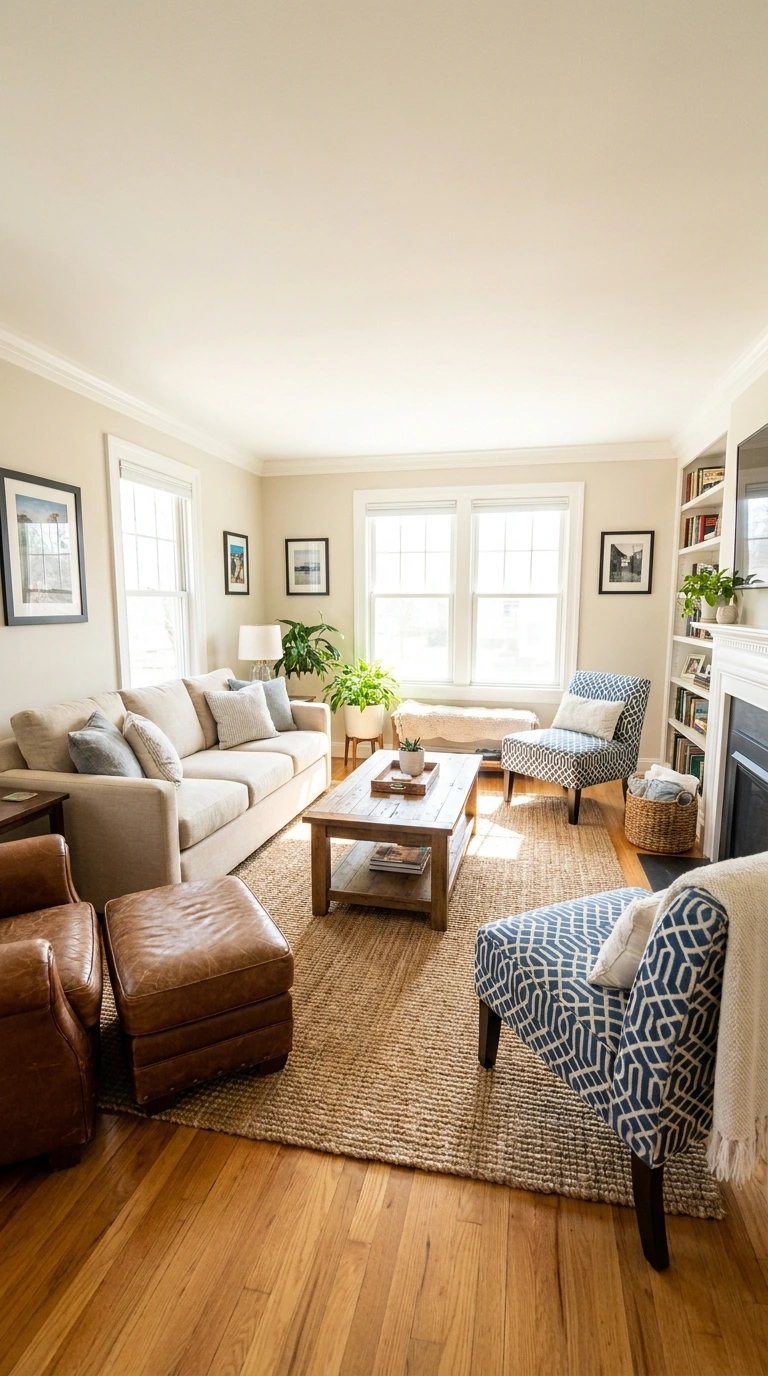
Purchasing an entire living room set in matching upholstery might feel like the safest option, but it often backfires by making the room look more like a furniture showroom than a home someone actually lives in. Identical pieces lack the visual depth that comes from small, deliberate contrasts.
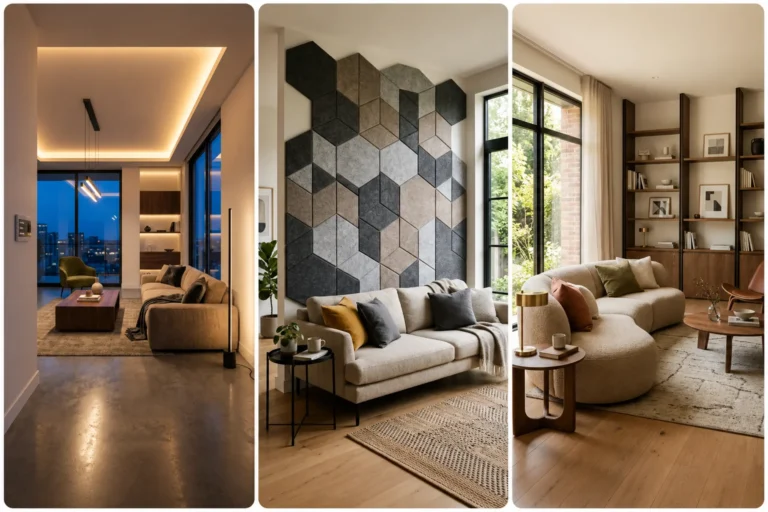
Mixing textures, finishes, and even slightly different furniture silhouettes gives a room far more personality than a uniform set ever could. Pairing vintage finds with newer pieces, or combining matte and glossy finishes, creates the kind of layered, collected look that tends to read as far more expensive than it actually is.
Warning: Faux designer furniture and knockoff decor can be just as cheapening as a matching set, since these pieces often lack the proportion and craftsmanship of the originals they’re copying. A few well-chosen, honest pieces usually look better than a room full of imitations.
Comparing Rug Sizing at a Glance
| Room Size | Rug Size That Reads “Cheap” | Rug Size That Reads Intentional |
|---|---|---|
| Small (under 150 sq ft) | 4’x6′ floating alone | 5’x8′ or 6’x9′ under front legs |
| Average (150-200 sq ft) | 5’x7′ | 8’x10′ |
| Large (200-300 sq ft) | 6’x9′ | 9’x12′ |
| Open Concept | 8’x10′ | 10’x14′ or custom |
4. Hanging Wall Art at the Wrong Scale or Height
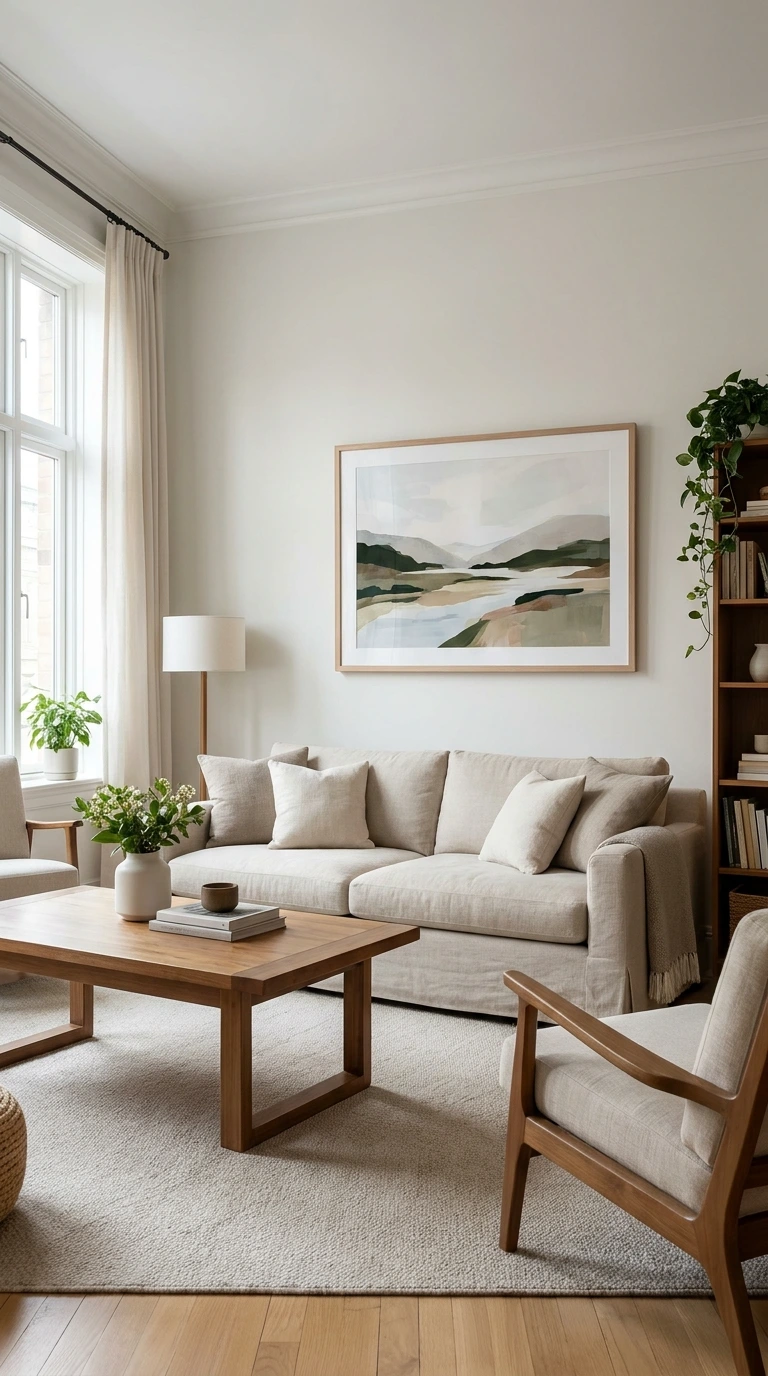
A tiny picture floating above a large sofa looks lost, and art hung too high on the wall disconnects it entirely from the furniture below. Scale mistakes like these are subtle, but they’re often the first thing that makes a room feel slightly “off” without a viewer being able to say exactly why.
Wall decor should relate visually to the furniture beneath it, both in size and position. A good general rule is leaving roughly 6 to 8 inches between the top of the sofa and the bottom of the artwork, and choosing a piece wide enough to feel proportional to the furniture it hangs above, rather than lost in a sea of blank wall space.
5. Skipping Art and Personal Decor Entirely
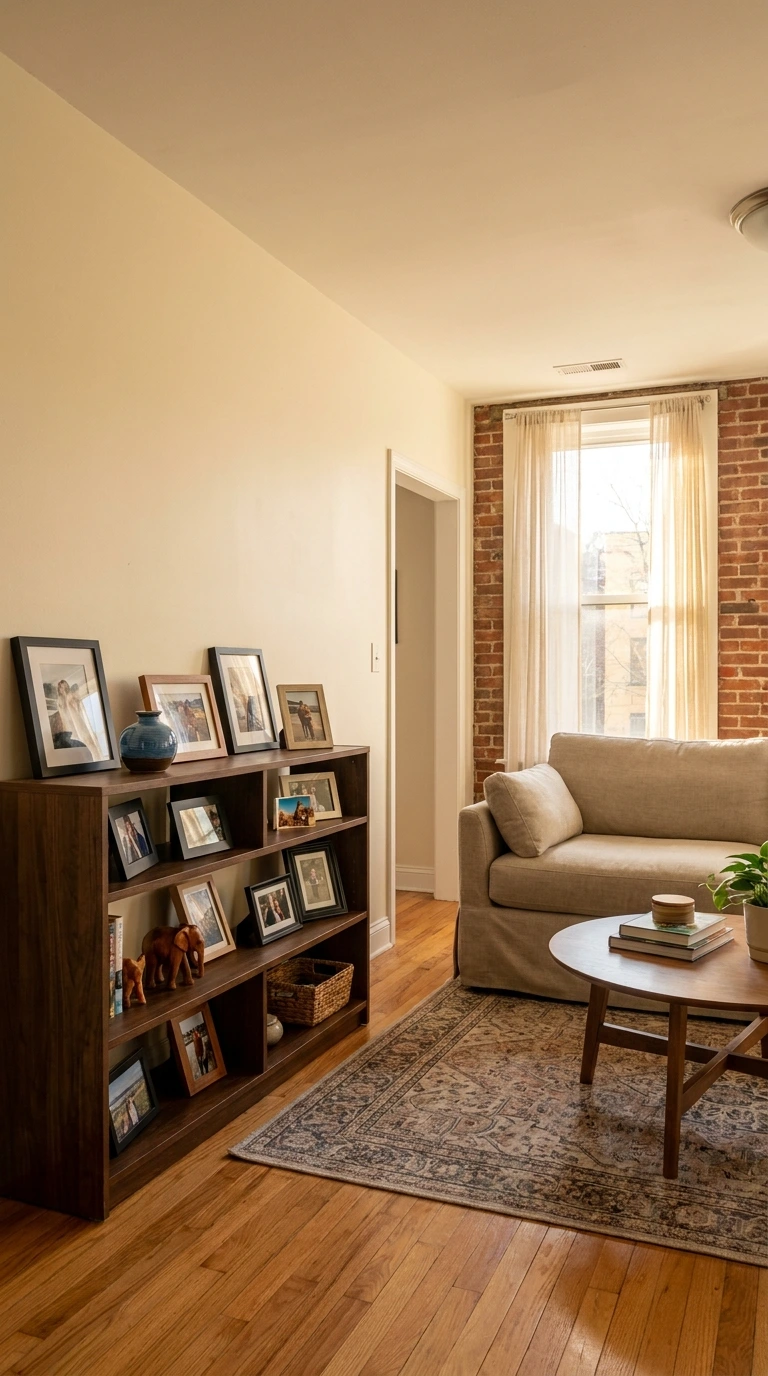
A living room with bare walls and no personal touches can feel like a hotel room rather than a home, no matter how nice the furniture is. Without art, photographs, or meaningful objects, a space lacks a point of view, and that absence reads as unfinished rather than minimalist.
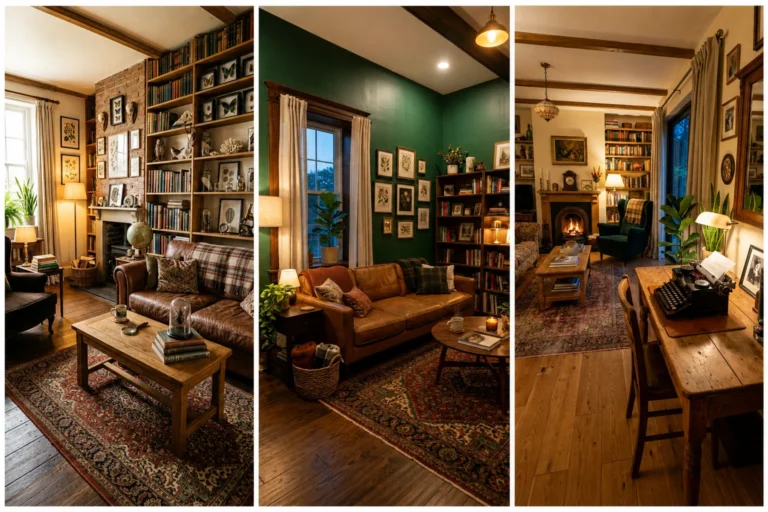
Choosing a few pieces that genuinely mean something to you, whether that’s original art, travel photography, or a favorite ceramic piece, does more to elevate a room than filling every wall with generic, mass-produced decor. Fewer, well-chosen personal objects displayed with intention consistently look more expensive than a room crowded with items that don’t say anything about the people living there.
Important: Mass-produced art with tired, generic phrases can actively drain personality from a room rather than adding to it. If you’re unsure what to hang, a piece of original art or a personal photograph will almost always outperform a trendy printed quote.
6. Hanging Curtains at the Wrong Length
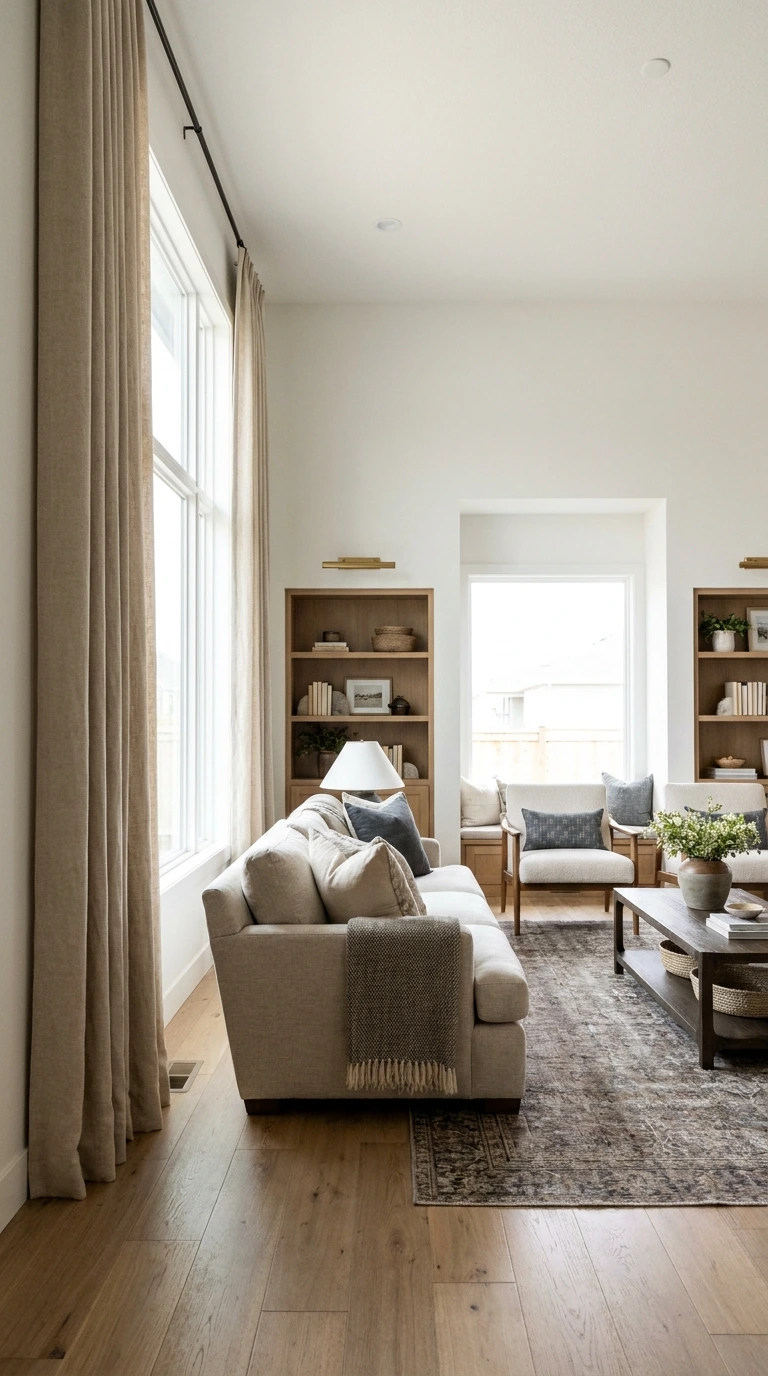
Curtains that stop short of the floor or hover awkwardly just below the window trim disrupt the visual flow of a room and can make ceilings look shorter than they actually are. This is a small detail, but it’s one of the most noticeable mistakes once you know to look for it.
Hanging curtain rods closer to the ceiling rather than directly above the window frame instantly makes a room feel taller, and letting the panels just graze the floor, or puddle slightly, gives the whole window treatment a more custom, finished look. Both adjustments cost nothing beyond where you choose to mount the hardware.
7. Building a Room Entirely Around Trends
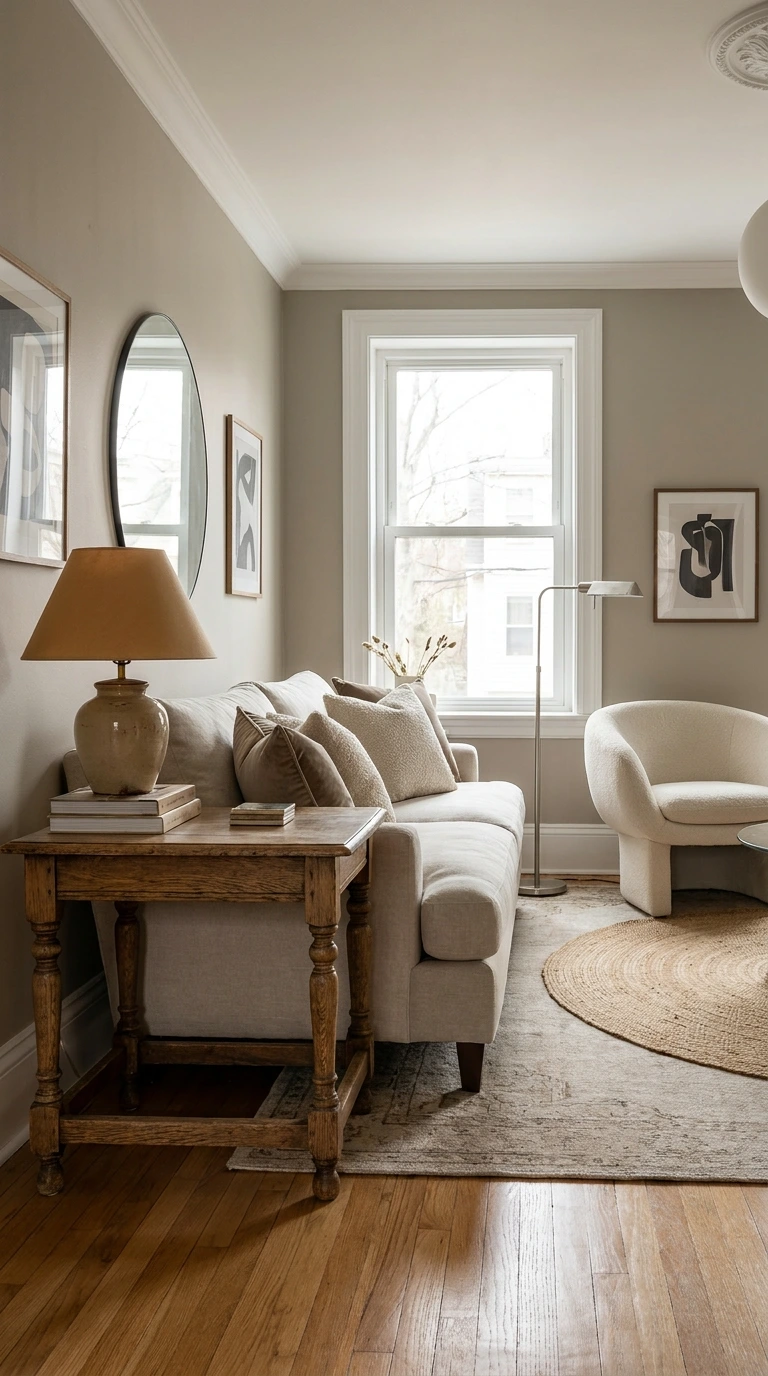
A living room that follows every current trend can end up feeling strangely generic, even if every individual piece in it is stylish. When a space is built entirely from what’s popular right now rather than what genuinely reflects the people living there, it starts to feel more like a catalog page than an actual home.
Trends can absolutely be useful for introducing new colors or materials, but personality comes from the things that mean something specific to you: inherited furniture, books you’ve actually read, travel souvenirs, or an unusual lamp you found by accident. These details are what stop a room from looking interchangeable with any other trending living room online.
Warning: Chasing trends too closely can also mean re-decorating more often than necessary, since trend-driven pieces tend to feel dated faster than timeless ones. Investing in a few classic, well-made basics protects both your budget and the room’s long-term look.
8. Ignoring Furniture Scale and Proportion
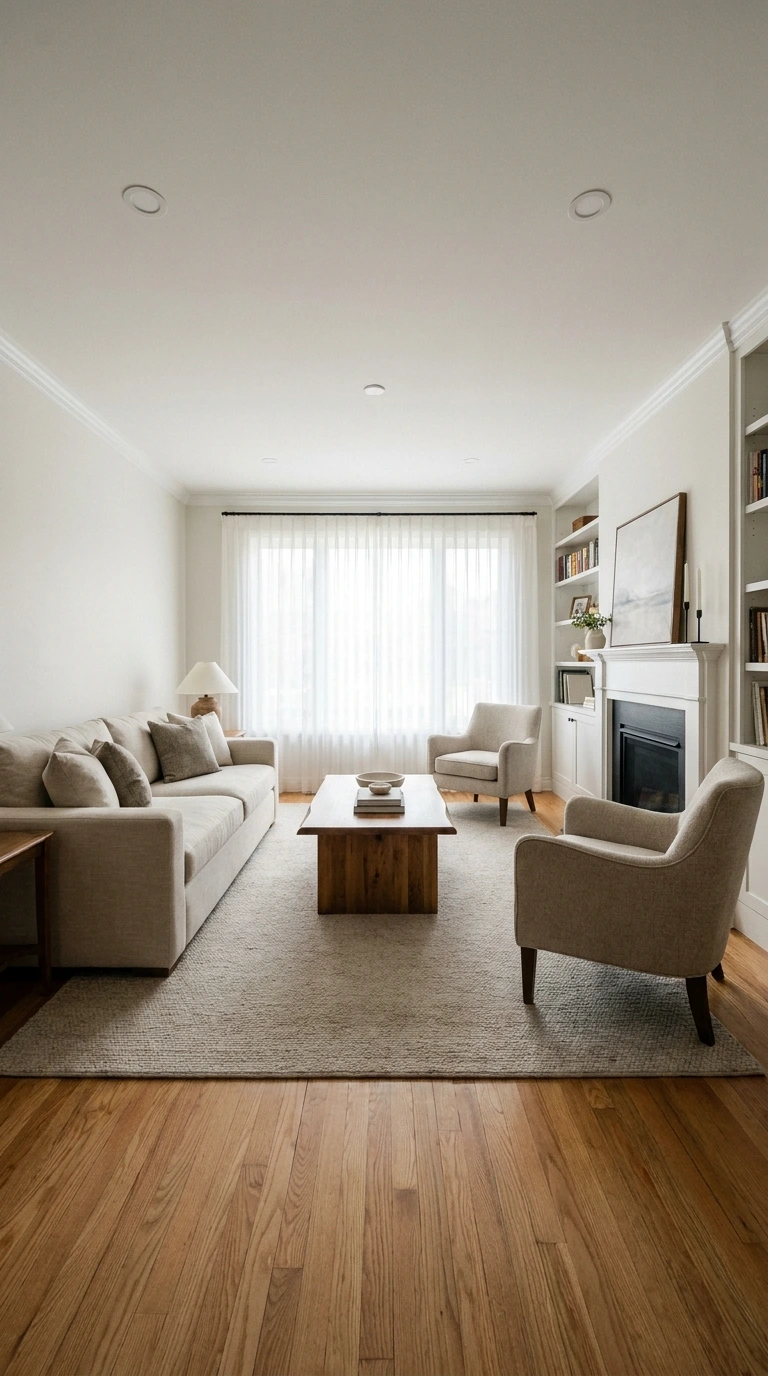
Furniture that’s too small for a room can make the space look sparse and awkward, while furniture that’s too large can make it feel cramped and difficult to walk through. Either extreme throws off the sense of balance that makes a room feel considered rather than accidental.
Before buying any major piece, measure the room, the walls, the doorways, and the walking space around where the furniture will sit. Using painter’s tape to mark out a piece’s footprint on the floor beforehand is a simple, low-cost way to catch a scale mistake before it becomes an expensive one.
- ✅ Confirm your rug is large enough for at least the front legs of major furniture
- ✅ Add at least one lamp to break up reliance on a single overhead light
- ✅ Swap one generic decor piece for something personal or original
- ✅ Check that curtain rods sit close to the ceiling, not directly above the window frame
- ✅ Measure furniture against the room before buying to avoid scale mistakes
Frequently Asked Questions
1. What’s the single biggest mistake that makes a living room look cheap?
An undersized rug is one of the most common culprits, since it makes the entire seating area look disconnected rather than intentionally arranged. Sizing up so at least the front legs of your furniture rest on the rug is usually enough to fix this.
2. Does furniture need to be expensive to avoid looking cheap?
No, price isn’t the deciding factor. A room built from thoughtfully chosen, well-proportioned pieces, even affordable ones, will almost always look more expensive than a room filled with pricier items that don’t relate to each other in scale or style.
3. Is buying a matching furniture set really a mistake?
It can be, since a fully matching set often looks more like a showroom display than a lived-in home. Mixing textures, finishes, and slightly different pieces within a cohesive color palette tends to create a more layered, authentic result.
4. How much does lighting actually affect how a room looks?
Quite a lot. A room lit only by a single overhead fixture tends to feel flat and cold, while layered lighting from table lamps, floor lamps, and warm bulbs adds noticeable depth and warmth. Lighting is one of the most cost-effective ways to change how finished a room feels.
5. Should I avoid trends altogether?
Not entirely, but building a room exclusively around what’s currently popular can make it feel generic rather than personal. Balancing a few trend-driven pieces with items that genuinely reflect your taste tends to age better and feel more authentic long-term.
6. What’s an easy first fix if I can only change one thing?
Start with whichever mistake has the biggest visual impact in your specific room, but rug size and lighting are usually the two with the most noticeable effect for the least amount of effort or cost.
7. How do I know if my curtains are the wrong length?
If the panels stop noticeably short of the floor or hover just below the window trim, they’re likely disrupting the room’s visual flow. Curtains should either just graze the floor or puddle slightly, with the rod mounted close to the ceiling rather than directly above the window frame.
Conclusion
None of these eight mistakes require a full renovation or a significantly bigger budget to fix. Most come down to scale, proportion, and a handful of small placement decisions, like where a rug ends, how curtains are hung, or whether the lighting in a room is layered or coming from a single source.
Correcting even two or three of these at a time can noticeably shift how a living room feels, moving it from looking like an afterthought to looking genuinely intentional. The most expensive-looking rooms aren’t necessarily the most expensive ones; they’re simply the most carefully planned.