12 Living Room Rugs That Tie Any Space Together (Under $200)

Introduction
A living room rug does more work than almost any other single piece of decor in the house. It anchors your furniture, softens hard flooring, muffles sound, and pulls together colors and textures that would otherwise feel scattered. The good news is that a genuinely great rug no longer requires a designer budget. Between synthetic pile technology, washable weaves, and printed pattern techniques, brands now produce rugs under $200 that rival pieces costing three or four times as much.
Whether you’re furnishing a first apartment, refreshing a space you’ve lived in for years, or simply replacing a rug that’s finally worn out, the twelve picks below cover almost every situation a living room can throw at you. From family-friendly washable options to designer look-alikes and oversized rugs for open floor plans, each entry focuses on what actually matters at this price point: the right material for your household, the right pile height for your lifestyle, and the sizing knowledge to make sure whatever you choose looks intentional rather than accidental.
1. The All-Purpose Neutral: Distressed Vintage-Style Rug
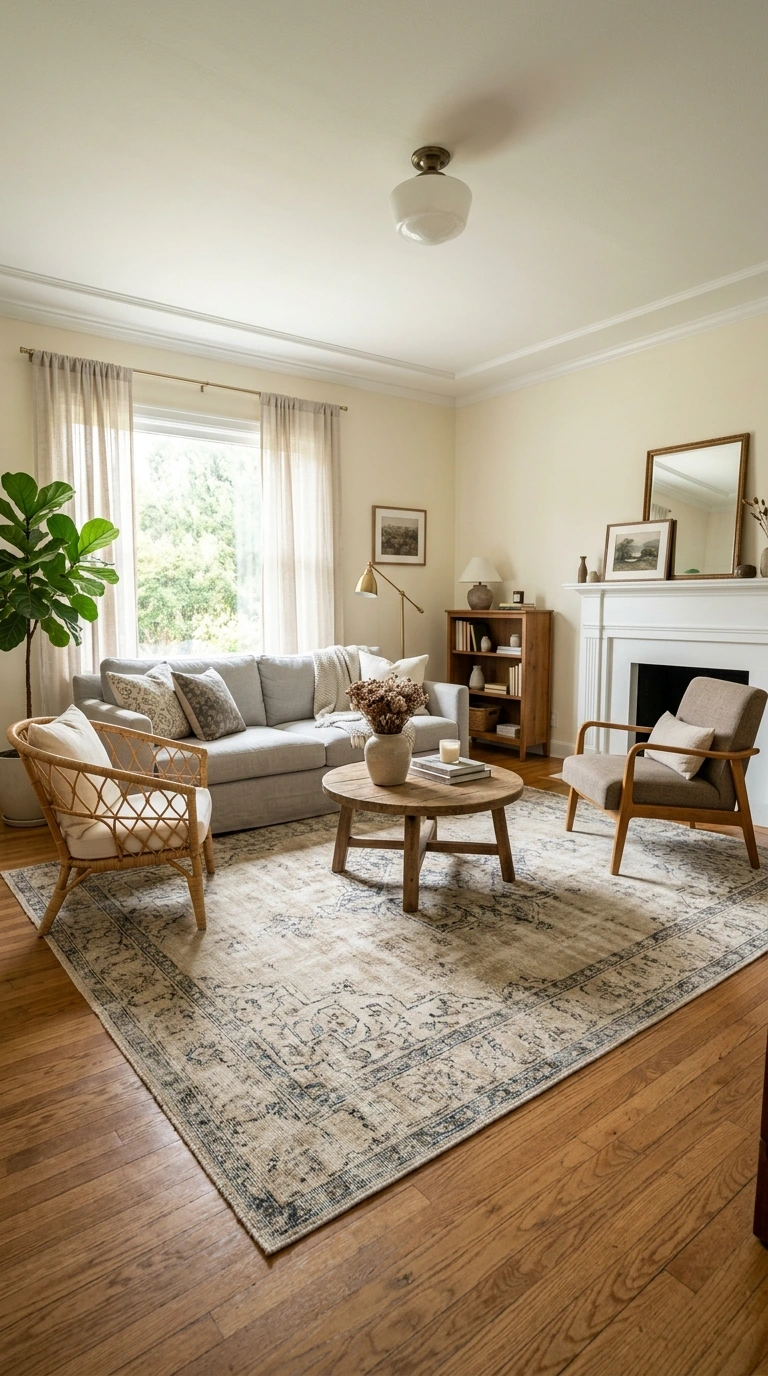
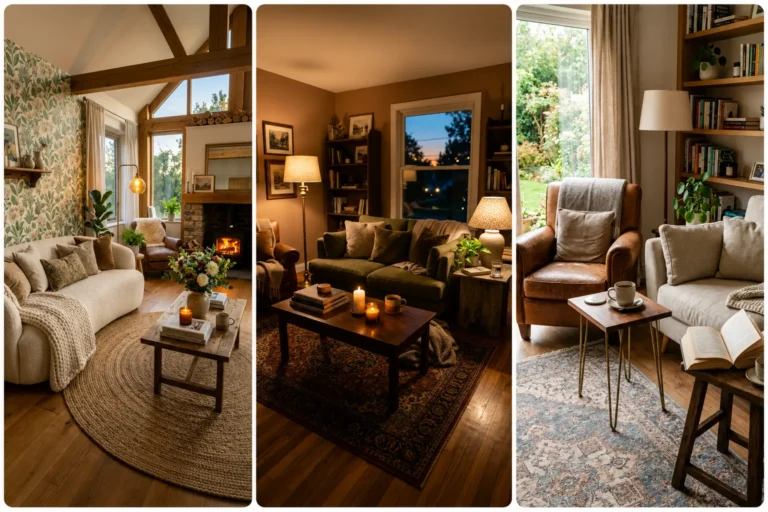
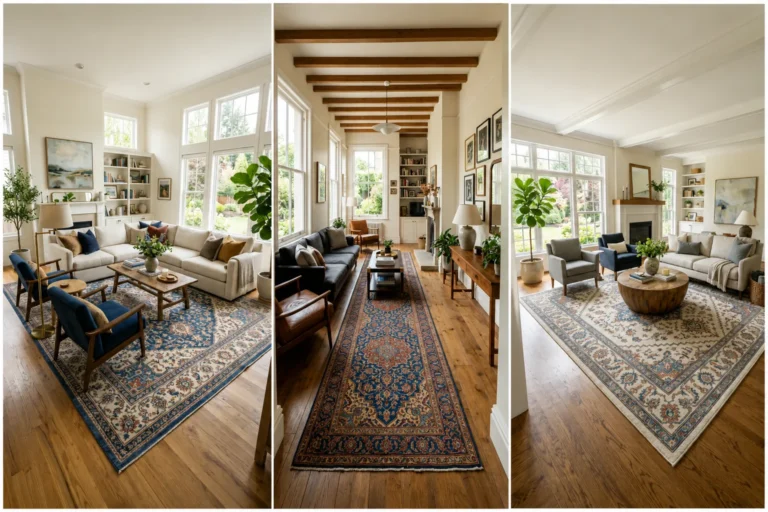
A distressed, vintage-inspired rug in a neutral palette is one of the safest and most versatile choices for any living room. The faded pattern and muted tones give it an heirloom quality, as if it’s been in the family for decades, even though it arrived last week in a box. Because the coloring already looks slightly worn, it also hides everyday wear, pet hair, and the occasional dropped snack far better than a crisp, solid-color rug would.
Most rugs in this category are made from polypropylene, which means they resist staining, dry quickly if something spills, and hold up under regular foot traffic without flattening. Look for an 8×10 size if your living room fits a standard sofa-and-two-chairs layout; this size comfortably lets the front legs of your furniture rest on the rug while leaving a clean border of bare floor around the edges.
2. The Designer Look-Alike: Collaboration Collection Rug
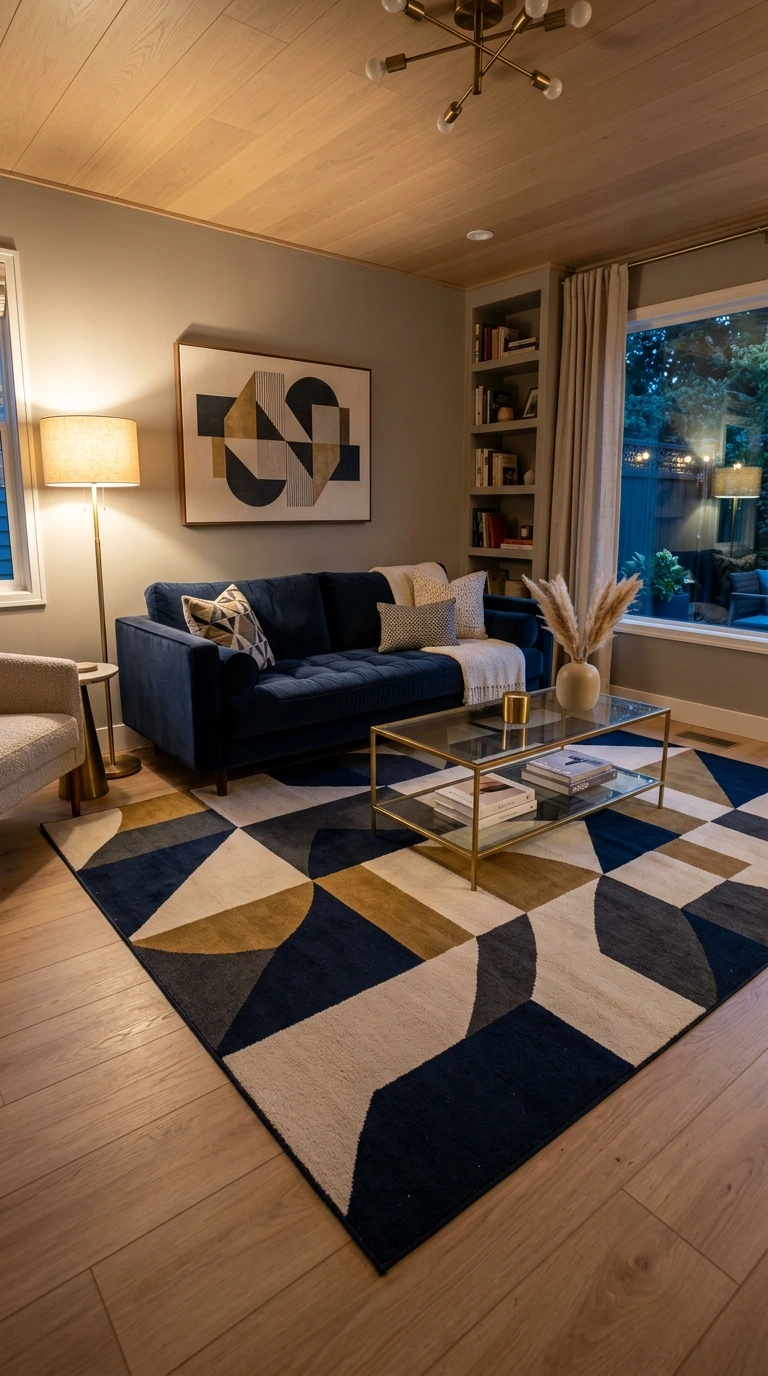
Certain rug collections are specifically designed to mimic the aesthetic of high-end designer lines, using bold geometric patterns, saturated color combinations, and layouts that photograph beautifully in any lighting. These collections consistently earn comments from guests assuming the rug cost several times its actual price, which makes them an excellent choice if visual impact matters most to you.
Beyond the style factor, these rugs are usually machine-woven from soft synthetic fibers engineered to resist shedding, a detail worth paying attention to since cheaper synthetic rugs can shed heavily during their first few weeks of use. If shedding control matters to you, check recent buyer reviews filtered to the three-star range, since those tend to be the most balanced and honest accounts of long-term wear.
Pro Tip: Filter online reviews to three stars before buying any rug sight unseen. Five-star reviews are often written in the excitement of a fresh unboxing, while three-star reviews come from buyers who lived with the rug for weeks and can tell you the truth about color accuracy, shedding, and smell.
3. The Budget Large-Room Solution: Oversized 9×12 Rug
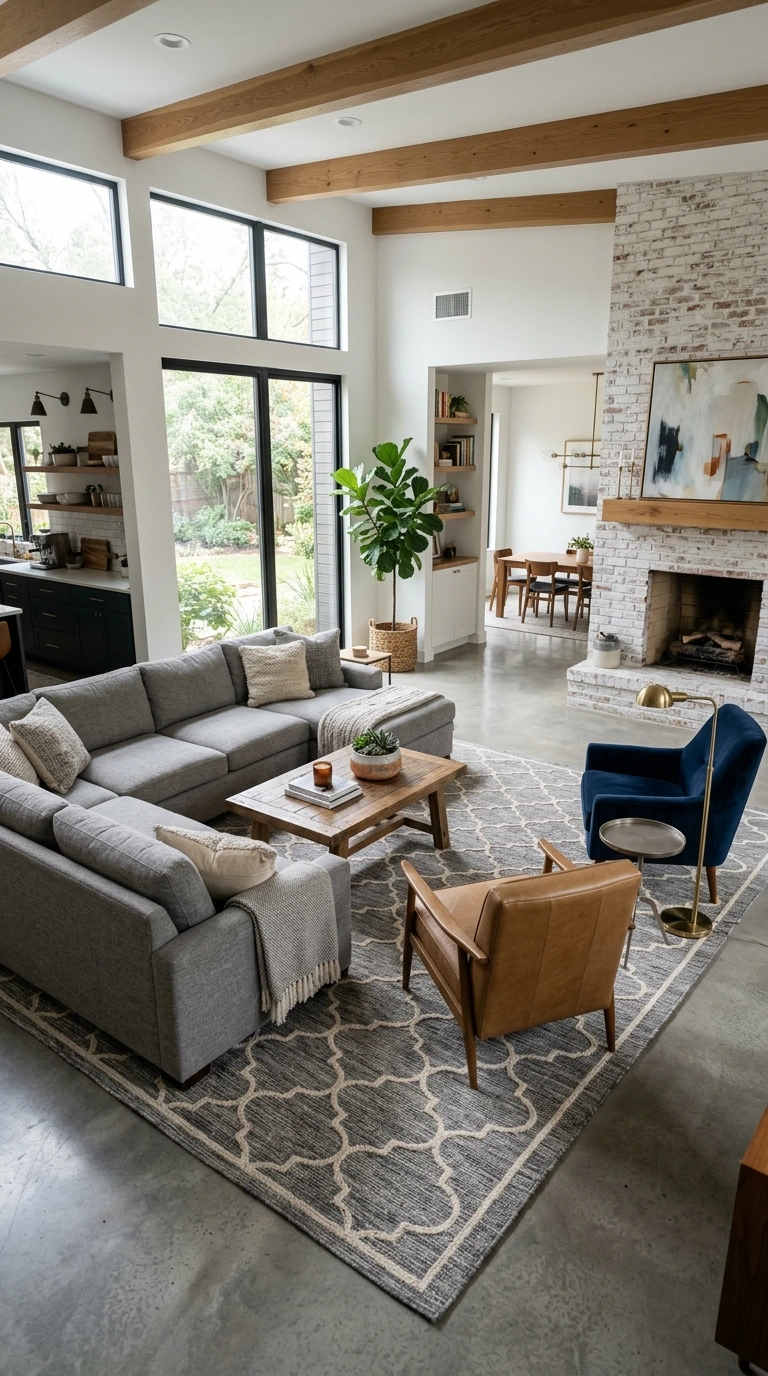
Finding a true 9×12 rug under $200 is one of the rarer wins in budget rug shopping, since larger sizes usually push well past that price point. When you do find one, it’s typically a Moroccan-inspired or trellis pattern in polypropylene, which keeps manufacturing costs down while still delivering a full, room-anchoring footprint.
This size is worth prioritizing if your living room is part of an open floor plan or exceeds roughly 200 square feet, since anything smaller will leave your furniture looking like it’s floating in the middle of an unfinished space. A 9×12 also gives you enough surface area to let all four legs of your sofa and chairs sit fully on the rug, which is generally considered the most polished layout approach for larger rooms.
4. The Family-Friendly Choice: Machine-Washable Rug
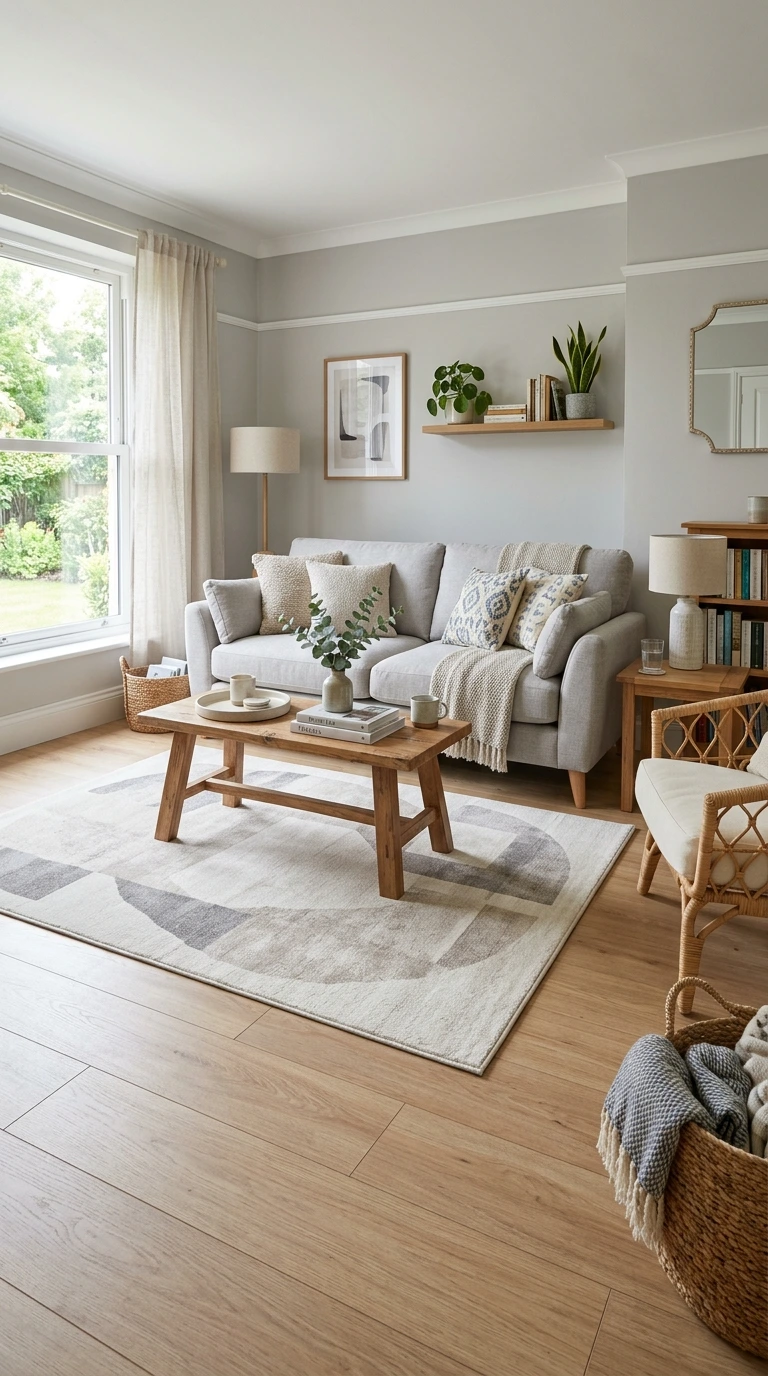
Washable rugs have become one of the biggest innovations in the budget rug market, largely because they solve the single biggest objection households with kids or pets have toward area rugs. Rather than dealing with spot treatments or professional cleaning, you fold the rug, load it into a standard washing machine, and it comes out looking close to new.
These rugs typically favor low pile heights, since thick pile doesn’t hold up as well through repeated wash cycles, and neutral or busy patterns that visually disguise everyday wear between washes. If your household includes young children, pets, or both, a washable rug in an 8×10 for the main living room and a smaller 4×6 for a secondary seating nook covers most practical needs without stretching your budget.
Warning: Not every “washable” rug is machine washable in the way the name implies. Some require hand washing or spot cleaning only, despite marketing language that suggests otherwise. Always confirm the specific care instructions before assuming you can toss the whole rug in a washer.
5. The Textural Statement: Plush Shag Rug
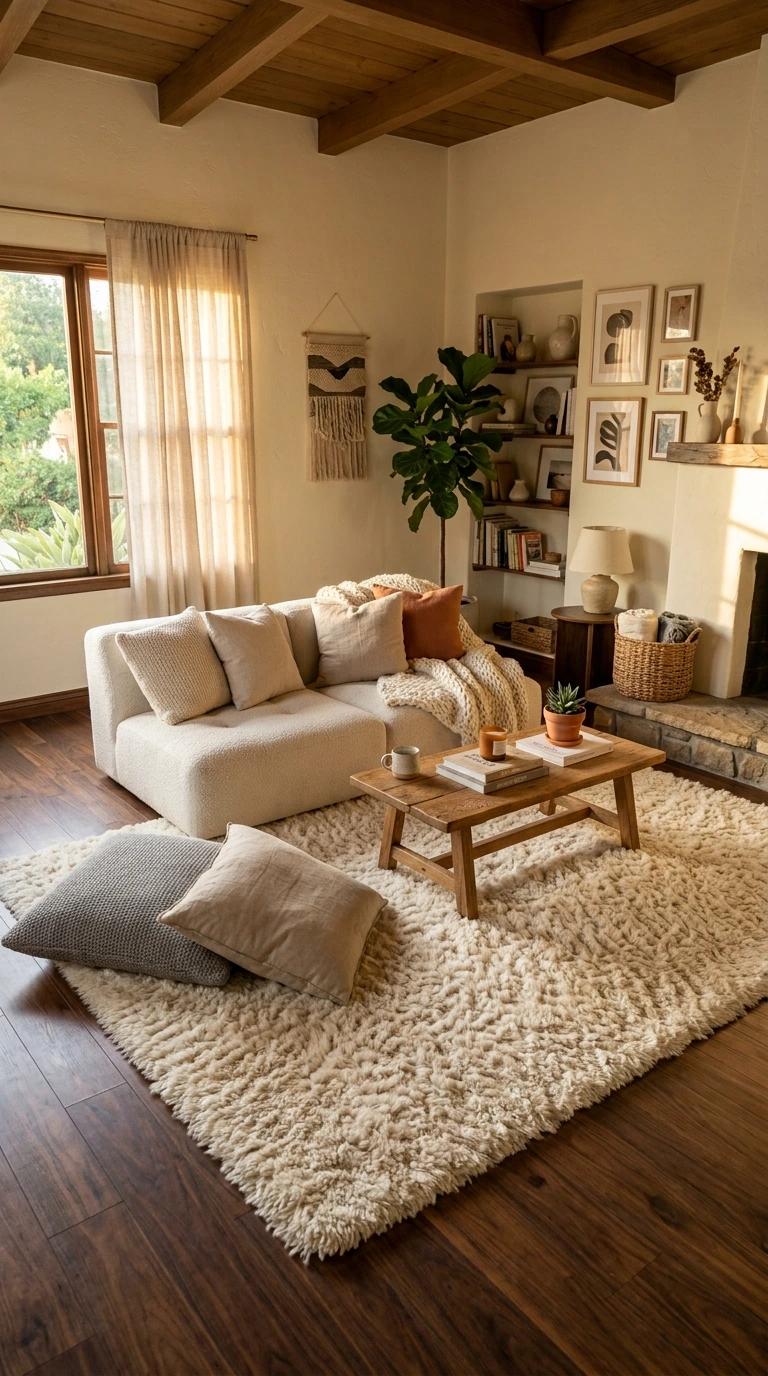
A shag rug leans entirely into softness as its main selling point, and at this price point, that’s exactly the right strategy. Rather than trying to imitate a flat, tightly woven rug, a good budget shag plays to the strength synthetic fiber genuinely has, which is an exceptionally soft, sink-in feel underfoot.
This makes a shag rug a strong pick for a cozy reading corner, a media room where people tend to sit or lounge on the floor, or any space where comfort matters more than a crisp, tailored look. Because the deep pile can trap dust and pet hair more easily than a low-pile rug, plan on vacuuming it more frequently than you would a flatweave or polypropylene option.
6. The Playful Pattern Pick: Bold Geometric Rug
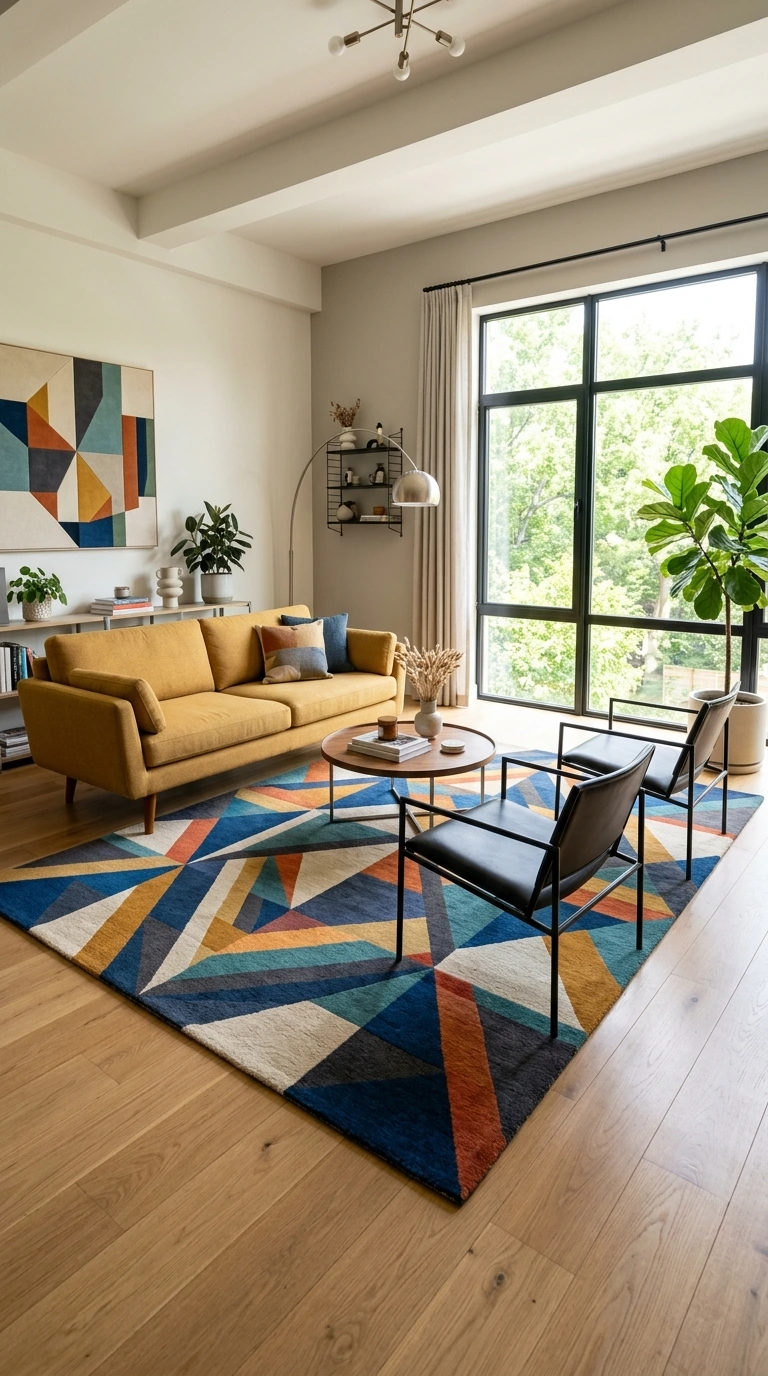
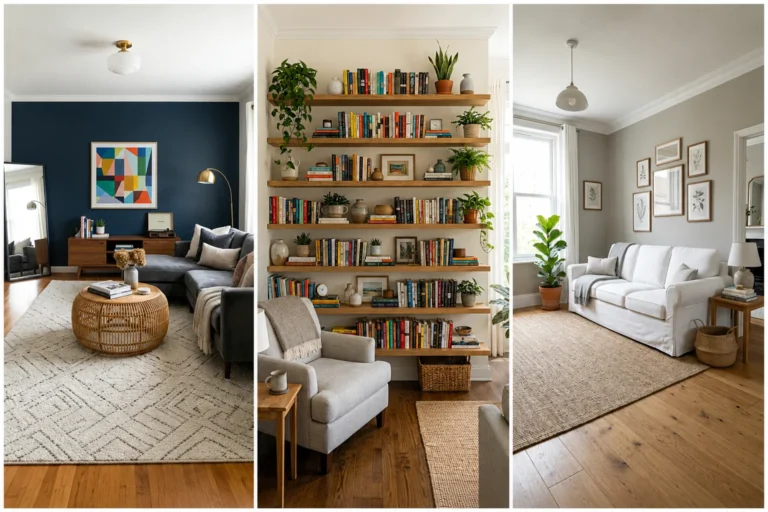
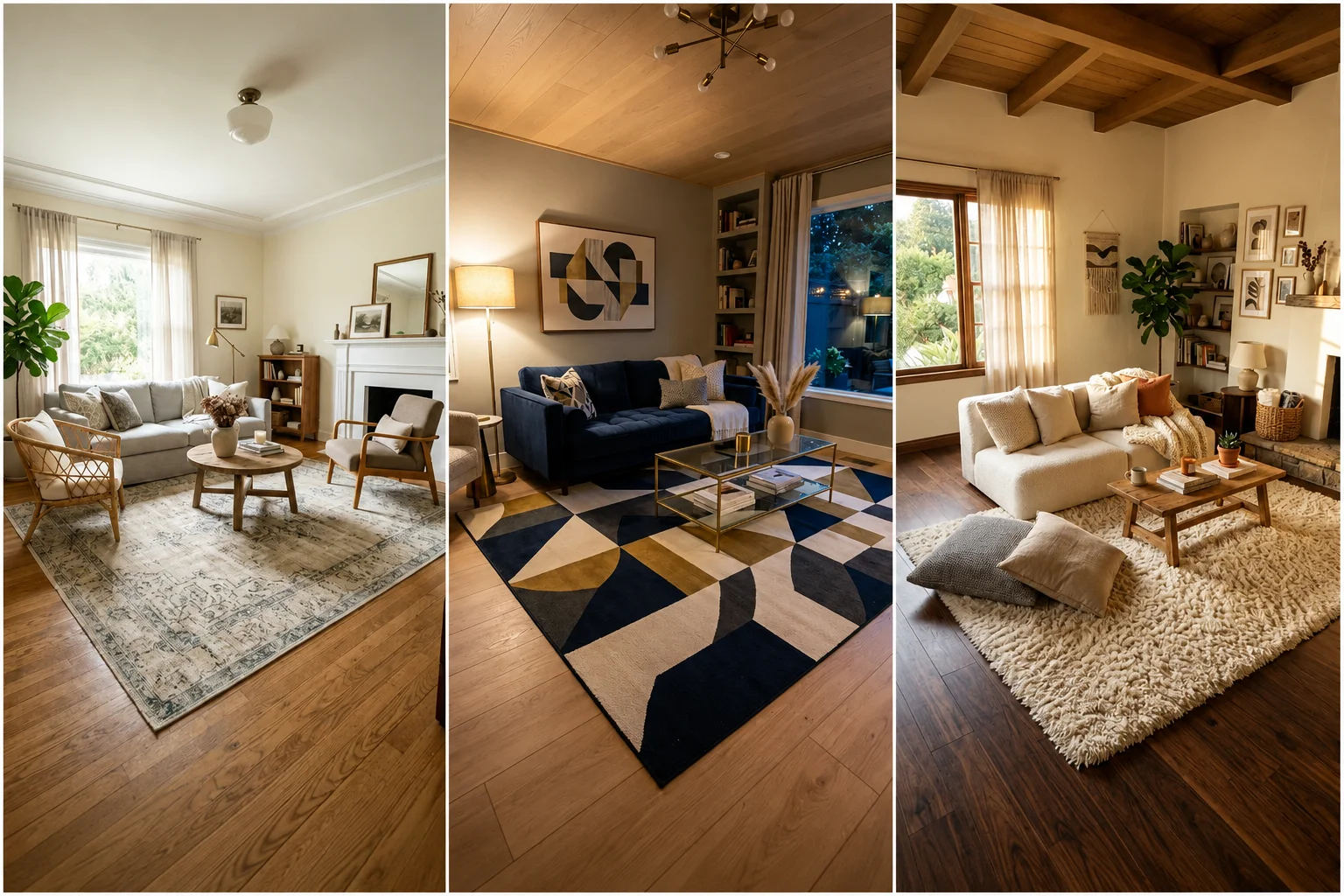
If your living room currently leans neutral or your furniture is largely solid-colored, a rug with a bold geometric or abstract pattern can be the single element that gives the whole space personality. Multi-color, high-contrast patterns also do double duty by hiding daily wear, stains, and pet hair significantly better than a solid, pale-colored rug ever could.
Geometric rugs in this category are usually made from polypropylene or polyester, both of which photograph consistently well regardless of the season or lighting in your space. A 6×9 or 8×10 size works well here, and because the pattern itself carries so much visual weight, you can typically keep the rest of the room’s palette simple without the space feeling flat.
Important: Bold patterns are wonderful for hiding wear, but they can visually compete with an already busy room. If your walls, furniture, or artwork already carry strong patterns or colors, balance a bold rug with simpler accessories elsewhere so the room doesn’t feel overloaded.
7. The Natural-Fiber Look: Jute-Style Woven Rug
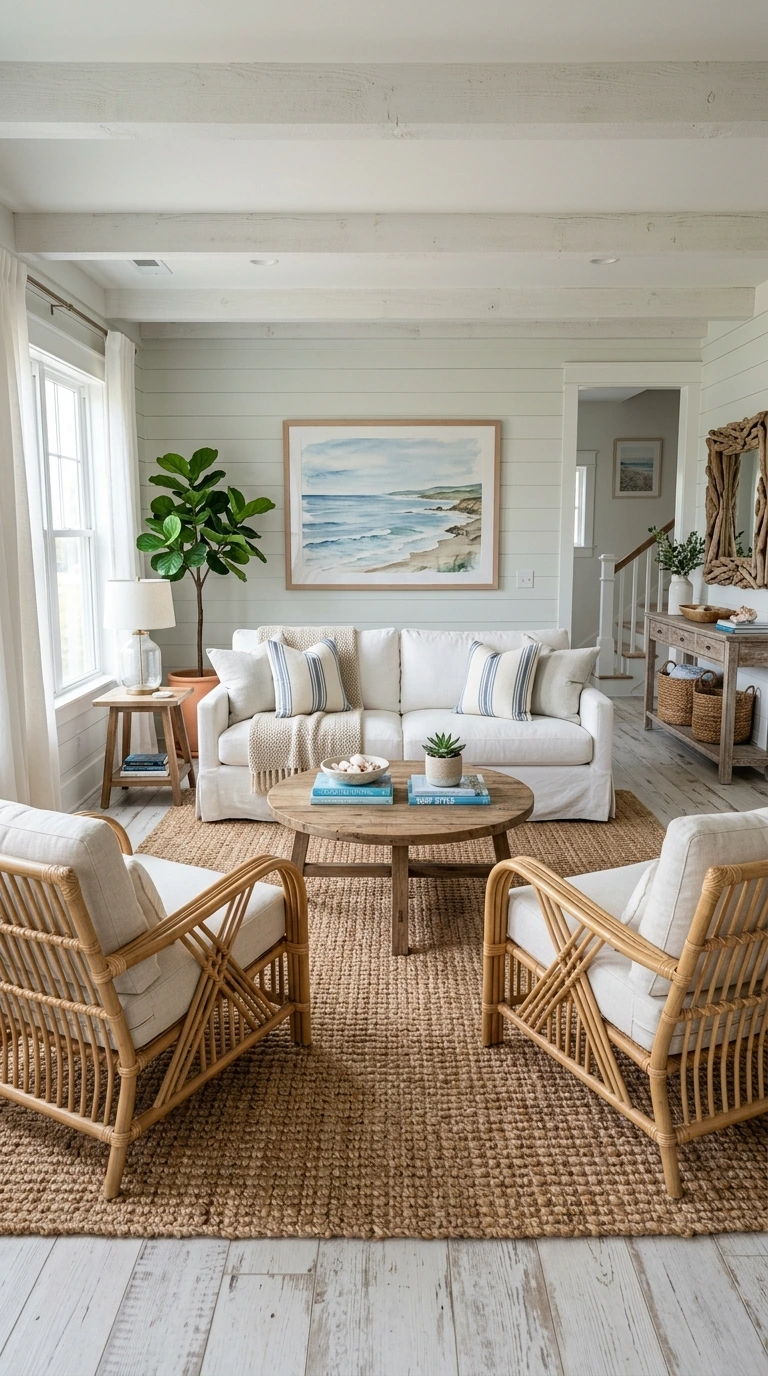
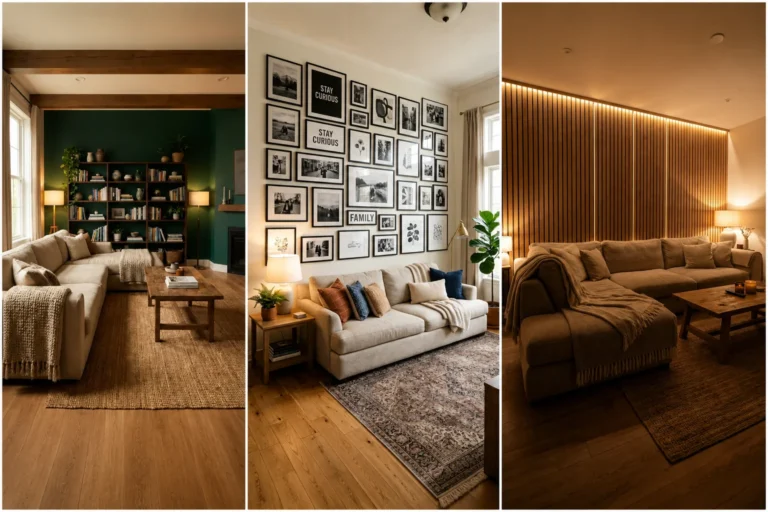
Natural-fiber rugs bring an organic, earthy texture that pairs well with almost any design style, from coastal to modern farmhouse to minimalist. At this price point, most “jute-style” options are actually a synthetic blend engineered to mimic the look of real jute or sisal, which keeps the price down while sidestepping some of natural fiber’s downsides, like difficulty cleaning spills.
These rugs tend to work best in living rooms with a more casual, textural design direction rather than a formal or glamorous one. They’re also a smart layering piece: placing a smaller, more colorful rug on top of a larger jute-style base rug is a popular and budget-friendly way to get a layered, designer-style look without paying for two full-size premium rugs.
Where This Size Falls in the Bigger Picture
Choosing the right rug size is just as important as choosing the right style, and it’s the detail budget shoppers most often get wrong. Below is a quick reference for how room size should guide your rug dimensions.
| Room Size | Recommended Rug Size | Best Layout Approach |
|---|---|---|
| Small (under 150 sq ft) | 5’x8′ or 6’x9′ | Floating or front-legs-on |
| Average (150–200 sq ft) | 8’x10′ | Front-legs-on |
| Large (200–300 sq ft) | 9’x12′ | All-legs-on or front-legs-on |
| Very Large or Open Concept | 10’x14′ or custom | All-legs-on |
- ✅ Measure your seating area’s full footprint before shopping
- ✅ Filter reviews to three stars to get the most honest feedback
- ✅ Budget an extra $20–$40 for a rug pad, since most budget rugs don’t include one
- ✅ Confirm washable rugs are actually machine washable, not just spot-clean
- ✅ When uncertain between two sizes, always choose the larger one
8. The Quiet Luxury Pick: Muted Sage and Ivory Rug
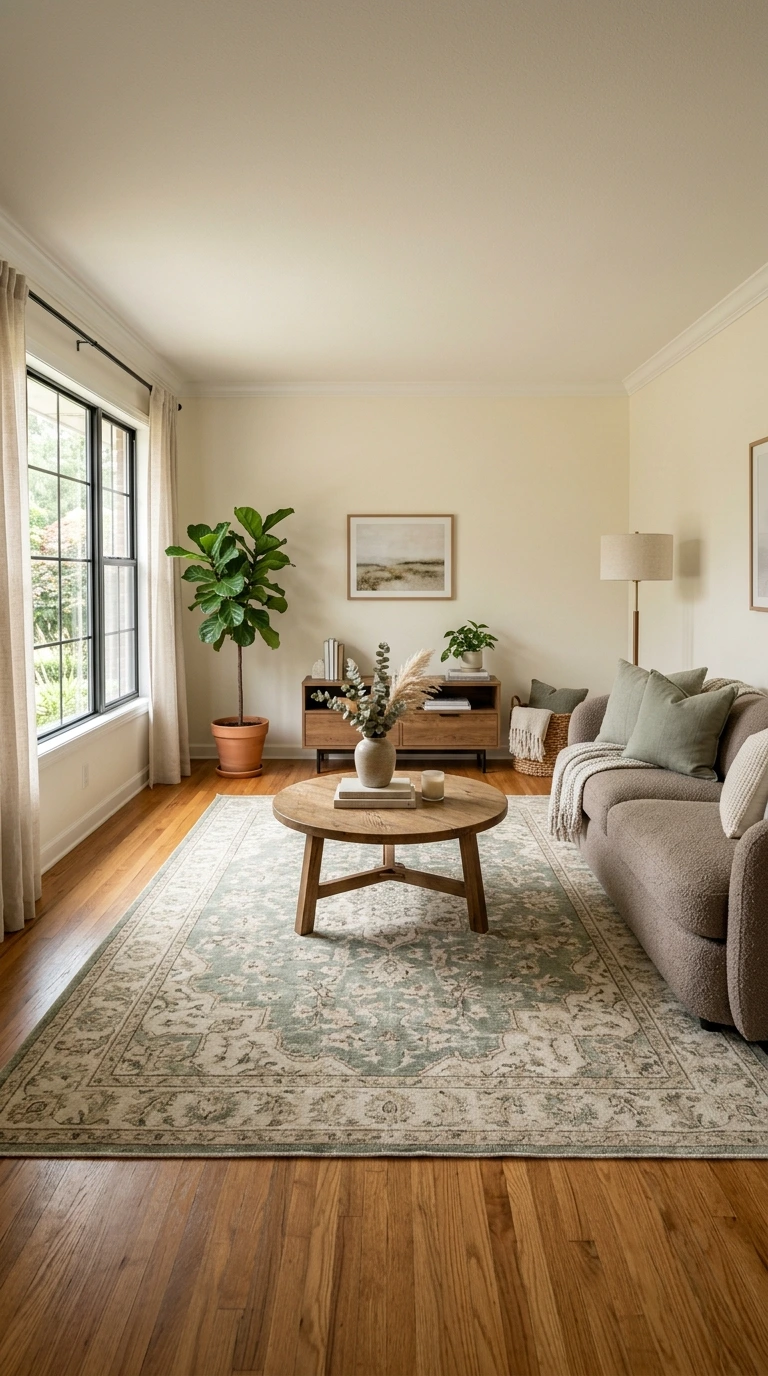
Muted, earthy color palettes have become one of the defining interior design trends of the moment, and a rug is one of the easiest ways to bring that palette into a room without repainting or reupholstering anything. A distressed floral or vintage pattern in soft sage and ivory tones gives off an heirloom quality that’s genuinely difficult to find at this price point.
An 8×10 in this style is large enough to anchor a full sofa-and-coffee-table arrangement, and the muted palette works as a neutral base that lets brighter accent pillows, art, or greenery stand out rather than compete. If your existing furniture already carries some visual weight, like a dark wood coffee table or leather sofa, this softer, quieter rug style helps balance the room instead of adding to the busyness.
9. The Runner for Long or Narrow Living Rooms
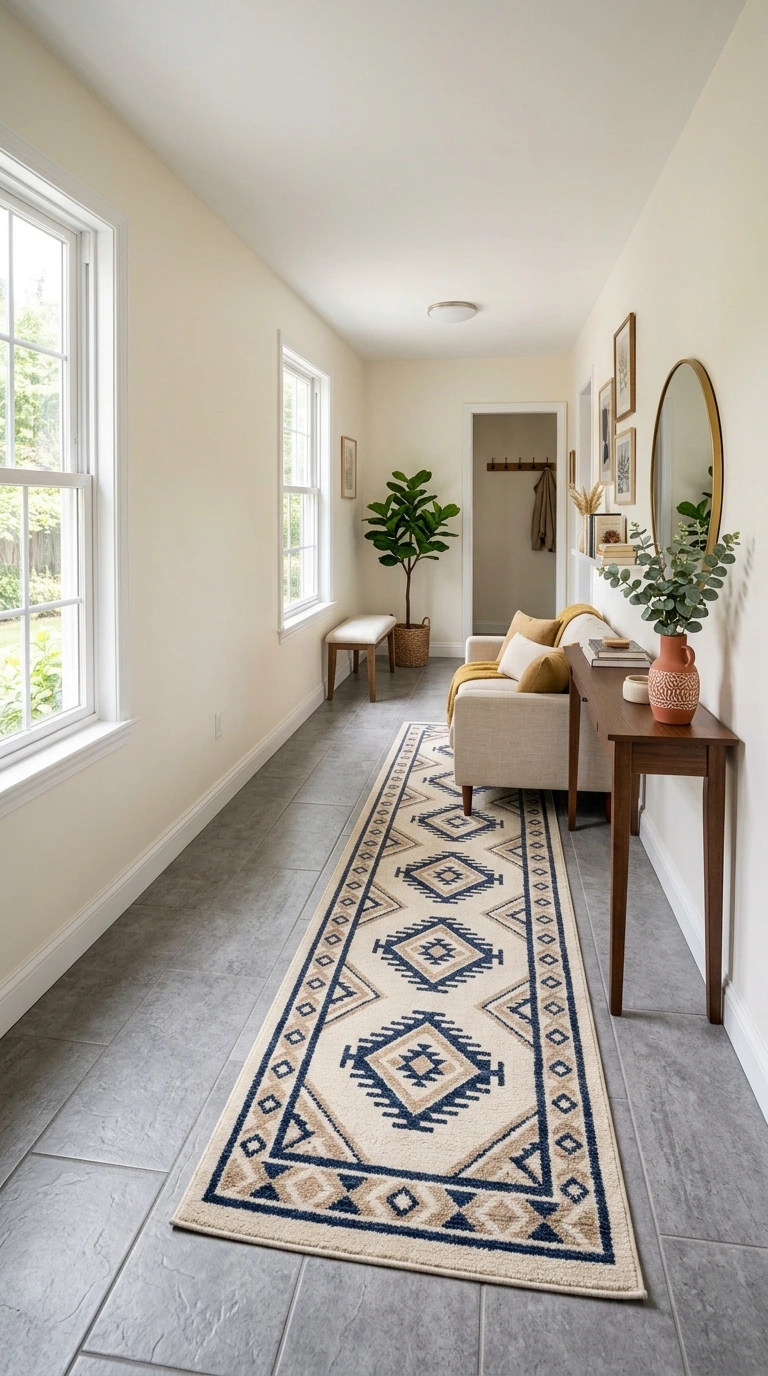
Not every living room is a clean rectangle, and narrow or galley-shaped rooms often need a runner-style rug rather than a traditional square or rectangular area rug. A well-placed runner can define a walking path, connect a seating area to an entryway, or fill an awkward strip of floor that a standard rug size wouldn’t fit.
Runners in this category are typically low-pile and stain-resistant, since they tend to see concentrated foot traffic in a narrow space. If you’re using one in a living room specifically, rather than a hallway, choose a width proportional to the furniture nearby so it reads as an intentional design choice rather than a hallway rug that wandered into the wrong room.
10. The Round Rug for a Softer Layout
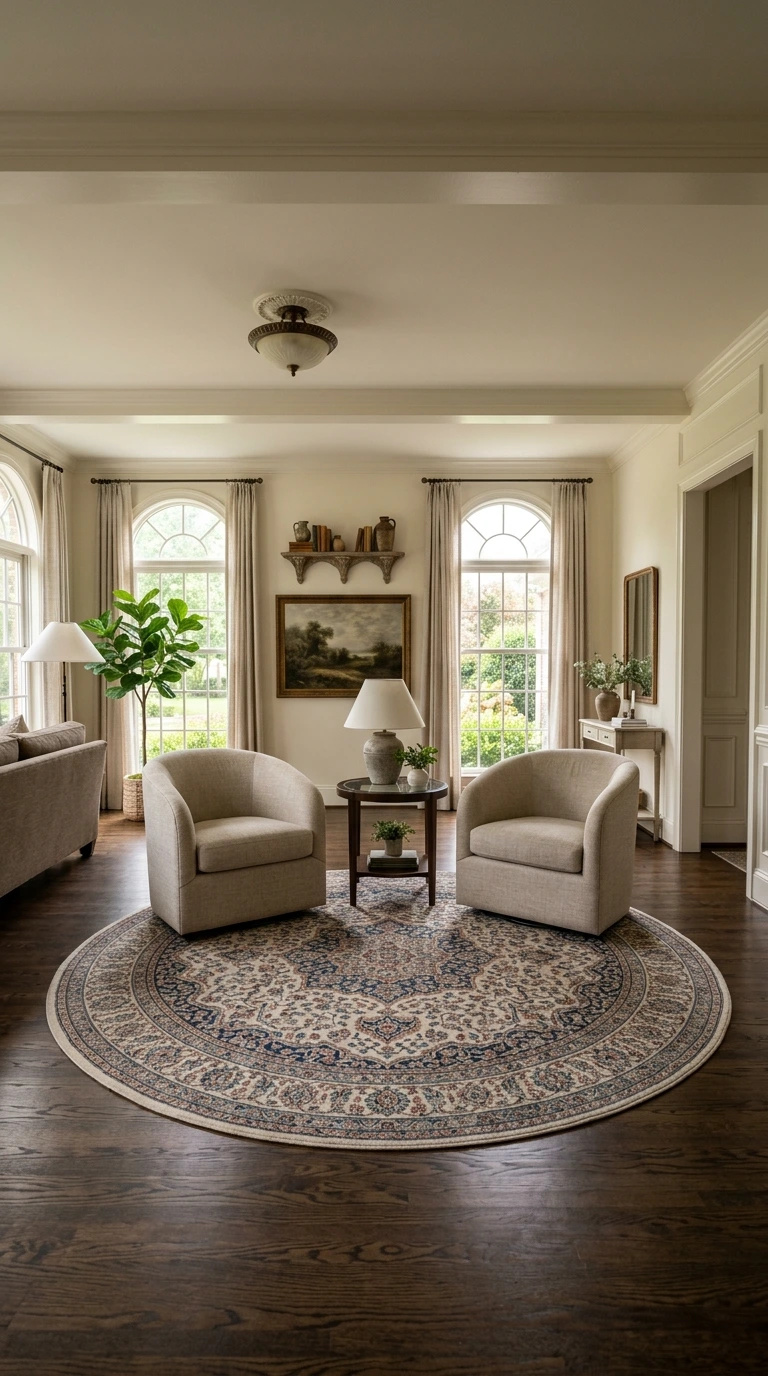
A round rug is a smart choice for breaking up a room full of straight-edged furniture, or for anchoring a circular seating arrangement like a pair of accent chairs around a small round table. The shape naturally draws the eye and creates a sense of movement that a rectangular rug can’t replicate.
Round rugs do require more careful measuring than rectangular ones, since the diameter needs to clear your furniture’s width on every side, not just front to back. A round rug that looks correctly sized when measured in one direction can still look awkwardly small once you check it from the other angle, so always measure the full furniture footprint before committing to a diameter.
11. The High-Traffic Workhorse: Low-Pile Polypropylene Rug
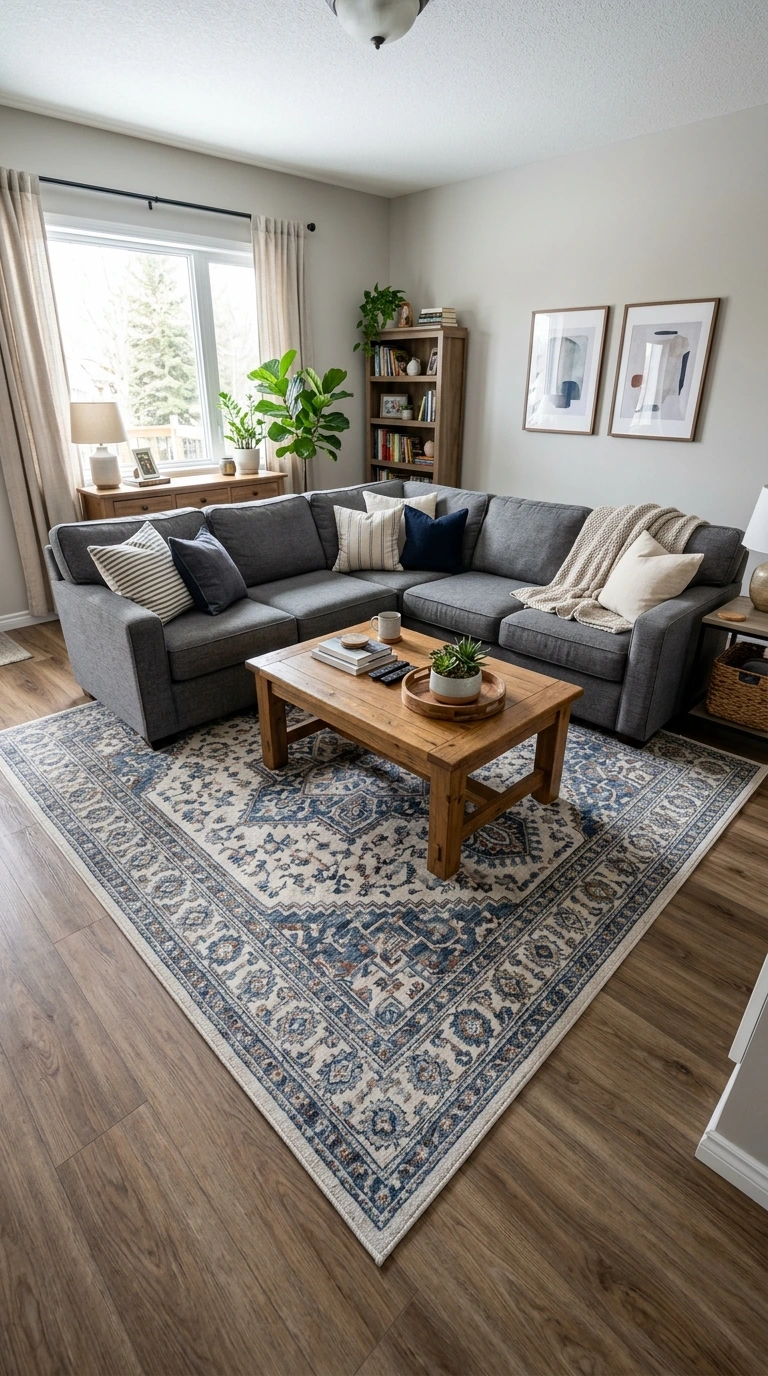
For a living room that sees constant use, whether from kids doing homework on the floor, pets lounging in the sun, or simply a household that spends most of its downtime in that room, a low-pile polypropylene rug is the most practical choice on this list. Low pile doesn’t trap dirt and debris the way a plush or shag rug does, and it holds up better under repeated vacuuming.
These rugs also tend to lay flatter and resist curling at the edges better than thicker options, which matters if you have furniture that gets moved or rearranged occasionally. Choosing a busier pattern rather than a solid color, as mentioned earlier, will help this workhorse rug continue looking presentable well past its first few months of daily use.
Important: Low-pile rugs are the easiest to keep looking new, but they also show wrinkles and edge curling faster than thicker rugs if a rug pad isn’t used underneath. Don’t skip the rug pad on a low-pile rug, even though it’s tempting to save the extra $20–$40.
12. The Layering Piece: Small Accent Rug Over a Larger Base
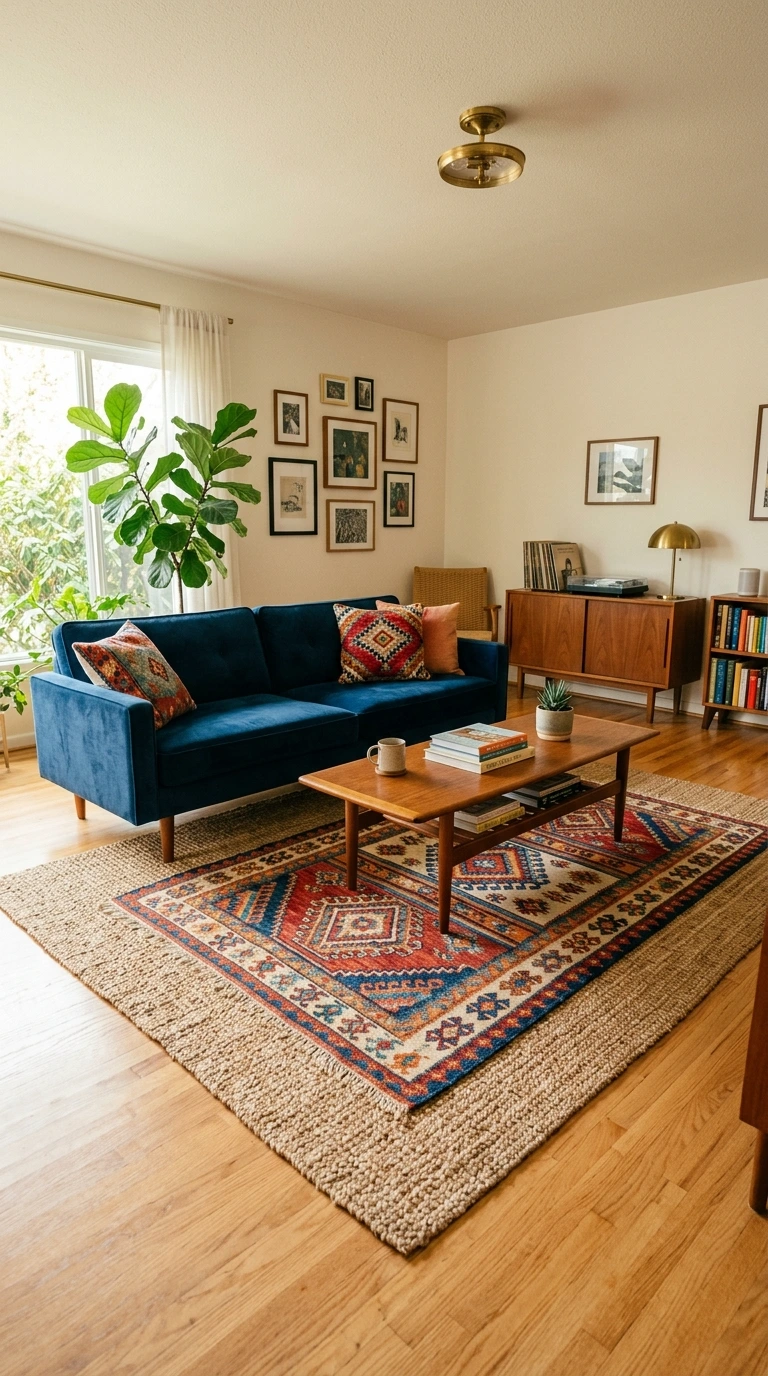
Not every rug in your living room needs to be the main anchor piece. A smaller accent rug layered over a larger, more affordable base rug is a popular technique for adding color, pattern, or texture in a defined zone, like under a coffee table or in front of a favorite reading chair, without needing to replace your entire main rug.
This approach is also a practical fix if you already own and love a smaller rug that doesn’t meet the sizing requirements for proper furniture anchoring. Placing it over a larger, simpler base rug lets the smaller piece keep contributing its color and pattern while the base rug underneath handles the actual job of anchoring your furniture layout.
Warning: When layering two rugs, make sure the base rug is low-pile. A base rug with any real thickness will create an uneven, bunched-up surface under the top rug, which becomes both a visual problem and a tripping hazard over time.
Frequently Asked Questions
1. What size rug is best for a typical living room?
For most standard-sized American living rooms, an 8×10 rug is the most reliable choice. It’s large enough to let the front legs of your sofa and chairs rest on it while still leaving a clean, intentional-looking border of bare floor around the perimeter.
2. Are rugs under $200 actually good quality?
Yes, many are. Budget synthetic rugs made from polypropylene or polyester have improved significantly in recent years, and several collections at this price point are frequently mistaken for much more expensive designer pieces. The key is choosing the right material and pile height for how the room will actually be used.
3. Do I need a rug pad under a budget rug?
Almost always, yes. A rug pad prevents slipping, protects your flooring underneath, extends the rug’s lifespan, and makes the rug feel noticeably more cushioned underfoot. Most rugs under $200 don’t include one, so budget an extra $20 to $40 when you’re calculating your total cost.
4. How do I know if a rug will shed heavily?
The clearest way to find out is by reading reviews filtered to the three-star range, since these tend to come from buyers who are being the most balanced and specific about issues like shedding, smell, and color accuracy. Heavy shedding in the first few weeks is common with some budget synthetics but typically settles down after that period.
5. Can I use two rugs in one living room?
Yes, layering a smaller accent rug over a larger base rug is a common and effective technique, especially if you already own a smaller rug you love but that doesn’t meet proper sizing requirements on its own. Just make sure the base layer is low-pile so the top rug sits flat and doesn’t create a tripping hazard.
6. What’s the biggest mistake people make when buying a budget rug?
The most common mistake by far is buying a rug that’s too small for the room or furniture arrangement. A rug that doesn’t reach at least the front legs of your seating will make the whole layout look unfinished, regardless of how nice the rug itself is.
7. Should I choose a solid color or a patterned rug for a busy household?
A patterned or textured rug is generally the more practical choice for households with kids, pets, or heavy foot traffic, since busier patterns and darker tones disguise everyday wear, spills, and pet hair far more effectively than a solid, pale-colored rug.
Conclusion
You don’t need a four-figure budget to find a rug that genuinely elevates your living room. Whether your priority is washability, a designer-inspired look, oversized coverage for a large space, or simply the softest possible pile underfoot, there’s a well-made option under $200 that fits the bill.
Start with your room’s size and your household’s daily realities, whether that’s kids, pets, or heavy foot traffic, and let those two factors guide your material and pile choice. Get the size and material right, and even a budget rug will look like it was chosen by a professional, no matter what number is on the price tag.