How to Make a Small Room Look Bigger: 15 Designer Tricks

Introduction
A small room does not have to feel small. With the right tricks, you can trick the eye into seeing more space than is actually there, no construction or knocked-down walls required. Professional designers rely on a handful of go-to moves to make tight rooms feel open and airy.
These fifteen tricks cover everything from color choices to furniture placement, and most of them cost very little to try. Whether you are working with a studio apartment or a tiny guest bedroom, these ideas will help the space breathe.
1. Use a Single Large Rug Instead of Several Small Ones
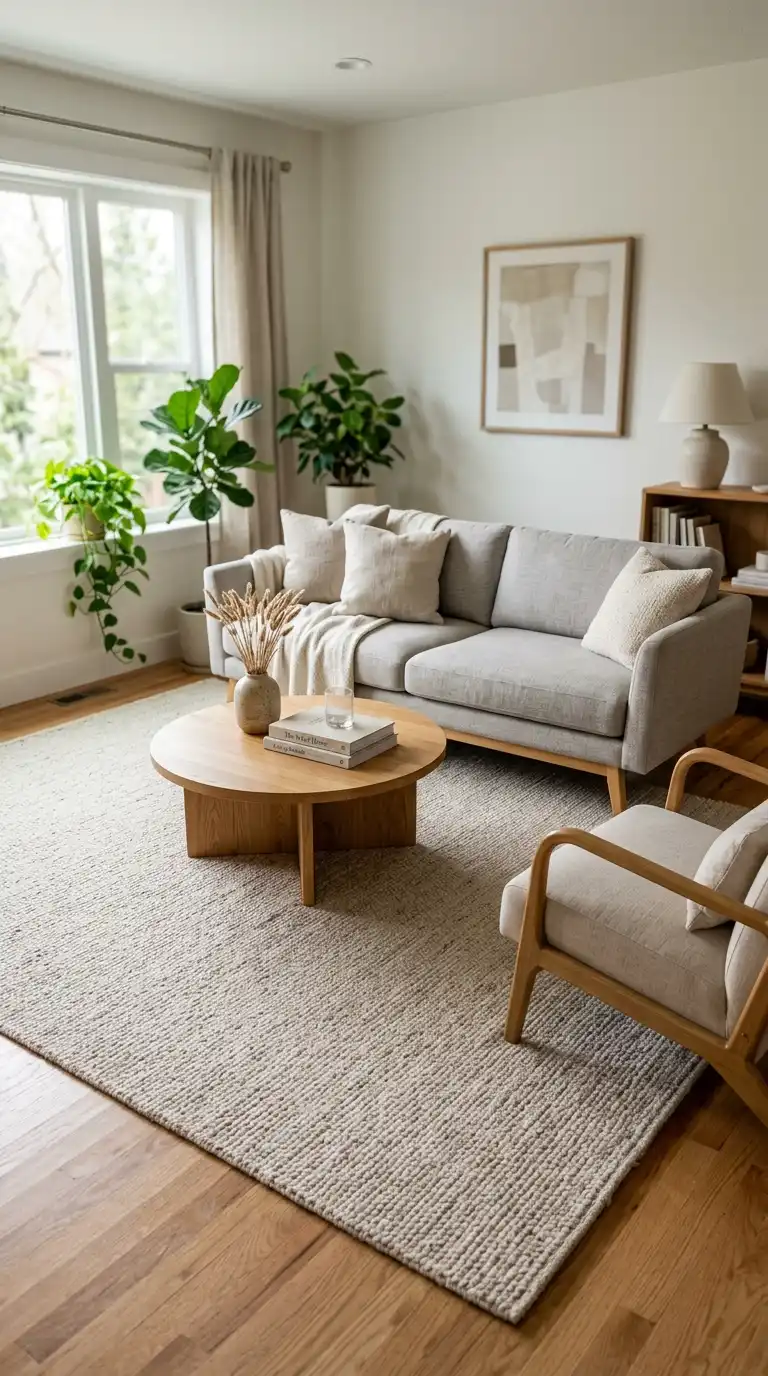
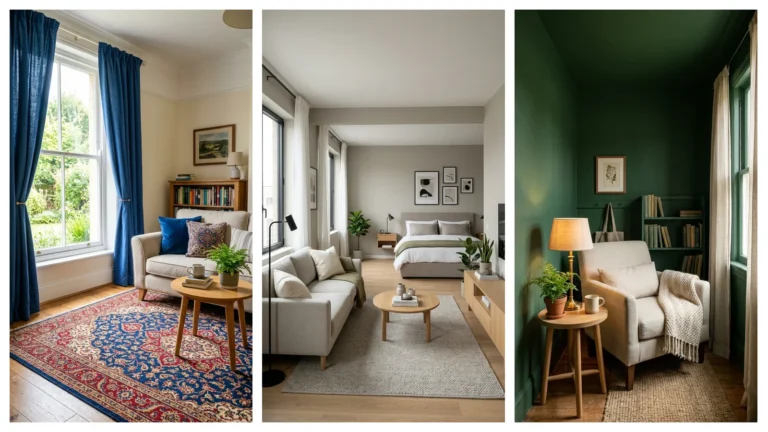
A single large rug that extends under most of your furniture creates one continuous visual plane, which makes the room feel bigger. Several small rugs scattered around the floor do the opposite, breaking the space into chopped-up sections. The eye reads a unified floor as a larger area, even when the actual square footage stays the same.
Choose a rug size that fits at least the front legs of your sofa and chairs. Lighter colors tend to open up the room more than dark, heavy patterns. This is one of the simplest swaps that makes an immediate difference.
2. Paint Walls and Trim the Same Color
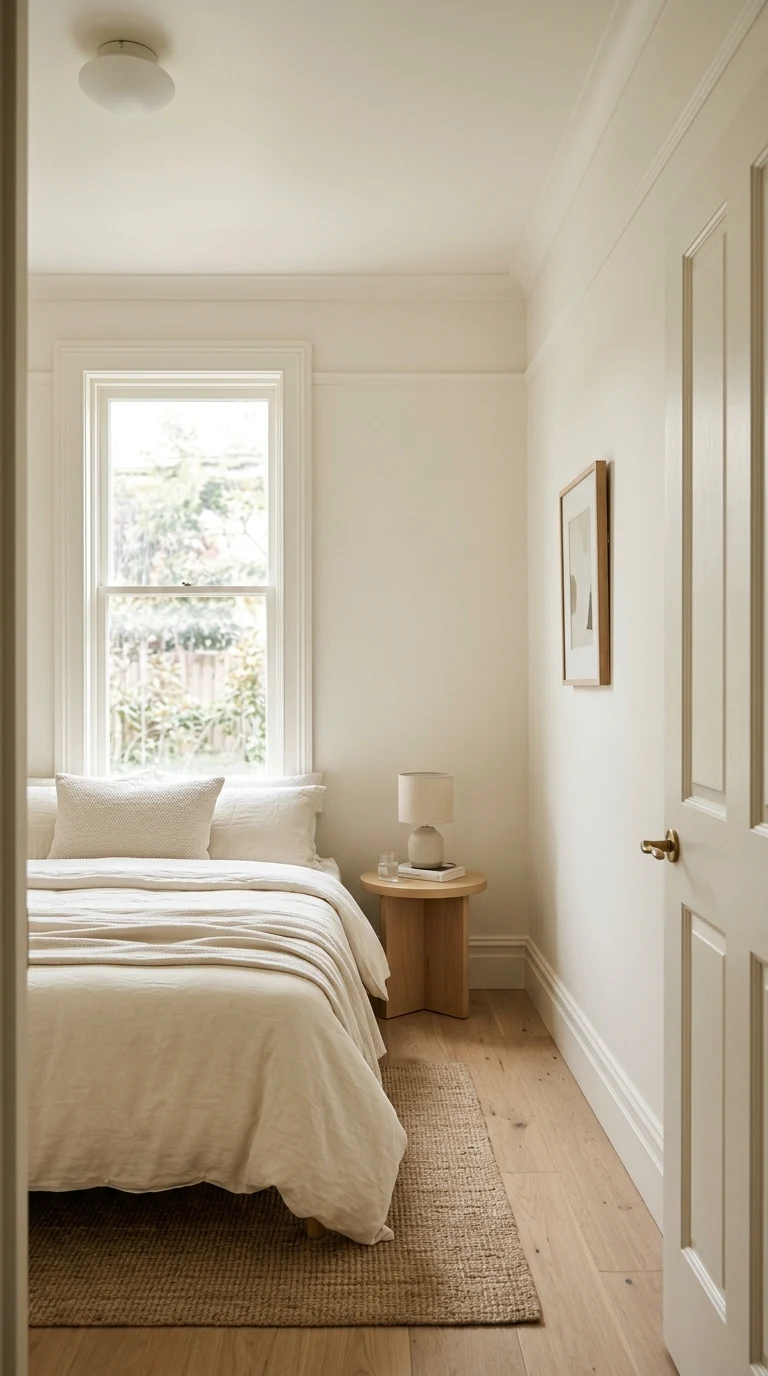
Painting the walls, trim, and even the ceiling in the same color removes the visual breaks that usually interrupt a room. Without contrasting trim to catch the eye, the walls seem to extend further than they actually do. This trick works especially well in rooms with awkward angles or low ceilings.
Stick to soft, light tones like warm white, soft gray, or pale greige for the most spacious effect. A glossy or satin finish on the trim can still add subtle definition without breaking the color continuity. It is a designer favorite for a reason.
Pro Tip: When painting trim and walls the same color, use a slightly different sheen for the trim. This keeps the room feeling cohesive while still letting the architectural details show through subtly.
3. Hang Curtains Higher Than the Window Frame
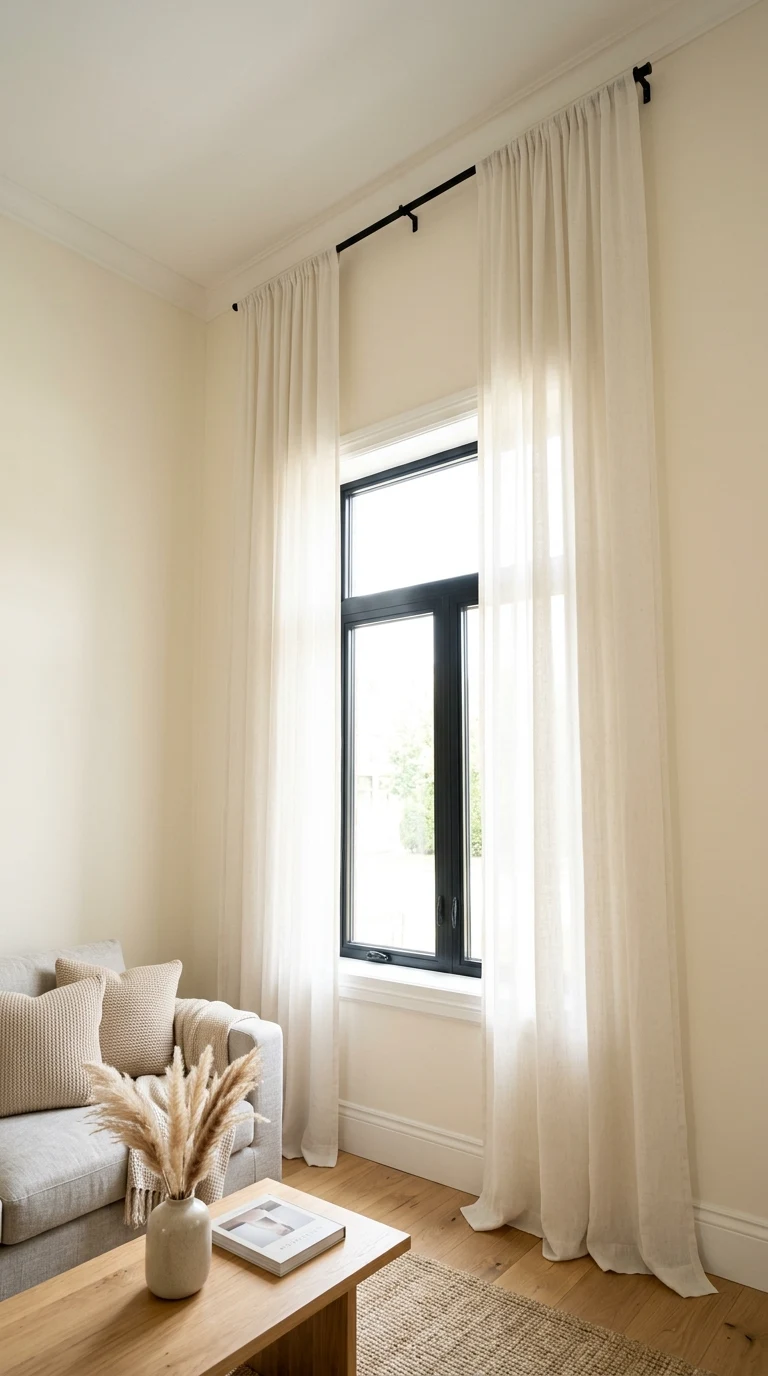
Mounting curtain rods close to the ceiling rather than right above the window frame draws the eye upward, making the walls feel taller than they are. This trick works in almost any room, regardless of the actual window size. The extra height tricks the brain into perceiving more vertical space overall.
Choose curtains that puddle slightly on the floor or just graze it, since pants that are too short break the illusion. Floor-length panels in a light, airy fabric add to the effect without weighing the room down. It is one of the most effective and least expensive tricks on this list.
4. Choose Furniture With Visible Legs
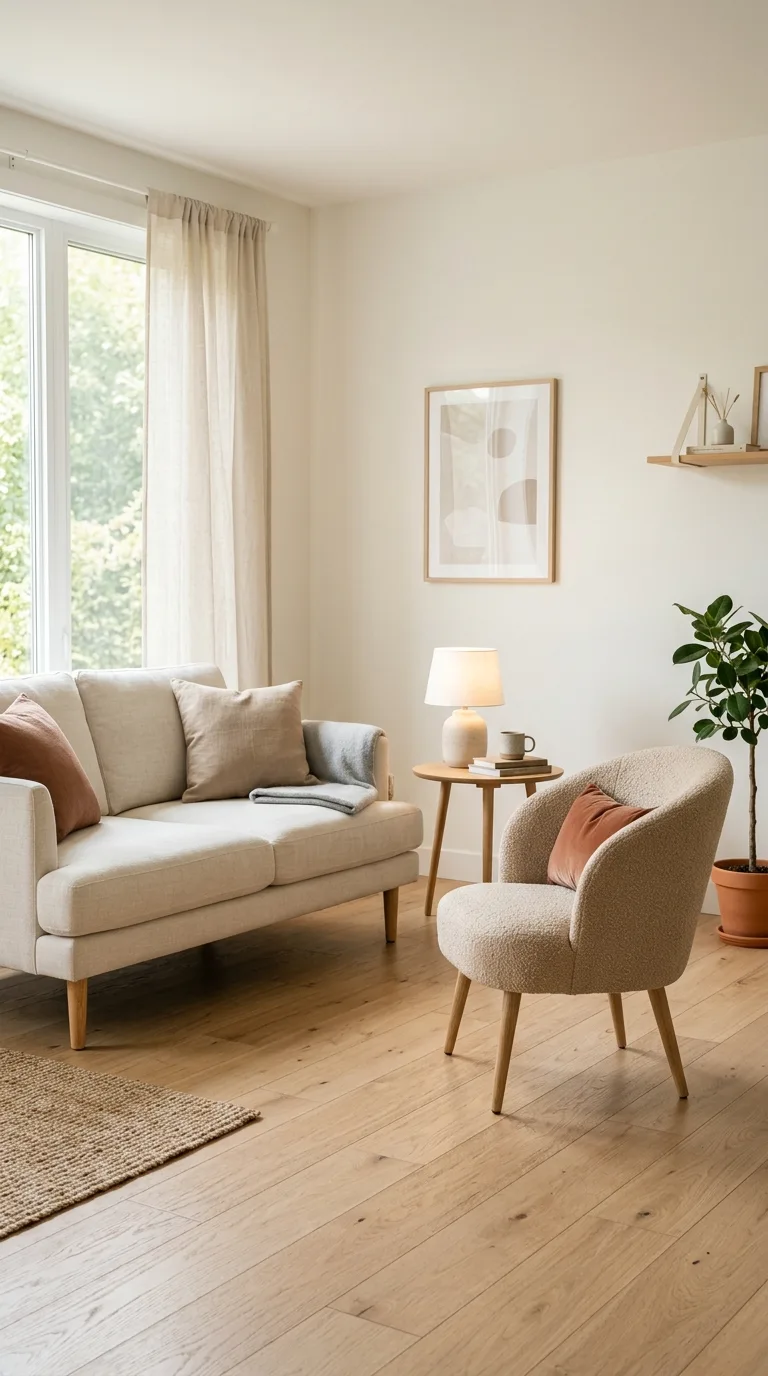
Furniture that sits flush on the floor blocks your view of the space beneath it, making a room feel heavier and more closed in. Pieces with exposed legs let you see the floor continue underneath, which visually opens up the room. This small detail matters more than most people expect.
Look for sofas, chairs, and cabinets with slim, raised legs rather than solid bases. Pairing this with a lighter floor color amplifies the effect even further. It is a detail that designers consistently prioritize in small space layouts.
Warning: Avoid pushing too much furniture against every wall in an attempt to maximize floor space. This often backfires, making the room feel like a waiting area rather than an open, lived-in space.
5. Use Vertical Stripes or Tall Decor to Draw the Eye Up
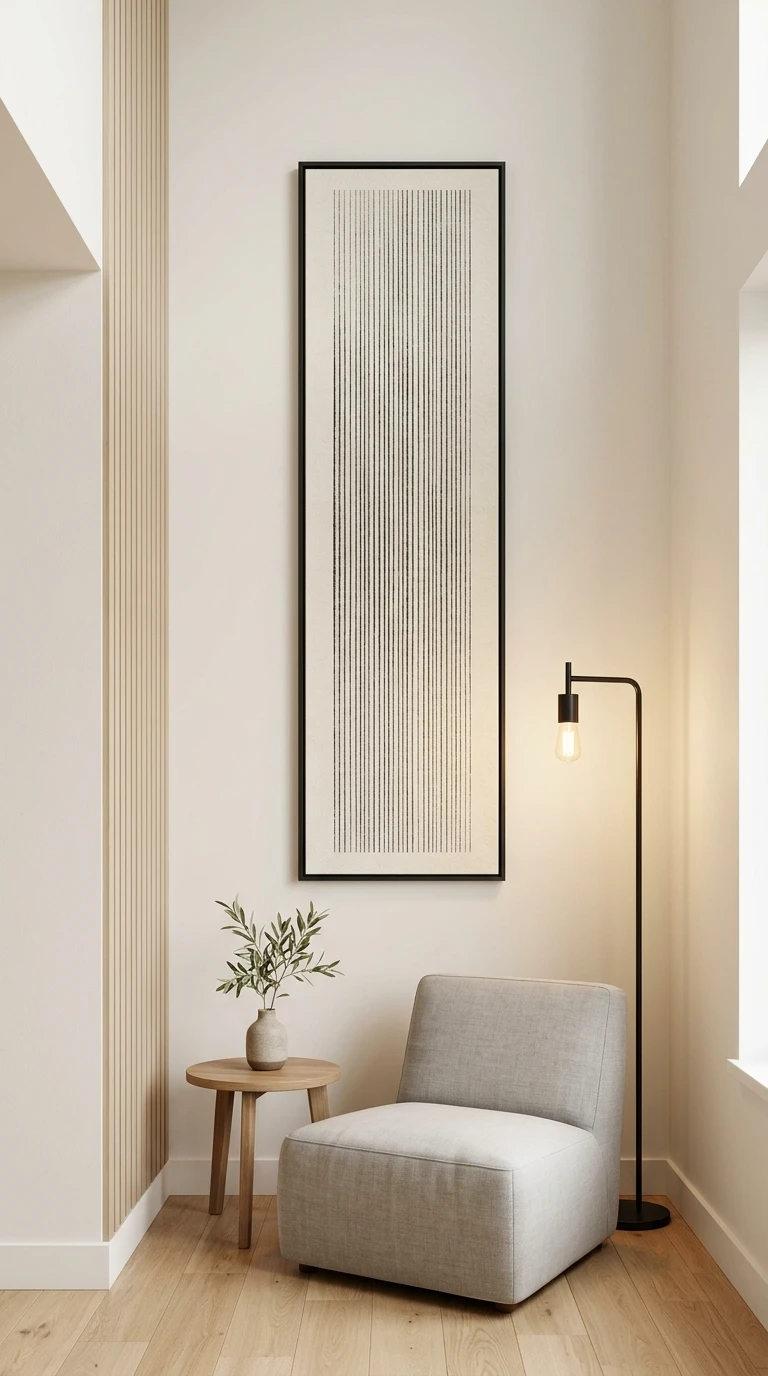
Vertical lines, whether in wallpaper, artwork, or tall bookshelves, pull the eye upward and make ceilings feel higher than they are. This works especially well in rooms with limited floor space but decent ceiling height to work with. Tall, narrow decor pieces reinforce the same effect.
Choose a few statement pieces rather than covering every wall in stripes, since too much can feel overwhelming in a small room. A tall floor lamp or a single piece of vertical art often does the trick. It is a subtle but powerful way to shift how a room feels.
6. Add a Large Mirror Opposite a Window
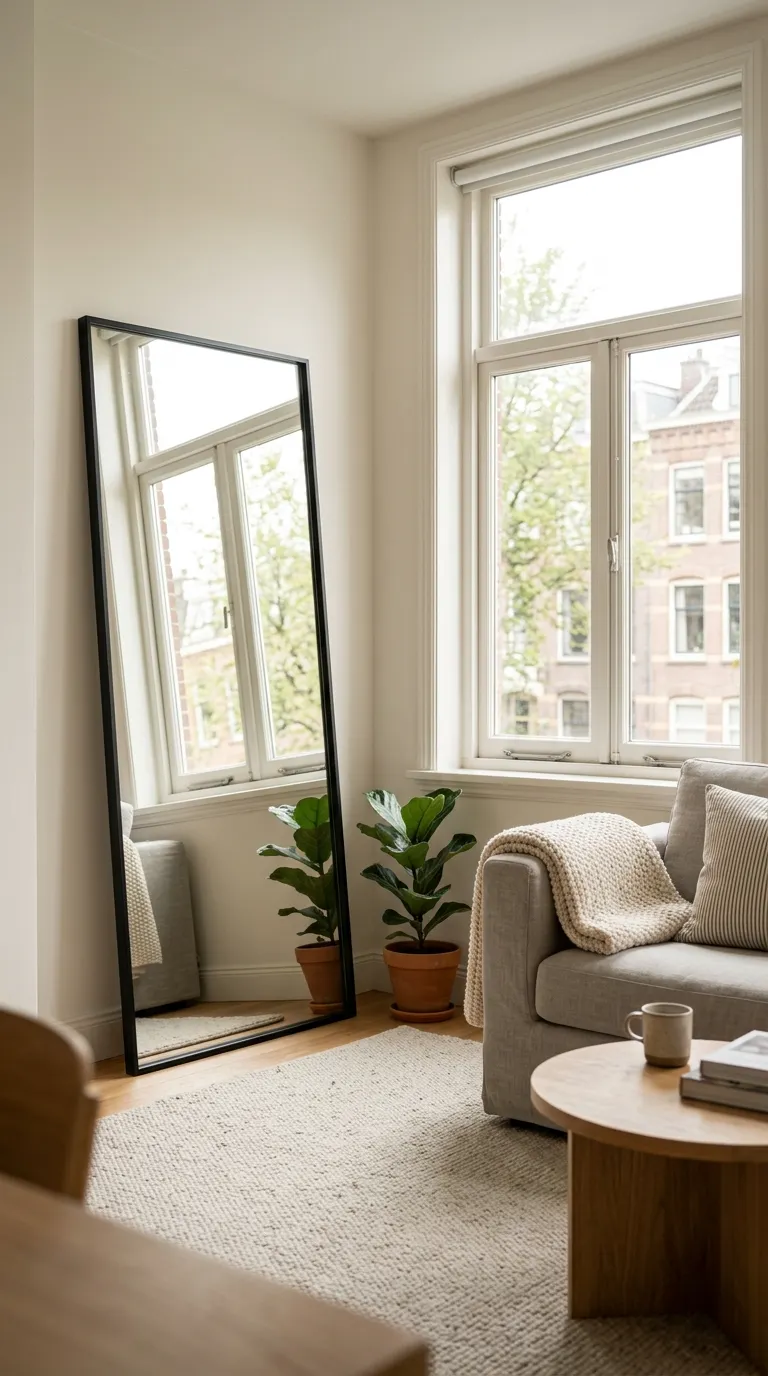
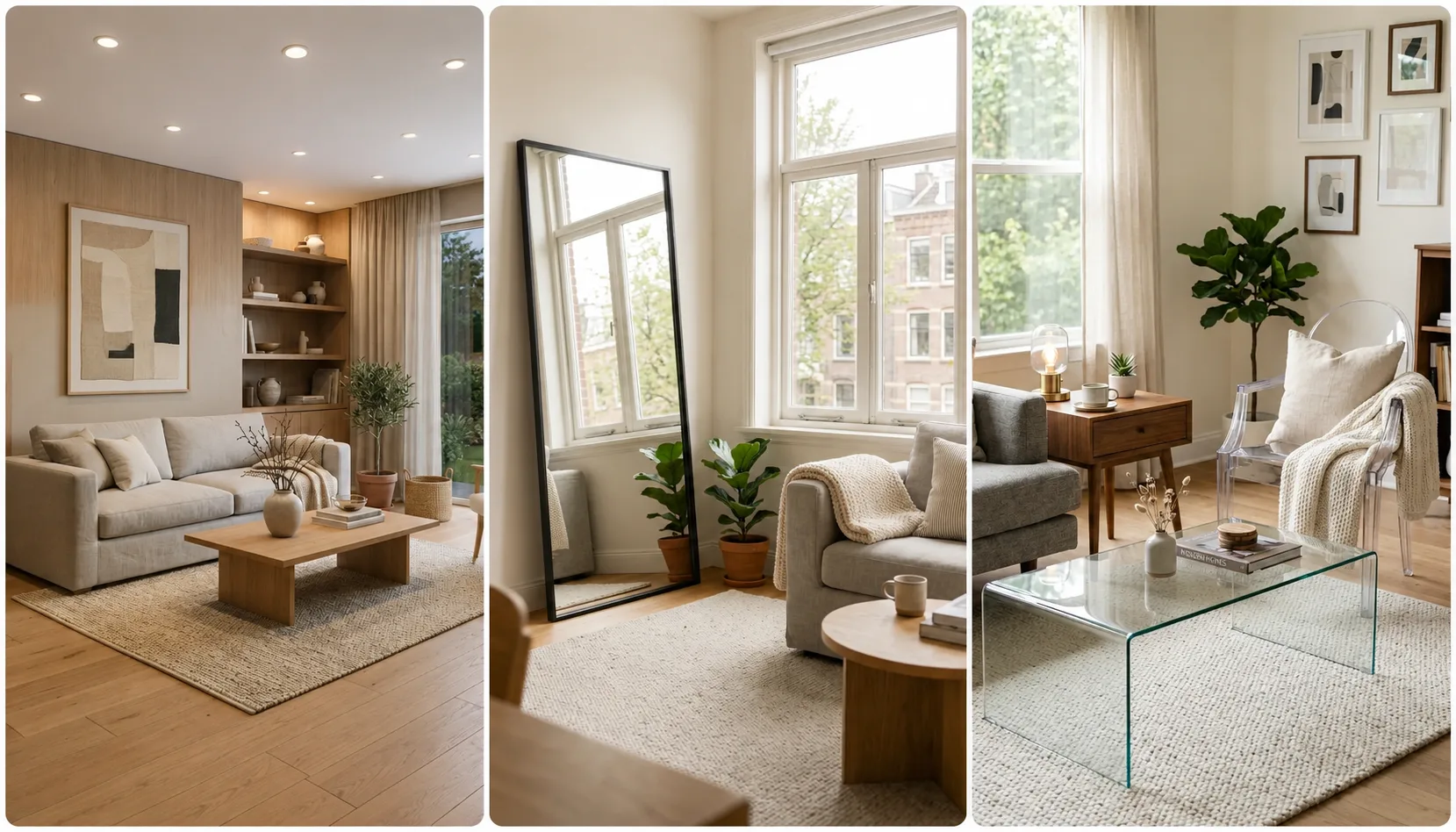
A large mirror placed across from a window reflects natural light back into the room and creates the illusion of an additional window or doorway. This trick instantly brightens a space while also doubling the visual depth of the room. It works in almost any room, regardless of style.
Choose a mirror large enough to make a real impact, since several small mirrors scattered around tend to look busy rather than expansive. A simple frame keeps the focus on the reflection itself. This is one of the most reliable tricks in any designer’s toolkit.
| Style Name | Best For | Maintenance Level | Footprint Saved |
|---|---|---|---|
| Large Floor Mirror | Living rooms, bedrooms | Low | Medium |
| Vertical Wall Shelving | Reading nooks, offices | Low | Large |
| Light Reflective Flooring | Whole-room flooring | Medium | Large |
| Glass Coffee Table | Tight seating areas | Medium | Small |
| Recessed Lighting | Low-ceiling rooms | Medium | Large |
7. Stick to a Monochromatic Color Scheme
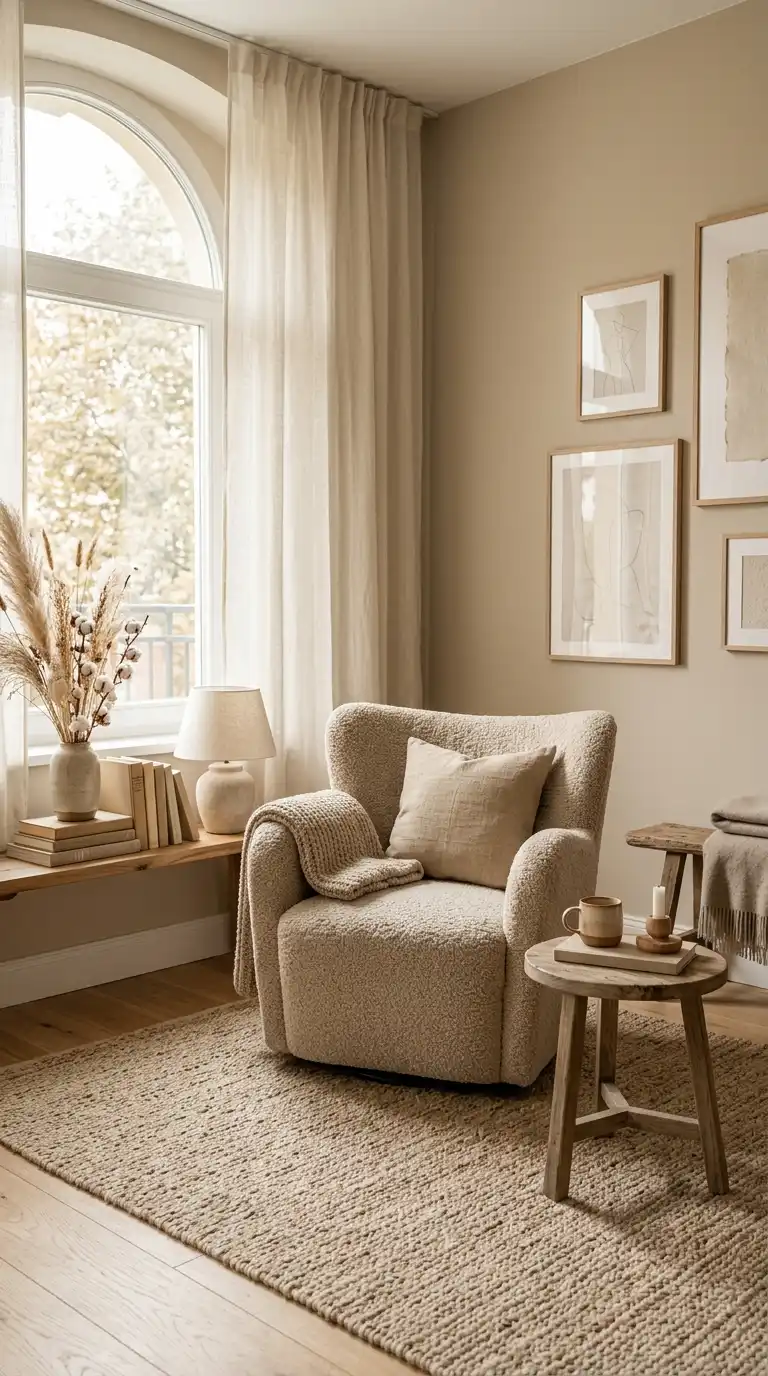
Using one main color family throughout a room, with variation only in shade and texture, removes the visual stops that make a space feel segmented. A monochromatic palette lets the eye move smoothly across the room without pausing at contrasting colors. This creates a calm, expansive feeling.
Layer in different textures, like a chunky knit throw or a smooth linen curtain, to keep the room from feeling flat despite the limited color range. Soft neutrals tend to work best for this trick. It is a favorite among designers working with small or awkward layouts.
8. Use Glass or Acrylic Furniture
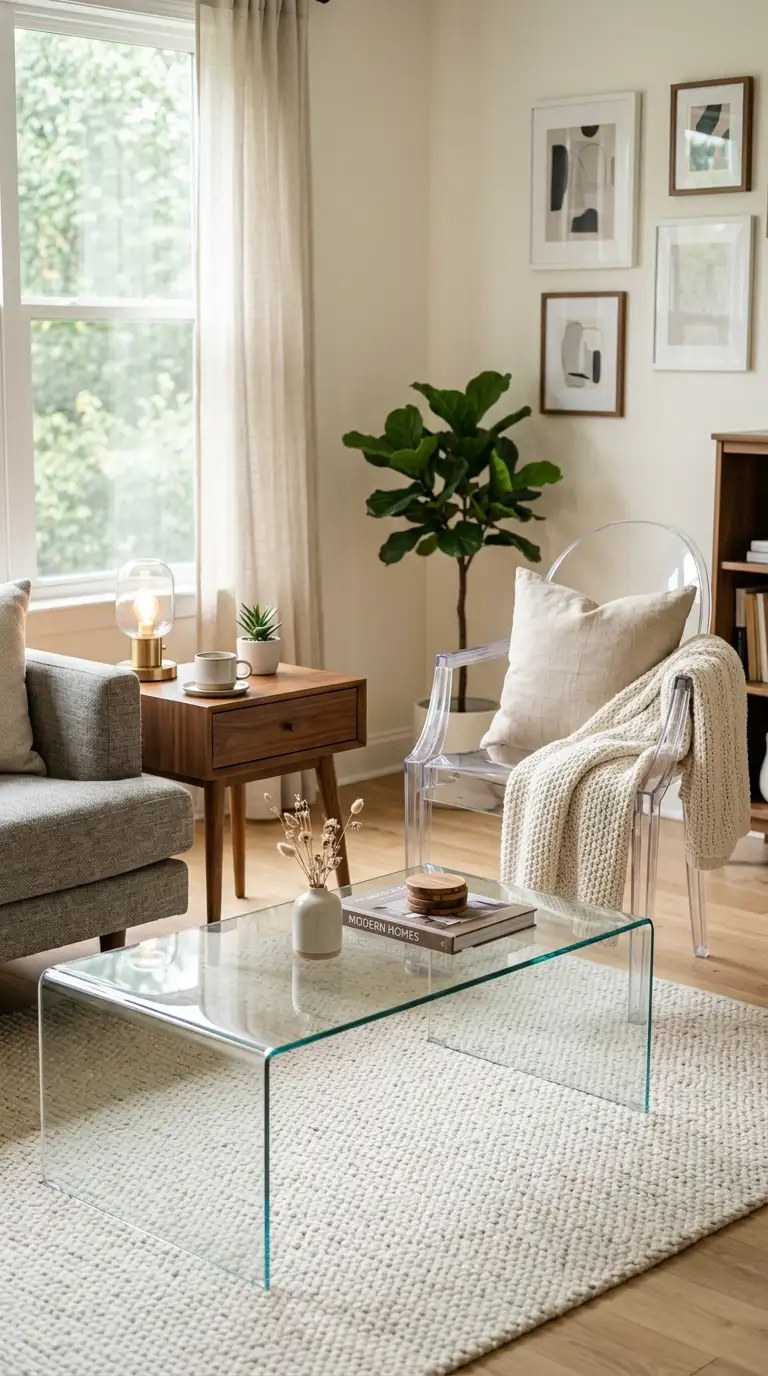
Furniture made from glass or clear acrylic takes up physical space without taking up visual space, since you can see straight through it. A glass coffee table or acrylic side chair adds function without making the room feel crowded. This works especially well in tight seating areas.
Pair clear furniture with one or two solid pieces so the room does not feel cold or sterile. Keep glass surfaces clean, since fingerprints and smudges show easily. It is a clever trick for rooms that need function without visual bulk.
Important: Balance is key when using see-through furniture. A room made entirely of glass and acrylic can feel unfinished or impersonal, so anchor the space with at least one warm, solid piece like a wood table or upholstered chair.
9. Keep Window Treatments Minimal and Light
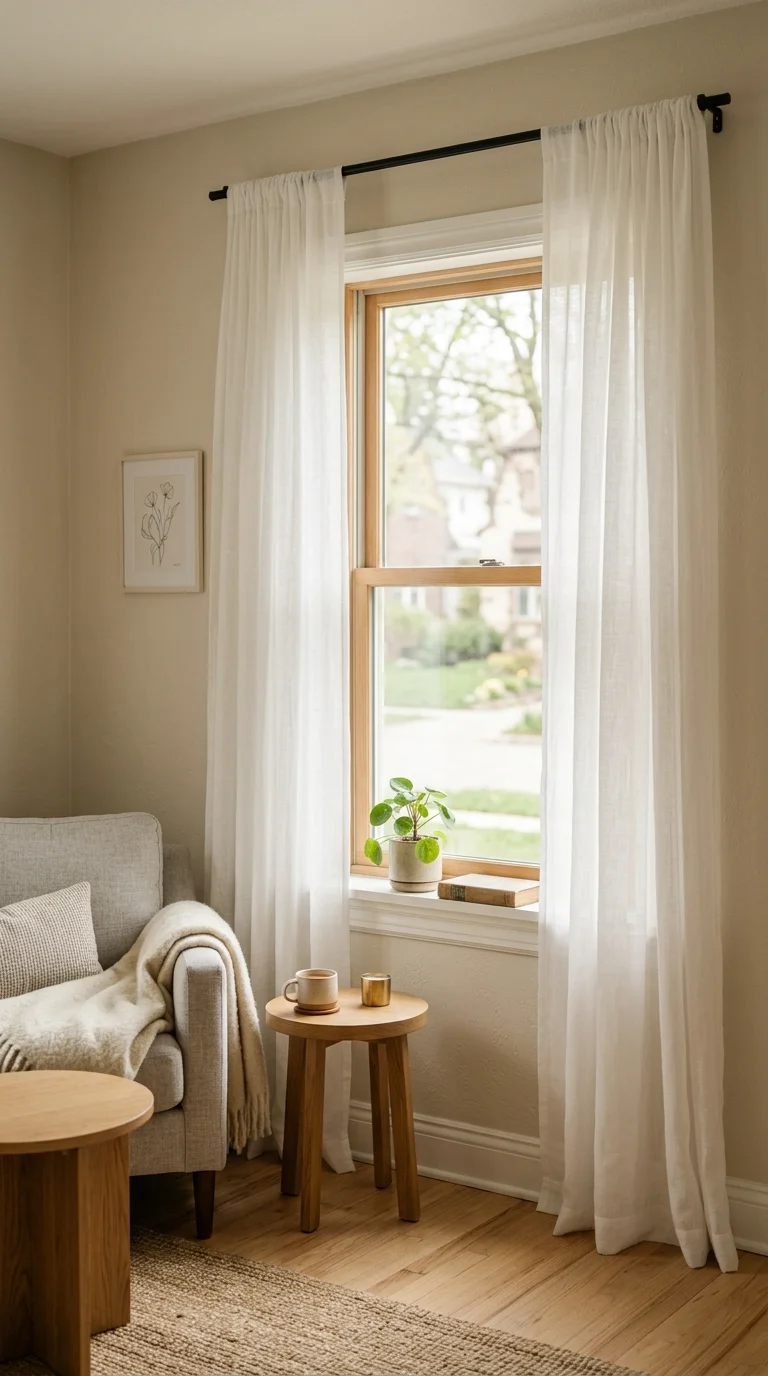
Heavy drapes or dark blinds can block natural light and make a small room feel more enclosed than it actually is. Light, sheer fabrics let daylight filter through while still offering some privacy. This keeps the room feeling bright and open throughout the day.
Choose a fabric in a color close to your wall tone so the curtains blend in rather than standing out. Avoid bulky valances or layered treatments that add visual weight near the ceiling. Simple is almost always better in a small space.
10. Float Furniture Away From the Walls
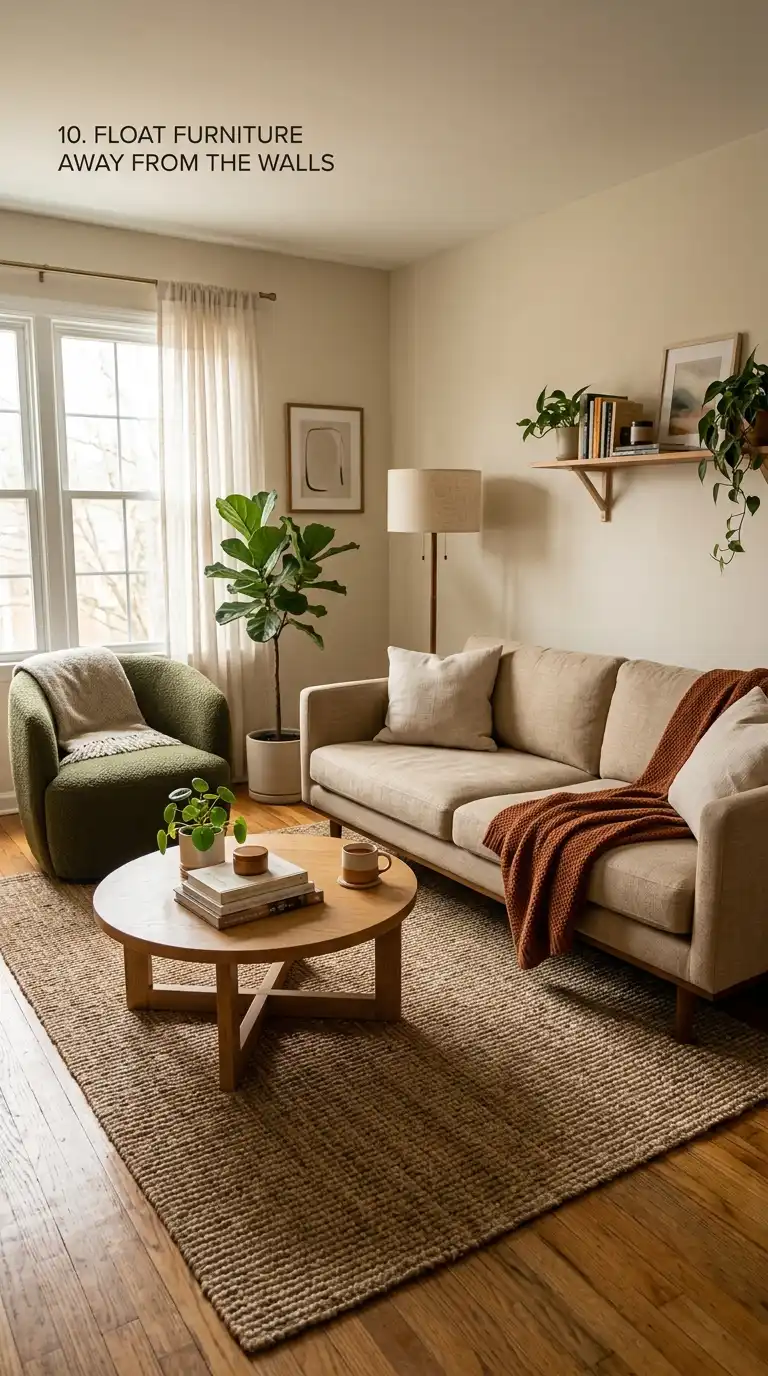
Pushing every piece of furniture flush against the walls might seem like it frees up space, but it often makes a room feel like an unused showroom rather than a lived-in area. Pulling furniture slightly off the wall and angling a chair or two creates a more natural, intentional layout. This approach actually makes the center of the room feel more open.
Leave enough room to walk comfortably between pieces, even if it means choosing fewer or smaller items. A room that breathes a little feels larger than one packed tightly around the perimeter. It is a layout shift that costs nothing but changes everything.
- Paint walls, trim, and ceiling the same light color for continuity
- Hang curtains close to the ceiling rather than at the window frame
- Choose furniture with visible legs to keep the floor visible
- Add one large mirror instead of several small decorative ones
- Keep visible surfaces, like counters and tables, mostly clear
11. Use Recessed or Built-In Lighting
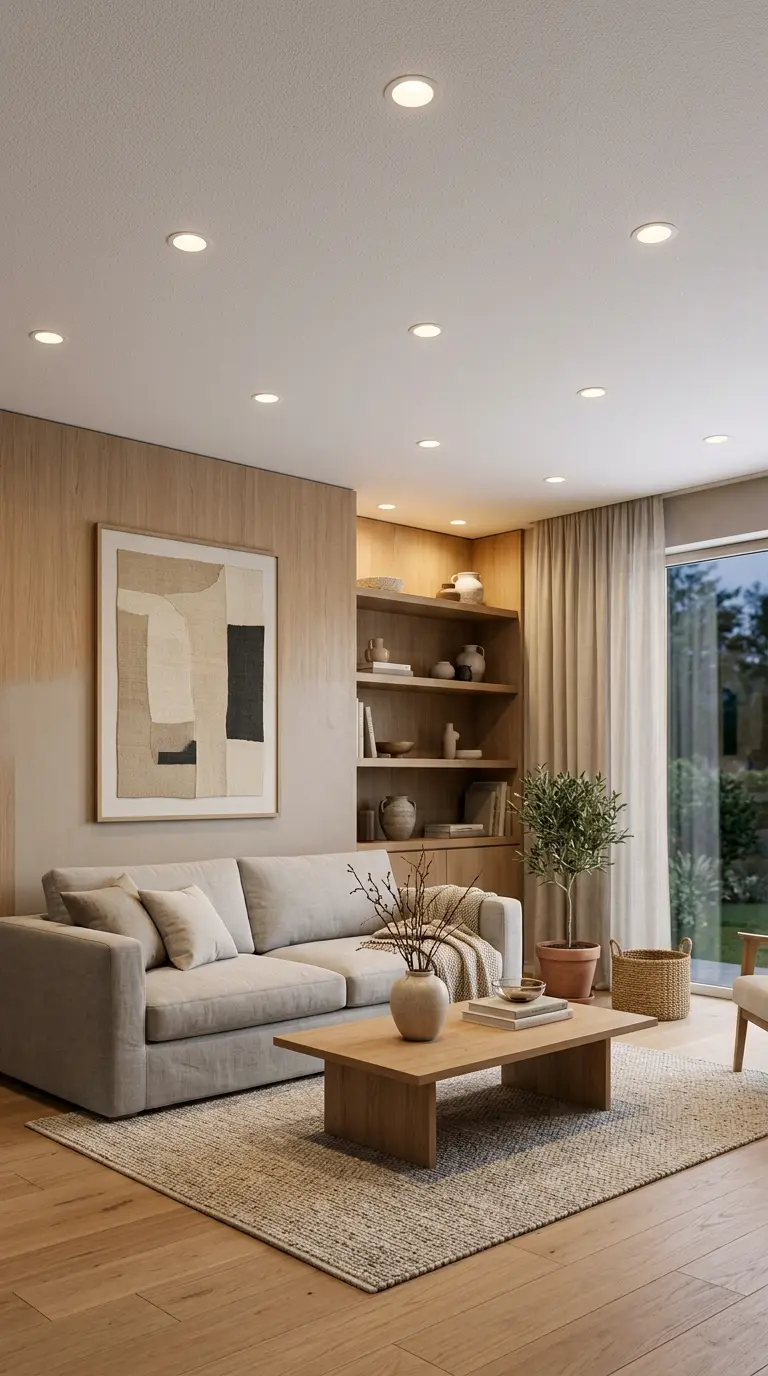
Table lamps and floor lamps take up physical space and can clutter a small room, even when they serve a clear purpose. Recessed ceiling lighting or built-in shelf lighting provides illumination without adding visual bulk anywhere in the room. This keeps surfaces and corners feeling open.
Layer recessed lighting with a few smaller accent lights for warmth, rather than relying on overhead light alone. Dimmable fixtures give you flexibility for different times of day. It is a trick that requires more upfront work but pays off in a cleaner, more spacious feel.
12. Choose a Light, Reflective Flooring
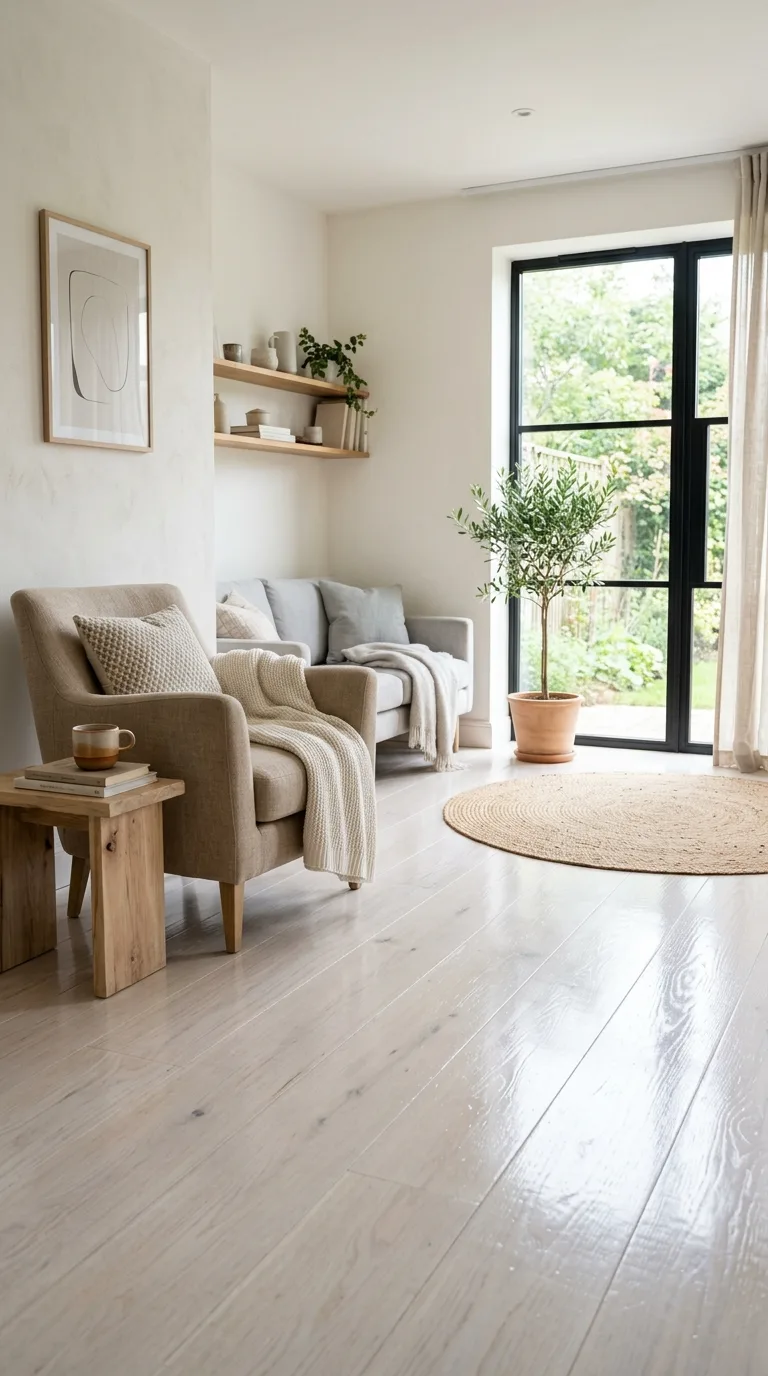
Dark flooring absorbs light and visually shrinks a room, while light, reflective floors bounce light around and make the space feel larger. This applies to hardwood, tile, and even paint if you are working with a concrete floor. The effect is especially noticeable in rooms with limited natural light.
Light oak, whitewashed wood, or pale tile all work well for this trick. Pair light floors with a few darker accents, like furniture or rugs, so the room does not feel washed out. It is a bigger investment but one of the most transformative tricks available.
13. Scale Down Furniture Proportionally
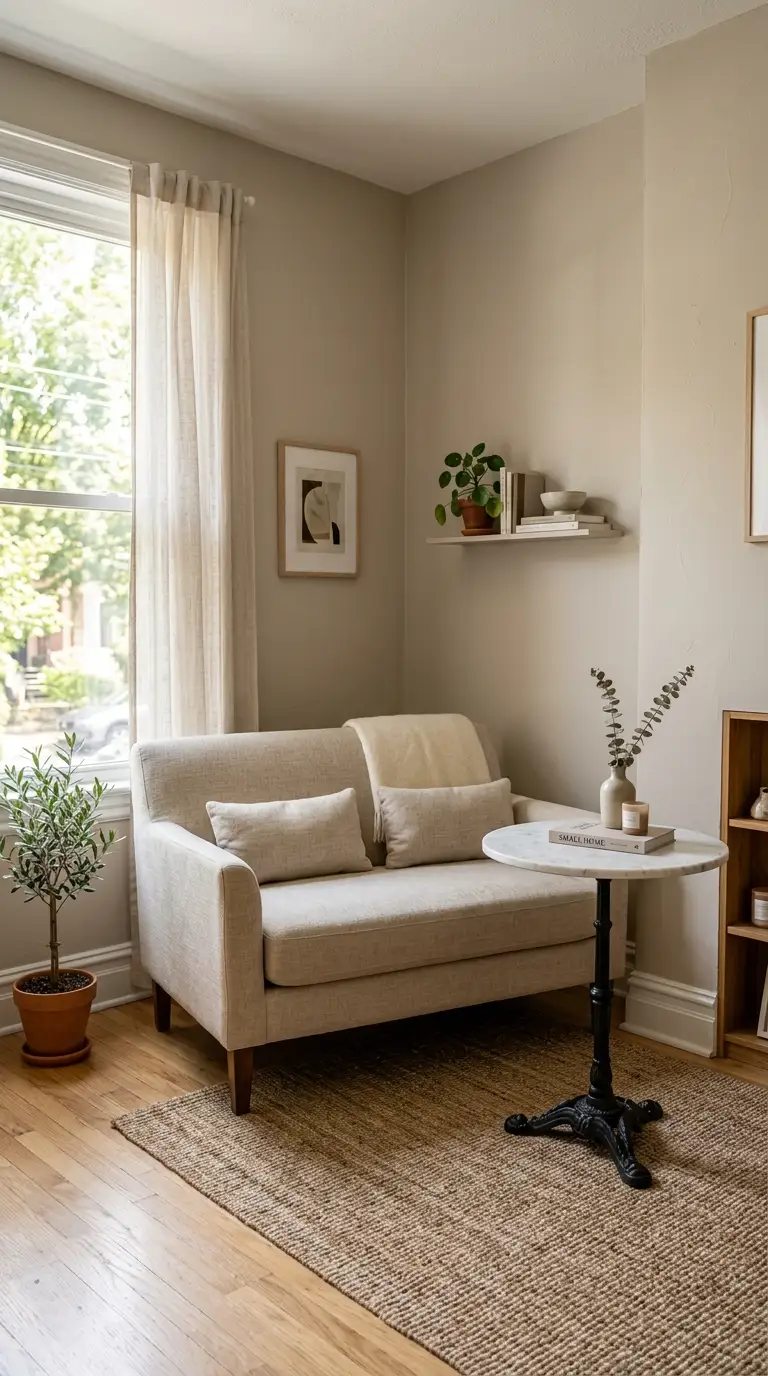
Oversized furniture is one of the fastest ways to make a small room feel cramped, even if each individual piece looks great on its own. Choosing furniture scaled to the actual size of the room keeps proportions balanced and the space feeling open. This matters more in small rooms than almost any other design choice.
Measure your room carefully before buying any large piece, and consider how much walking space will remain once it is in place. A loveseat instead of a full sofa, or a bistro table instead of a full dining set, often makes more sense. Scale is everything in a small space.
Pro Tip: Bring a tape measure when shopping for furniture, not just for the room but for doorways and stairwells too. A piece that fits the room perfectly is no good if it cannot make it through the front door.
14. Use One Statement Piece Instead of Many Small Ones
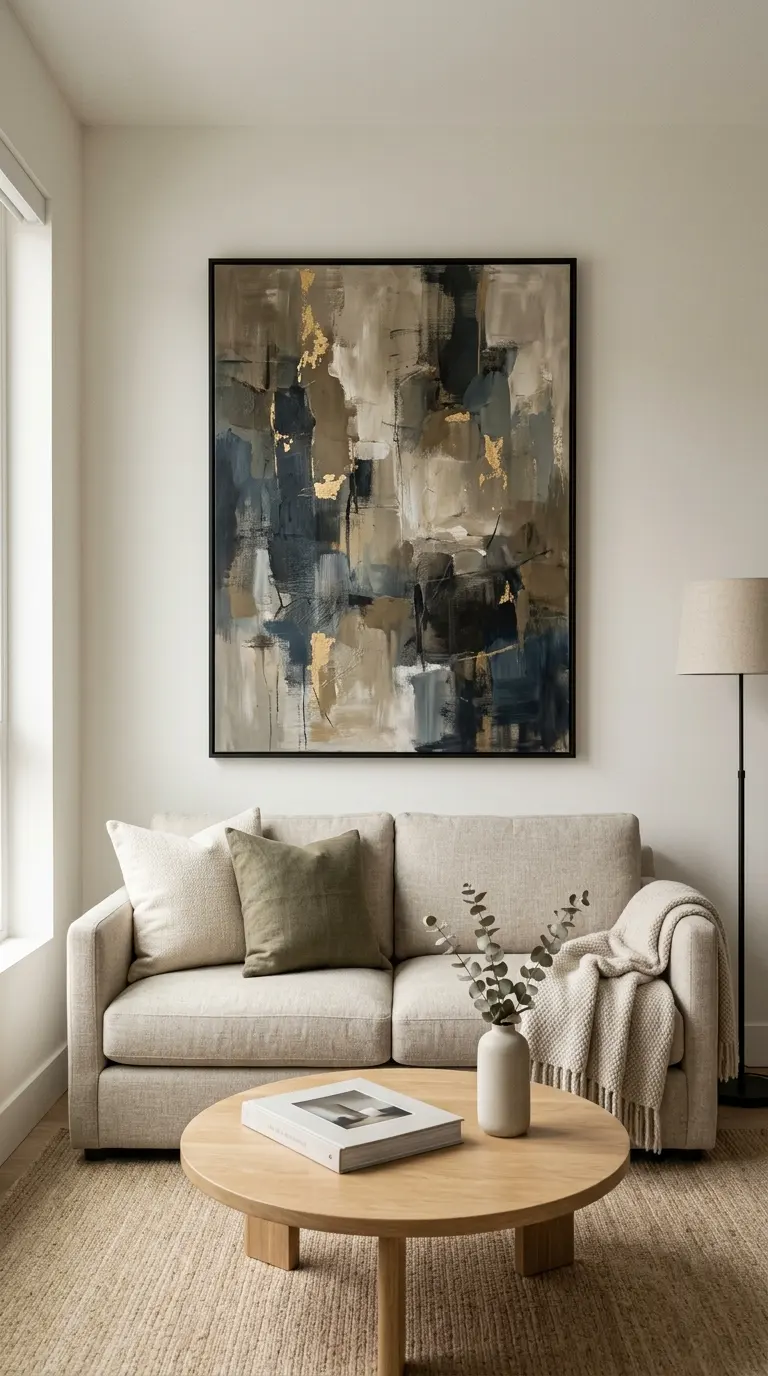
A room filled with many small decorative objects often feels busier and more cramped than a room with one or two larger statement pieces. The eye has fewer things to process, which makes the space feel calmer and more open. This applies to art, furniture, and accessories alike.
Choose one large piece of art instead of a gallery wall of small frames, or one substantial floor lamp instead of three small table lamps. This approach also tends to look more intentional and curated. Less truly is more when space is limited.
15. Declutter Visible Surfaces Completely
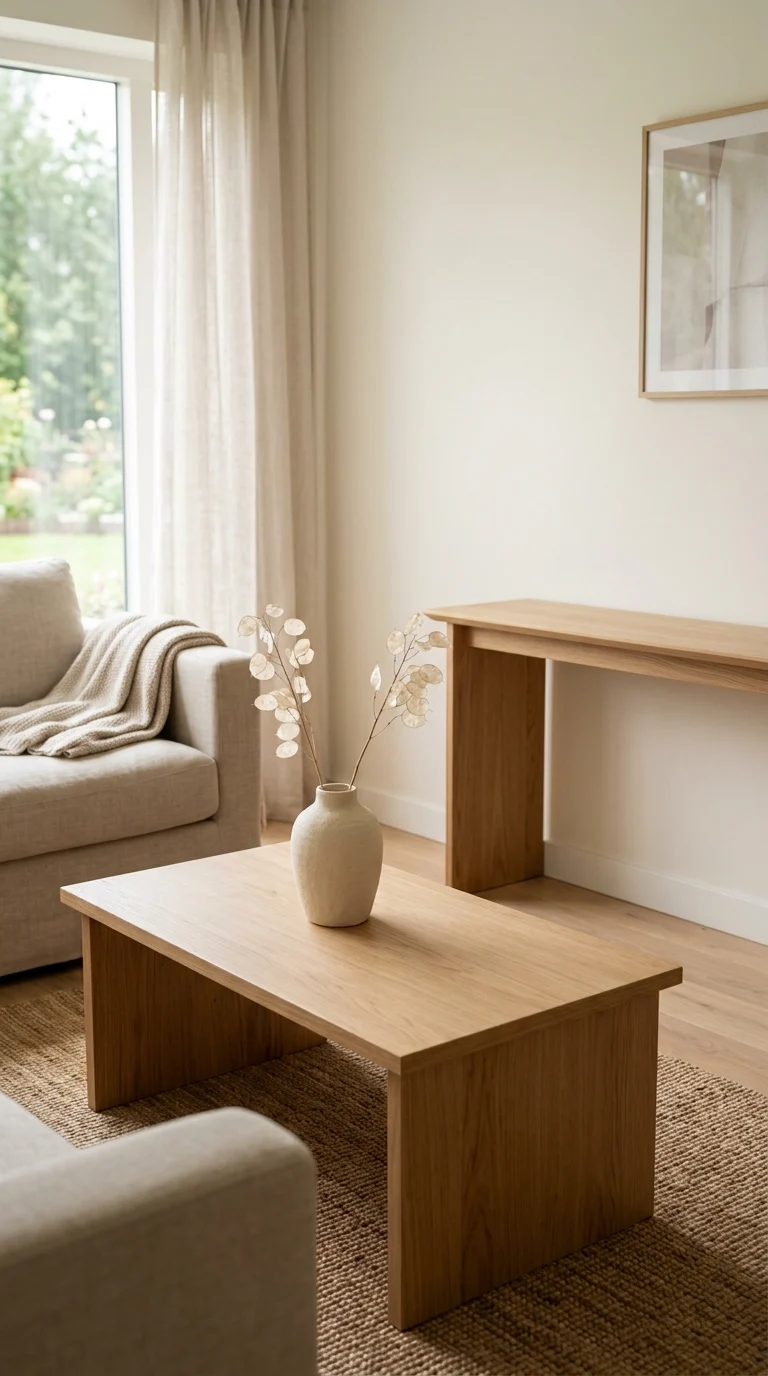
Cluttered countertops, tables, and shelves make a small room feel chaotic and tight, even if the underlying square footage is perfectly reasonable. Clearing visible surfaces, even temporarily, gives the eye room to rest and makes the whole space feel calmer. This is one of the fastest, free changes you can make today.
Store everyday items in drawers, baskets, or cabinets rather than leaving them out on display. Keep only one or two intentional decor pieces on any given surface. A clear surface reads as more space, even when nothing physical has changed.
Frequently Asked Questions
What is the single best trick for making a small room look bigger?
Using a large mirror opposite a window tends to have the most immediate visual impact, since it reflects light and adds depth. Pairing it with a light, continuous color palette amplifies the effect even more.
Does paint color really make a room look bigger?
Yes, light, soft colors reflect more light and create fewer visual breaks than dark or contrasting colors. Painting walls, trim, and ceiling the same shade is one of the most effective tricks designers use.
Should I avoid dark furniture in a small room?
Not necessarily, but balance matters. A few dark accent pieces against a light backdrop can work well, while an entire room of heavy, dark furniture tends to feel smaller.
Do high ceilings make small rooms feel bigger automatically?
Higher ceilings help, but you still need to draw the eye upward with curtains, tall decor, or vertical lines to fully take advantage of that height. Without those cues, the extra height can go unnoticed.
Is decluttering really enough to make a room feel bigger?
Decluttering alone will not change the physical square footage, but it makes a noticeable difference in how spacious a room feels. It is one of the easiest and most immediate tricks on this list.
Can rugs make a small room look smaller if I choose the wrong size?
Yes, a rug that is too small for the furniture arrangement can make the room look disjointed and choppy. A properly sized rug that anchors the seating area helps the room feel larger and more cohesive.
What is a common mistake people make when trying to maximize space?
Pushing all furniture against the walls is one of the most common mistakes. It often makes a room feel like an empty showroom rather than an inviting, lived-in space.
Conclusion
Making a small room look bigger comes down to a series of small, thoughtful choices rather than one major change. Light colors, smart furniture placement, and a few well-placed mirrors can transform how a space feels without any construction at all. Designers rely on these tricks because they consistently work, no matter the room size.
Try one or two ideas from this list and see how much more open your space feels right away. Sometimes the biggest difference comes from the smallest adjustments.