40 Affordable Headboards That Instantly Upgrade a Bedroom

Introduction
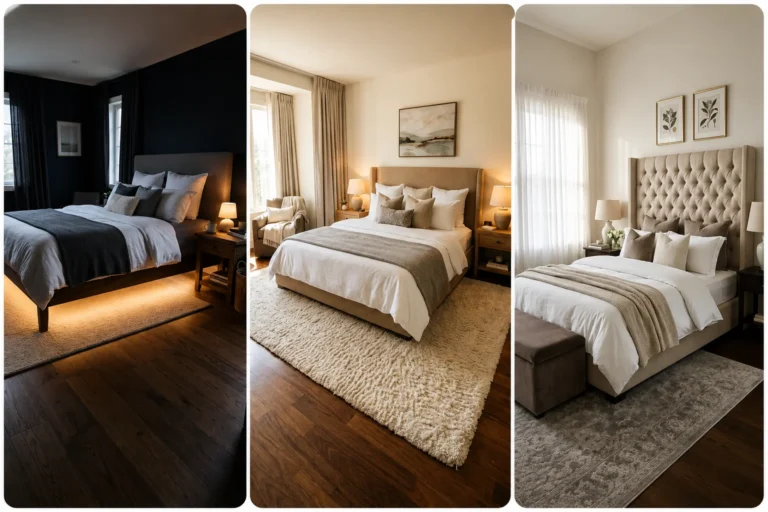
A headboard does more work than most people give it credit for. It anchors the bed, gives the eye a clear stopping point, and turns a mattress pushed against a wall into an actual piece of furniture. Skip it, and even a beautifully made bed looks slightly unfinished.
The good news is that a real headboard upgrade rarely requires a real budget. Between budget-friendly retail options, DIY techniques, and a few clever renter-safe tricks, there is a genuinely affordable path to a headboard that looks considerably more expensive than it was.
This list covers forty ways to add a headboard to a bedroom, whether the goal is a quick weekend project or a simple, ready-made purchase.
1. Upholstered Panel Headboard
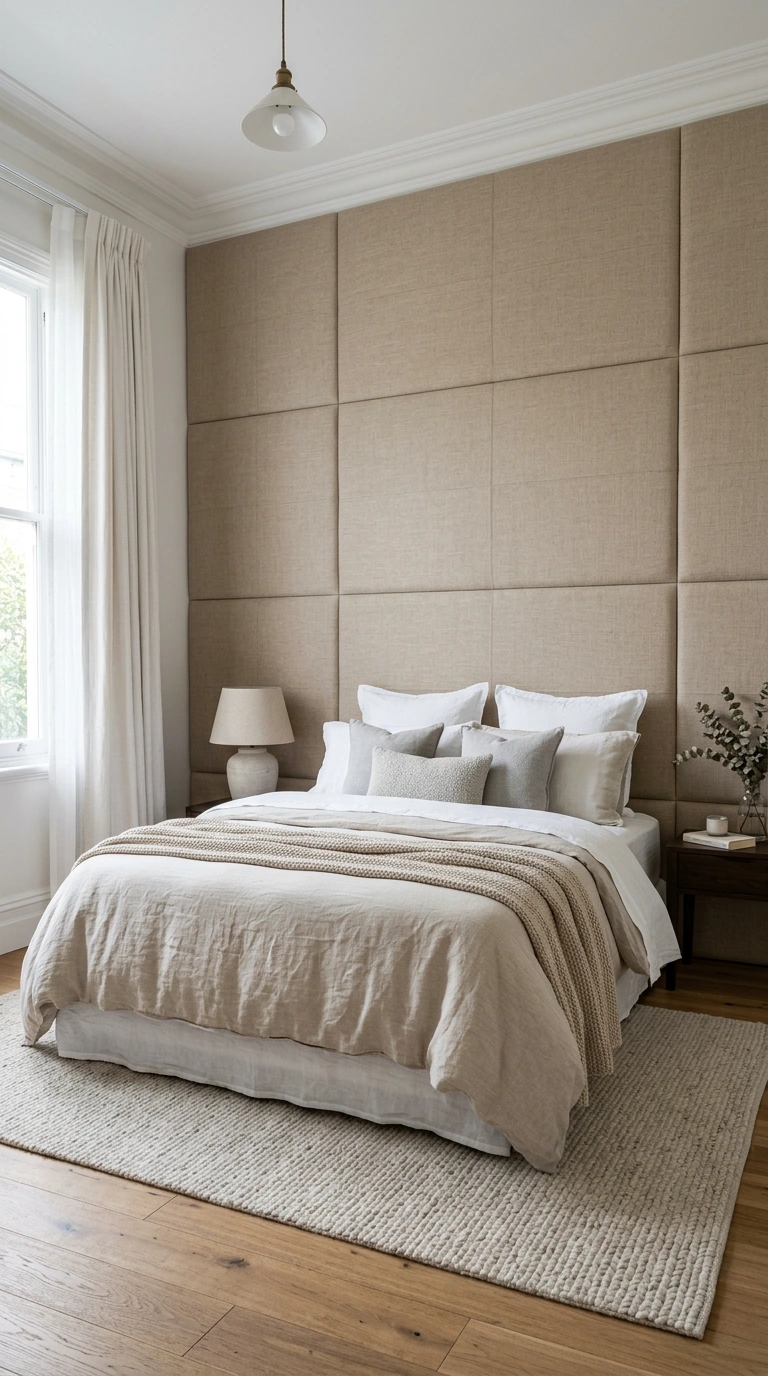
A single upholstered panel, foam-wrapped and covered in a fabric of your choice, remains the most reliable way to add softness and a tailored look to a bed without a large budget. It reads as considerably more expensive than the plywood and batting underneath actually cost.
Choose a fabric with some texture, a linen blend or a soft bouclé, since texture reads as quality even in a budget material. A simple rectangular shape mounted directly to the wall behind the mattress avoids the cost and complexity of a full frame-mounted piece.
Important: Mount any wall-attached headboard into wall studs, not just drywall anchors, if it will bear regular weight from leaning or pillows being propped against it. A headboard that shifts or falls is both a safety issue and an easy way to damage the wall.
2. Nathan James Harlow Headboard
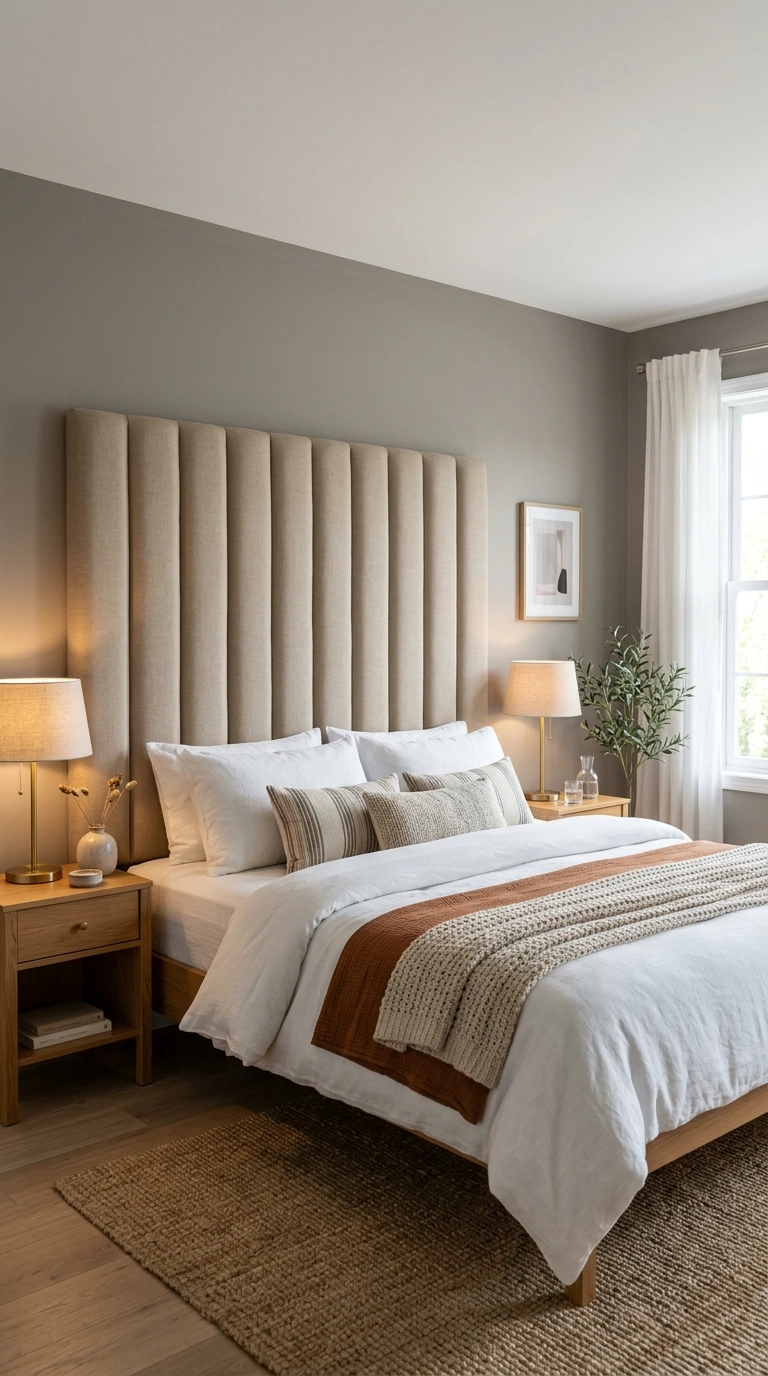
Nathan James has built a strong reputation in the budget-to-mid-range headboard space, and the Harlow model in particular is frequently cited for looking noticeably more premium than its price point suggests, thanks to clean channel tufting and sturdy wall-mounted hardware.
It works with essentially any bed frame since it mounts independently to the wall, which makes it a flexible choice for anyone who might change their bed frame down the line without needing to replace the headboard as well.
3. Zinus Upholstered Headboard
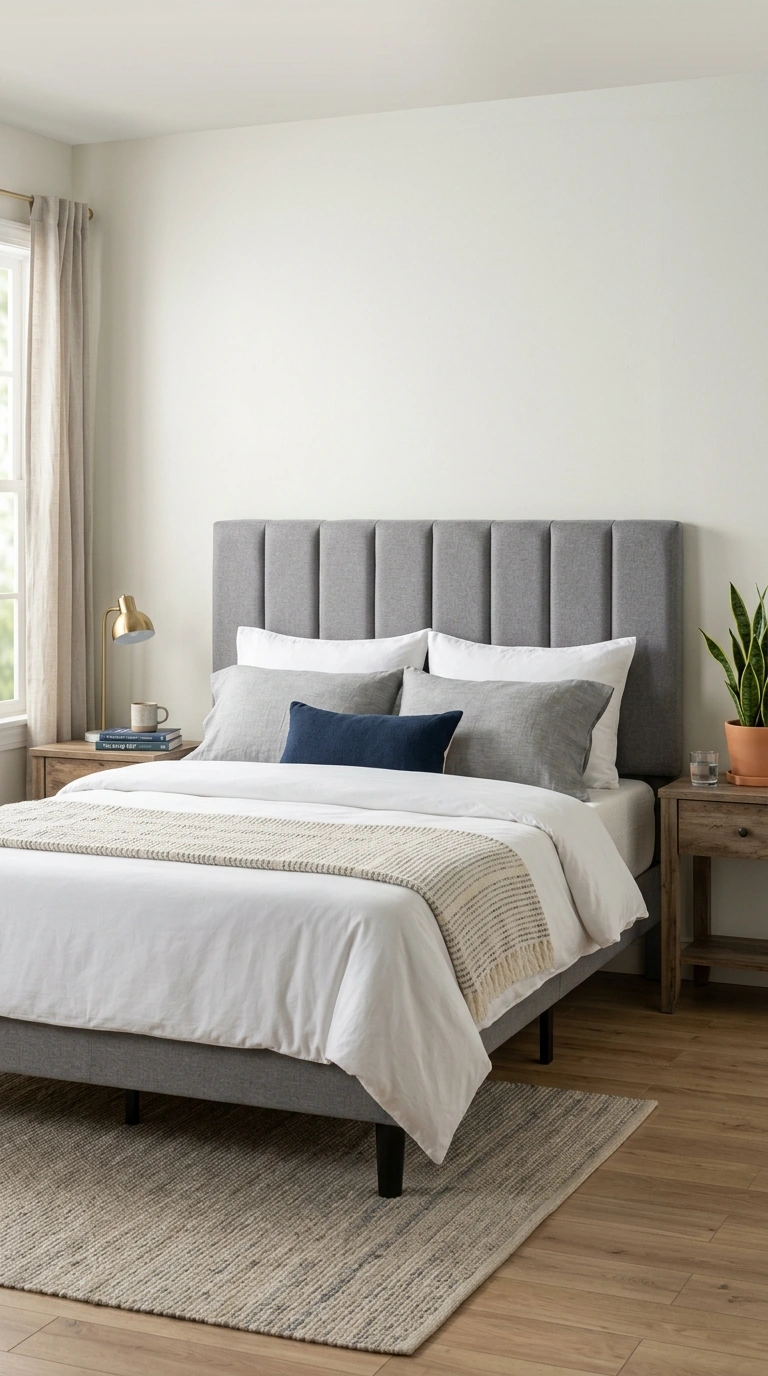
Zinus brings the same value-focused approach from its mattress business into its headboard line, and its upholstered options consistently rank among the most affordable genuinely padded headboards available at major retailers.
The tradeoff is a simpler silhouette compared to pricier tufted options, but for a guest room, a rental, or a first apartment, the Zinus line delivers real comfort against the back for reading or scrolling in bed at a price that rarely strains a tight budget.
4. Wallpaper Headboard Shape
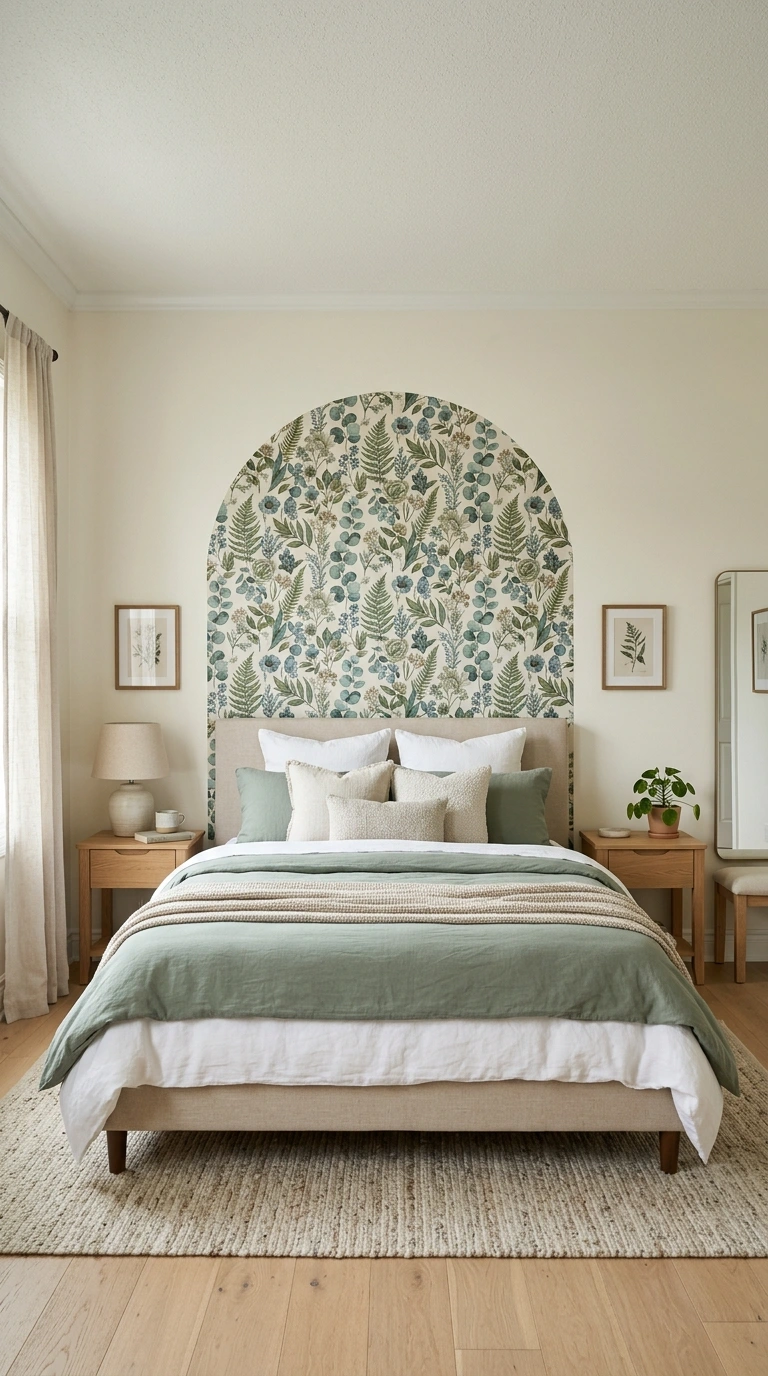
Painting or applying wallpaper in the shape of a headboard directly onto the wall behind the bed is one of the lowest-cost ways to add a defined focal point without buying any furniture at all. A simple arched or rectangular outline reads surprisingly intentional once bedding and pillows are styled in front of it.
Peel-and-stick wallpaper makes this approach fully renter-friendly and reversible, and even a small remnant roll is usually enough to cover the shape, since a headboard silhouette rarely spans the full width of a standard wallpaper roll.
Pro Tip: If using patterned wallpaper for a shaped headboard, center the most visually interesting part of the pattern repeat in the middle of the shape before cutting. This single step makes the difference between a considered design choice and an awkward crop.
5. Reclaimed Door Headboard
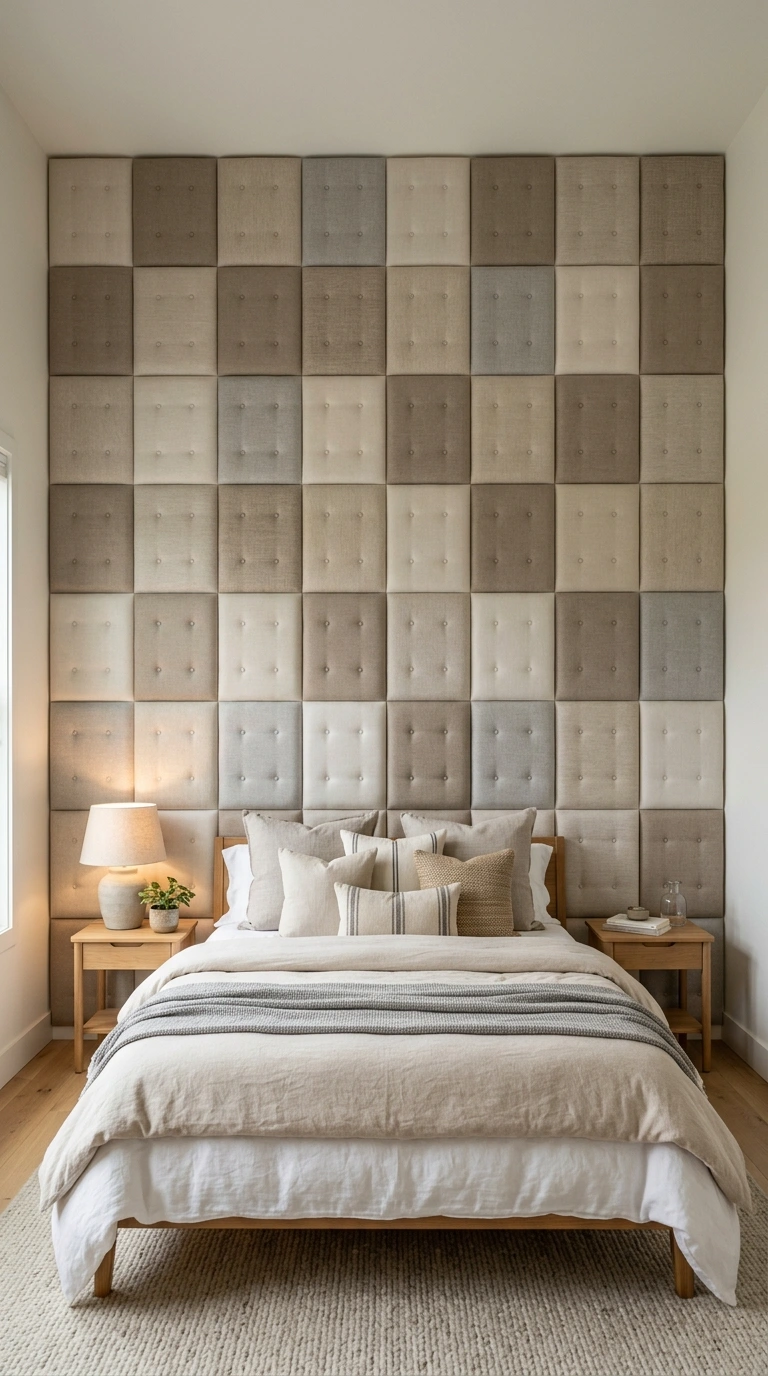
An old wooden door, sourced from a salvage yard, a thrift store, or even a neighbor’s renovation discard pile, makes a genuinely striking headboard once cleaned, sanded, and finished with paint or stain. The existing panel details and hardware often need no additional embellishment.
Mount it horizontally for a wide, low-profile look or vertically for a taller, more dramatic statement. Either orientation brings a sense of history and material richness to the bed that a new, mass-produced headboard cannot easily replicate.
6. Fabric Panel Grid Headboard
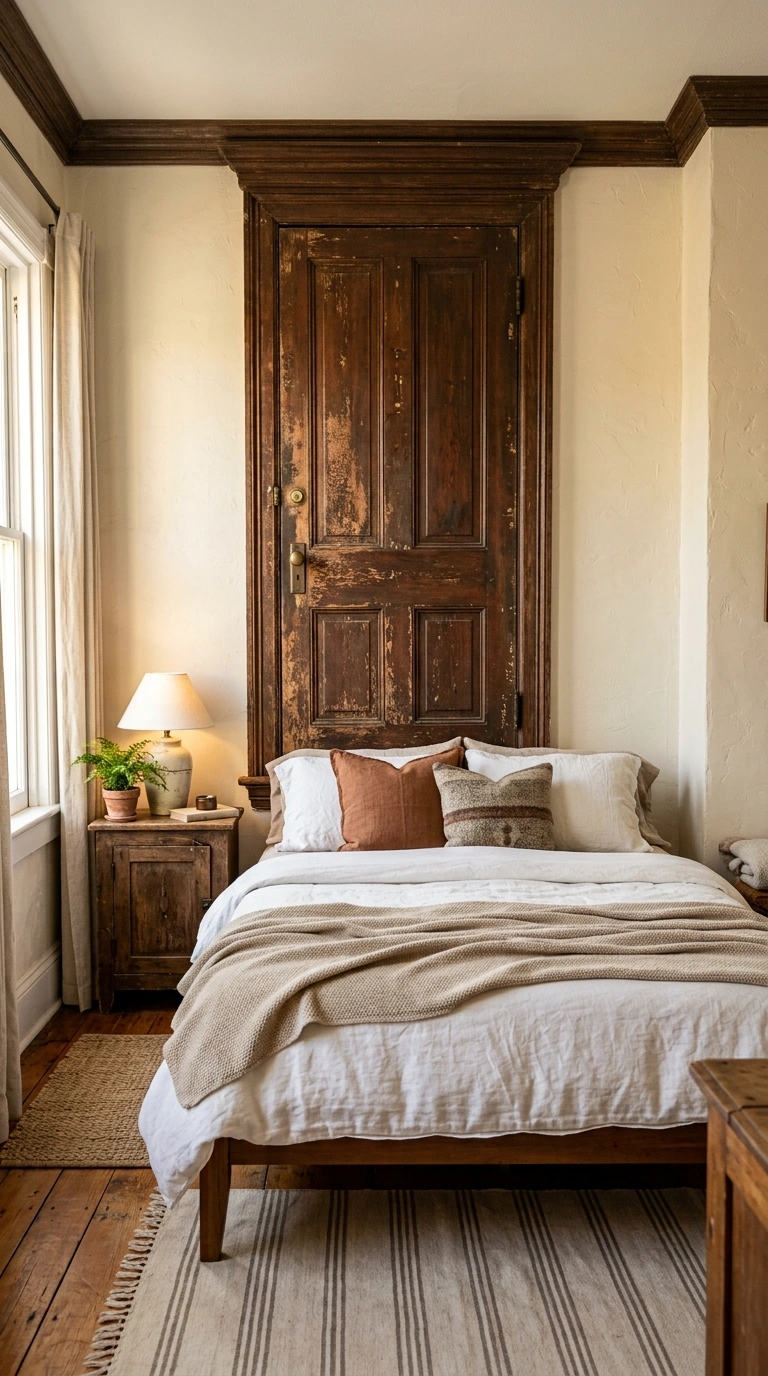
A grid of individually upholstered fabric squares or rectangles, mounted directly to the wall in a symmetrical arrangement, creates a modular, gallery-like headboard that can be sized to fit any bed width. Each panel is inexpensive on its own, which keeps the overall project affordable even at a larger scale.
Choosing two or three coordinating fabrics across the grid, rather than a single repeated pattern, adds visual interest without looking chaotic. This approach also allows individual panels to be replaced later if one becomes worn or stained.
7. Woven Wall Hanging as a Headboard
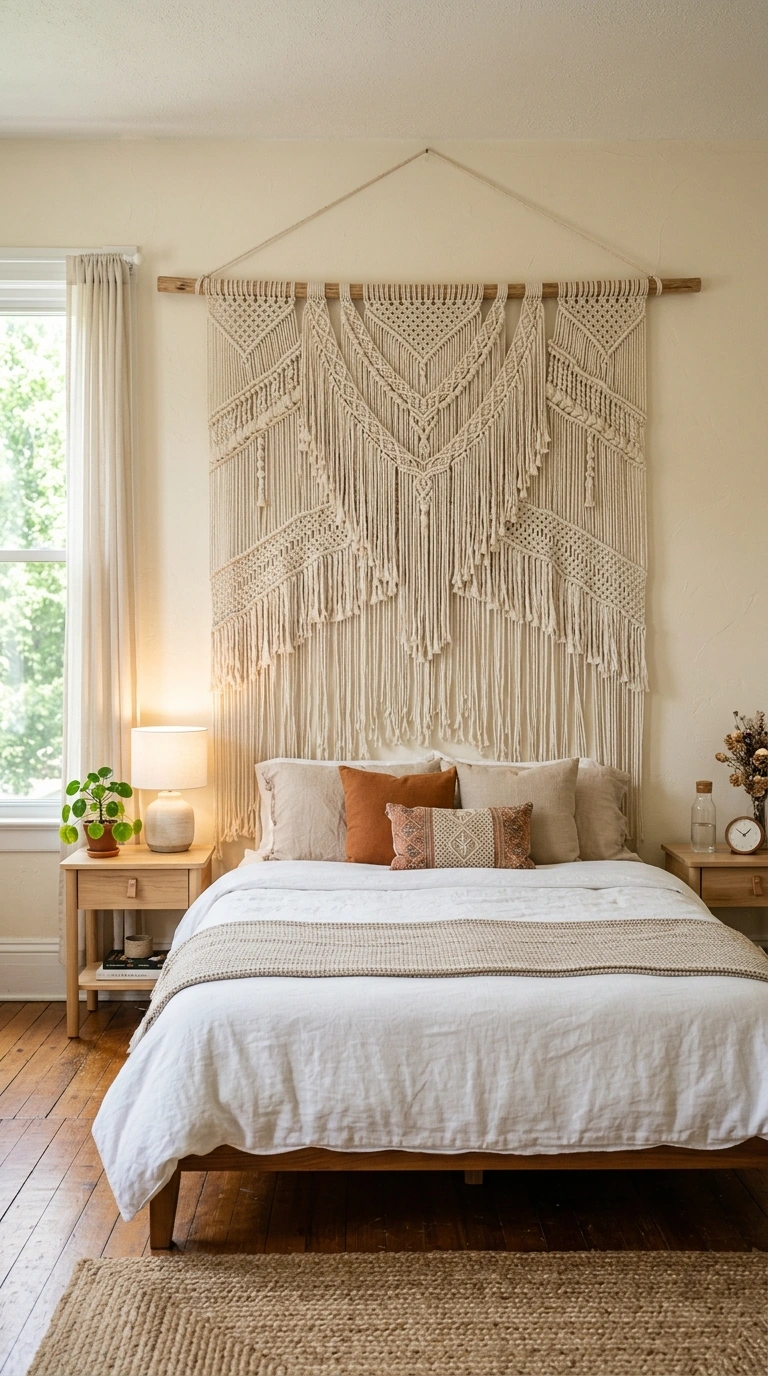
A large woven tapestry or macrame wall hanging, positioned directly behind the bed, functions as a soft, textural headboard alternative without any wall-mounting hardware beyond a simple hook or rod. This works particularly well in boho or naturalistic bedroom styles.
Because these pieces are lightweight and widely available at accessible price points, this is one of the fastest headboard solutions on this list to install, often taking less than ten minutes from unpacking to hanging.
8. Painted Plywood Headboard
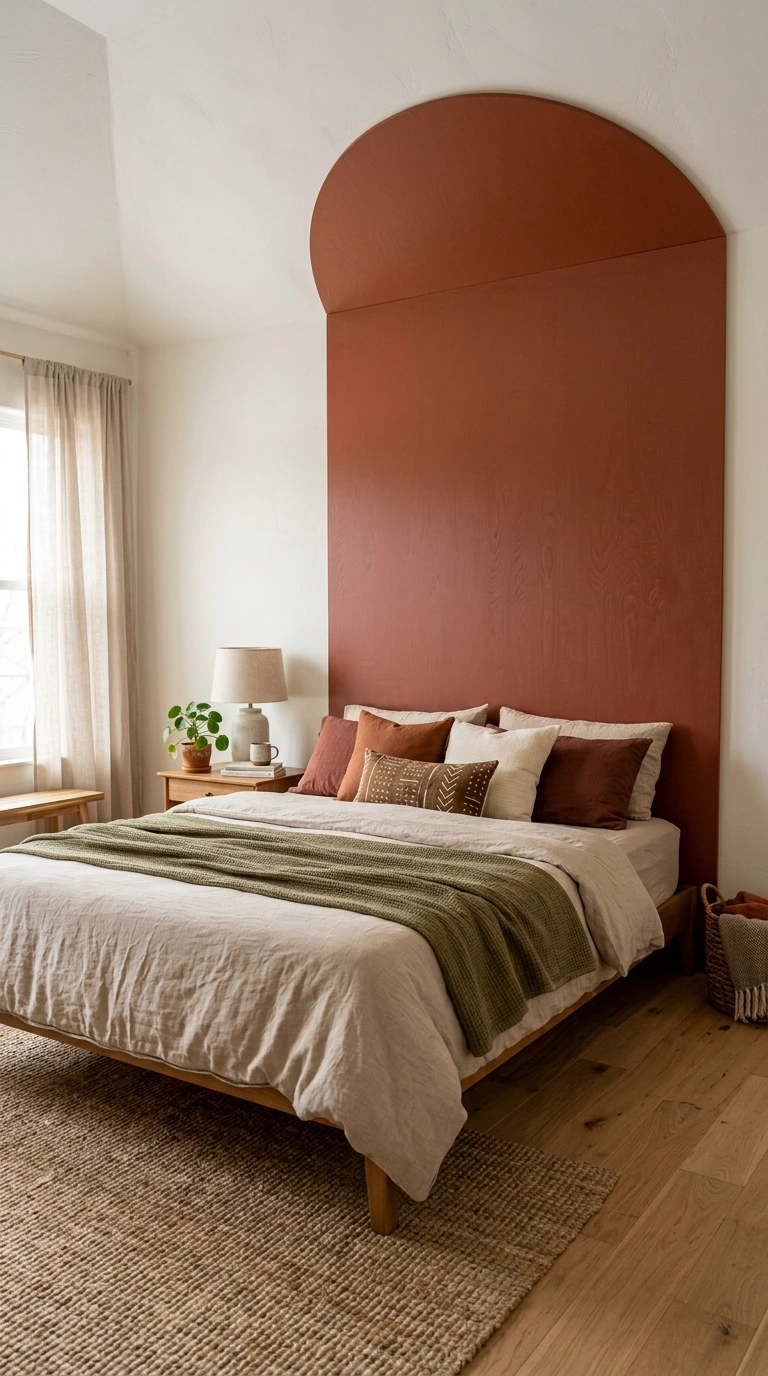
A single sheet of plywood, cut to size and finished with paint in a bold or subtle color, is one of the most budget-friendly ways to add a defined headboard shape to a bed. A curved or arched top edge, cut with a jigsaw, elevates the look well beyond its material cost.
This approach also serves as a blank canvas for further customization, whether that means a stenciled pattern, a two-tone color block, or simply a solid saturated hue that coordinates with the rest of the room’s palette.
Important: If cutting an arched or curved top edge into plywood, sand the edge thoroughly before painting. An unsanded cut edge absorbs paint unevenly and telegraphs the DIY process in a way that undermines the finished look.
9. Pegboard Headboard
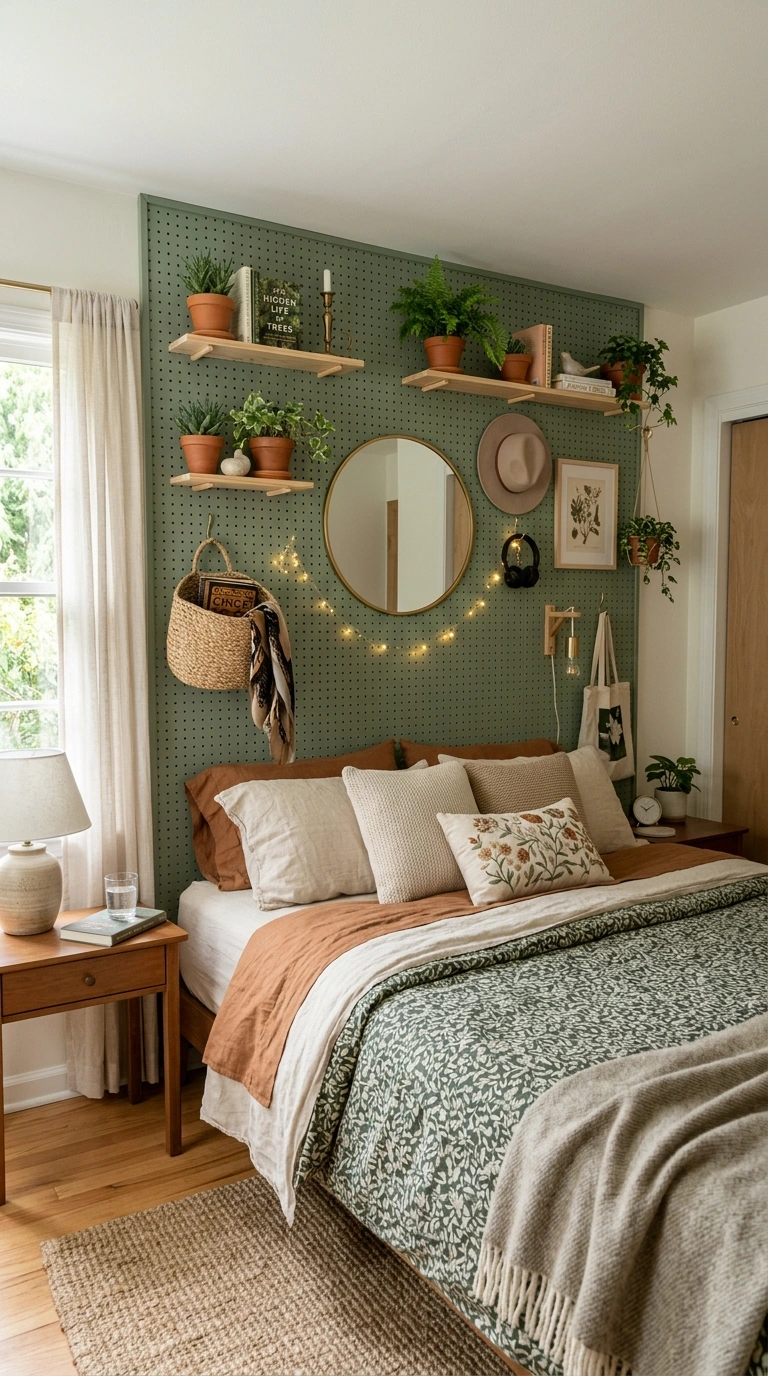
A painted pegboard panel, mounted behind the bed, doubles as both a headboard and a functional display surface for small shelves, hooks, or hanging art. This is a particularly strong option for a small bedroom or a home office that also functions as a guest room.
Choose a pegboard finish that coordinates with the room’s existing palette, since an unfinished or mismatched pegboard reads as utilitarian rather than intentional. A coat of paint in a soft, coordinating tone solves this in under an hour.
10. Corkboard Headboard
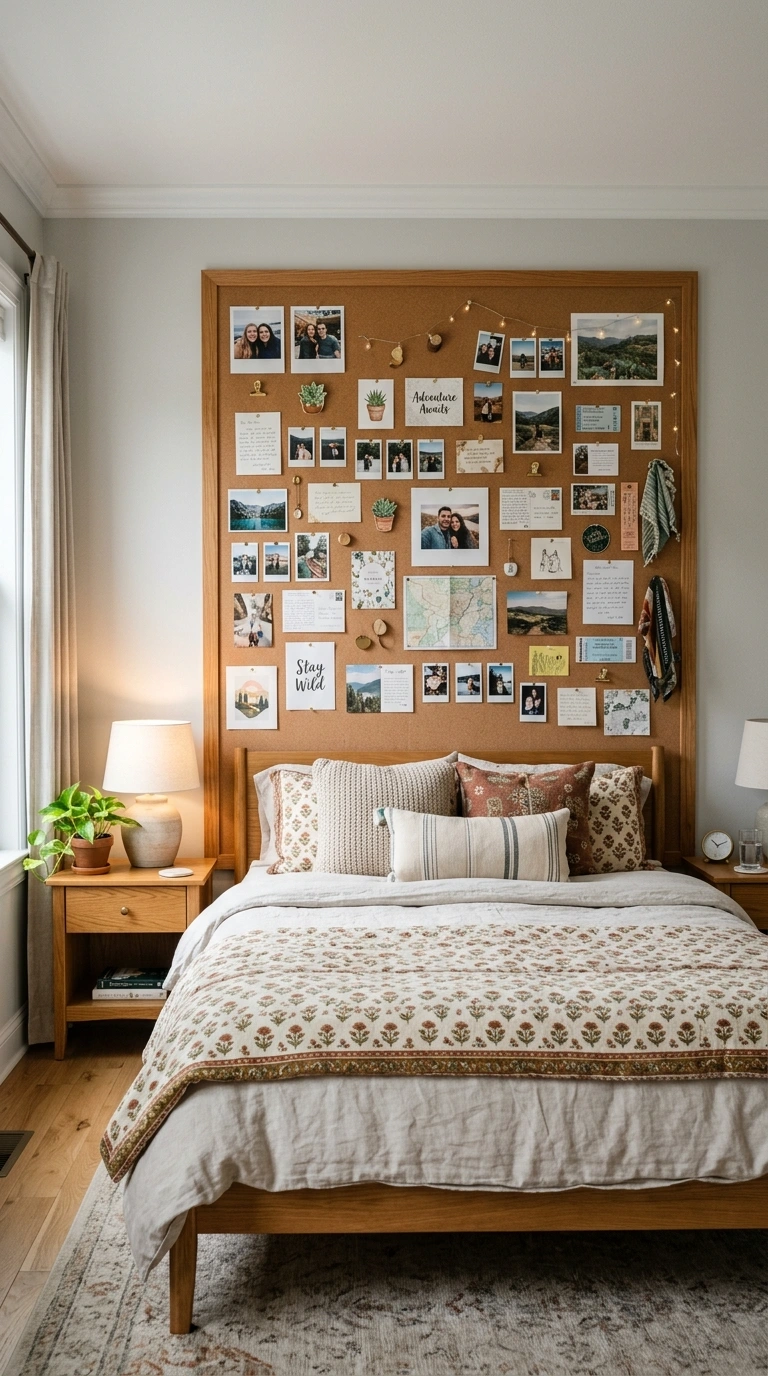
A large framed corkboard, mounted behind the bed at headboard height, brings a soft, textural, and genuinely functional surface to the wall, since it also serves as a place to pin photos, notes, or small decor. Framing the edges in a simple wood molding elevates it beyond its utilitarian origins.
This is an especially good fit for a teen bedroom, a dorm room, or a home office and guest room combination, where the practical function of the corkboard adds real value alongside its visual role as a headboard.
Quick Comparison: Headboard Types by Budget and Effort
| Headboard Type | Typical Cost | Effort Level | Renter-Friendly | Best For |
|---|---|---|---|---|
| Upholstered Panel | Low-Mid | Weekend project | Yes | Most bedroom styles |
| Ready-Made Wall-Mount | Low-Mid | Minimal | Yes | Quick, no-fuss upgrades |
| Reclaimed Door | Low | Half day | Depends on mounting | Rustic, vintage rooms |
| Wallpaper Shape | Very Low | An afternoon | Yes | Small or rental bedrooms |
| Painted Plywood | Low | Half day | Depends on mounting | Bold, colorful rooms |
Quick Shopping and Building Checklist
- ✅ Measure the bed width before choosing or building any headboard shape
- ✅ Mount into wall studs if the headboard will bear regular leaning weight
- ✅ Choose a height that still shows above the pillows once bedding is styled
- ✅ Sand any cut or raw edges thoroughly before painting or staining
- ✅ Confirm mounting hardware works with your specific bed frame type
- ✅ Choose peel-and-stick or hook-mounted options for rental-friendly setups
11. Nailhead Trim Upholstered Headboard
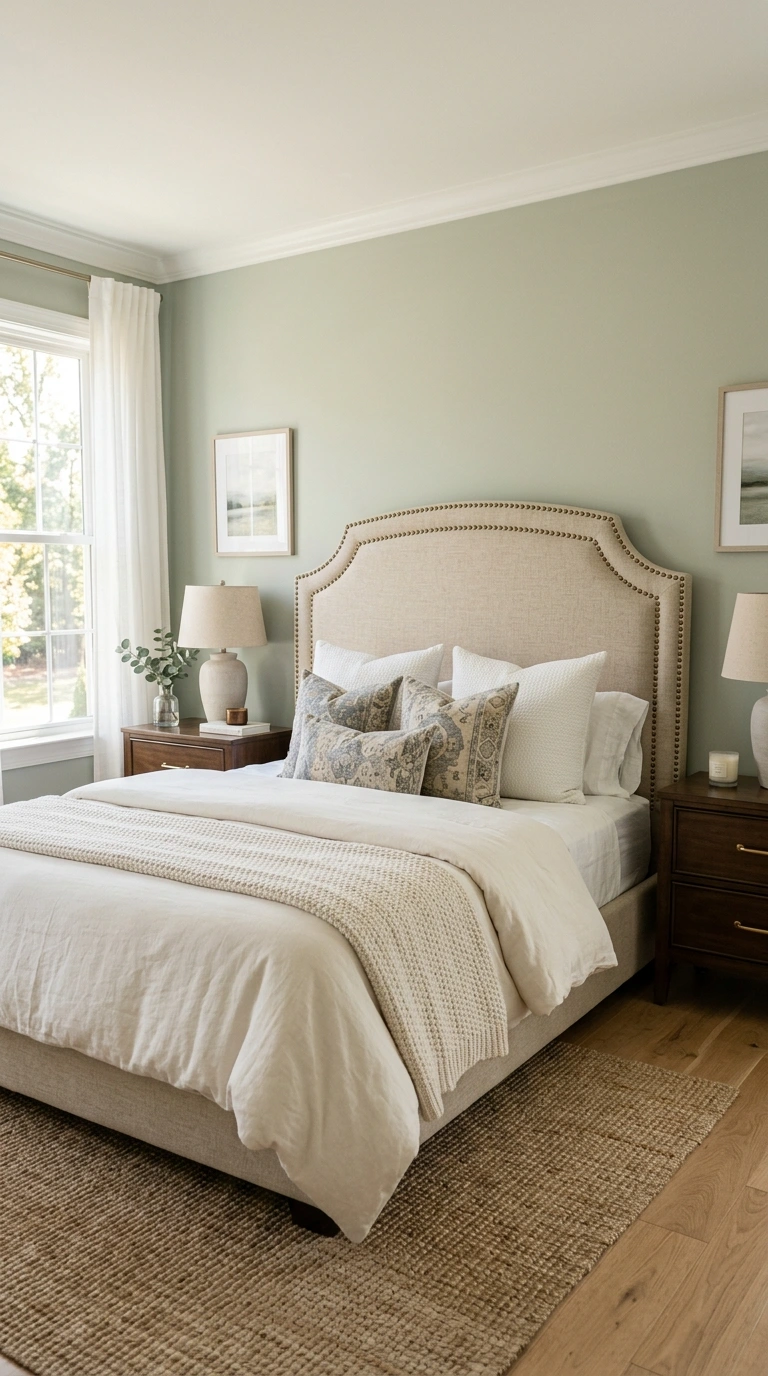
Adding a row of nailhead trim along the perimeter of an otherwise simple upholstered panel instantly elevates the finished look, bringing a tailored, furniture-store finish to what is otherwise a straightforward DIY project.
Nailhead trim strips, sold by the yard or in pre-spaced rolls, make this detail achievable without individually placing dozens of nails, which keeps the project firmly within a weekend timeframe and a modest budget.
12. Amazon Basics Metal Headboard
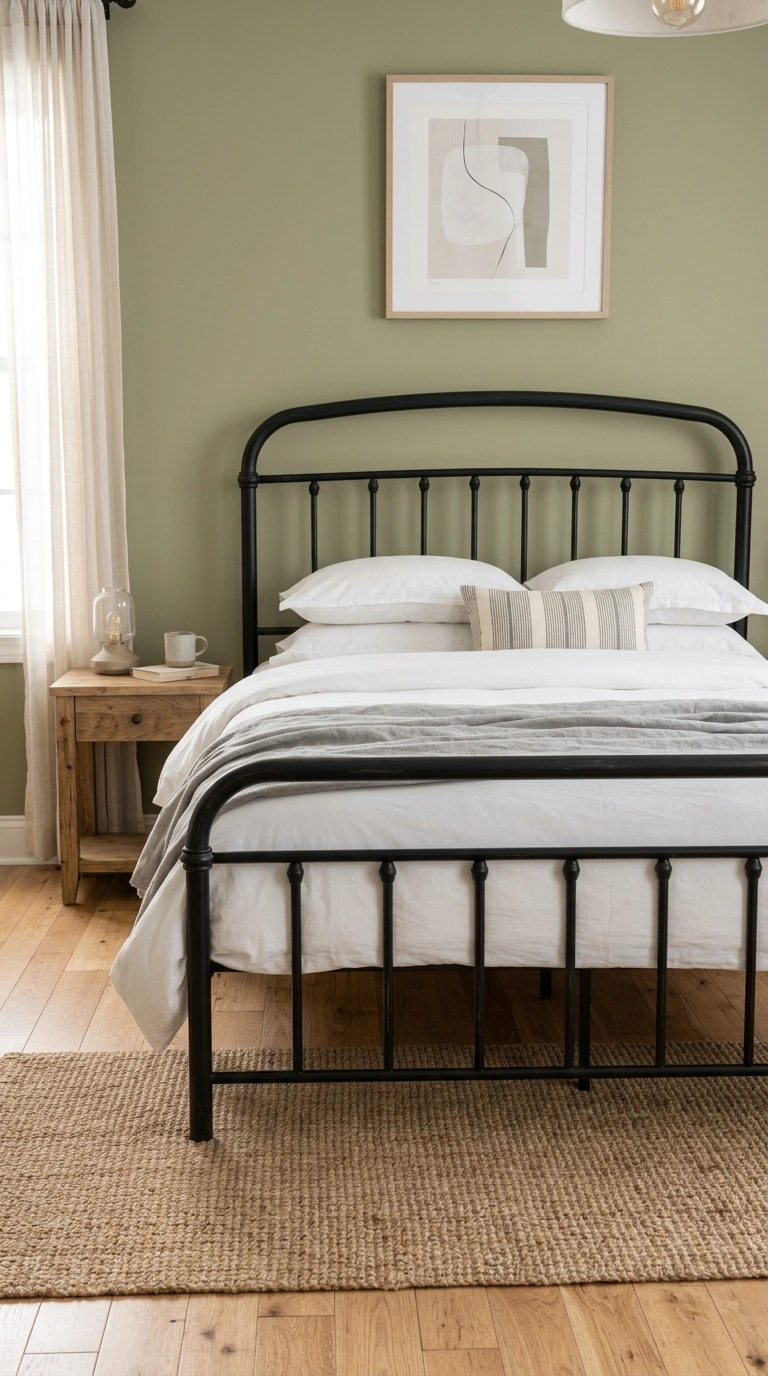
Amazon’s in-house furniture label offers several metal headboard options that consistently rank among the most affordable frame-mounted choices available, with a simple spindle or panel design that suits a clean, minimalist bedroom.
Metal headboards also tend to be lighter and easier to move than upholstered or wood alternatives, which matters for anyone who anticipates relocating or rearranging the bedroom layout more than once over the next few years.
13. IKEA Songesand Headboard
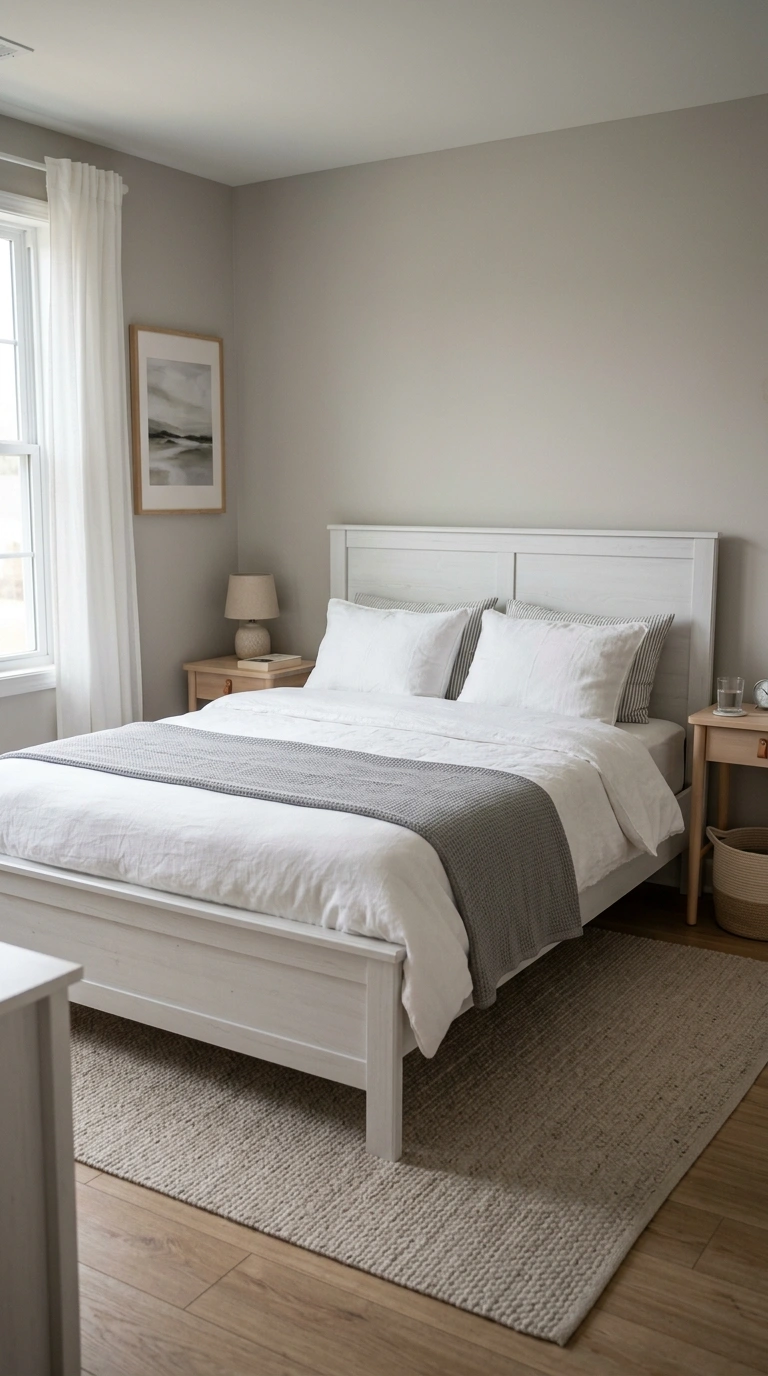
IKEA’s Songesand bed frame includes a simple, versatile headboard that pairs easily with the brand’s broader bedroom lines, offering a clean, adaptable silhouette that suits both traditional and more Scandinavian-leaning bedroom styles.
Because it is part of a full bed frame system rather than a standalone piece, it is worth comparing the total cost against a separate headboard purchase, particularly for anyone who already owns a bed frame and only needs the headboard component.
14. Arched Headboard Shape
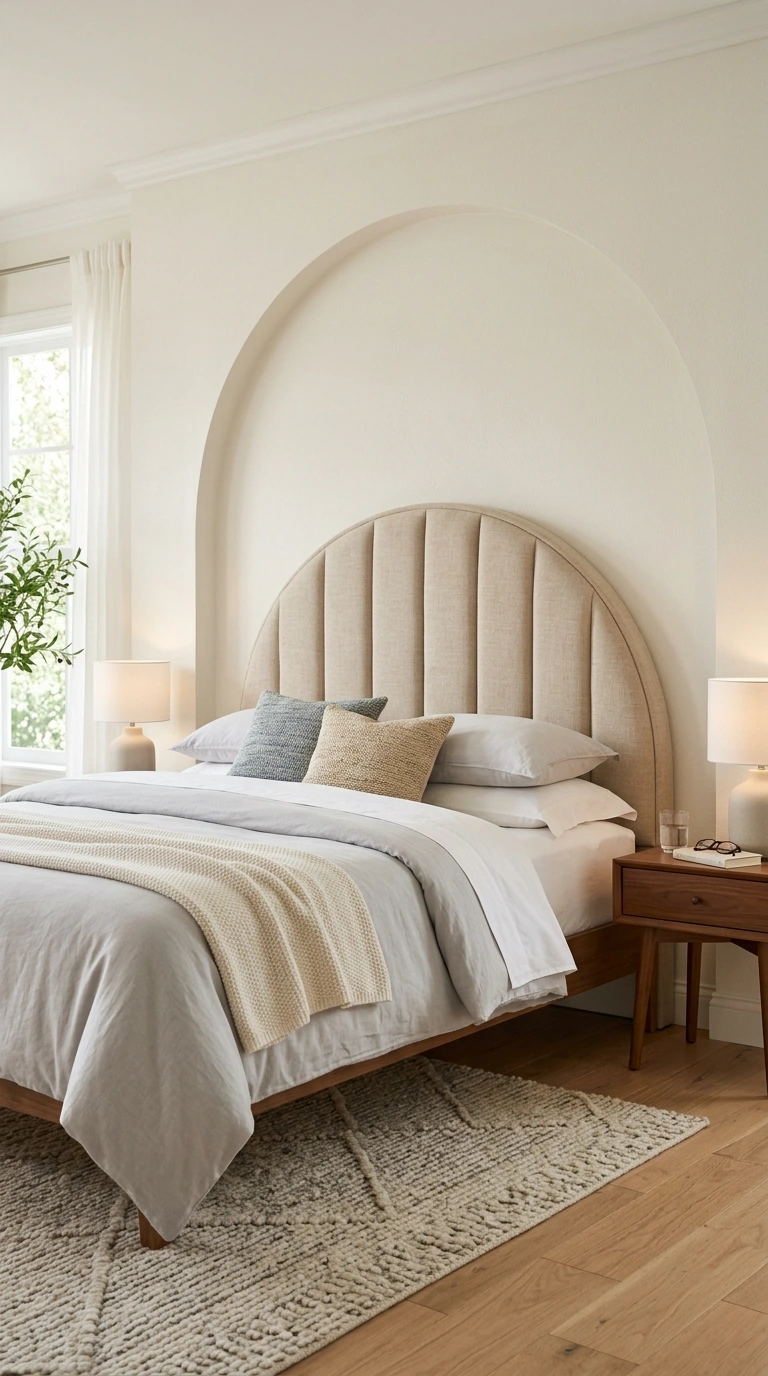
An arched top edge, whether cut into plywood, framed with wood trim, or painted directly onto the wall, brings a softer, more architectural silhouette than the standard rectangular headboard shape most budget options default to.
This detail works particularly well in older homes with arched doorways or windows, where it echoes existing architectural language elsewhere in the space, tying the bedroom’s design into the rest of the home rather than existing as an isolated choice.
Warning: An arched shape that is too shallow or too narrow relative to the bed width can look accidental rather than intentional. Sketch the proportions at full scale on paper or cardboard before cutting any actual material.
15. Floating Shelf Headboard Nook
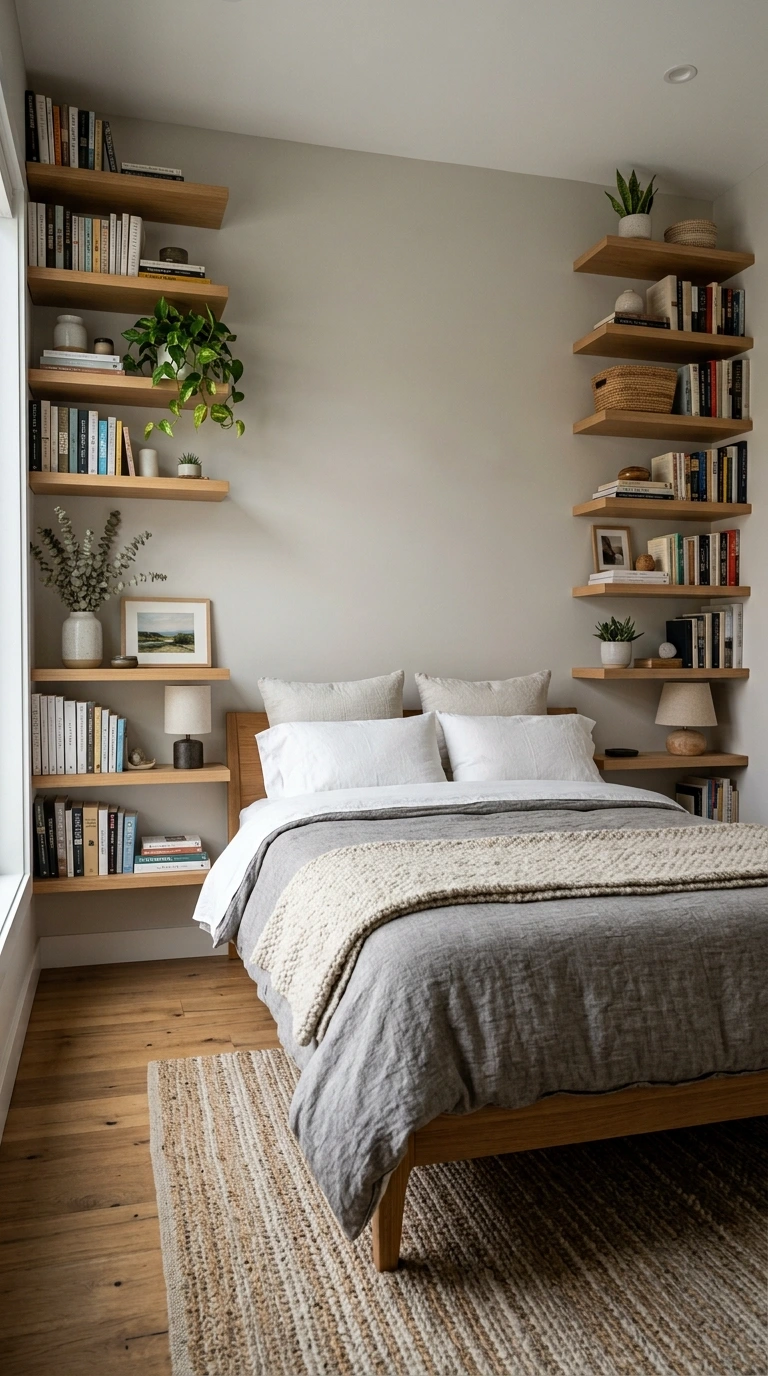
A pair of floating shelves, mounted at headboard height on either side of the bed, creates a defined visual frame around the sleeping area without a traditional headboard at all. The shelves double as functional nightstand alternatives in a small room.
This works particularly well in a compact bedroom where floor space for traditional nightstands is limited, since the shelves free up floor area while still giving the bed a clearly defined, intentional backdrop.
16. String Light Headboard Outline
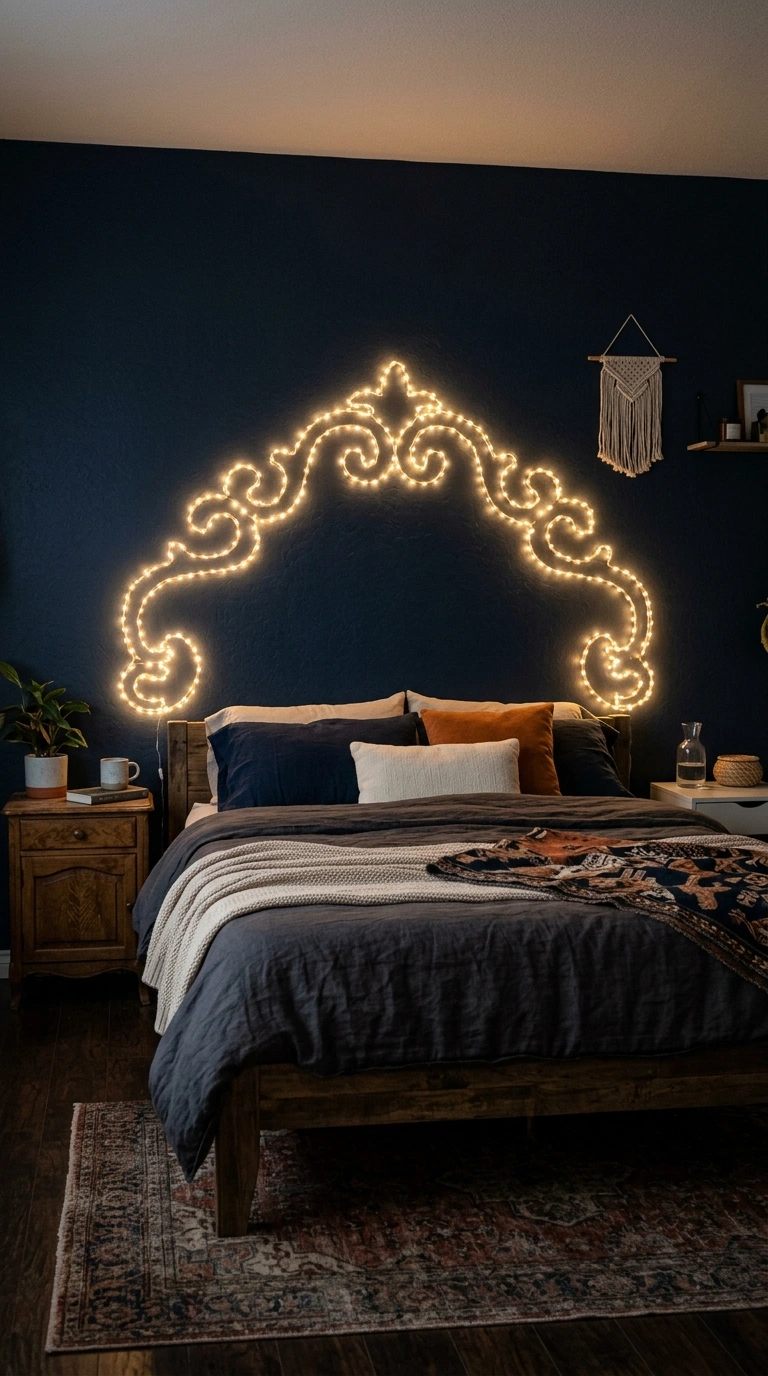
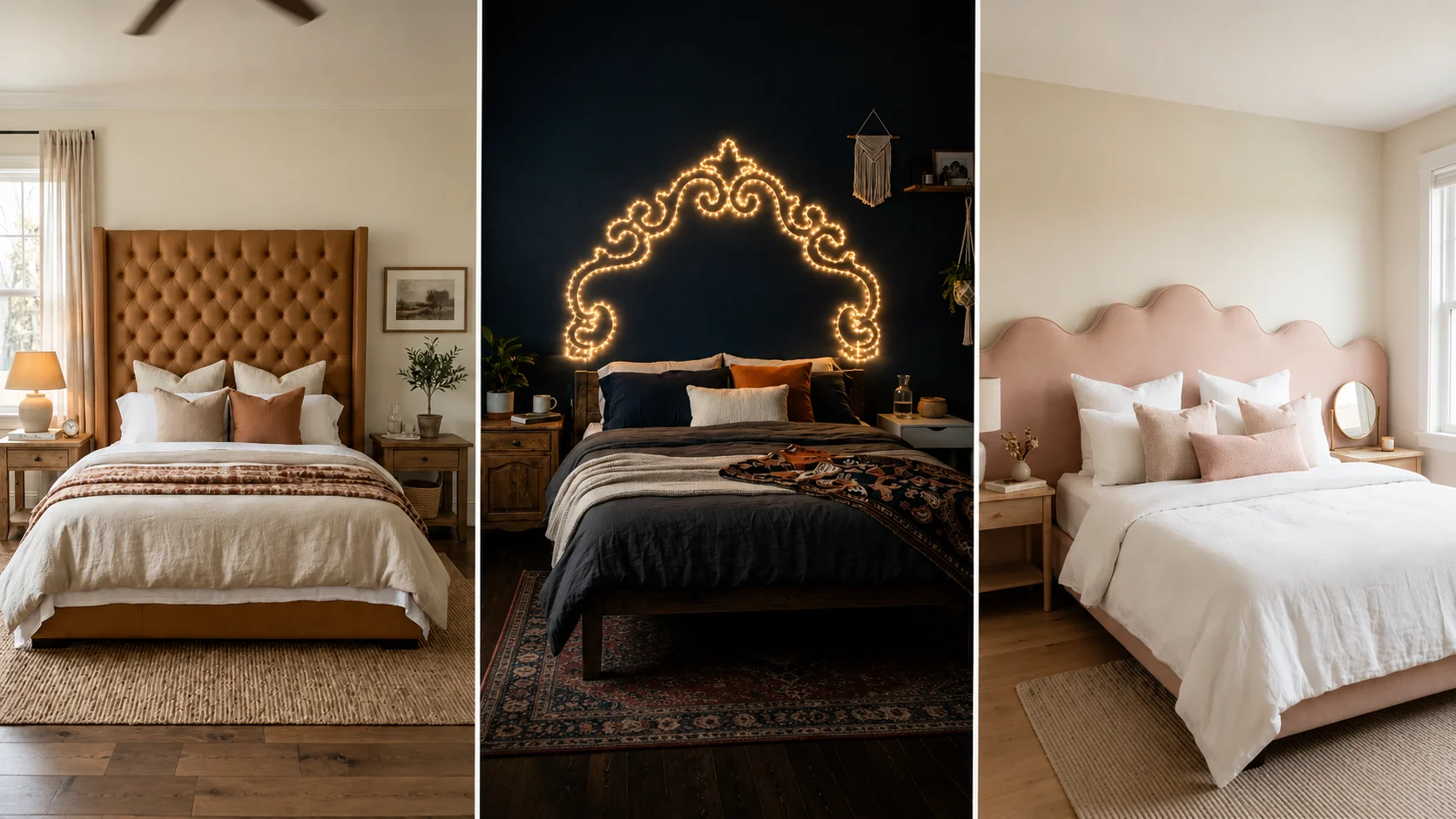
Outlining the shape of a headboard directly on the wall using warm string lights or a flexible LED strip creates a soft, glowing focal point that costs a fraction of any solid headboard while adding genuine ambient lighting to the room.
This is a particularly strong option for a dorm room, a rental, or a teen bedroom, where the light fixture itself becomes the headboard’s defining feature rather than a separate addition layered on top of it.
17. Wood Slat Headboard Wall
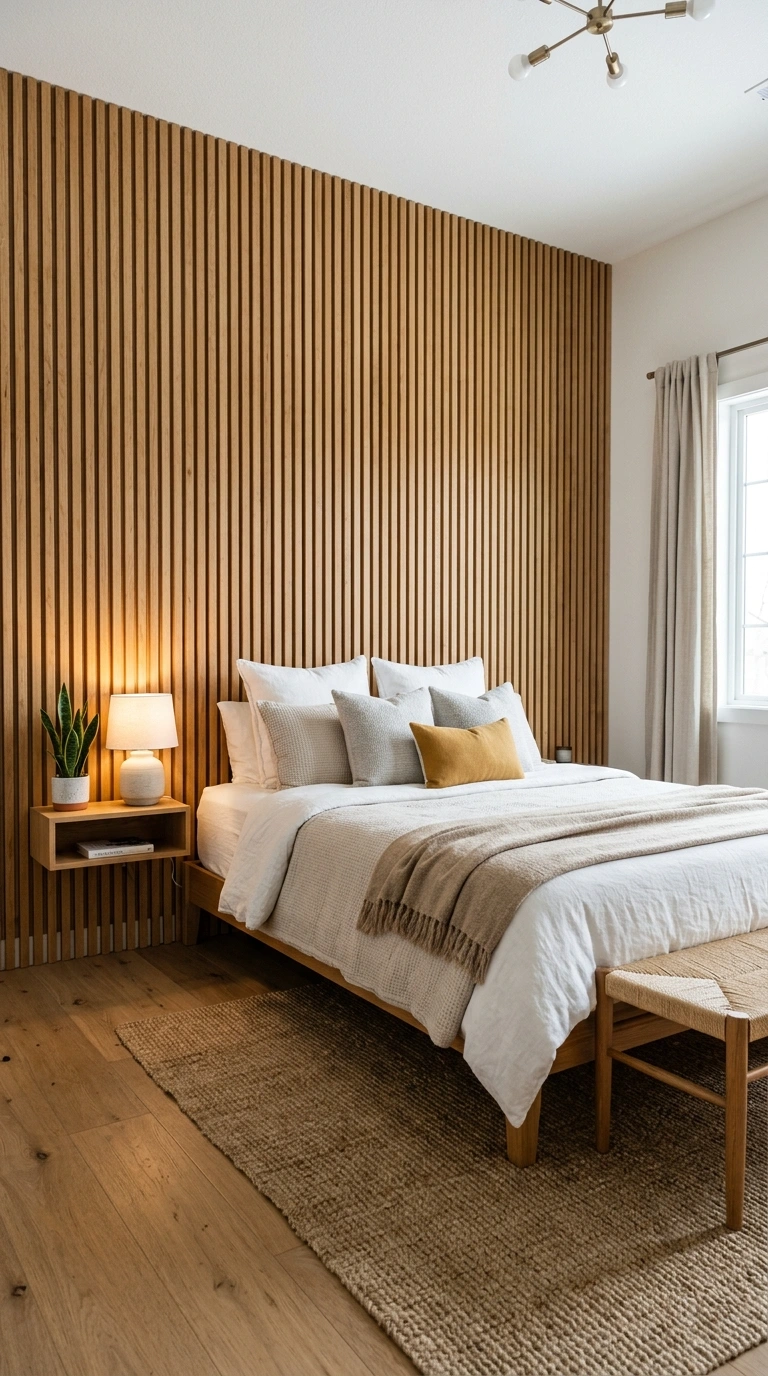
A section of vertical wood slats, matching the wood-slat accent wall trend seen throughout current interior design, mounted specifically behind and slightly wider than the bed, creates a headboard that reads as a genuine architectural feature rather than a furniture piece.
This approach scales easily to any bed width and can be extended floor to ceiling for a more dramatic statement or contained to just the headboard height for a more restrained, budget-conscious version of the same look.
18. Fluted Panel Headboard
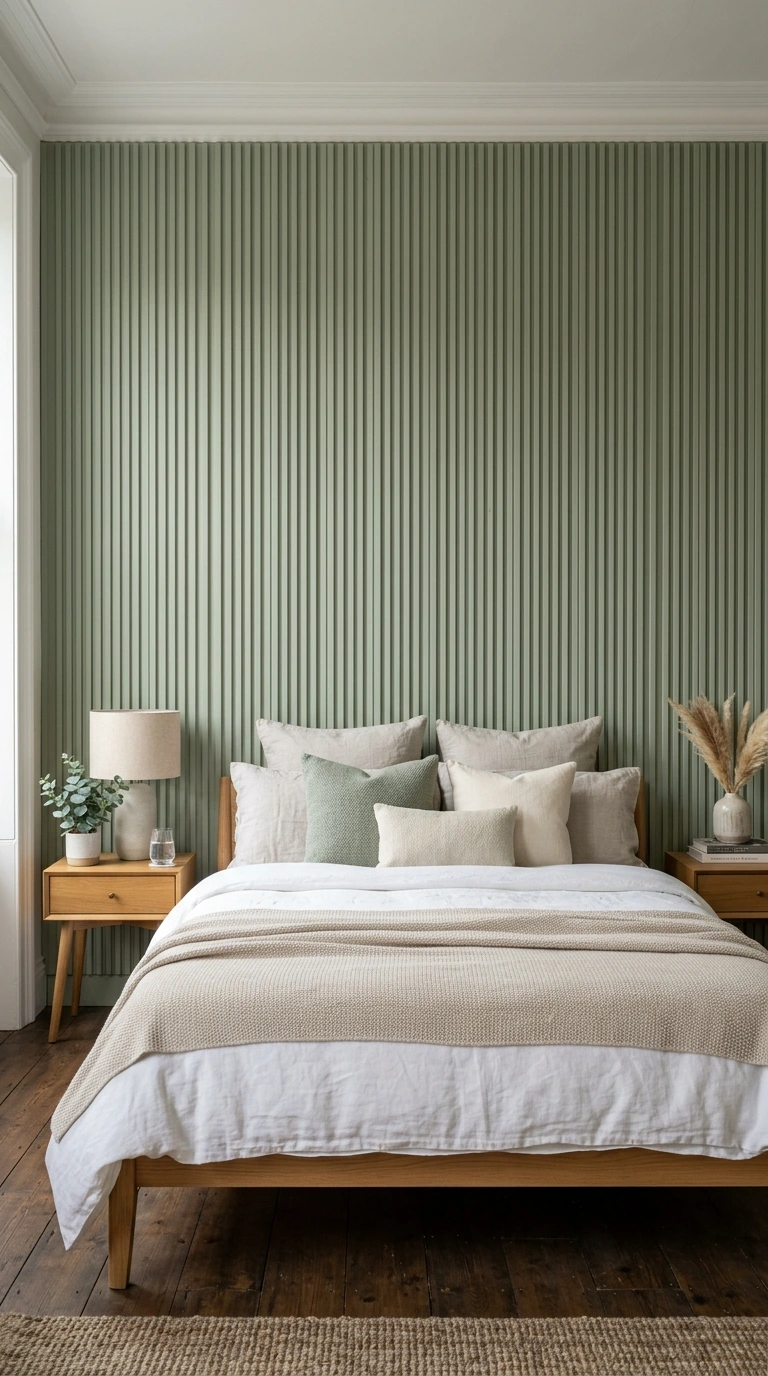
Fluted wood panels, either purchased as pre-made MDF sheets or built using simple dowels attached to a plywood base, bring a textured, architectural quality to a headboard that has become one of the most requested looks in bedroom design over the past several years.
Painted a soft, muted tone rather than left as raw wood, a fluted headboard panel reads as considerably more custom and higher-end than its actual material cost, particularly when the fluting extends the full width of the bed.
Pro Tip: Paint a fluted headboard panel with a slightly darker wash in the grooves before the final topcoat. This subtle shadow effect deepens the texture and makes the fluting read as more substantial than a single flat coat of paint would achieve.
19. Decorative Molding Headboard
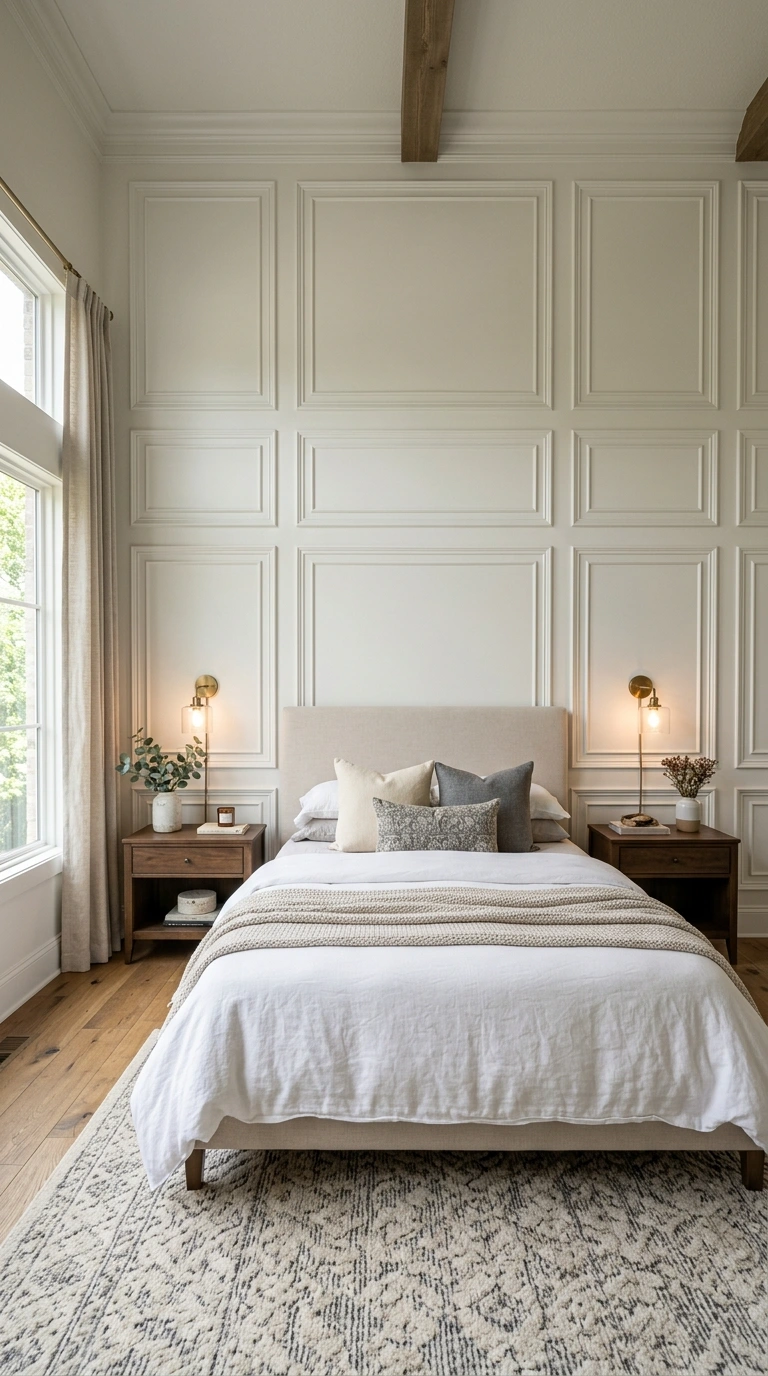
Applying simple picture-frame molding directly to the wall in a rectangular or paneled arrangement behind the bed creates the impression of a built-in, architectural headboard using only inexpensive trim strips from a hardware store.
Paint the molding the same color as the wall for a subtle, tone-on-tone effect, or choose a contrasting color for a more traditional, defined look. Either approach transforms a plain wall into something that reads as intentionally designed.
20. Rattan or Cane Headboard
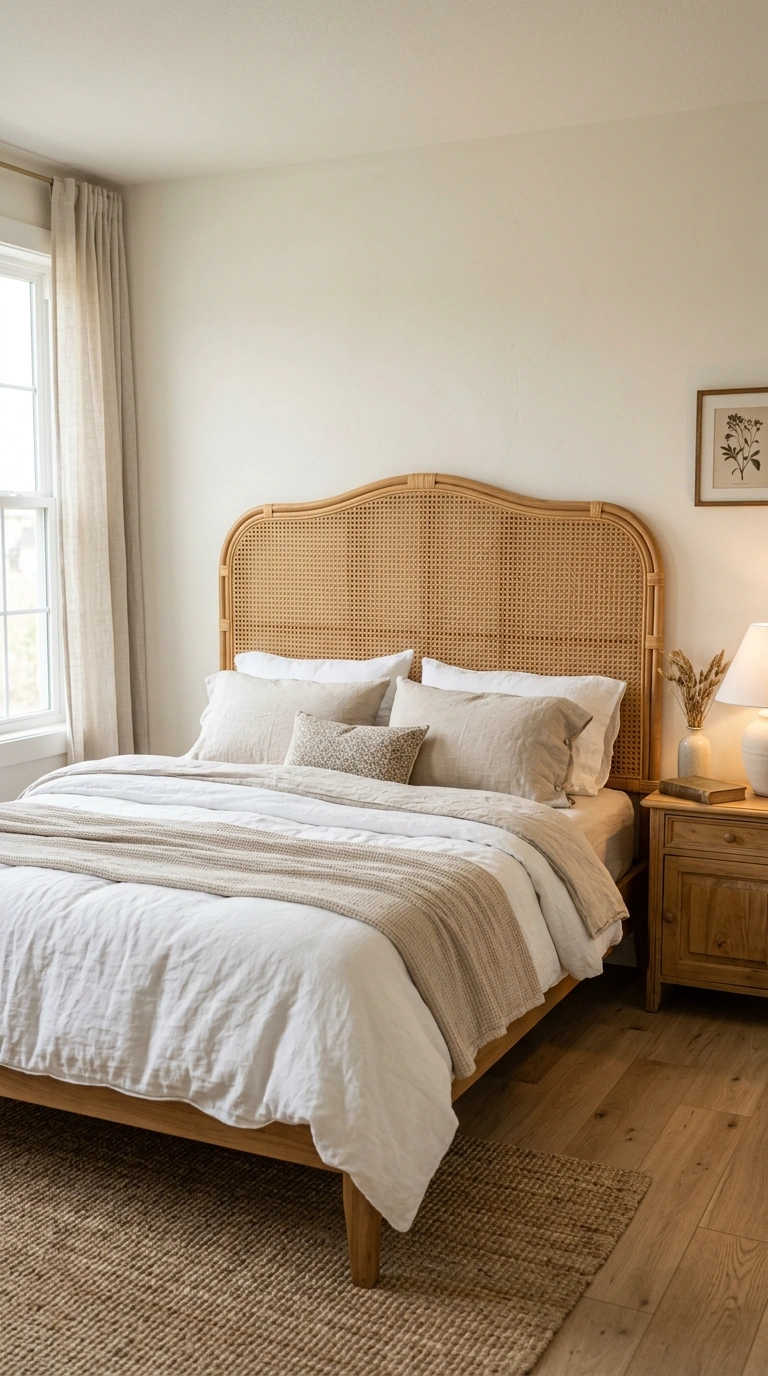
A rattan or cane-webbed headboard brings natural texture and a lightweight, airy quality that suits coastal, boho, and organic modern bedroom styles particularly well. Budget-friendly versions use a simplified frame with cane inset panels rather than a fully hand-woven construction.
This material also has the visual benefit of never fully blocking the wall behind it, which can make a smaller bedroom feel less enclosed than a solid, opaque headboard positioned in the same spot.
21. Target Threshold Upholstered Headboard
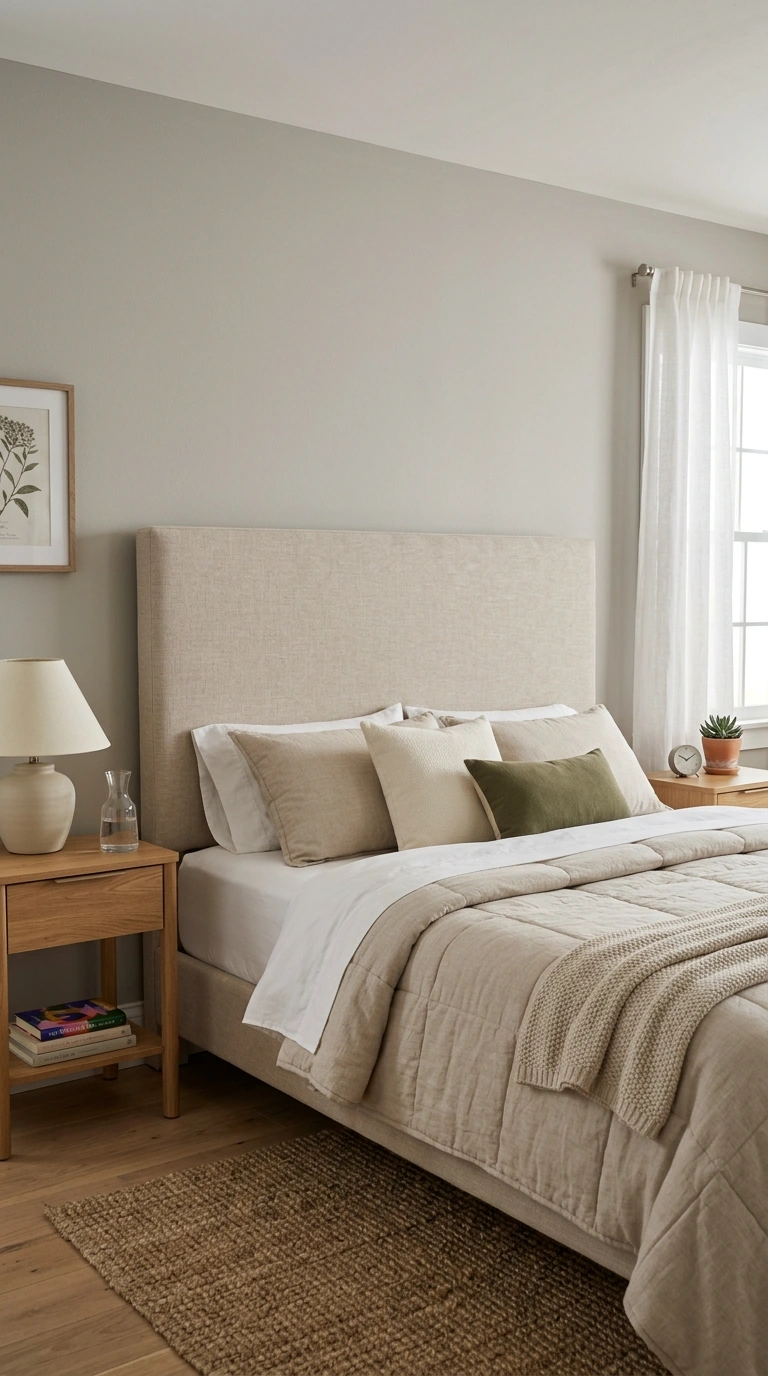
Target’s Threshold line includes several upholstered headboard options that consistently balance current styling with accessible pricing, making it a strong first stop for anyone comparing ready-made options before committing to a DIY project.
The line is updated seasonally, which means color and fabric options rotate, so checking current inventory directly rather than relying on an older product link is worth doing before finalizing a choice.
22. Walmart Mainstays Headboard
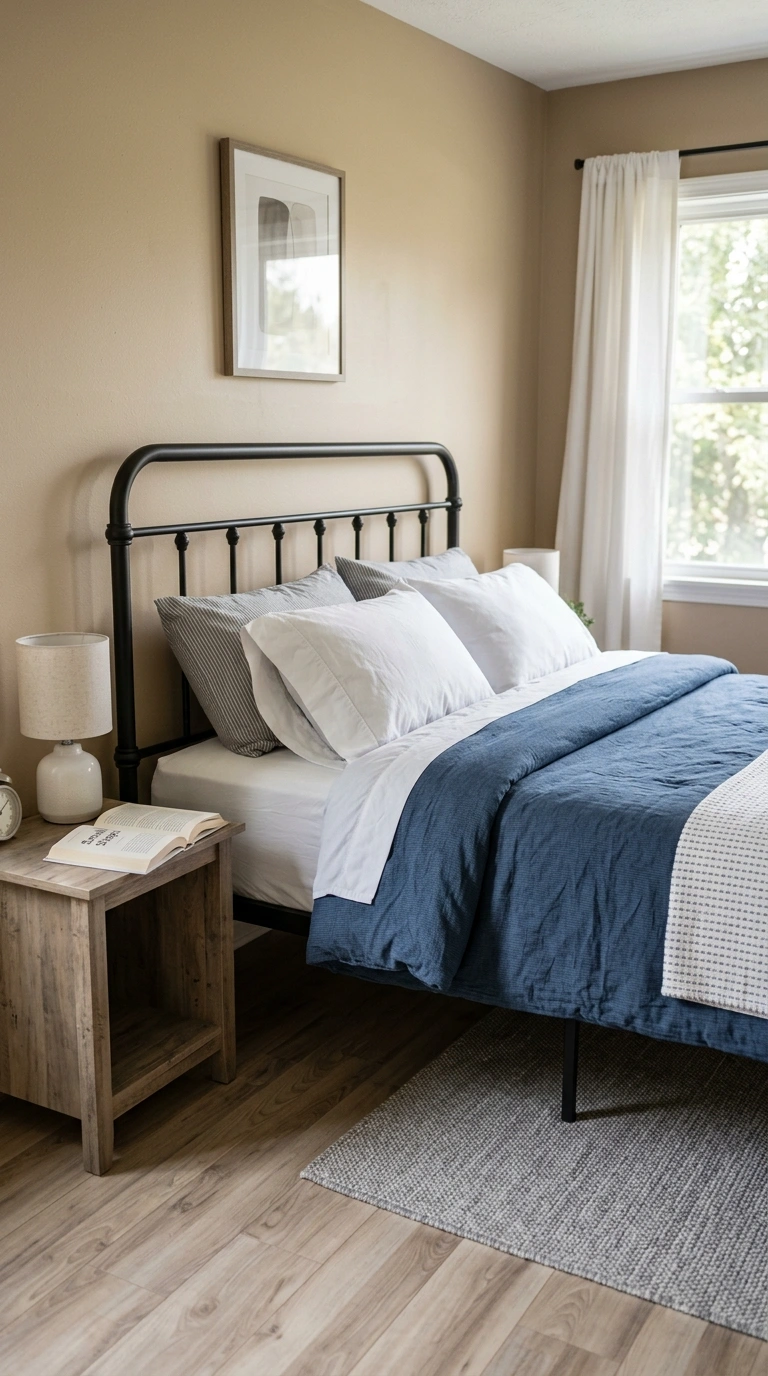
Walmart’s Mainstays furniture line offers some of the most accessible headboard pricing available at any major retailer, with simple metal and upholstered options that prioritize affordability above design distinction.
For a guest room, a first apartment, or any space where the headboard is a functional placeholder rather than a design statement, Mainstays remains one of the fastest and most budget-friendly ways to finish a bedroom.
23. Framed Fabric Headboard
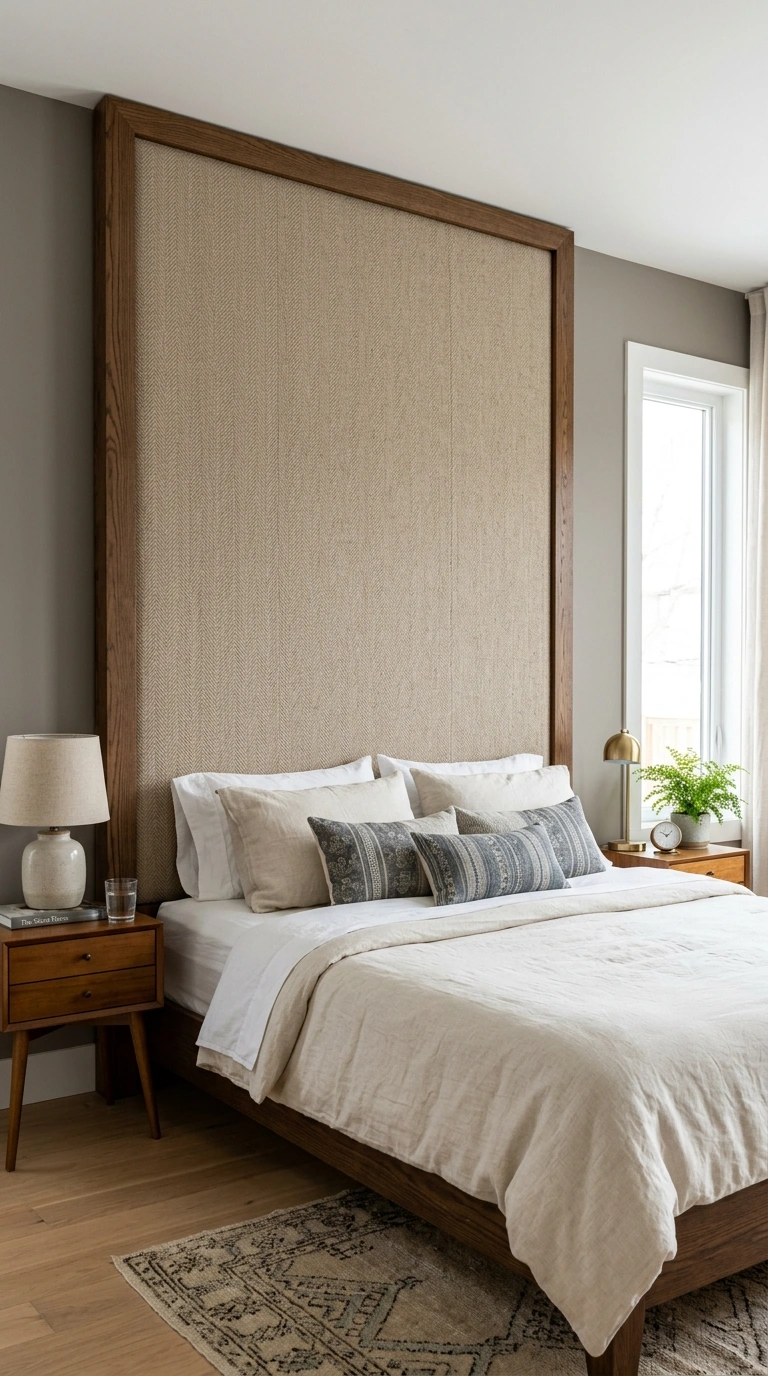
Stretching a single piece of fabric over a simple wood frame, similar to how a canvas is stretched for painting, creates a lightweight, budget-friendly headboard that can be swapped out entirely by re-stretching new fabric when the room’s palette changes.
This approach also avoids the bulk of a fully padded, foam-backed headboard, which suits a minimalist bedroom or a smaller room where visual weight against the wall needs to stay light.
24. Channel-Tufted Headboard
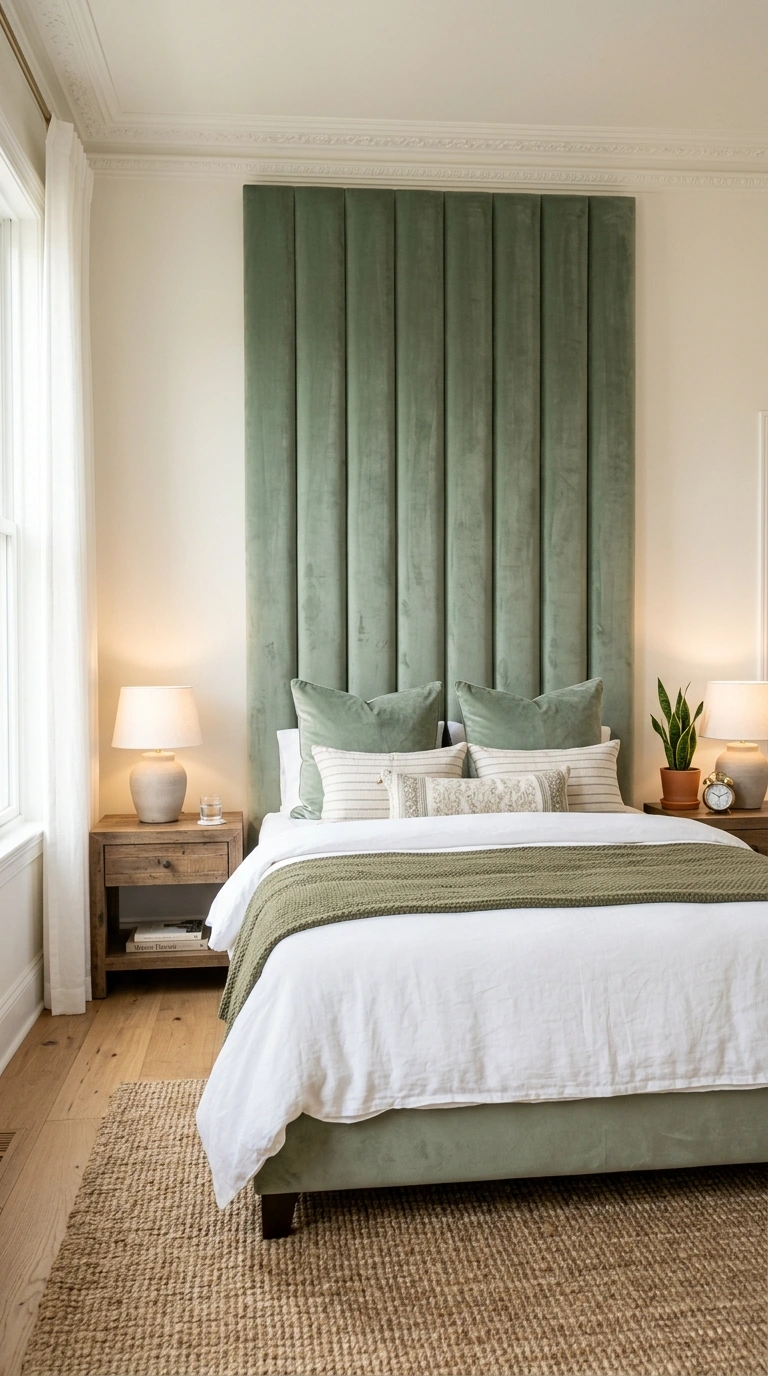
Vertical channel tufting, rows of soft, padded columns running from top to bottom, brings a hotel-like, elevated look to an upholstered headboard without the complexity of traditional diamond button tufting.
Several budget retailers, including Nathan James and Zinus, offer channel-tufted models at accessible price points, making this one of the more achievable premium-looking details to buy ready-made rather than attempt as a DIY project.
Important: Channel-tufted headboards vary significantly in foam density between budget and premium versions. Check customer reviews specifically for how the tufting holds its shape after several months of use before buying based on photos alone.
25. Vintage Window Frame Headboard
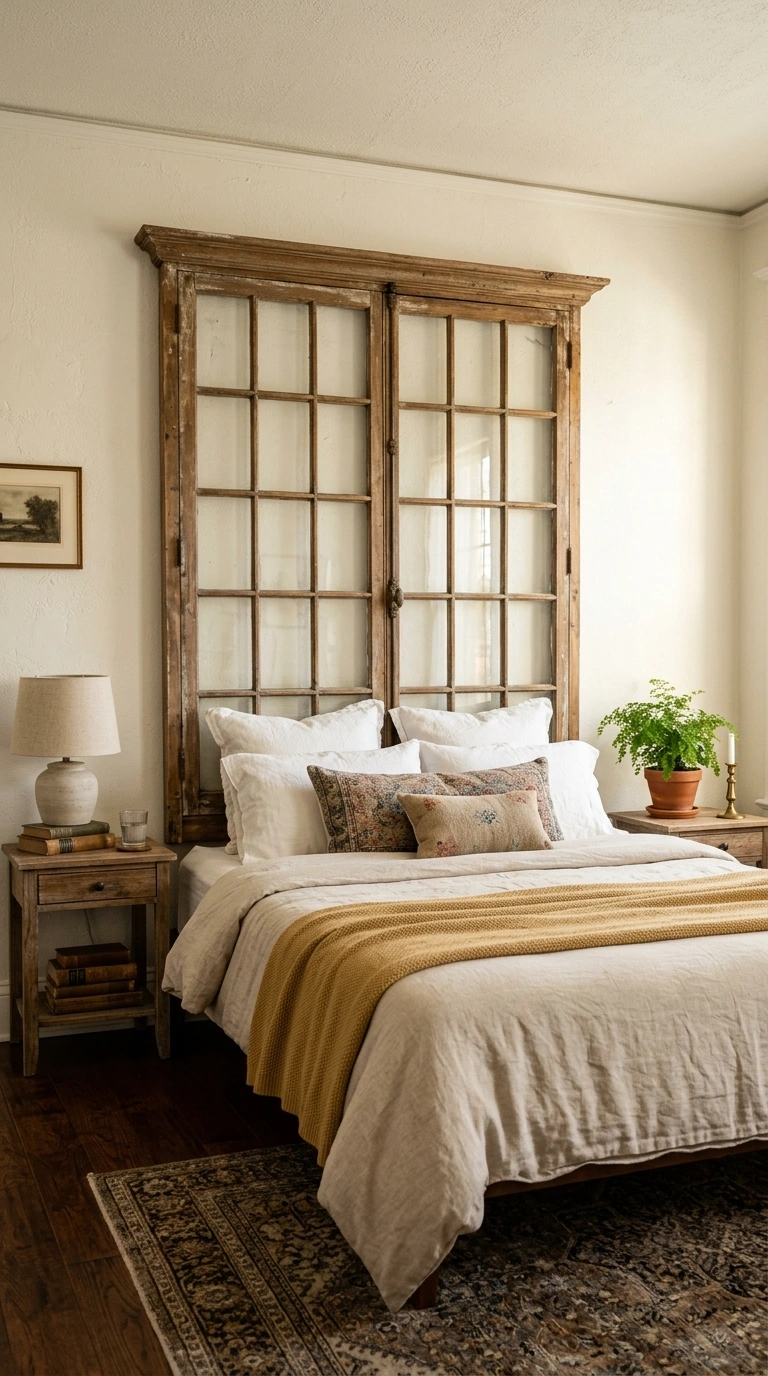
An old window frame, sourced secondhand and cleaned or repainted, makes a genuinely distinctive headboard when mounted behind the bed, particularly when the original glass panes are replaced with mirror or simply left as open frames.
This approach brings architectural salvage character to a bedroom at a fraction of the cost of a comparable new decorative piece, and no two vintage window frames look quite the same, which adds a genuinely one-of-a-kind quality to the room.
26. Shiplap Headboard Wall
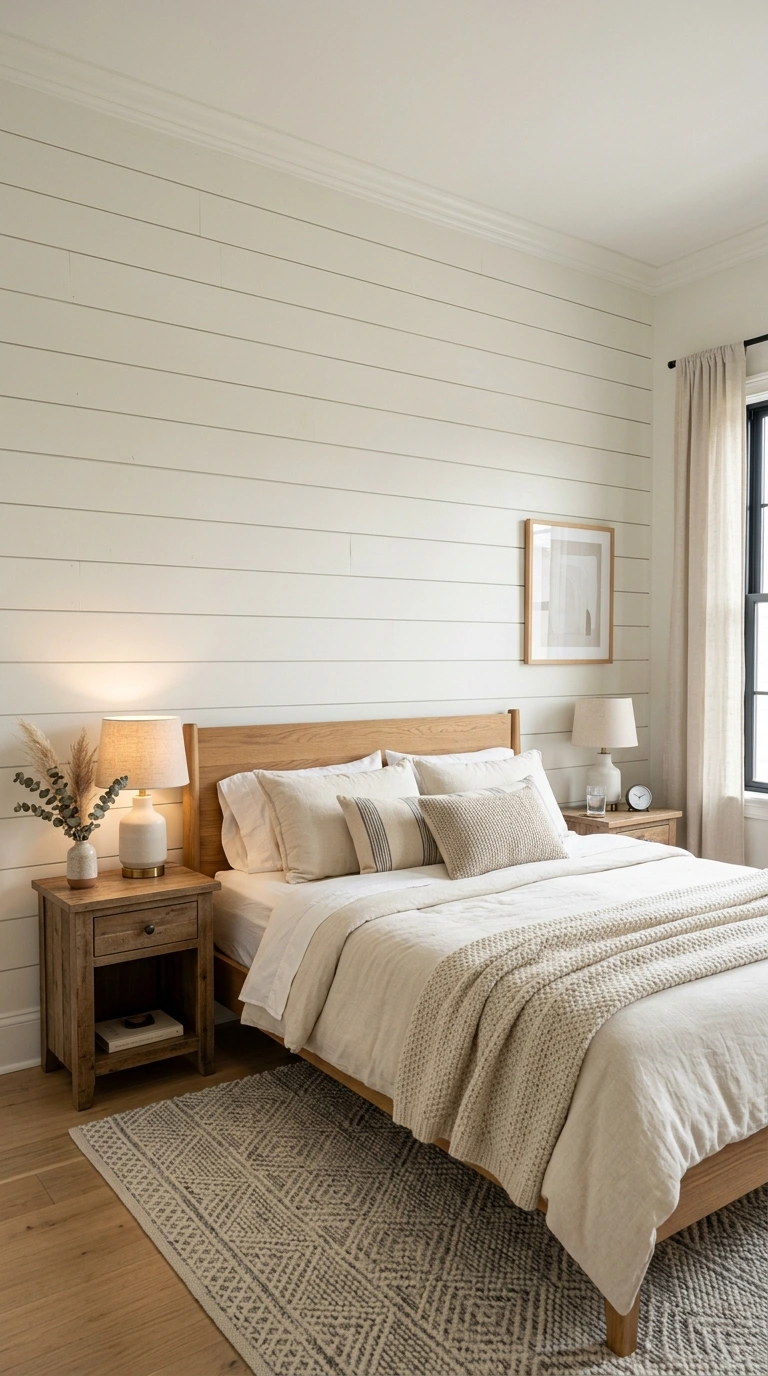
A section of horizontal shiplap or tongue-and-groove boards, installed specifically behind the bed and painted in a soft white or warm neutral, brings texture and a coastal or farmhouse warmth to the sleeping area.
This technique scales easily from a modest headboard-height section to a full accent wall, depending on budget and ambition, and it pairs particularly well with simple, uncluttered bedding that lets the wood texture read clearly.
27. Two-Tone Painted Headboard Shape
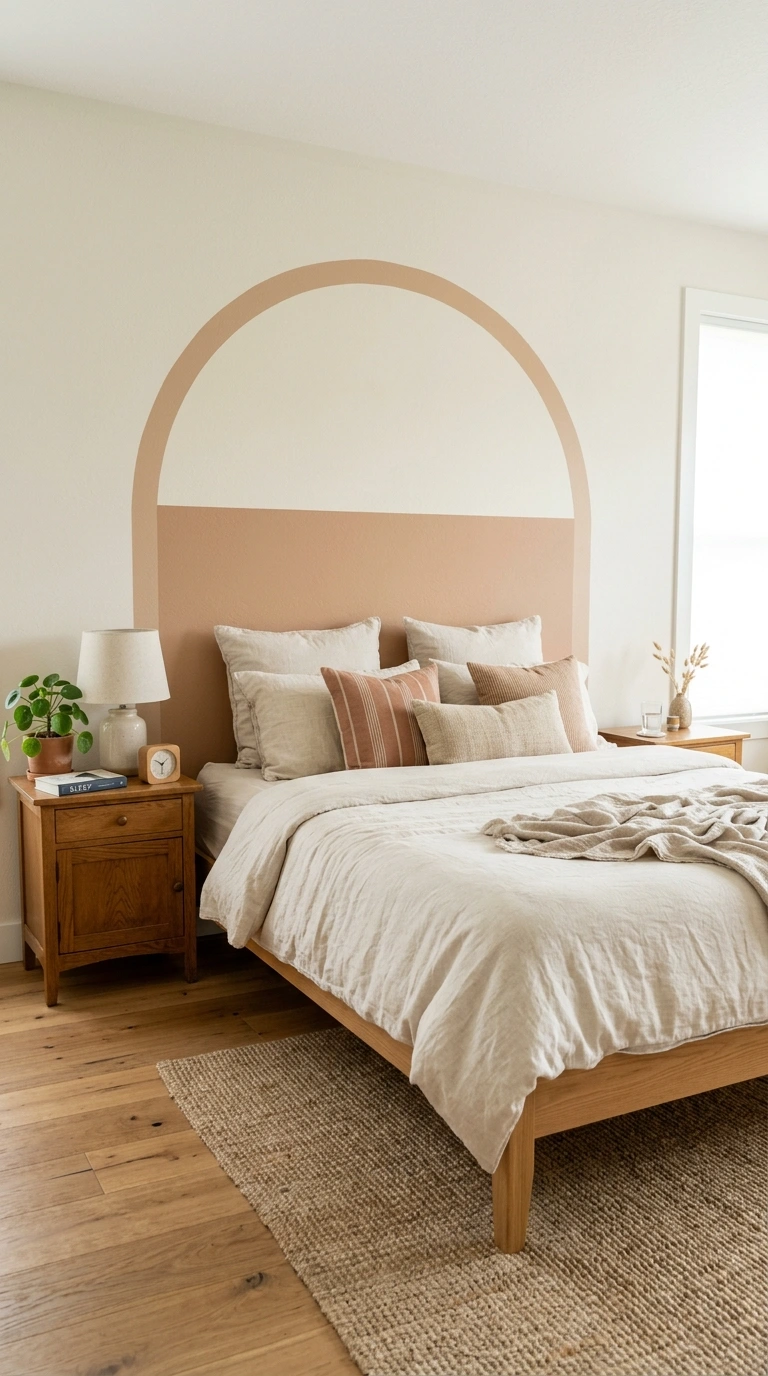
Painting a headboard shape directly on the wall using two coordinating colors, split horizontally or with an irregular organic line between them, creates visual depth and interest using only paint and painter’s tape.
This is one of the most cost-effective options on this list, requiring no materials beyond paint already likely used elsewhere in the home, and it remains fully reversible for renters who need to return the wall to its original color before moving out.
Warning: When painting a two-tone headboard shape, use a paint with a matte or eggshell finish rather than high-gloss. Glossy paint on a large wall shape reflects light unevenly and can look unintentional rather than designed.
28. Faux Leather Headboard
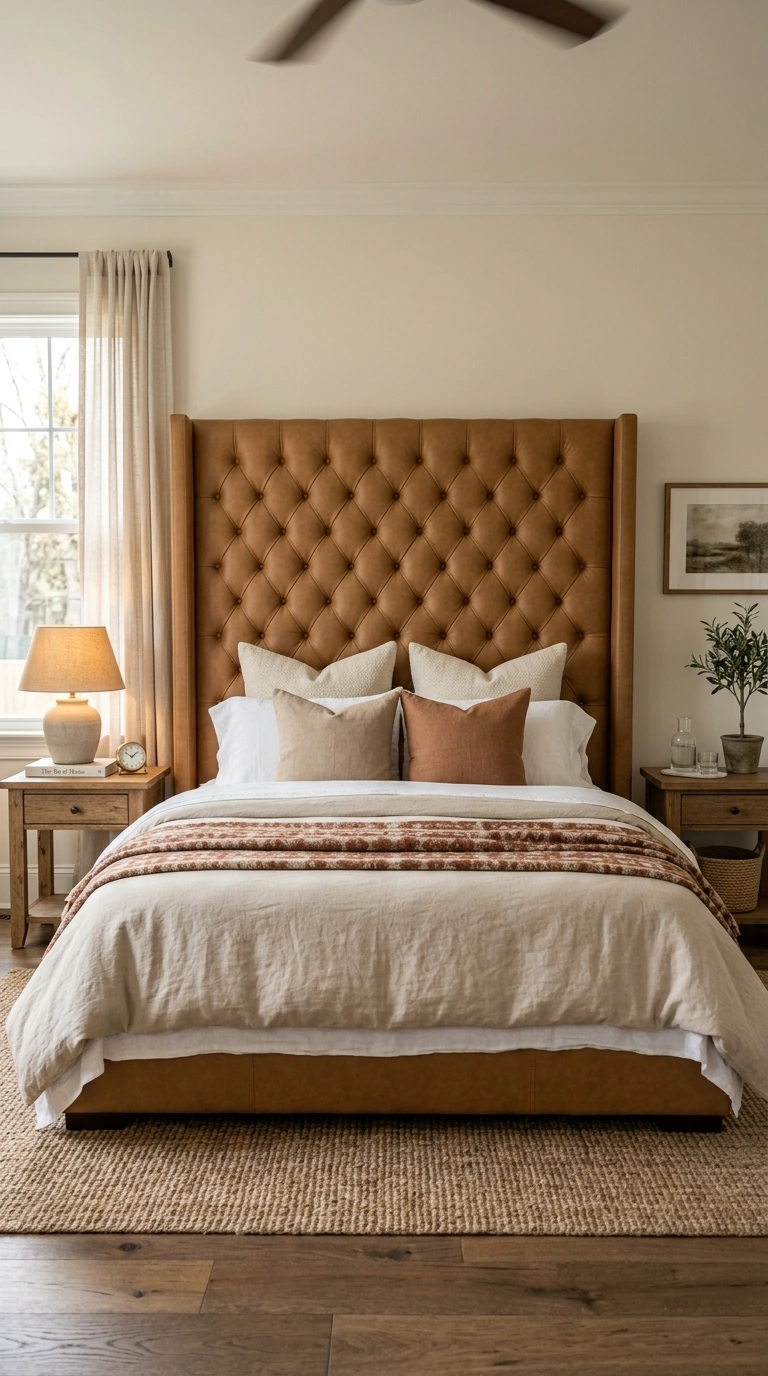
A faux leather or vegan leather upholstered headboard brings a rich, tactile quality to the bedroom at a considerably lower price point than genuine leather, while remaining easy to wipe clean, which matters in households with kids or pets.
Deep brown or black tones suit a more masculine or moody bedroom palette, while a soft camel or tan faux leather works well in warmer, earth-toned rooms without the higher cost or maintenance that genuine leather requires.
29. Bookshelf Headboard
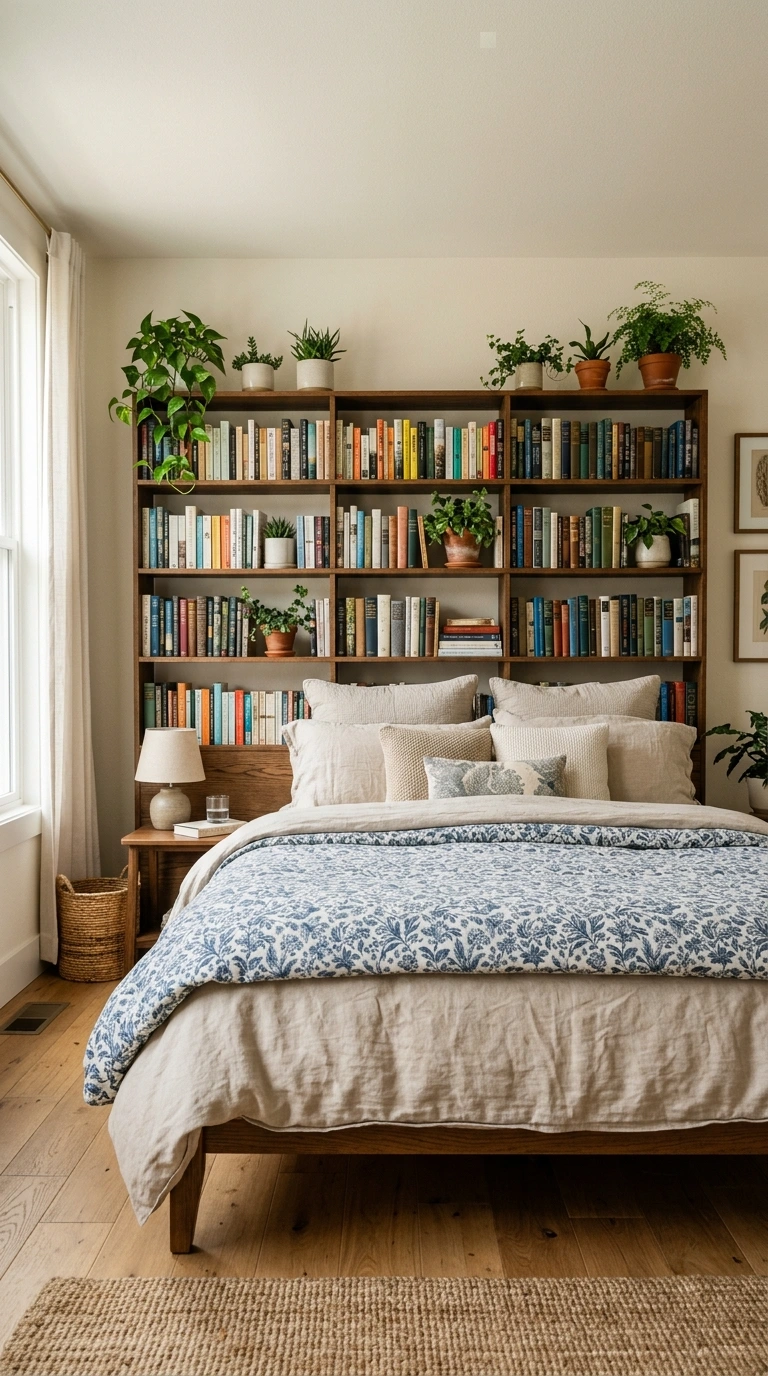
A low, wide bookshelf positioned behind the bed instead of a traditional headboard adds genuine storage and display space while still anchoring the bed visually. This works particularly well in a small bedroom where a separate bookshelf would otherwise take up floor space elsewhere.
Style the shelf with a mix of books, small plants, and a few personal objects rather than filling every inch, since a slightly curated, breathing arrangement reads as more intentional than a fully packed shelf.
30. Board and Batten Headboard Wall
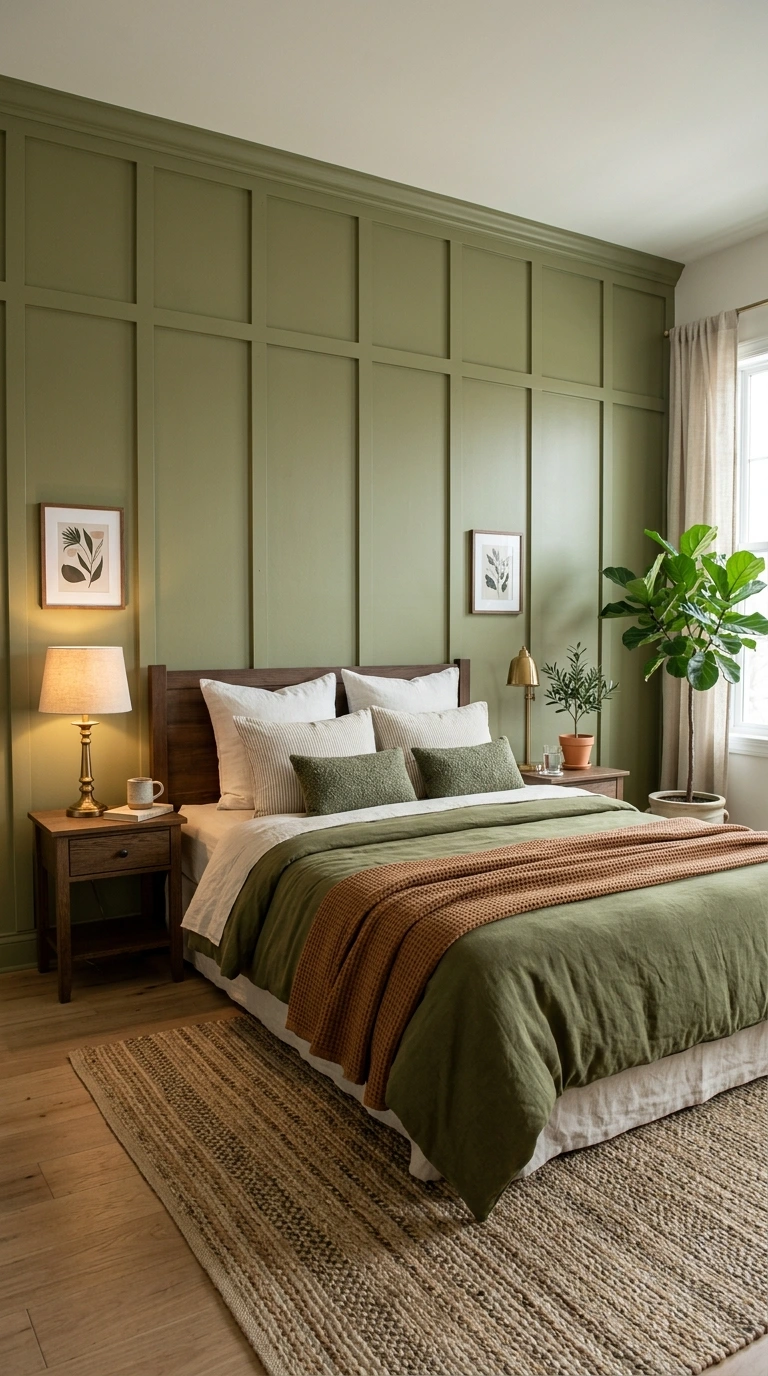
Vertical board and batten strips, applied specifically to the section of wall behind the bed and painted a single cohesive color, bring architectural texture and a built-in look using inexpensive trim strips from any hardware store.
This technique pairs particularly well with a color-drenched effect, where the molding, the wall, and even the ceiling trim above the bed share the same paint color, creating a cocoon-like, considered focal point around the sleeping area.
Common Headboard Mistakes
Mistake 1: Choosing a headboard that is too short
A headboard that barely peeks above the pillows once the bed is fully styled loses most of its visual impact. Choose a height tall enough to remain clearly visible even with a full arrangement of pillows in front of it.
Mistake 2: Ignoring the bed width
A headboard narrower than the bed frame looks disproportionate and unfinished, no matter how nice the material or design. Aim for a headboard at least as wide as the mattress, and ideally a few inches wider on each side.
Mistake 3: Skipping proper wall anchoring
Any headboard mounted directly to the wall needs to be secured into studs if it will bear regular weight from leaning or pillow propping. Drywall anchors alone are rarely sufficient for anything beyond the lightest decorative pieces.
Mistake 4: Choosing a fabric that shows every mark
Light, untreated fabrics show oils, stains, and general wear far faster than a slightly darker tone or a performance fabric finish. This matters especially in a headboard, which sees regular contact from hair, skin, and pillows.
Mistake 5: Forgetting to sand or finish raw edges
Any DIY headboard involving cut wood, whether plywood, molding, or reclaimed material, needs sanded and finished edges before painting or staining. Skipping this step is the fastest way for a project to read as unfinished.
31. Curved Upholstered Headboard
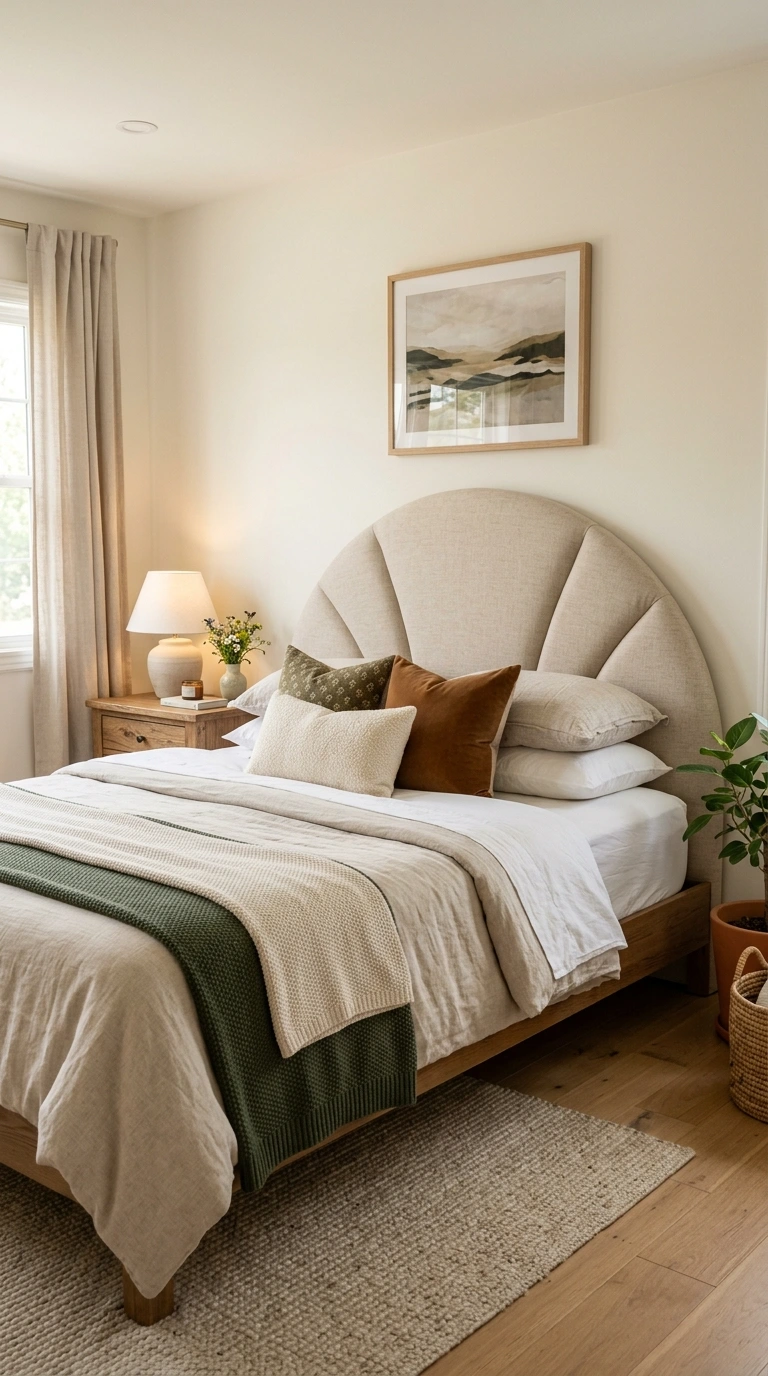
A gently curved or rounded upholstered headboard softens the overall silhouette of the bed, which suits bedrooms that already lean toward rounded furniture shapes elsewhere in the room, such as an arched mirror or a curved accent chair.
This shape has become increasingly available at budget retailers over the past few years, moving from a higher-end design detail into genuinely accessible price ranges without sacrificing the soft, contemporary look that made it popular in the first place.
32. Leather Belt or Strap Headboard
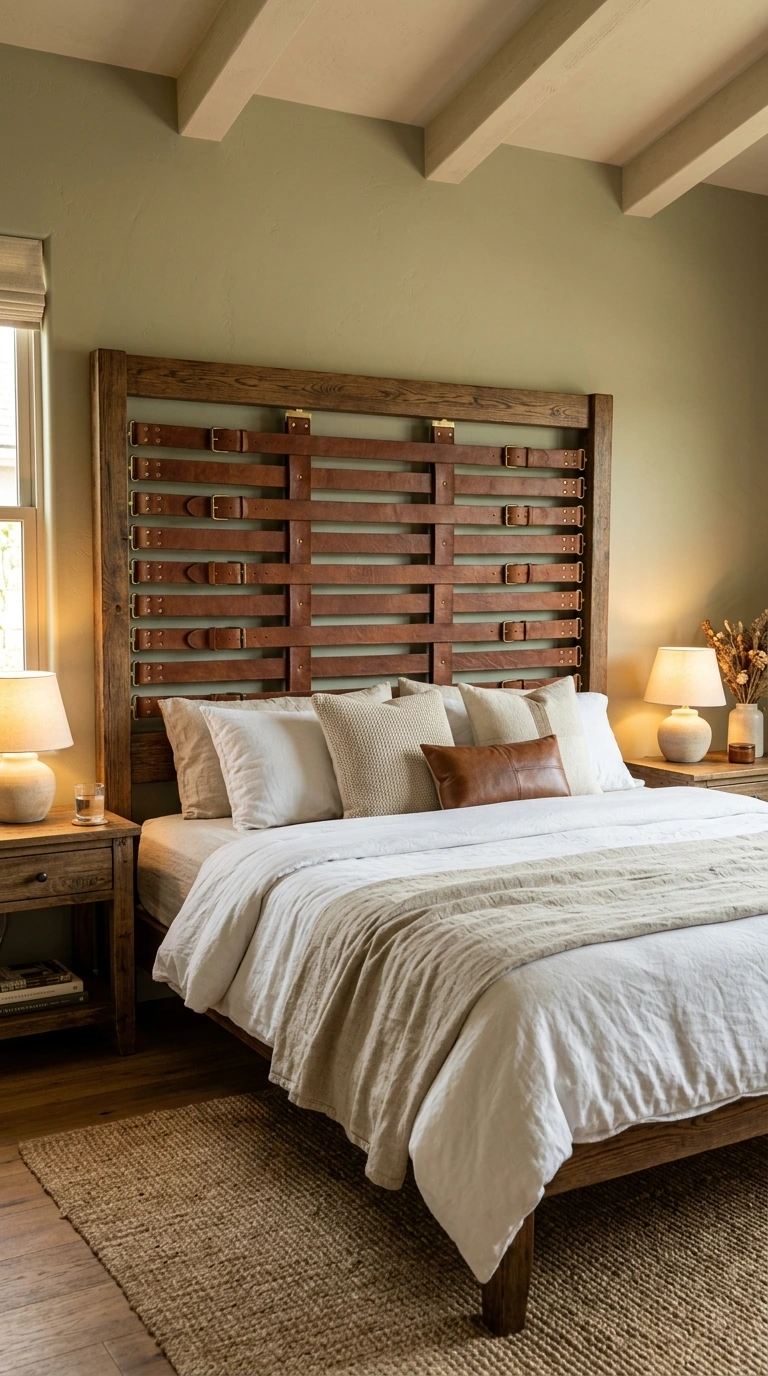
Leather straps, stretched horizontally across a simple wood frame, create an unusual, tactile headboard detail that reads as a considered design choice rather than a typical upholstered or wood option most budget shoppers default to.
This technique works particularly well in a masculine, industrial, or mid-century-inspired bedroom, where the visible hardware and leather texture complement other exposed materials already present in the room’s design.
33. Wallpaper Mural Headboard Backdrop
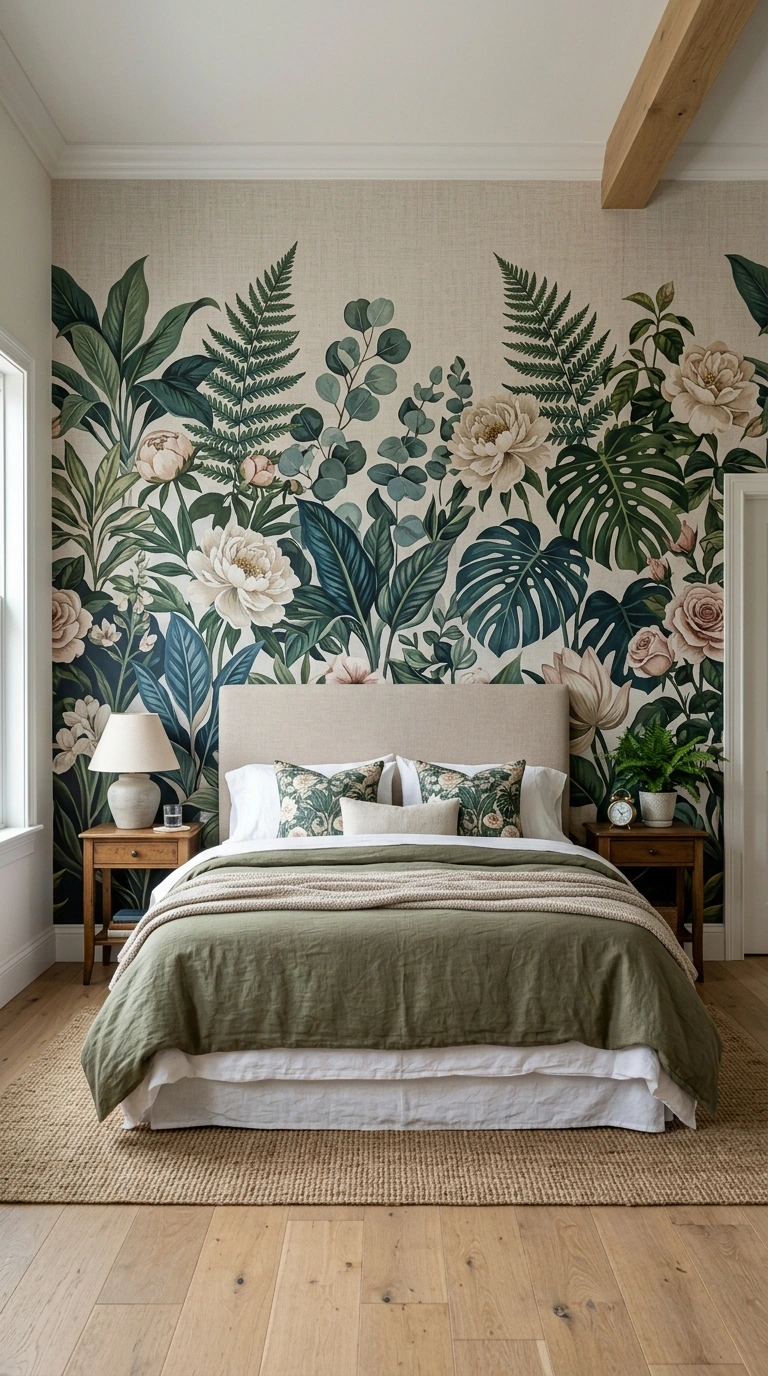
Rather than shaping the wallpaper into a headboard silhouette, applying a full mural or large-scale pattern across the entire wall behind the bed creates an immersive backdrop that functions as a headboard in effect, even without a physical structure.
This approach suits a bedroom where the ambition is for the wall itself to serve as the room’s primary design statement, with the actual bed frame and bedding kept intentionally simple to let the mural take center stage.
34. Repurposed Shutters Headboard
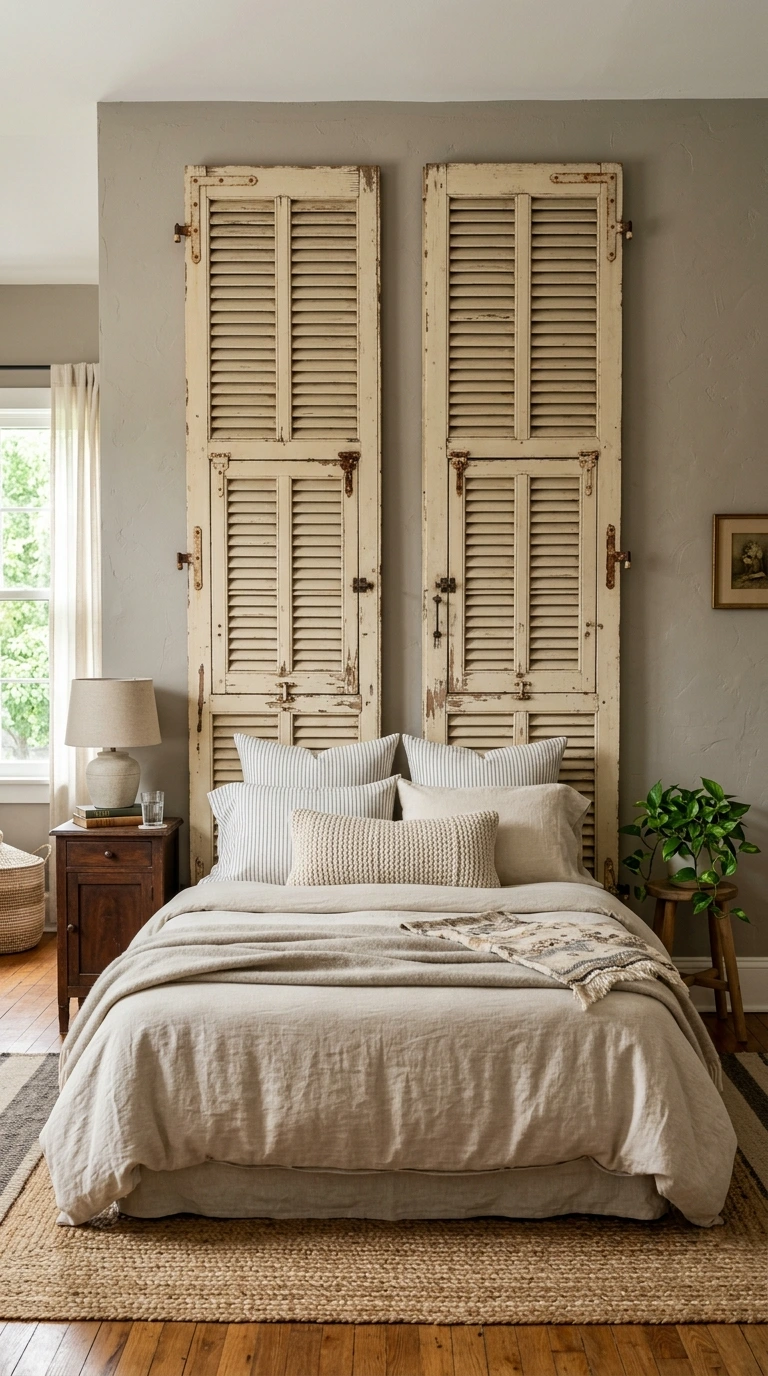
A pair of old wooden shutters, sourced from a salvage yard or thrift store and mounted side by side behind the bed, creates a rustic, characterful headboard with genuine architectural history built in.
Painting the shutters a soft, coordinating color unifies mismatched pairs, while leaving them in their original weathered finish suits a more farmhouse or cottage-inspired bedroom aesthetic.
Important: Repurposed shutters and doors sourced secondhand may carry old paint layers that predate modern safety regulations. Sand and seal any older painted wood thoroughly, and consider a fresh coat of paint over the existing finish before mounting near a bed.
35. Grasscloth Headboard Panel
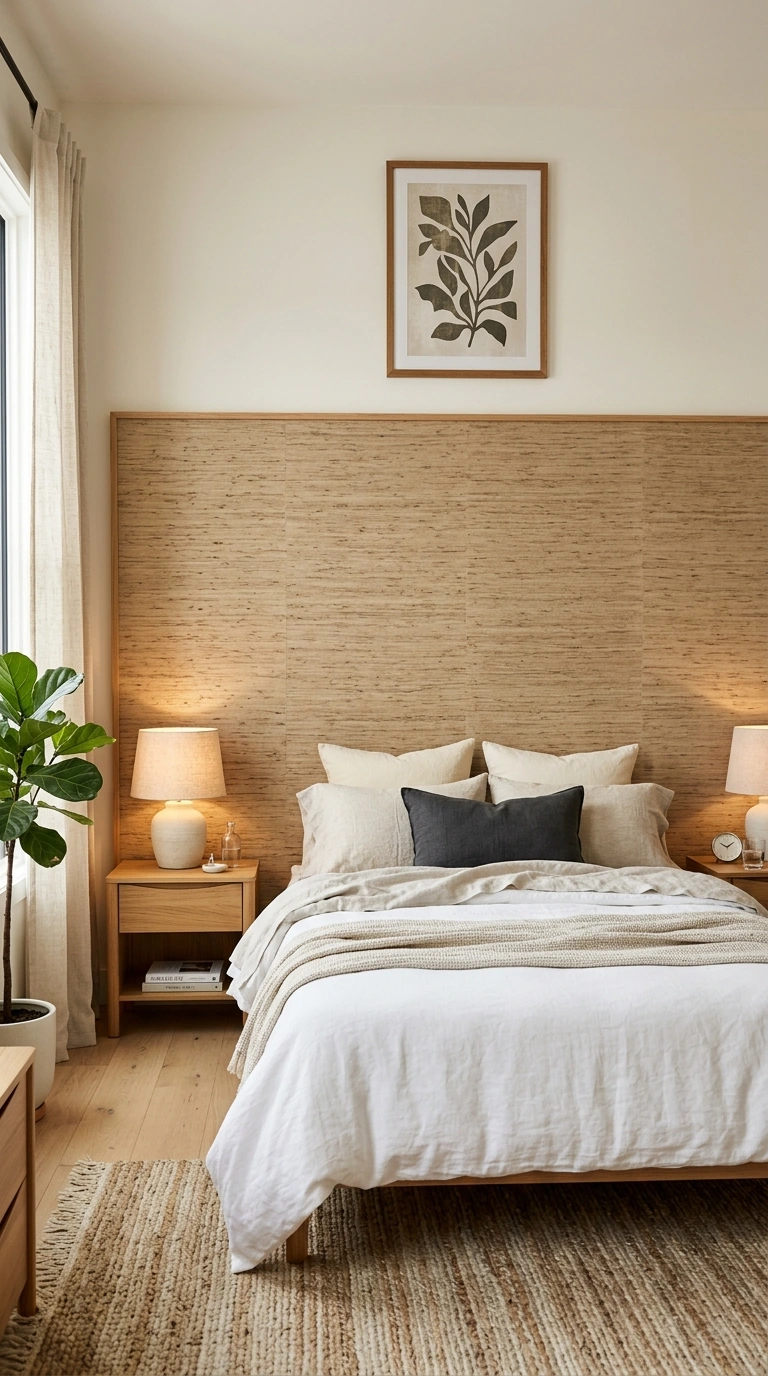
A single upholstered panel covered in natural grasscloth fabric, rather than a traditional woven textile, brings an organic, textured quality to the headboard that pairs particularly well with warm wood tones and natural materials elsewhere in the bedroom.
Because grasscloth has more visual texture than flat cotton or linen upholstery, a simple rectangular panel shape is usually enough, without needing additional detailing like tufting or nailhead trim to feel complete.
36. Scalloped Headboard Shape
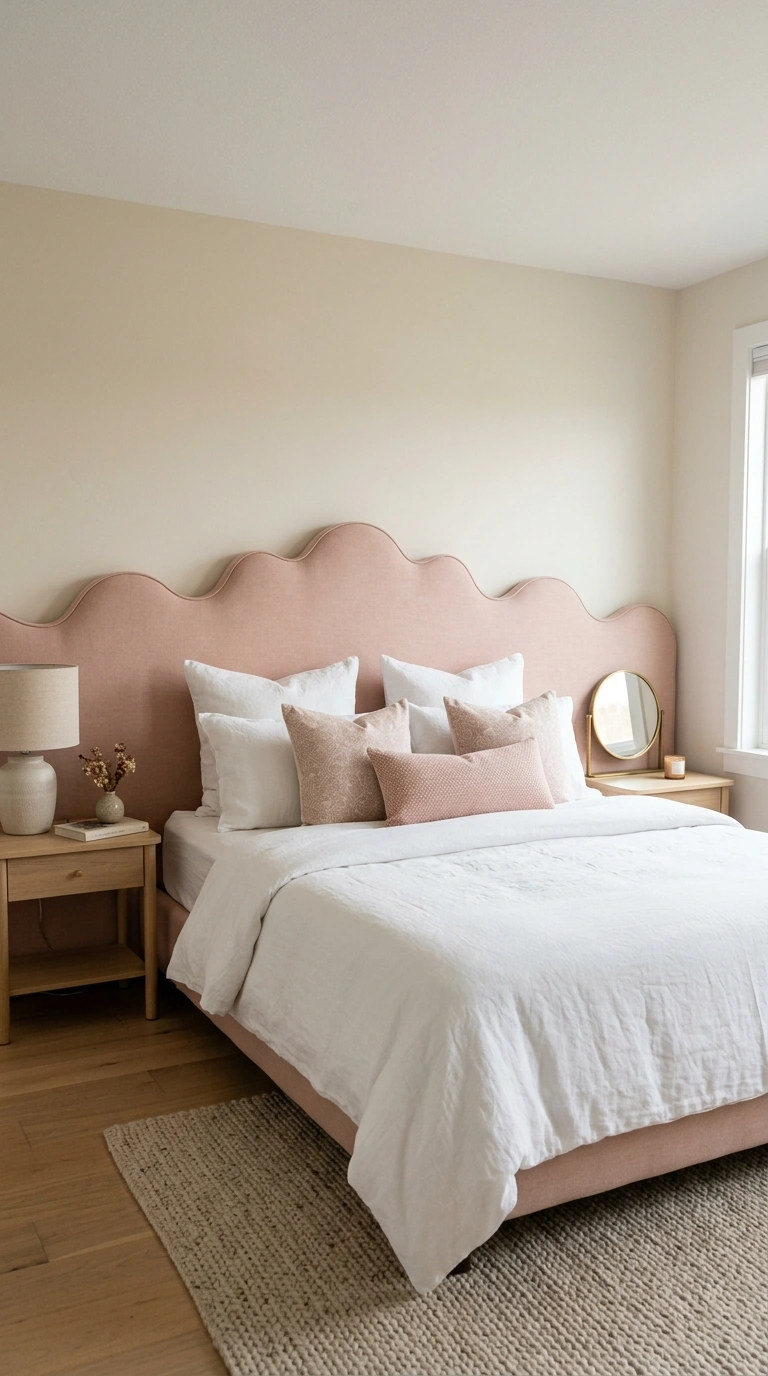
A scalloped or wave-edged top border, whether cut into plywood or sewn into an upholstered fabric panel, brings a soft, playful silhouette that suits a more feminine or whimsical bedroom style without feeling overly ornate.
This detail works particularly well in a child’s room, a guest room, or a bedroom leaning into a softer, romantic aesthetic, where the gentle curve of the scallops complements rounded furniture and softer color palettes elsewhere.
37. Peel-and-Stick Wood Panel Headboard
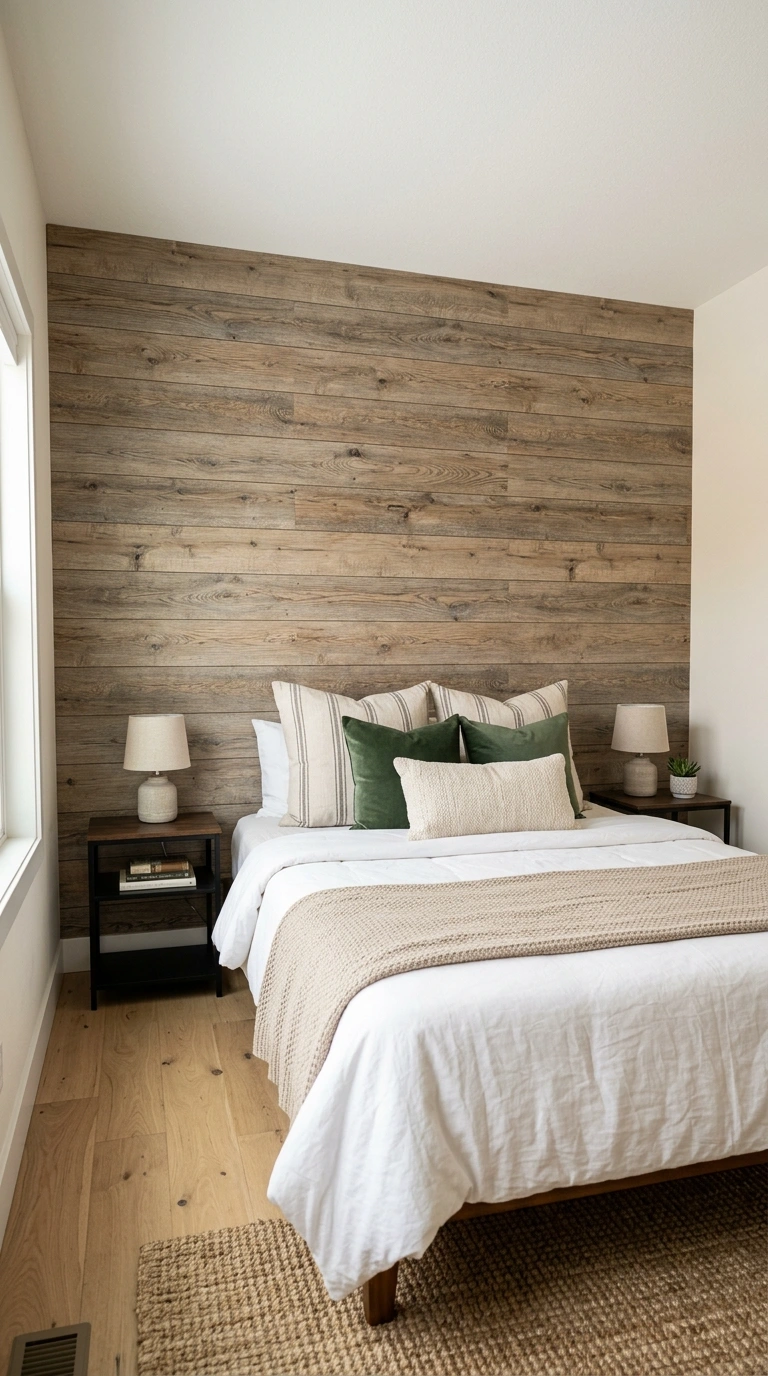
Pre-fabricated peel-and-stick wood panels, designed to mimic shiplap, board and batten, or fluted textures, offer a fully renter-friendly way to add textural headboard detailing without any tools, adhesive, or wall damage.
This is one of the fastest options on this list to install, often taking under an hour for a full headboard-sized section, and the panels remove cleanly when it is time to move, leaving the wall in its original condition.
38. Statement Mirror as a Headboard
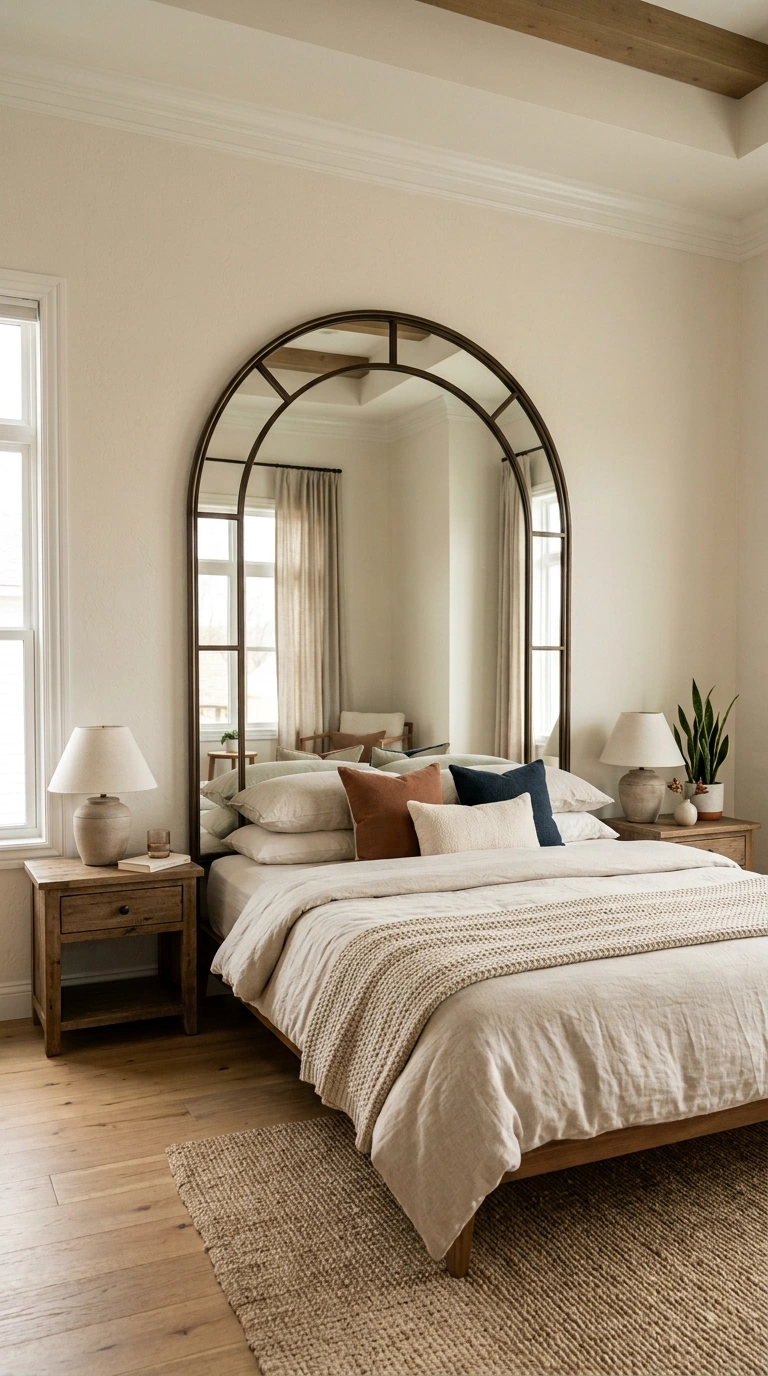
A large, dramatically shaped mirror, whether arched, sunburst, or an oversized round design, mounted directly behind the bed functions as an unconventional but genuinely striking headboard alternative, particularly in a room that benefits from additional reflected light.
This works especially well in a smaller bedroom or one with limited natural light, since the mirror doubles the perceived light and space in the room while still giving the bed a clearly defined visual anchor.
39. DIY Fabric-Wrapped Cushion Headboard
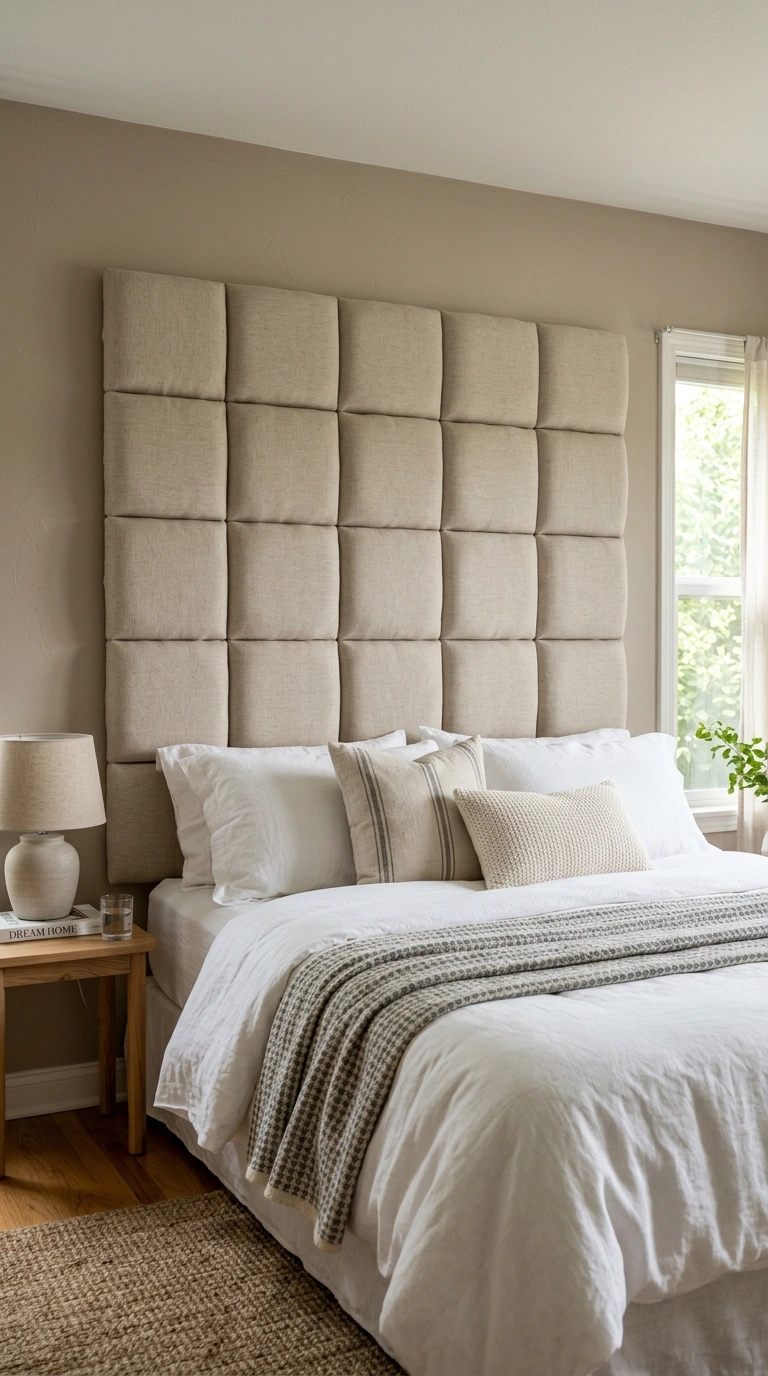
Individual fabric-wrapped foam cushions, mounted in a row or grid directly to the wall behind the bed, create a soft, tufted-style headboard using simple, inexpensive materials that require no upholstery skills beyond basic stapling.
This modular approach also allows for easy repairs or replacements down the line, since a single damaged or worn cushion can be re-covered or swapped out without needing to rebuild the entire headboard from scratch.
40. Freestanding Panel Headboard
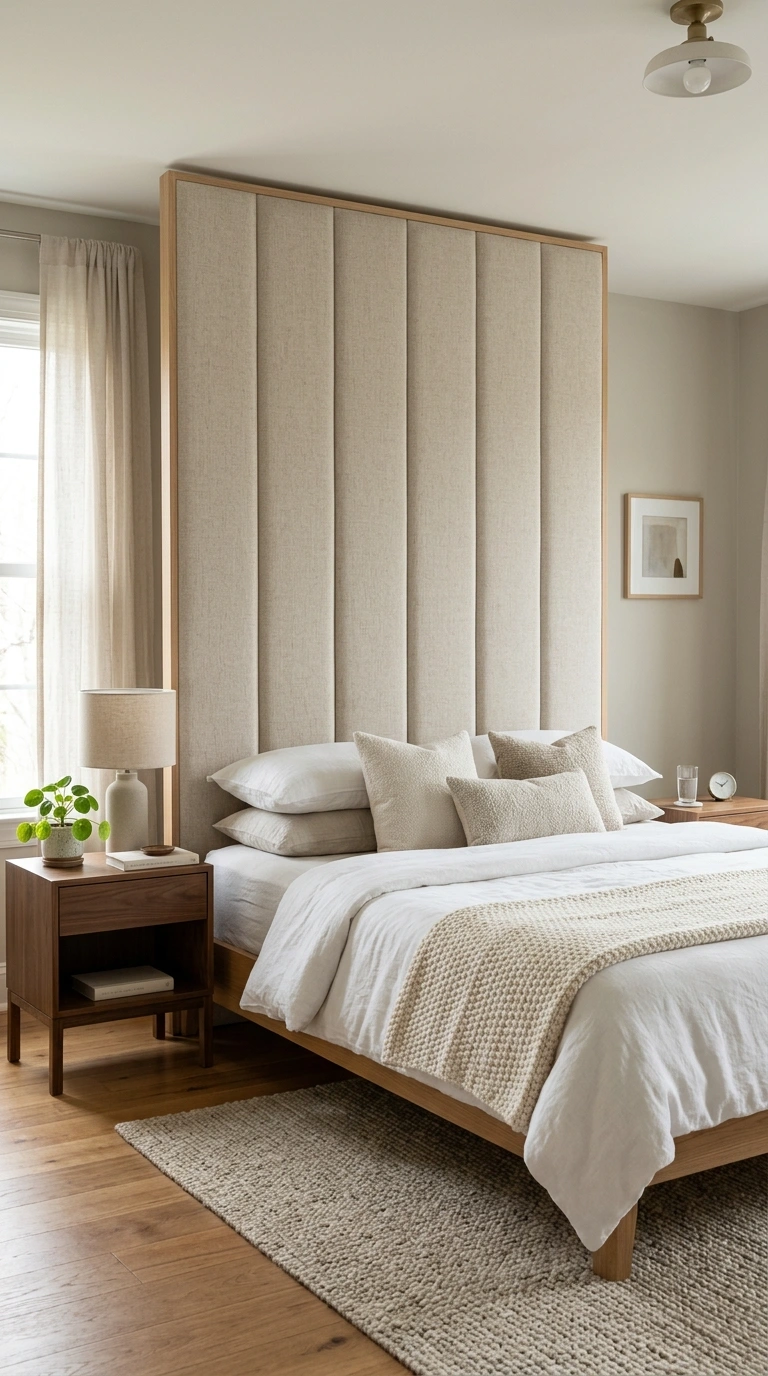
A freestanding upholstered or wood panel, simply leaned against the wall behind the bed rather than mounted, offers the visual impact of a full headboard with zero wall damage or installation required, making it the most renter-friendly option on this entire list.
This approach works particularly well for anyone who moves frequently, since the panel travels easily between apartments and requires no reinstallation beyond repositioning it behind the new bed frame.
Frequently Asked Questions
1. What is the cheapest way to add a headboard to a bedroom?
Painting or applying wallpaper in a headboard shape directly on the wall is typically the most affordable option, since it requires no furniture purchase and often uses materials already on hand or available in small remnant quantities.
2. How tall should a headboard be?
A headboard should extend high enough to remain visible above a fully styled arrangement of pillows, typically at least 48 to 54 inches from the floor, though this varies depending on the bed frame height and pillow quantity.
3. Can I add a headboard without drilling into the wall?
Yes. Freestanding panels, string light outlines, wallpaper shapes, and framed art or mirrors leaned or lightly hung behind the bed all avoid the need for significant wall drilling, making them suitable for rental properties.
4. Should a headboard match the rest of the bedroom furniture?
Not necessarily. A headboard can serve as a standalone accent piece, particularly in a room with simpler nightstands and dressers, though repeating one material or color elsewhere in the room helps the headboard feel connected rather than isolated.
5. How wide should a headboard be compared to the bed?
A headboard should generally match or slightly exceed the width of the mattress, typically extending a few inches beyond each side for the most proportionate, finished look.
6. Is a DIY headboard as durable as a store-bought one?
A well-built DIY headboard, properly sanded, finished, and securely mounted, can be just as durable as a budget store-bought option, though it depends heavily on the quality of materials and construction used.
7. Can a headboard make a small bedroom feel bigger?
Yes, particularly lighter options like a mirror, a rattan or cane headboard, or a light-colored wallpaper shape, all of which avoid the visual heaviness of a solid, dark, fully upholstered headboard.
Conclusion
A headboard is one of the most affordable ways to transform a bedroom from a room with a mattress in it into a genuinely finished space. Whether the approach is a weekend DIY project, a simple ready-made purchase, or a renter-friendly trick that requires no tools at all, the right headboard changes the whole feel of the room without demanding a real budget to do it.
Measure the bed width, choose a height that stays visible above the pillows, and anchor anything wall-mounted securely. Do that, and the bedroom will feel finished long before the rest of the room catches up.