40 Living Room Decor Trends 2026: The Styles Taking Over Pinterest

Introduction
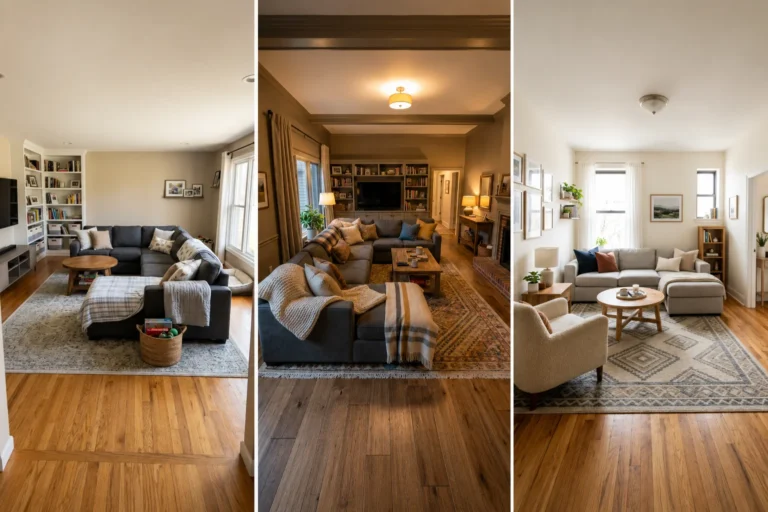
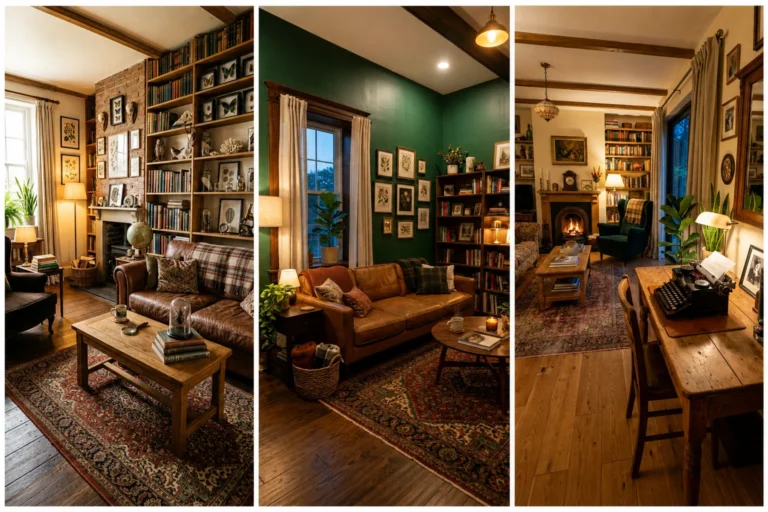
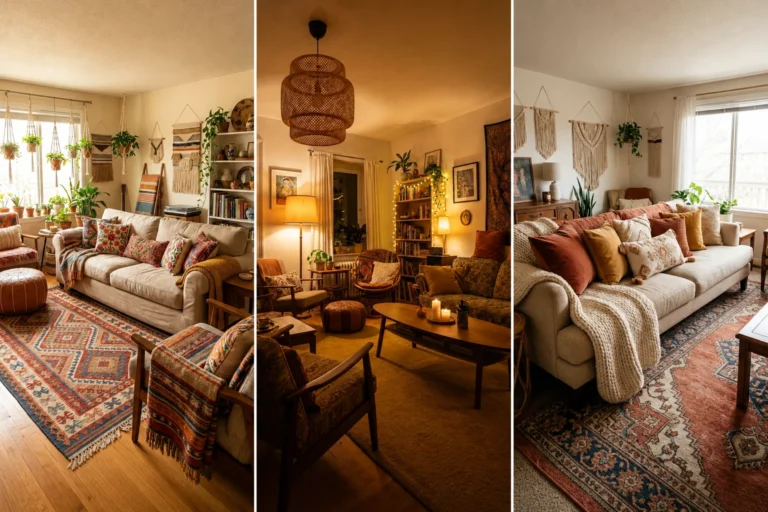
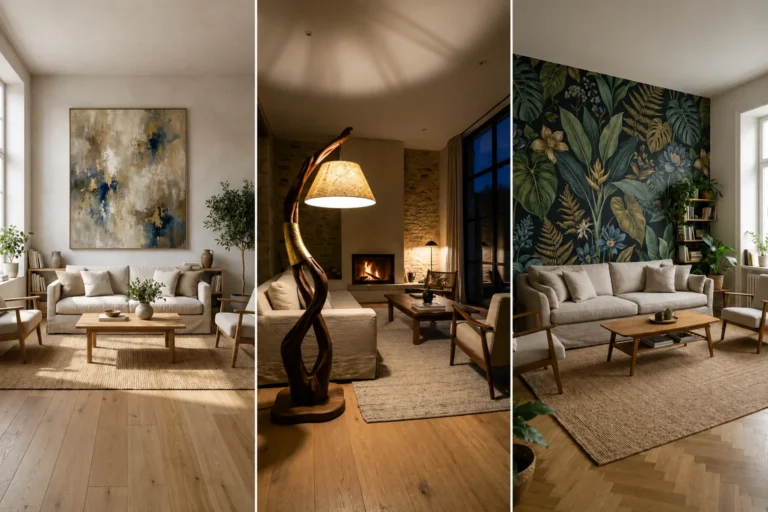
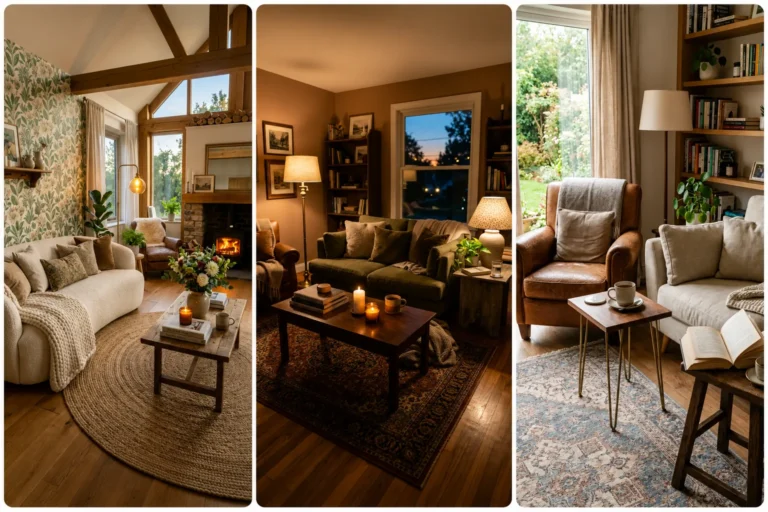
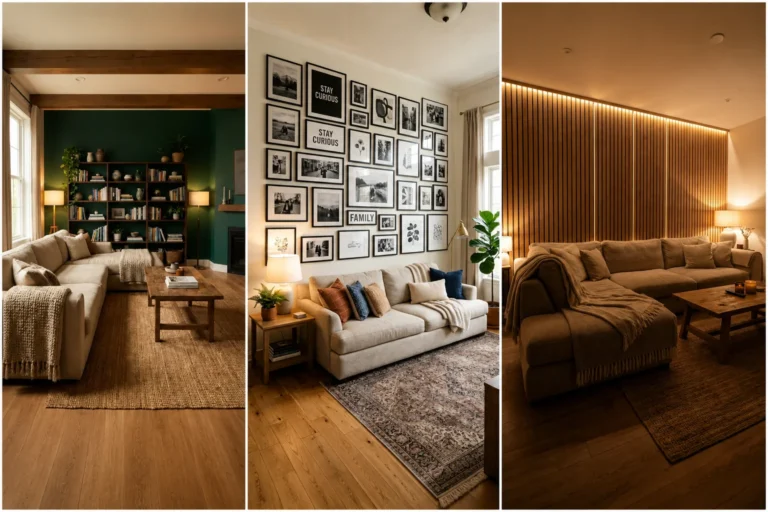
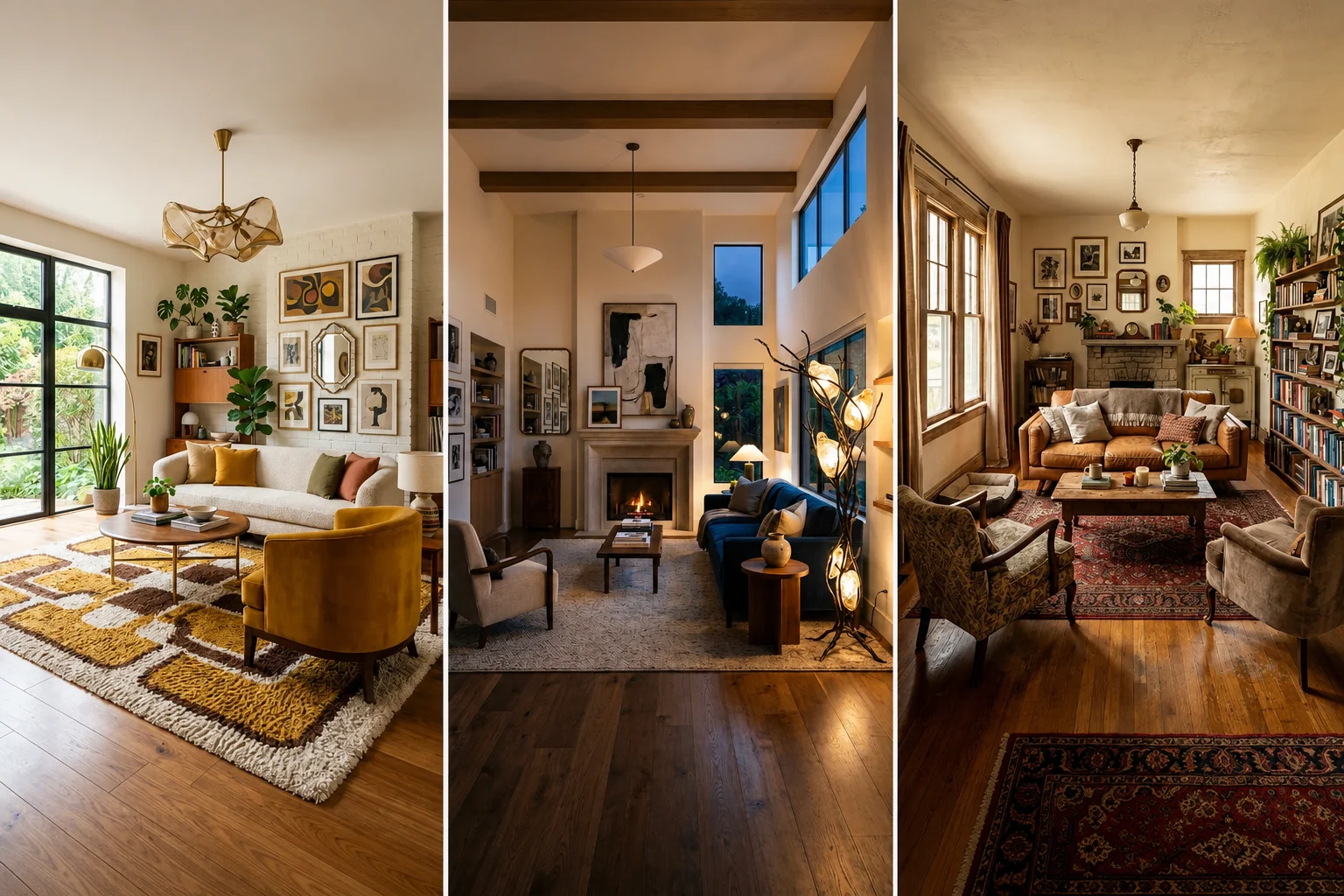
Living room design in 2026 has moved firmly away from the stark, symmetrical minimalism that defined the last decade. In its place, designers and Pinterest boards alike are embracing warmth, texture, and personality, spaces that feel collected and lived-in rather than staged straight out of a showroom.
This shift shows up in color, furniture shape, lighting, and even how rooms are styled shelf by shelf. Below are 40 of the biggest living room trends shaping 2026, so you can pull inspiration for your own space, whether you want to fully commit to a look or simply borrow a detail or two.
Pro Tip: You don’t need to overhaul your entire living room to feel current. Pick two or three trends that genuinely resonate with your existing style, rather than chasing every trend at once, since a room built entirely from trends can end up feeling disjointed rather than cohesive.
1. Quiet Luxury Minimalism
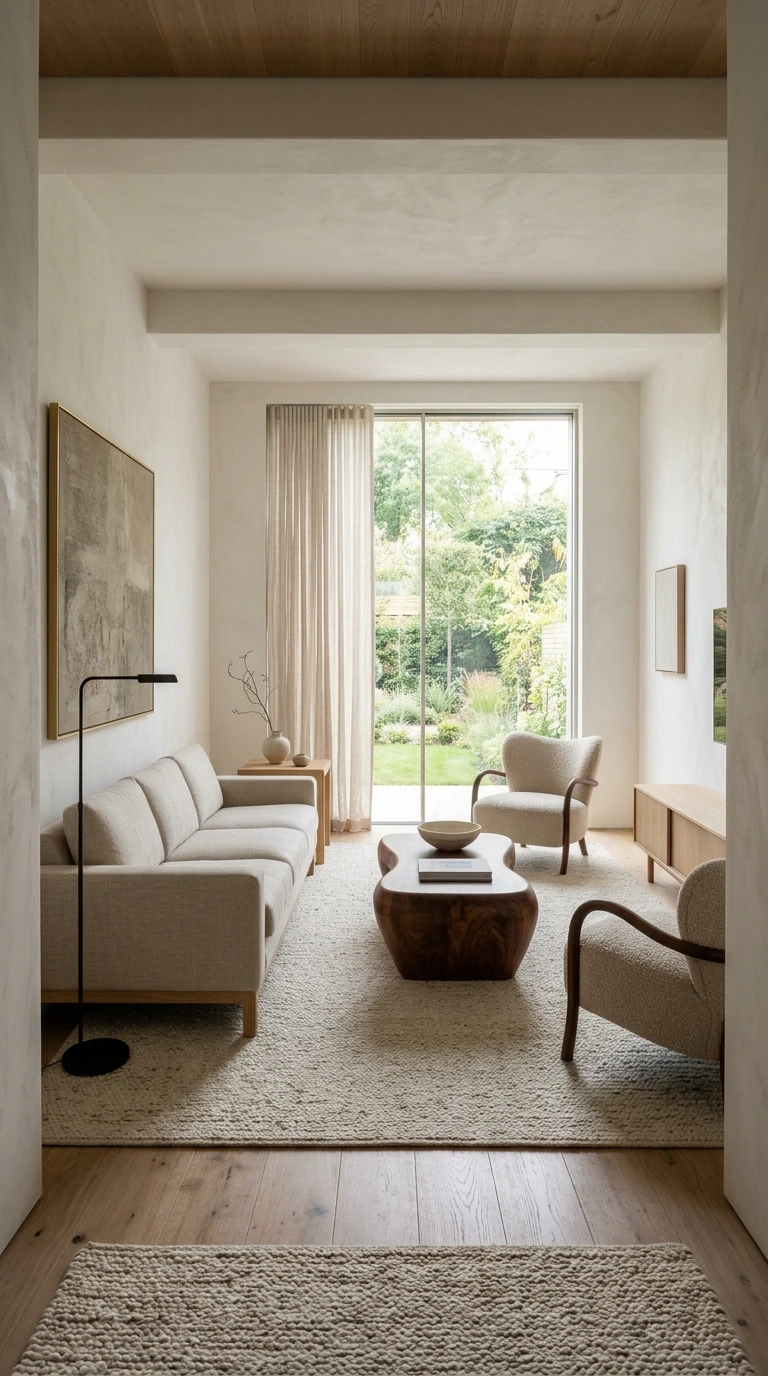
Quiet luxury has moved beyond fashion and firmly into interior design, favoring fewer, better-made pieces over a room packed with decor. This trend prioritizes quality materials, artisan craftsmanship, and understated color palettes that don’t shout for attention.
A living room embracing quiet luxury might feature just three to five statement pieces, a well-made sofa, a sculptural coffee table, and one striking light fixture, rather than dozens of smaller accents. The restraint itself is the point, letting each piece’s quality speak for itself.
2. Biophilic Design
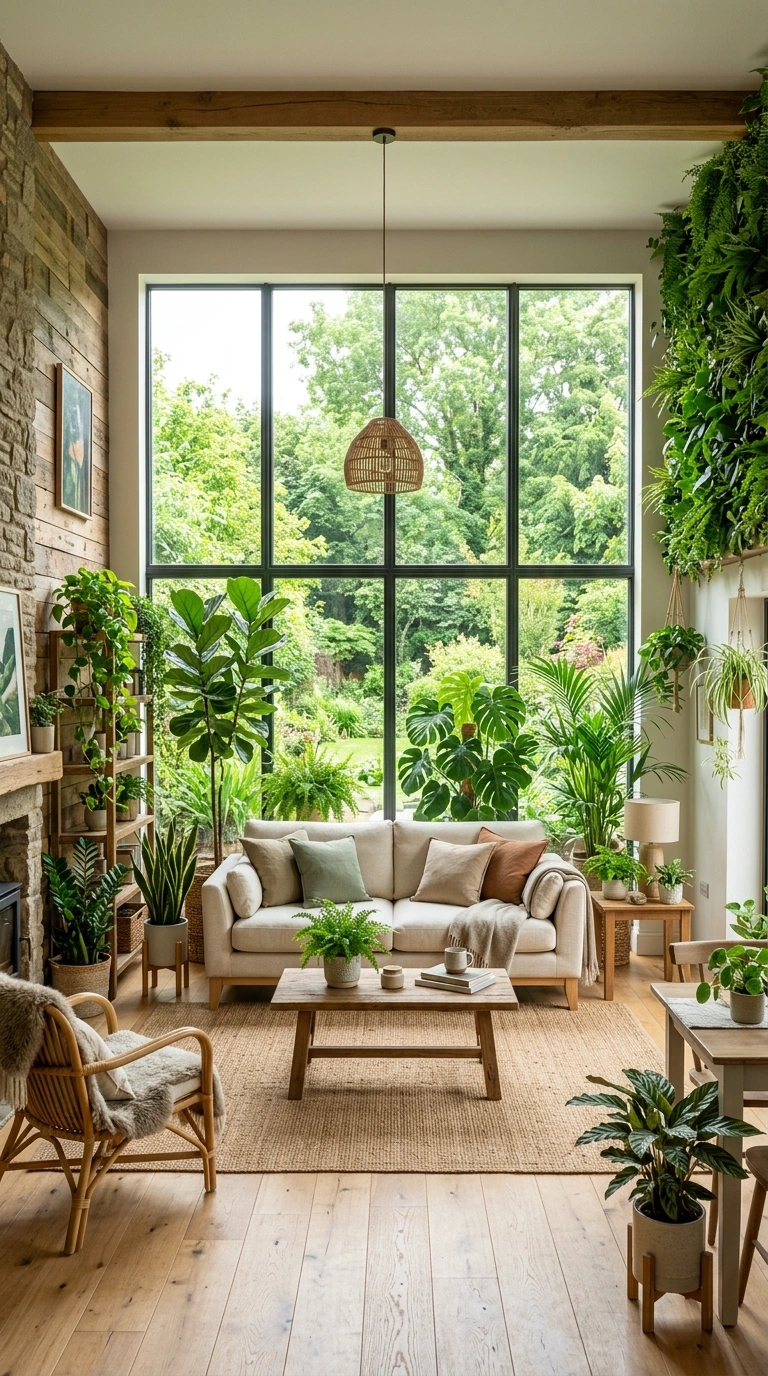
Biophilic design brings the outdoors in, prioritizing natural light, greenery, and organic materials to create a calmer, more grounded living space. This trend responds to a broader cultural desire for wellness-focused homes that feel restorative rather than purely decorative.
Large windows left unobstructed, an abundance of plants at varying heights, and natural materials like wood and stone all reinforce this trend. Even a small living room can lean into biophilic design through a few well-placed plants and maximized natural light.
3. Warm Neutral Color Palettes
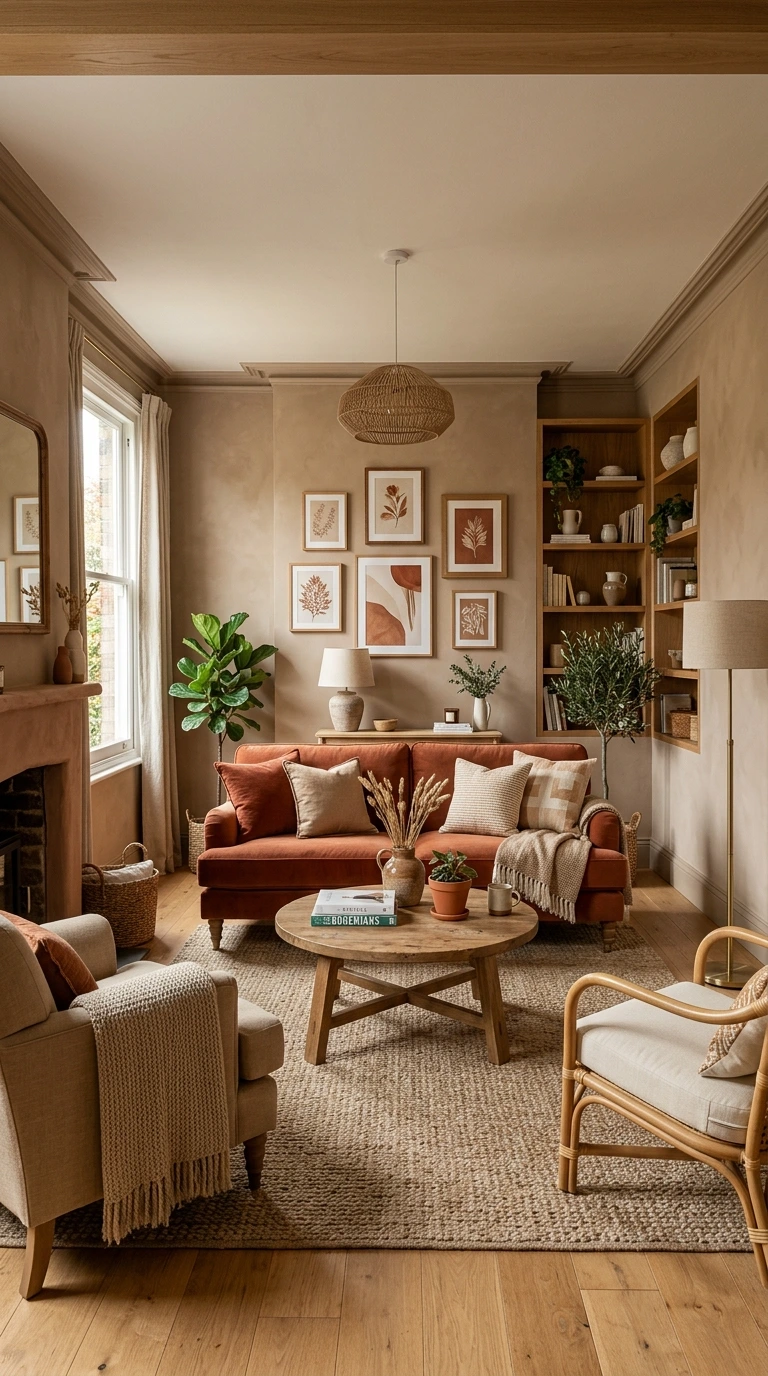
Cool grays are fading in favor of warmer, earthier tones like clay, sand, mushroom, olive, and soft terracotta. These colors create a calmer, more inviting atmosphere than the starker neutrals that dominated the previous decade.
This palette shift pairs naturally with wood and woven materials, reinforcing a grounded, organic feeling throughout the room. Even small updates, like a few new throw pillows or a piece of art in these tones, can shift an entire room toward this warmer 2026 direction.
4. Layered Ambient Lighting
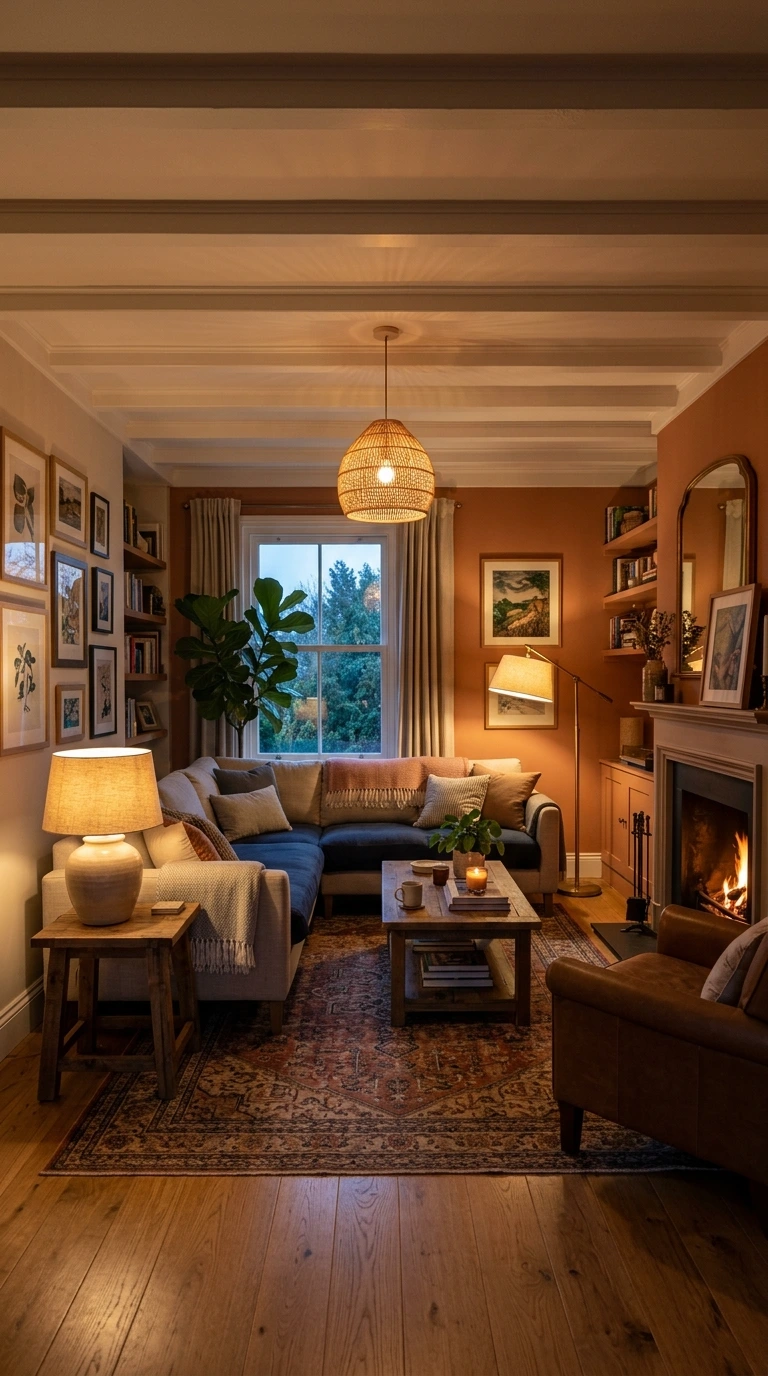
Lighting in 2026 is less about brightness and more about mood, moving away from a single overhead fixture toward table lamps, floor lamps, pendants, and wall lights working together. This layered approach creates a softer, more welcoming atmosphere throughout the day and evening.
Decorative lighting also increasingly helps define separate zones within an open living space, rather than serving a purely functional purpose. A room with three or four distinct light sources, each contributing its own warm glow, consistently reads as more considered than one lit by a single ceiling fixture.
5. Mixed Metal Finishes
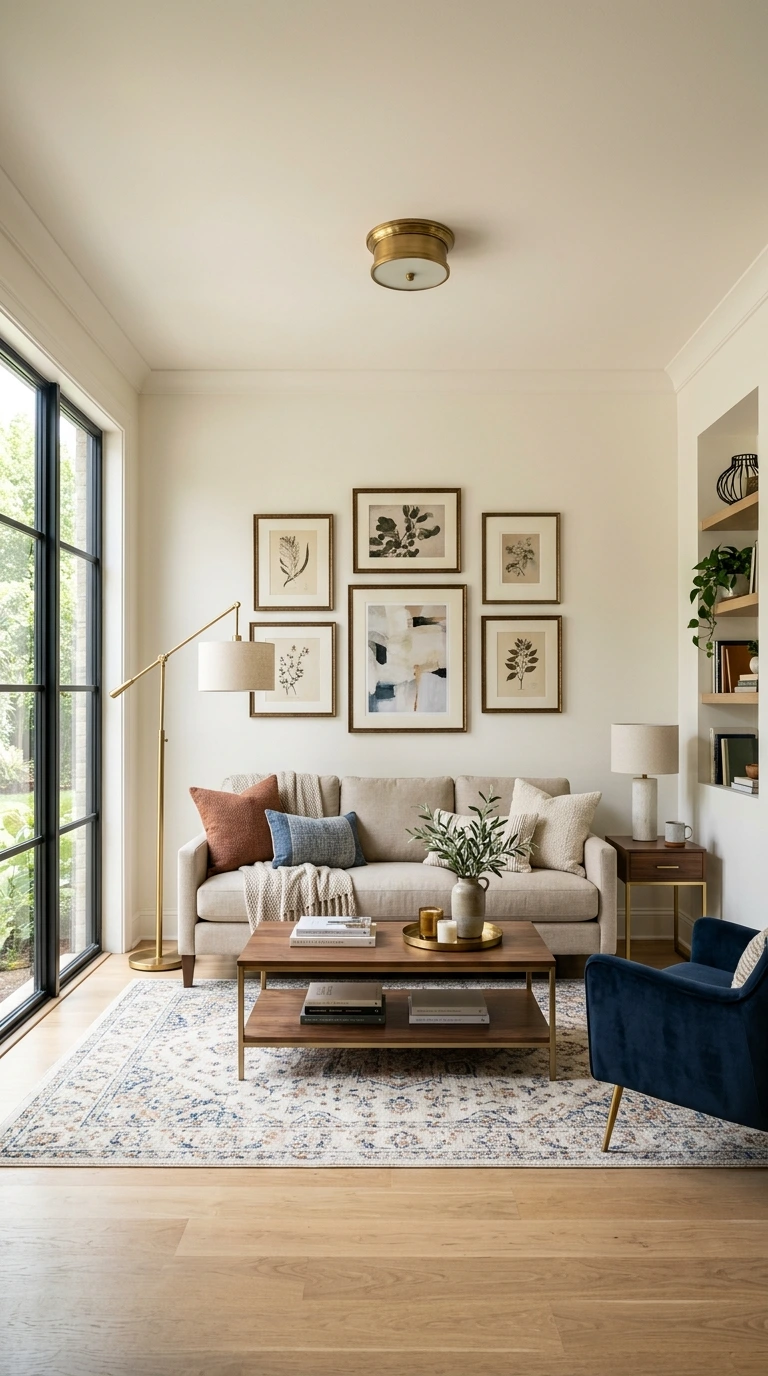
Rather than matching every metal accent throughout a room, 2026 embraces intentionally mixing brass, matte black, and aged bronze finishes across furniture and fixtures. This approach adds visual depth that a uniformly finished room lacks.
A brass floor lamp paired with black window frames and bronze picture frames, for example, creates a layered look that feels collected over time rather than purchased as a matching set. The key is repeating each metal tone at least twice throughout the room so the mix feels intentional.
Warning: Mixing metals works best with some restraint. Introducing more than three different metal finishes in one room can start to feel chaotic rather than intentionally layered, so aim for two or three coordinated tones at most.
6. Curved Furniture Silhouettes
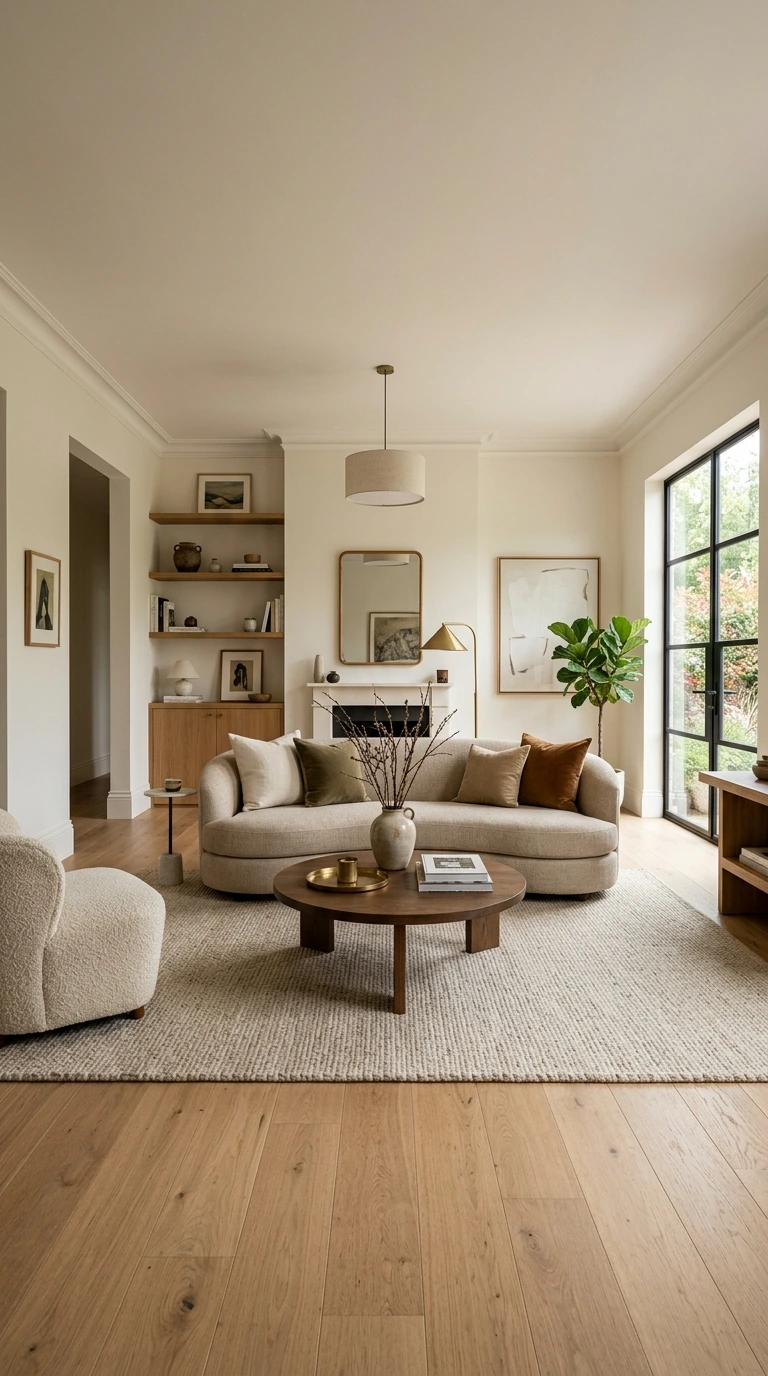
Sharp, angular furniture is giving way to softer, curved silhouettes, from rounded sofas to circular coffee tables and curved accent chairs. This trend brings a gentler, more organic quality to a room’s overall shape language.
Curved furniture also tends to improve traffic flow in smaller rooms, since rounded edges feel less obstructive than sharp corners. A single curved sofa or an arched mirror can introduce this trend without requiring a full furniture overhaul.
7. Expressive, Bold Prints
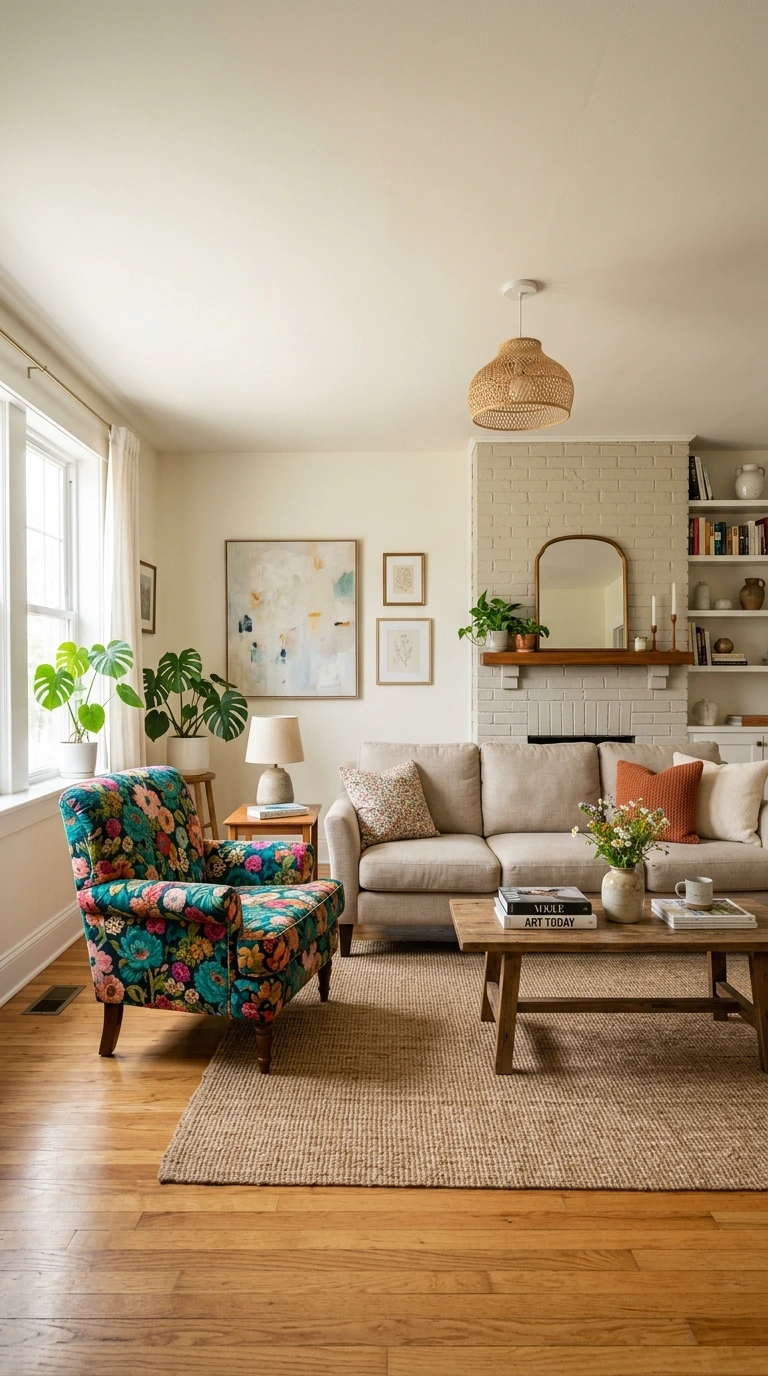
Designers are moving away from safe, subtle patterns in favor of bold, expressive prints on upholstery, rugs, and wallpaper. This trend reflects a broader cultural shift toward personality-driven spaces over purely neutral, universally palatable design.
A striking floral, geometric, or abstract pattern used on a single statement chair or an accent wall lets you experiment with this trend without overwhelming the entire room. Pairing a bold print with simpler, more neutral surrounding pieces keeps the look balanced.
8. Mismatched, Collected Furniture
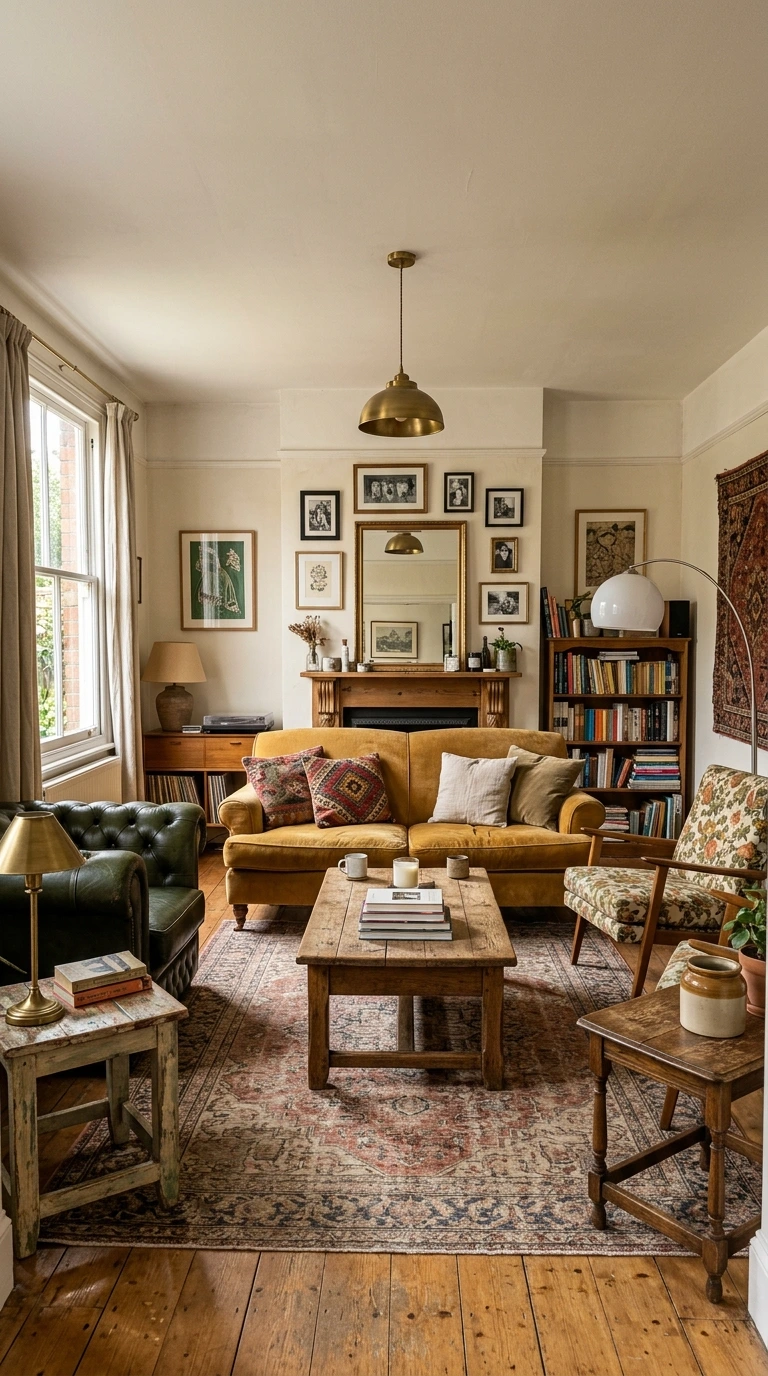
The matching furniture set is officially out of style, replaced by a more personal approach that mixes inherited pieces, thrifted finds, and bespoke furniture layered together over time. This trend also encourages a more sustainable way of decorating.
Rather than buying an entire room’s worth of furniture at once, this approach favors building a room gradually, piece by piece, as items that genuinely resonate come along. The result reads as more authentic and far less like a furniture showroom.
9. Vintage-Inspired Pieces
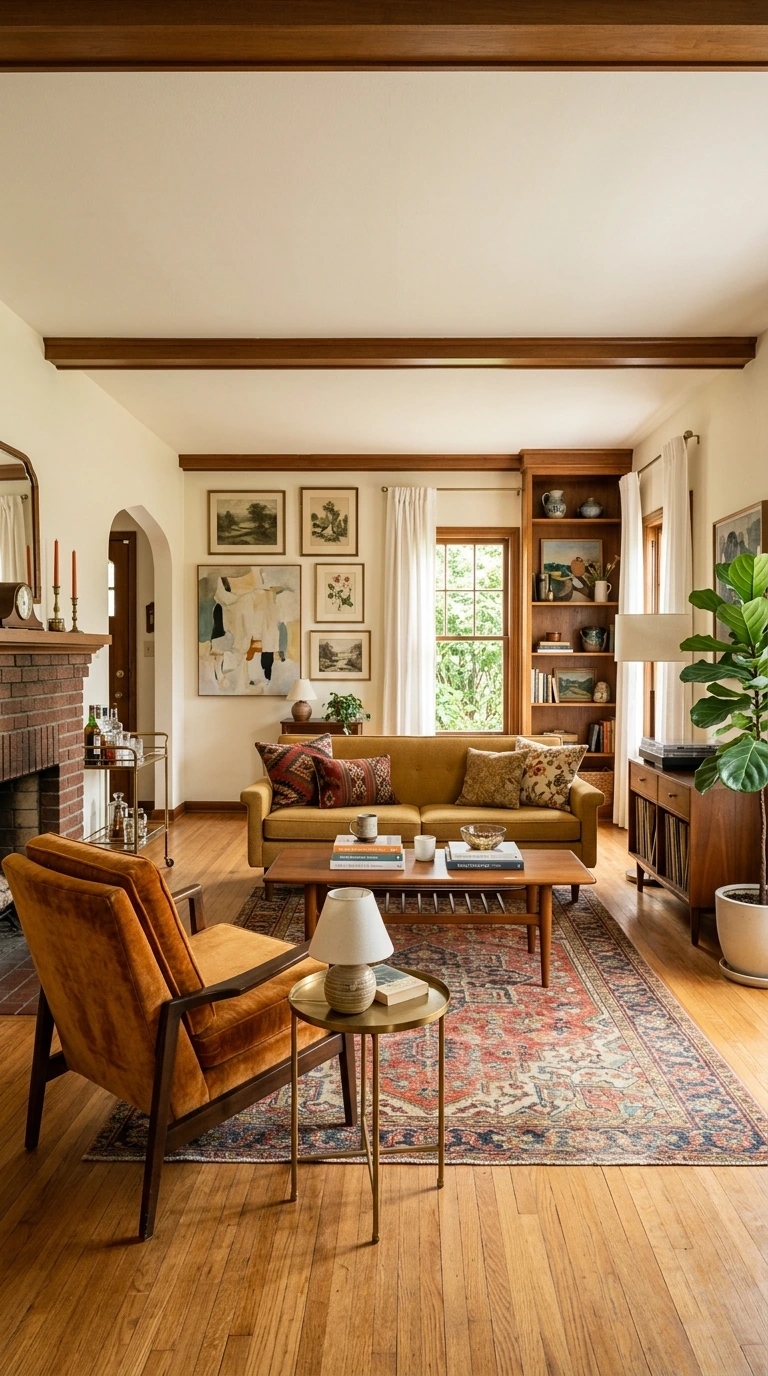
Vintage and vintage-inspired furniture continues gaining ground in 2026, bringing character and history that new, mass-produced pieces often lack. A single well-chosen vintage armchair or coffee table can anchor an entire room’s personality.
This trend pairs naturally with the broader move toward mismatched, collected interiors, since vintage pieces inherently avoid the uniform look of a matching set. Thrift stores, estate sales, and vintage marketplaces have become increasingly popular resources for sourcing these statement pieces.
10. Rich, Moody Wall Colors
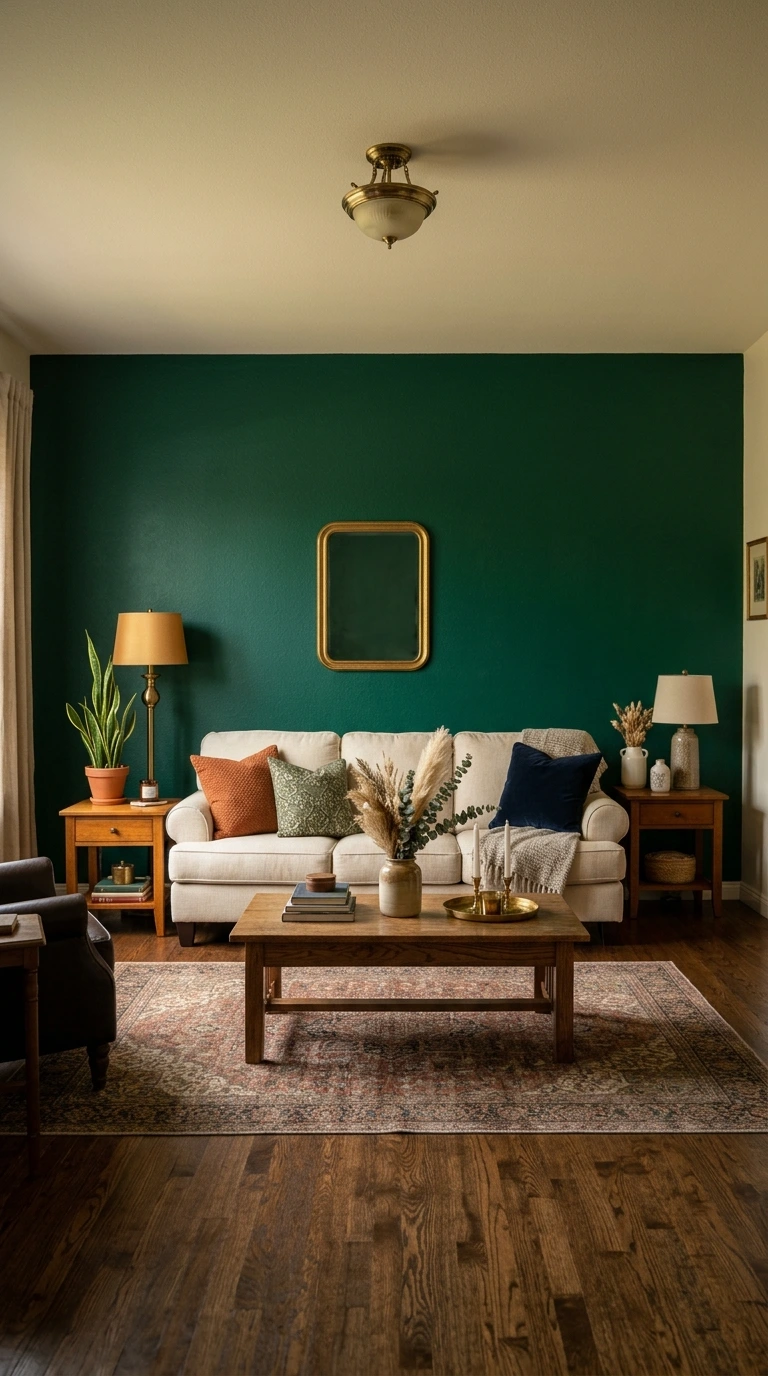
Deep, saturated colors like emerald, navy, and burgundy are appearing on walls in doses, whether as a single accent wall or a fully committed moody room. This trend moves decisively away from the all-white, all-gray palettes of recent years.
When going dark on the walls, designers recommend keeping furniture lighter and layering in texture to avoid the room feeling overly heavy. A deep emerald wall paired with a cream sofa and warm wood accents strikes this balance well.
Important: A moody, dark-walled room depends heavily on layered lighting to avoid feeling flat or cave-like. Pair any deep wall color with warm lamps and, where possible, plenty of natural light to keep the space feeling inviting rather than heavy.
11. Tactile, Organic Finishes
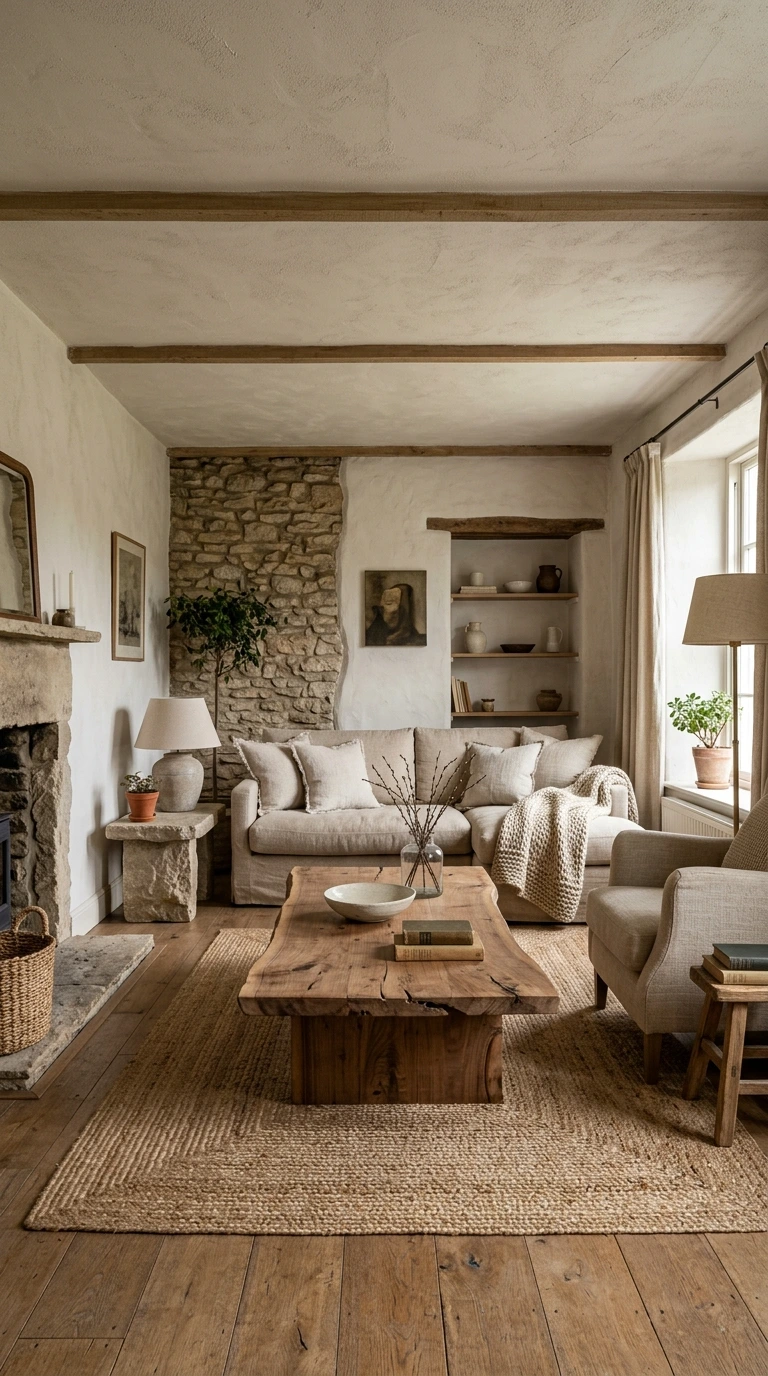
High-shine, glossy surfaces are out in favor of finishes that feel genuinely tactile and organic: linen upholstery, unfinished wood, stone accents, and woven textures. This trend creates a grounded, relaxed look rather than an overly polished, showroom feel.
A linen sofa paired with a raw-edge wood coffee table and a stone side table exemplifies this material-driven approach. The goal is a room that feels touchable and lived-in, rather than pristine and untouchable.
12. Woven Storage as a Design Feature
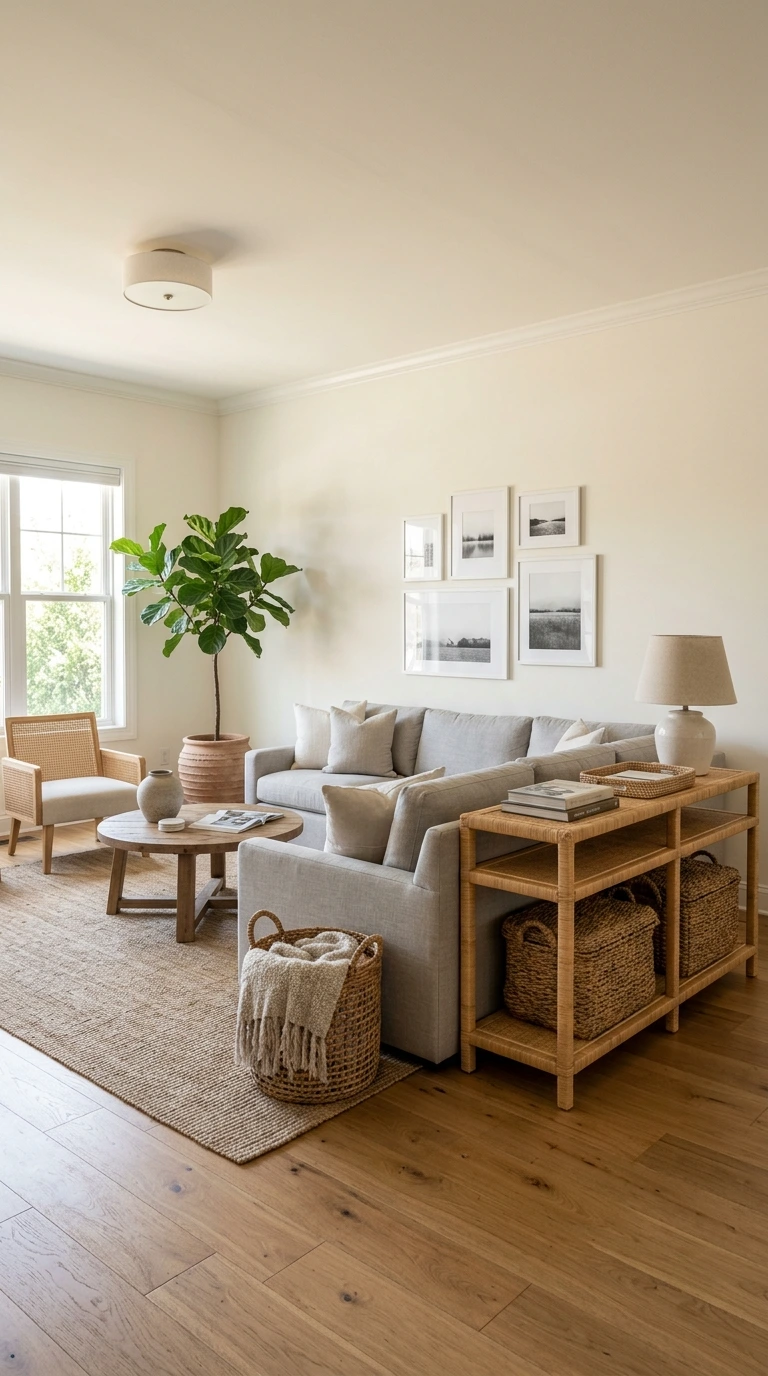
Woven baskets, trays, and even furniture made from natural fibers have moved beyond purely functional storage into genuine design statements. Trays, baskets, and lighting made from woven materials add texture and warmth across nearly every style, from coastal to contemporary.
Rather than hiding storage away, this trend puts it on display, using it as an intentional textural element within the room’s broader styling. A woven basket beside the sofa or a rattan console both exemplify this shift.
13. Layered Rugs
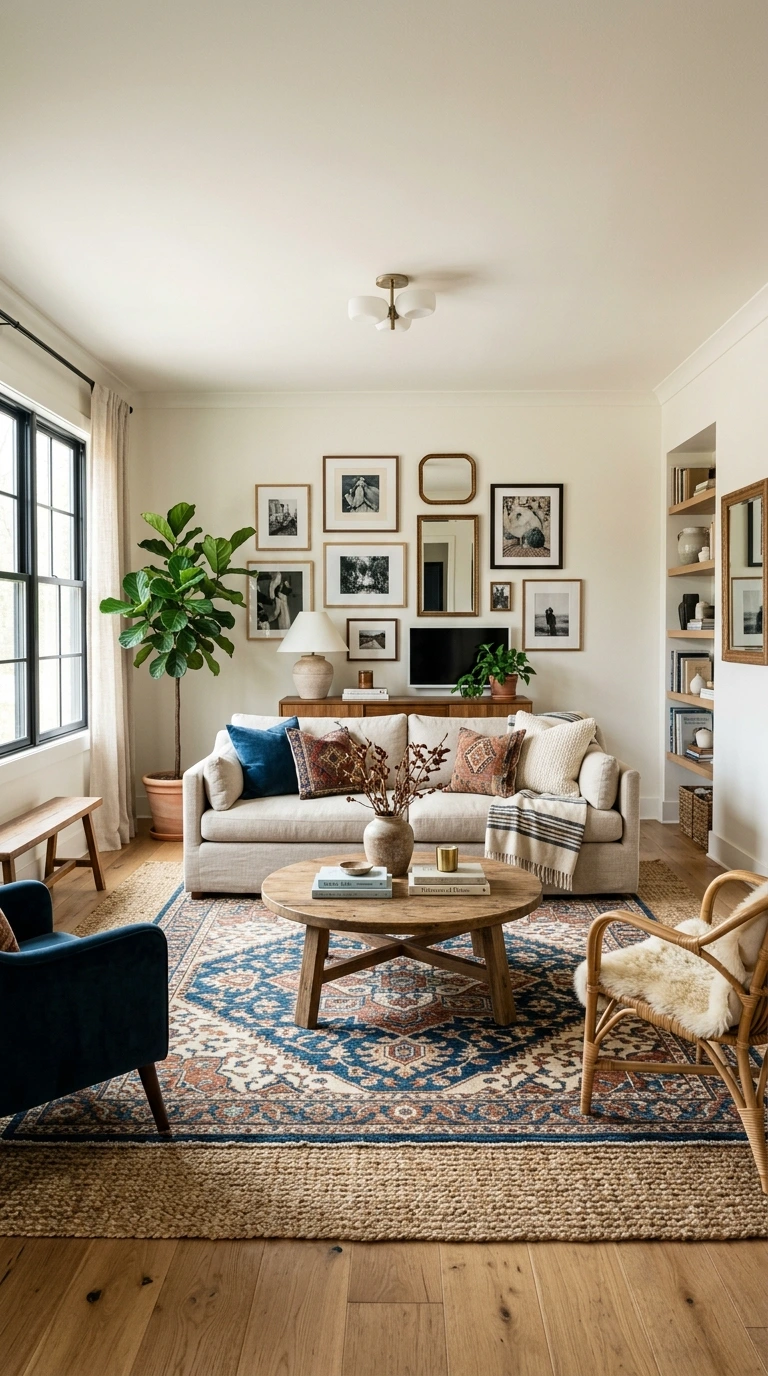
Placing a smaller, textured or patterned rug over a larger neutral base rug adds both comfort and visual interest, helping define a seating area within an open floor plan. This technique is especially useful in larger living rooms that benefit from additional grounding.
This trend also allows for easy seasonal or stylistic updates, since only the smaller top rug needs to be swapped to refresh the room’s look. A neutral jute base paired with a bold patterned top rug is a particularly popular combination for 2026.
14. Fewer, Larger Statement Accents
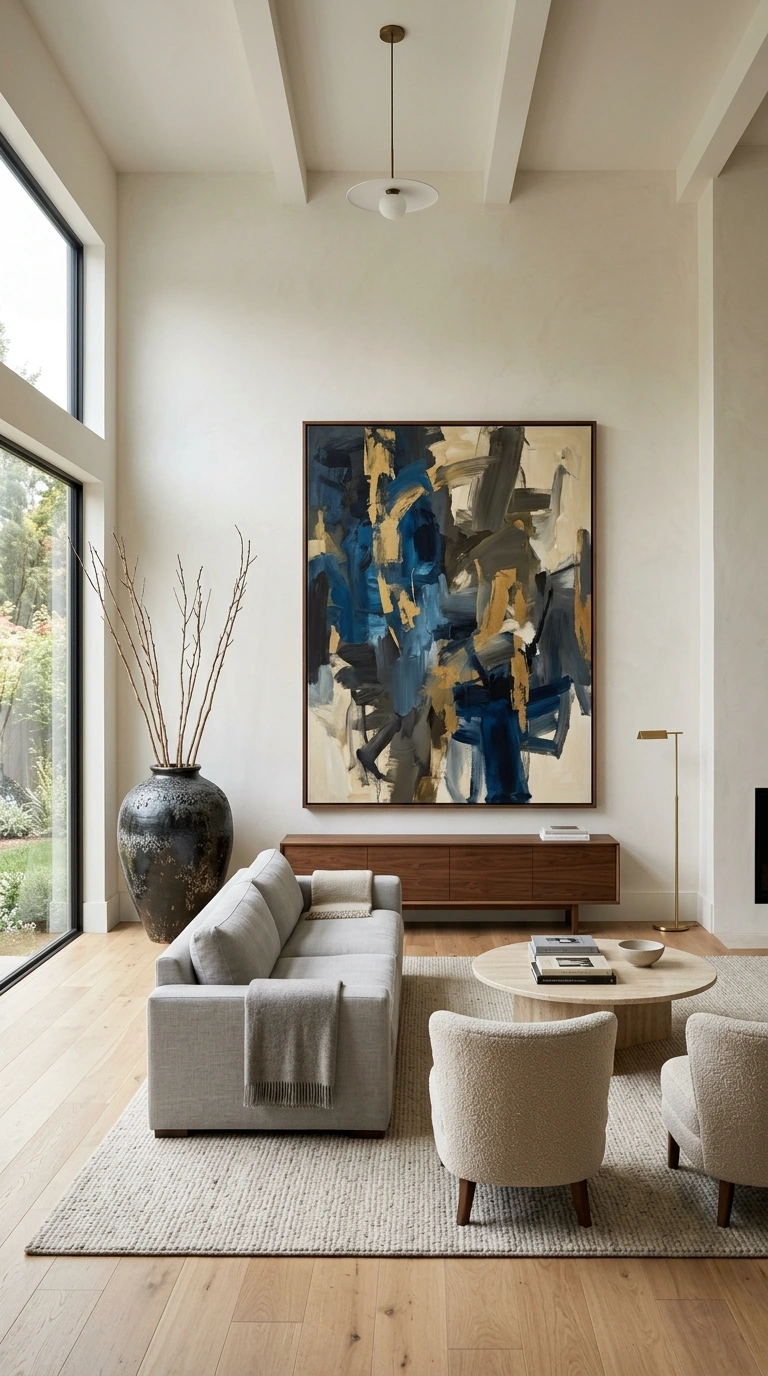
Rather than filling shelves and tables with many small decorative objects, 2026 styling favors fewer, larger accents that each carry genuine visual weight. This approach ties directly into the broader quiet luxury movement shaping the year’s overall aesthetic.
A single oversized vase or one striking piece of art tends to have more impact than a shelf crowded with a dozen small trinkets. This trend also simplifies styling decisions, since fewer, more considered choices are easier to get right than a large collection of smaller pieces.
Trend Categories at a Glance
| Trend Category | Key Examples | Best For |
|---|---|---|
| Color & Materials | Warm neutrals, moody walls, tactile finishes | Rooms wanting warmth over stark minimalism |
| Furniture Shape | Curved silhouettes, mismatched collected pieces | Rooms seeking softer, more personal character |
| Lighting & Tech | Layered lighting, smart systems | Rooms prioritizing mood and functionality |
| Personality & Pattern | Expressive prints, vintage finds, maximalist styling | Rooms embracing bold, collected character |
15. Smart Lighting Systems
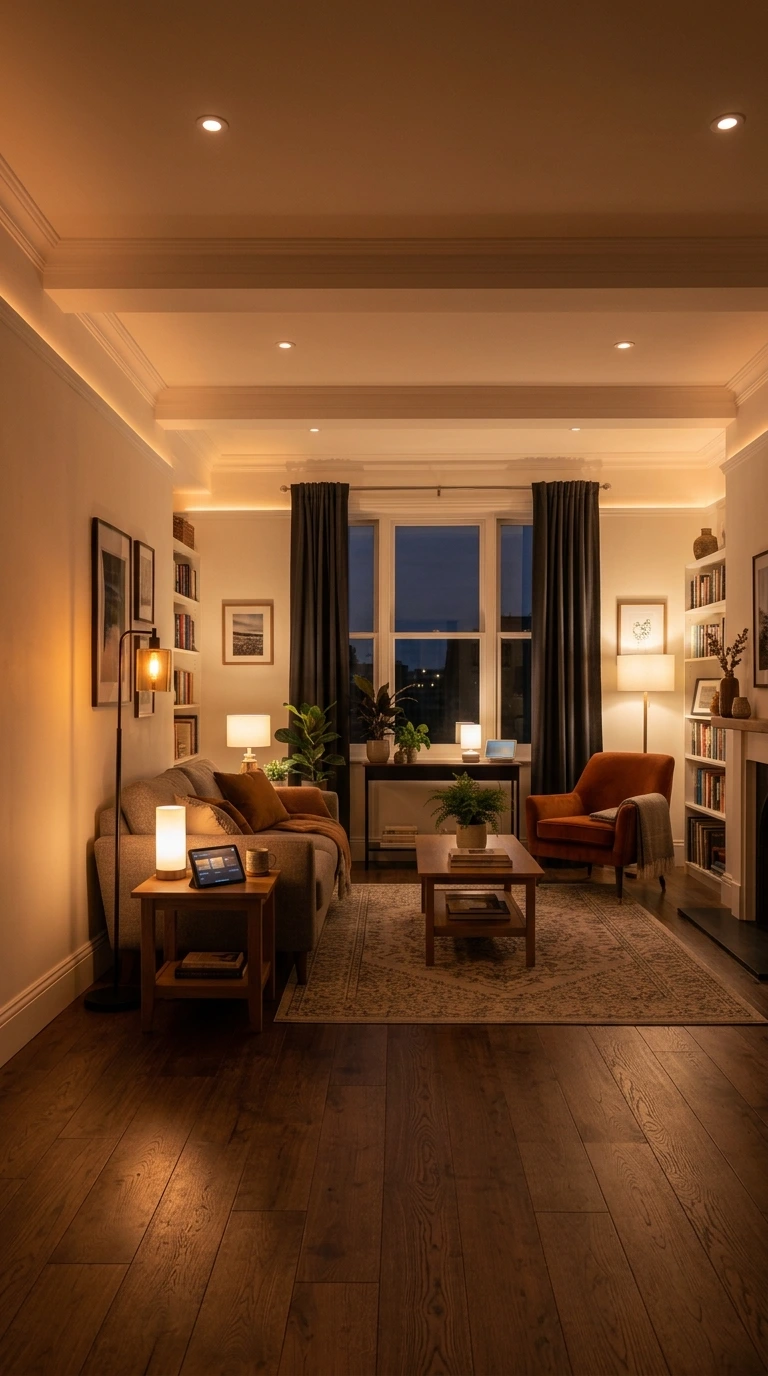
Smart lighting has become a genuine design feature rather than just a convenience upgrade, with systems that adjust color temperature automatically throughout the day. Voice-controlled shades and hidden tech help keep spaces feeling serene rather than cluttered with visible gadgets.
This trend allows a single room to shift from bright, energizing light for daytime tasks to a warm, dim glow for evening relaxation, all without manually swapping bulbs or fixtures. The emphasis remains on the tech staying invisible, supporting the room’s mood rather than becoming a visual focal point itself.
16. Sustainable and Eco-Conscious Choices
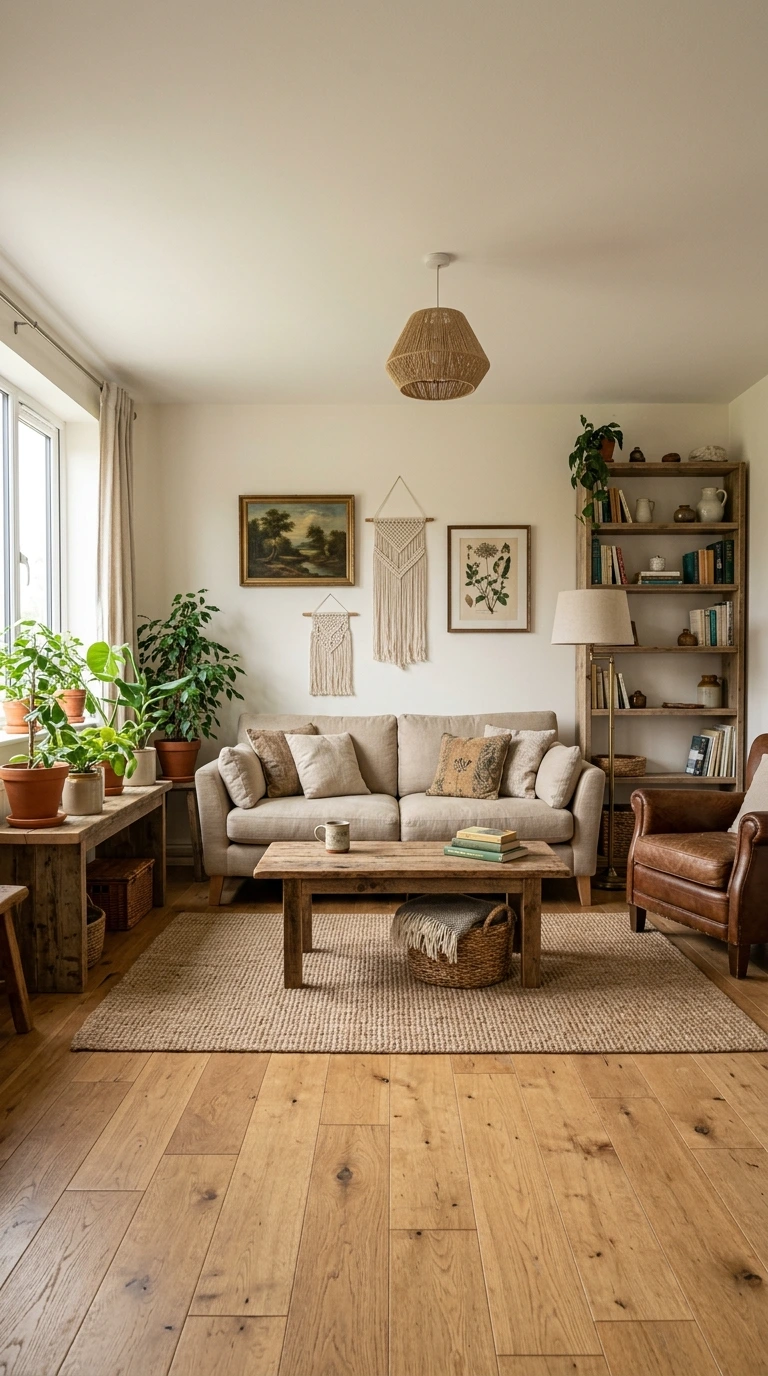
Sustainability has become a genuine design priority rather than a niche concern, with vintage finds and eco-friendly materials reducing environmental impact while adding unique character. This trend dovetails naturally with the broader move away from mass-produced matching furniture sets.
Choosing reclaimed wood, secondhand furniture, or sustainably sourced textiles allows a room to feel both current and more environmentally considered. This approach also tends to result in more unique, less generic-looking spaces than buying everything new from a single retailer.
17. Bold Accent Walls in Measured Doses
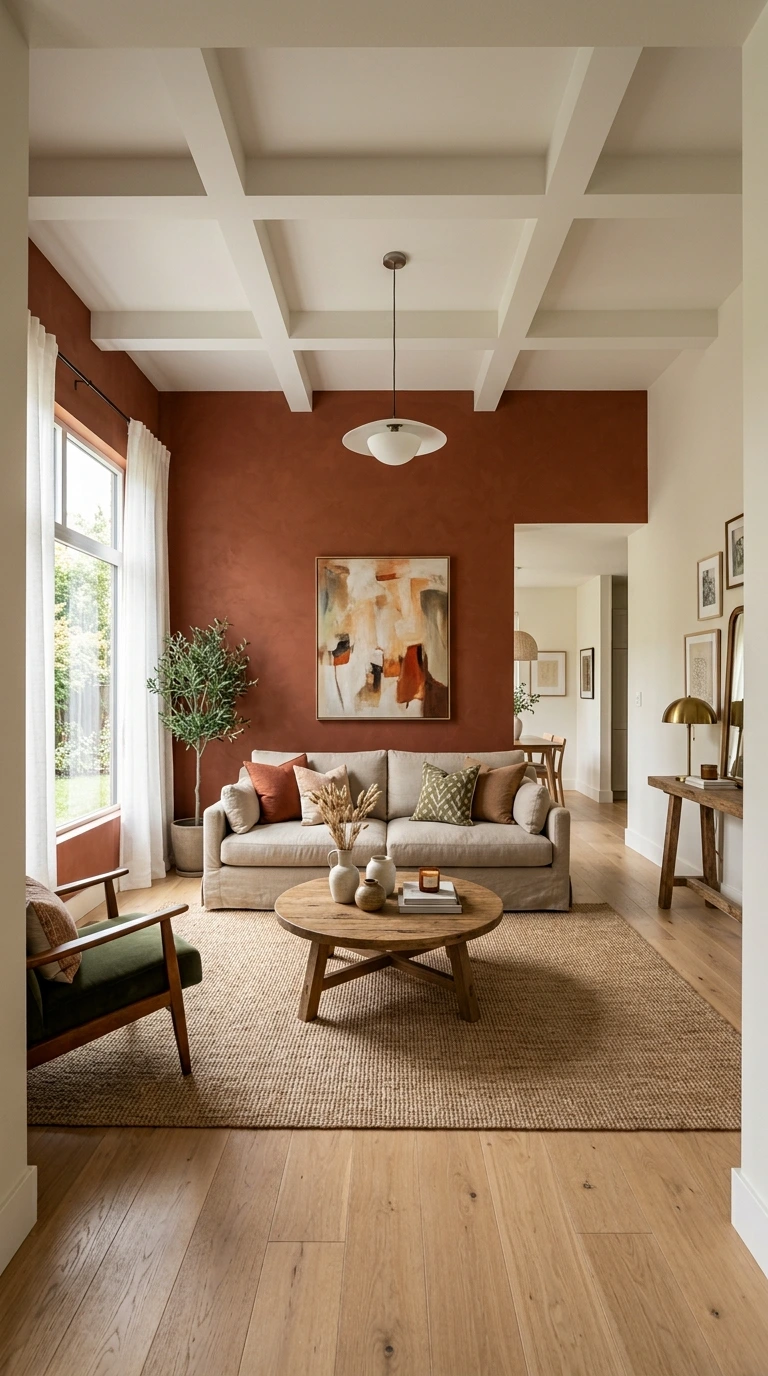
Bold accent colors are returning, but in more measured, intentional doses rather than covering an entire room. Deep emerald, terracotta, or navy used on just one wall, or repeated through smaller accessories, creates genuine drama without overwhelming the space.
This restrained approach to bold color makes the trend accessible even for those hesitant to fully commit to a saturated palette throughout an entire room. A single painted wall behind a neutral sofa delivers much of the same visual impact as a fully colored room, with far less commitment.
18. Scandinavian Hygge Revival
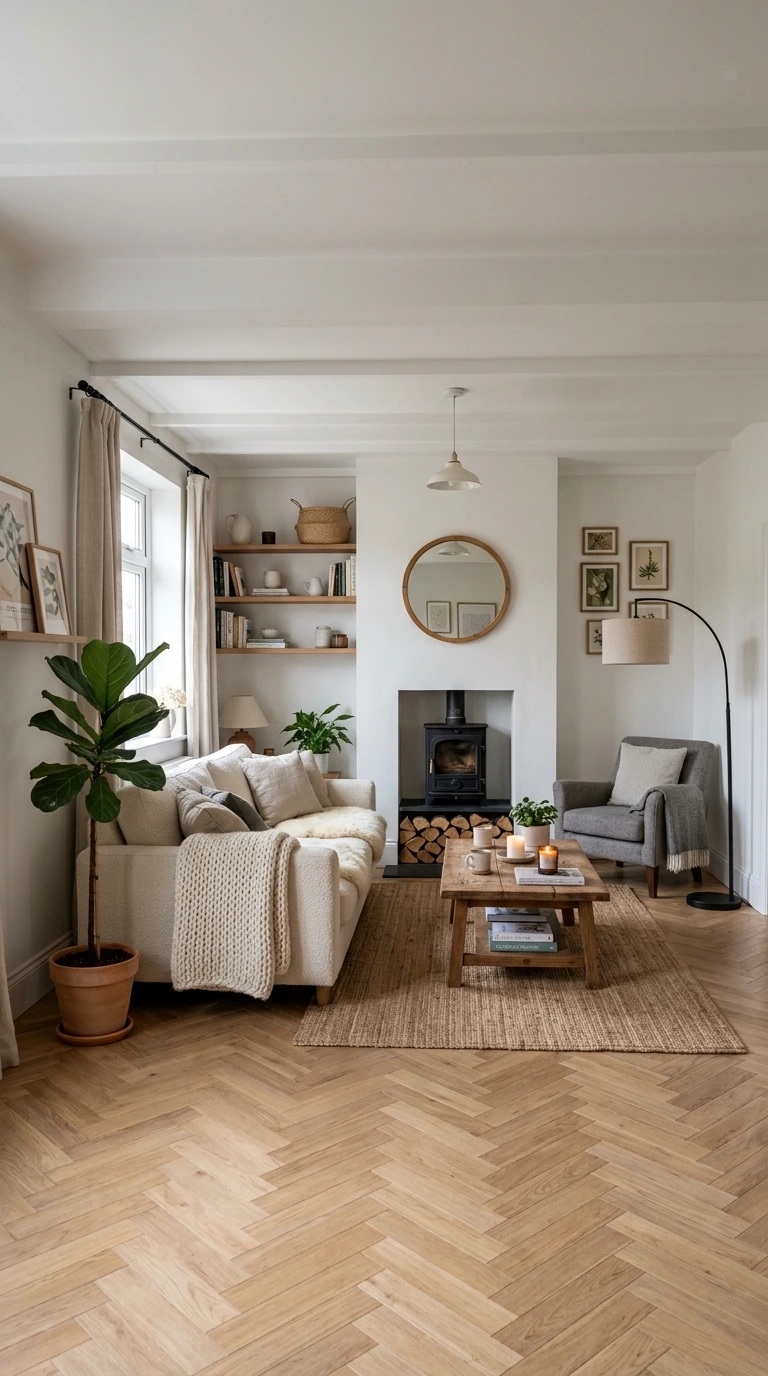
Modern Scandinavian interiors continue to influence 2026 living rooms, emphasizing light wood floors, minimalist curtain poles, and an overall cozy, hygge-inspired atmosphere. This trend balances simplicity with genuine warmth, avoiding the coldness sometimes associated with earlier minimalist movements.
Herringbone wood flooring, in particular, has become a popular detail within this aesthetic, adding subtle texture and visual interest to an otherwise simple room. Pairing light woods with soft textiles and warm lighting captures this trend’s essential balance of clean lines and genuine coziness.
19. Breaking the Symmetrical Grid
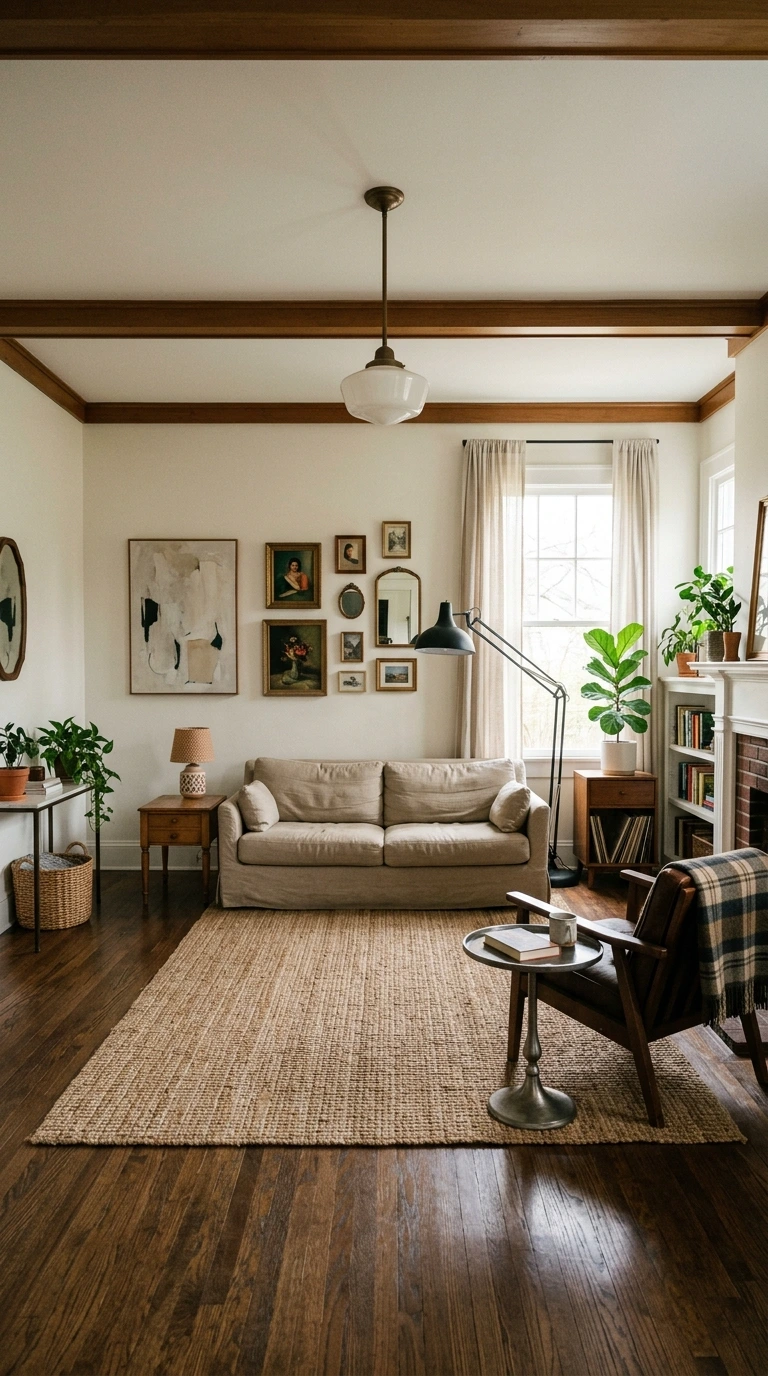
Interior designers are increasingly pushing back against the perfectly symmetrical “minimalist grid” layout that dominated recent years, arguing it can make rooms feel flat rather than dynamic. Intentional asymmetry, mismatched furniture pairings, and varied heights across a room create more visual movement.
This trend encourages placing furniture and decor with a bit of deliberate imperfection, rather than mirroring every element on either side of a room. A single oversized lamp on one side of the sofa paired with a shorter plant on the other exemplifies this more dynamic, asymmetrical approach.
20. Textured Wall Treatments
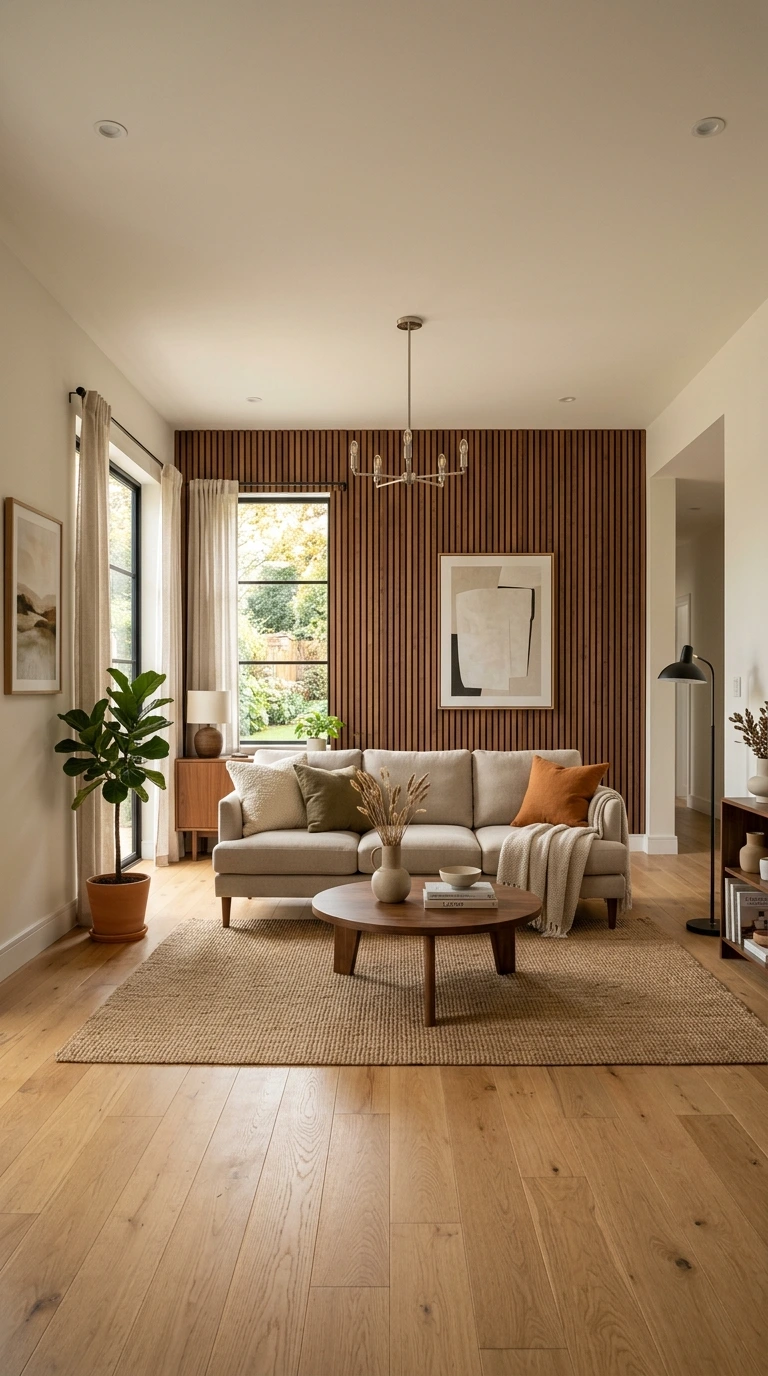
Beyond paint alone, textured wall treatments like wood paneling, wallpaper, or plaster finishes are gaining ground as a way to add depth to a room’s largest surface. This trend responds directly to the broader move toward tactile, organic materials throughout 2026 interiors.
A single textured accent wall, whether wood slat paneling or a grasscloth wallpaper, can transform a plain room without requiring a full renovation. This detail also pairs naturally with the warm neutral color palettes trending throughout the year.
- ✅ Choose two or three trends that genuinely suit your existing style rather than chasing all of them
- ✅ Prioritize texture and material quality over covering every surface with decor
- ✅ Layer at least two or three light sources instead of relying on one overhead fixture
- ✅ Mix metals and furniture styles intentionally rather than matching everything
- ✅ Build a collected look gradually rather than buying an entire room at once
21. The Red Sofa as a Statement Piece
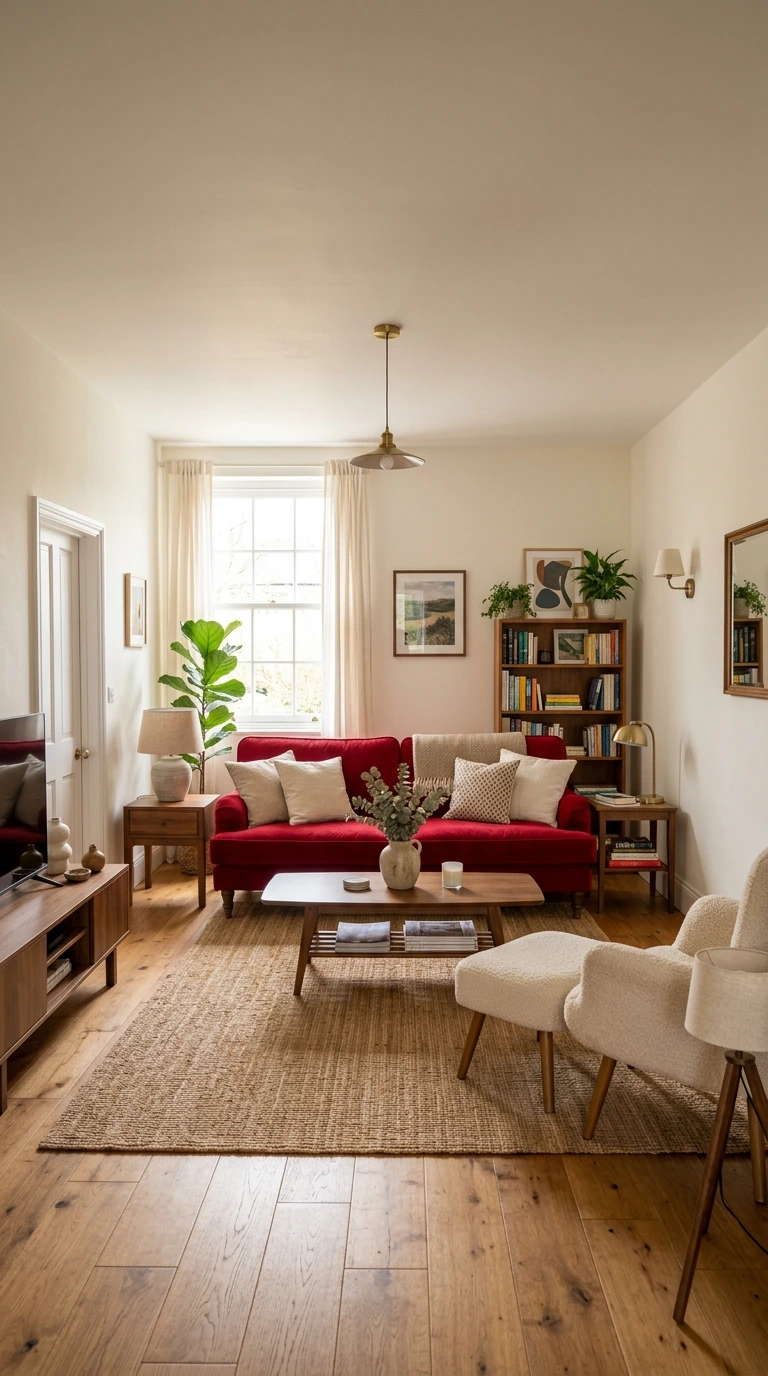
A bold red sofa has emerged as one of the year’s most talked-about statement pieces, proving that a single saturated color choice can anchor an entire room without feeling overwhelming. The key lies in balancing the sofa’s boldness with more neutral surrounding elements.
Pairing a red sofa with warm wood tones, cream textiles, and simple, uncluttered surrounding decor keeps the piece feeling intentional rather than garish. This trend exemplifies the broader 2026 shift toward bold, personality-driven color choices used thoughtfully within an otherwise restrained room.
22. ’70s-Inspired Chic Modernism
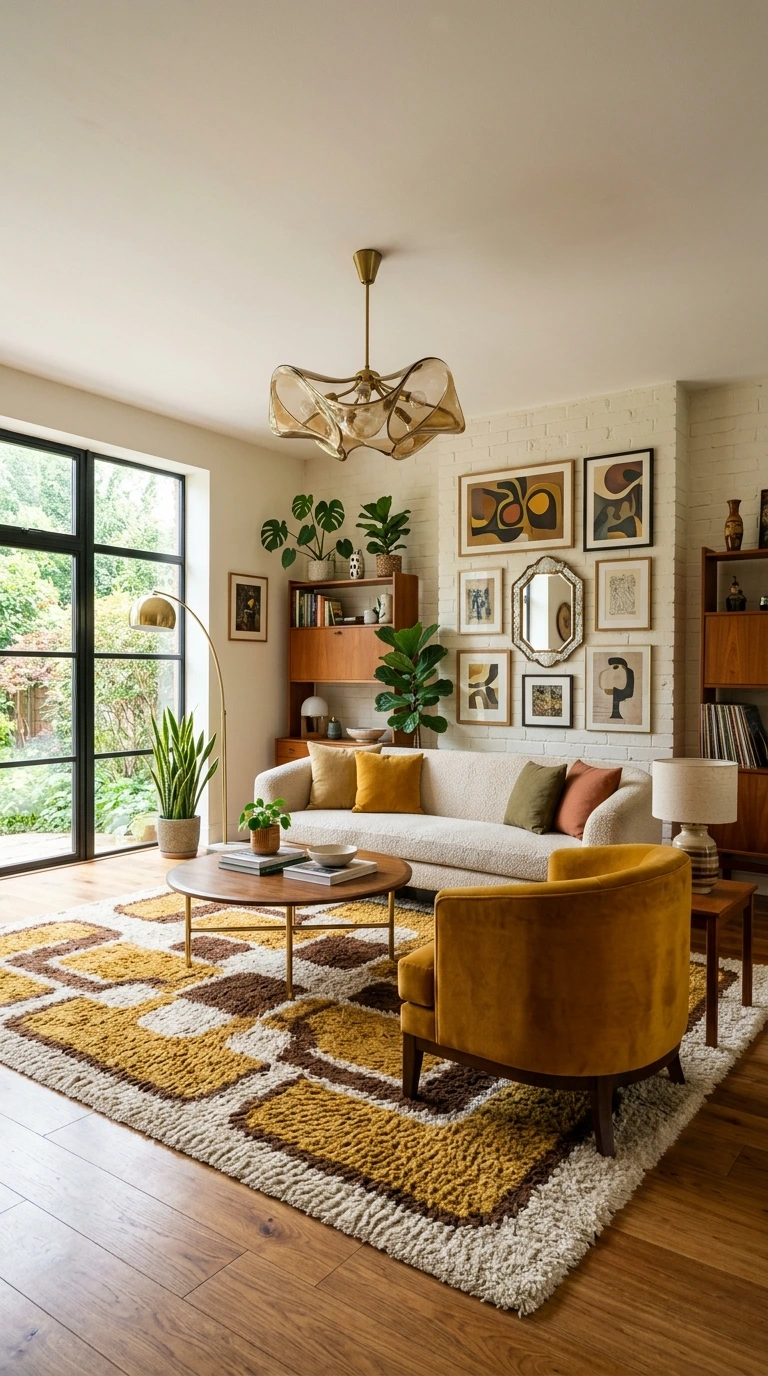
A ’70s-influenced aesthetic is replacing strict minimalism in some of 2026’s most talked-about living rooms, featuring curved furniture, warm color palettes, and a slightly retro sensibility. This look embraces a more relaxed, expressive design language than the clean lines of pure modernism.
Rounded armchairs, warm mustard or rust accent colors, and organic lighting fixtures all evoke this era-inspired trend. Unlike a costume-like recreation of the decade, the modern take filters these references through a more restrained, current lens.
23. Sculptural Coffee Tables
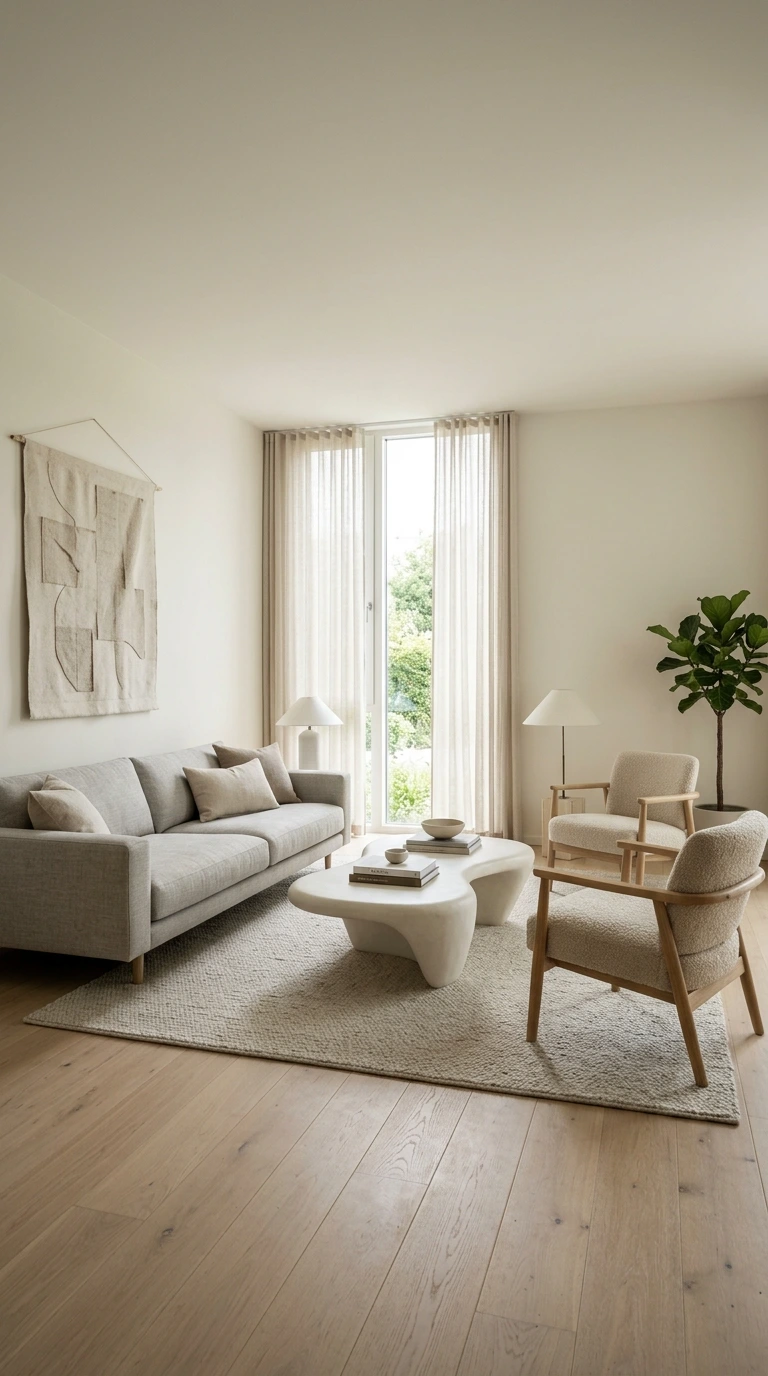
Coffee tables in 2026 increasingly function as sculptural art pieces rather than purely functional surfaces, featuring organic shapes, unusual materials, or bold asymmetry. This detail ties into the broader quiet luxury movement, where fewer, more considered pieces carry more visual weight.
A sculptural coffee table with a distinctive silhouette can serve as a genuine focal point, especially in a room that otherwise keeps its color palette and furniture relatively simple. This piece often becomes the one true “splurge” item within an otherwise more restrained room.
24. Gallery Walls with Mixed Frames
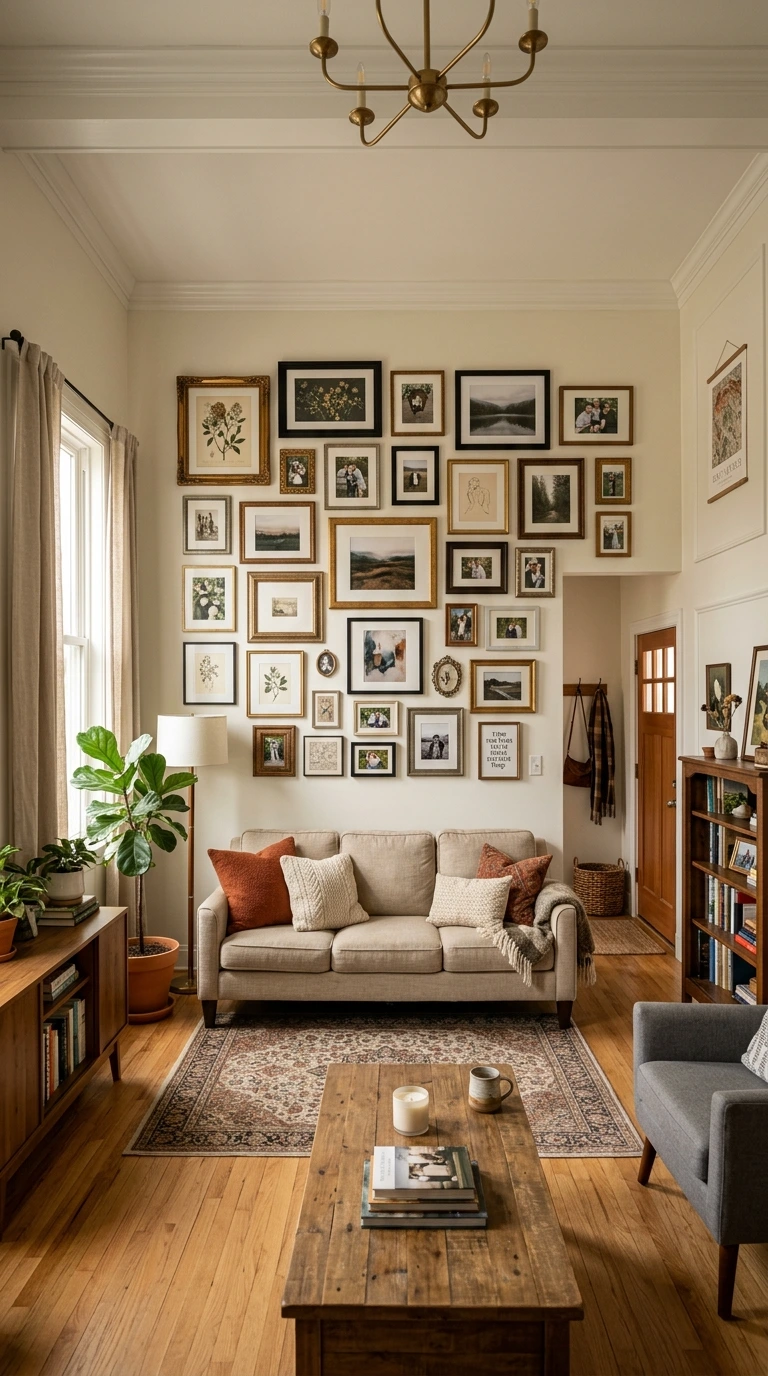
Gallery walls remain a strong trend into 2026, but with an emphasis on intentionally mixed frame styles and sizes rather than a uniform, matching set. This approach creates a more personal, storytelling display that reflects a collected, evolving aesthetic.
Keeping a consistent color palette across the frames, even while varying their size and style, helps the overall wall read as one cohesive display rather than a random assortment. This trend pairs naturally with the broader move toward mismatched, collected interiors throughout the room.
25. Floating and Wall-Mounted Furniture
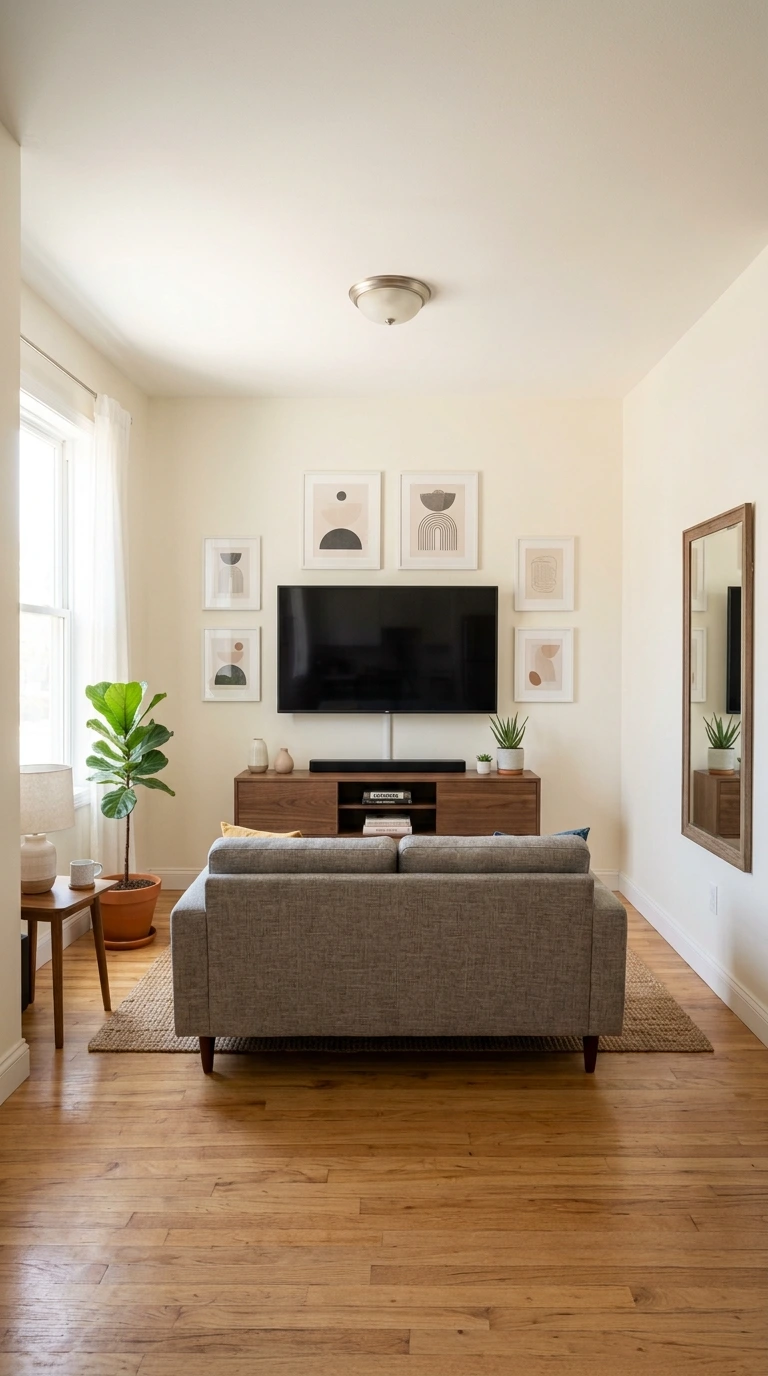
Wall-mounted shelves, floating consoles, and other furniture that appears to hover above the floor continue gaining popularity, particularly in smaller living rooms. This approach visually expands the floor space, making a compact room feel noticeably larger and lighter.
A floating media console beneath a mounted television, for example, keeps the visual base of the room open rather than grounded by a bulky cabinet. This trend works especially well in apartments and smaller homes where every inch of visible floor space matters.
Warning: Wall-mounted furniture requires proper anchoring into wall studs to safely support the intended weight, especially for larger media consoles or shelving units. Consult a professional installer if you’re uncertain about your wall’s structure before mounting heavier pieces.
26. Statement Ceiling Treatments
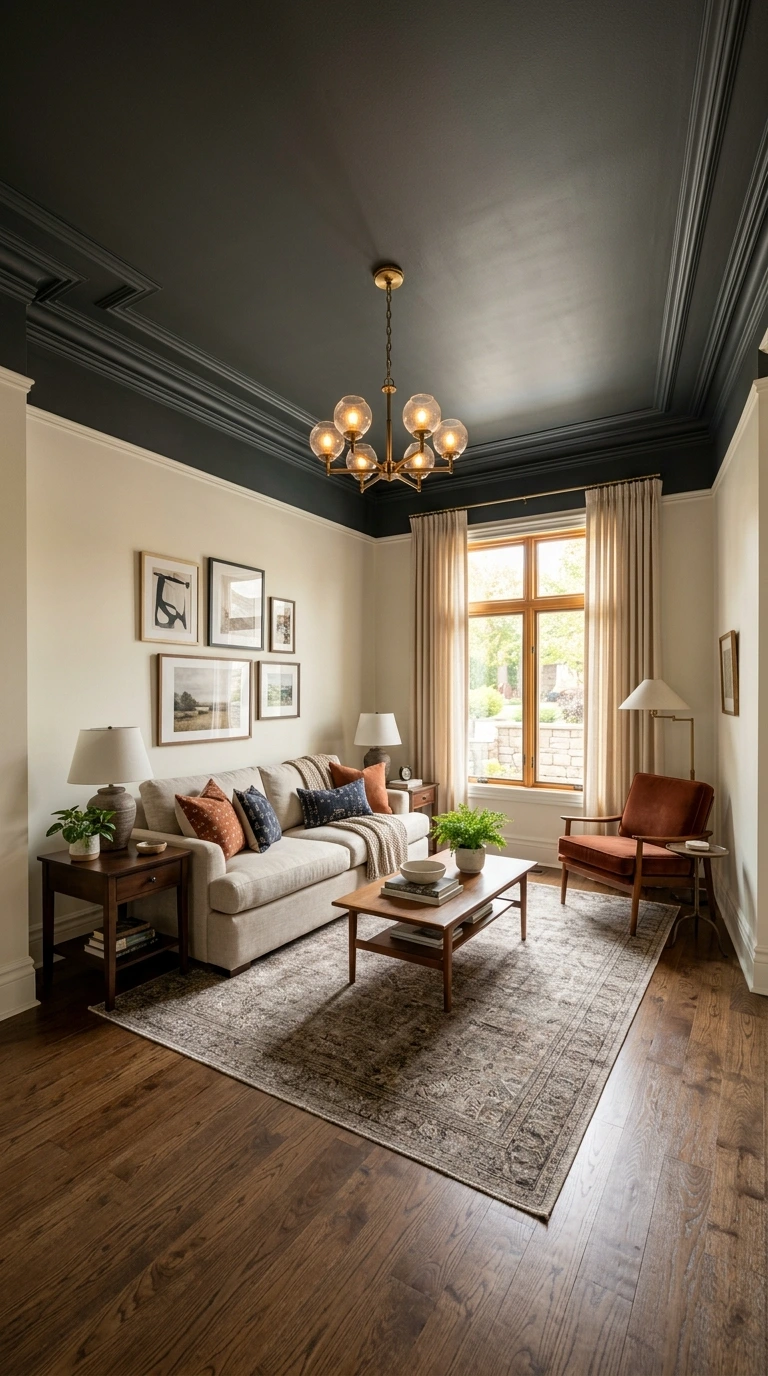
Ceilings are increasingly being treated as a genuine design opportunity rather than simply painted white and forgotten. Bold paint colors, wood beams, or decorative molding on the ceiling add an unexpected layer of visual interest to a room.
A deep-colored ceiling paired with lighter walls, sometimes called “the fifth wall” treatment, creates a cozy, enveloping effect, particularly in smaller rooms. This trend requires some confidence to commit to, but it delivers a genuinely distinctive result compared to a plain white ceiling.
27. Graphic Floor Patterns
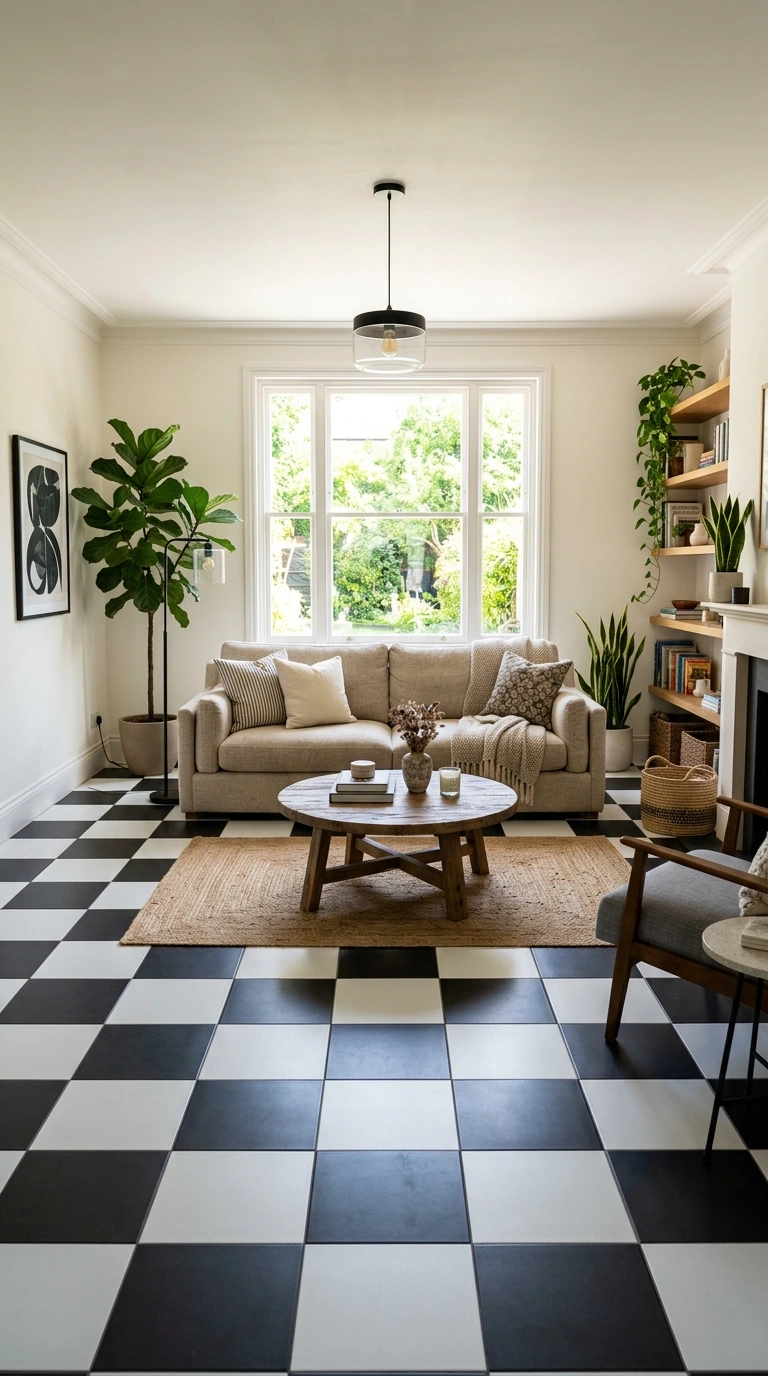
Checkerboard tile, patterned cement tile, or bold graphic rugs are bringing renewed visual interest to living room floors in 2026. This trend adds personality from the ground up, rather than relying purely on furniture and wall decor to carry a room’s visual identity.
A graphic black-and-white checkerboard floor, for example, can serve as a bold foundation that the rest of the room’s more neutral furniture and decor plays off of. This detail works particularly well in entryways that flow directly into the living space.
28. Maximalist, Styled Bookshelves
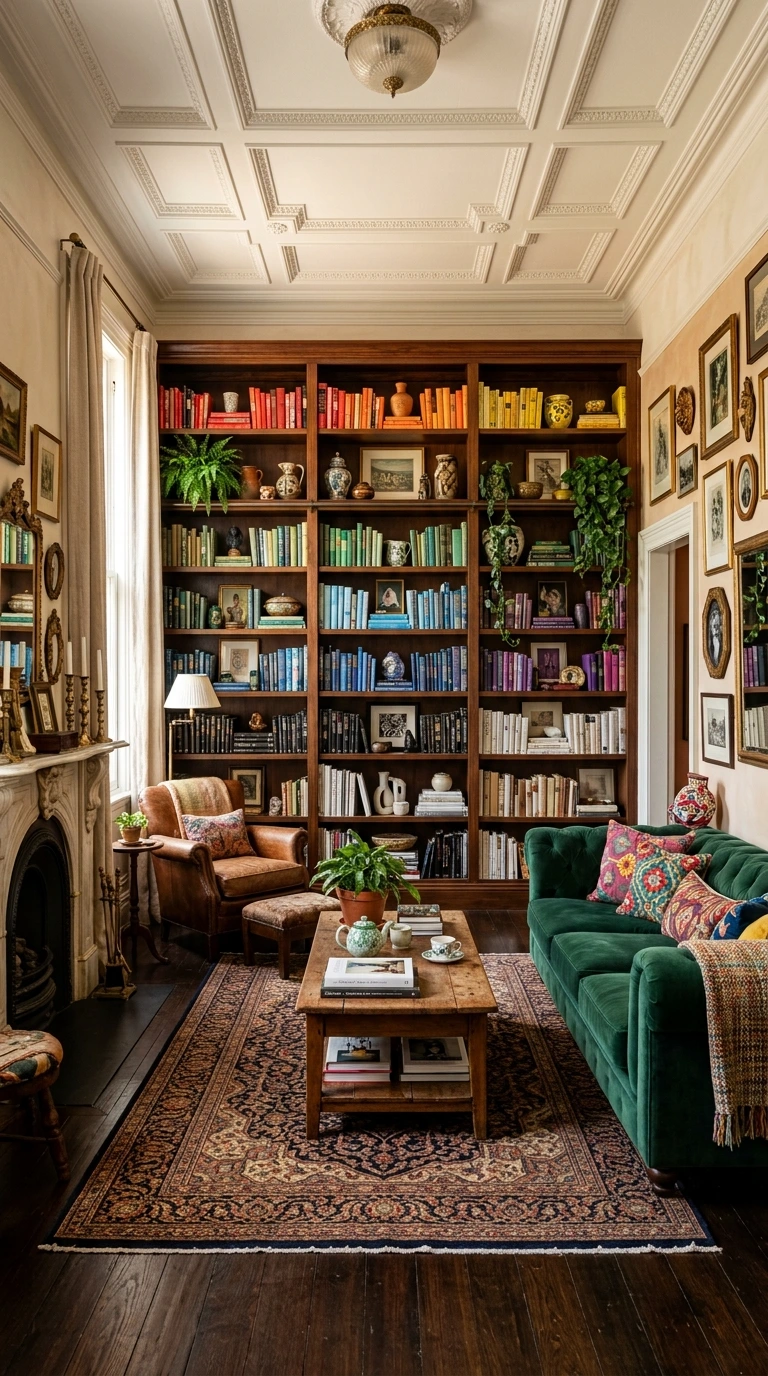
Rather than the sparse, minimalist shelving of recent years, 2026 embraces fuller, more personality-driven bookshelf styling, sometimes called “cluttercore” in more casual online discussion. Books, collected objects, and personal mementos fill shelves with intentional, curated abundance.
The key distinction from genuine clutter lies in the intentionality: items are grouped thoughtfully by color or theme rather than placed at random. This trend rewards a personal collection built up over time rather than one purchased all at once for the sake of appearance.
29. Handcrafted and Artisan Decor Pieces
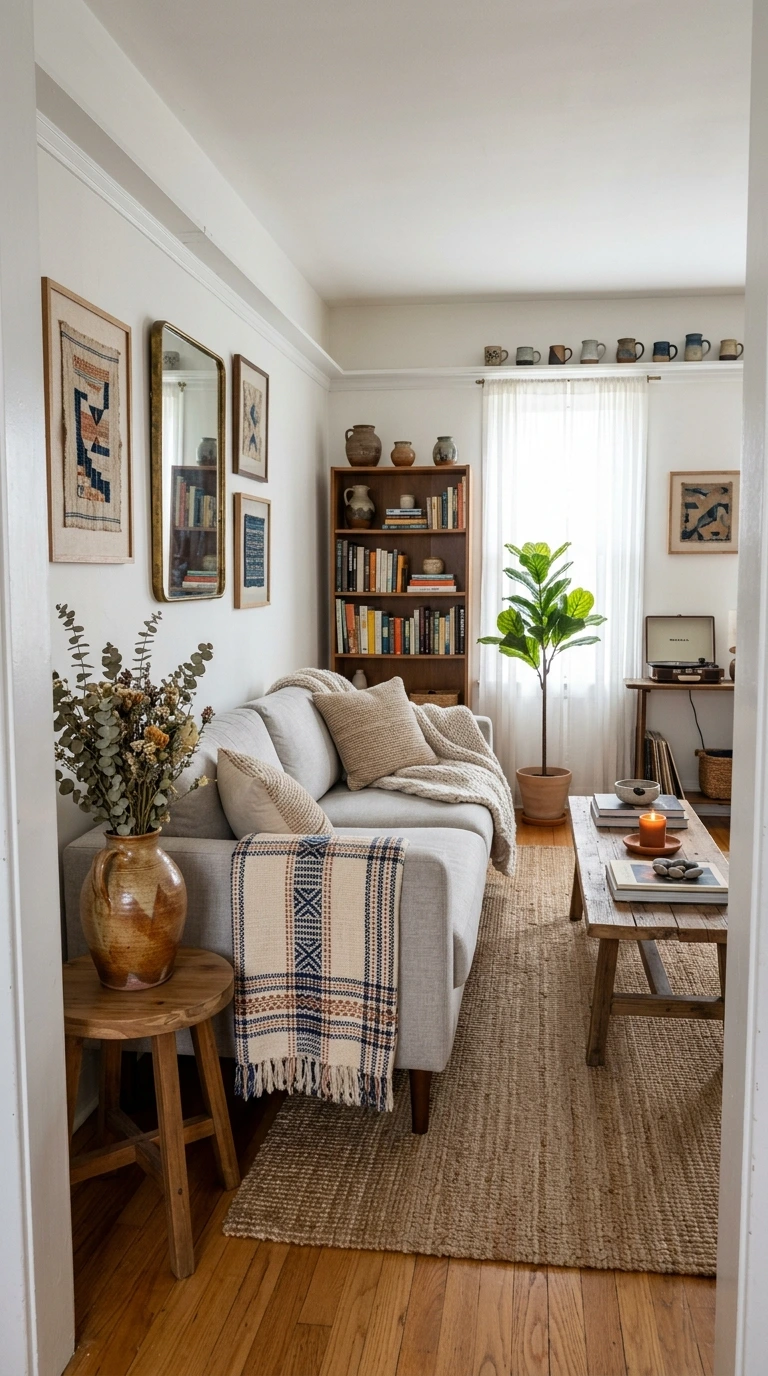
Mass-produced decor is giving way to handcrafted, artisan-made pieces that carry visible texture and individual character. This trend reflects the broader emphasis on quality over quantity shaping 2026’s overall design direction.
A hand-thrown ceramic vase or a hand-woven textile brings a level of authenticity that factory-produced decor can’t fully replicate. These pieces often cost more individually, but the “fewer, better” philosophy dominating 2026 design makes that trade-off feel worthwhile to many homeowners.
30. Warm Wood Tones Making a Comeback
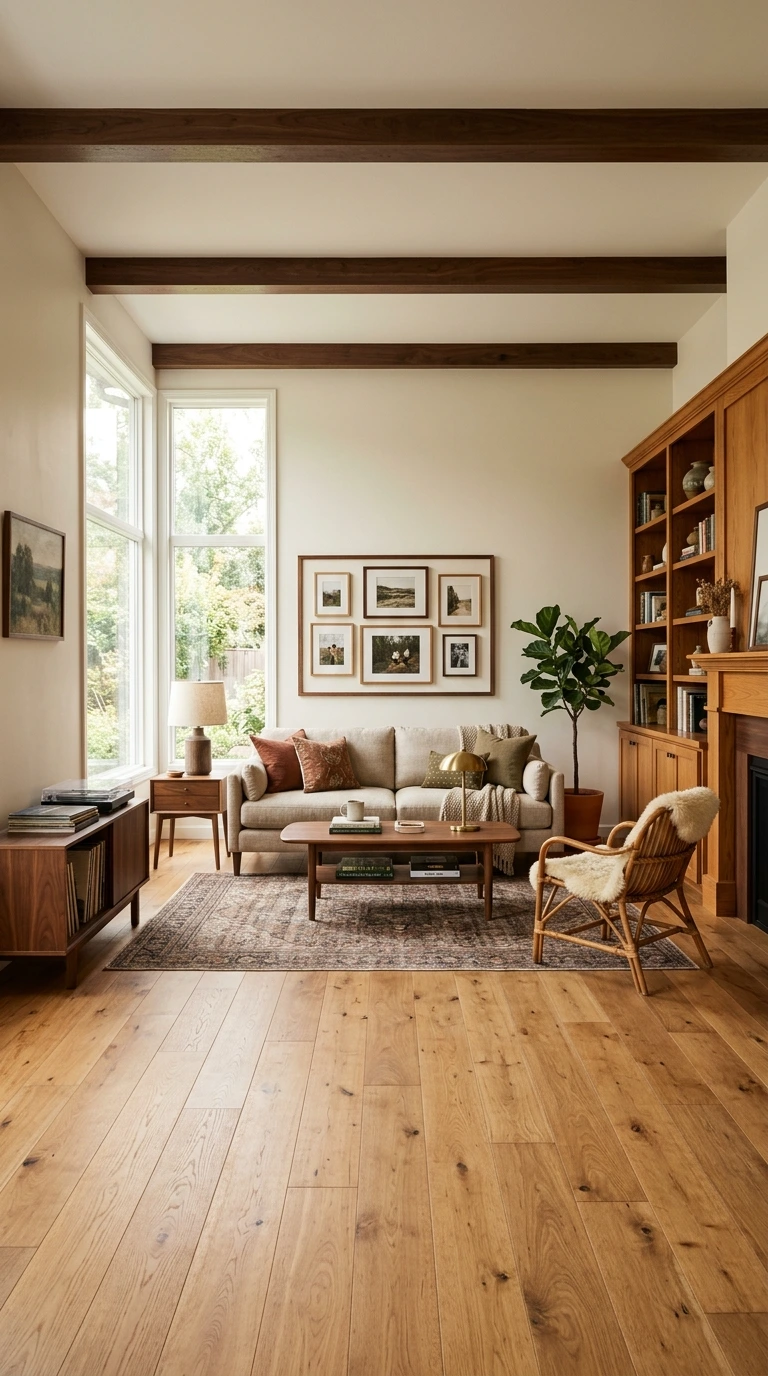
After years of gray-washed and heavily distressed wood finishes, warmer tones like walnut and honey oak are returning to furniture and flooring throughout 2026 living rooms. This shift supports the broader move toward cozier, more inviting color palettes across the year’s trends.
Mixing two or three warm wood tones throughout a room, rather than matching everything exactly, adds depth without looking mismatched. This detail pairs particularly well with the tactile, organic material trend also shaping the year’s overall aesthetic.
31. Sculptural Floor Lamps as Art
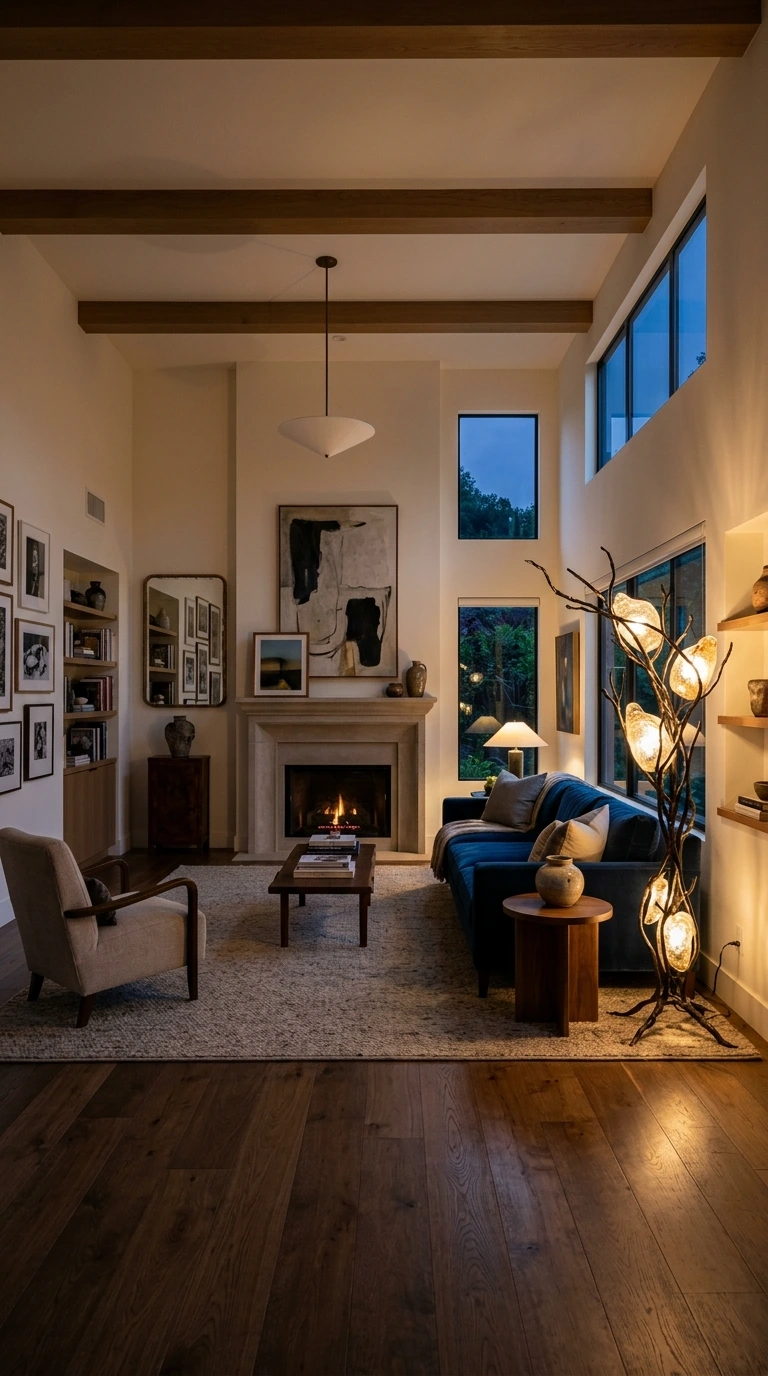
Floor lamps in 2026 increasingly double as sculptural art pieces, with asymmetrical or artistic silhouettes that command attention even before they’re switched on. This trend ties directly into the broader move toward fewer, more considered statement pieces throughout a room.
An architecturally interesting floor lamp positioned in an open corner can serve as a genuine focal point, particularly in more modern or eclectic living rooms. This detail proves that even purely functional items can carry real design weight within the year’s overall aesthetic direction.
32. Color Drenching
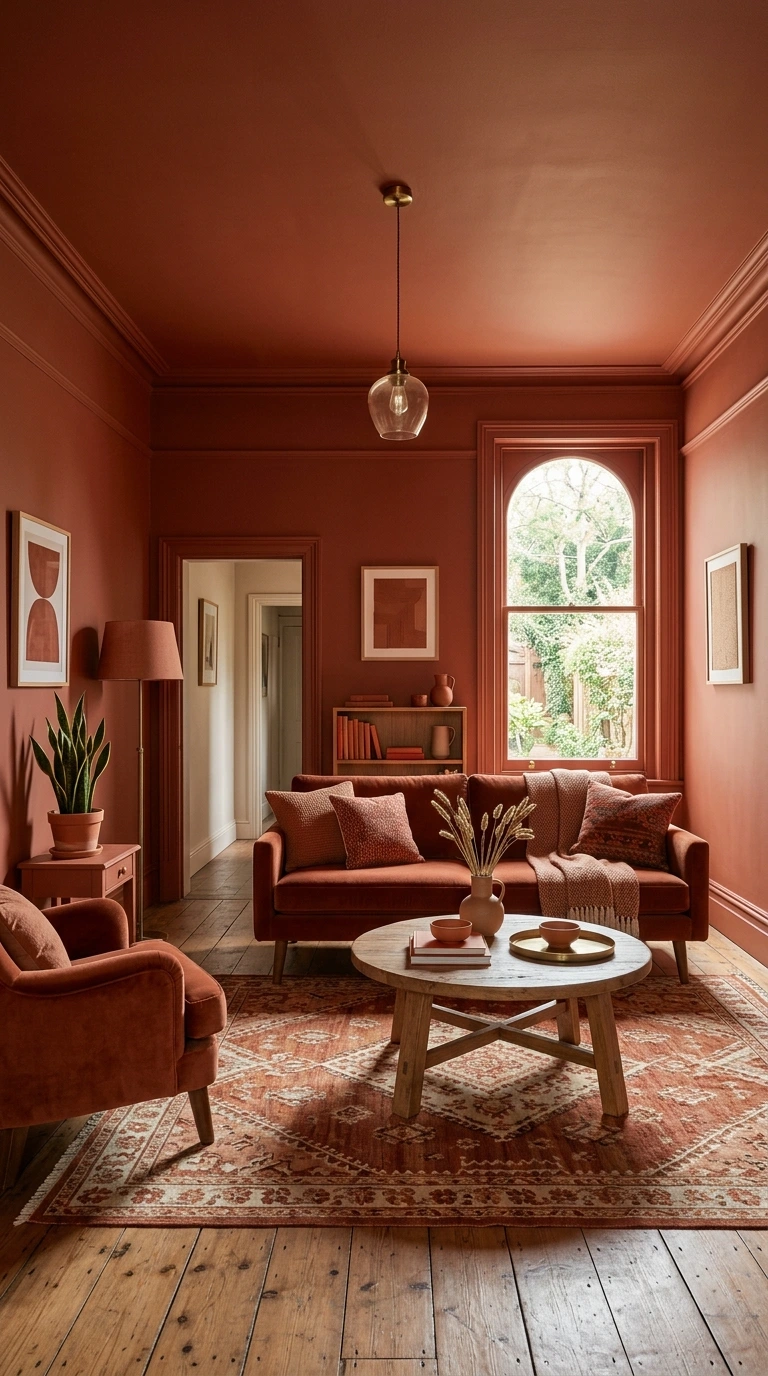
Color drenching, painting walls, trim, and sometimes even the ceiling in a single unified color, has grown into a genuine 2026 trend, creating an immersive, cocoon-like effect within a room. This technique removes the visual break typically created by contrasting trim colors.
A living room fully drenched in a deep terracotta or muted sage tone feels enveloping and intentional rather than simply “painted.” This trend requires some commitment but delivers a strikingly cohesive result that’s difficult to achieve through more traditional color approaches.
Important: Color drenching works best with careful attention to sheen levels across different surfaces. Using a slightly different finish on trim versus walls, even within the same color, helps prevent the room from looking flat or accidentally monochromatic in an unintentional way.
33. Nature-Inspired Art and Botanical Prints
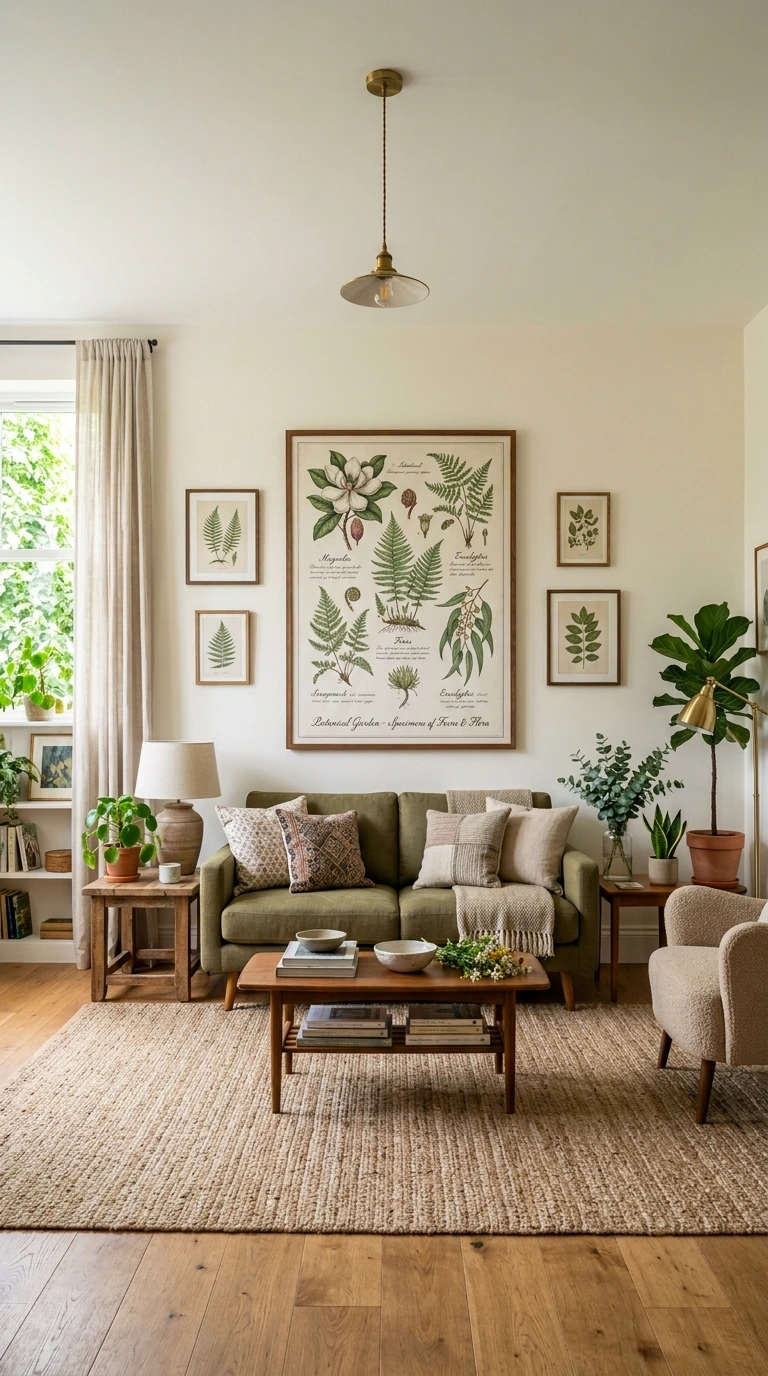
Botanical illustrations, landscape paintings, and other nature-inspired art are appearing more frequently in 2026 living rooms, reinforcing the broader biophilic design movement shaping the year. This detail brings the calming, grounded quality of the outdoors into the room through wall decor alone.
A single large botanical print or a gallery wall of varied nature-themed pieces both support this trend effectively. This approach pairs naturally with the warm, earthy color palettes also dominating 2026 interior design more broadly.
34. Textured Drapery Fabrics
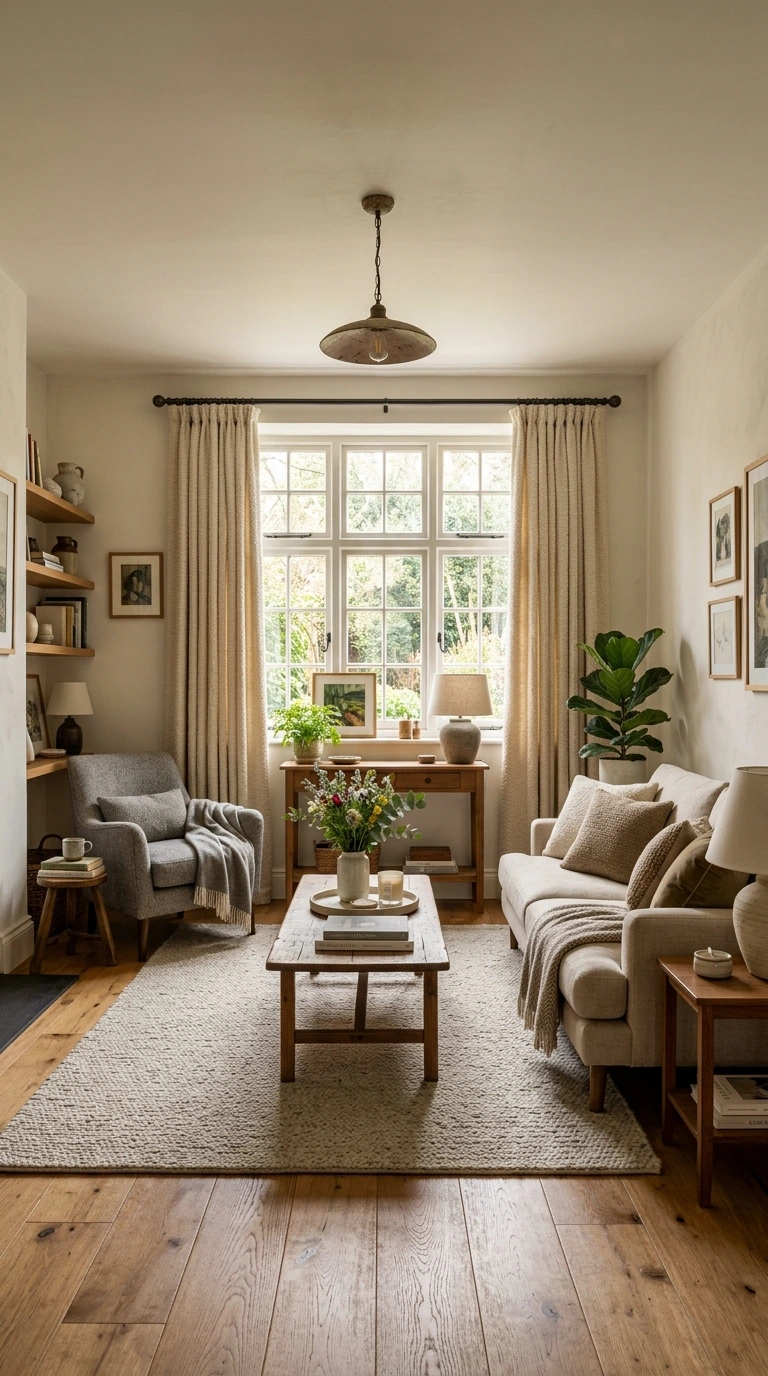
Curtains and drapery are moving beyond flat, simple fabrics toward richer, more textured materials like bouclé, heavy velvet, or slubbed linen. This detail adds another layer of tactile interest to a room already embracing organic, touchable finishes throughout its furniture and decor.
A heavier, textured curtain fabric also tends to drape more dramatically, adding a sense of luxury even in an otherwise casual room. This trend works particularly well paired with warm, saturated wall colors also trending throughout the year.
35. Smart Integration of Multi-Functional Furniture
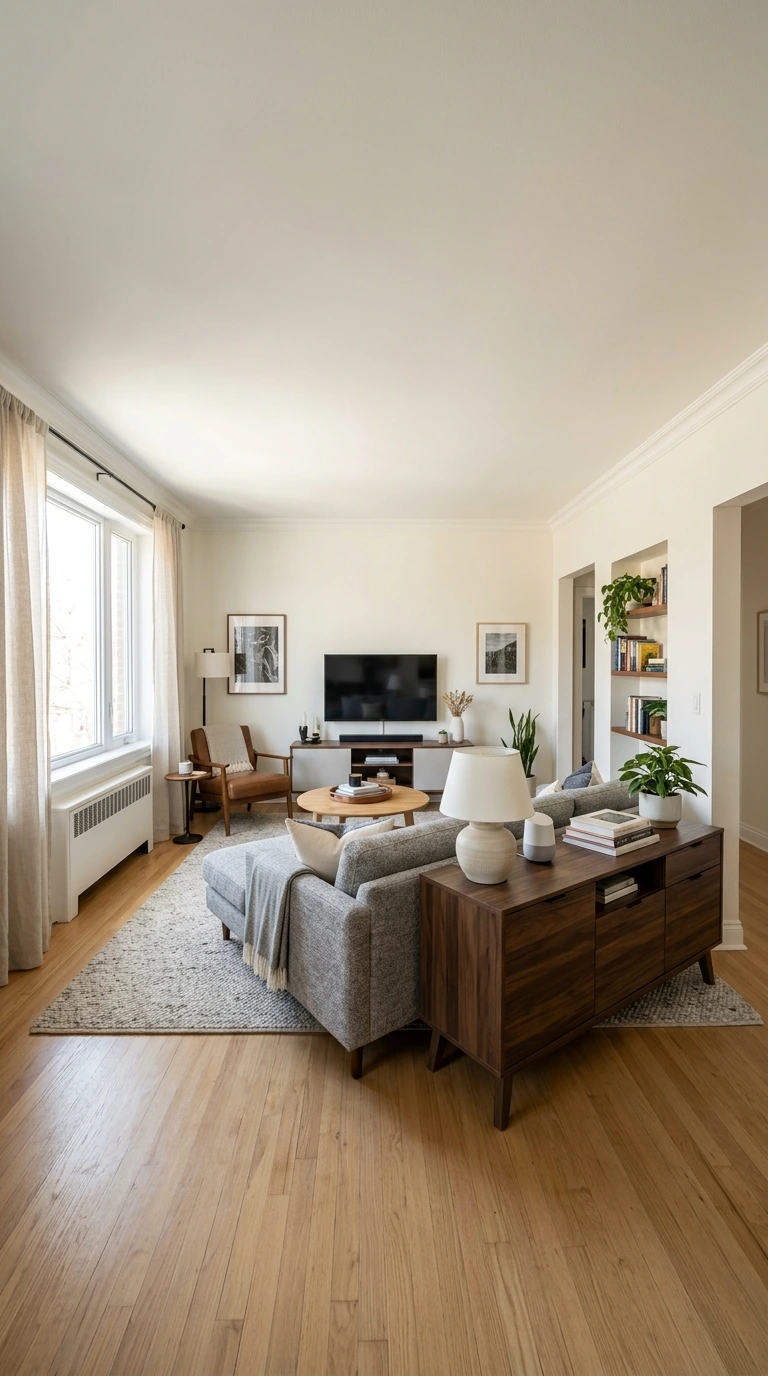
Furniture that quietly incorporates smart technology, like built-in charging ports, hidden storage, or app-controlled lighting, continues gaining ground without becoming the room’s visual focus. The emphasis remains on function staying invisible rather than turning the room into an obvious display of gadgets.
A console table with hidden cable management or a sofa with a discreet USB port exemplifies this understated approach to smart integration. This trend supports genuinely practical daily use without compromising the room’s overall aesthetic direction.
36. Displaying Personal Collections Over Generic Decor
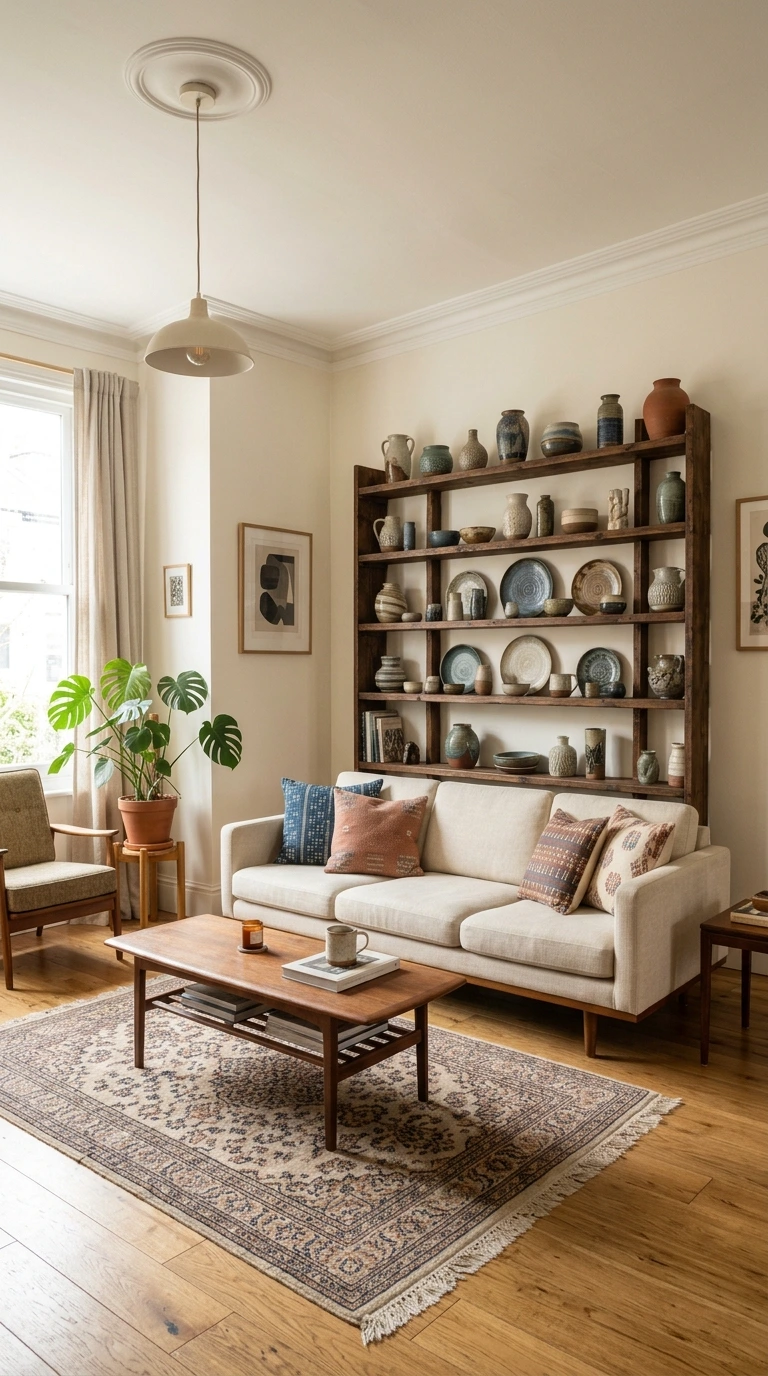
Rather than filling shelves with generic, mass-produced decor, 2026 living rooms increasingly showcase genuine personal collections, whether travel finds, inherited objects, or a curated set of ceramics. This detail reinforces the broader shift toward personality-driven, collected interiors.
Grouping a personal collection together in one defined area, rather than scattering pieces throughout the room, keeps the display feeling intentional rather than cluttered. This approach also tells a more authentic story about the people living in the space than purely generic seasonal or trend-driven decor.
37. Statement Doors and Architectural Framing
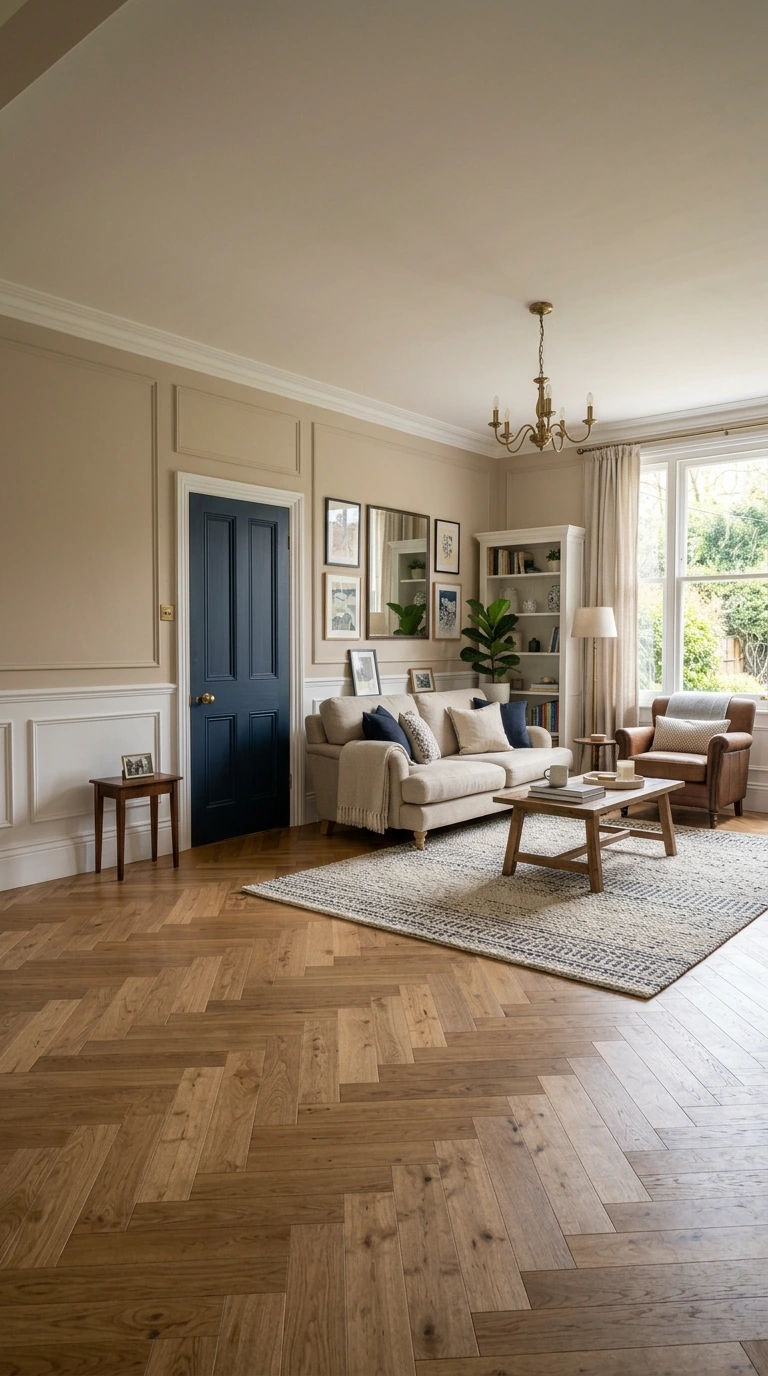
Painted or paneled interior doors, sometimes in a bold contrasting color, are becoming a genuine design detail rather than an overlooked architectural element. This trend treats doorways and door frames as an opportunity for personality rather than a purely functional afterthought.
A deep navy or forest green door within an otherwise neutral living room can serve as an unexpected, striking detail. This trend requires relatively little investment compared to larger furniture changes, making it an accessible way to add a distinctive touch.
38. Grandmillennial Revival
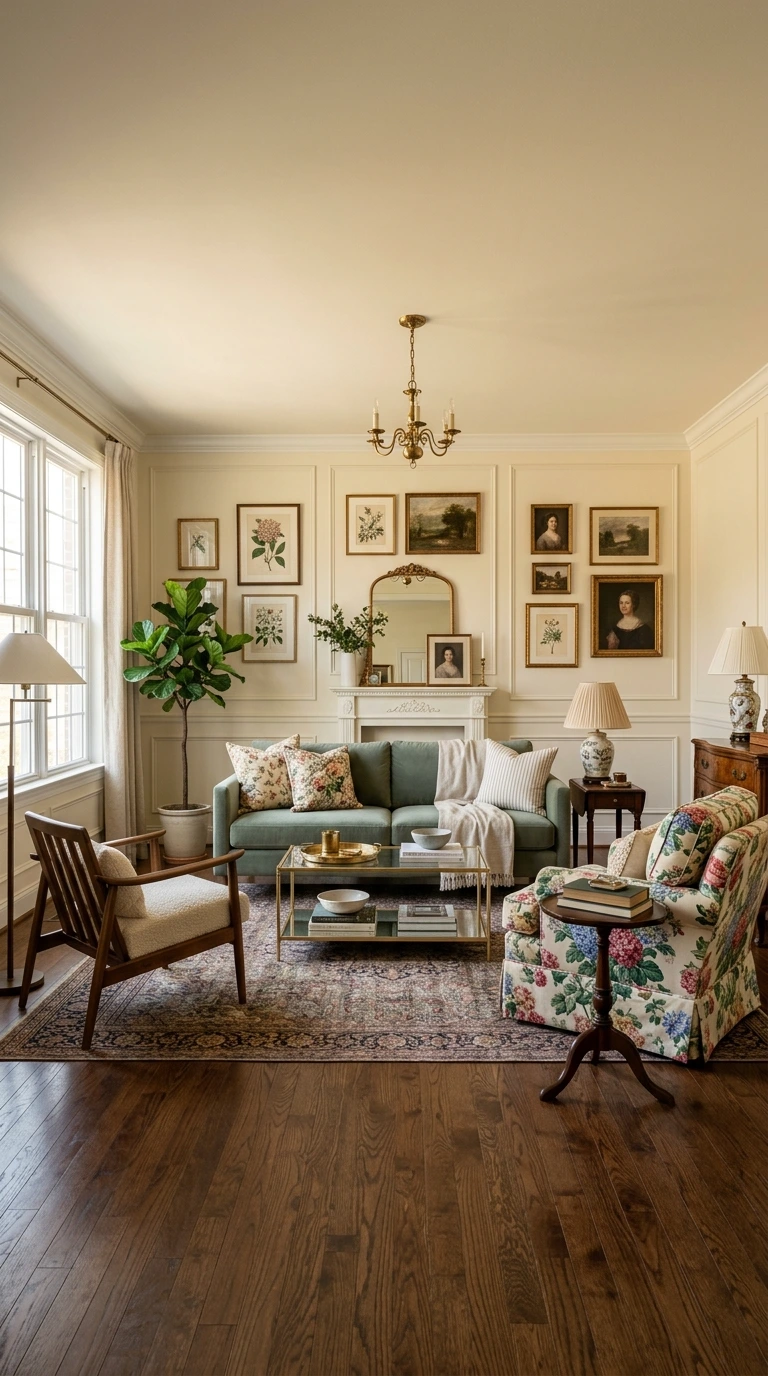
A softened, updated take on traditional “grandmillennial” style is gaining ground, incorporating chintz-inspired patterns, skirted furniture, and classic silhouettes filtered through a more contemporary lens. This trend brings warmth and traditional charm without feeling dated or overly formal.
Pairing a traditional patterned armchair with more streamlined, modern surrounding furniture keeps this trend feeling current rather than like a full period recreation. This approach exemplifies the broader 2026 movement toward mixed, collected interiors rather than committing fully to any single era.
39. Indoor-Outdoor Connection
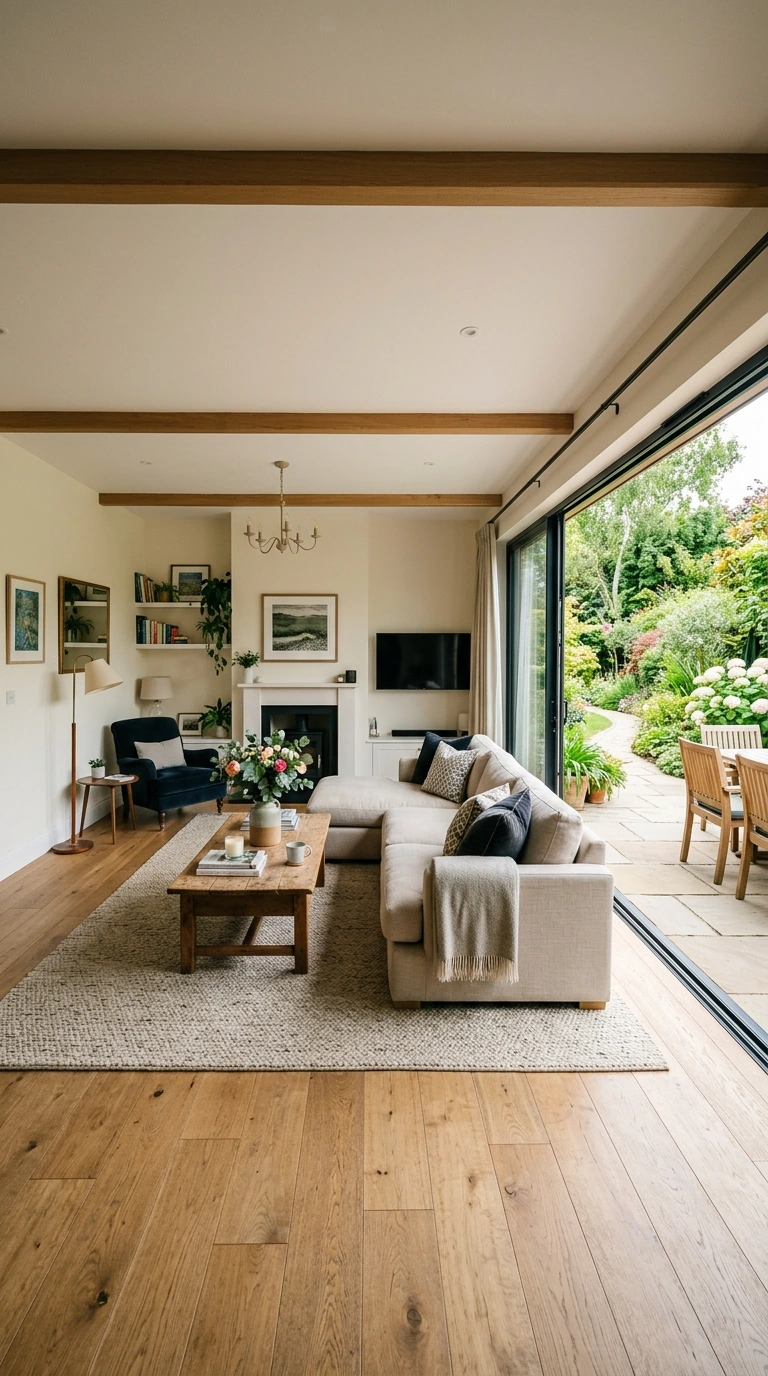
Large glass doors, expansive windows, and natural materials that echo an adjacent outdoor space continue to be a major design priority in 2026, blurring the line between interior and exterior living areas. This trend supports the broader biophilic design movement shaping the year’s overall direction.
Choosing furniture and decor that complement rather than compete with an outdoor view reinforces this connection, letting the natural scenery become part of the room’s overall visual story. Minimal window treatments that don’t obstruct the view support this trend most effectively.
40. The Overarching Theme: Lived-In, Loved, and Layered
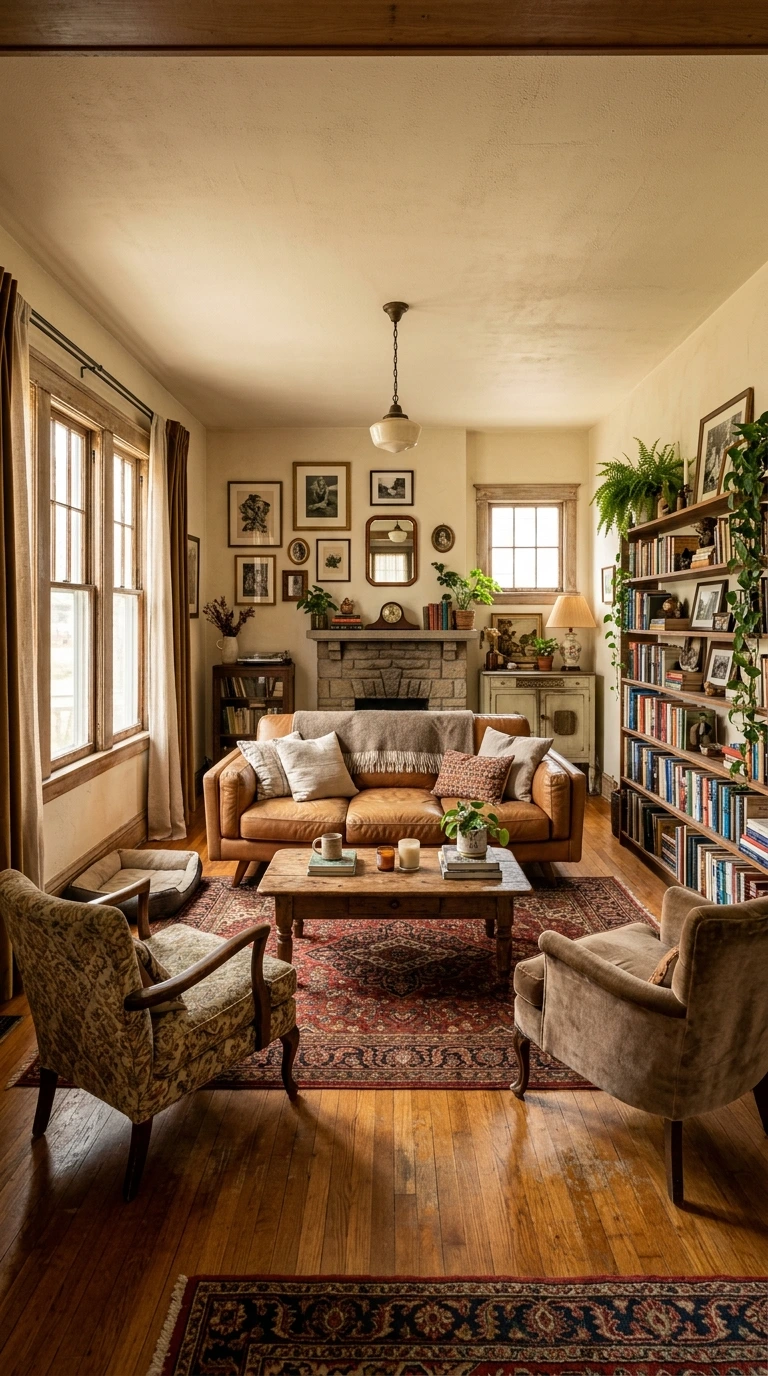
If there’s one thread tying all 40 of these trends together, it’s a decisive move away from showroom perfection toward spaces that feel genuinely lived-in and personal. Whether through mismatched furniture, personal collections, or handcrafted decor, 2026’s overarching message favors authenticity over uniformity.
Rather than trying to perfectly replicate any single trend, the most successful 2026 living rooms borrow selectively from several, layering personality, texture, and warmth according to what genuinely suits the people living there. This flexible, personal approach is itself perhaps the biggest trend of the year.
Frequently Asked Questions
1. What is the biggest living room trend for 2026?
The overarching theme is a move toward lived-in, personal spaces rather than showroom-perfect symmetry. This shows up through mismatched collected furniture, warm neutral colors, layered lighting, and genuine personal collections replacing generic decor.
2. Are matching furniture sets still in style?
No, matching sets have largely fallen out of favor in 2026 in favor of a more curated, collected look that mixes inherited pieces, vintage finds, and furniture gathered over time. This approach creates a more personal, authentic feeling space.
3. What colors are trending in living rooms for 2026?
Warm neutrals like clay, sand, mushroom, and terracotta are replacing cooler grays, often paired with bold accent colors like emerald, navy, or burgundy used in more measured doses through accent walls or accessories.
4. Is minimalism out of style in 2026?
Strict, symmetrical minimalism has softened considerably, giving way to “quiet luxury,” a related but distinct approach that still favors fewer, better pieces, just arranged with more intentional asymmetry and warmth rather than stark simplicity.
5. What lighting trends should I know about for 2026?
Layered ambient lighting, combining table lamps, floor lamps, and pendants rather than relying on a single overhead fixture, is a major 2026 trend. Smart lighting systems that adjust color temperature throughout the day are also gaining popularity.
6. Do I need to follow every trend to have a stylish living room?
No, most designers recommend choosing just two or three trends that genuinely suit your existing style and space rather than trying to incorporate all of them at once. A room built entirely from trends can end up feeling disjointed rather than cohesive.
7. How can I update my living room for 2026 on a budget?
Small updates like swapping throw pillows toward warmer tones, adding a few plants, layering in a textured rug, or introducing one vintage or handcrafted piece can shift a room toward 2026’s overall aesthetic without a full furniture overhaul.
Conclusion
Living room design in 2026 has shifted decisively toward warmth, texture, and genuine personality, moving away from the stark, uniform minimalism that dominated recent years. From mismatched collected furniture to biophilic greenery and layered ambient lighting, this year’s trends all point toward spaces that feel authentically lived-in rather than staged.
Rather than chasing every trend on this list, choose the handful that genuinely resonate with your existing style and build outward gradually from there. The living rooms making the biggest impact on Pinterest in 2026 aren’t the ones that follow every trend perfectly; they’re the ones that feel unmistakably like someone’s actual home.