How to Style a Coffee Table Like an Interior Designer

Introduction
Your coffee table might be the hardest-working piece of furniture in your entire living room, holding drinks, remotes, and feet all day, yet it’s also the surface every eye lands on the moment someone walks in. Interior designers treat it as a genuine design opportunity rather than an afterthought, and the difference shows immediately.
The good news is that designer-level coffee table styling isn’t about buying endless decor. It comes down to a handful of repeatable formulas, thinking in threes, playing with height, mixing textures, that you can apply no matter your personal style or budget.
In this guide, you’ll find 30 specific ways to style your coffee table like a professional, covering proportion, grouping, materials, and the small habits that separate a curated table from a cluttered one. Start with just a few of these principles, and your coffee table can quietly pull your whole room together.
1. Get the Proportion Right Before You Style Anything
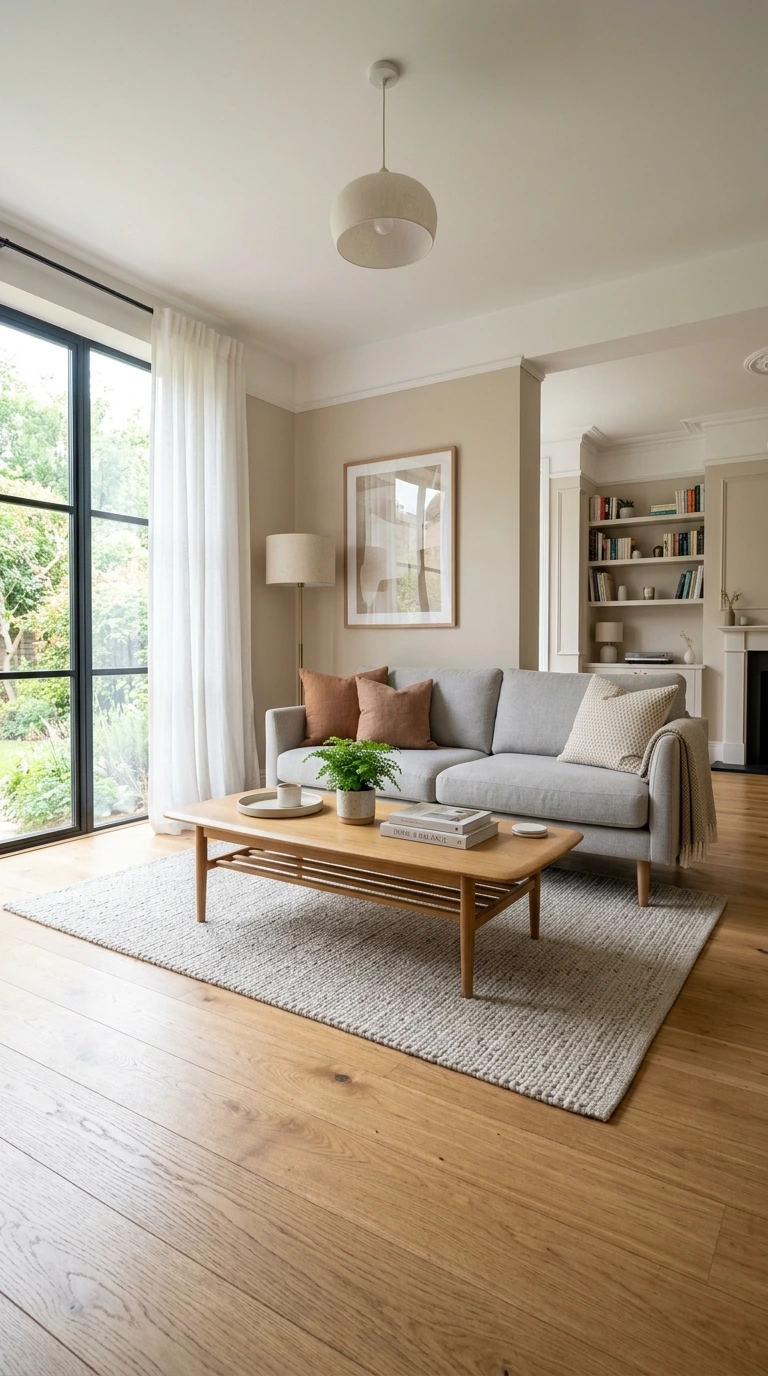
Your coffee table should generally be about two-thirds the length of your sofa, and sit level with or up to two inches lower than the seat cushions. Leaving roughly 14 to 18 inches of clearance between the table and sofa keeps the space comfortable for knees, feet, and passing trays.
If your current table feels awkward no matter what you put on it, this proportion is often the real culprit rather than your styling choices. Getting this foundation right first means everything you add afterward actually has a genuine chance to look intentional.
2. Master the Rule of Three
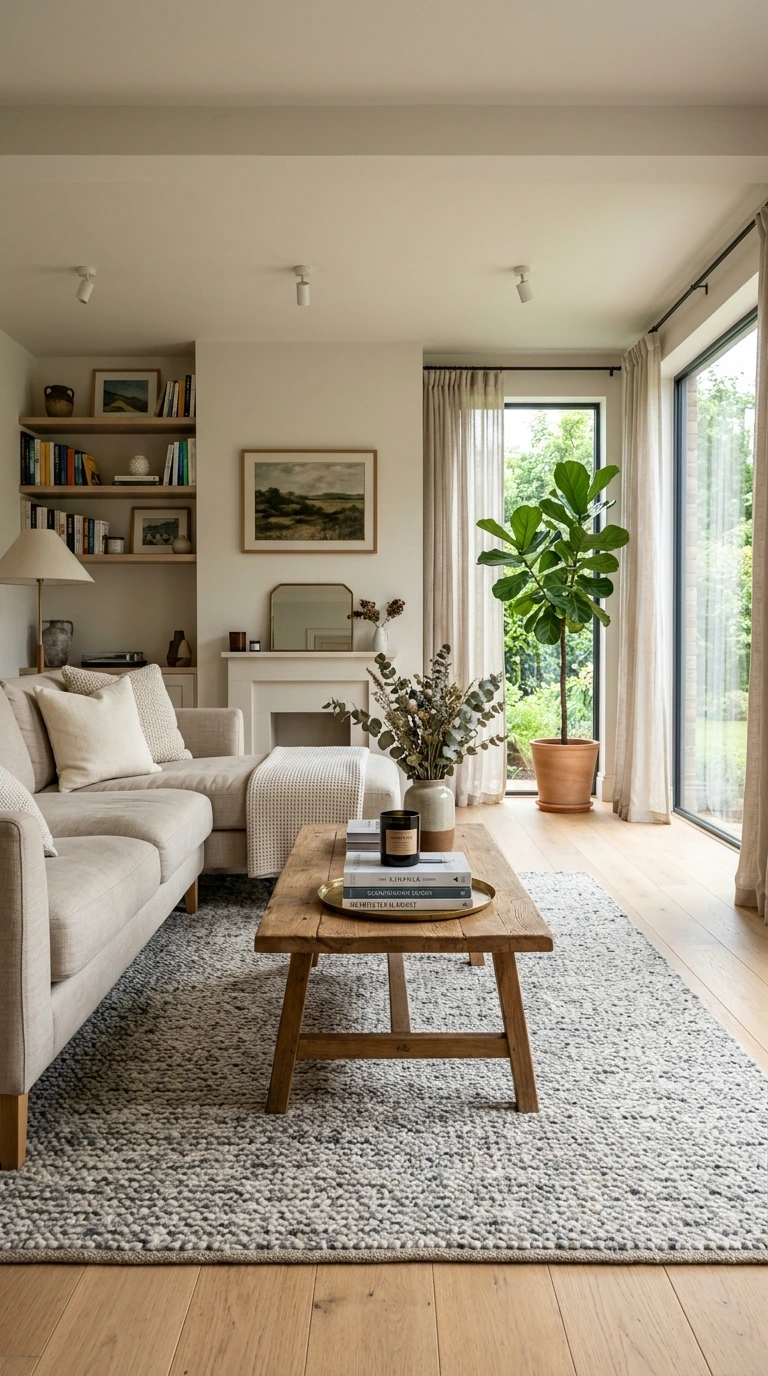
Grouping objects in clusters of three is the single most repeated formula among professional stylists, since an odd number naturally reads as more intentional than an even one. A simple trio might include a low stack of books, a medium-height candle or box, and something taller like a vase or small sculpture.
This rule works because it forces variation in height and shape without requiring any real design training to execute well. Once you’ve built one confident group of three, repeating the logic elsewhere on the table becomes considerably easier.
3. Match Your Table Size to Your Object Count
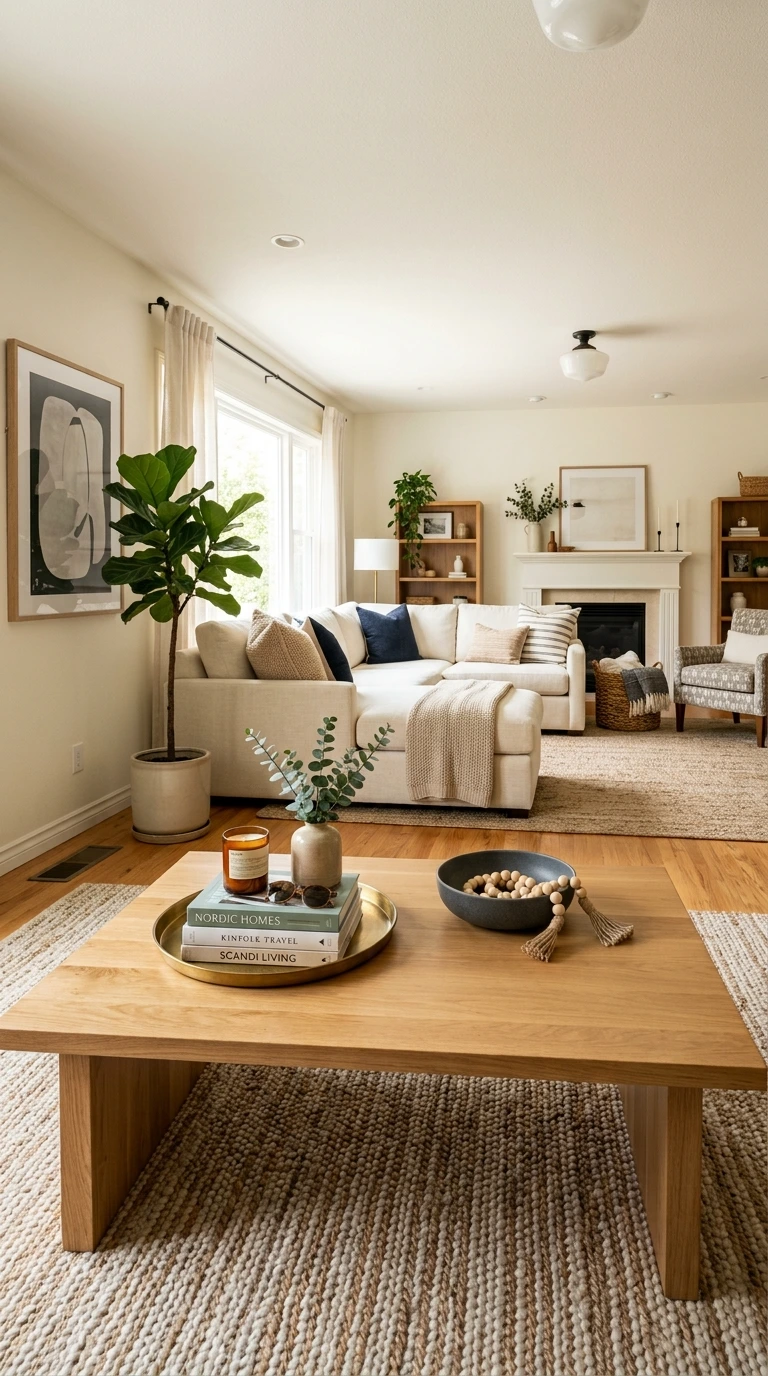
A small table or ottoman looks best with just three objects in a single cluster, while a medium or large table can typically support five to seven items divided across one to three separate groupings. Overloading a small surface, or leaving a large one sparse, is one of the fastest ways to throw off the whole arrangement’s balance.
Counting your table’s actual surface area before shopping for decor prevents the common mistake of buying pieces that simply don’t fit the scale of your specific table. This single check saves considerable second-guessing once you start arranging.
4. Let the Table’s Material Guide Your Direction
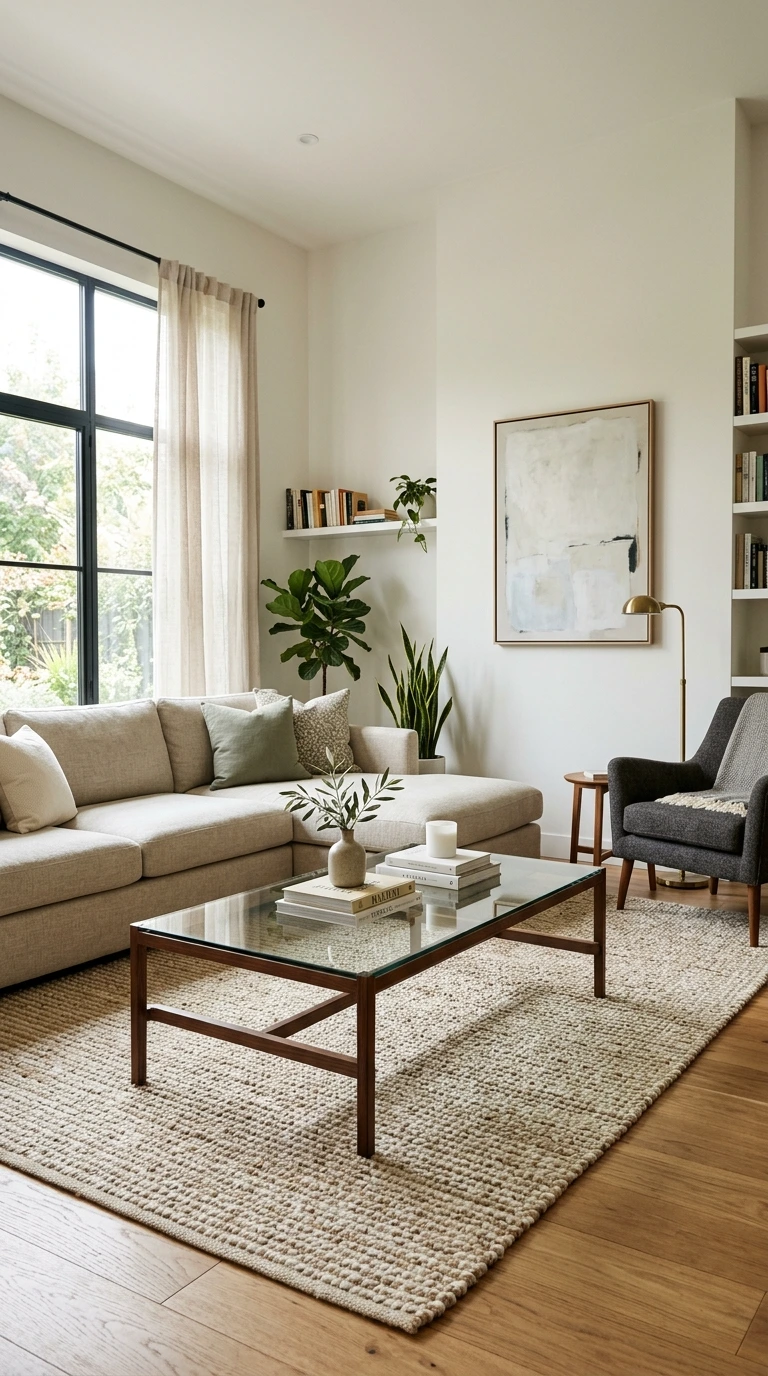
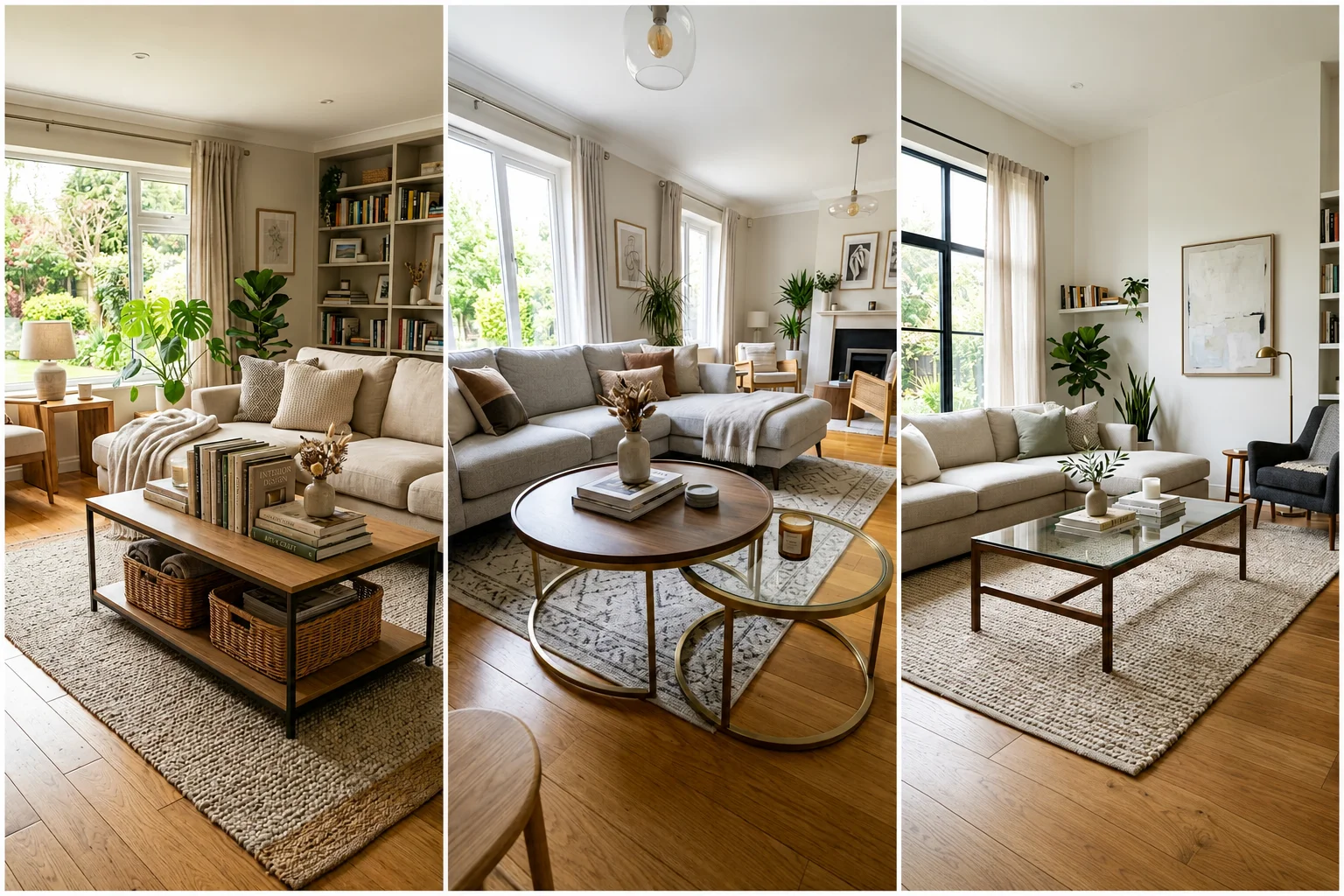
Glass feels airy and modern but shows every fingerprint, making it best suited to low-clutter, more grown-up spaces, while matte wood or stone hides smudges and adds warmth that suits busier family rooms. Letting the coffee table’s own material, whether wood, metal, stone, or glass, inform your styling direction keeps the whole look cohesive rather than fighting the table itself.
A table with strong natural grain or texture can often carry a simpler styling approach, since the table itself is already doing visual work. Choosing decor that complements rather than competes with this base material is a genuine designer instinct worth adopting early.
5. Use the Vertical, Horizontal, Sculptural Formula
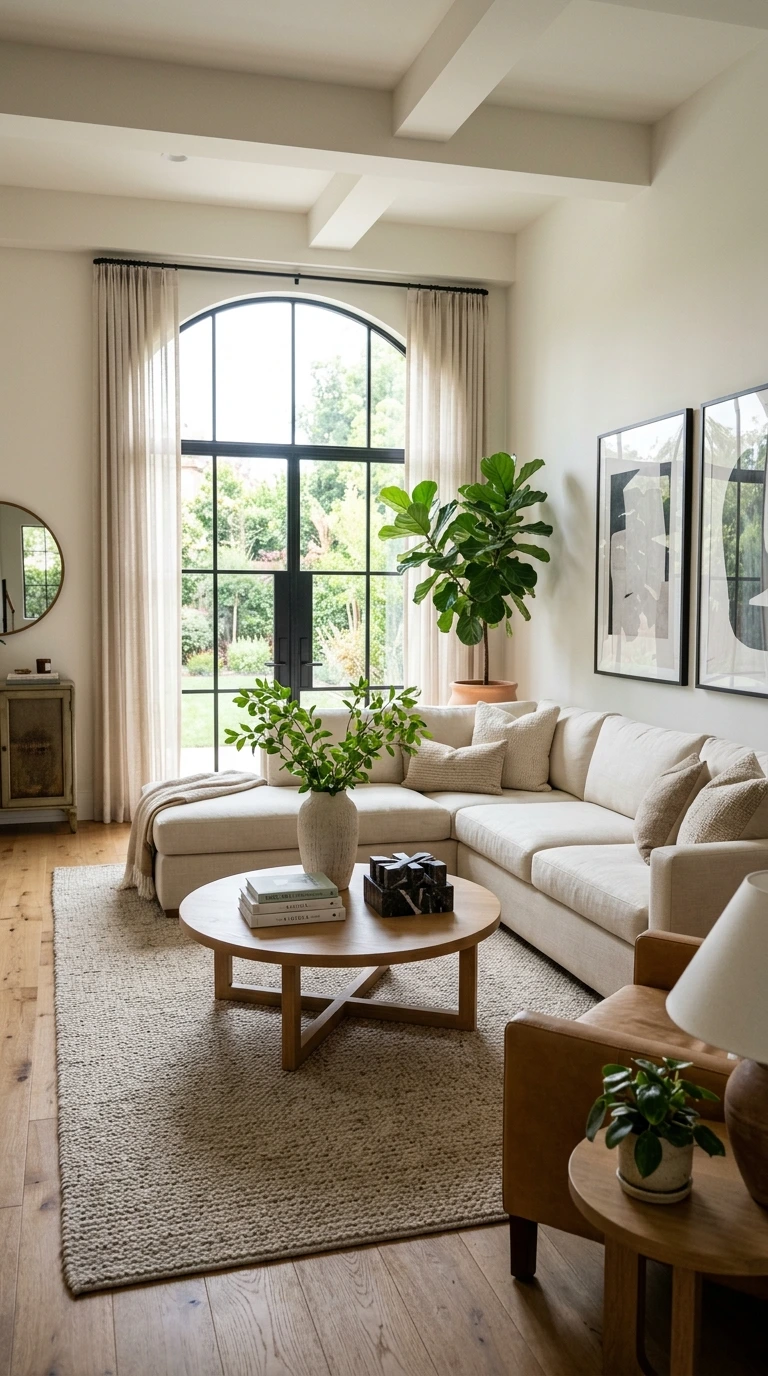
One reliable designer shortcut is choosing one vertical item, like a vase of flowers, one horizontal item, like a stack of coffee table books, and one sculptural item, like a decorative box or oversized shell. This specific combination almost always produces a balanced, intentional-looking vignette without much guesswork.
Following this formula loosely, rather than rigidly, still gives you room for personal taste while ensuring the arrangement has genuine visual variety. This is one of the easiest starting points for anyone new to coffee table styling.
6. Anchor Small Items With a Tray
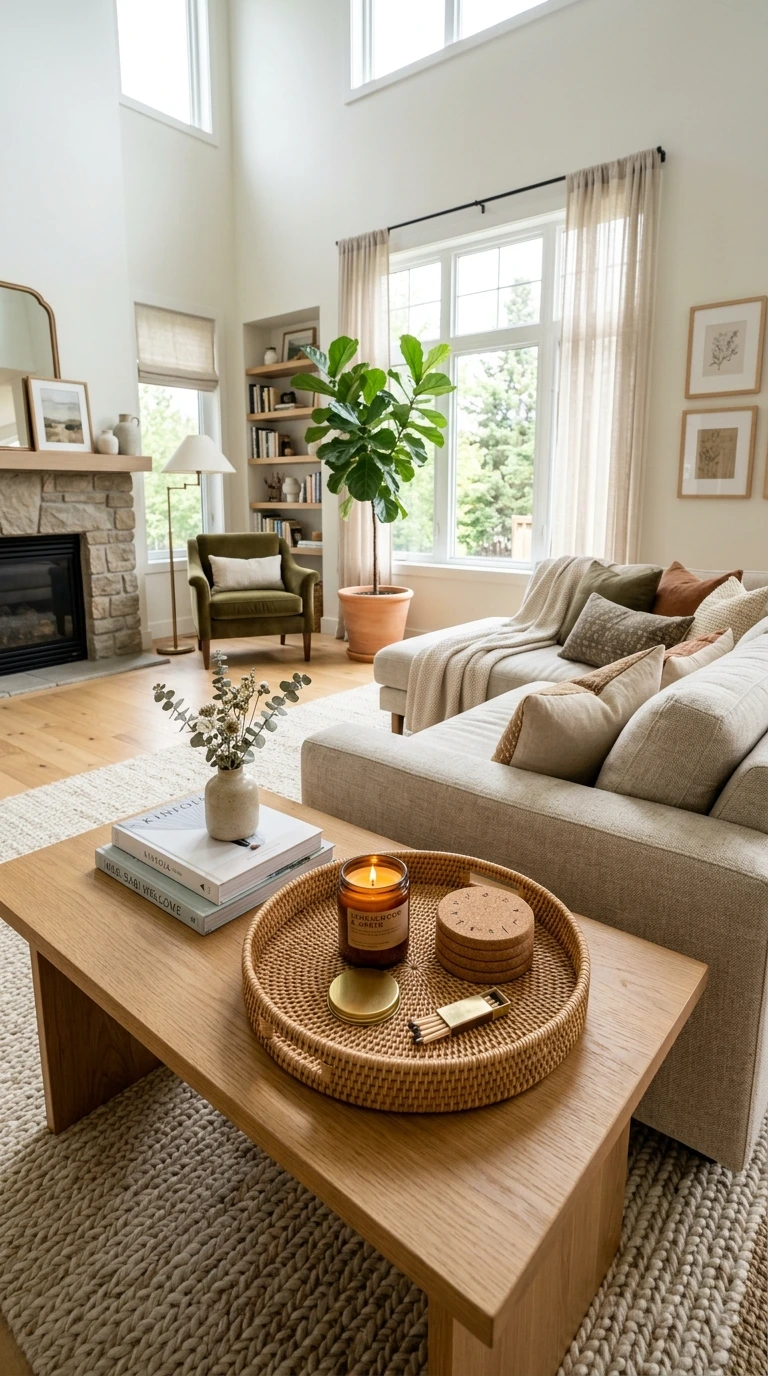
A tray keeps smaller objects, coasters, remotes, matches, visually organized rather than scattered loosely across the table’s surface. Choosing a tray material that complements the table itself, rattan for warmth, marble for a touch of luxury, or metal for something more modern, ties this anchoring piece into the room’s overall look.
Layering candles, small books, or a few stems within the tray creates a contained mini-vignette that still reads as one cohesive grouping. This single addition is often what separates a table that looks staged from one that looks genuinely curated and functional.
7. Style With Coffee Table Books as a Foundation
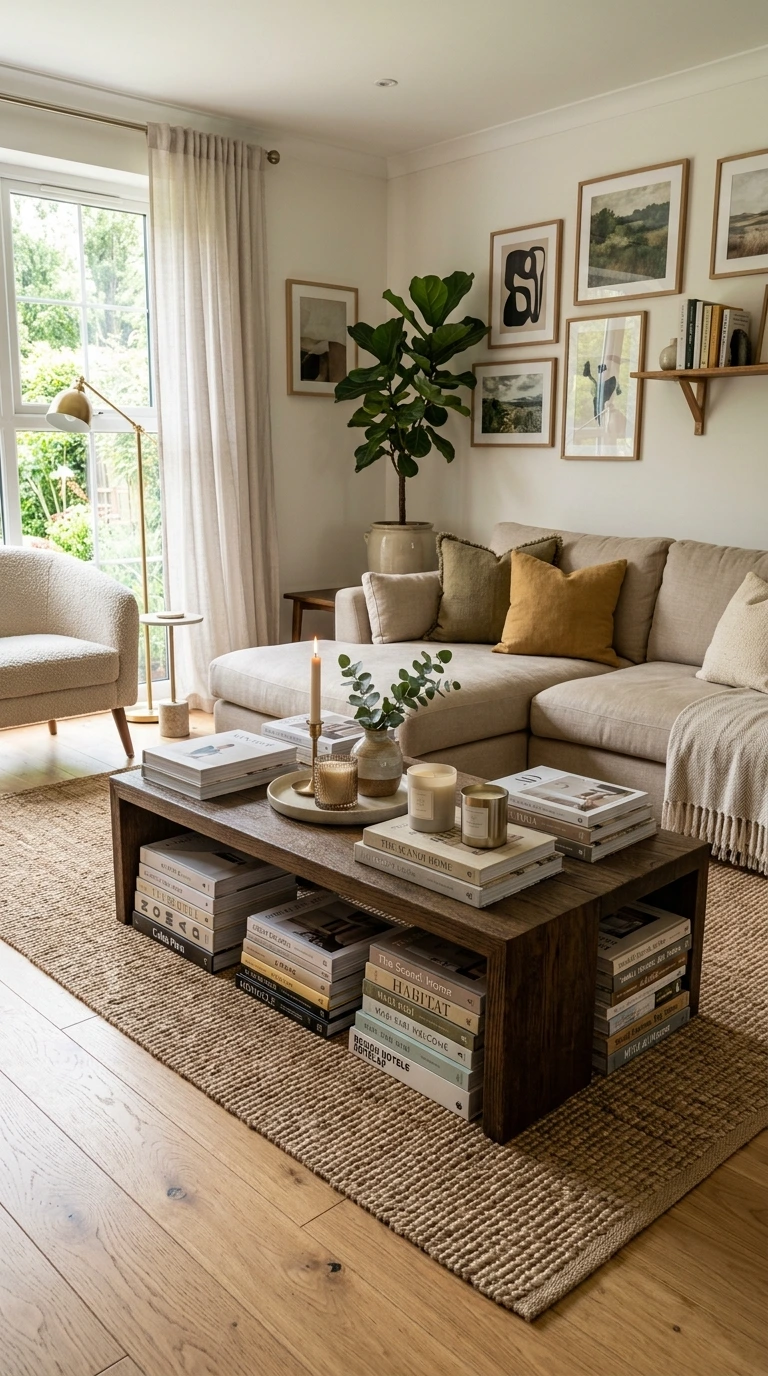
Stacking three or four piles of books, letting the colors of their spines and covers become part of the design, is one of the most tried-and-true approaches designers return to again and again. Books communicate genuine personality, since what you choose to display says something real about your interests, travels, or taste.
Varying the orientation of each stack across the table, some spine-out, some flat with a cover facing up, adds visual rhythm rather than a repetitive, uniform look. This approach also gives you an easy, low-cost way to introduce color into the arrangement through the book covers themselves.
8. Style an Open Book for Visual Interest
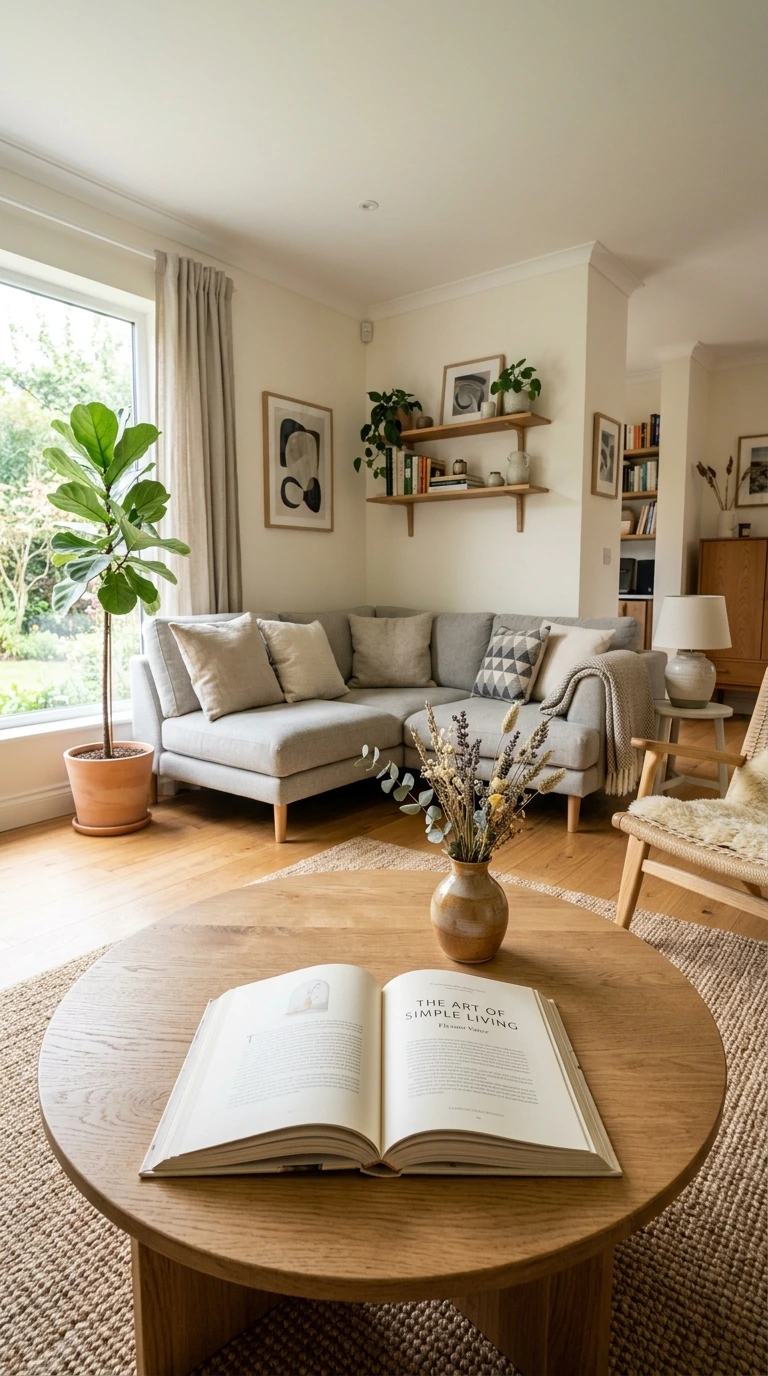
Rather than always stacking books closed, propping one open to a particularly striking image or page adds a different kind of visual interest and takes up more surface area, which works especially well on a round table. This small variation shows a level of intentionality that a simple closed stack doesn’t quite achieve on its own.
Choosing a book with a genuinely beautiful spread, whether art, photography, or travel, makes this detail worth the extra table space it occupies. This is a particularly good trick when you’re trying to simplify a round table’s styling without adding more individual objects.
9. Play With Height Using a Vase of Flowers or Branches
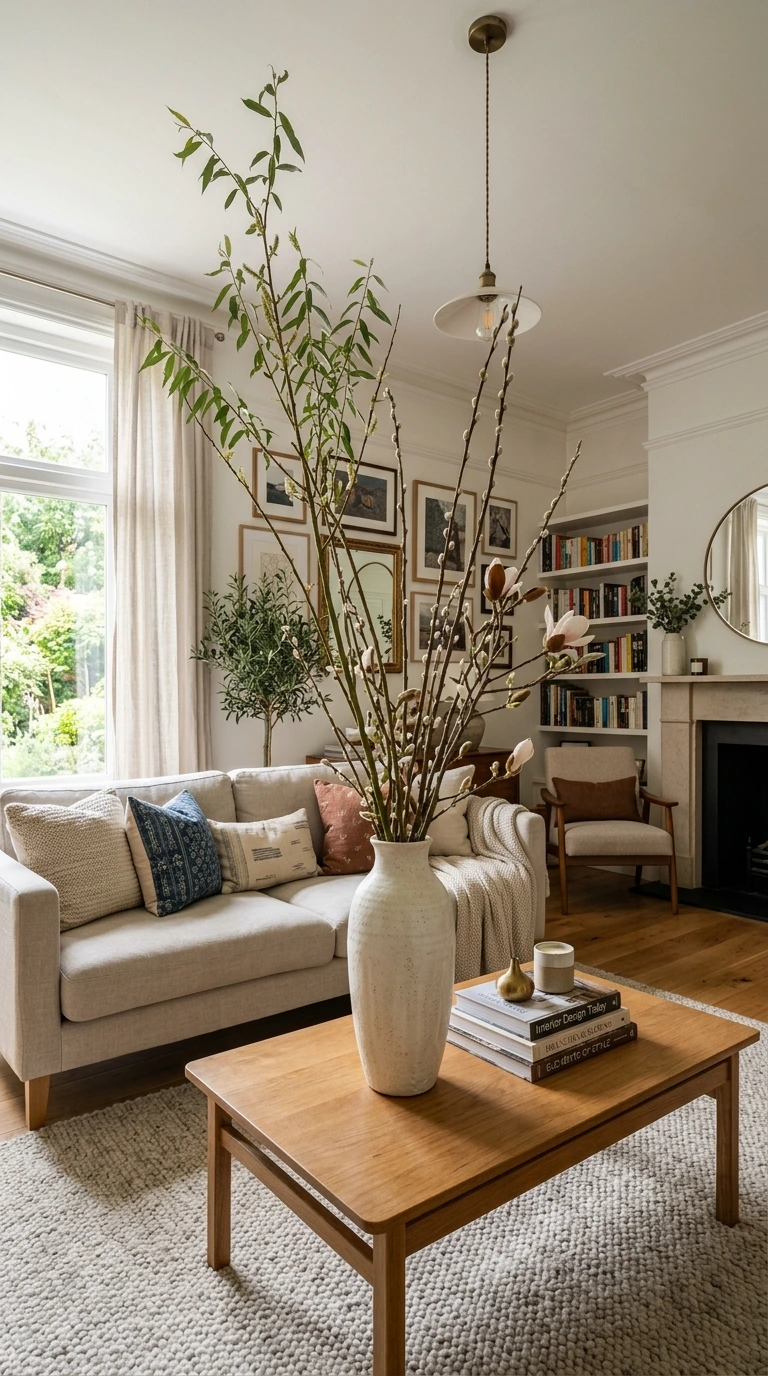
Adding fresh blooms, dried florals, or sculptural branches in a vase is one of the easiest ways to introduce genuine height variation to your table. This works particularly well in a room without a television competing for visual attention, since the vertical element becomes a natural focal point.
Choosing a vase shape that contrasts with your other objects, a tall cylindrical vessel alongside low, rounded shapes, adds even more visual interest to the overall grouping. Fresh or dried, this single element does a lot of work toward keeping the arrangement from feeling flat.
- Confirm your table’s proportion to your sofa before adding decor
- Group objects in clusters of three for natural visual balance
- Include one vertical, one horizontal, and one sculptural item
- Use a tray to anchor and organize smaller functional items
- Vary book orientation and height across multiple stacks
10. Mix Materials for Textural Contrast
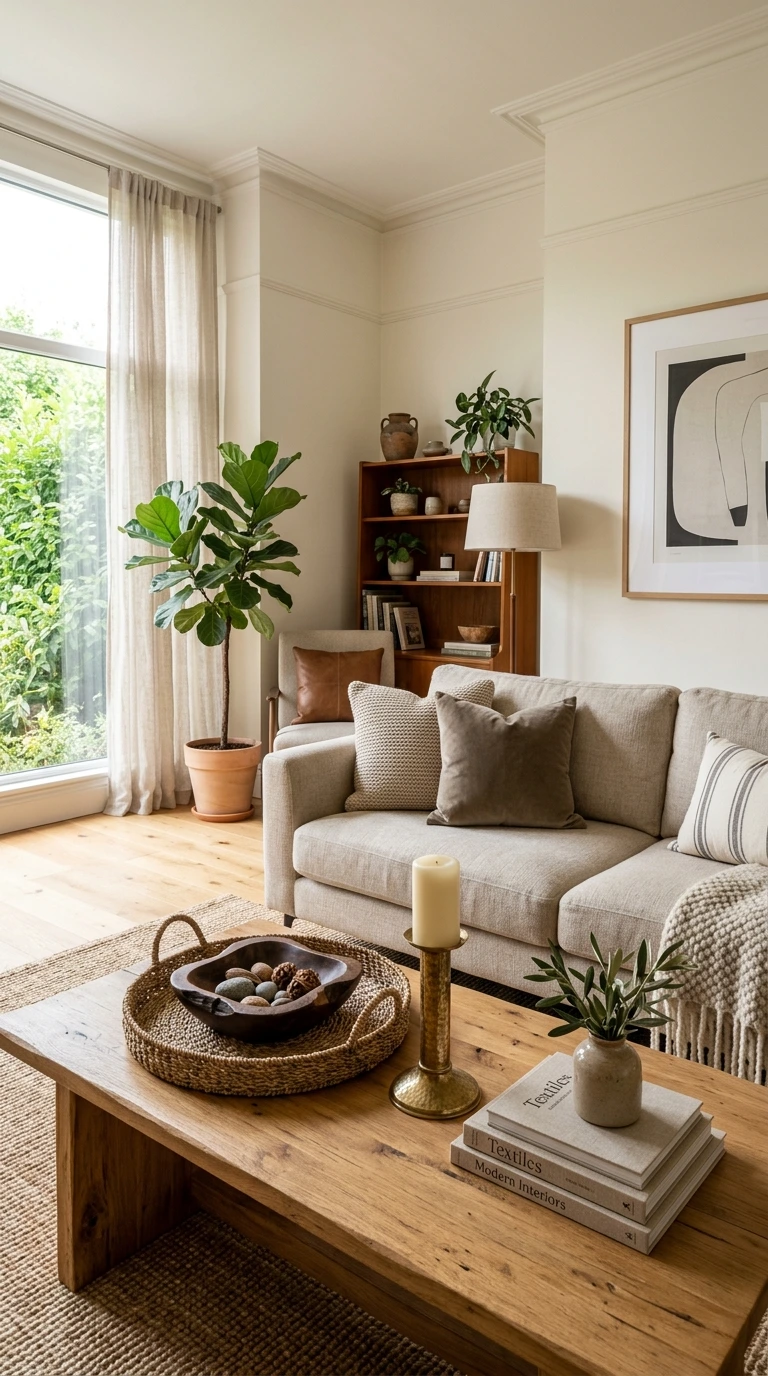
Layering wood, brass, ceramic, and woven textures together keeps a coffee table display from feeling flat or one-note, since visual interest depends heavily on contrast rather than uniformity. Pairing a woven tray next to a stack of clean, neutral books, or wooden beads inside a brass bowl, are both simple ways to achieve this layered effect.
Organic material combinations, like a wood bowl paired with soft greenery and a mirrored candle, tend to work particularly well together, since nature-inspired textures complement each other naturally. This mixing principle applies whether your overall style leans minimal or more maximalist.
11. Add a Tactile, Handmade Object
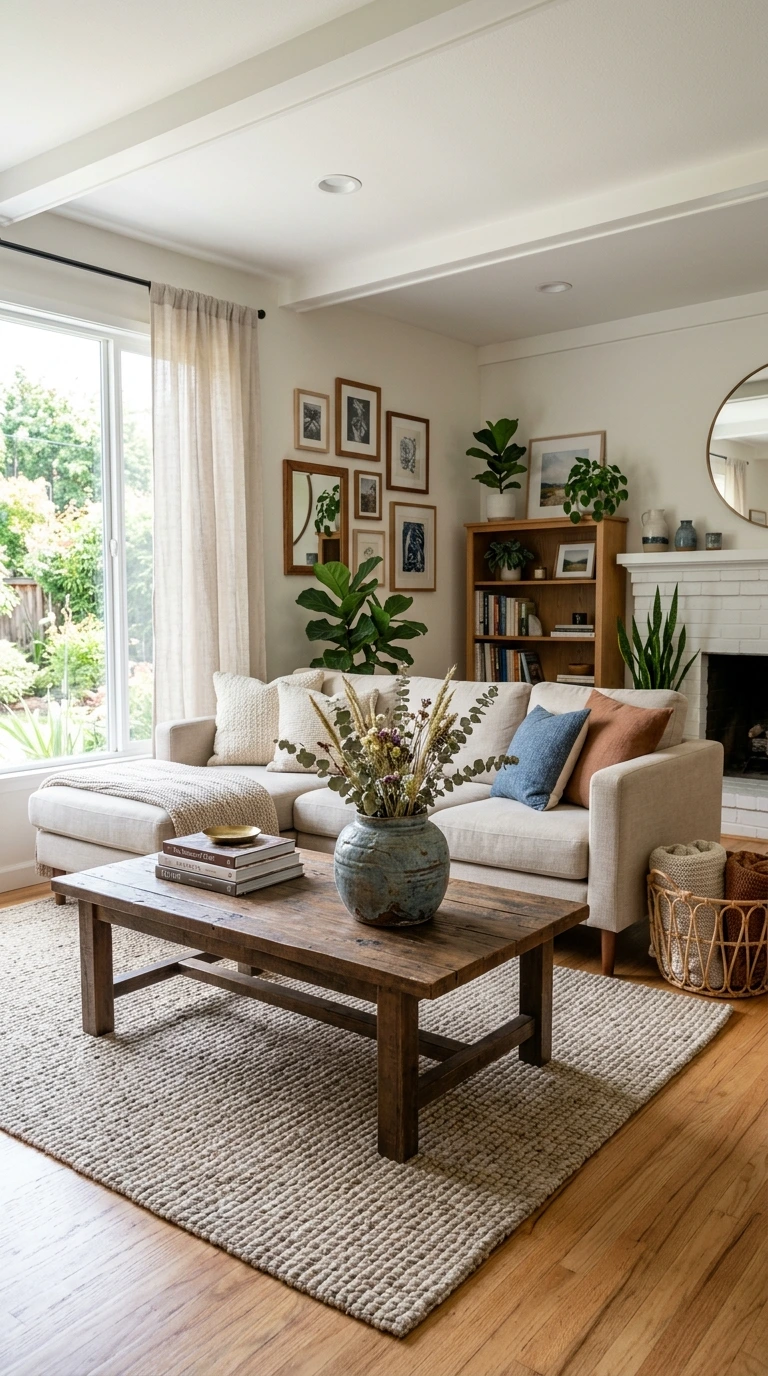
Including at least one piece with genuine handmade or imperfect quality, a ceramic vessel, a stone bowl, or a hand-carved object, brings warmth that mass-produced decor often lacks. Designers consistently point to this kind of tactile detail as what makes a table feel collected rather than purchased all at once from a single store.
This object doesn’t need to be expensive or rare, just genuinely interesting to touch and look at up close. A single handmade piece, thoughtfully placed, often does more for the table’s overall character than several polished, uniform items combined.
12. Introduce a Standout Sculptural Piece
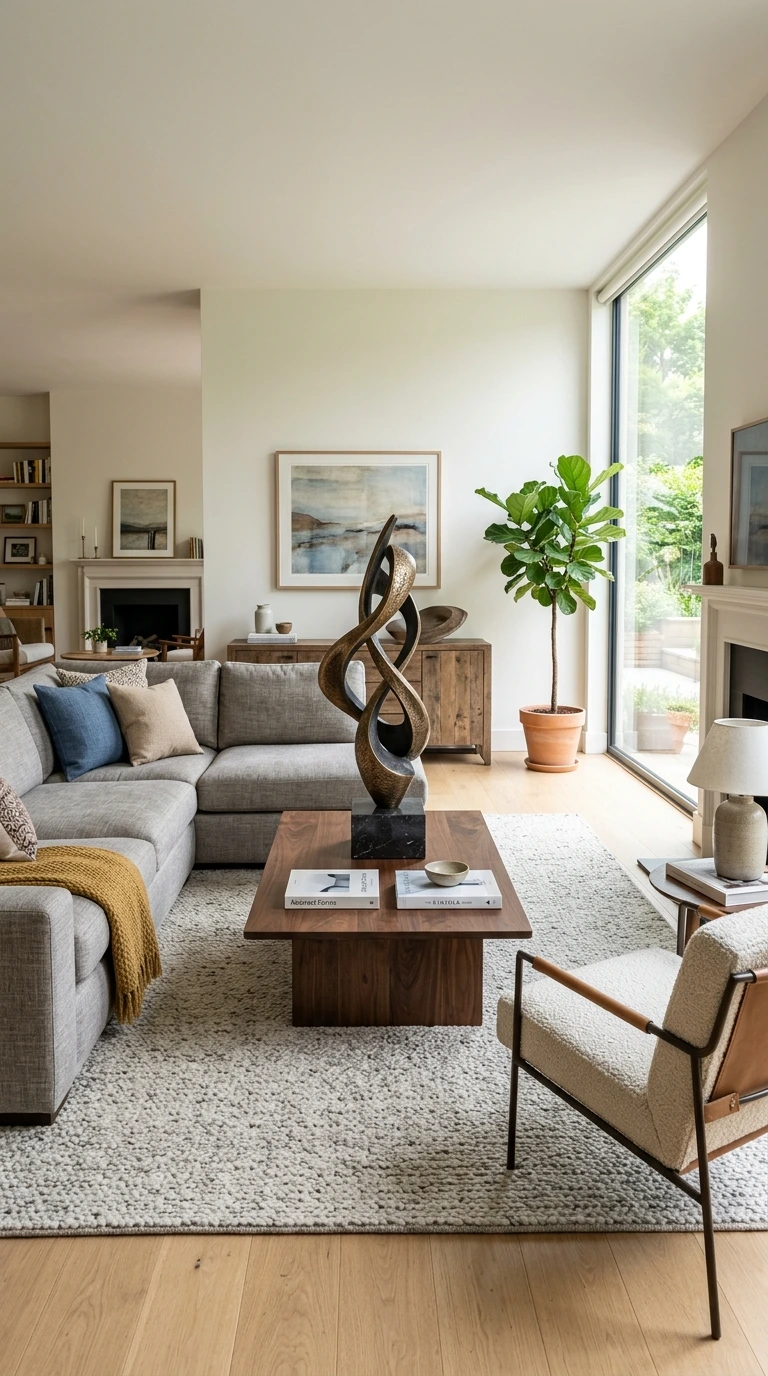
Choosing one object that functions almost like jewelry for the table, a striking sculpture, an oversized decorative box, or an interesting found object, gives the whole arrangement a clear focal point. This piece should contrast in shape with your other items, so if everything else is rectangular, look for something round, or if everything feels glossy, bring in something matte.
This single standout object often becomes the piece people notice and ask about, functioning as a genuine conversation starter. Choosing just one such piece, rather than several competing for attention, keeps this technique effective rather than overwhelming.
13. Consider Who Actually Uses the Room
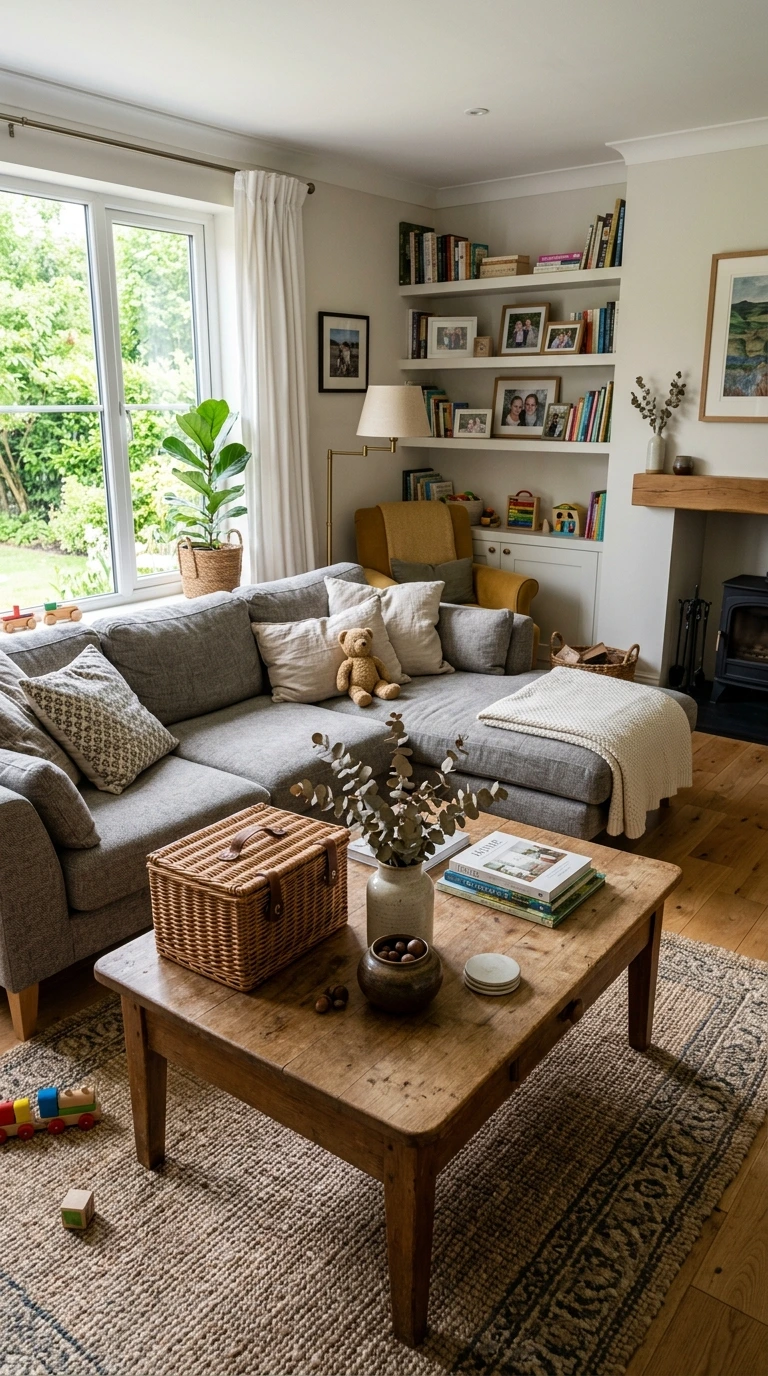
If small hands or paws regularly share the space, prioritize soft, low, and sturdy styling choices, rounded corners, shatterproof materials, and durable finishes over fragile glass or top-heavy sculptural pieces. A lidded rattan box can hold toy cars just as easily as it displays beautifully, letting function and style coexist rather than compete.
Choosing wipeable trays, machine-washable table runners, and durable materials means your styled look survives actual daily life rather than just looking good for a single photograph. This consideration matters considerably more in family living rooms than in more adult-only spaces.
14. Leave Genuine Functional Space
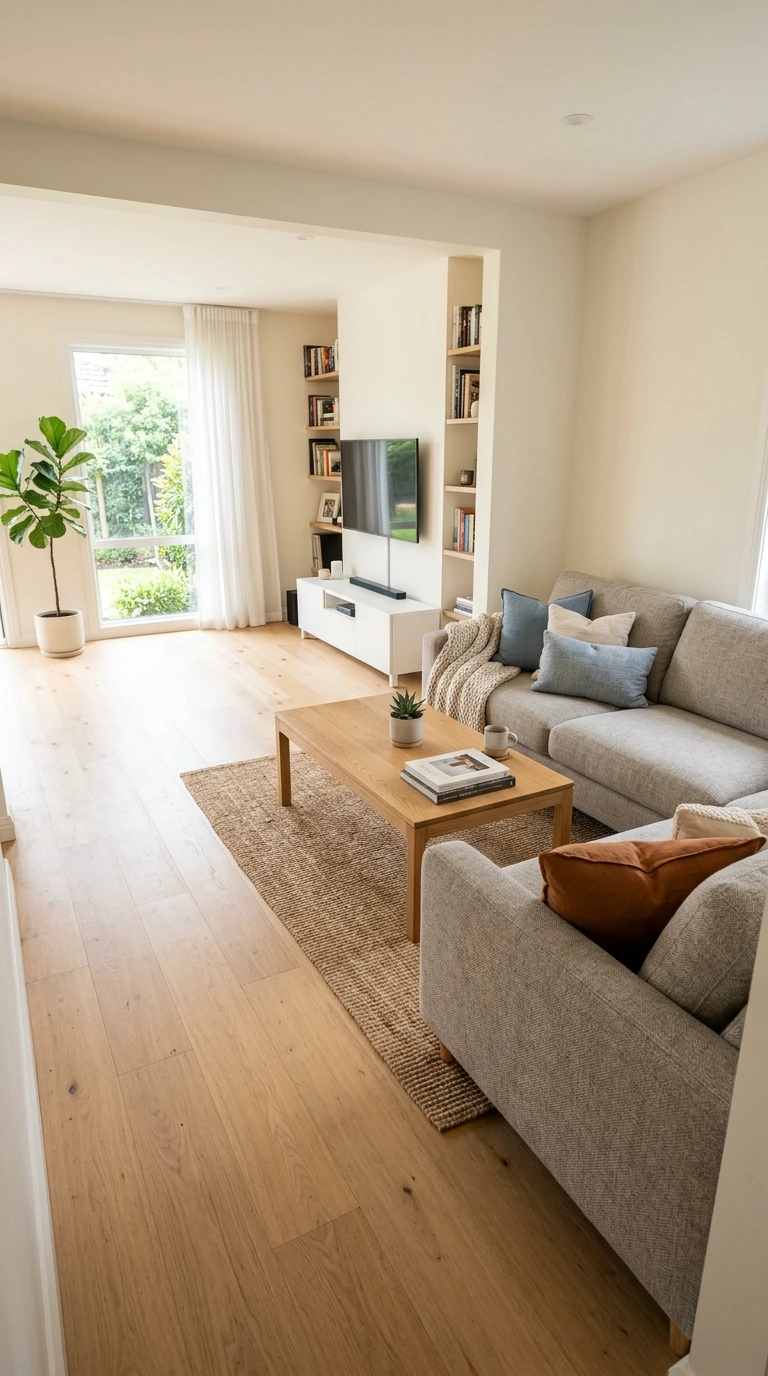
A well-styled coffee table should never feel too precious to actually use, so leave enough open space for setting down a drink, propping up your feet, or placing the remote without disturbing your arrangement. Open, empty areas also help your styled objects stand out visually, since a table filled edge to edge loses the contrast that makes any single grouping stand apart.
This restraint is often what separates a professionally styled table from an overcrowded one, even when both contain beautiful individual pieces. If you’re ever unsure whether you’ve added too much, removing one item is almost always the right call.
15. Edit Ruthlessly and Keep Editing
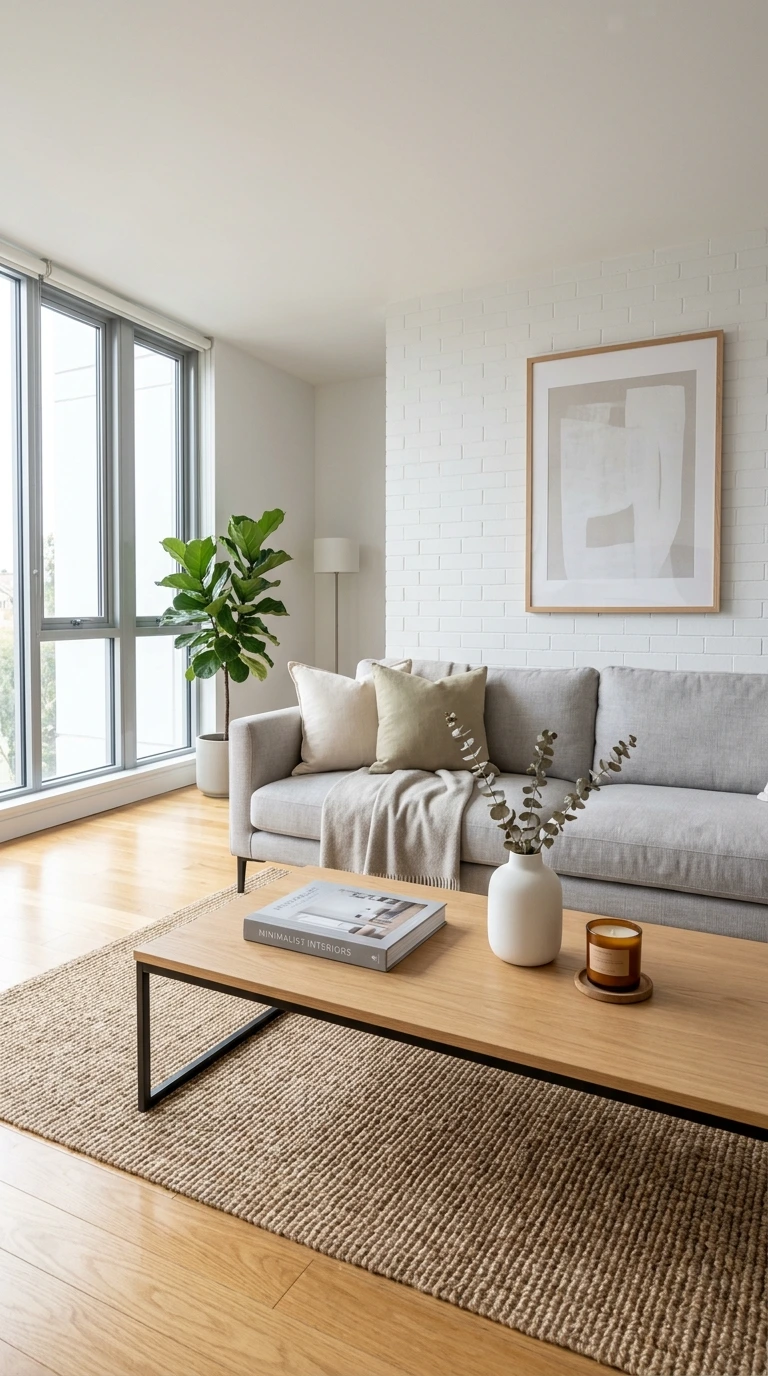
Interior designers consistently describe their process as one of adding and taking away repeatedly, rather than arranging everything perfectly on the first attempt. Fewer, well-chosen pieces will reliably look better than a table crowded with everything you own, so if you’re ever in doubt, take one object away rather than adding another.
This ongoing editing habit applies just as much after your initial styling as it does during the first setup, since living with an arrangement for a few days often reveals what’s actually working. Treating this as a process rather than a one-time task takes the pressure off getting it perfect immediately.
16. Balance Bold Rooms With Neutral Styling
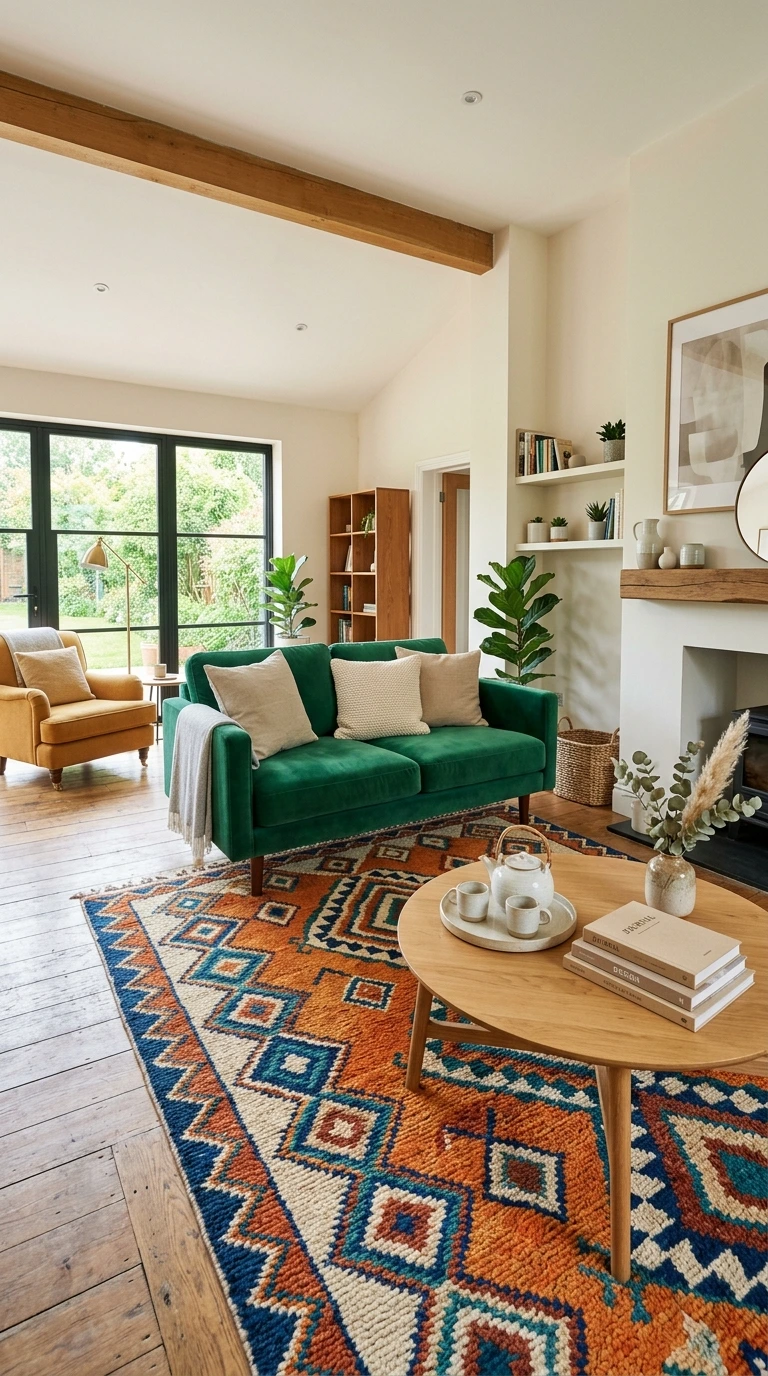
If your living room already features strong colors or bold patterns elsewhere, keeping your coffee table styling more neutral prevents the table from competing with the room’s existing visual energy. This balance ensures the table supports the room’s overall story rather than fighting for attention against it.
A common mistake is treating the coffee table as the room’s main focal point when it should typically play a supporting role instead. Toning down the table’s styling in an already visually busy room creates a sense of calm that a competing arrangement simply can’t achieve.
17. Add Contrast in Light, Minimal Rooms
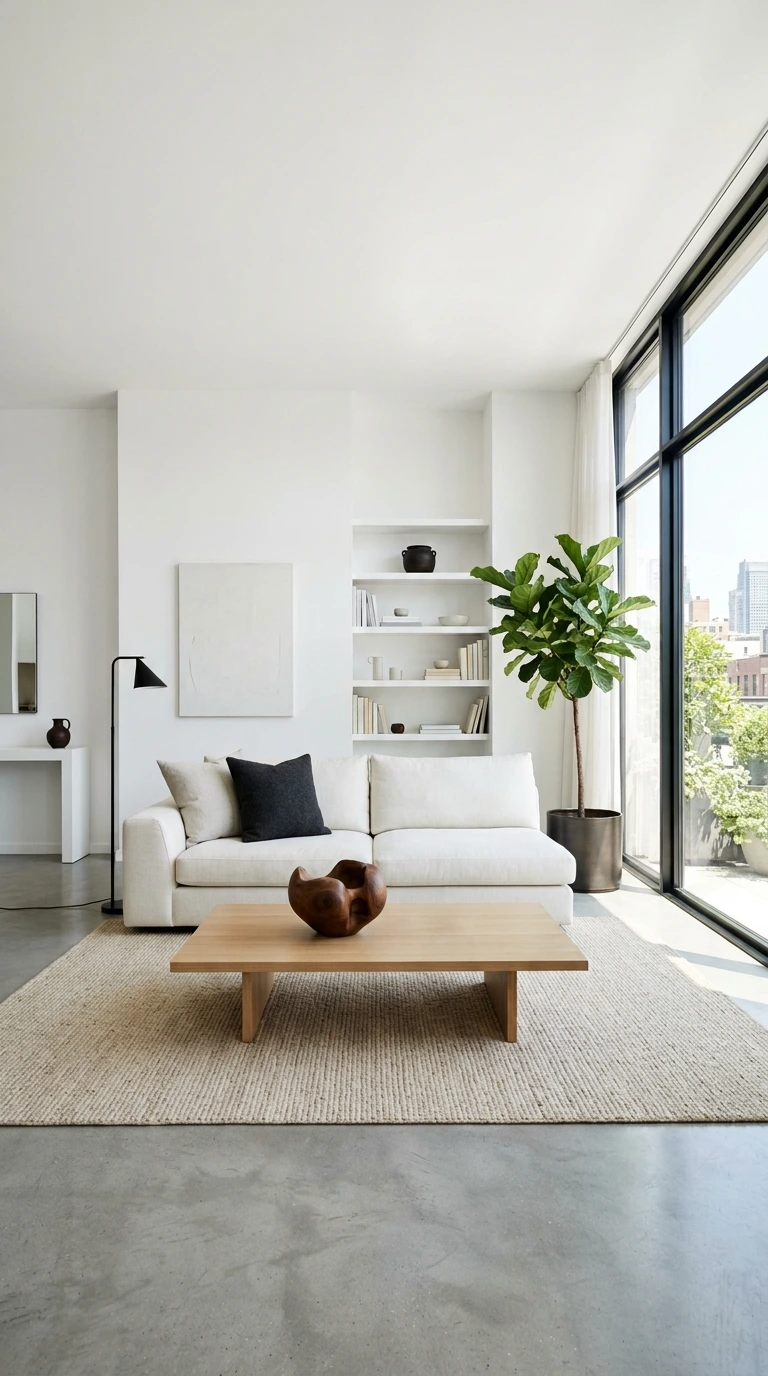
In lighter, more minimal spaces, introducing a darker or more heavily textured object on the coffee table helps ground the arrangement and prevents the whole room from feeling flat or overly washed out. This single contrasting piece does considerable work in an otherwise pale, monochromatic room.
Choosing this darker element in a material like wood, dark ceramic, or matte black metal adds visual weight without requiring an entirely different color scheme elsewhere. This principle works especially well in Scandinavian-inspired or all-white living rooms looking for a bit more depth.
18. Contain Everyday Clutter Deliberately
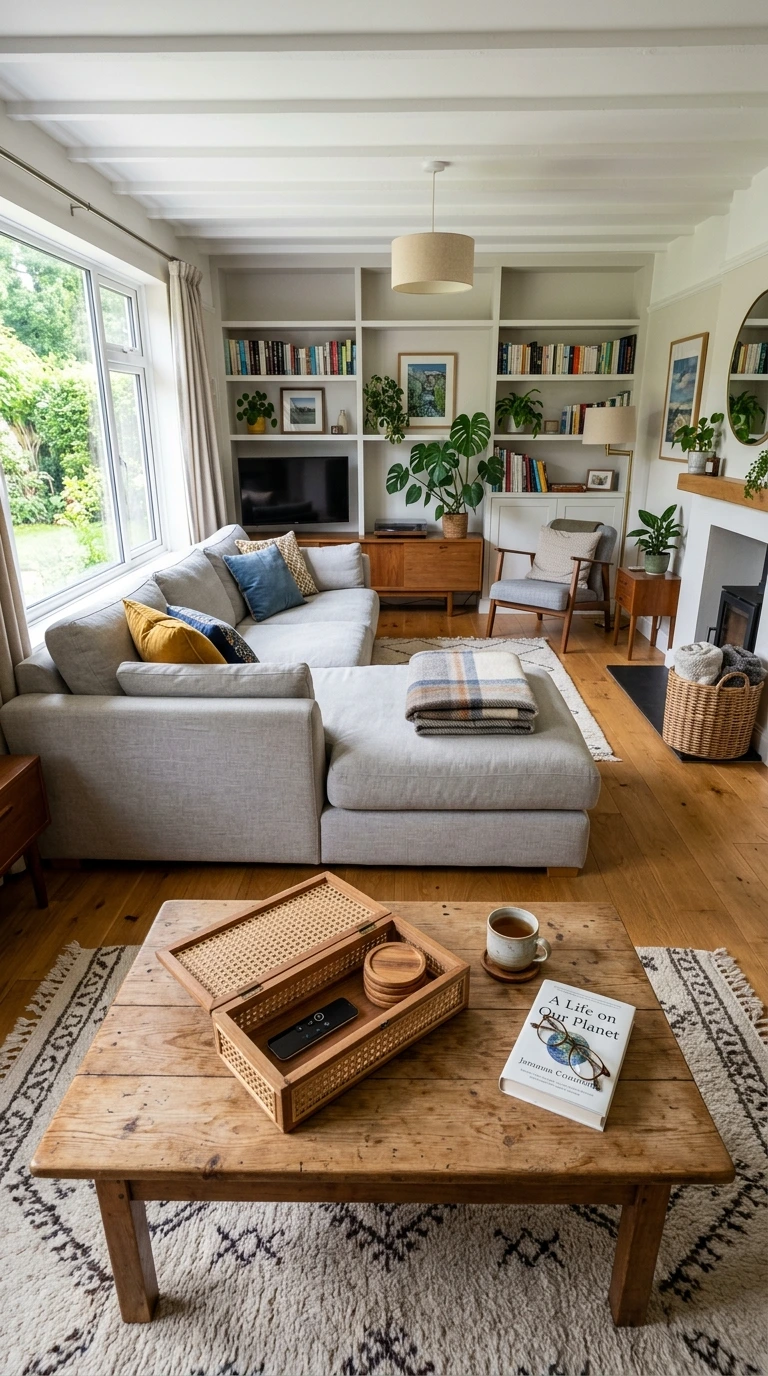
Using trays or lidded boxes specifically to organize remotes, coasters, and other small daily-use items keeps genuine clutter from undermining your styled arrangement. This containment approach lets the table stay both beautiful and fully functional, rather than forcing you to choose between the two.
Choosing containers that complement your existing decor, rather than generic plastic organizers, means even your practical storage contributes to the overall look. This small habit is often what allows a well-styled table to survive actual daily household use.
| Table Type | Best Object Count | Suggested Approach | Ideal Styling Theme |
|---|---|---|---|
| Small or Ottoman | 3 items | Single tight cluster | Books, candle, small object |
| Rectangular | 5-7 items | One to two zones | Grid layout, books and vase |
| Round or Oval | 3-5 items | Soft, asymmetrical grouping | Open book, tray, sculptural piece |
| Large or Oversized | 7+ items | Multiple distinct zones | Library theme, curiosity cabinet |
| Layered or Two-Tier | Varies by tier | Alternate contrast per level | Books on top, storage below |
19. Try the Square Grid Layout for Rectangular Tables
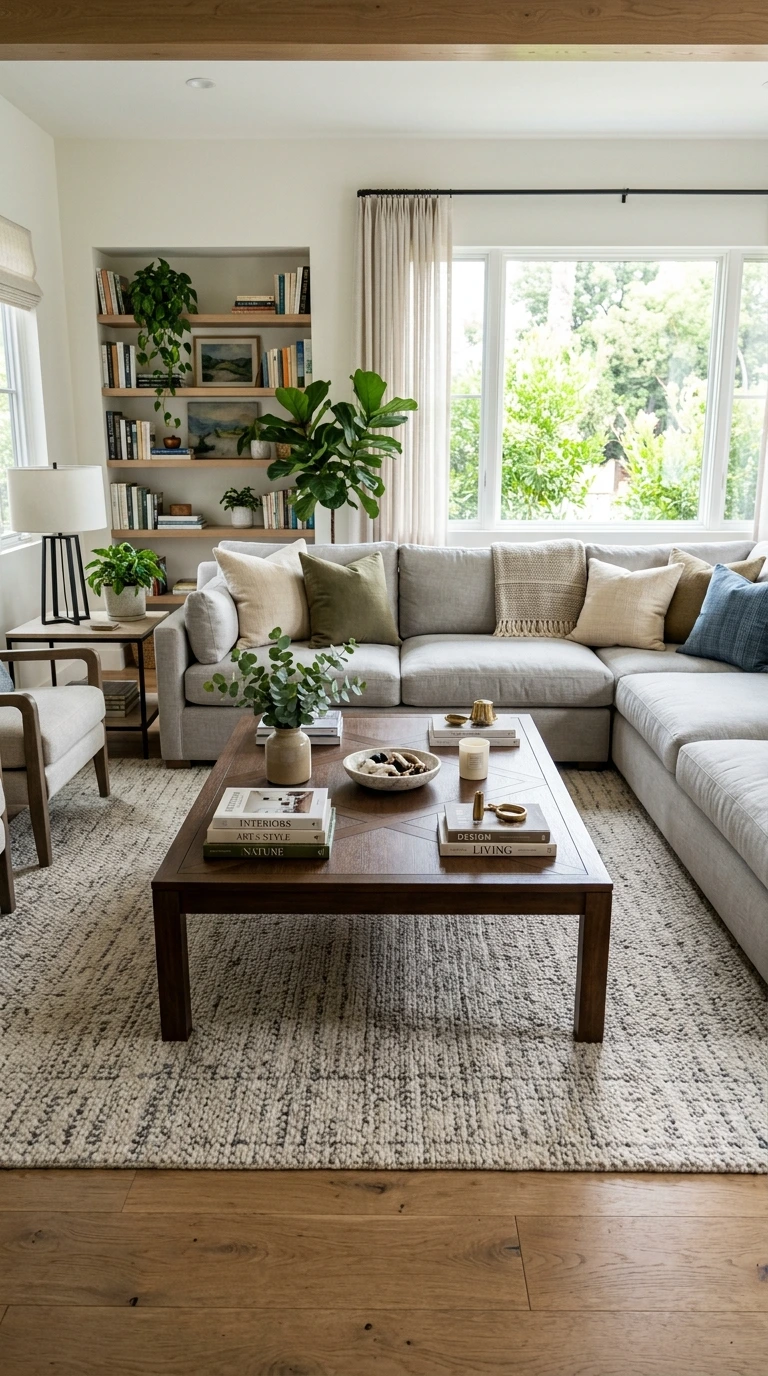
For larger rectangular tables, arranging books and decor at diagonals within a loose square grid, so it visually resembles a window, creates a structured yet interesting layout. Two stacks of books might sit on opposite corners, paired with a round vase of flowers and a circular tray at the other two corners.
Mixing shapes and textures within this grid structure, playing with geometry and asymmetry simultaneously, keeps the arrangement from feeling too rigid despite its underlying structure. This approach works particularly well on longer coffee tables that might otherwise feel sparse with just a single central grouping.
20. Soften Round Tables With Asymmetrical Groupings
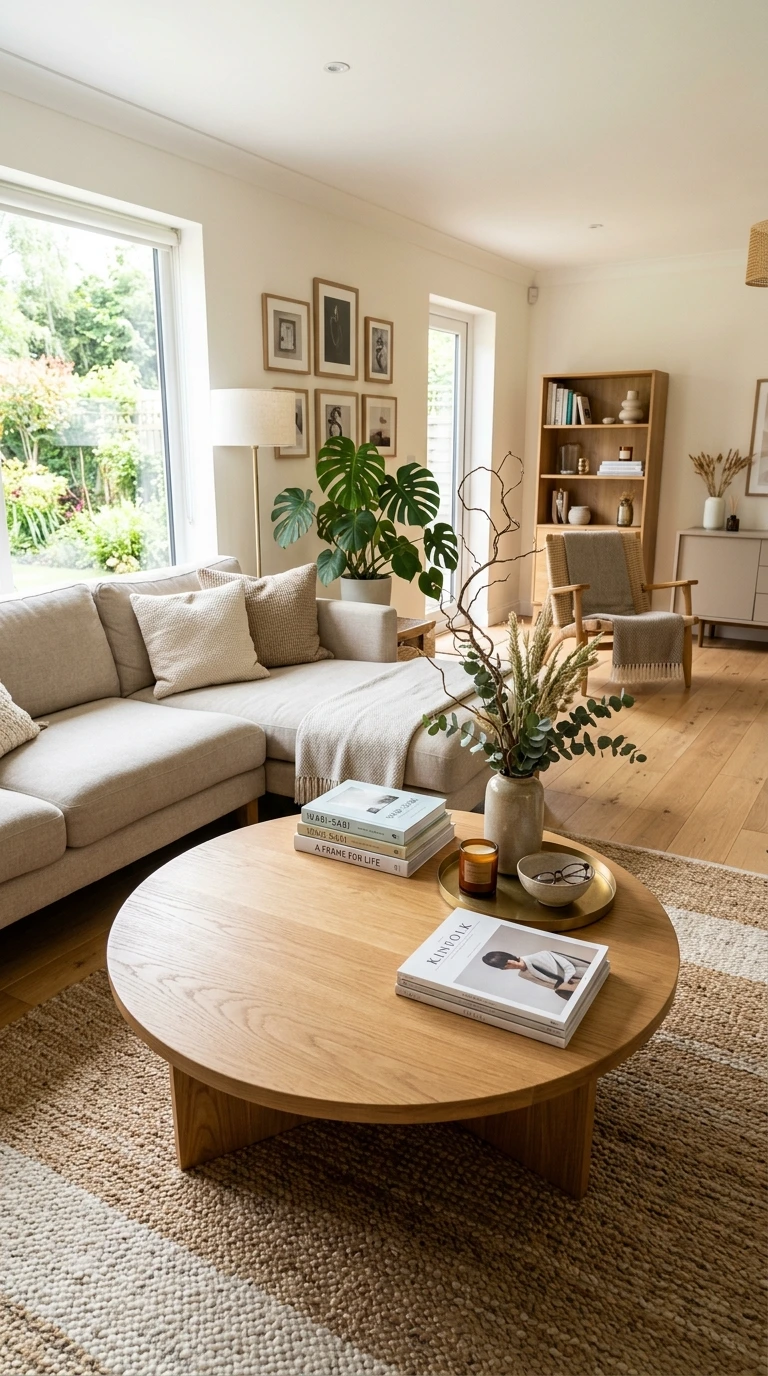
Round or oval coffee tables generally respond better to softer, asymmetrical arrangements than the more structured grid approach suited to rectangular tables. Letting objects cluster more organically to one side, rather than forcing perfect symmetry, complements the table’s naturally softer shape.
This asymmetry doesn’t mean careless placement, since the rule of three and height variation still apply, just with a looser overall structure. A round table styled this way often feels more relaxed and inviting than one forced into a rigid grid it wasn’t designed for.
21. Use Nesting Tables for Added Dimension
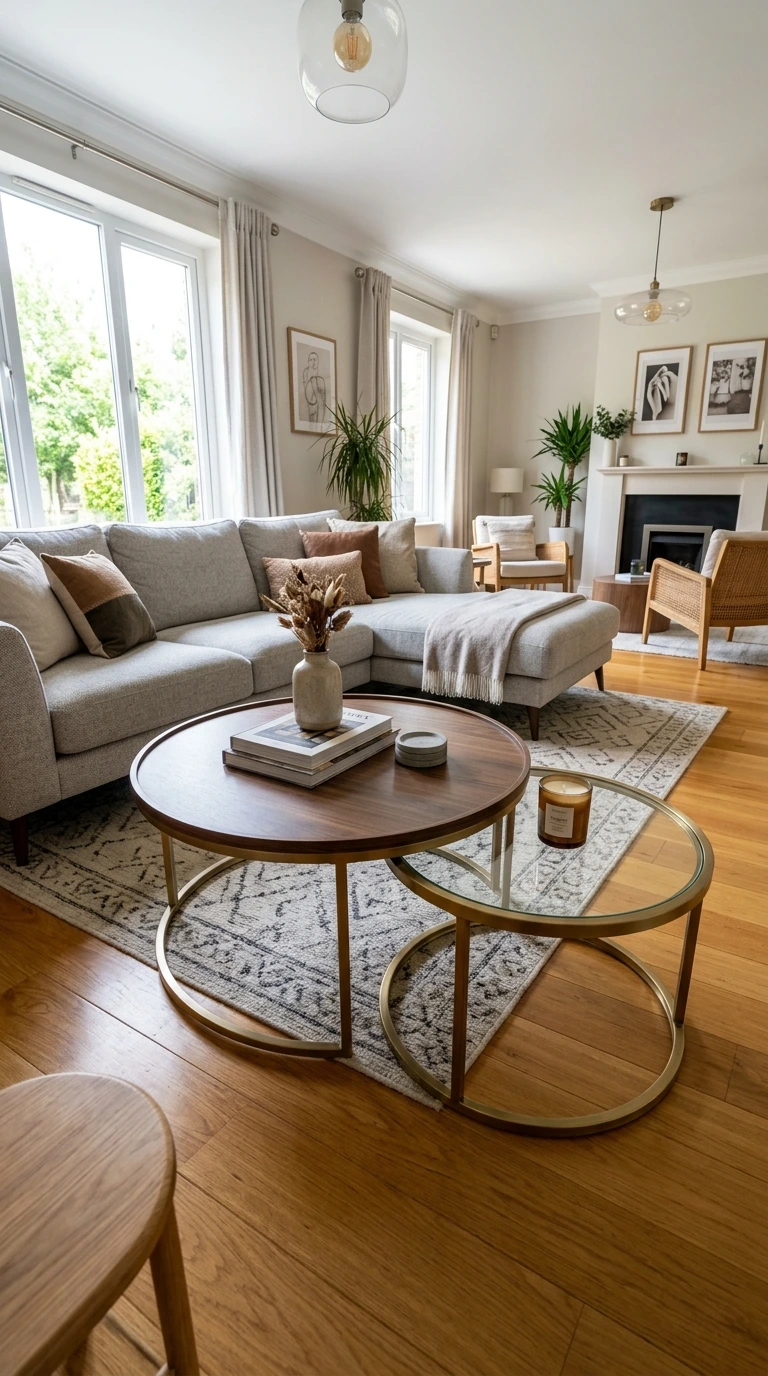
Bringing in nesting tables instead of relying on a single flat surface adds genuine dimension and additional display area without requiring a larger table footprint. This approach also gives you more flexibility, since the smaller nested tables can be pulled out separately for extra guests or additional surface space when needed.
Styling each nested table slightly differently, while keeping a shared color or material thread between them, creates layered visual interest that a single flat surface can’t replicate. This technique works particularly well in smaller living rooms where floor space for a separate side table isn’t available.
22. Consider a Curiosity Cabinet Theme
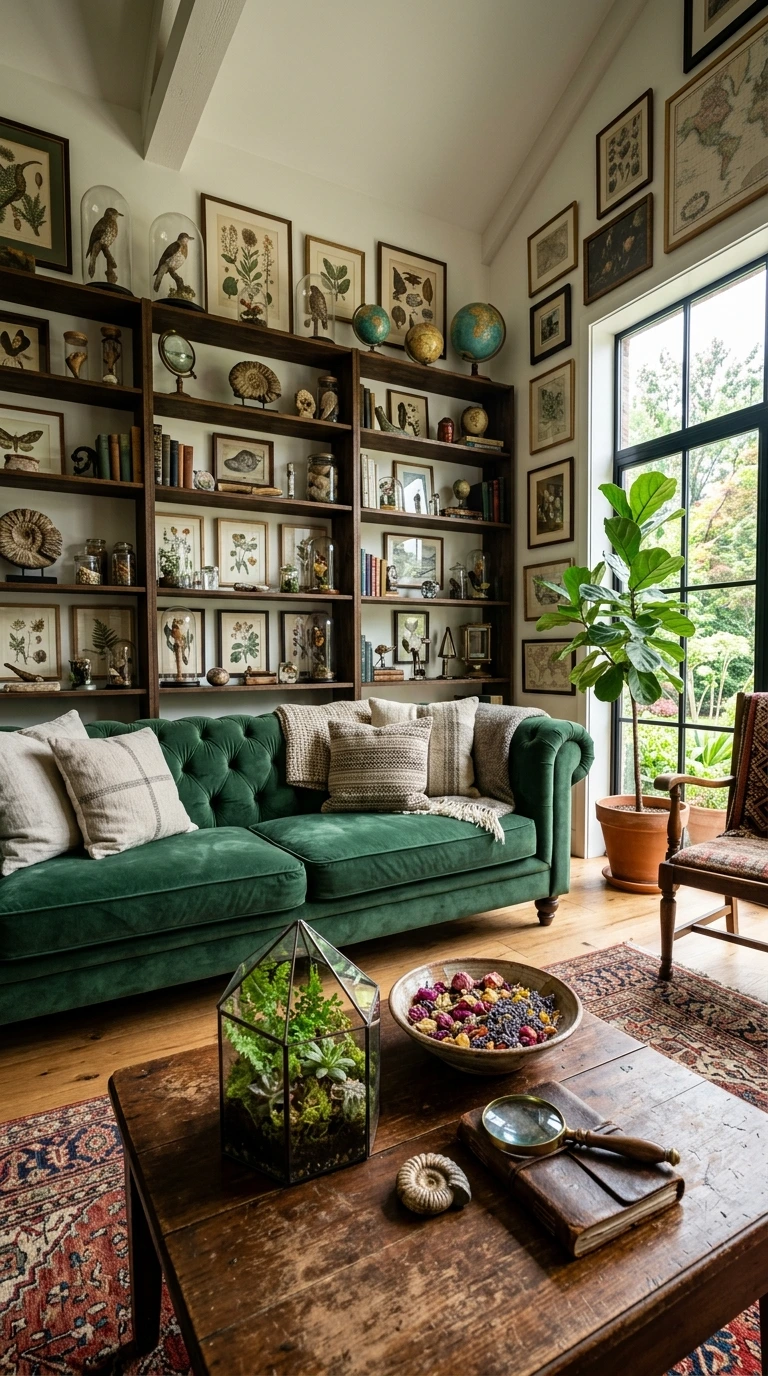
Displaying small, tactile curiosities, a glass box of collected feathers, a bowl of dried petals from a meaningful occasion, or a small terrarium, gives your coffee table a genuine sense of story and personal history. These conversation-starting objects communicate something real about your interests and travels in a way purely decorative items can’t.
This theme works especially well for anyone who already collects small, meaningful objects rather than shopping specifically for coffee table decor. Letting your existing collections guide the table’s theme almost always produces a more authentic, personal result than starting from a blank slate.
23. Rotate Your Styling With the Seasons
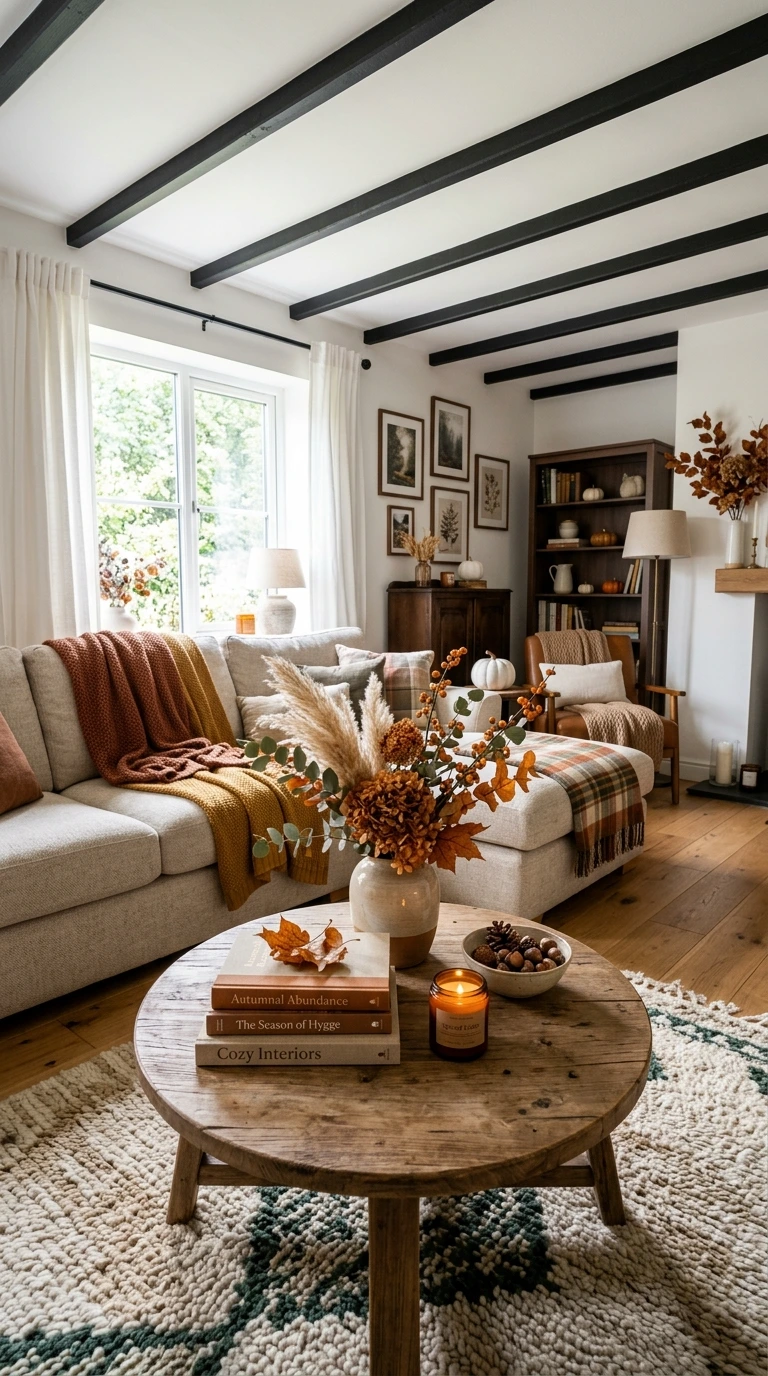
A few small swaps, lightening ceramics and bringing in fresh flowers for spring, or introducing dried florals and warmer tones for fall, keep a coffee table feeling fresh throughout the year without requiring a full restyle. This kind of seasonal rotation is genuinely low-commitment decorating, since you’re simply adjusting rather than starting over each time.
Swapping dark book covers for lighter art, travel, or floral titles as the seasons shift is a particularly easy, low-cost way to participate in this rotation. Even changing just one or two objects seasonally keeps the whole display from feeling static year-round.
- Choose neutral coffee table styling if your room already has bold colors
- Add a contrasting dark object if your room leans light and minimal
- Use trays or boxes to contain everyday clutter without sacrificing style
- Match your layout approach, grid or asymmetrical, to your table’s actual shape
- Rotate a few key pieces seasonally rather than restyling everything at once
24. Incorporate Something Living or Natural
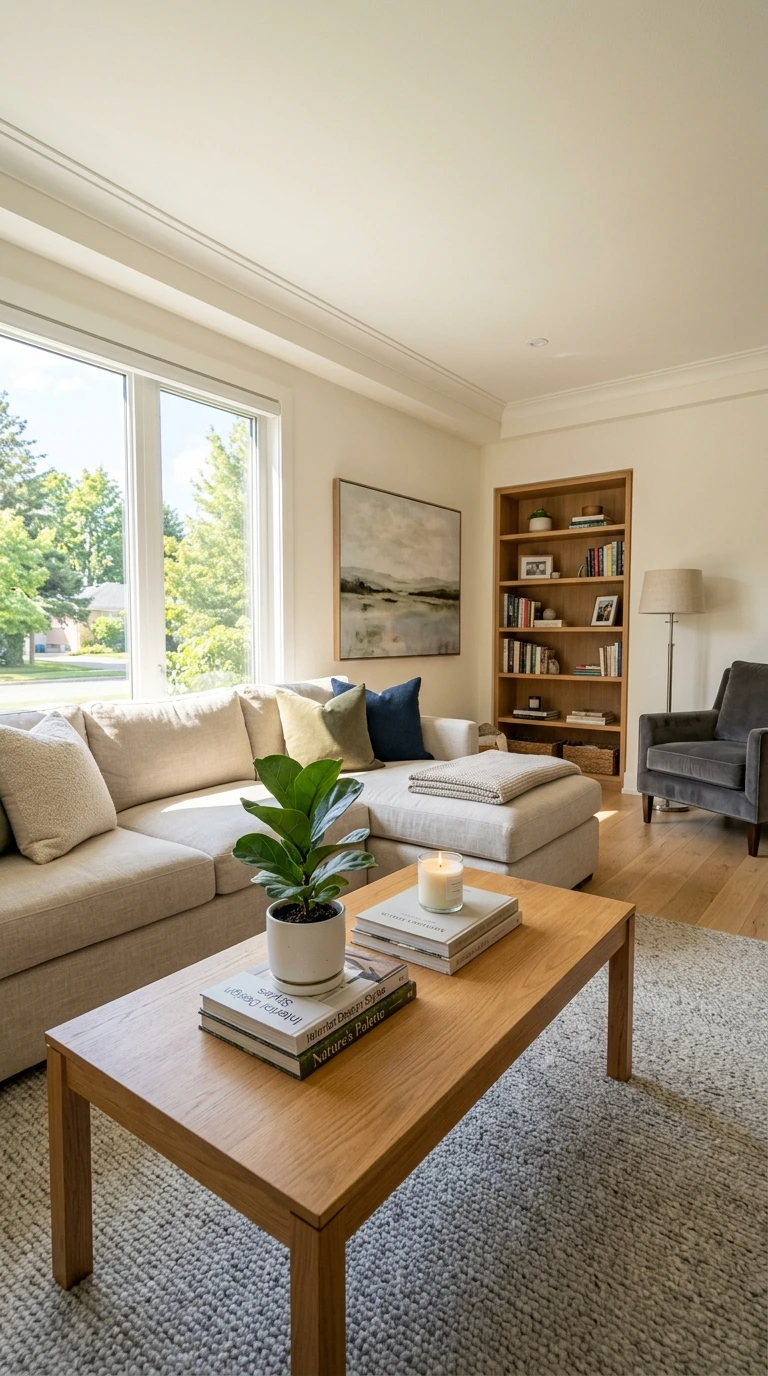
Every styled surface benefits from at least one living or natural element, whether that’s fresh flowers, a small potted plant, or a simple branch in a vase. This detail softens harder materials like glass or metal and brings genuine life into what could otherwise feel like a static, purely decorative display.
Choosing low-maintenance greenery if you don’t have a naturally green thumb ensures this element stays looking good rather than becoming another thing to worry about. Even a small, simple plant contributes meaningfully to the table’s overall sense of being genuinely lived-in.
25. Style Layered or Two-Tier Tables Like a Bookshelf
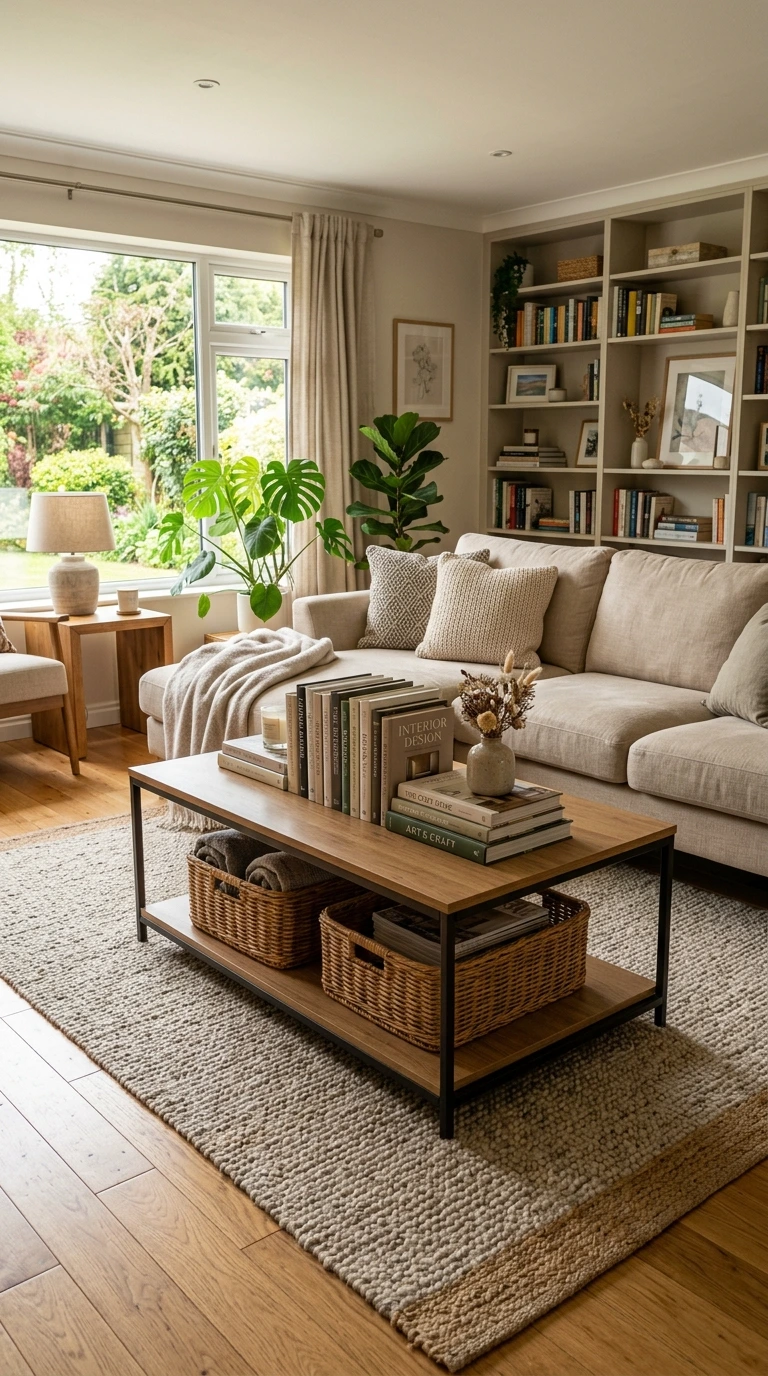
If your coffee table includes two or three separate surfaces, styling it similarly to how you’d approach a bookcase or floating shelves, alternating colors, heights, and shapes between levels, creates intentional contrast rather than treating each tier identically. This layered approach also gives you a natural spot for functional storage on a lower shelf while keeping the top surface purely decorative.
Varying what sits on each level, perhaps books and a vase up top with baskets or games below, makes the most of this extra surface area. This technique works particularly well for anyone wanting both storage and display without needing additional furniture elsewhere in the room.
26. Add Personal, Bespoke Items
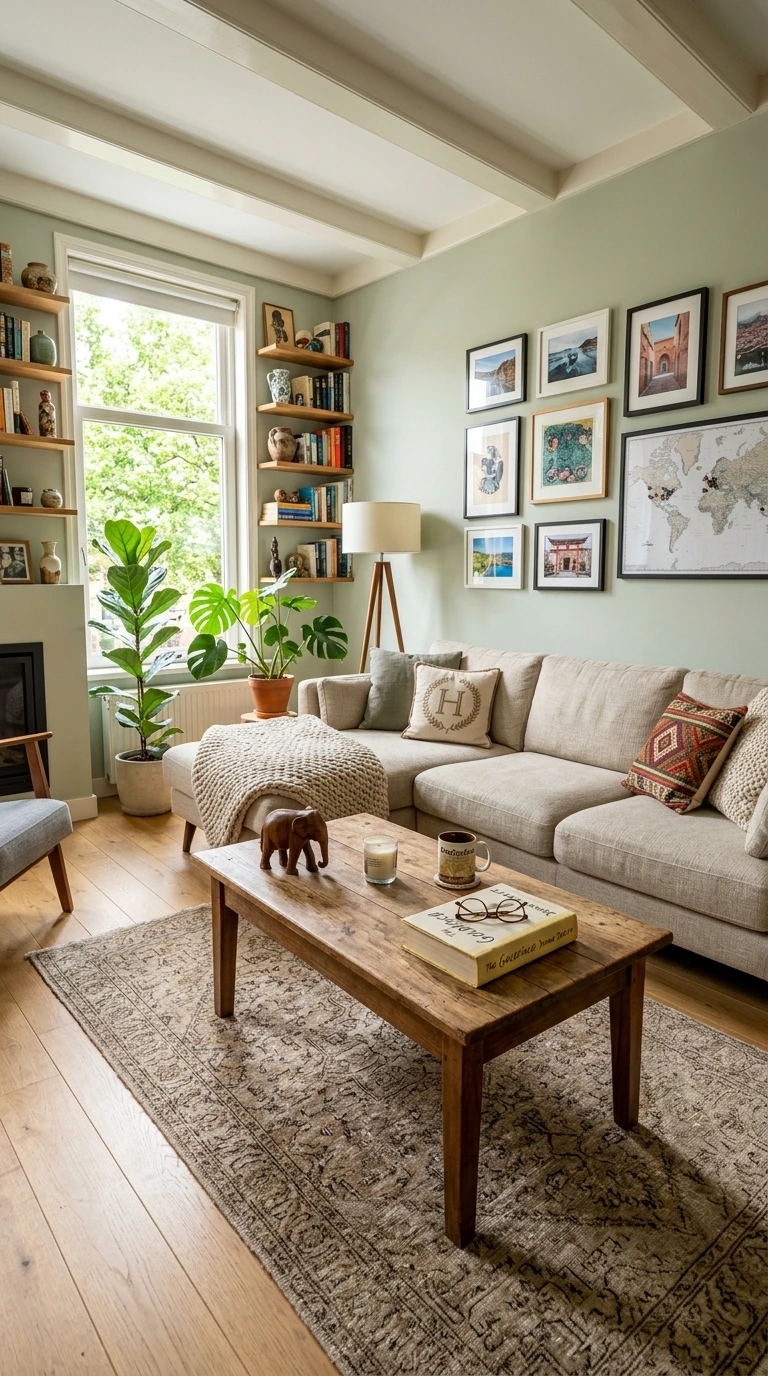
Incorporating something genuinely personal, a favorite book, an heirloom bowl, or a travel souvenir, elevates a coffee table in a way purely decorative purchased items simply can’t replicate. The best-styled tables ultimately reflect the actual people who live with them, not a showroom display copied from elsewhere.
This personal element doesn’t need to be valuable or rare, just meaningful to you and ideally with an interesting story behind it. Guests consistently notice and ask about these kinds of personal touches more than any generically purchased decorative object.
27. Vary Scale Deliberately Across Your Objects
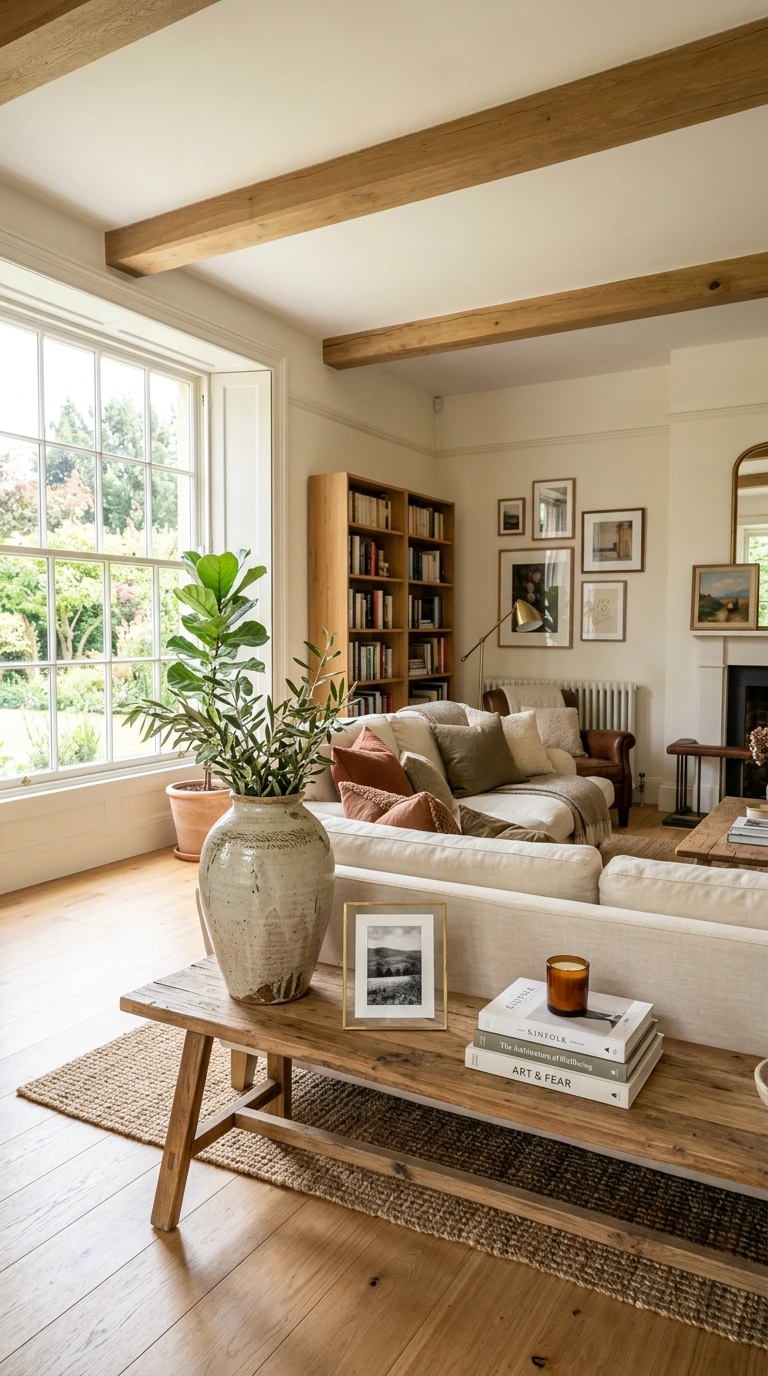
If you’re working with an oversized vase or sculptural piece, pair it with a smaller picture frame or a modest stack of books rather than another large item competing for the same visual space. Thinking deliberately in terms of small, medium, and large helps every object earn its place within the overall composition.
This scale variation matters just as much as height variation, since two large items sitting side by side can feel heavy and unbalanced even if their heights differ. Checking your grouping for a genuine range of sizes is a quick way to catch this common styling misstep before it becomes a problem.
28. Evolve the Table Rather Than Restyling Completely
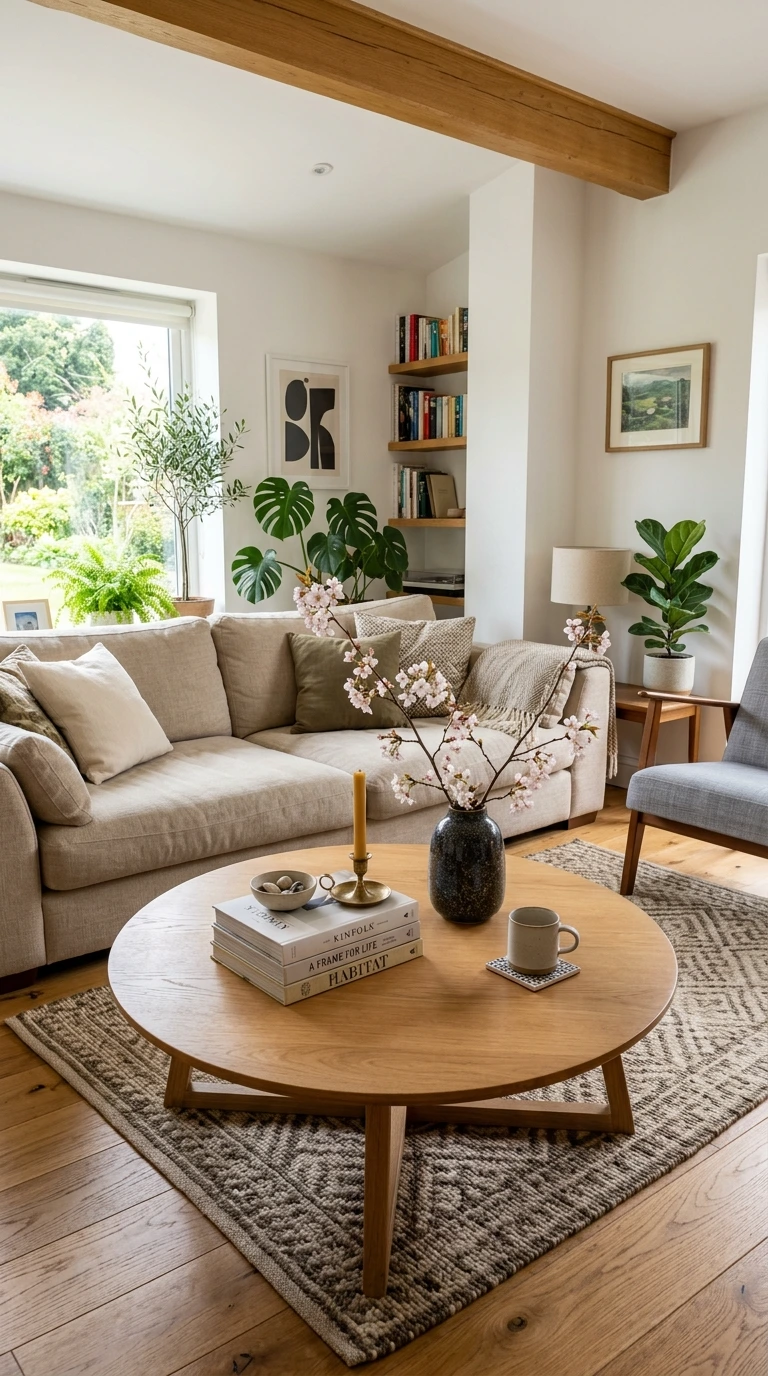
Many designers describe their own coffee table styling as evolving over time rather than being restyled from scratch, swapping in a seasonal branch or a new object occasionally rather than rebuilding the whole arrangement. This approach keeps the table feeling fresh without it ever feeling contrived or overly deliberate.
Letting a table settle into a long-term arrangement, with only occasional small adjustments, often produces a more genuinely lived-in look than constant, elaborate restyling. This is a helpful mindset shift for anyone who feels pressure to have a completely new arrangement every few weeks.
29. Let the Table Reflect Your Actual Personality
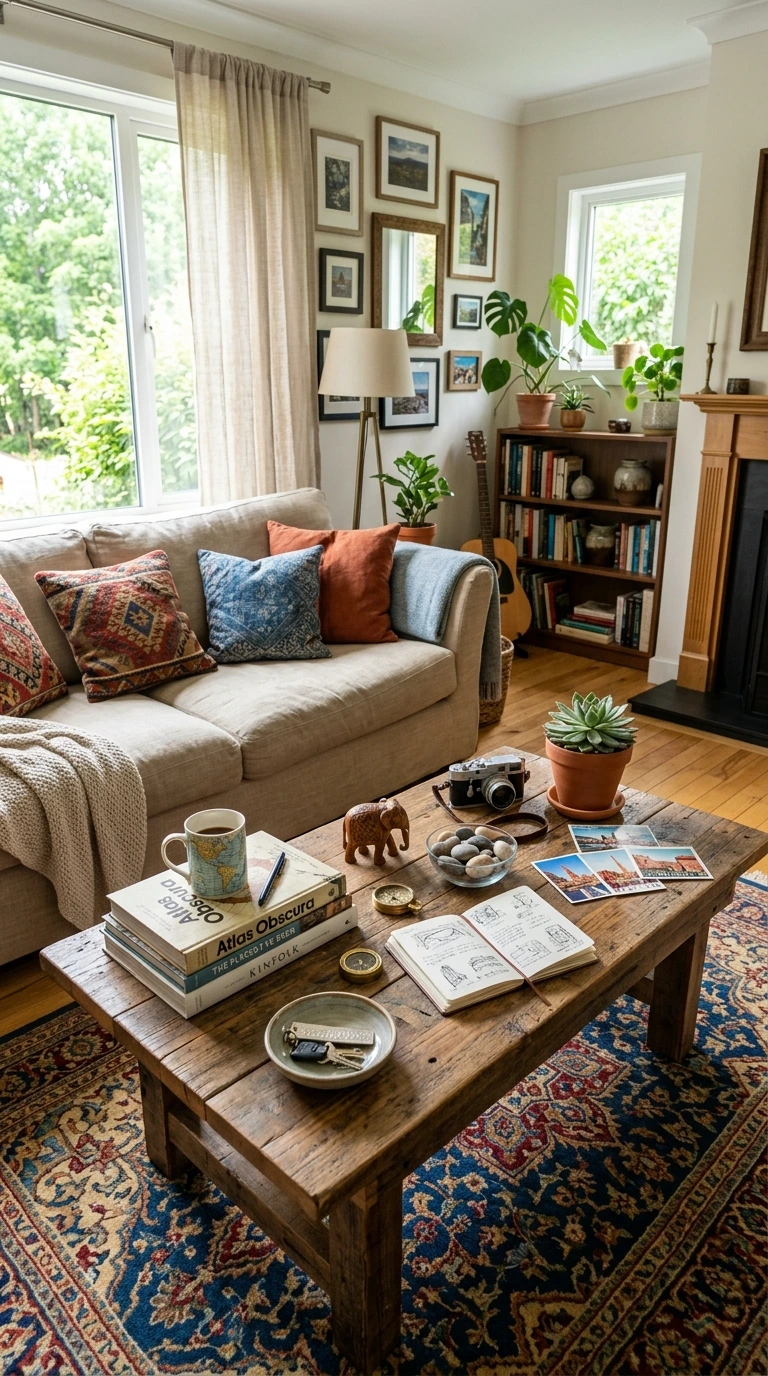
Beyond any specific formula or rule, the most successful coffee tables ultimately tell the story of the people who live with them, whether through travel finds, a genuine book collection, or objects tied to real memories. Designers consistently emphasize that styling should feel like personal expression, not a rigid checklist applied without any individual taste.
Don’t feel obligated to include every technique on this list if it doesn’t genuinely suit your space or your style. The goal is a table that feels like an intentional, curated extension of your actual life, not a copy of someone else’s living room.
30. Trust the Process and Keep Refining Over Time
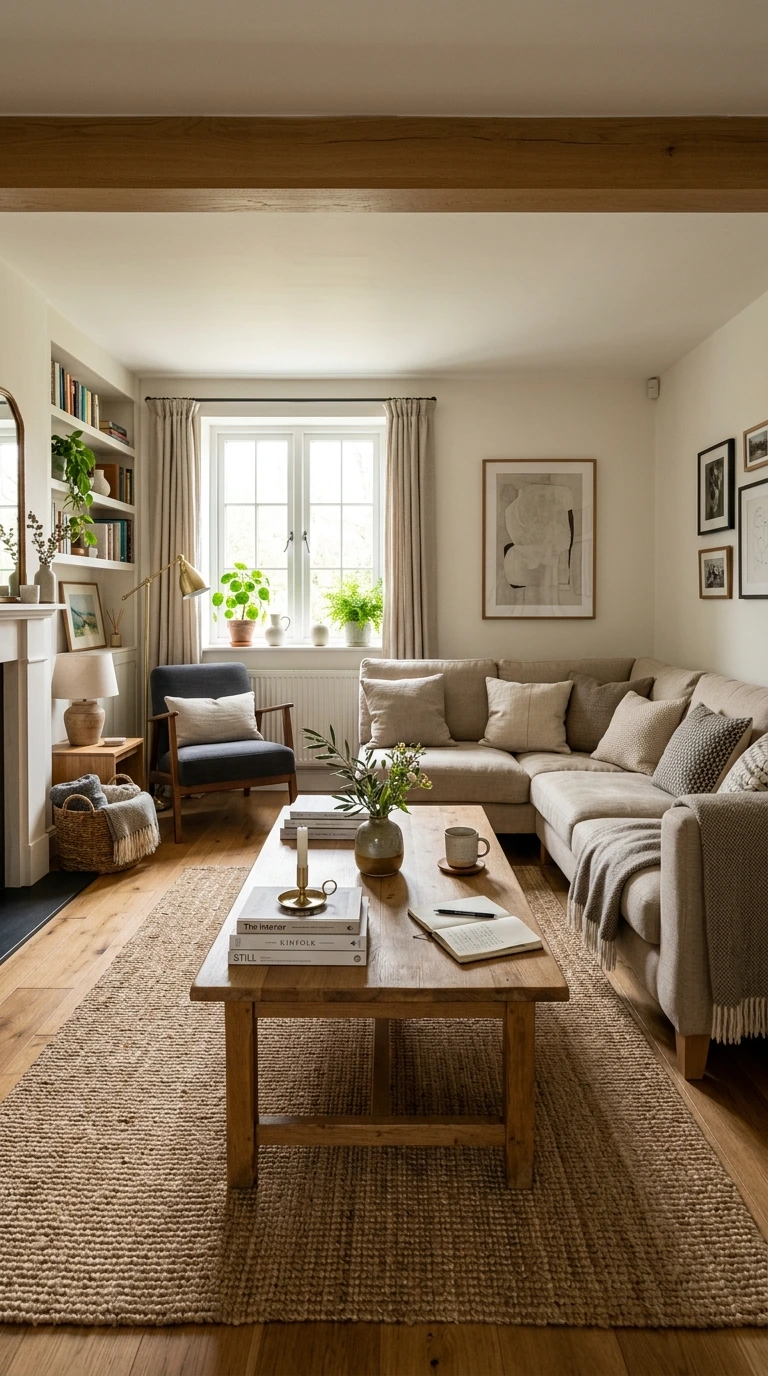
Coffee table styling, much like any other part of interior design, is rarely perfect on the first attempt, and that’s genuinely fine. Living with an arrangement for a few days, noticing what you actually reach for and what just sits there unused, tells you more about what’s working than staring at it fresh from the store ever could.
Approach this as an ongoing, low-stakes practice rather than a one-time project you need to get exactly right immediately. Your coffee table will naturally improve over time as you notice what genuinely works for how you actually live in the room.
Frequently Asked Questions
1. How many objects should I put on my coffee table?
A small table works best with just three items in one tight cluster, while a medium or large table can typically support five to seven items across one to three groupings. Let your table’s actual size guide the count rather than a fixed number.
2. What’s the easiest coffee table styling formula for beginners?
The vertical, horizontal, sculptural formula is one of the most foolproof starting points, pairing a vase of flowers, a stack of books, and one sculptural object. This simple combination almost always produces a balanced look without much prior styling experience.
3. Should my coffee table styling match my room’s color scheme exactly?
Not necessarily, since a slightly contrasting or neutral approach often works better depending on how bold or minimal your room already is. Balance is generally more important than exact color matching.
4. How do I style a coffee table if I have young kids or pets?
Prioritize soft, low, and sturdy materials, rounded corners, shatterproof decor, and wipeable or washable surfaces over fragile glass or top-heavy pieces. Functional storage boxes that double as styling elements work particularly well in these households.
5. Is it okay to leave empty space on my coffee table?
Yes, and it’s actually important, since open space helps your styled objects stand out and keeps the table genuinely functional for everyday use. A table filled edge to edge often looks cluttered rather than curated.
6. How often should I restyle my coffee table?
Most designers recommend evolving your table gradually, swapping in a seasonal item or a new object occasionally, rather than completely restyling it on a fixed schedule. This approach keeps the look fresh without feeling forced or overly deliberate.
7. What’s the biggest mistake people make when styling a coffee table?
Overcrowding the surface with too many competing objects is the most common issue, since it eliminates the contrast and breathing room that make any single item stand out. When in doubt, removing one object is almost always the better choice than adding another.
Conclusion
Styling a coffee table like an interior designer comes down to a few repeatable principles rather than an overwhelming shopping list, proportion, the rule of three, height and texture variation, and the discipline to keep editing until it feels right. These formulas work across nearly any style, budget, or table shape once you understand the logic behind them.
Start with just one or two techniques from this list, live with the result for a few days, and adjust from there rather than trying to implement everything at once. Your coffee table might just become the quiet detail that finally pulls your whole living room together.