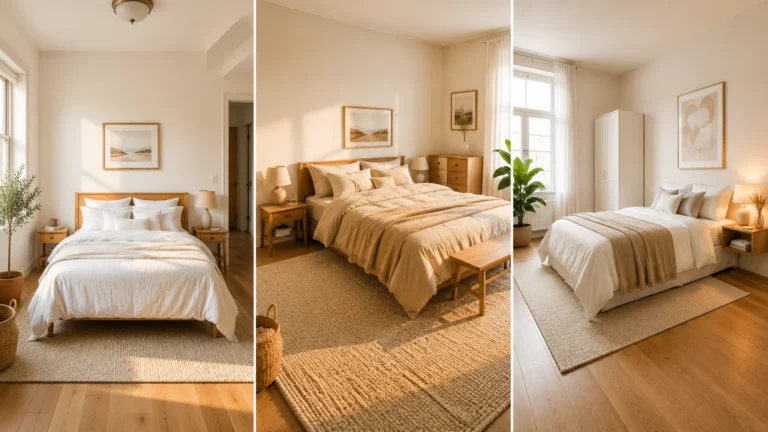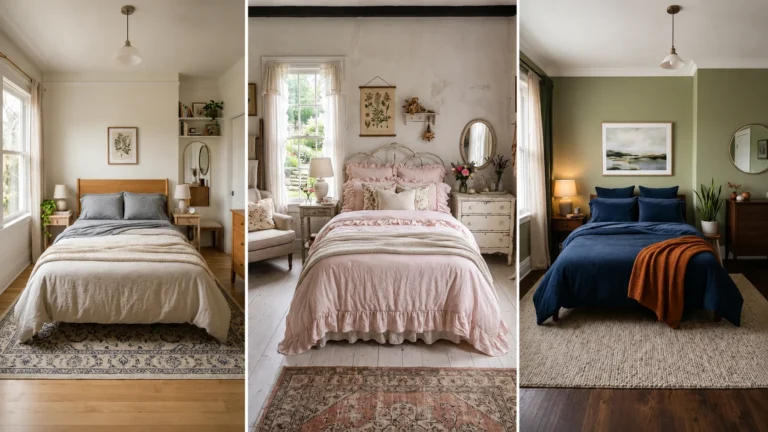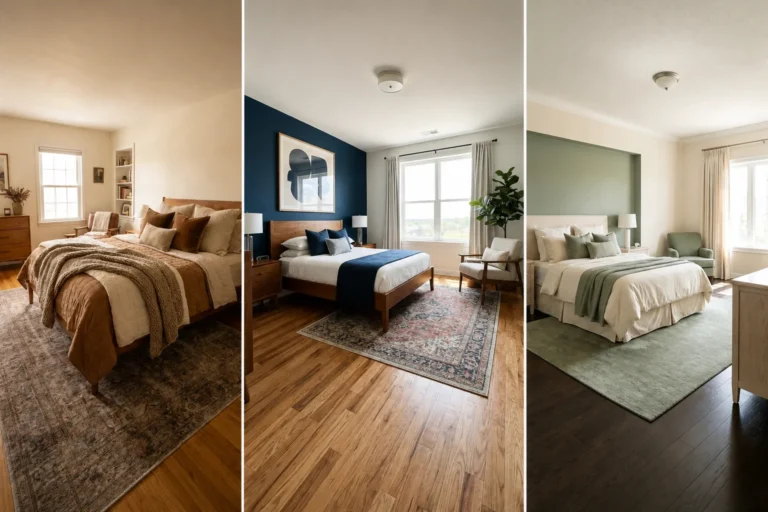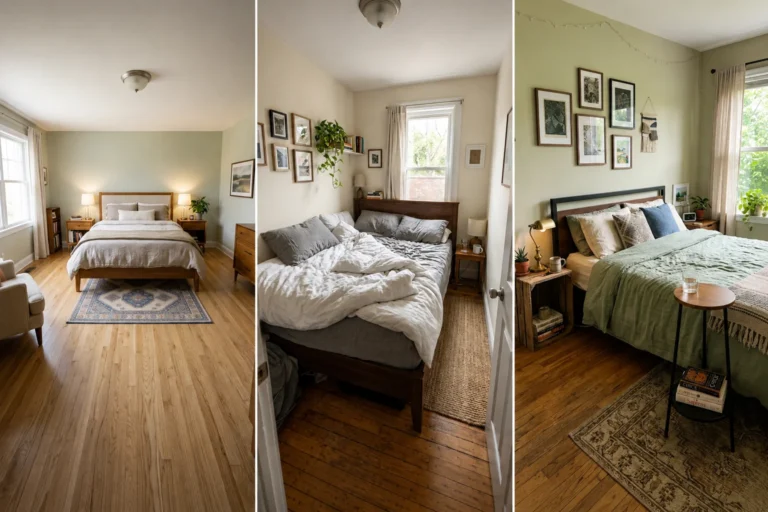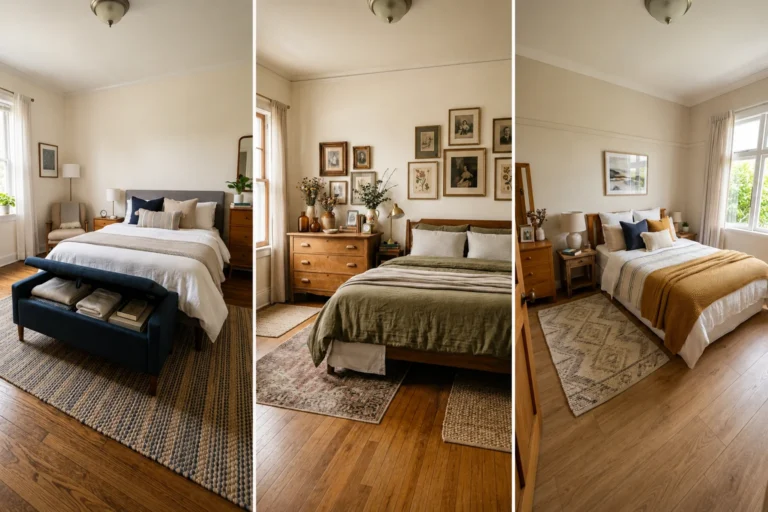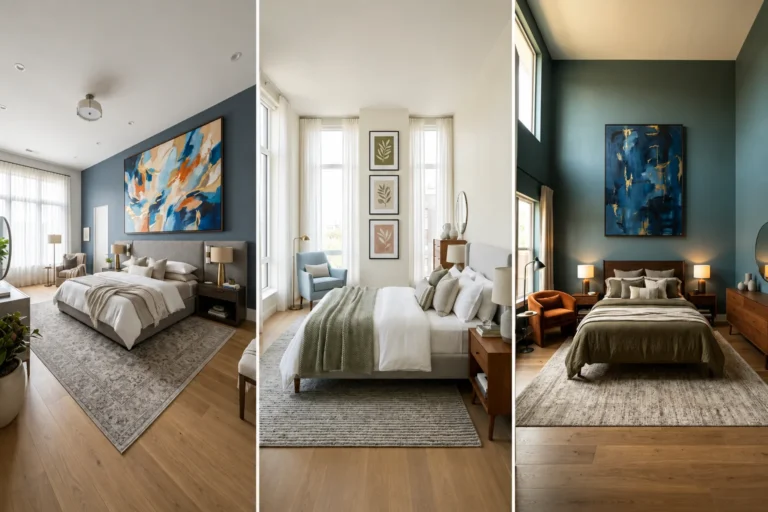
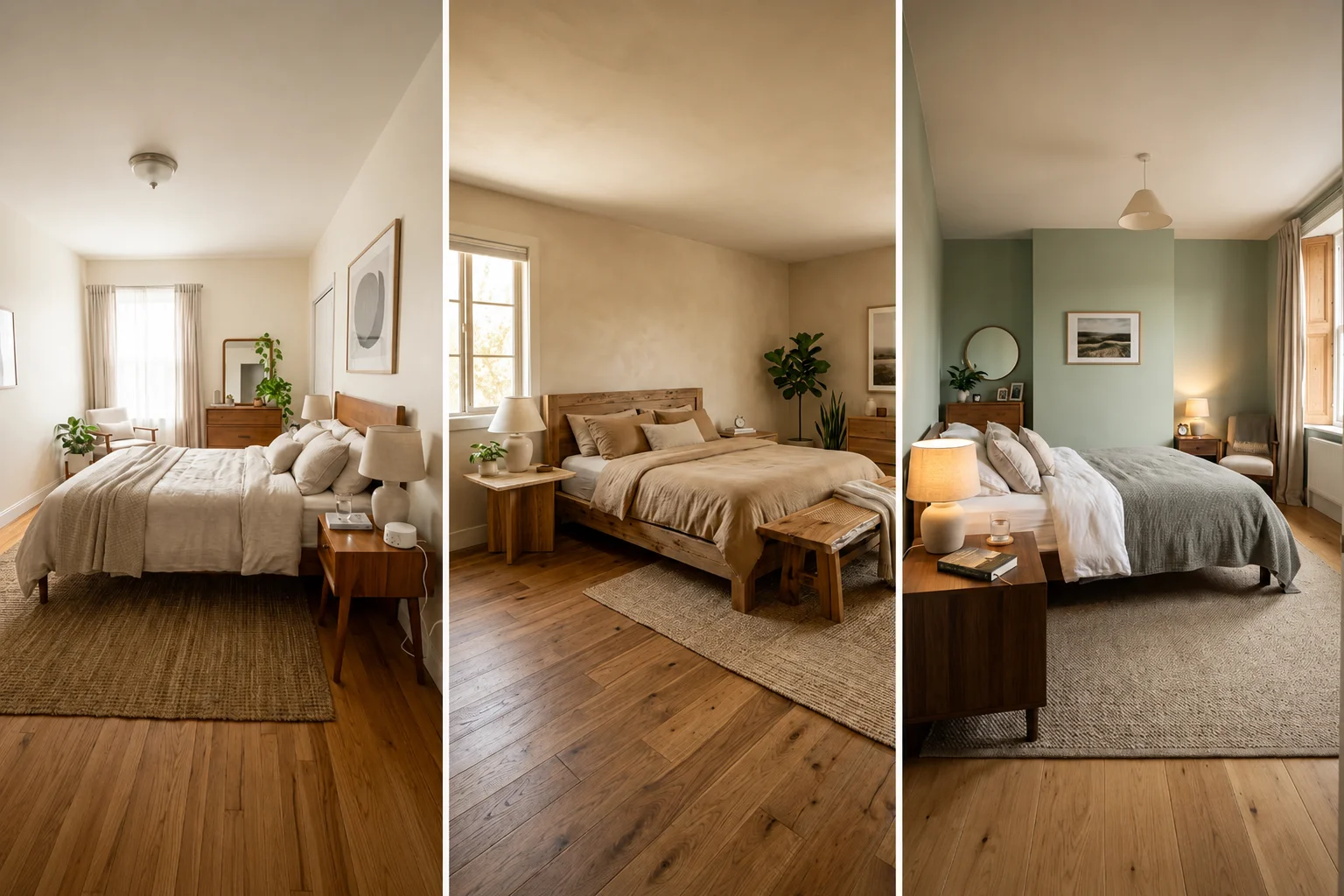
How to Create a Sleep Sanctuary Bedroom: 30 Steps for Better Rest

Introduction
Your bedroom should be the one place in your home where your mind and body can genuinely slow down, yet for many people it quietly works against that goal instead. Harsh lighting, clutter, an unsupportive mattress, and lingering electronics all send subtle signals to your nervous system that it isn’t quite time to rest, even if you’re lying in bed with your eyes closed.
Creating a true sleep sanctuary isn’t about recreating a five-star hotel room or following a rigid design formula. It’s about understanding the specific factors, temperature, light, sound, and comfort, that genuinely support rest, then applying them thoughtfully to your own space. Below are 30 steps covering everything from foundational sleep science to smaller sensory details, so you can build a bedroom that actually helps you sleep better, not just one that looks good in photos.
Pro Tip: Start with the fundamentals before touching decor at all: a room that can be made truly dark, a comfortable cool temperature, minimal noise, and a supportive mattress. Every other step on this list builds on top of those four basics, so address them first for the biggest overall impact.
1. Identify Your Primary Sleep Disruptors
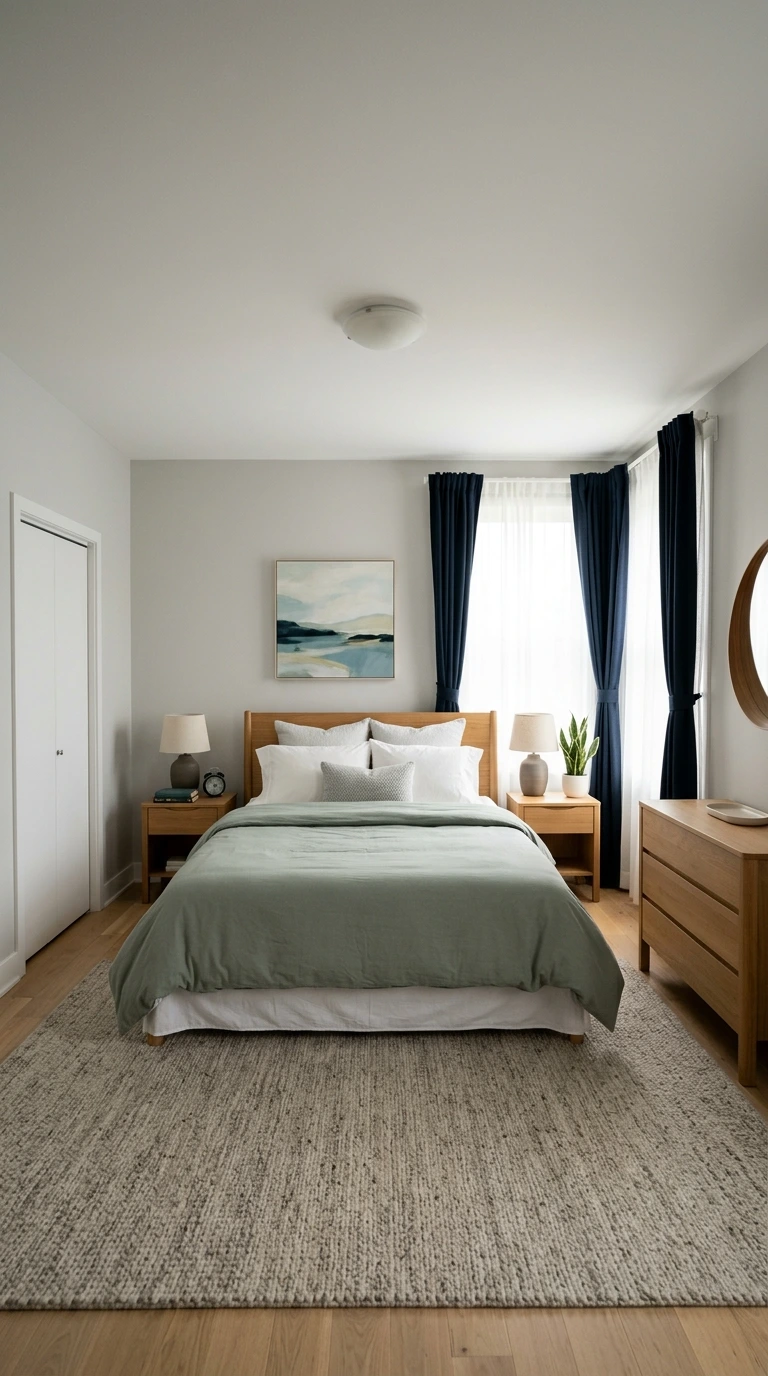
Before changing anything, take an honest inventory of what’s actually interrupting your rest right now, whether that’s a room that runs too warm, light pollution from outside, physical discomfort from an aging mattress, or persistent noise. This diagnostic step ensures your time and budget go toward the changes that will genuinely move the needle.
Different disruptors call for entirely different solutions, so treating a temperature problem with new bedding, for example, won’t solve the underlying issue. Spend a few nights paying close attention to what wakes you or keeps you from falling asleep easily, and let that observation guide your priorities through the rest of this list.
2. Invest in a Supportive Mattress
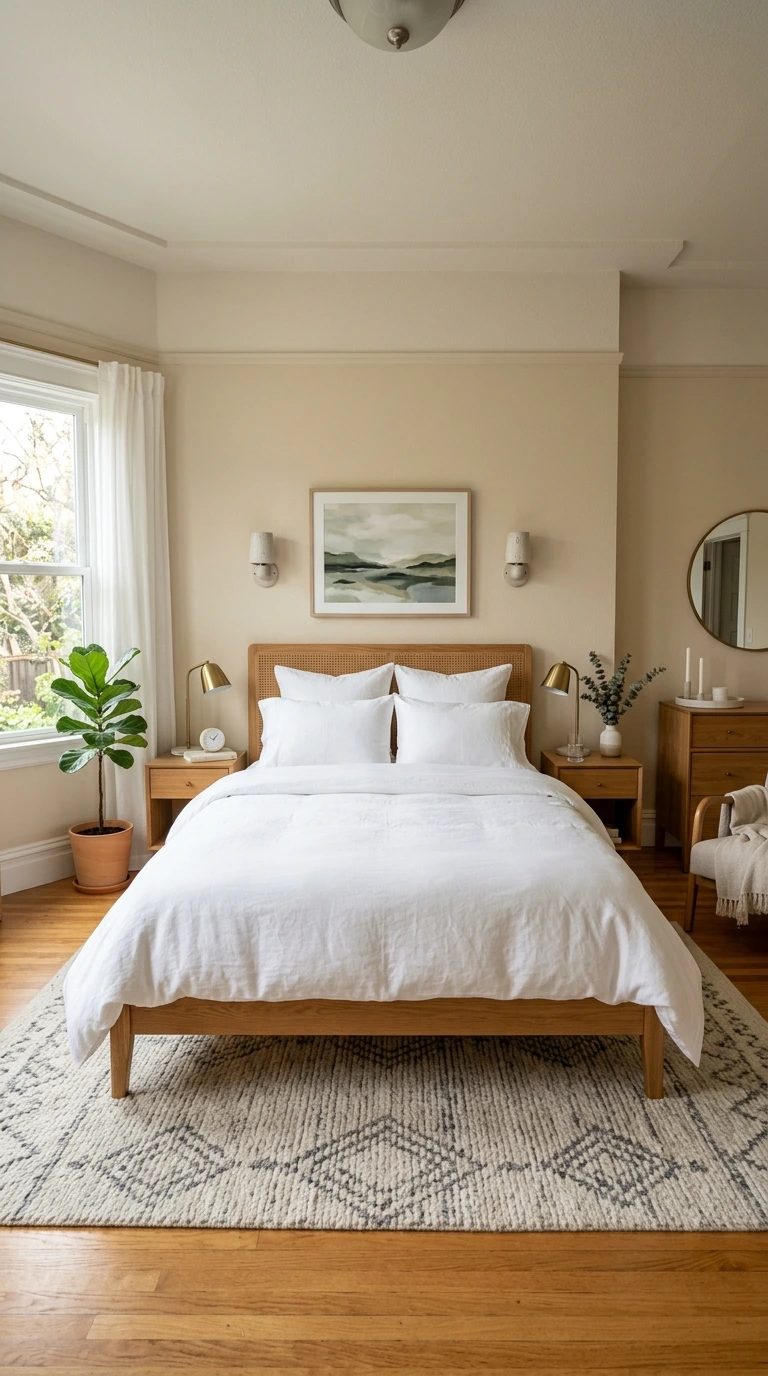
Your mattress remains the single most important physical element of a sleep sanctuary, since an unsuitable one leads to poor spinal alignment, pressure points, and restless nights that no amount of good lighting or calming color can offset. This is the foundation everything else in the room builds upon.
Choosing a mattress with zoned support, offering firmer support under heavier areas like hips and shoulders while remaining softer elsewhere, helps maintain proper spinal alignment regardless of your typical sleeping position. If budget allows for only one significant investment in this entire list, most sleep specialists agree the mattress should be it.
3. Choose a Supportive Pillow
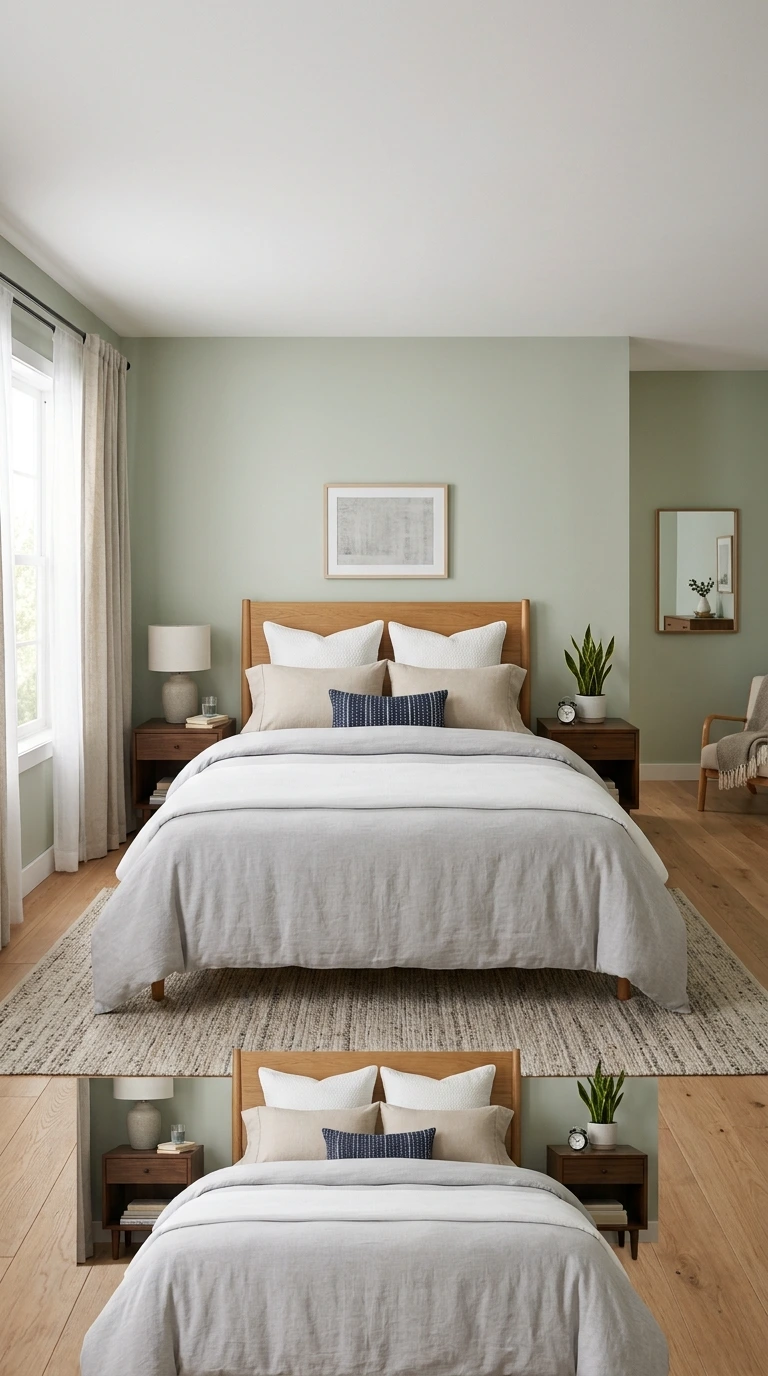
A pillow that doesn’t properly support your neck’s natural curve can undo much of the benefit of an otherwise excellent mattress, leading to morning stiffness or disrupted sleep. Pillow needs vary considerably depending on whether you sleep on your side, back, or stomach.
Side sleepers generally need a firmer, higher-loft pillow to fill the gap between shoulder and head, while back and stomach sleepers typically do better with a thinner, softer option. Testing a pillow for a genuine trial period, rather than assuming based on appearance alone, is worth the effort given how much time you spend resting on it.
4. Position Your Bed in the Commanding Position
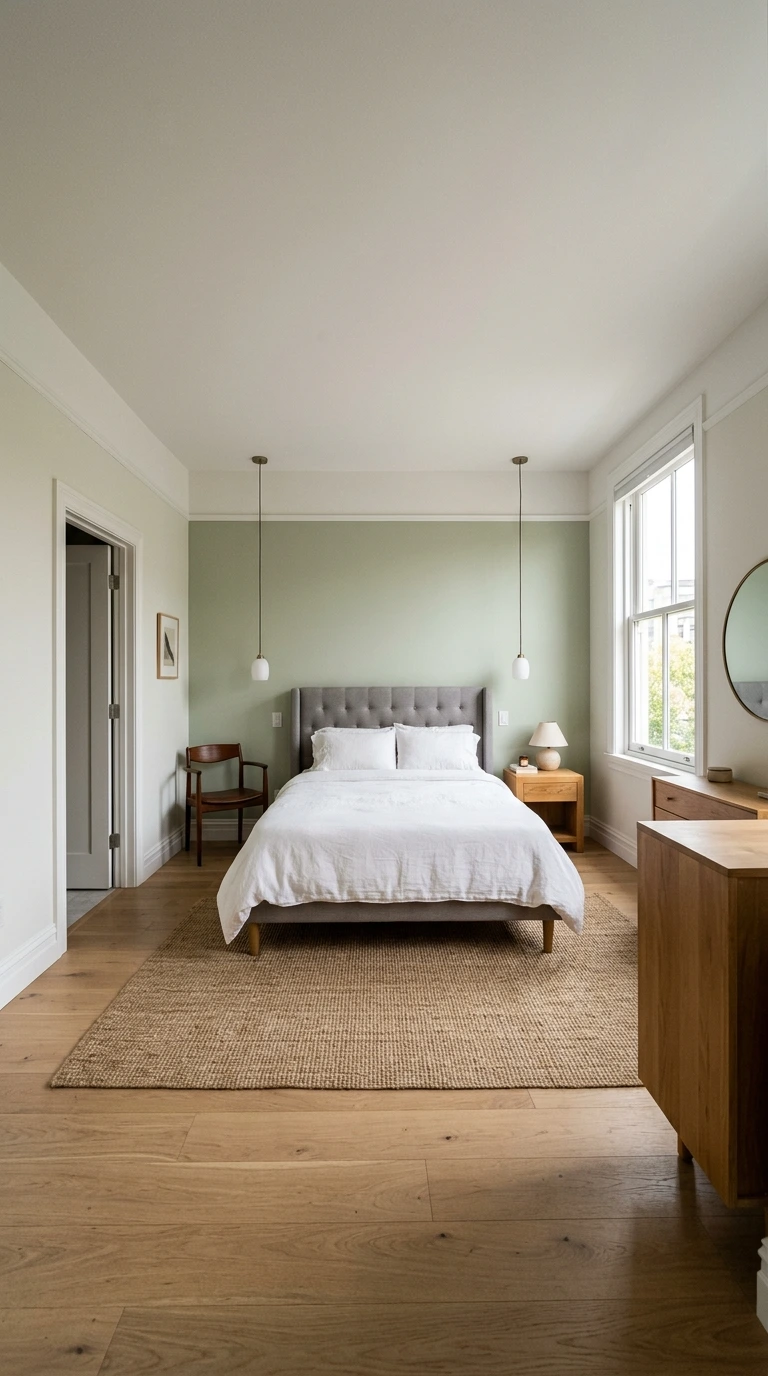
Placing your bed where you can see the door without being directly in line with it, sometimes called the “commanding position,” cultivates a subconscious feeling of safety that supports deeper relaxation. This principle draws from both traditional design wisdom and modern environmental psychology.
Avoiding a direct line between the bed and the door, while still keeping the door within view, seems like a small detail, but many people report a noticeably calmer feeling once their layout follows this principle. If your room’s architecture makes this exact positioning impossible, getting as close to this arrangement as your space allows still offers meaningful benefit.
5. Keep the Room Temperature Cool
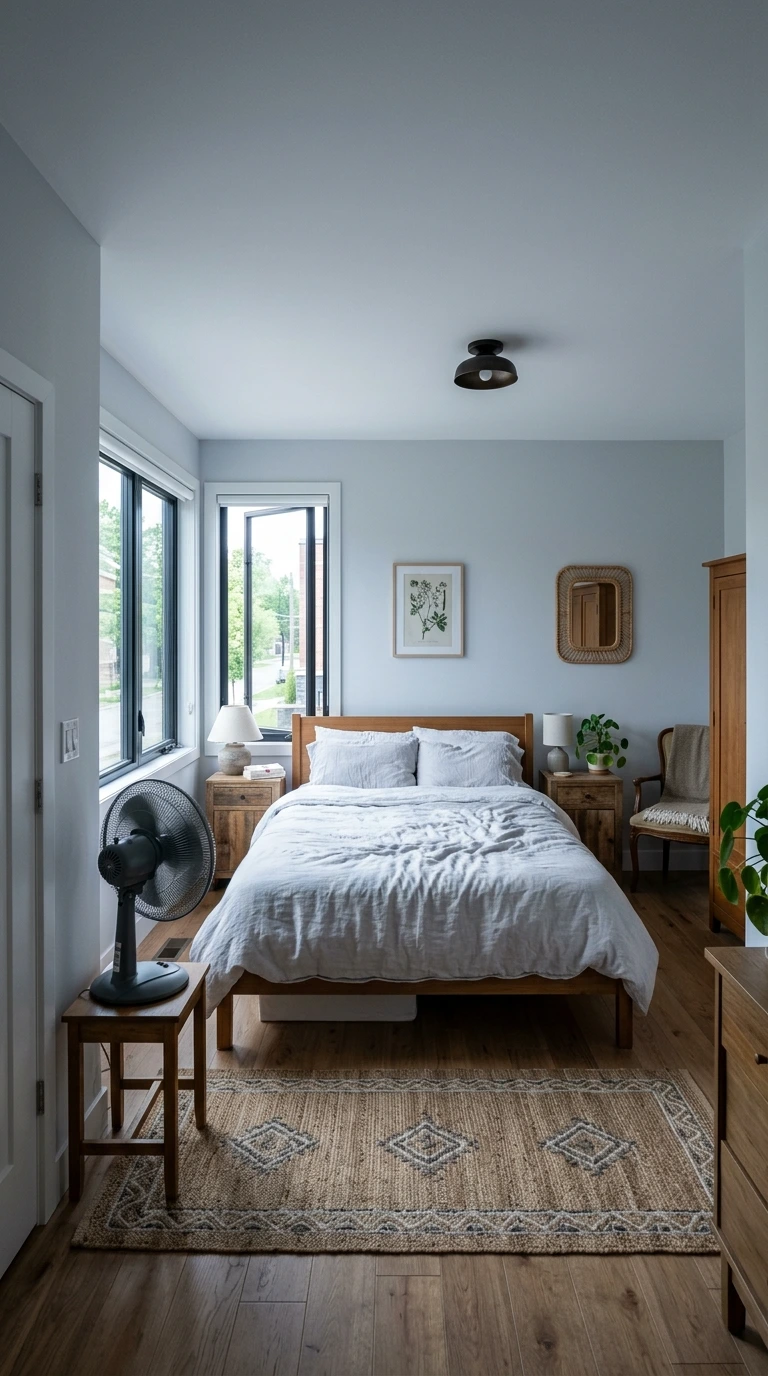
Your body’s core temperature naturally drops to initiate sleep, and a room that runs too warm actively works against this process. Most sleep experts recommend keeping the bedroom between 60 and 67 degrees Fahrenheit for ideal sleep conditions.
Breathable, natural-fiber bedding like cotton or linen supports this cooling process far better than synthetic materials that trap heat. A fan, whether for active cooling or simply consistent airflow, can also help maintain this ideal range through warmer nights.
Warning: Overcorrecting toward an uncomfortably cold room can be just as disruptive to sleep as a room that’s too warm. Aim specifically for the 60-67°F range rather than assuming colder is always better.
6. Achieve Complete Darkness
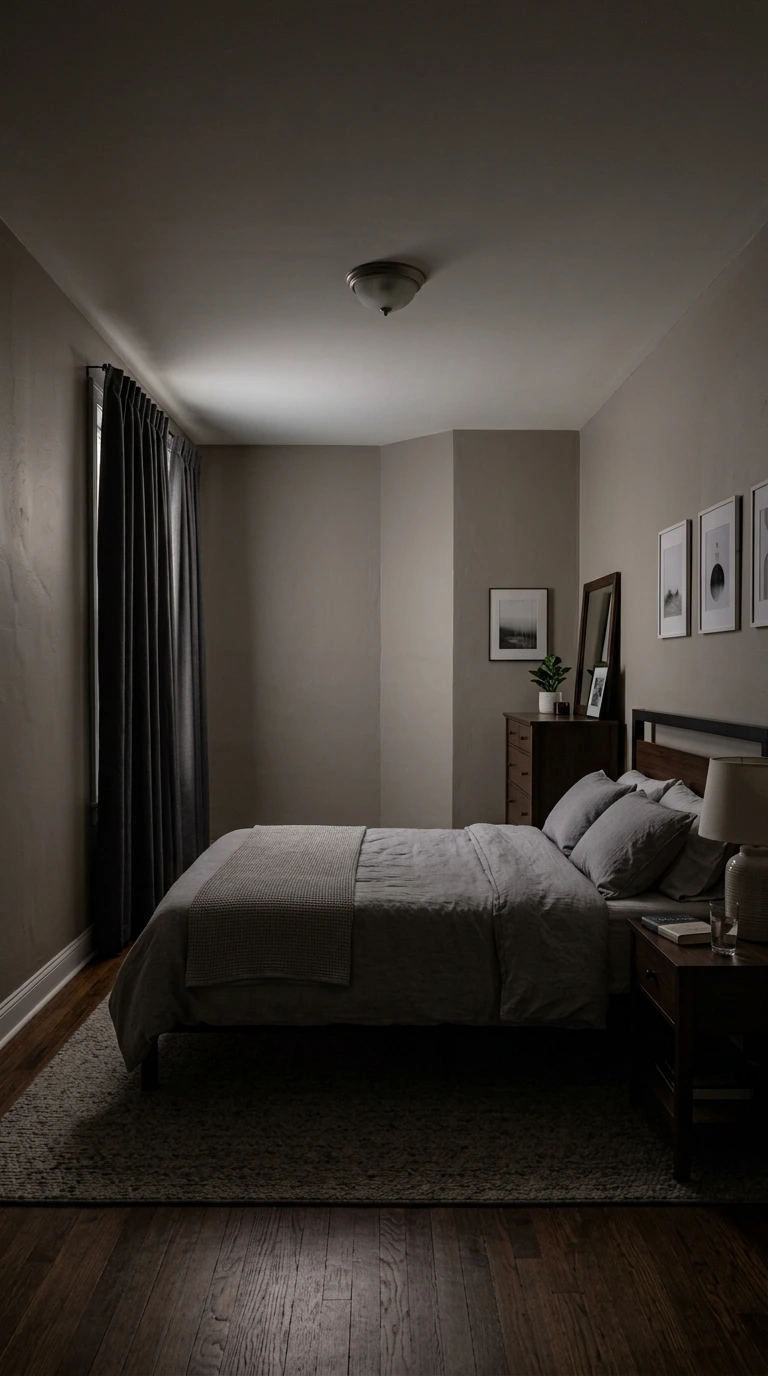
Light is the primary regulator of your circadian rhythm, and even small amounts of light pollution from streetlights or early morning sun can interrupt your natural sleep-wake cycle. Blackout curtains or shades remain one of the most effective, high-impact investments in this entire list.
Beyond curtains, check for smaller light leaks around device chargers, alarm clocks, or gaps beneath the door, since even minor sources of light can subtly affect sleep quality over time. A room that can be made truly dark on demand gives your body the clearest possible signal that it’s time to rest.
7. Use Breathable, Natural-Fiber Bedding
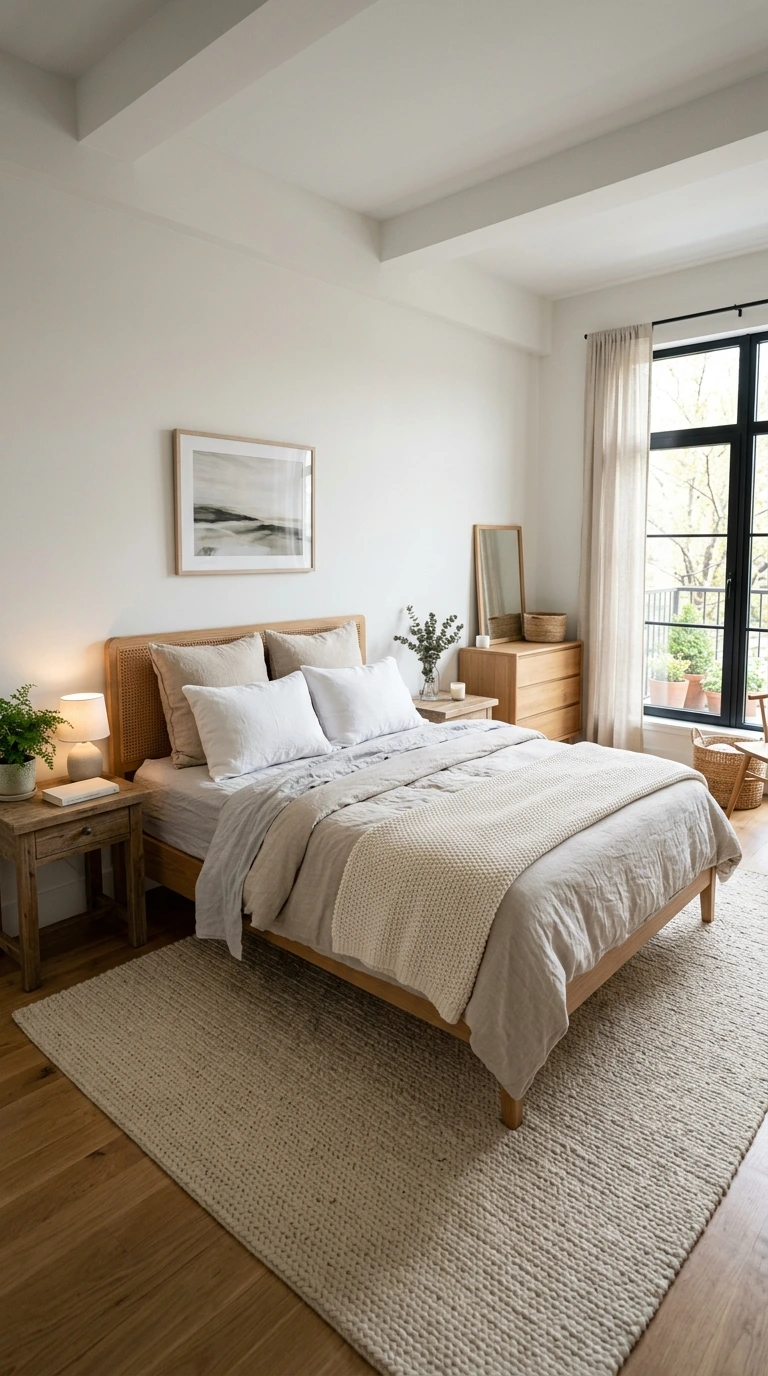
Cotton, linen, and other natural fibers regulate temperature and moisture far more effectively than synthetic alternatives, directly supporting the cool, comfortable environment your body needs to fall and stay asleep. This choice matters as much for function as it does for feel.
Higher thread counts don’t automatically mean better quality; weave type and fiber quality matter considerably more for genuine breathability. Choosing sheets specifically labeled as breathable or moisture-wicking, rather than simply the highest thread count available, tends to deliver better real-world sleep comfort.
8. Layer Bedding for Adjustable Warmth
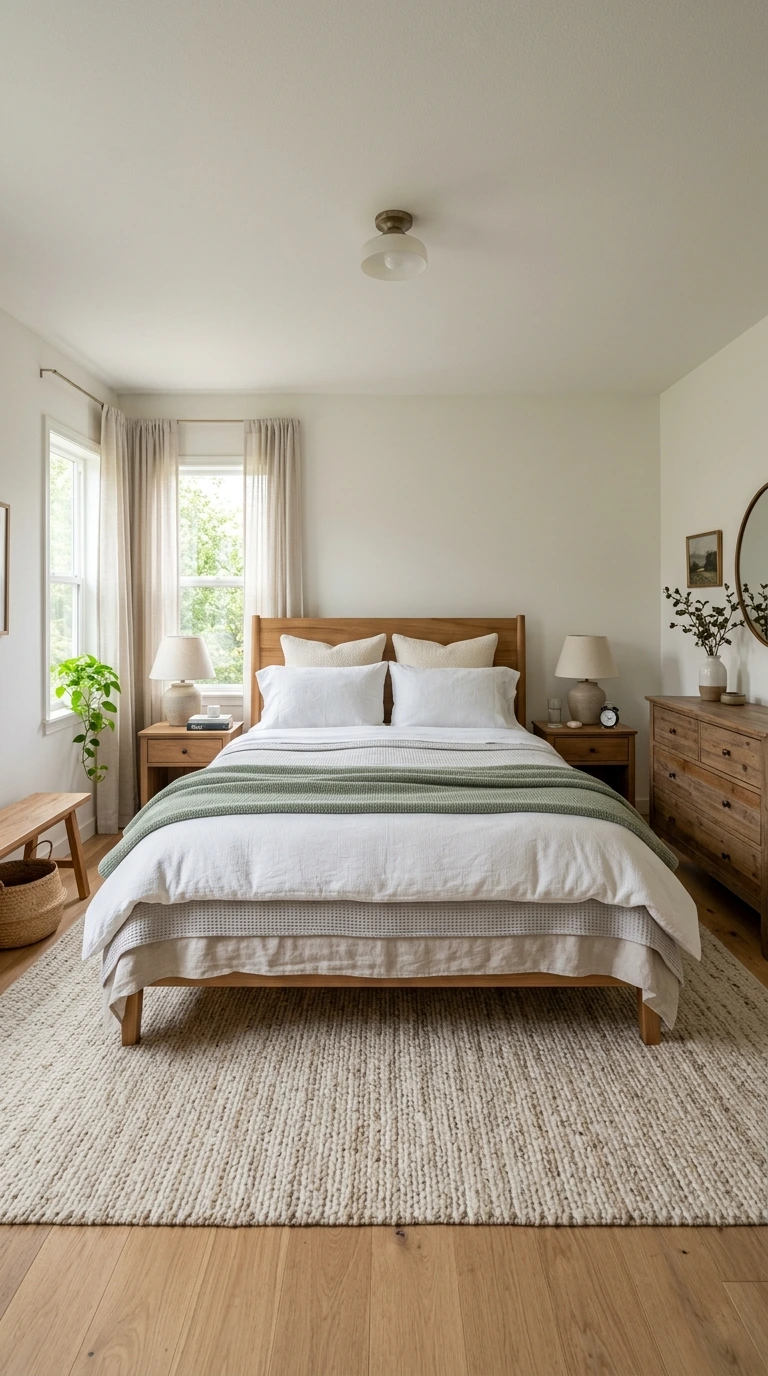
Rather than a single heavy comforter, layering a lighter sheet, a breathable blanket, and a removable top layer lets you adjust warmth throughout the night without fully waking up. This flexibility matters especially for households where two people have different temperature preferences.
This layered approach also adds a genuine textural, cozy quality to the bed’s overall appearance, achieving both function and aesthetic appeal simultaneously. Choosing natural fiber options at each layer reinforces the temperature-regulating benefit discussed above.
9. Choose a Calming, Muted Color Palette
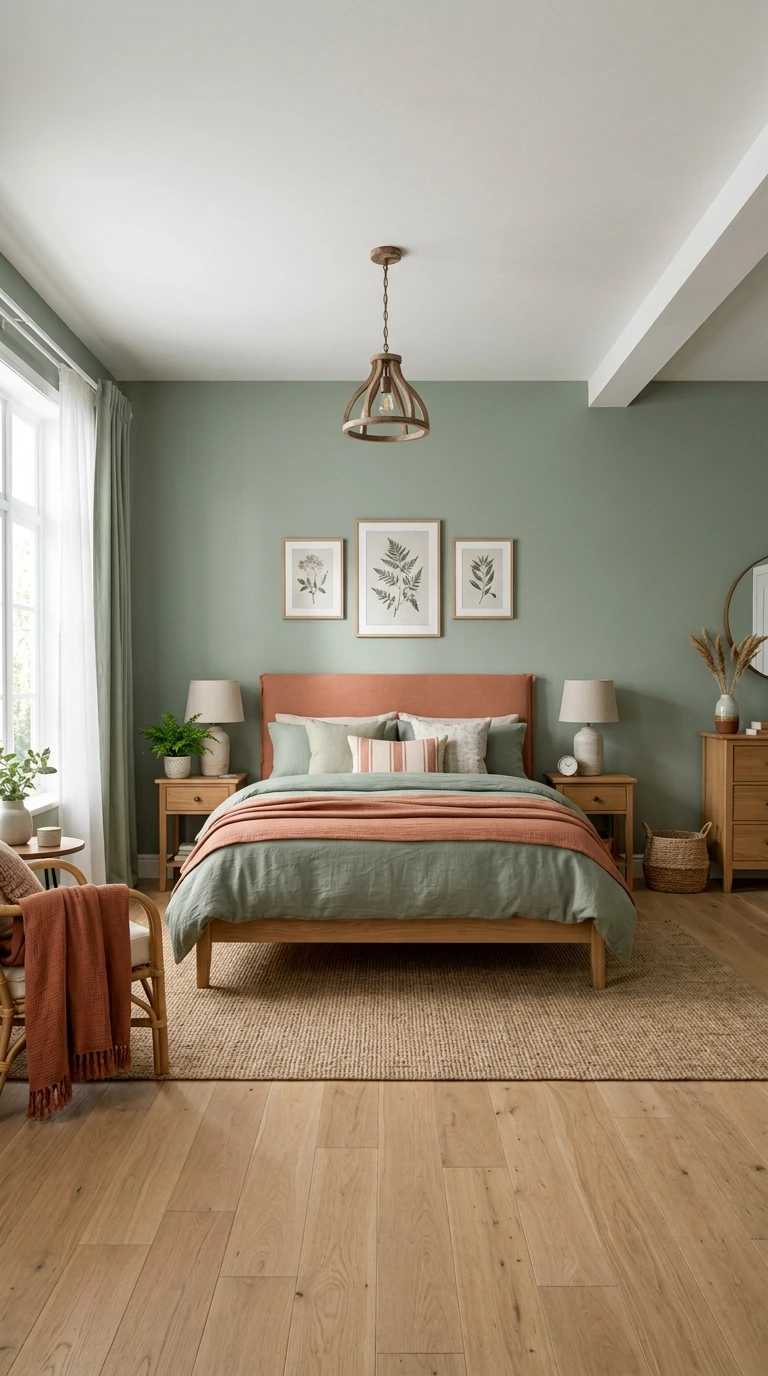
Color has a measurable effect on the brain, and bright, highly saturated colors can keep the mind more alert rather than helping it wind down. Research has specifically noted that rooms styled in soft, earthy tones report meaningfully better sleep quality than those in brightly colored environments.
Muted sage, warm terracotta, soft blues, and gentle grays all support this calming effect while still feeling personal rather than clinical. Testing paint samples in your room’s actual evening lighting, when you’ll experience the color most, ensures the shade genuinely reads as calming rather than simply looking nice in daylight photos.
10. Avoid Highly Stimulating or Saturated Colors
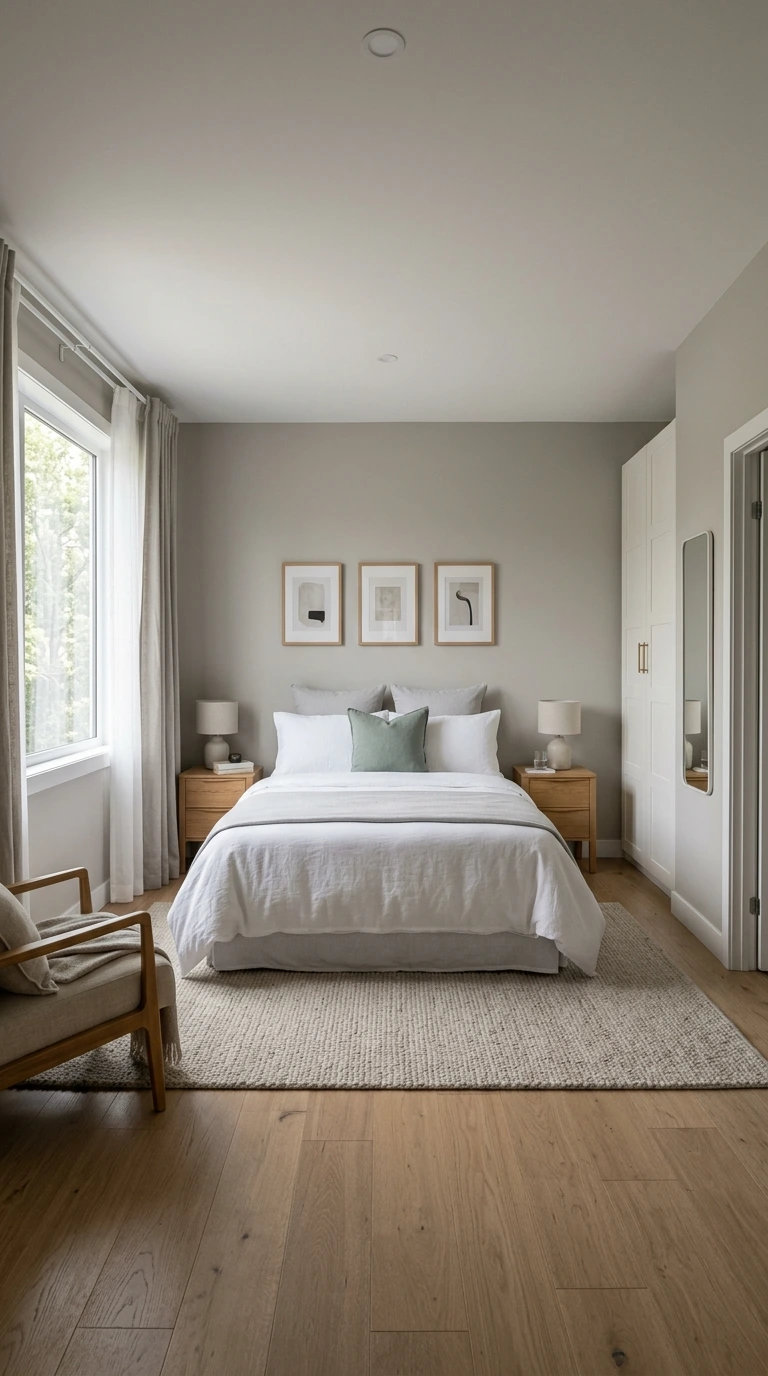
Beyond simply choosing calming tones, actively avoiding bold reds, neons, or highly saturated patterns throughout the bedroom prevents the visual stimulation that can keep a racing mind further engaged at bedtime. This is a subtractive step as much as an additive one.
If you love a bold color, consider confining it to a space outside the bedroom, or introducing it only in very small, easily removed accents rather than as a dominant wall or bedding color. This restraint supports the room’s overall function as a place specifically designed for winding down.
Important: A calming color palette works best when applied consistently across walls, bedding, and major furniture, rather than just one element. A muted wall color paired with bright, high-contrast bedding can undercut much of the intended calming effect.
11. Declutter the Room Completely
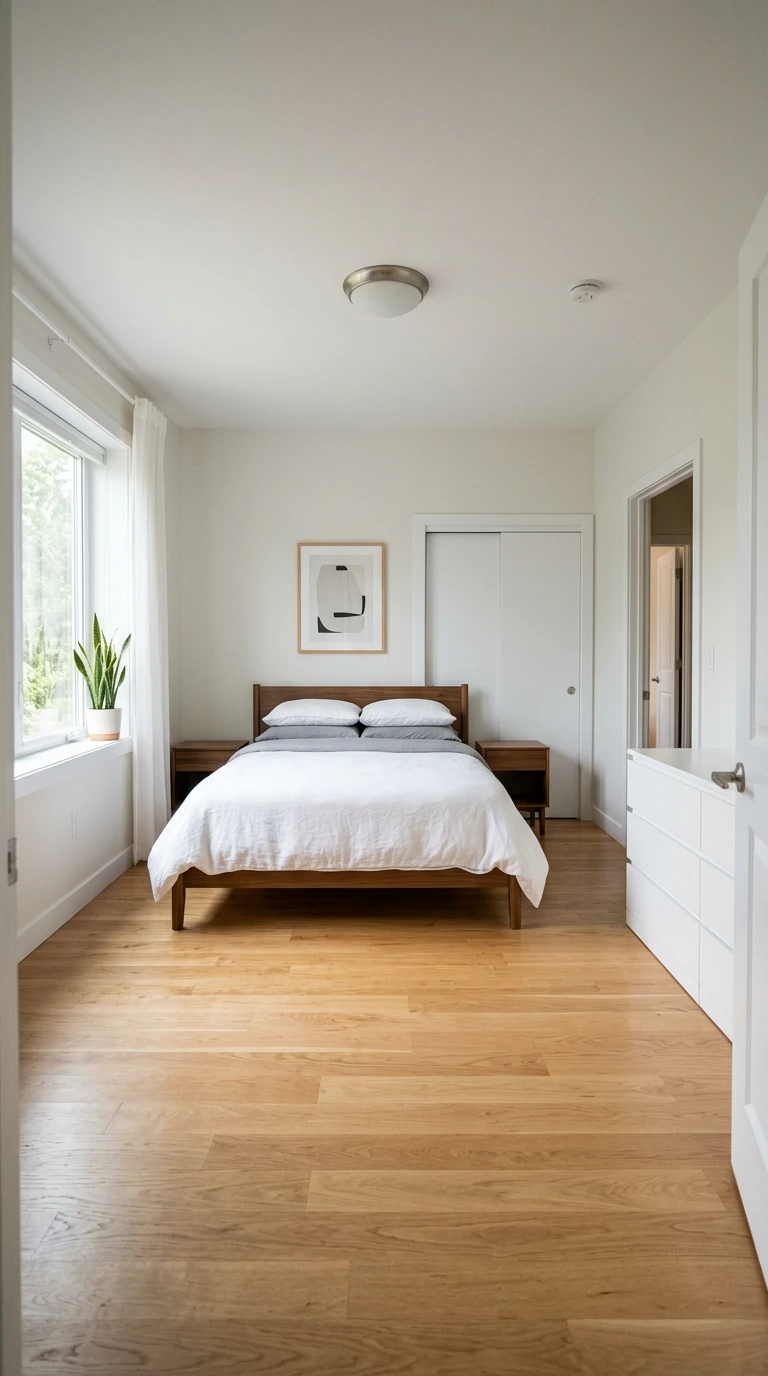
Clutter isn’t just a visual issue; research indicates it functions as genuine “brain noise,” with people living in disorganized spaces reporting notably higher rates of difficulty falling asleep. A truly restful bedroom edits out what doesn’t belong rather than accumulating everything that might.
Going through the room and removing anything that doesn’t support sleep or genuine relaxation, rather than simply tidying visible surfaces, delivers the most meaningful benefit. This step costs nothing beyond time and effort, yet consistently ranks among the most impactful changes available.
12. Remove Work Items and Visible Electronics
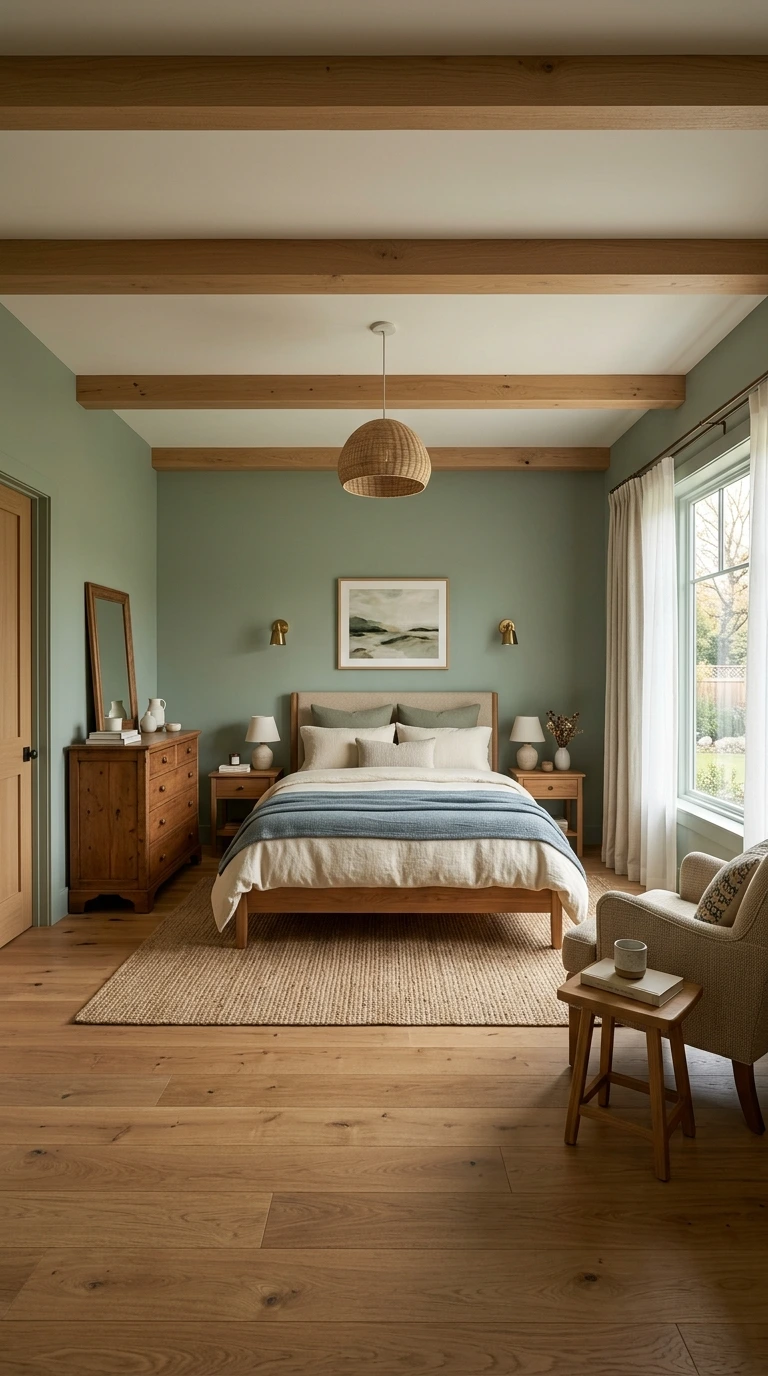
If your bedroom currently doubles as a home office or catch-all storage space, removing visible work materials and electronics helps the room reclaim its singular purpose as a place for rest. A room trying to be an office, gym, and sleep space simultaneously struggles to fully succeed at any of them.
Even a laptop simply sitting on a dresser can serve as a subtle cue that work is never fully separate from rest. Relocating these items elsewhere in the home, even if that requires a small dedicated corner in another room, meaningfully reinforces the bedroom’s singular sleep-focused purpose.
13. Create a Genuinely Tech-Free Zone
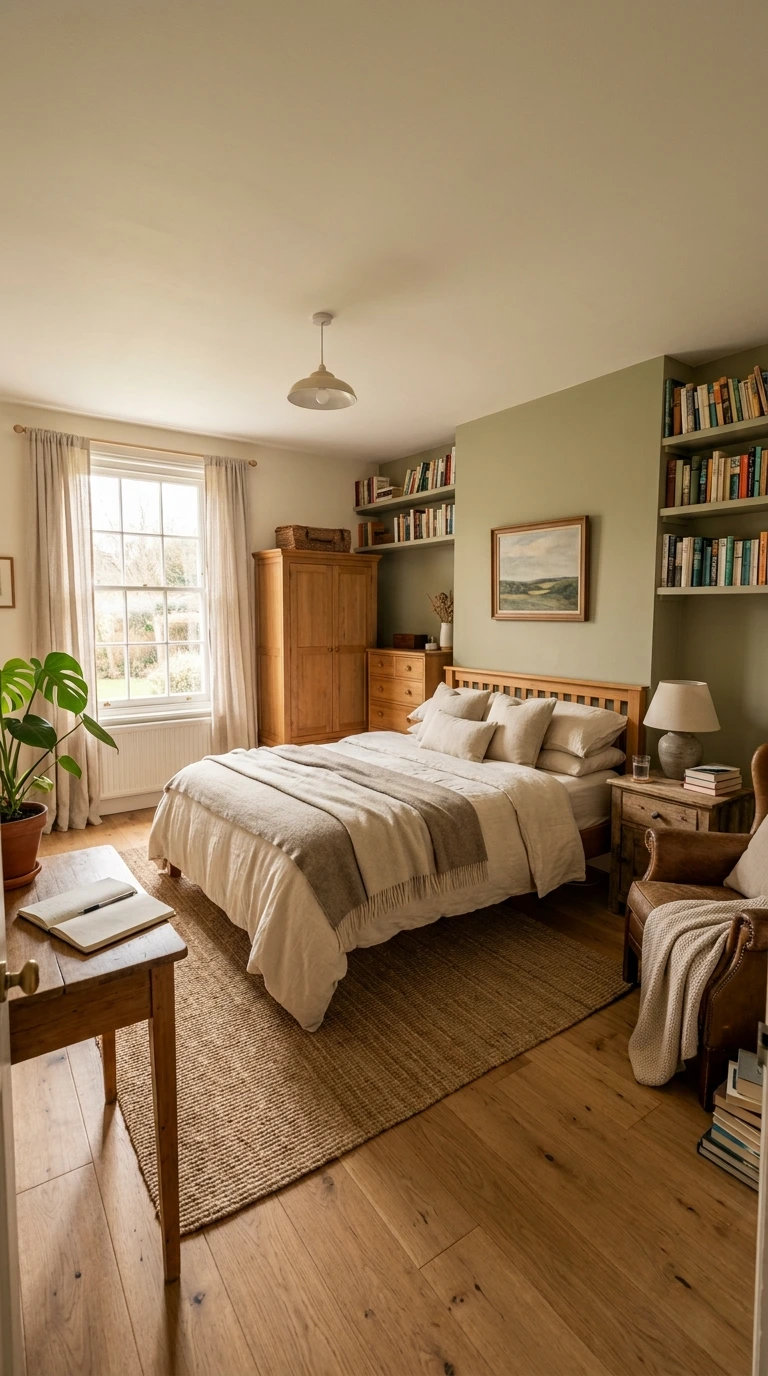
Beyond removing obvious work items, minimizing devices like televisions, tablets, and unnecessary electronics from the bedroom supports a quieter, more low-stimulation environment. Many sleep specialists specifically recommend sleeping without a television in the room at all.
If a television remains necessary for your household, positioning it so it’s visually less dominant, rather than the room’s obvious focal point, at least reduces its competition with the bed for visual and psychological attention. The goal is a room whose primary purpose remains unmistakably clear.
14. Stop Screen Use Before Bed
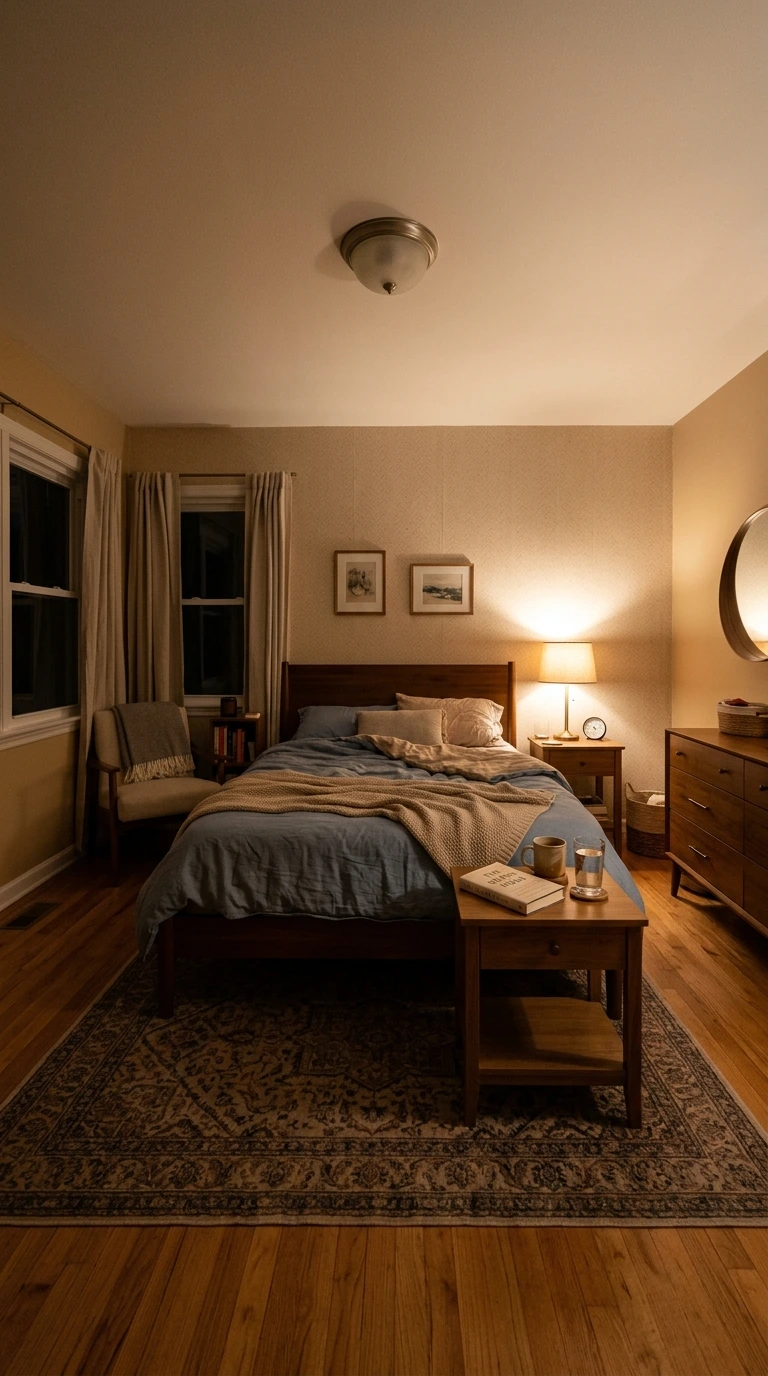
Blue light from phones, tablets, and computers is a powerful melatonin suppressor, directly interfering with your body’s natural sleep signaling. Most sleep specialists recommend stopping screen use at least 60 to 90 minutes before your intended bedtime.
Replacing that pre-sleep screen time with calming activities like reading a physical book, gentle stretching, or meditation reinforces your body’s natural wind-down process. This behavioral change works alongside your room’s physical design rather than as a separate, unrelated habit.
15. Use Warm, Layered Lighting
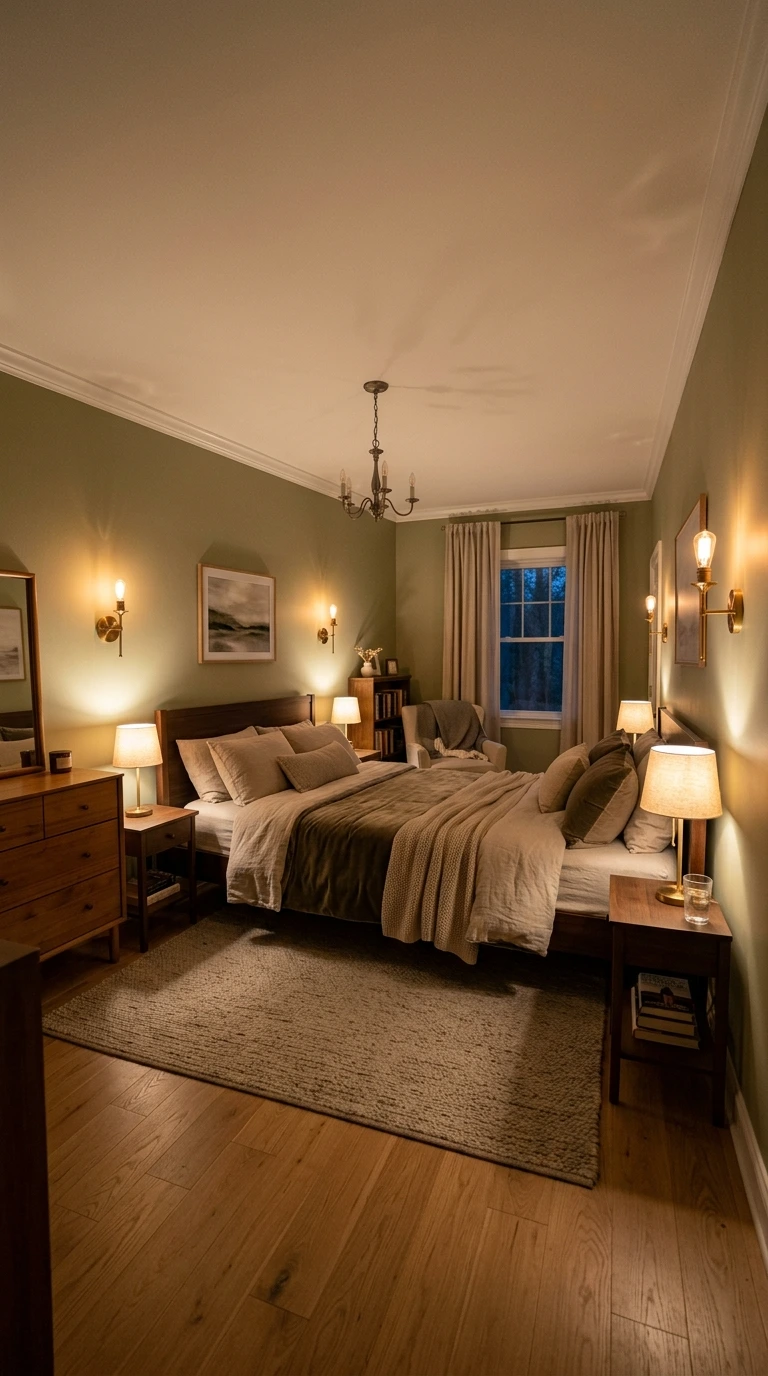
Harsh overhead lighting signals your brain to stay alert, working directly against the wind-down process a sleep sanctuary is meant to support. Warm bulbs, generally in the 2200K to 3000K range, mimic the natural warmth of sunset and support your body’s gradual transition toward rest.
Layering several lower-intensity light sources, a bedside lamp, a wall sconce, or soft accent lighting, rather than relying on a single bright ceiling fixture, creates a more genuinely calming evening atmosphere. This layered approach also gives you flexibility for reading or other tasks without resorting to harsh overhead light.
16. Install a Dimmer Switch
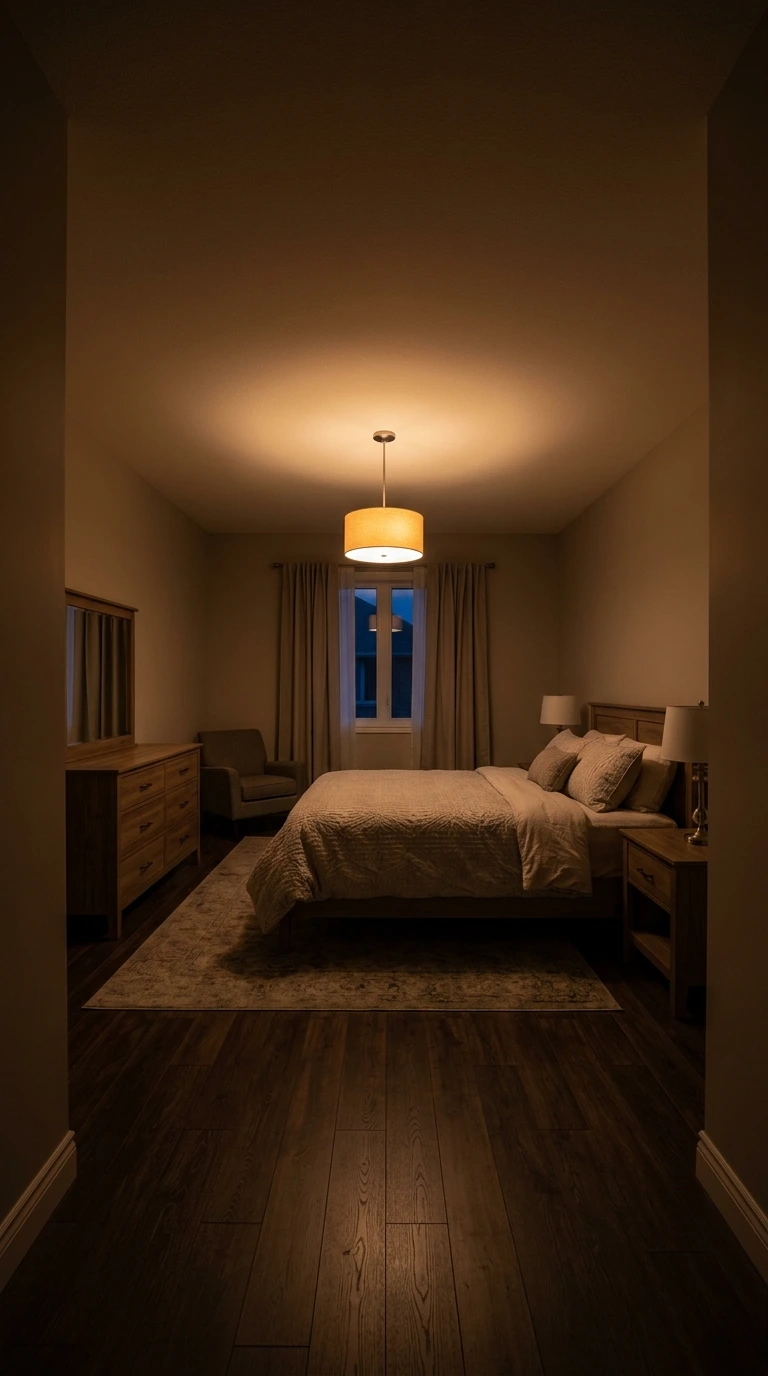
A dimmer switch lets you gradually reduce light levels as bedtime approaches, supporting your body’s natural circadian signaling far more effectively than a light that’s simply on or off. This small electrical update pays dividends every single evening.
Pairing a dimmer with warm-toned bulbs maximizes the calming effect, letting you shift smoothly from brighter, functional light earlier in the evening to a soft, sleep-supportive glow as bedtime nears. This upgrade is relatively inexpensive but genuinely impactful.
17. Add Sound-Absorbing Elements
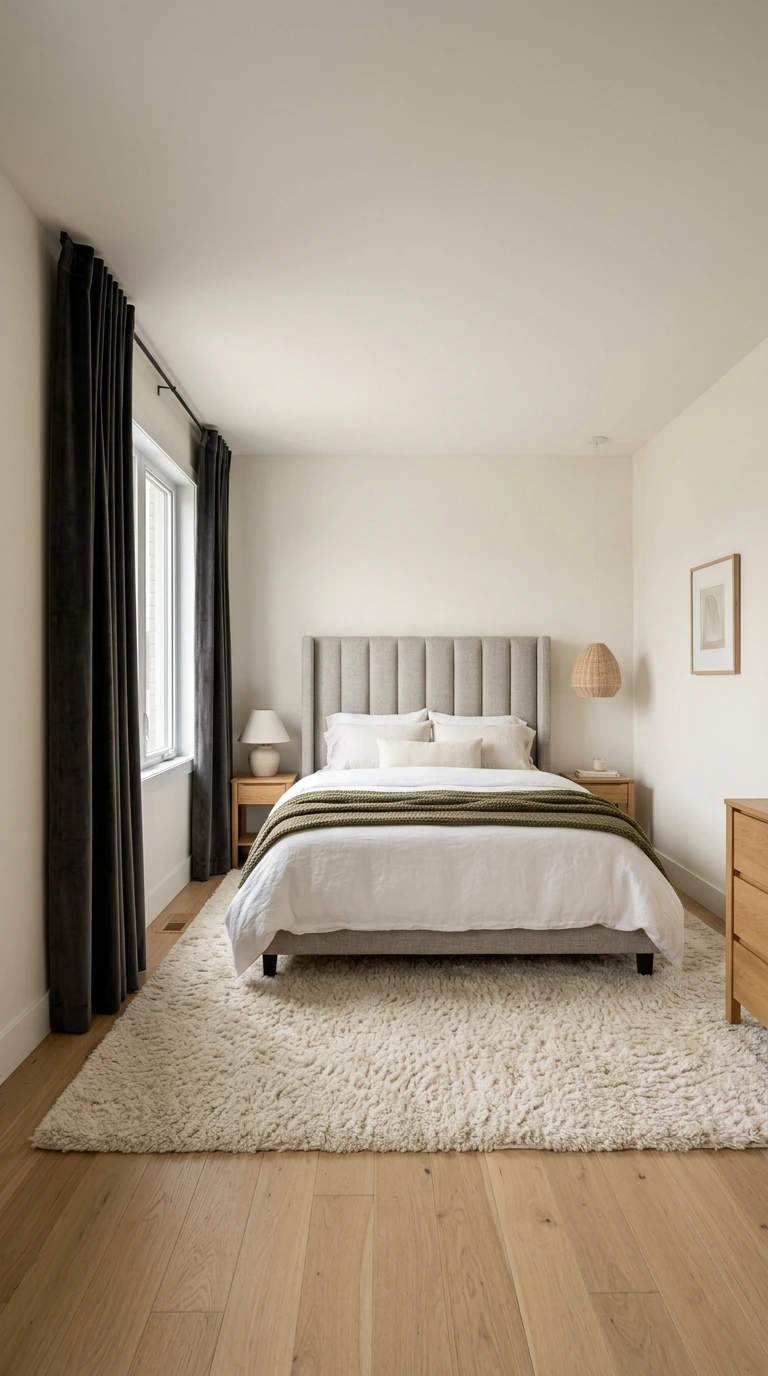
Upholstered headboards, thick curtains, padded benches, and plush rugs all help absorb echoes and dampen outside noise, making a room feel more peaceful without requiring any change to the layout itself. Even small, unnoticed noises can interrupt deep sleep cycles without fully waking you.
Choosing textiles with genuine weight and density, rather than thin, purely decorative fabric, delivers more meaningful sound absorption. This detail also happens to support the room’s overall cozy, tactile quality, achieving both function and comfort simultaneously.
18. Use a White Noise Machine or Fan
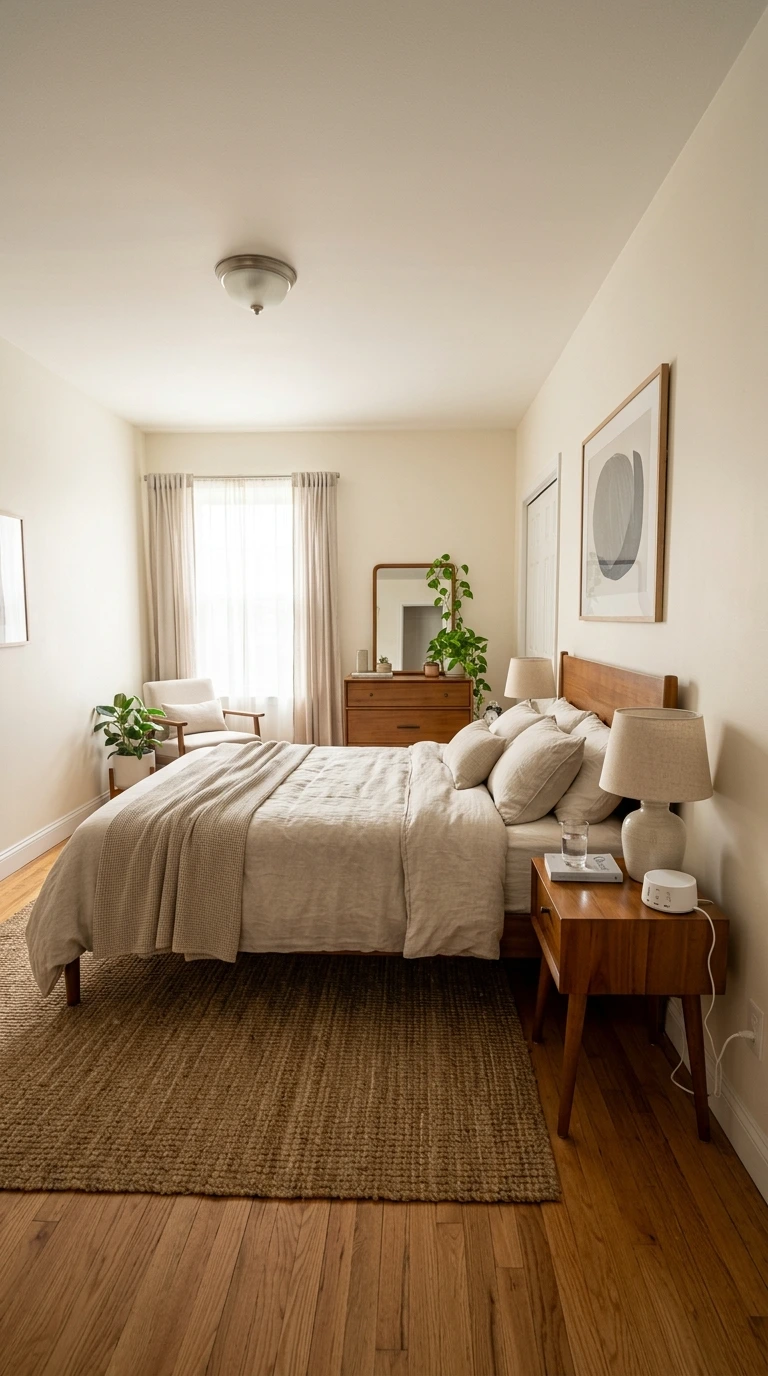
A consistent, low-frequency sound source creates an auditory buffer that masks sudden or variable noises capable of pulling you out of deep sleep. This solution works particularly well in urban environments or shared living situations where outside noise is difficult to fully control through design alone.
A simple fan accomplishes this dual purpose of white noise and airflow simultaneously, supporting both the temperature and sound goals discussed earlier in this list. Testing a few different white noise options, whether a dedicated machine or a phone app, helps identify which specific sound genuinely helps you personally relax.
Warning: A white noise machine set too loud can become its own sleep disruptor rather than a solution. Keep the volume at a genuinely soft, steady background level rather than loud enough to notice consciously.
19. Add Natural Materials and Wood Textures
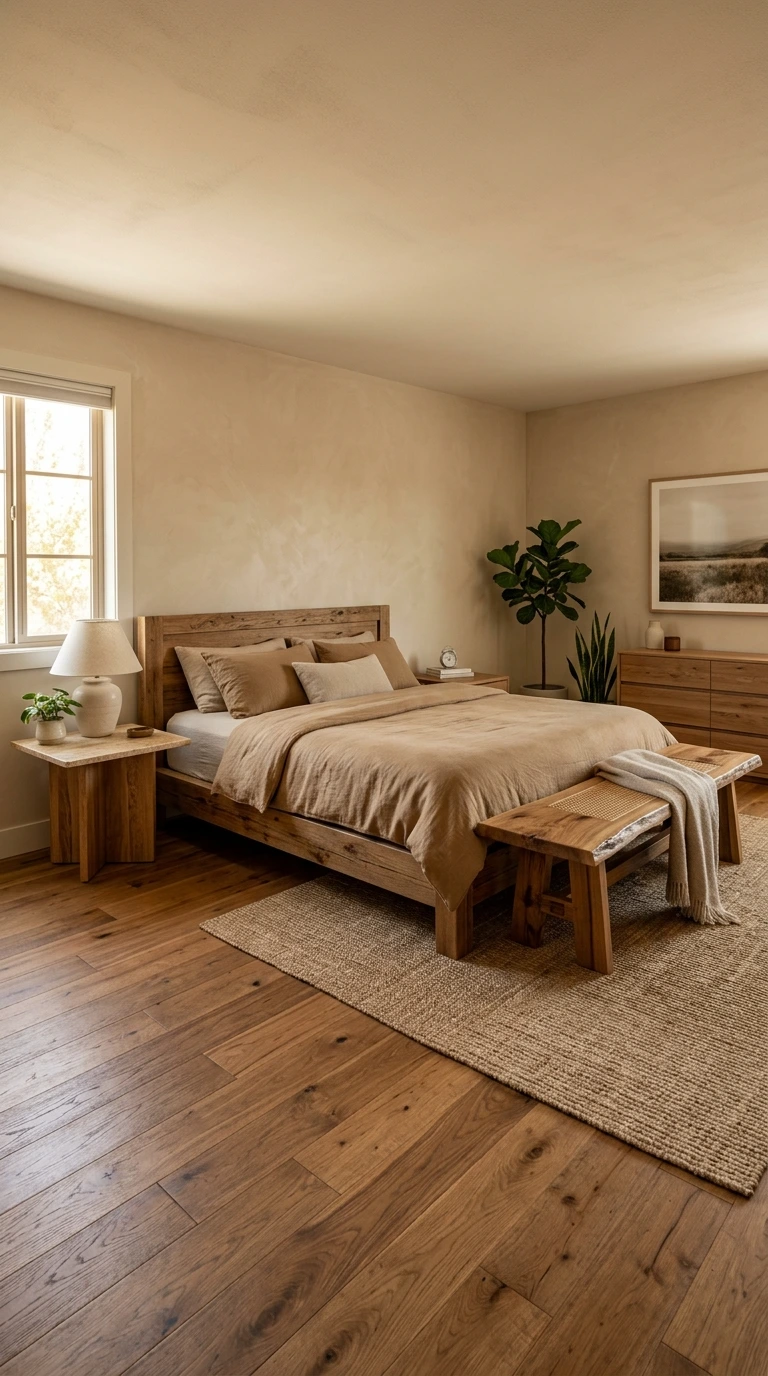
Natural wood tones, stone textures, and organic materials bring a grounding, peaceful energy into the bedroom that manufactured or highly processed materials can’t replicate. This detail supports the broader biophilic design movement shaping much of current bedroom design.
A wooden bench, a stone-topped side table, or simply a wood bed frame all introduce this natural material quality without requiring a full renovation. These elements tend to feel timeless rather than trend-driven, meaning they’ll likely still feel appropriate years from now.
20. Bring in Indoor Plants
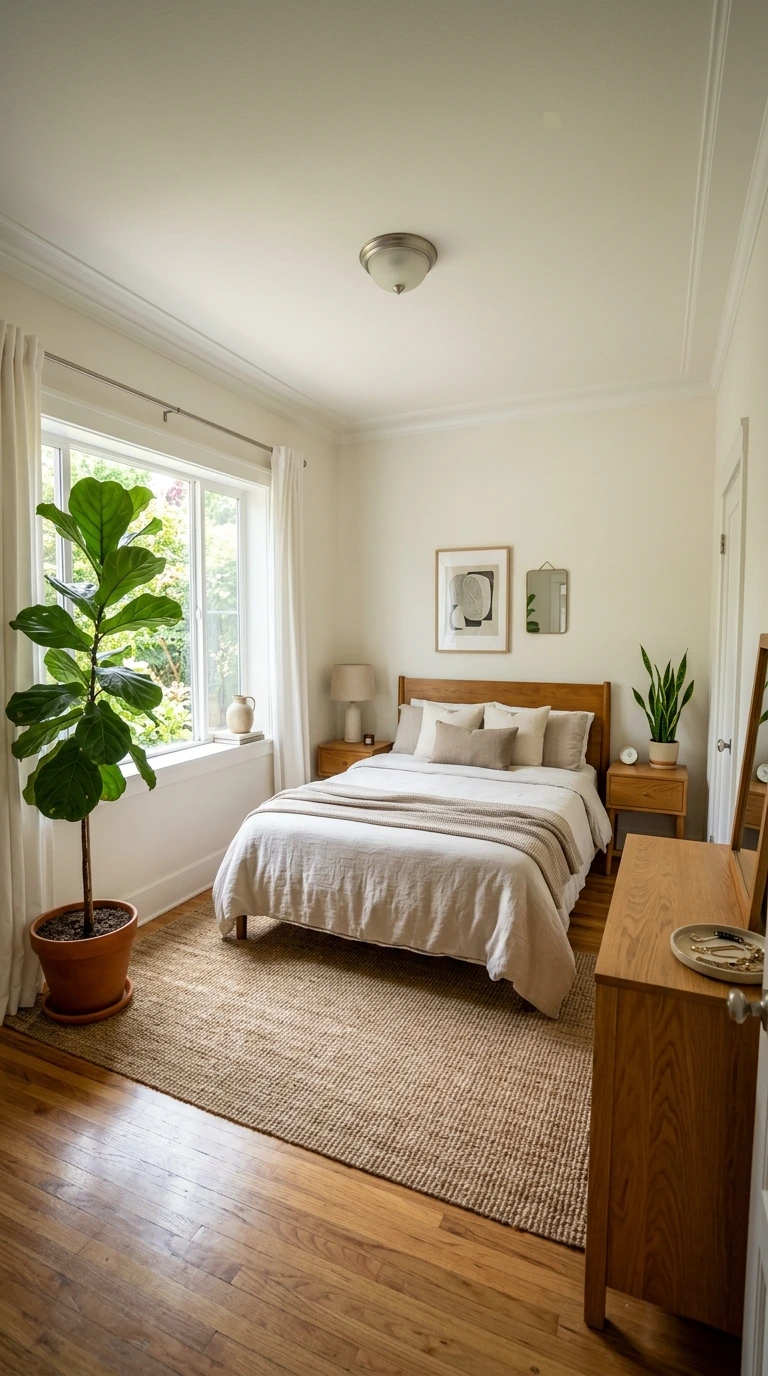
Plants improve air freshness, add genuine life to quiet corners, and support the calming, nature-connected atmosphere central to a true sleep sanctuary. Even a single well-placed plant can measurably shift how alive and grounded a room feels.
Positioning at least one taller plant near a source of natural light makes the room feel more open, while smaller plants on shelves or nightstands add life to otherwise unused corners. This detail is also one of the more affordable additions available on this entire list.
21. Introduce Calming Scents
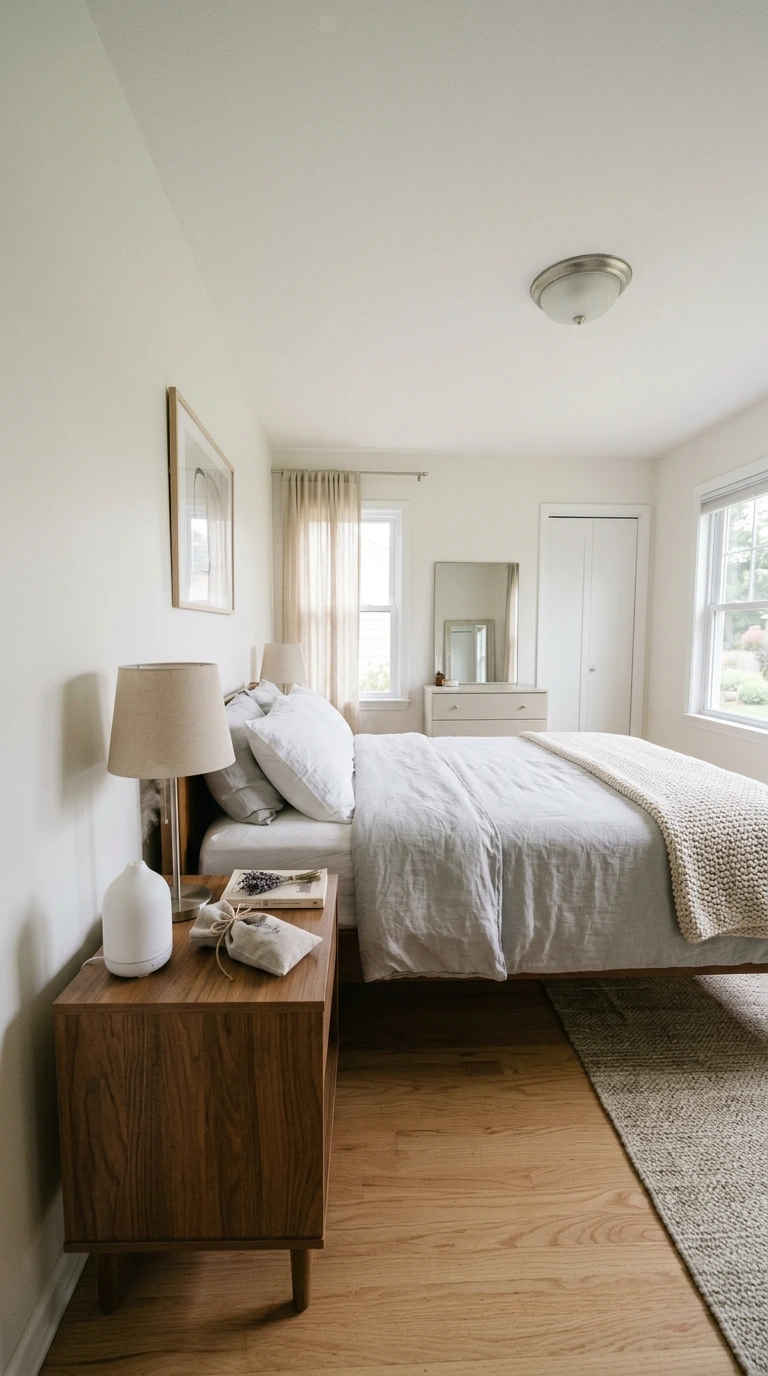
Scent engages a sense that purely visual design elements can’t reach, and calming fragrances like lavender have long been associated with improved relaxation and sleep quality. A few drops of essential oil, a scented sachet in a drawer, or a simple diffuser all introduce this sensory layer.
Placing dried lavender or a scented sachet inside drawers or a closet means a gentle fragrance greets you each time you open them, reinforcing the calming association throughout the day, not just at bedtime. This detail costs very little while genuinely engaging an additional sense in your overall sleep environment.
22. Keep Bedside Surfaces Functional but Uncluttered
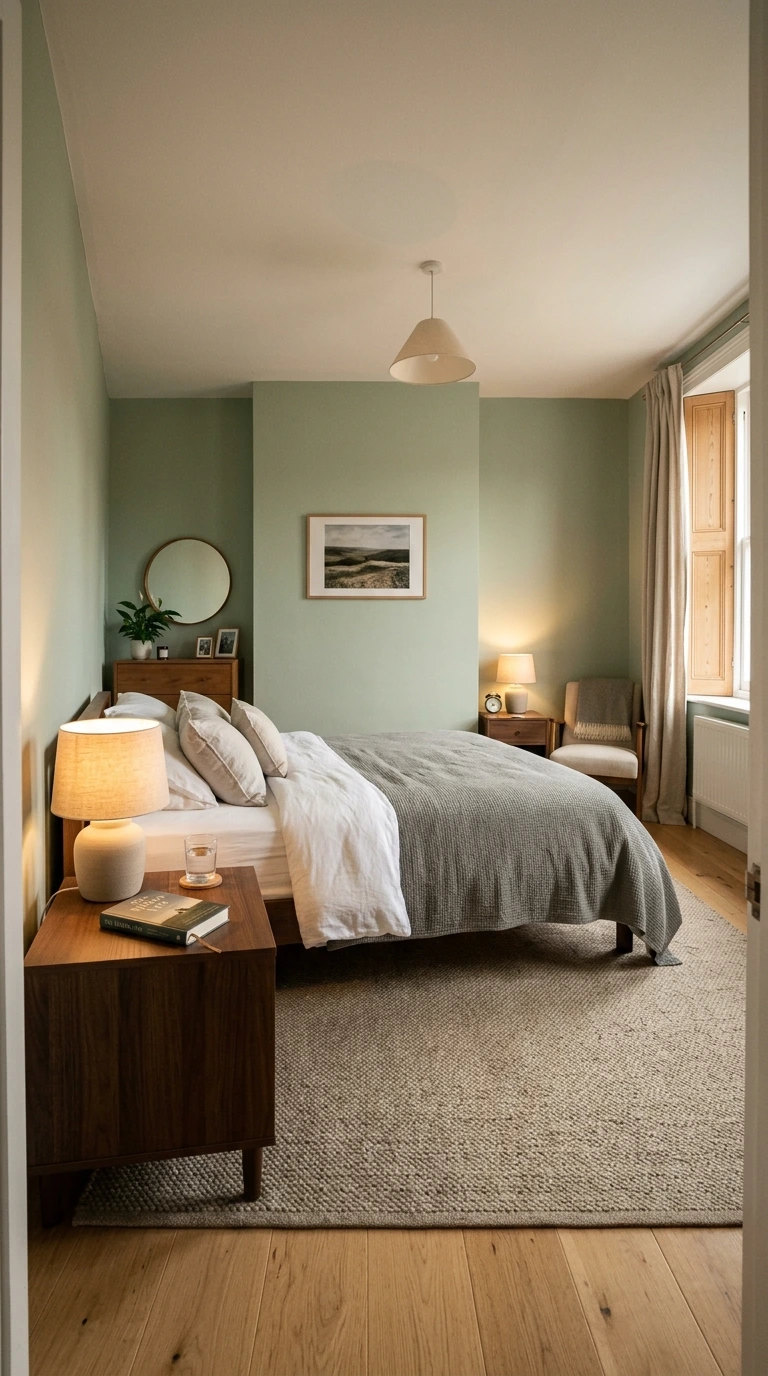
A sleep sanctuary isn’t meant to be fragile or purely decorative; it needs a genuine surface for a glass of water, a book, or glasses, without becoming a catch-all for everything that doesn’t have another home. Striking this balance matters more than achieving a perfectly empty nightstand.
Choosing a nightstand size that accommodates your actual nightly needs, then keeping only those specific items on it, achieves both function and visual calm simultaneously. A cluttered nightstand undermines the same “brain noise” concern discussed earlier regarding general room clutter.
23. Add Smart, Hidden Storage
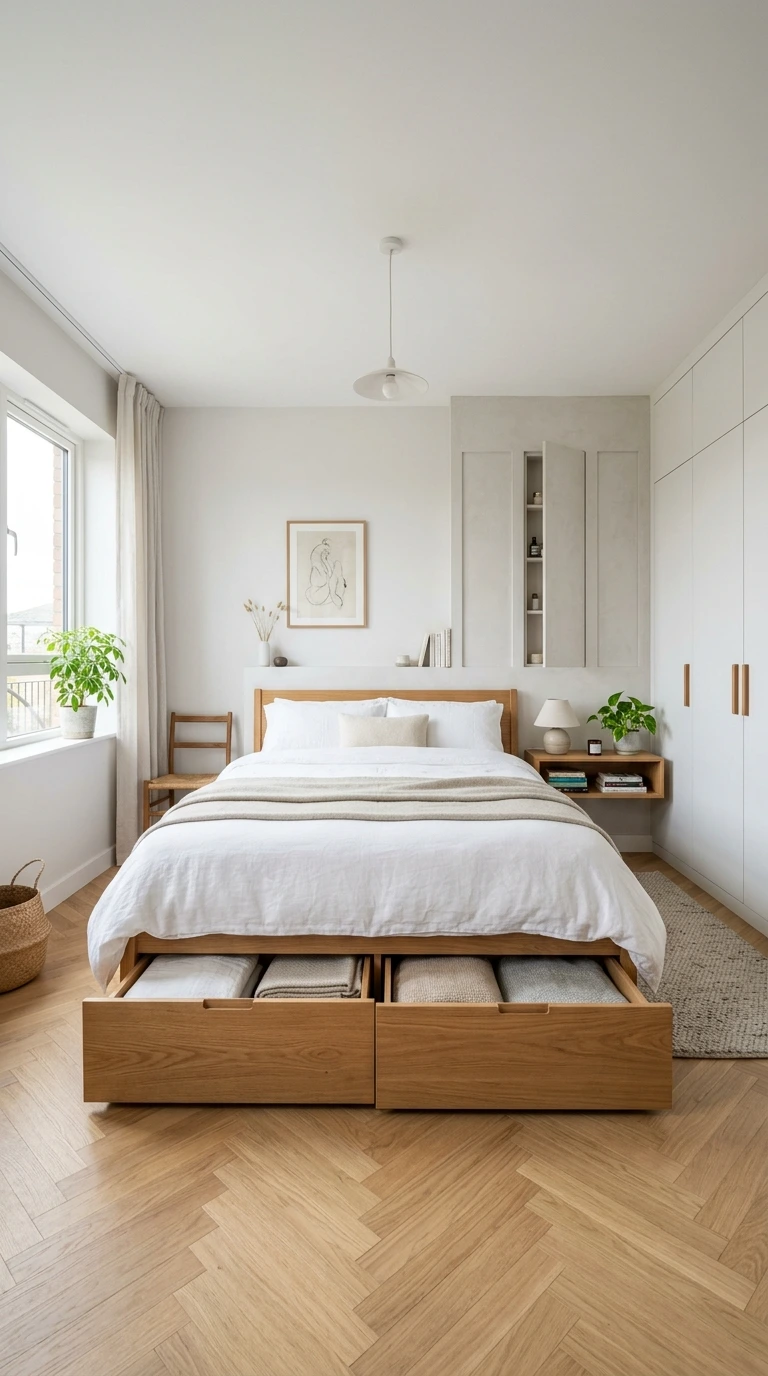
Under-bed drawers, wall-mounted shelves, and other storage solutions that keep everyday items out of sight support a genuinely clutter-free layout without requiring you to own fewer things. This detail directly supports the decluttering principle discussed earlier in a sustainable, ongoing way.
Choosing storage that matches your actual habits, rather than an idealized version of how you wish you organized things, ensures the system actually gets used consistently. A beautiful storage solution that doesn’t fit your real routine will simply become another source of clutter over time.
Sleep Sanctuary Priorities at a Glance
| Category | Key Elements | Why It Matters |
|---|---|---|
| Foundational Comfort | Mattress, pillow, temperature, darkness | Directly regulates sleep-wake cycles |
| Sensory Calm | Color, scent, sound absorption | Signals the nervous system to relax |
| Layout & Storage | Commanding position, decluttering, hidden storage | Reduces “brain noise” and visual stress |
| Evening Ritual | Warm lighting, tech-free zone, wind-down routine | Reinforces consistent sleep signaling |
24. Create a Small Wind-Down Zone
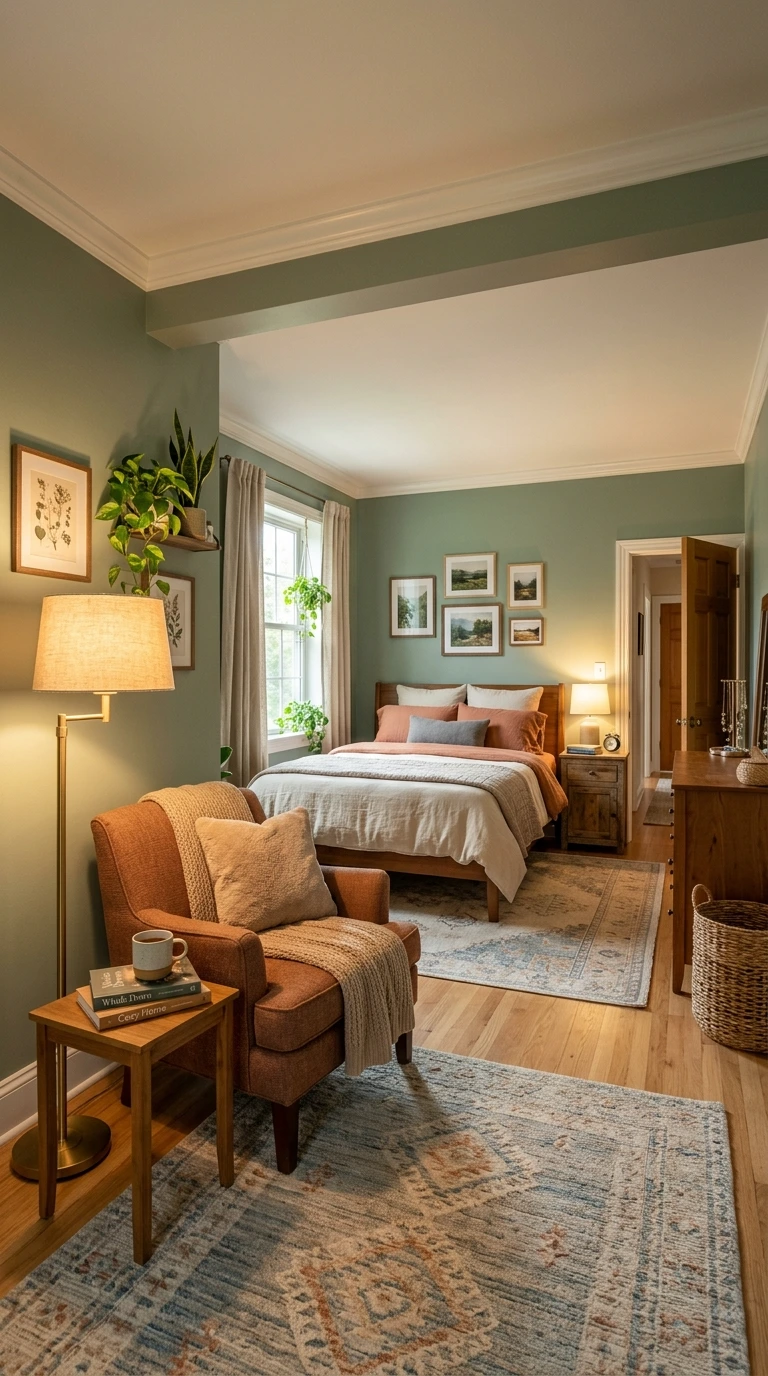
A dedicated reading nook, a comfortable chair bathed in natural light, or even a small meditation corner with floor cushions gives your evening routine a physical space to unfold in, separate from the bed itself. This subtle zoning supports the idea that the bed is reserved specifically for sleep.
Positioning this nook near a window or a warm lamp, rather than directly facing a screen or work area, reinforces its calming purpose. Even a small corner with just a chair and a side table can meaningfully support this wind-down transition each evening.
25. Choose Plush, Sound-Absorbing Rugs
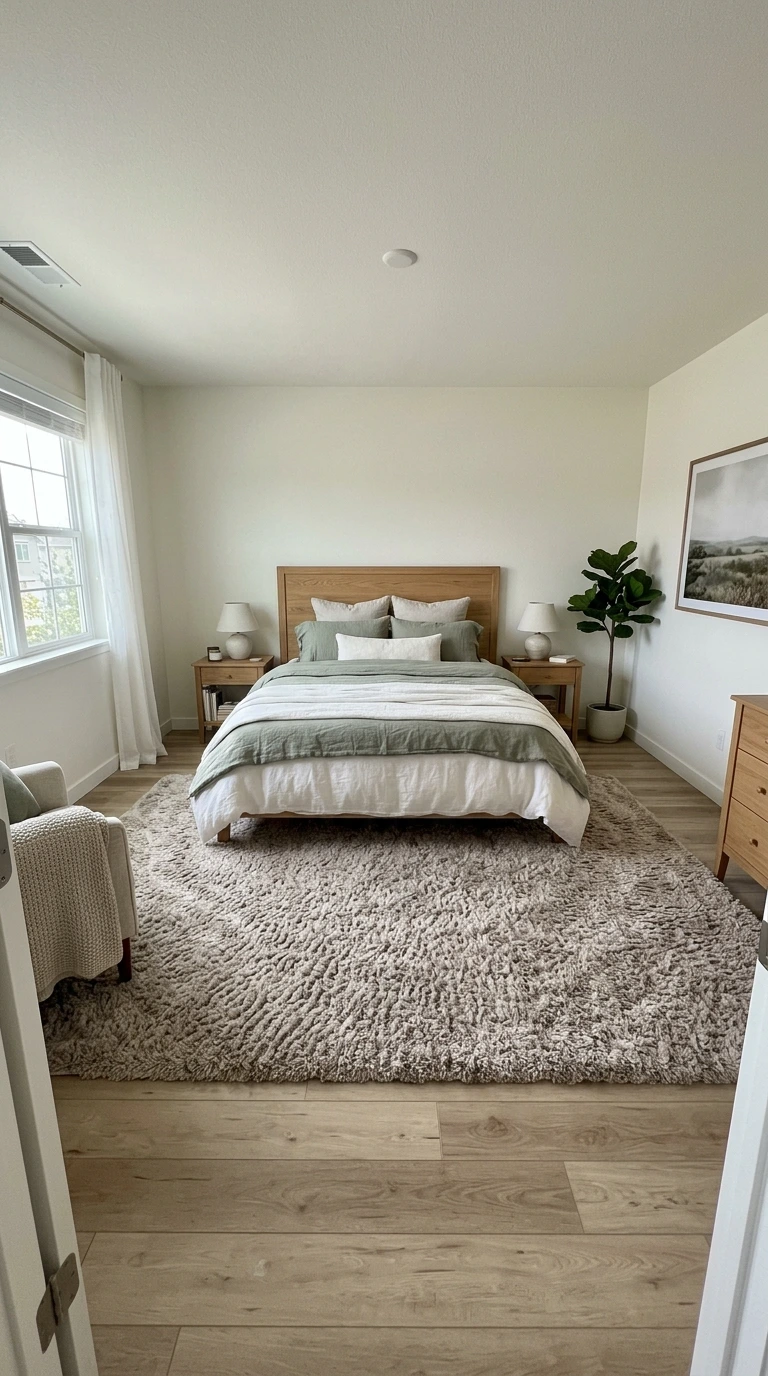
A soft, substantial area rug adds both genuine comfort underfoot and meaningful sound absorption, softening a room that might otherwise carry more echo and outside noise. This detail supports the sensory and functional goals discussed throughout this list simultaneously.
Choosing a rug with real thickness and density, rather than a thin, purely decorative option, delivers more of this sound-dampening benefit. A rug that also complements your calming color palette reinforces the room’s overall cohesive, peaceful atmosphere.
26. Add a Padded Bench or Ottoman
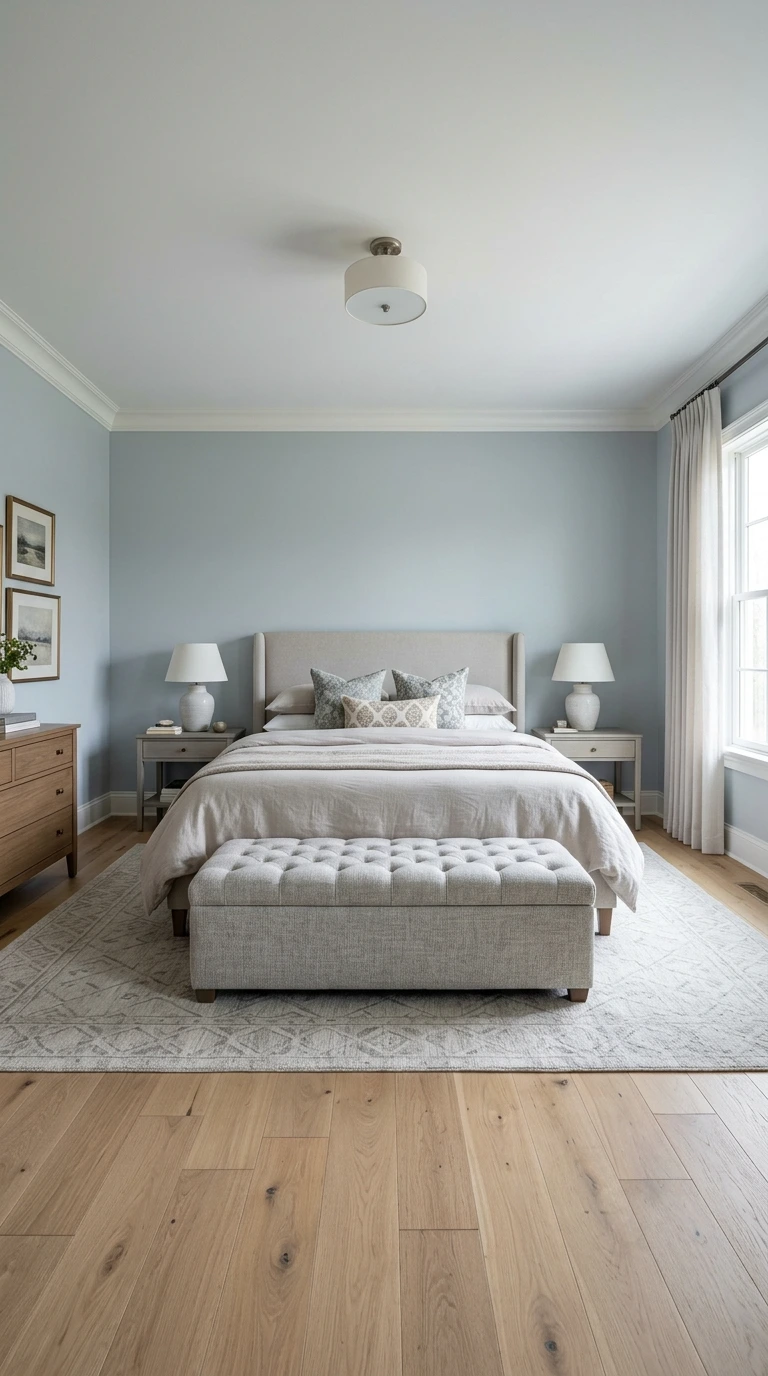
A padded bench at the foot of the bed provides a soft surface for sitting while dressing, while also contributing to the room’s overall sound-absorbing textile layer. This detail combines genuine daily function with the acoustic benefits discussed earlier.
Choosing an ottoman with hidden storage adds practical value beyond its sound-dampening and seating function. This piece also tends to visually ground the foot of the bed, giving the whole layout a more finished, intentional feel.
27. Keep the Area Around the Bed Open
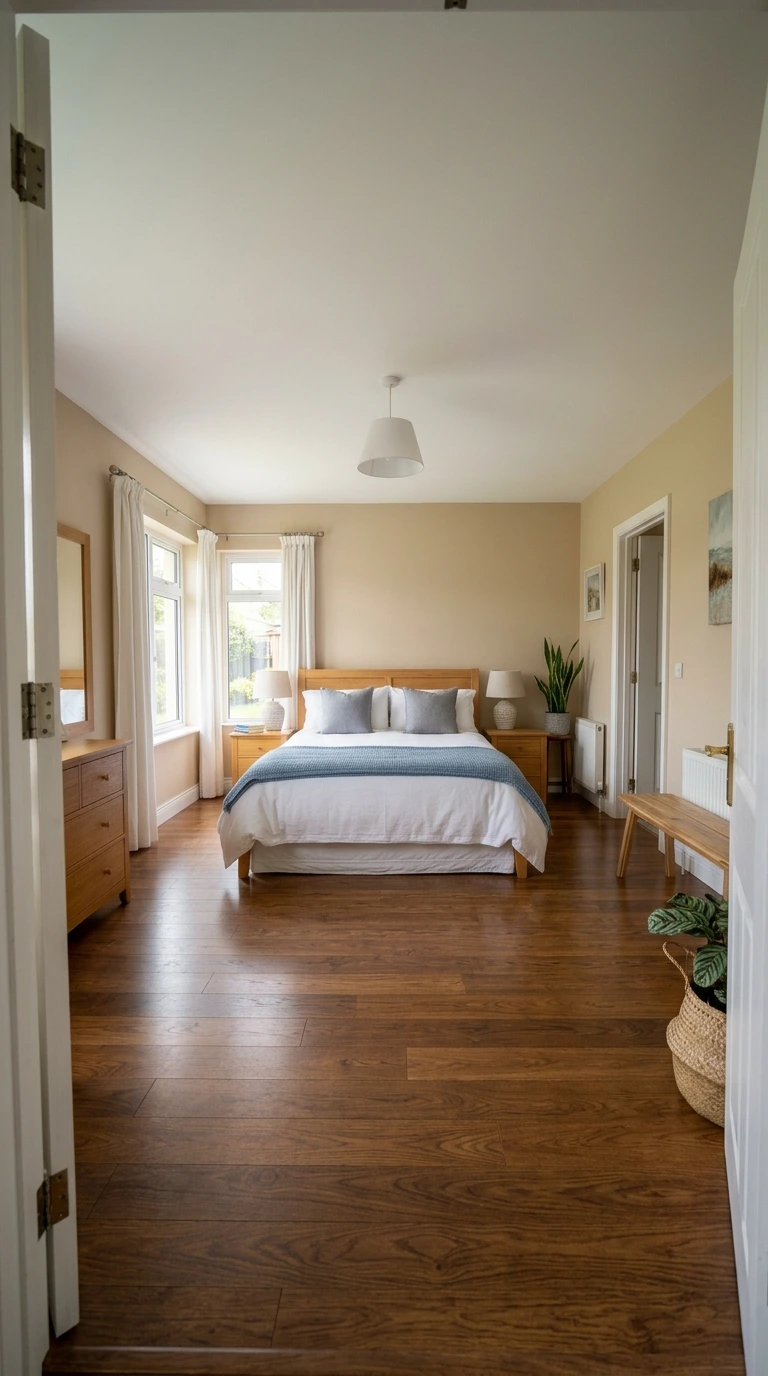
Ensuring clear, unobstructed walking space around the bed supports both easy nighttime movement and a genuinely serene, uncrowded atmosphere. A room where furniture crowds every available inch works against the calm this entire process is meant to achieve.
As a general guideline, leaving at least 24 to 30 inches of clearance on each accessible side of the bed keeps the space feeling open rather than cramped. This principle applies even in smaller bedrooms, where prioritizing this clearance over additional furniture usually delivers a more restful result.
28. Use Smart Lighting and Climate Control Thoughtfully
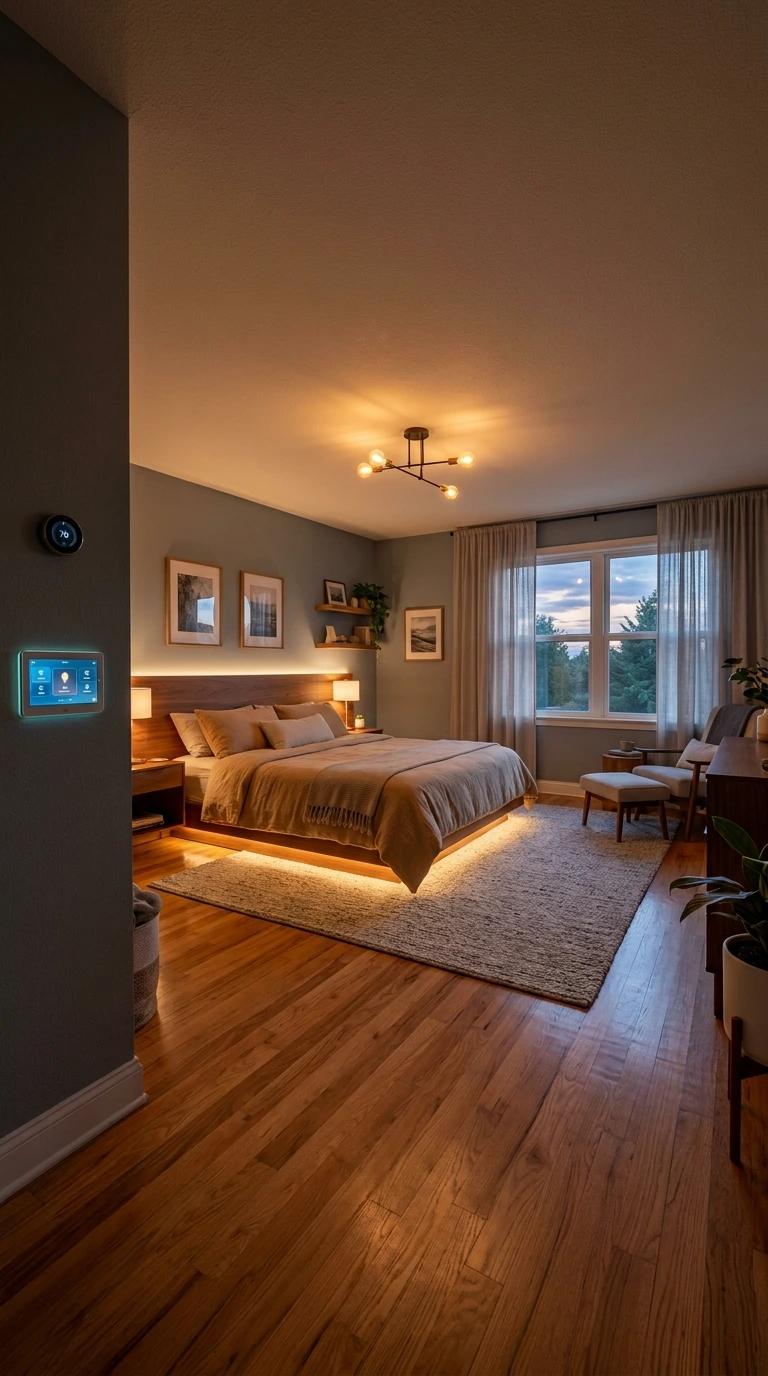
Smart lighting systems that automatically shift color temperature throughout the day, along with app-controlled climate settings, can reinforce your body’s natural circadian rhythm without requiring manual adjustment every evening. This technology should support the room’s calm rather than becoming its own visual distraction.
Choosing systems with a genuinely simple, intuitive interface prevents this technology from becoming another source of evening screen engagement working against your wind-down routine. The goal remains a room that feels effortlessly calm, with the technology operating quietly in the background.
Important: Smart devices with visible screens or blue-toned indicator lights can undercut the very darkness and calm they’re meant to support. Choose devices with dimmable or hideable indicator lights, or position them where their glow doesn’t reach the bed.
29. Add Personal, Meaningful Touches
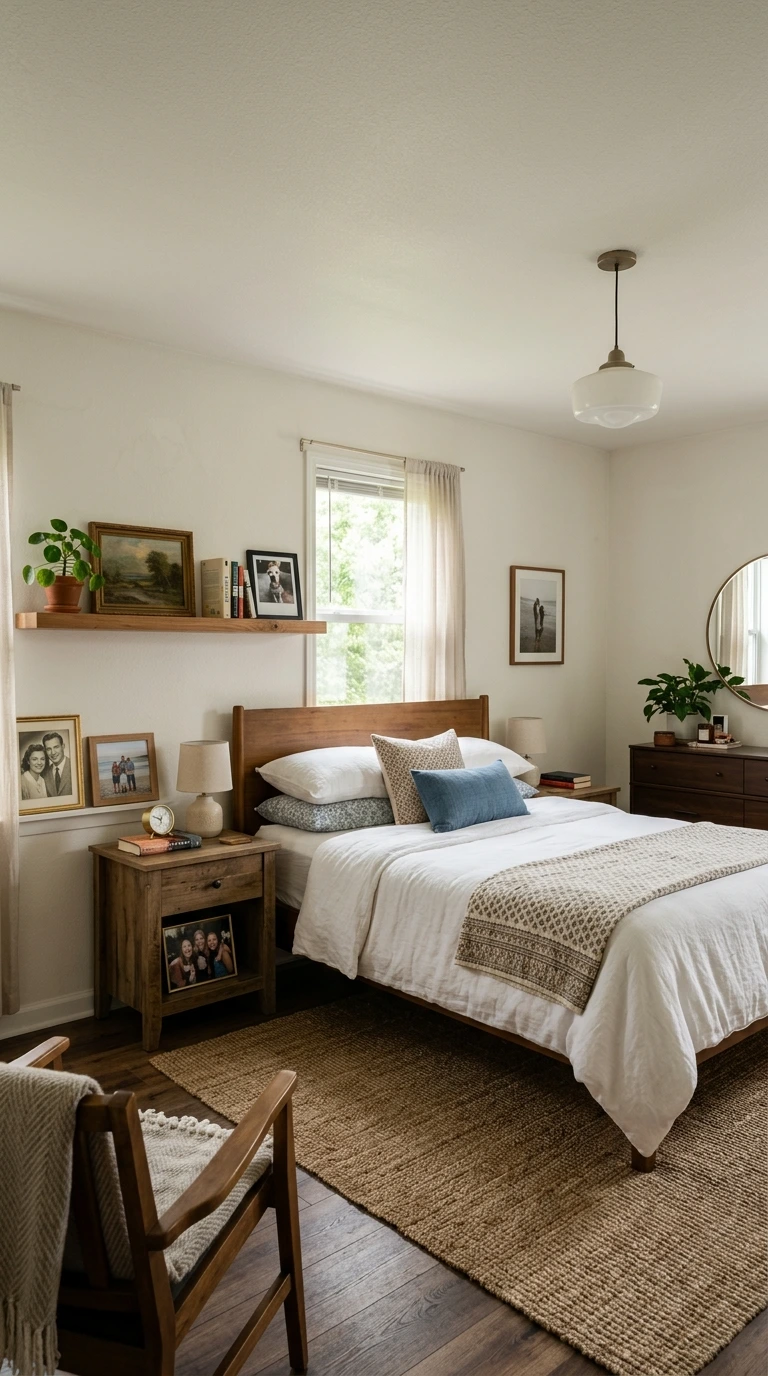
A true sleep sanctuary should feel deeply personal, not like a generic hotel room recreated at home. A few genuinely meaningful objects, a favorite photograph, a treasured book, or a piece of art that resonates with you, help the room feel like an authentic reflection of the person resting in it.
The key lies in curating rather than accumulating: choosing a handful of pieces with real personal significance rather than filling every surface with decor. This restraint keeps the personal touches feeling intentional rather than adding back the clutter you worked to remove earlier in this process.
30. Reassess and Edit the Room Over Time
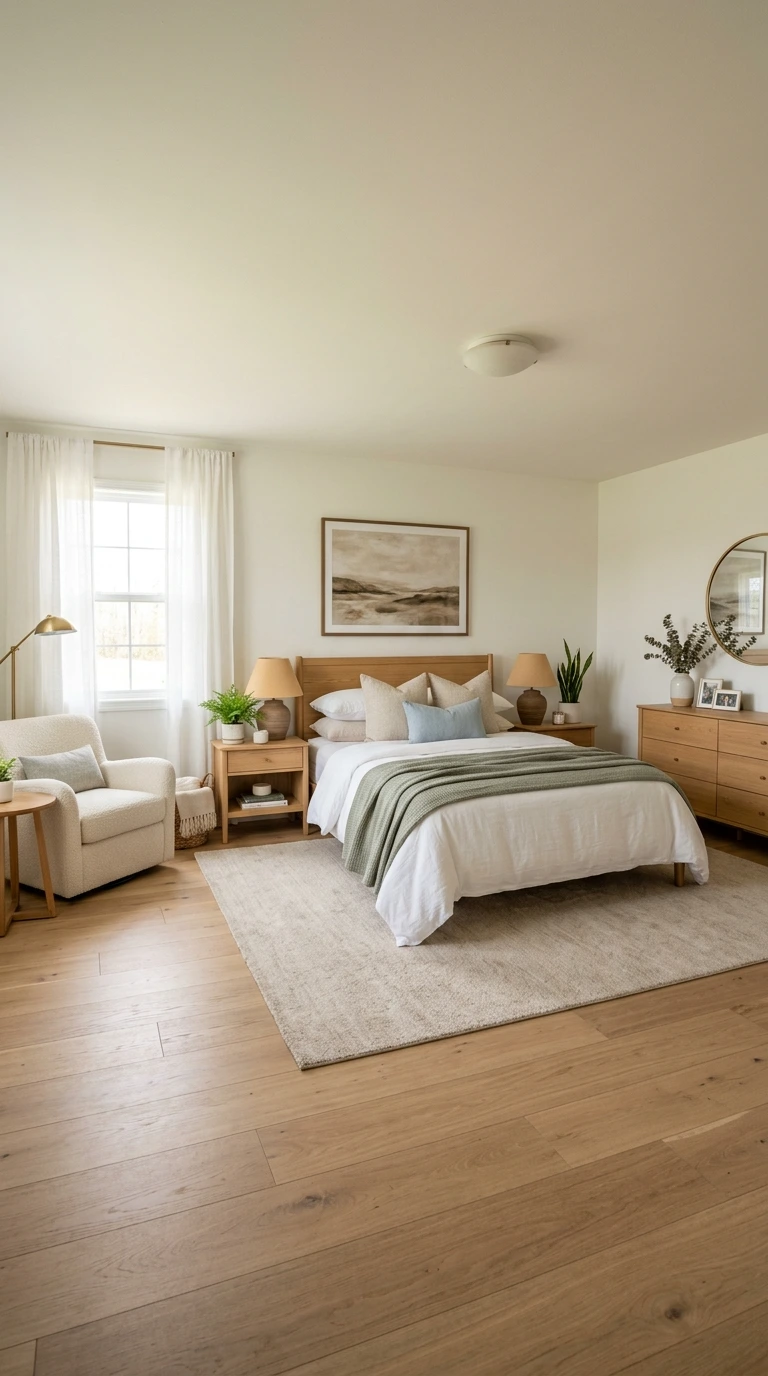
A sleep sanctuary isn’t a one-time project with a fixed endpoint; it benefits from periodic reassessment as your needs, habits, and life circumstances change. What supported your rest a year ago may need slight adjustment as your schedule, health, or living situation shifts.
Revisiting this list every few months, and honestly evaluating whether the room still feels calm, functional, and genuinely restful, keeps the space working for you long-term. The most successful sleep sanctuaries aren’t perfected once and forgotten; they’re maintained and gently refined as an ongoing act of self-care.
- ✅ Address foundational sleep science (mattress, temperature, darkness) before decor
- ✅ Remove visible work items and electronics to reclaim the room’s singular purpose
- ✅ Layer warm, dimmable lighting rather than relying on a single overhead fixture
- ✅ Choose calming, muted colors consistently across walls, bedding, and furniture
- ✅ Reassess the room periodically rather than treating it as a one-time project
Frequently Asked Questions
1. What’s the single most important factor in creating a sleep sanctuary?
Most sleep specialists agree the mattress is the single most impactful investment, since it directly affects spinal alignment and physical comfort every night. Complete darkness and a cool room temperature follow closely behind as foundational, high-impact factors.
2. What temperature is best for sleep?
Most sleep experts recommend keeping the bedroom between 60 and 67 degrees Fahrenheit, since your body’s core temperature naturally needs to drop to initiate and maintain restful sleep. Breathable, natural-fiber bedding supports this temperature regulation further.
3. Does color really affect sleep quality?
Yes, research indicates that soft, muted, nature-inspired colors support better sleep quality than bright or highly saturated ones. Colors that feel visually calming rather than stimulating help quiet a racing mind as bedtime approaches.
4. Should I keep a television in my bedroom?
Many sleep specialists recommend against it, since a bedroom doesn’t need a television and many people report sleeping better without one. If a television remains necessary, minimizing its visual dominance in the room at least reduces its competition with the bed as the room’s focal point.
5. How does clutter actually affect sleep?
Clutter functions as genuine “brain noise,” and research shows people in disorganized spaces report higher rates of difficulty falling asleep. A clutter-free, edited room supports a calmer mental state that makes falling asleep considerably easier.
6. What lighting works best for a sleep sanctuary?
Warm bulbs in the 2200K to 3000K range, layered across a few lower-intensity sources rather than a single bright overhead fixture, best support your body’s natural wind-down process. A dimmer switch adds further flexibility to gradually reduce light as bedtime approaches.
7. Can I create a sleep sanctuary on a limited budget?
Yes, many of the most impactful steps, decluttering, adjusting lighting, introducing calming scents, and creating a tech-free wind-down routine, cost little to nothing. Prioritizing foundational elements like your mattress and blackout curtains first, then building outward gradually, keeps the process manageable within most budgets.
Conclusion
A genuine sleep sanctuary isn’t built from a single dramatic renovation; it’s assembled thoughtfully across foundational sleep science, sensory details, and a layout that consistently signals to your nervous system that it’s finally time to rest. From a supportive mattress and complete darkness to calming colors and a clutter-free layout, each of these 30 steps builds on the last toward one clear goal.
Start with whichever factors are most disrupting your current sleep, and build outward gradually rather than trying to implement everything at once. The most restful bedrooms aren’t the ones that look flawless in photographs; they’re the ones genuinely built, one thoughtful choice at a time, around what actually helps you rest.