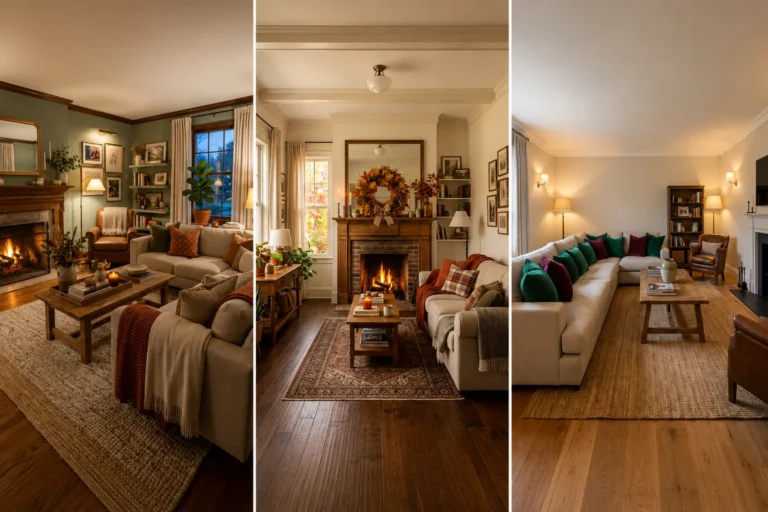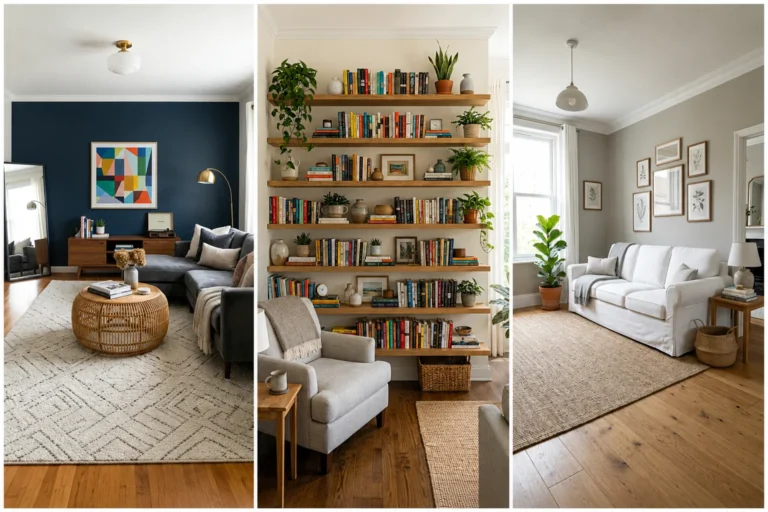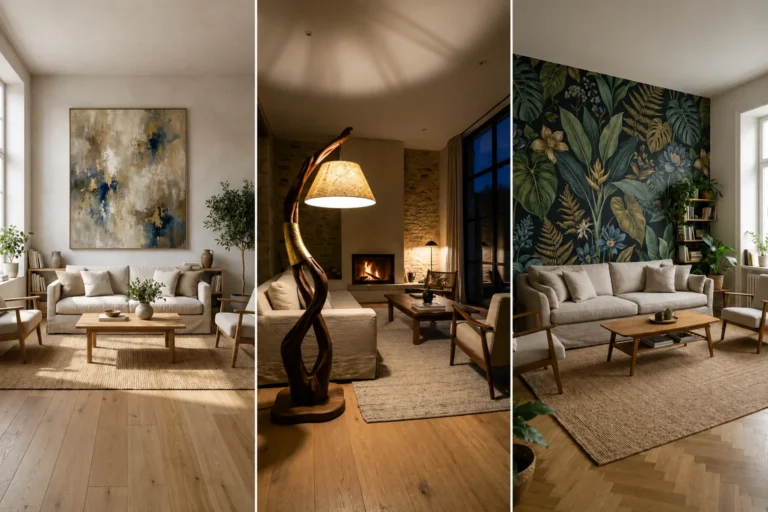
40 Dark Academia Living Room Aesthetic Ideas: How to Get the Look

Introduction
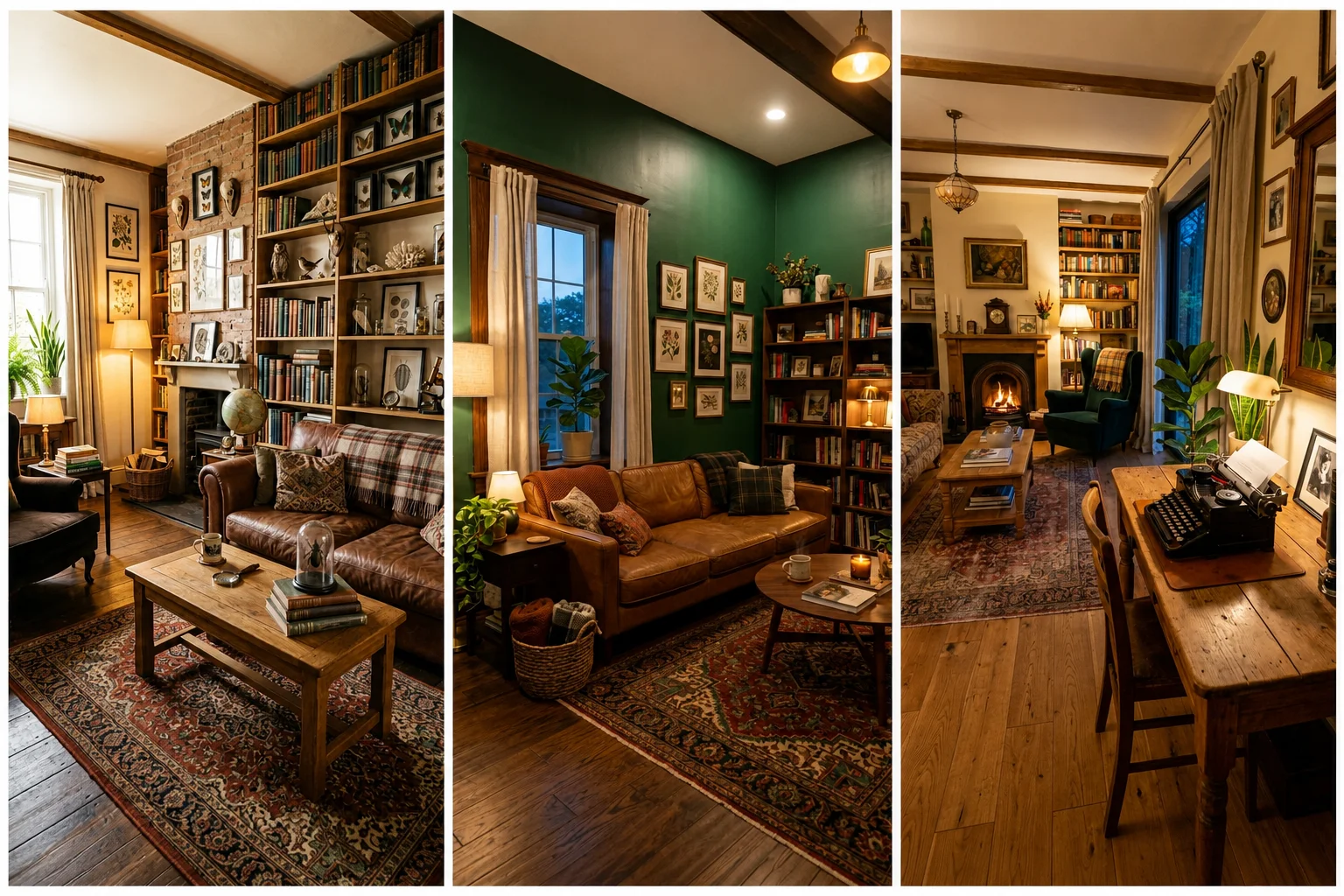
Dark academia draws its whole visual language from old libraries, Gothic university halls, and the quiet intensity of scholarly life, think worn leather, candlelight, and shelves packed with real books rather than staged decor. It’s an aesthetic with genuine roots in Victorian and Neoclassical interiors, which is part of why it has outlasted so many shorter-lived internet trends.
Bringing this look into a living room means committing to a deep, moody color palette, vintage-inspired furniture, and layered lighting that never relies on a single bright overhead fixture. Done well, the room should feel like it was assembled over years of collecting, not styled overnight for a photo.
In this guide, you’ll find 40 ways to build a genuine dark academia living room, covering color, furniture, lighting, and the smaller details that separate an authentic scholarly space from a costume-like one. Start with just a few ideas that resonate, then build outward as your collection and budget allow.
1. Choose a Deep, Rich Wall Color
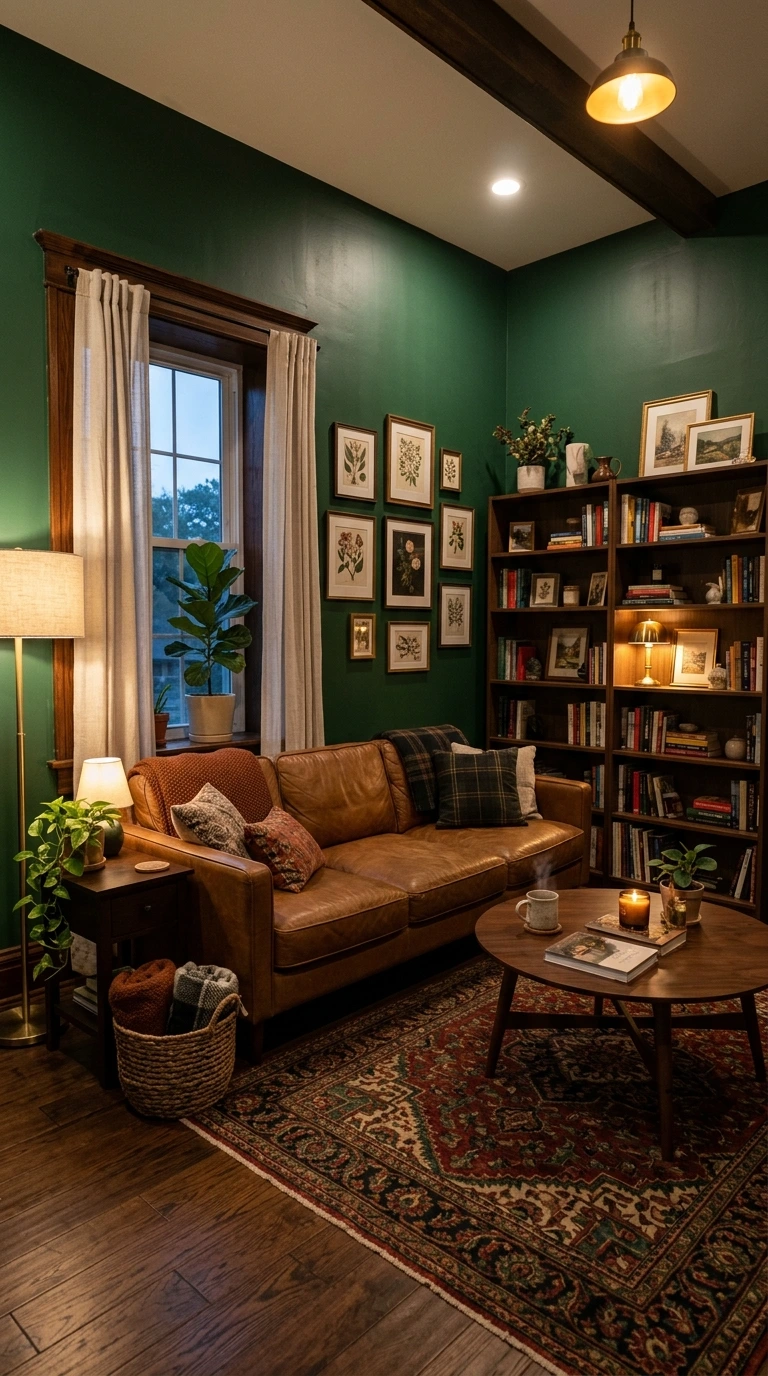
Forest green, navy, burgundy, and deep brown are the foundational dark academia wall colors, each echoing the look of old wood paneling and leather-bound libraries this aesthetic draws from. Matte finishes work particularly well here, since a glossy sheen can undercut the intimate, hushed feeling these colors are meant to create.
Committing to one of these tones across all four walls, rather than a single accent wall, produces the enveloping, cocoon-like effect that reads as genuinely dark academia rather than just “a dark room.” If full commitment feels risky, testing the color in a smaller adjoining space first can help build confidence before painting the whole living room.
2. Add a Wall of Bookshelves
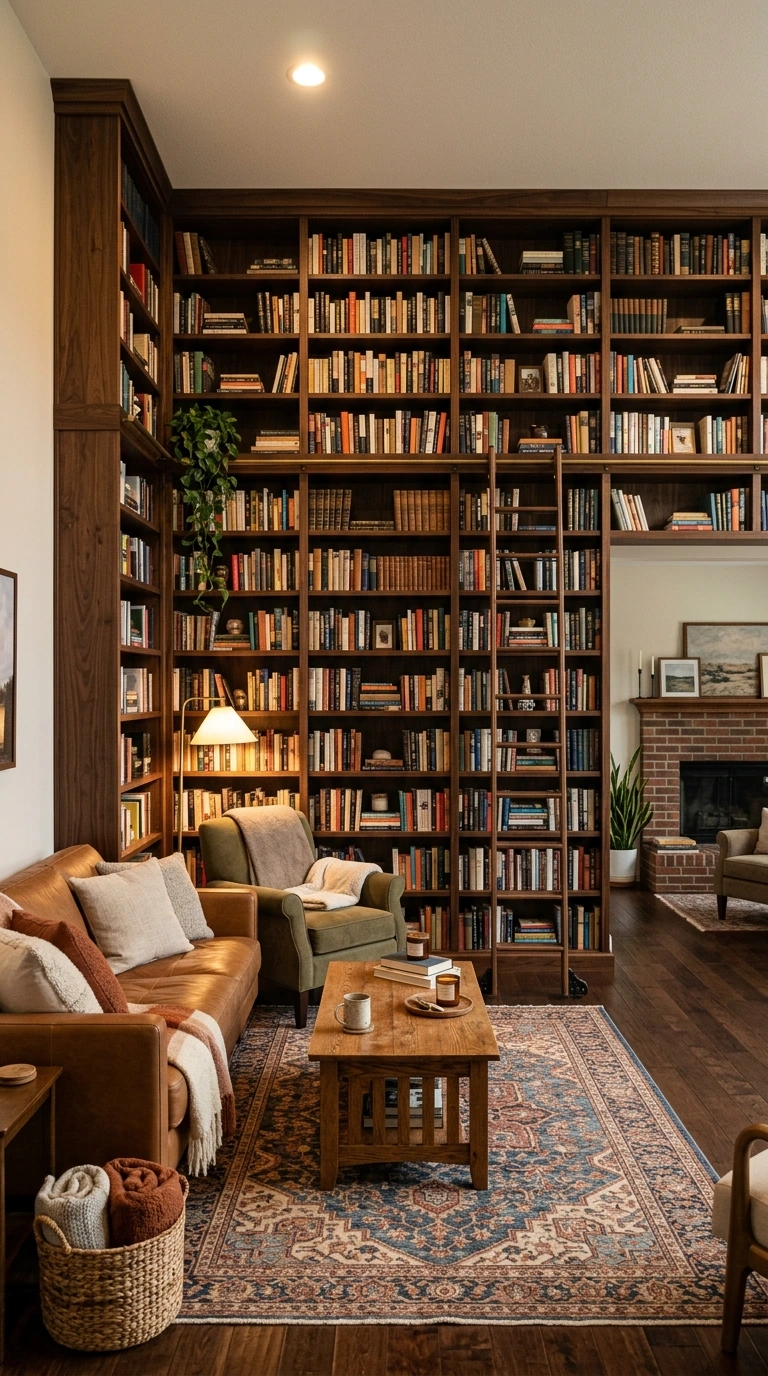
Floor-to-ceiling bookshelves, ideally in dark stained wood, sit at the very heart of this aesthetic, since the pursuit of knowledge and a genuine love of books is what the whole style is named for. Even a partial wall of shelving delivers real impact if a full built-in isn’t practical in your space.
Filling these shelves with an actual, varied collection, arranged by size and theme rather than color-coordinated for show, keeps the look feeling authentic. Leaving room among the books for a few sculptures, small artifacts, or a framed print adds visual rhythm without disrupting the shelf’s primary purpose.
3. Invest in a Leather Chesterfield or Curved Velvet Sofa
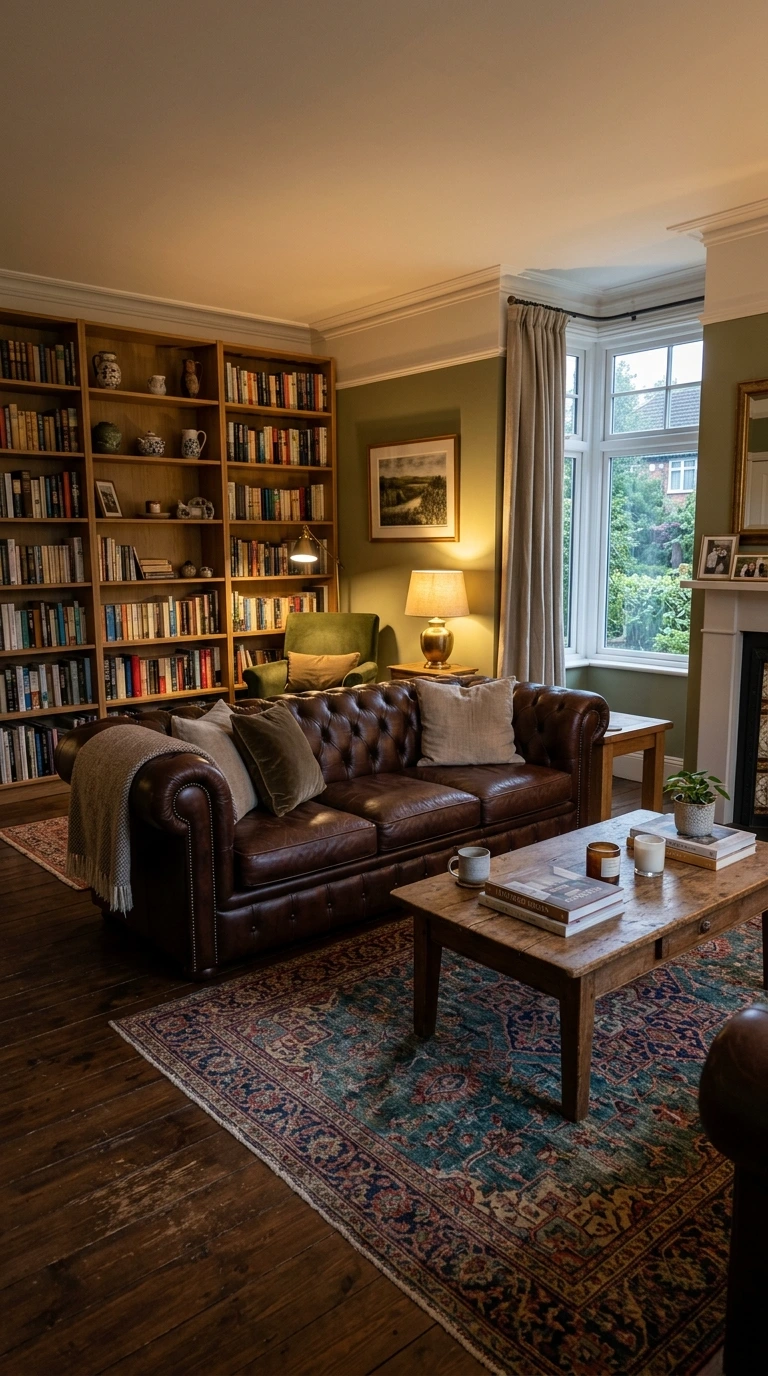
A Chesterfield in deep brown or oxblood leather remains the most iconic seating choice for this look, with its button tufting and rolled arms evoking an old university common room. If leather isn’t the direction you want, a curved velvet sofa in emerald or burgundy achieves a similarly dramatic, statement-making effect while softening the room’s overall silhouette.
Choosing a piece with some visible wear works in this aesthetic’s favor, since a slightly worn look reads as more genuinely collected than something that looks freshly delivered. Vintage and secondhand sources often achieve this authenticity more convincingly, and more affordably, than buying new.
4. Add a Library Ladder if Ceilings Allow
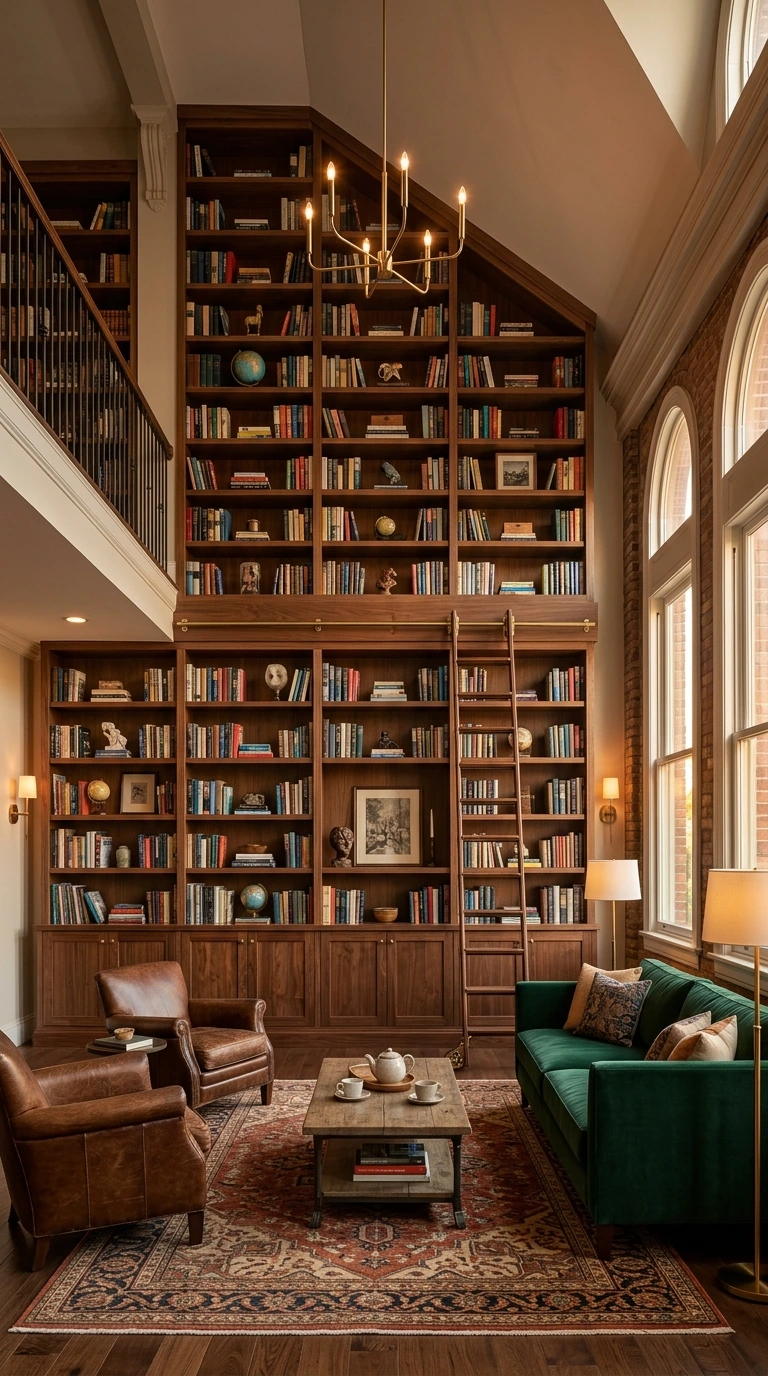
A rolling library ladder attached to a tall bookshelf immediately signals a serious, well-stocked collection, and it works best in rooms with genuinely tall ceilings and enough shelving to justify its presence. This detail borrows directly from historic university libraries, which is part of why it reads as so authentic when done well.
Choosing aged brass or dark wood for the ladder’s hardware, rather than a modern chrome finish, keeps it consistent with the room’s overall vintage sensibility. Even if it rarely gets used functionally, a library ladder adds genuine scale and drama to a book-filled wall.
5. Layer in Warm, Low Lighting
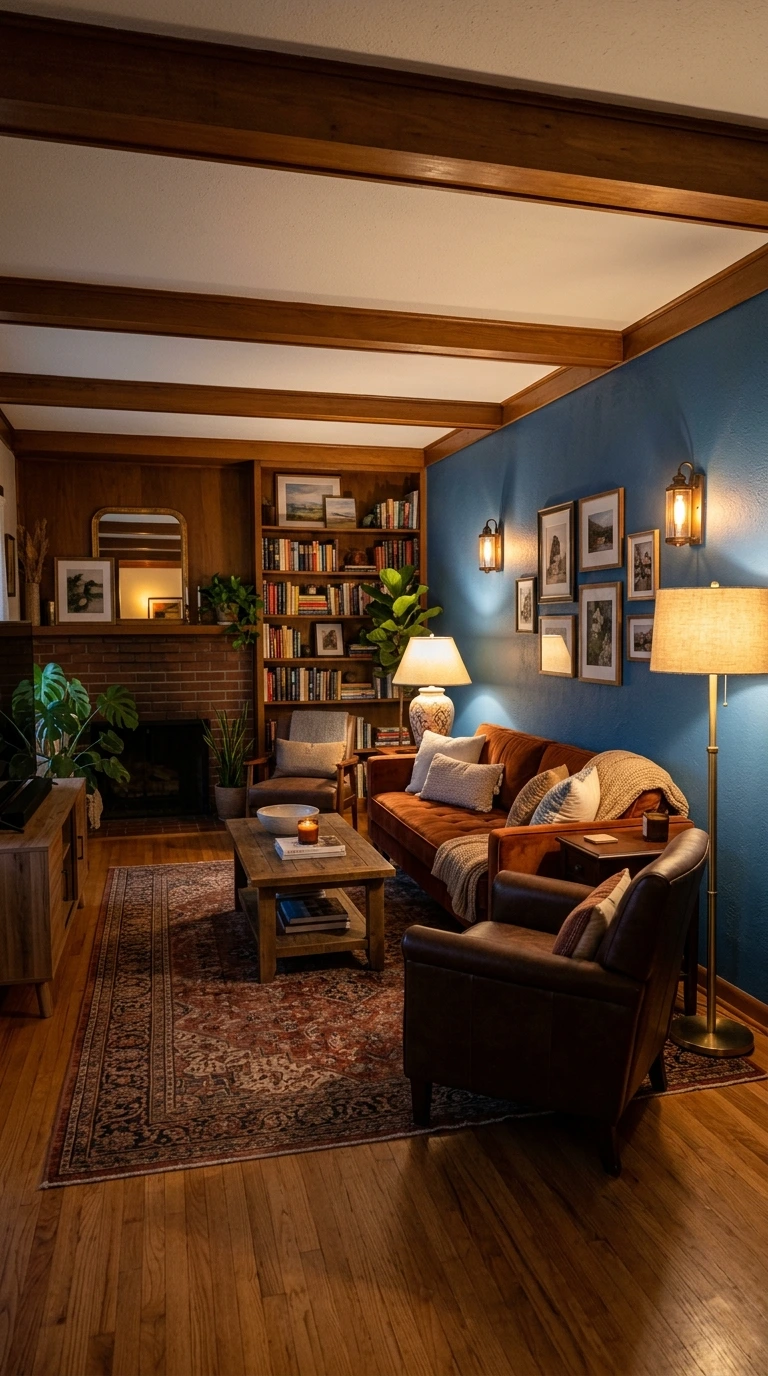
Table lamps with amber or warm-toned shades, positioned at several points around the room, replace the single bright overhead fixture that would otherwise undercut this aesthetic’s moody, candlelit atmosphere. A brass banker’s lamp with a green glass shade is a particularly recognizable choice, since it evokes old library reading rooms directly.
Adding a classic candle-style chandelier or a beaded fixture overhead, then layering table lamps and sconces beneath it, creates the dimension and depth this style depends on. Relying on just one light source, however elegant, rarely achieves the same rich effect as several working together.
6. Add Vintage Globes and Maps
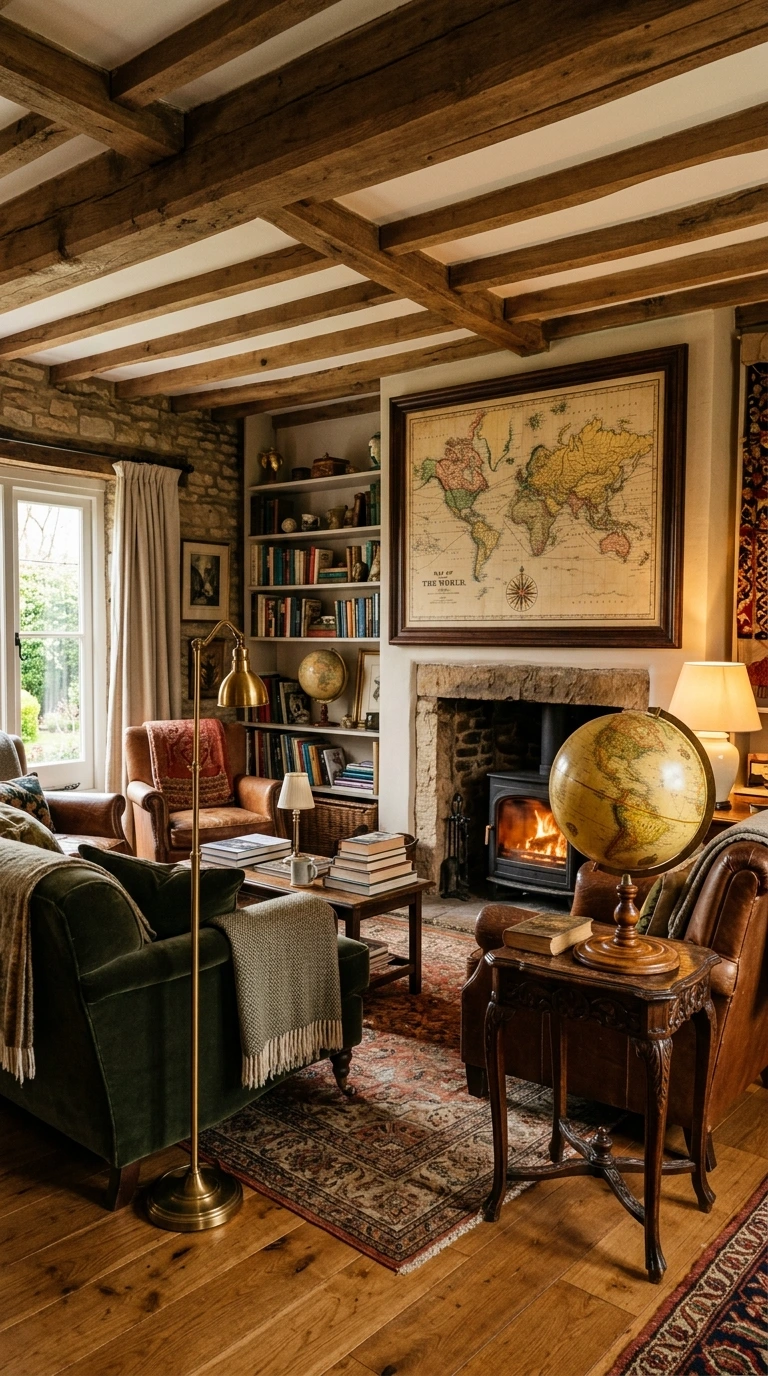
An antique-style globe, whether genuinely old or a well-made reproduction, speaks directly to themes of exploration and scholarship central to this aesthetic. Positioned on a side table or lower shelf, it adds both visual interest and thematic authenticity without requiring much space.
Framed vintage-style maps extend this same sense of curiosity across the walls, and choosing versions with visible age, foxing, or a sepia tone helps them read as collected rather than freshly printed. A single well-placed globe and one or two maps often do more for the room’s storytelling than a larger, more scattered collection would.
7. Use Deep Green as a Secondary Color
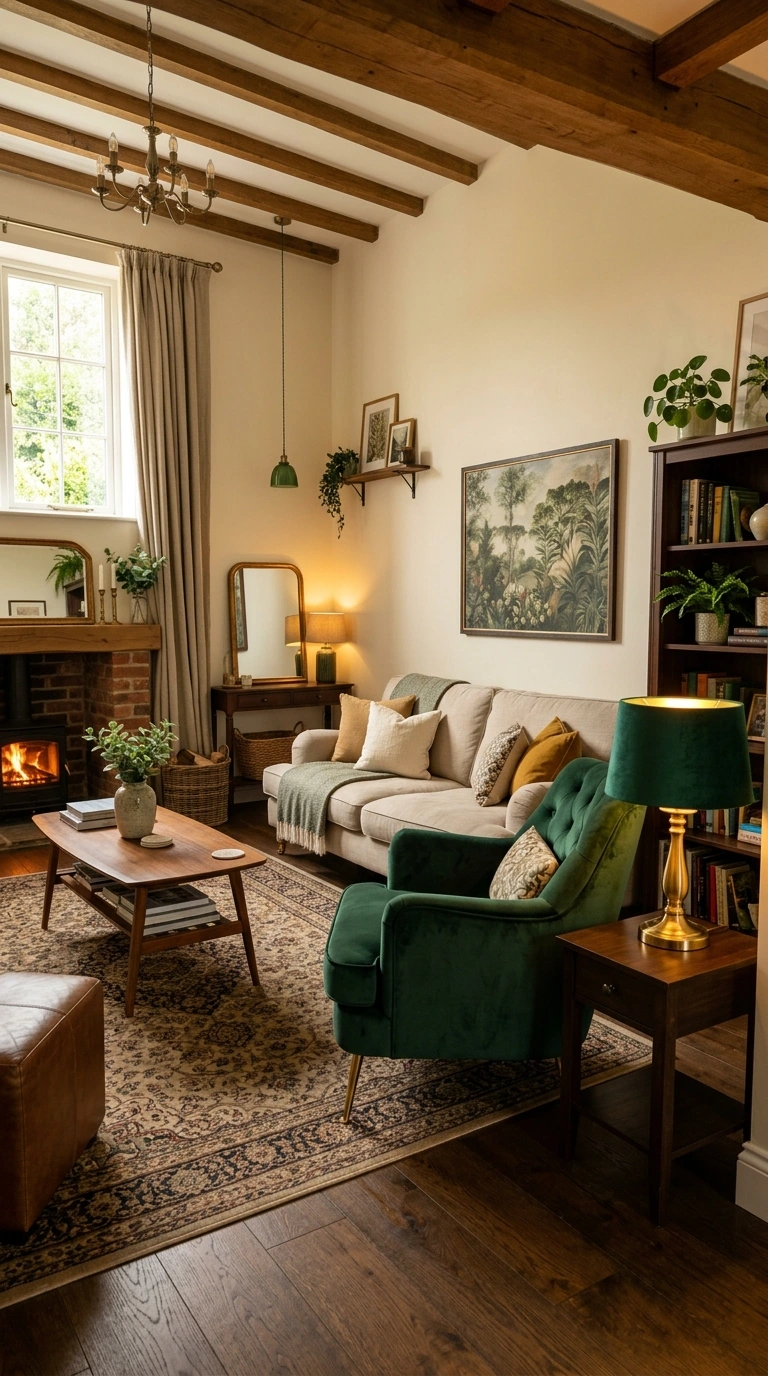
Beyond wall paint, forest or hunter green shows up throughout dark academia rooms in upholstery, lampshades, and small accents, evoking old velvet curtains and library reading lamps. This color pairs particularly well with brown leather and brass, forming much of the aesthetic’s core palette.
A green velvet accent chair or a set of green glass lamp shades introduces this color without requiring a full repaint if your walls are already a different dark tone. As a secondary color, green adds richness and variety within an otherwise narrow, intentional range.
8. Add Brass and Aged Metal Accents
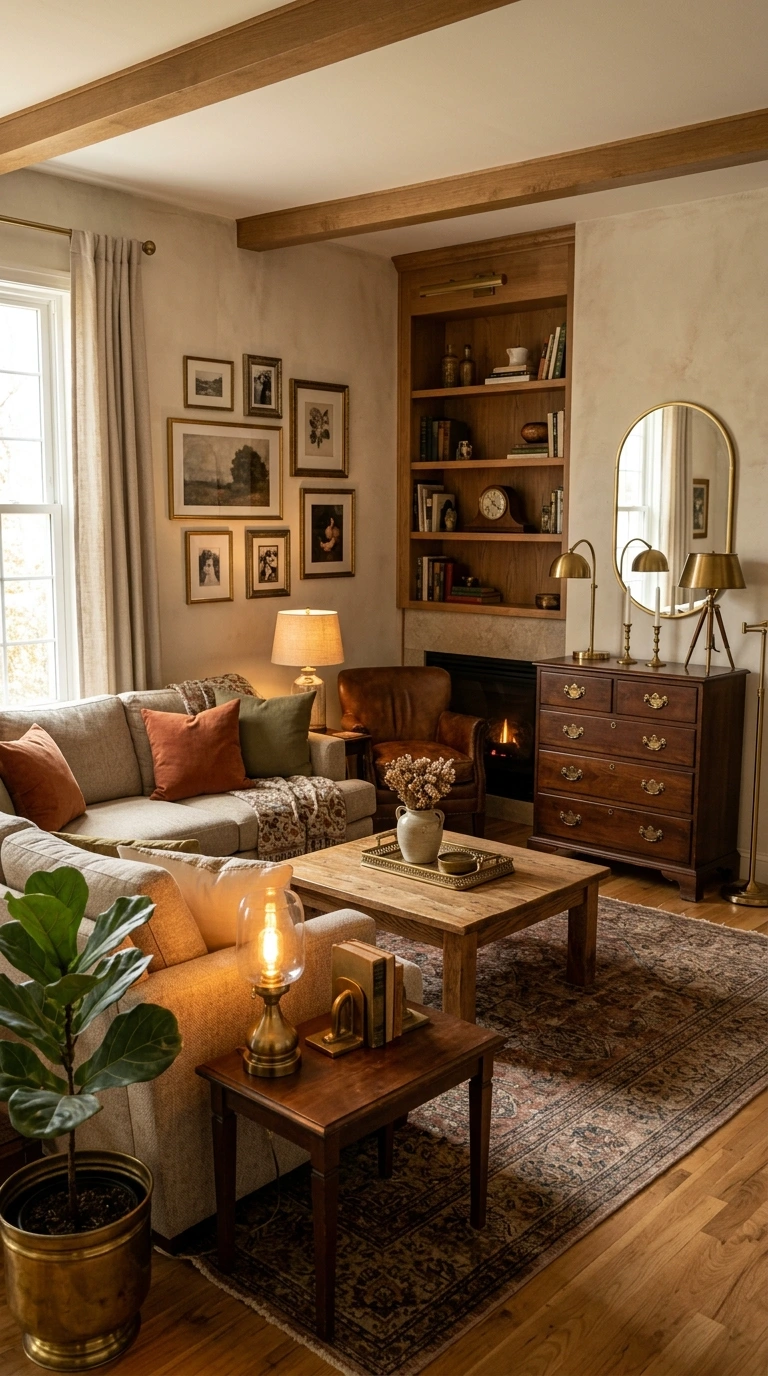
Brass picture frames, aged lamp bases, and antique-finish drawer pulls bring warmth and history that cooler metals like chrome simply can’t provide within this aesthetic. Brass also catches warm lamp light beautifully, reinforcing the room’s overall glow after dark.
Choosing pieces with a naturally aged or deliberately antiqued finish, rather than bright, polished brass, keeps this detail consistent with the room’s collected-over-time feeling. Repeating this same metal across furniture hardware, lighting, and smaller decor ties the whole room together.
- Commit to a full dark wall color rather than a single accent wall
- Fill bookshelves with a genuinely varied, real collection
- Layer multiple warm light sources rather than one overhead fixture
- Choose brass and aged metals over chrome or stainless finishes
- Include at least one leather or velvet statement seating piece
9. Incorporate a Vintage Writing Desk
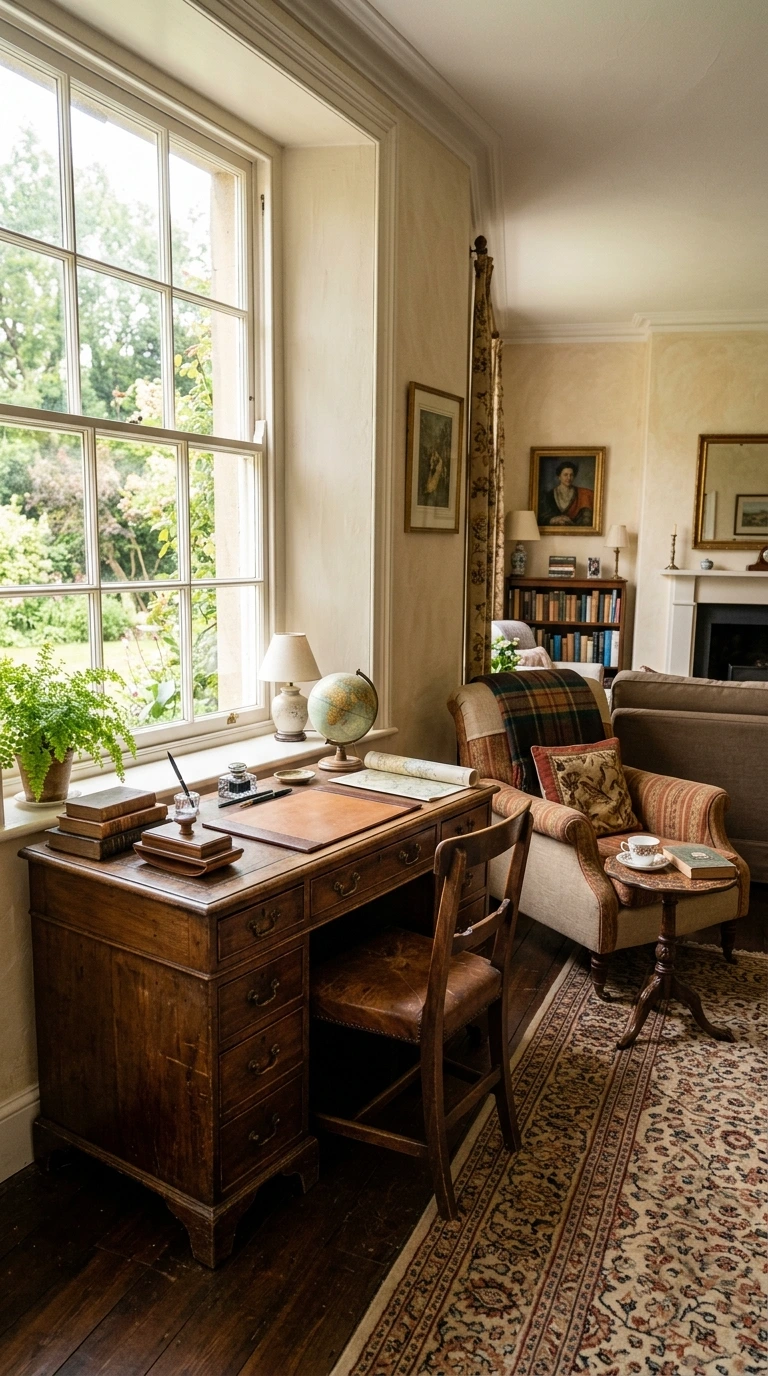
A wooden writing desk with some age and character anchors the scholarly, studious feeling central to this aesthetic, even positioned within a living room rather than a dedicated study. Placed near a window, it evokes the image of someone deep in thought or correspondence, which suits the room’s overall storytelling well.
Styling the desk with a stack of books, a fountain pen set, or an old typewriter completes the vignette without needing the piece to be genuinely used for daily work. This single addition brings both function and thematic weight to the room.
10. Add Heavy, Textured Curtains
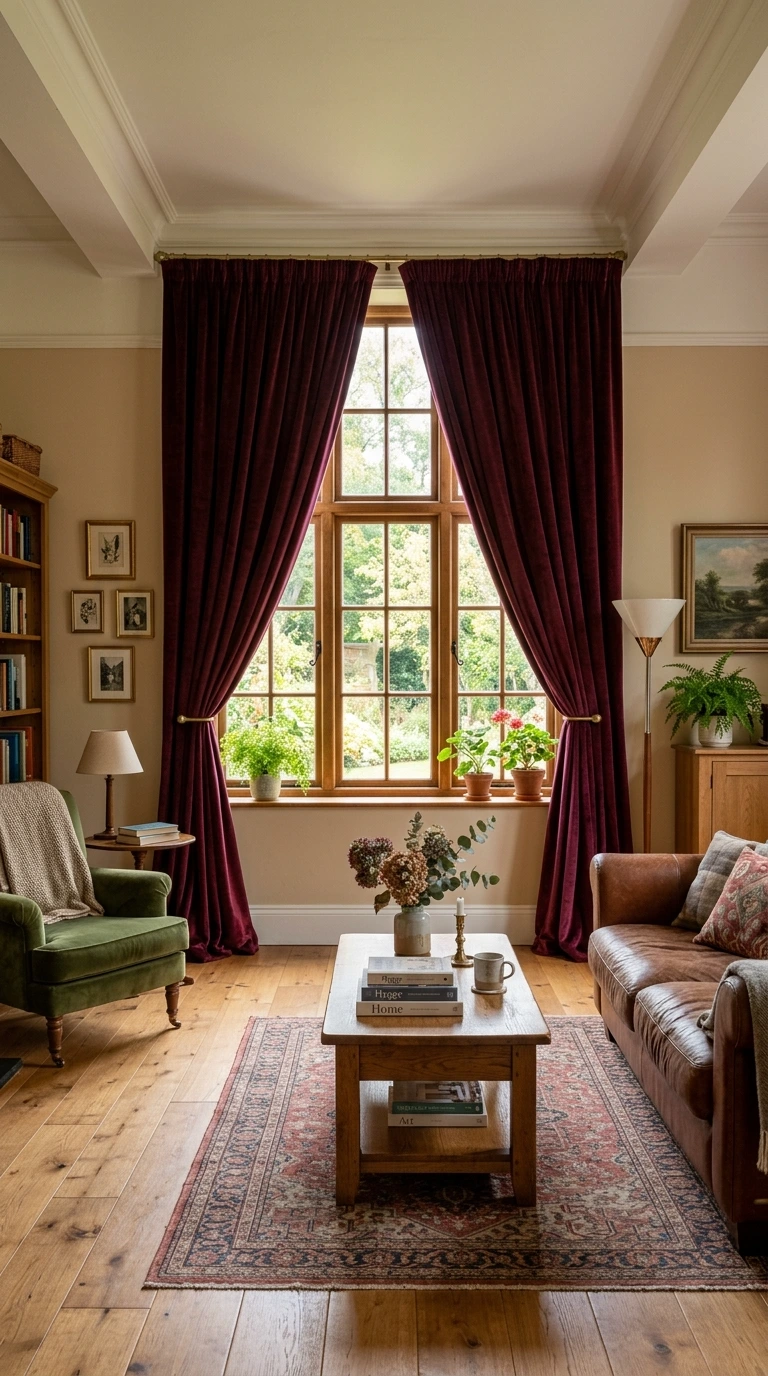
Deep-colored velvet curtains in burgundy, forest green, or charcoal block light dramatically while adding a sense of enclosure that pairs naturally with the room’s candlelit atmosphere. These heavy curtains also help with sound absorption, adding to the room’s overall hushed, contemplative feel.
Letting curtains pool slightly on the floor, rather than hemming them precisely at the sill, adds a sense of old-world abundance borrowed from grand libraries and manor houses. This small detail meaningfully elevates the whole window treatment.
11. Use Distressed or Aged Wood Furniture
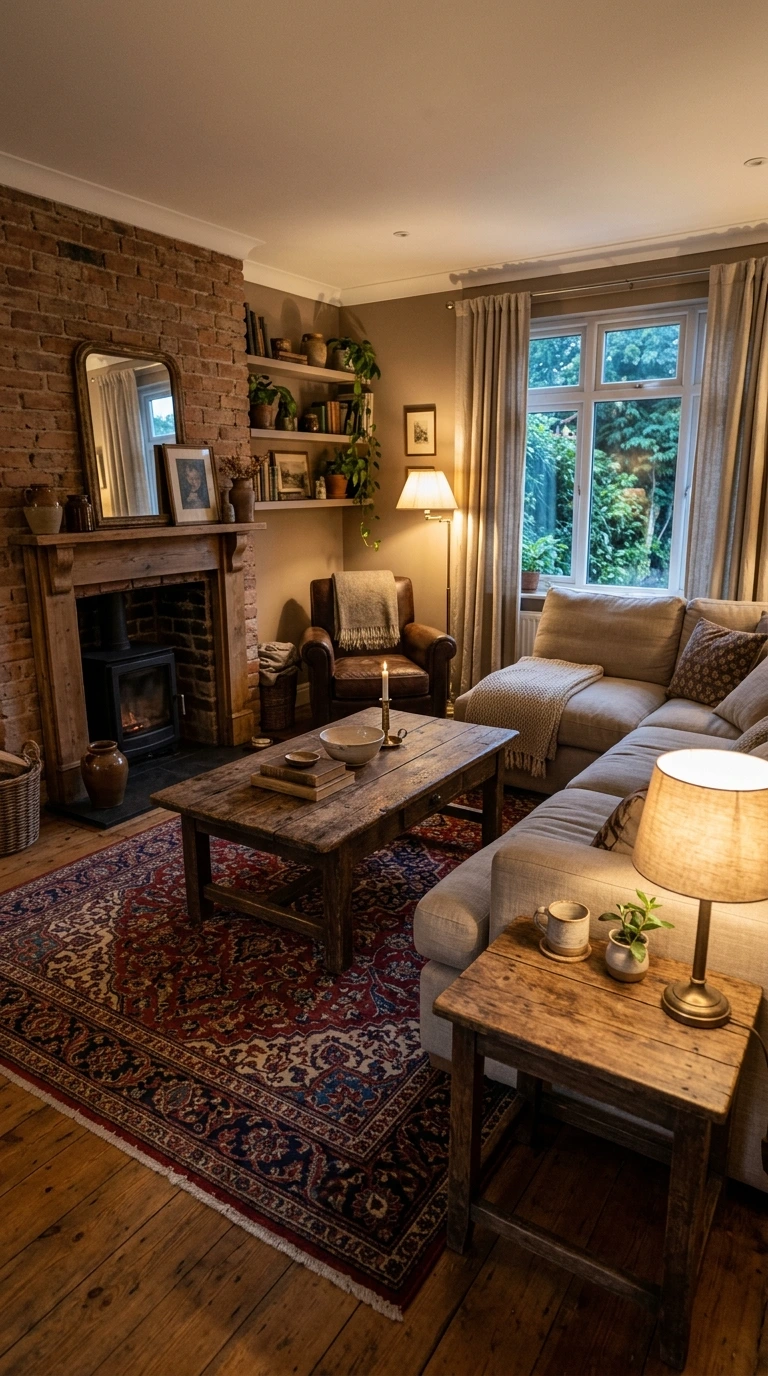
Furniture with visible grain, some wear, and a rich, dark stain evokes the well-used quality central to this aesthetic, since dark academia depends on suggesting decades of use rather than a flawless new finish. Secondhand and antique shops are often the best sources here, since genuine age is difficult and expensive to fake convincingly in new furniture.
A slightly imperfect wood table or chair typically achieves the look more successfully than a piece manufactured to look “distressed” straight from a factory. Look specifically for solid wood construction, since this holds up to genuine age far better than veneer.
12. Add a Fireplace or Fireplace-Style Feature
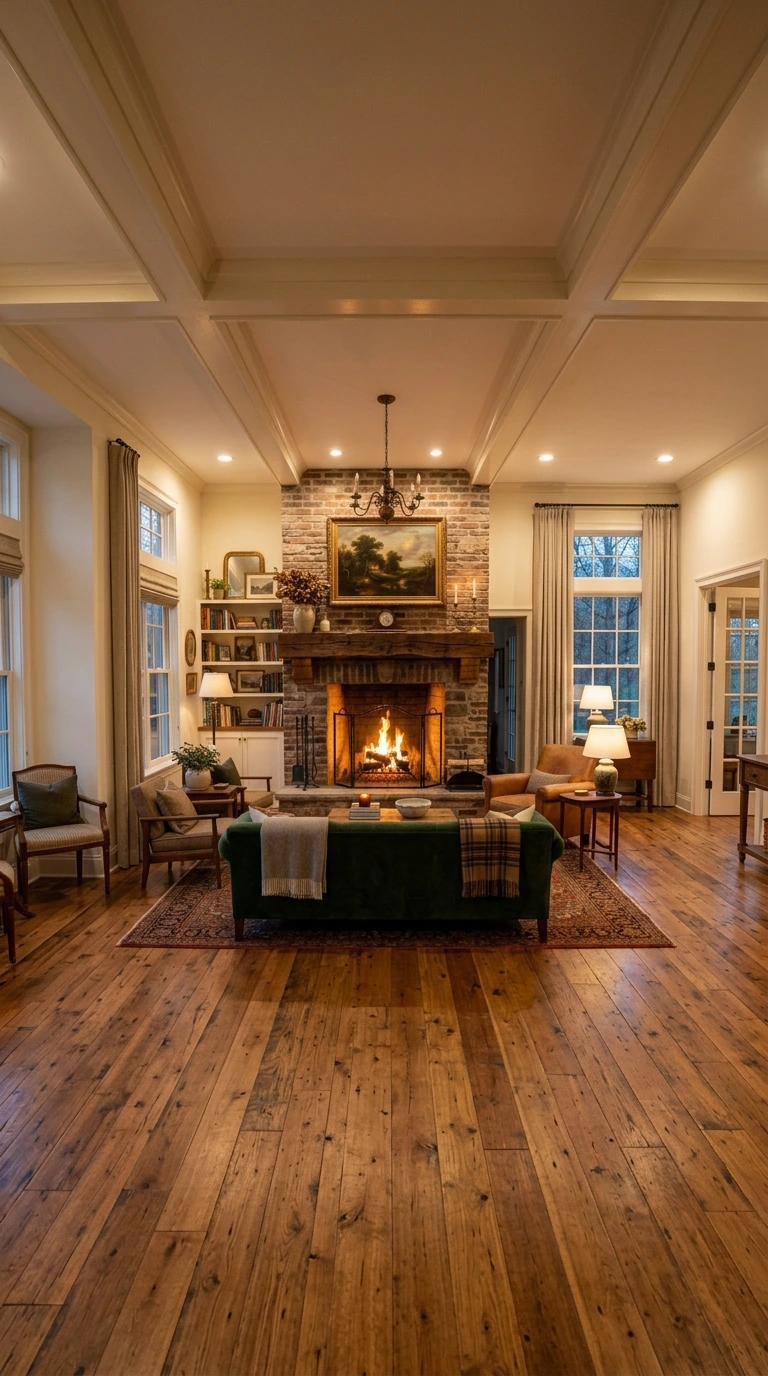
A working fireplace makes an ideal focal point for this aesthetic, evoking someone reading by firelight on a cold evening, which sits at the very heart of dark academia’s mood. If a working fireplace isn’t available, an electric insert or simply a mantel styled with candles can suggest the same feeling.
Styling the mantel with candlesticks, a few books, and a small vintage clock extends this focal point’s weight throughout the room. Arranging seating to face it, the way you would orient furniture around a television, makes it the room’s natural gathering spot.
13. Incorporate Curiosities and Natural History Objects
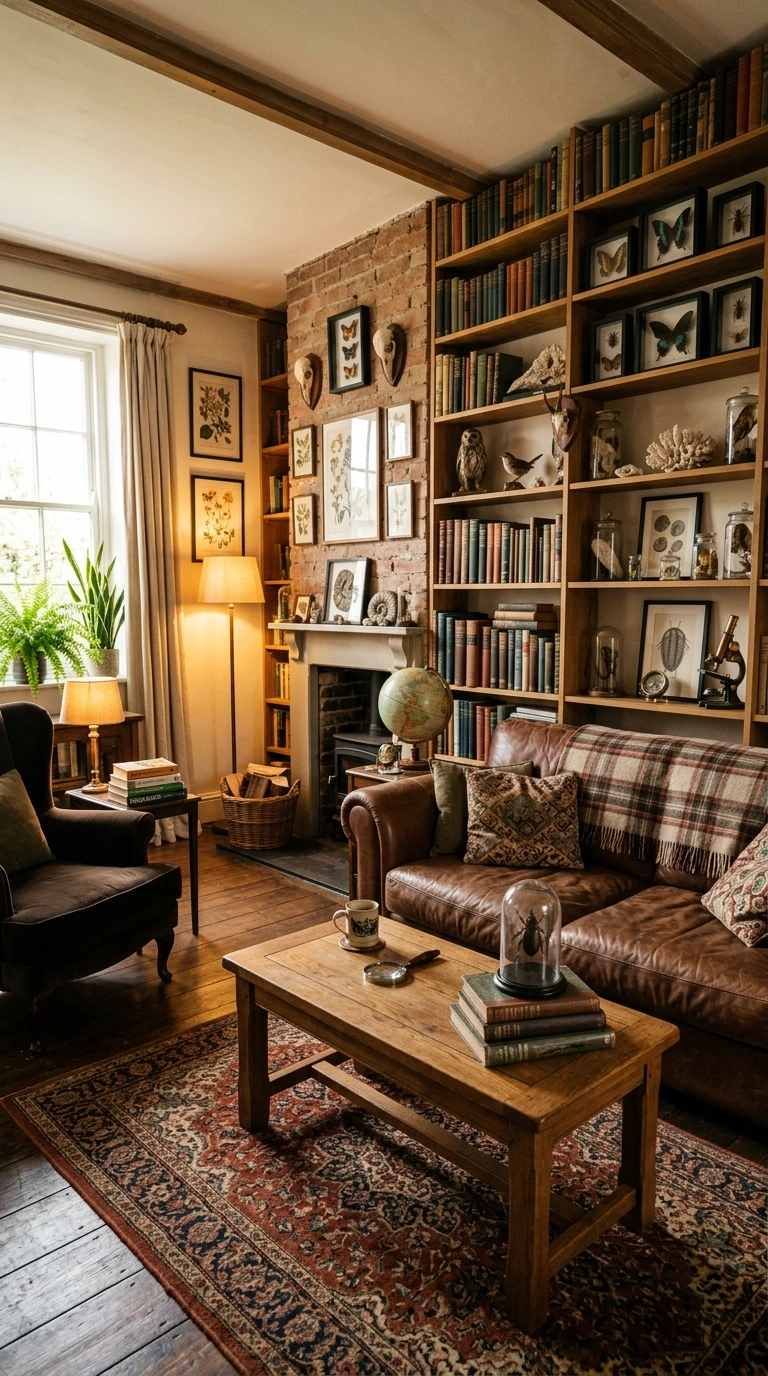
Vintage-style specimens, preserved botanicals, or small natural history curiosities connect to the old cabinet-of-curiosities tradition that influences much of this aesthetic’s visual language. These pieces work particularly well grouped on a bookshelf or mantel alongside other collected objects.
Choosing faux or ethically sourced antique pieces addresses concerns about genuine animal specimens while still achieving the intended effect. This detail isn’t essential, but for those drawn to it, it adds a genuinely distinctive layer of old-world character.
14. Add a Rolling Bar Cart in Brass and Wood
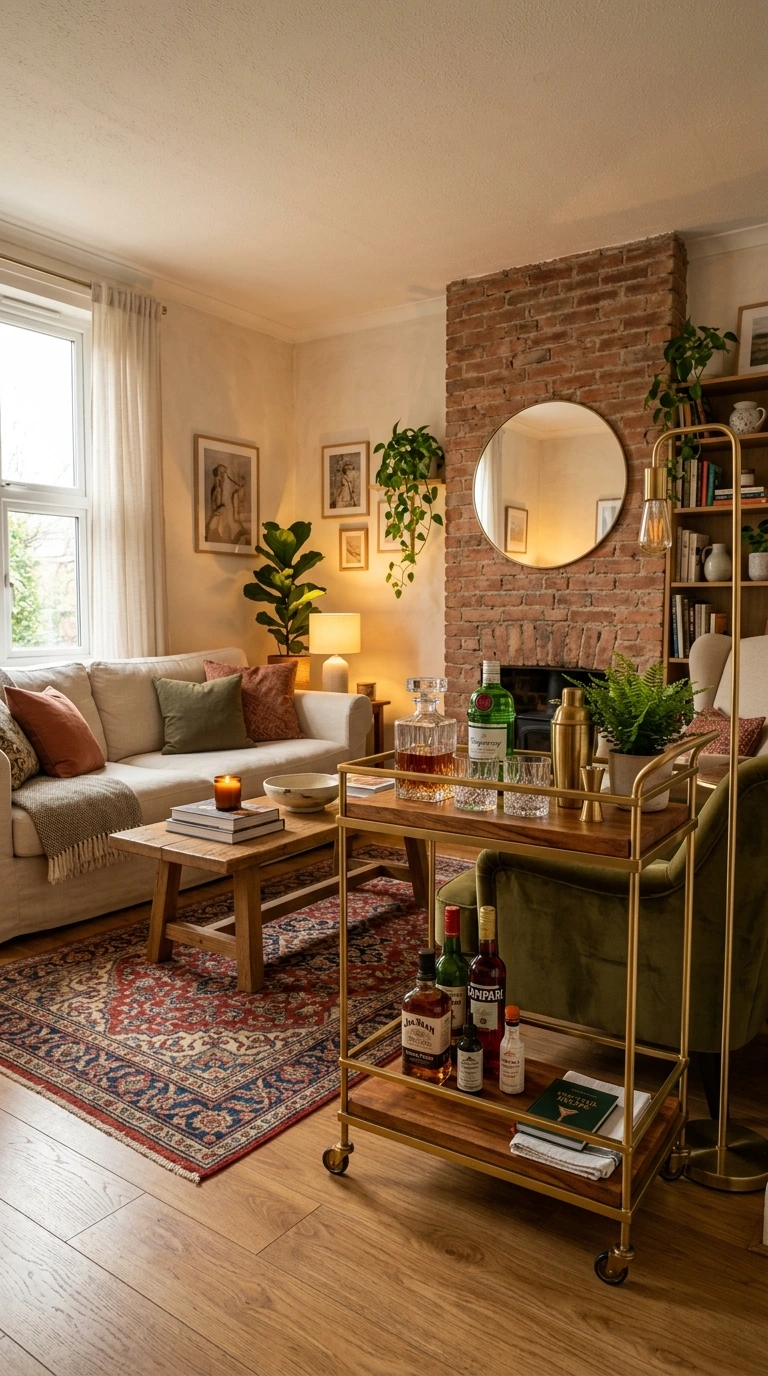
A vintage-style bar cart, styled with cut crystal glasses and amber-colored spirits, fits naturally into dark academia’s sense of old-world sophistication and evening ritual. This piece adds both function and genuine visual interest.
Choosing a cart with brass detailing and dark wood shelving, rather than a sleek modern metal design, keeps this addition consistent with the room’s overall language. Positioned near your main seating area, it suggests the kind of quiet evening gathering this aesthetic evokes so well.
Small Details That Reinforce the Aesthetic
- Stacks of real, well-worn books used as side table risers
- A vintage typewriter displayed on a desk or shelf
- Antique-style magnifying glasses or compasses as small decor
- Old letters or postcards displayed in a small frame or box
- A chess or backgammon set left out on a side table
15. Use a Persian or Oriental-Style Rug
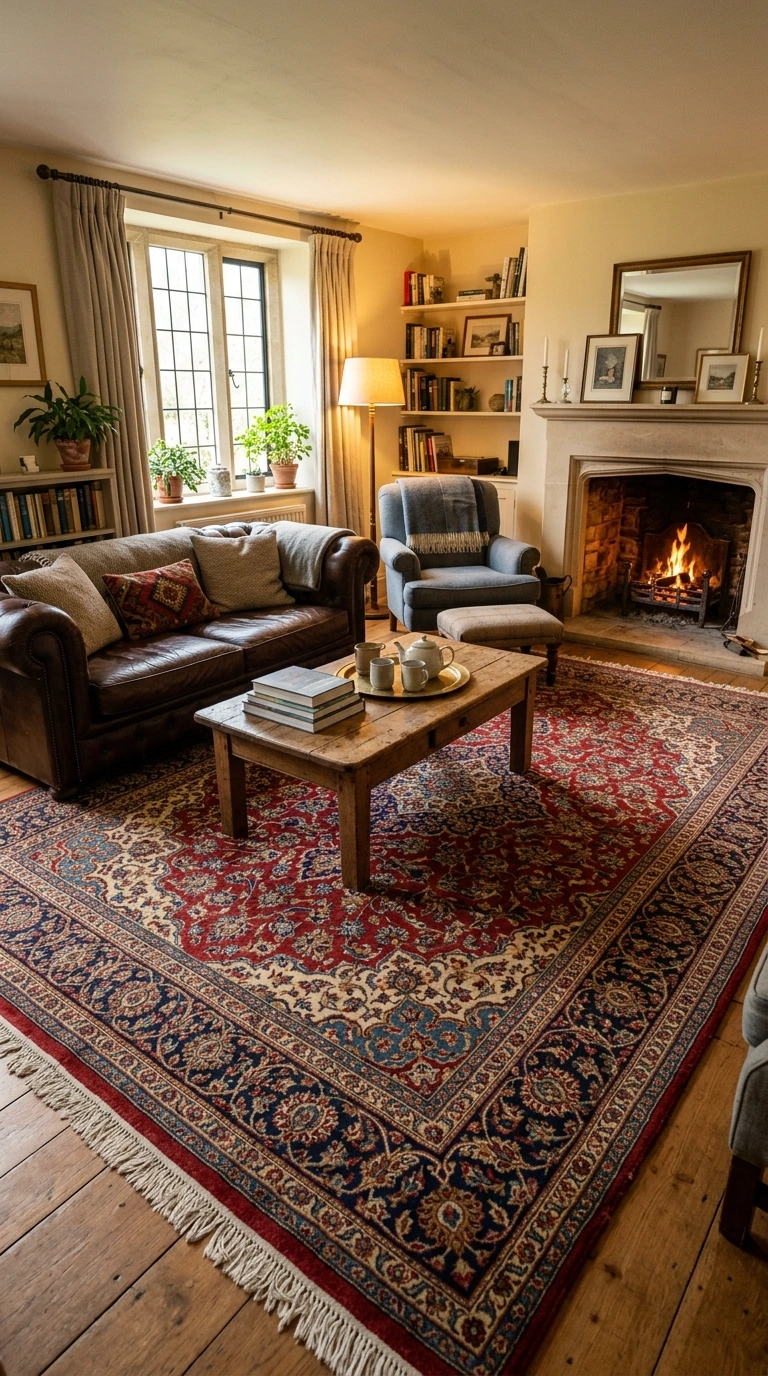
A richly patterned rug in deep reds, blues, and golds adds warmth and old-world luxury underfoot, grounding the room’s dark palette with genuine texture. Vintage or antique-style rugs work particularly well here, since a slightly worn rug reads as more authentic than one in flawless new condition.
Layering this kind of rug over dark hardwood flooring establishes the room’s foundation before any furniture or decor gets added. Since flooring covers such a large visual percentage of any room, this single choice does considerable work toward the whole aesthetic.
16. Add Candlesticks and Candelabras
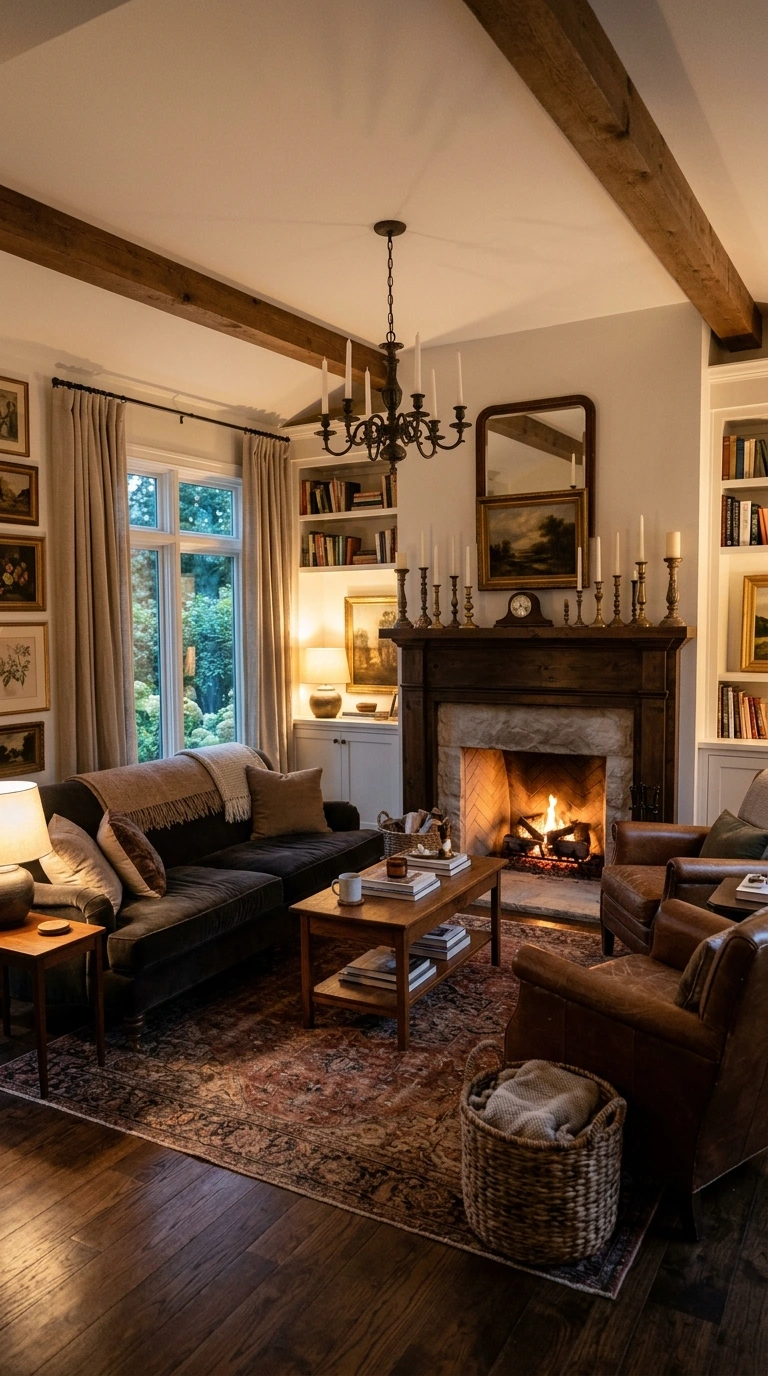
Real or flameless candles in brass or pewter candlesticks bring flickering warmth that reinforces the candlelit study atmosphere this aesthetic constantly references. Grouping several at varying heights on a mantel or side table creates a more dramatic glow than a single candle alone.
Choosing candles in deep, muted colors rather than bright or pastel shades keeps this detail cohesive with the room’s palette. This remains one of the most affordable ways to add genuine atmosphere to the space.
17. Incorporate a Globe Bar or Hidden Storage Piece
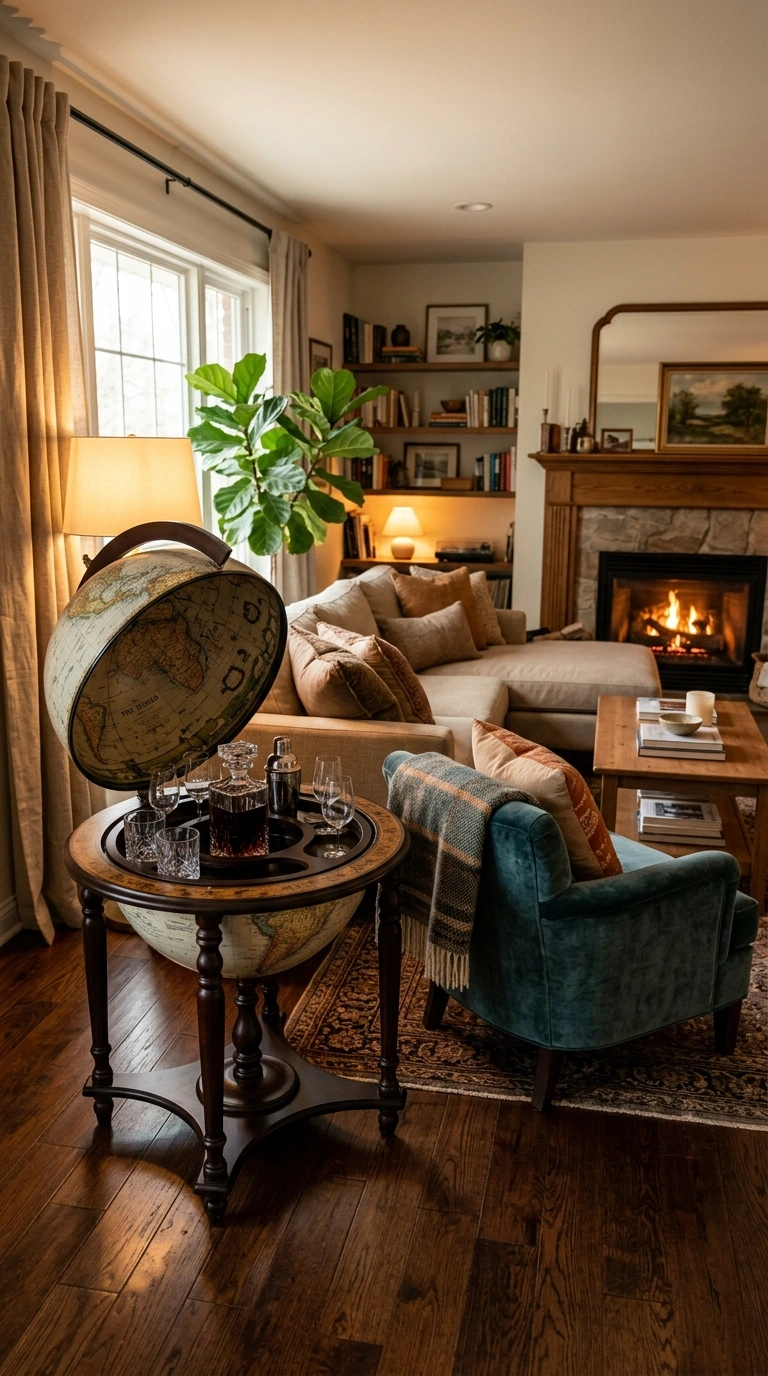
A vintage-style globe that opens to reveal a hidden bar or storage compartment combines function with thematic charm, echoing the exploration and discovery themes central to this look. It also makes a natural conversation starter positioned prominently in the room.
Styled with a few glasses and bottles when open, and simply as a striking decorative globe when closed, this piece adapts to whether you’re entertaining or keeping the room in its everyday state. This kind of dual-purpose novelty adds real personality without overwhelming the space.
18. Add Old Portraits or Classical-Style Art
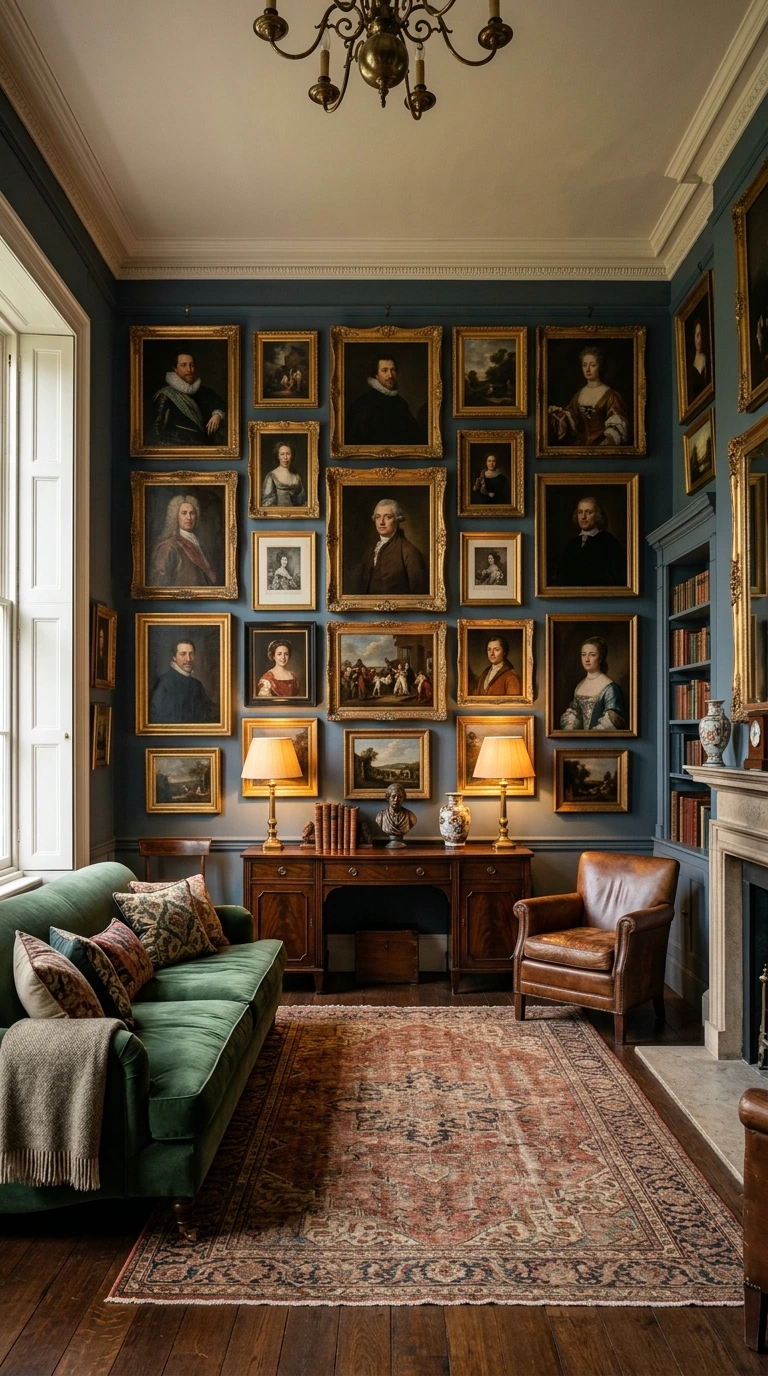
Framed portraits in a classical style, whether genuine antiques, reproductions, or thrifted finds, evoke the old academic institutions and family estates this aesthetic draws from. Ornate gold or dark wood frames reinforce the room’s overall sense of history.
Grouping a few portraits into a small gallery arrangement, rather than displaying just one, creates a more immersive, collected feeling. This detail works especially well above a mantel or console table if your living room includes one.
| Element | Key Color/Material | Where to Source | Impact Level |
|---|---|---|---|
| Wall Color | Deep green, brown, burgundy | Paint retailers | High |
| Seating | Leather, velvet, aged wood | Vintage/antique shops | High |
| Lighting | Brass, amber glass, chandelier | Vintage or reproduction lamps | High |
| Textiles | Velvet, Persian patterns | Rug and fabric retailers | Medium |
| Small Decor | Brass, aged paper, wood | Thrift stores, estate sales | Medium |
19. Use Leather-Bound Books as Styling Objects
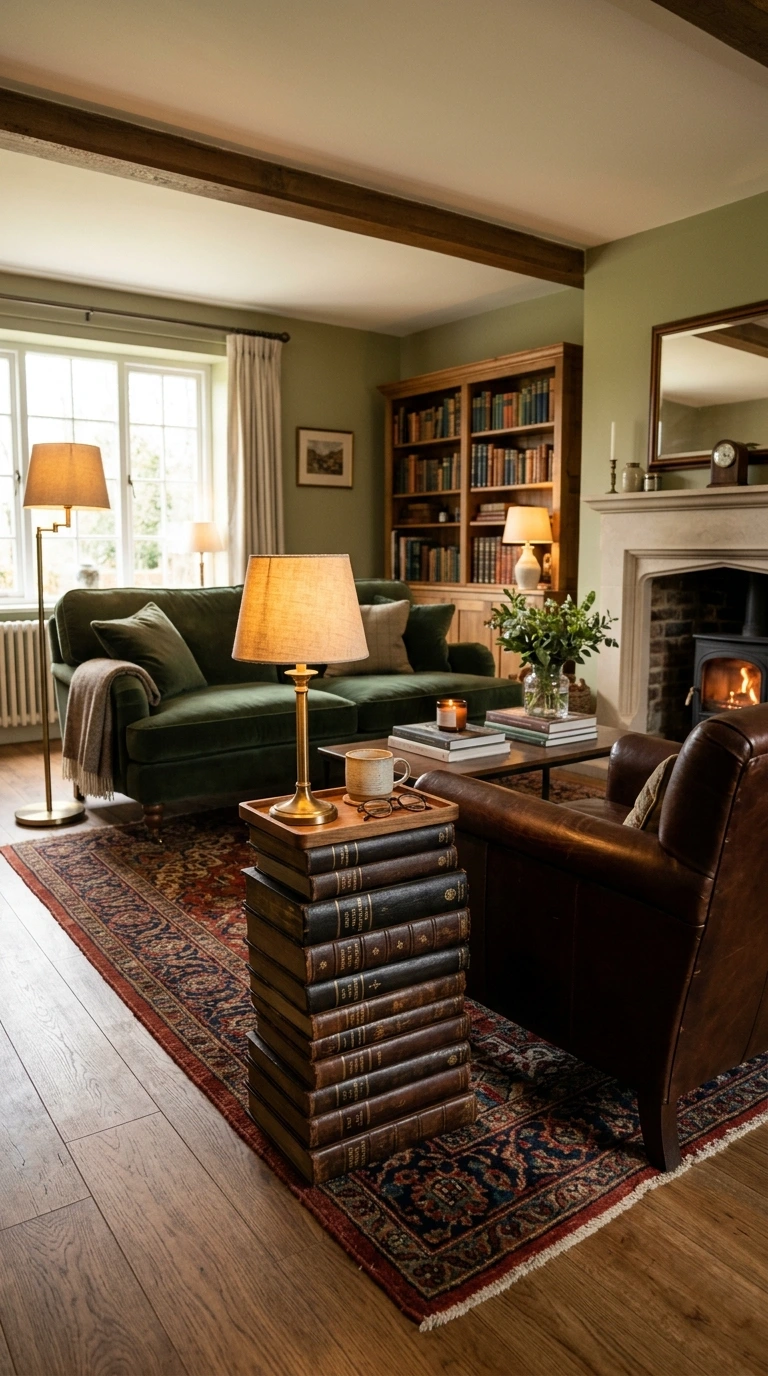
Beyond simply filling shelves, leather-bound books with visible age can be used deliberately, stacked as side table risers, grouped as a centerpiece, or arranged spine-outward on an open surface. This extends the room’s central book theme beyond the bookshelf itself.
Thrift stores and estate sales are excellent, affordable sources here, since genuinely old, worn volumes read as considerably more convincing than new books dressed up to look aged. Even books you don’t intend to read can serve this styling purpose effectively.
20. Add a Deep, Tufted Ottoman
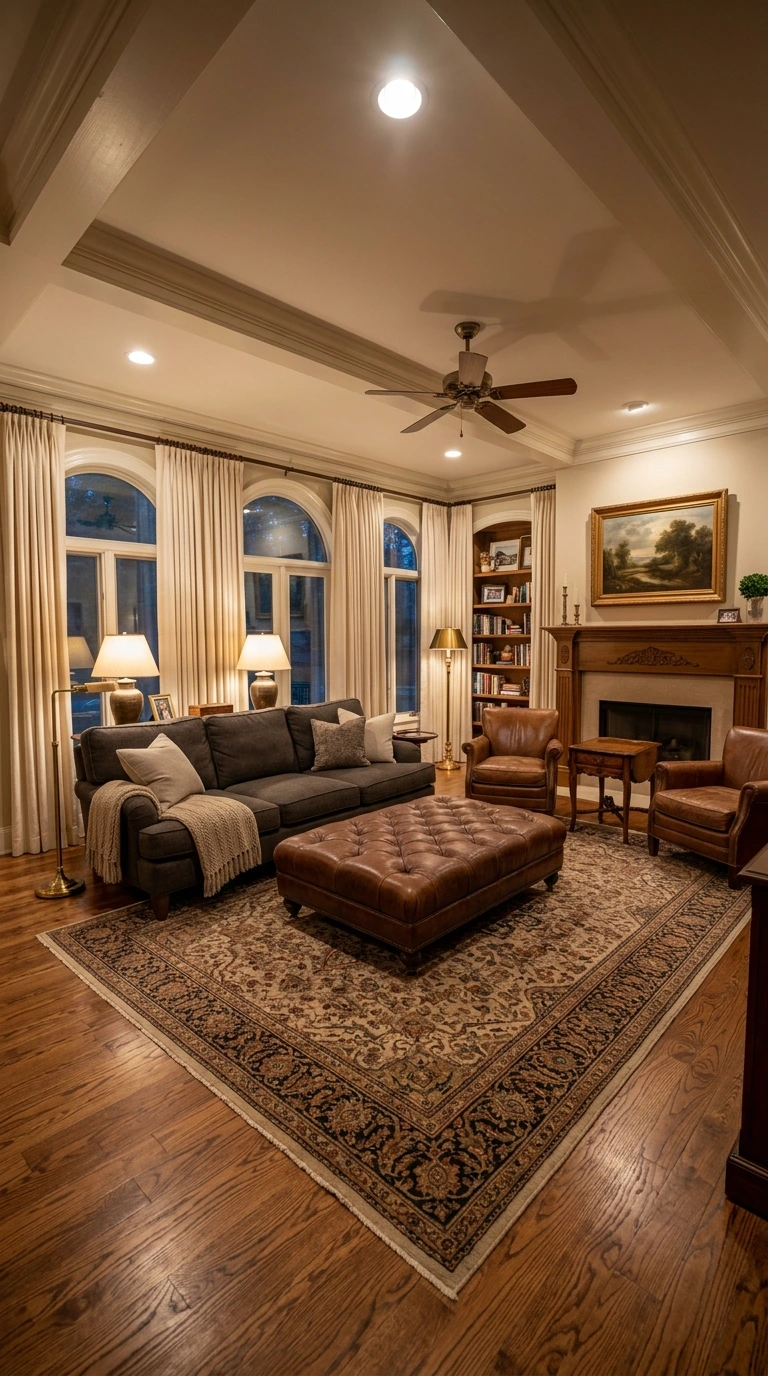
A large, tufted leather or velvet ottoman provides flexible extra seating or a footrest while adding to the room’s sense of old-world comfort. It works particularly well positioned in front of your main seating area, functioning almost as an extension of a Chesterfield sofa.
Choosing a color that complements your existing leather or velvet furniture, rather than introducing a competing new tone, keeps this addition cohesive. A tray placed on top also turns this piece into a functional surface for drinks or books when needed.
21. Incorporate Old Clocks
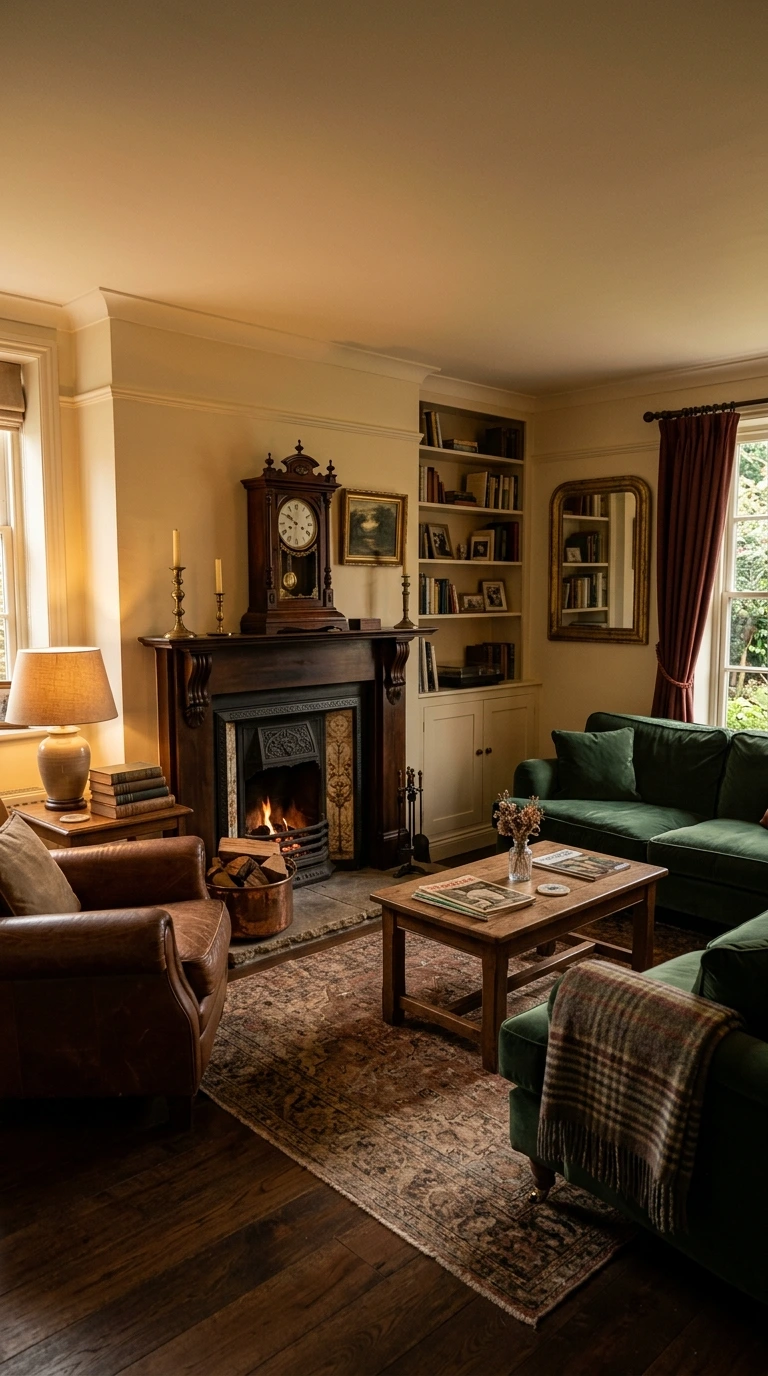
An antique or antique-style mantel clock, ideally with visible mechanical detail or an ornate case, adds both function and genuine period charm. The sound of a ticking clock also contributes subtly to the room’s contemplative atmosphere.
Positioning it centrally on a mantel or a prominent shelf gives this piece the visual weight it deserves. A slightly weathered clock case, rather than a pristine new one, again reinforces the collected-over-time feeling central to this aesthetic.
22. Add a Chess or Backgammon Table
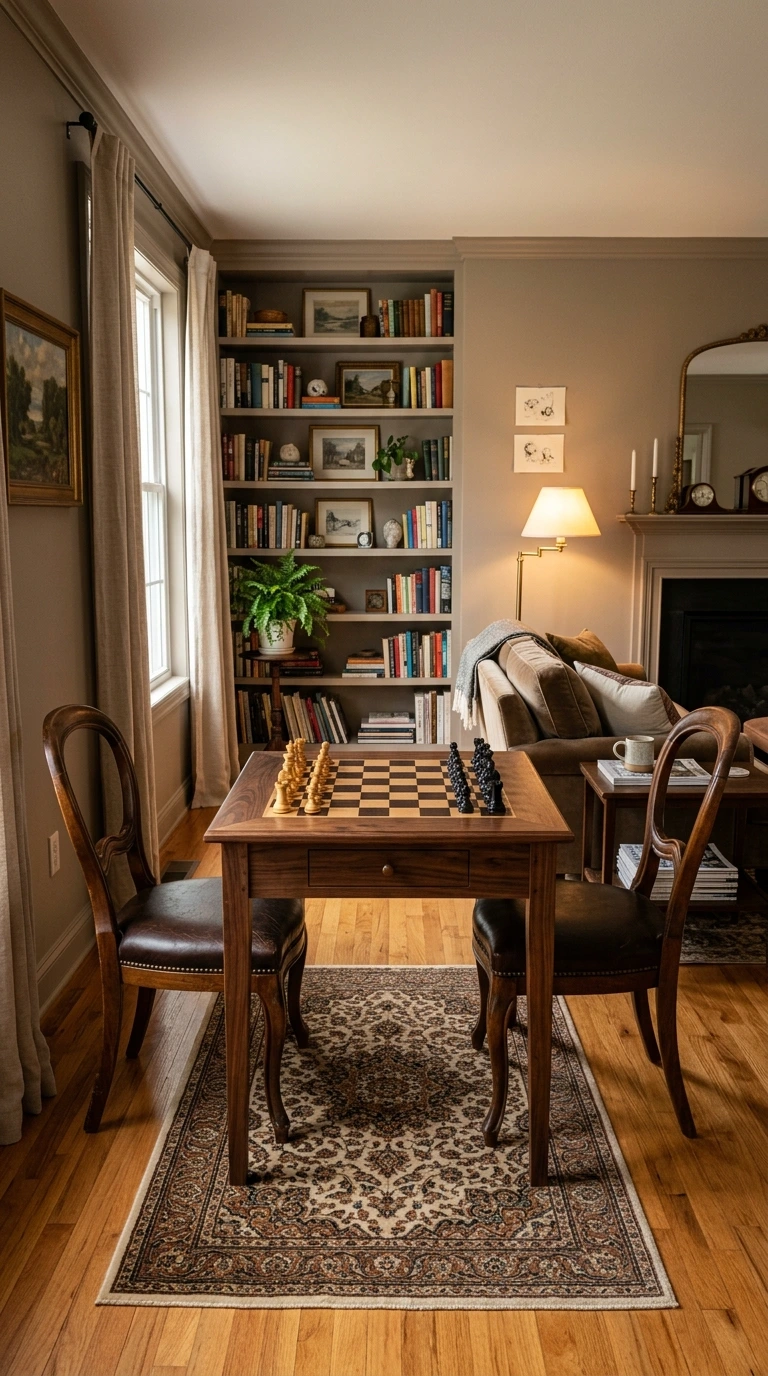
A wooden games table, styled with a chess or backgammon set left mid-game, suggests the quiet, intellectual leisure central to this aesthetic’s overall mood. It works well as secondary seating if your living room has space beyond the main sofa arrangement.
Choosing a table with an inlaid or carved board, rather than a simple flat surface with a separate board, adds genuine craftsmanship. Even if chess isn’t a regular activity in your household, the table itself contributes meaningfully to the room’s storytelling.
23. Use Wood Paneling or Faux Wainscoting
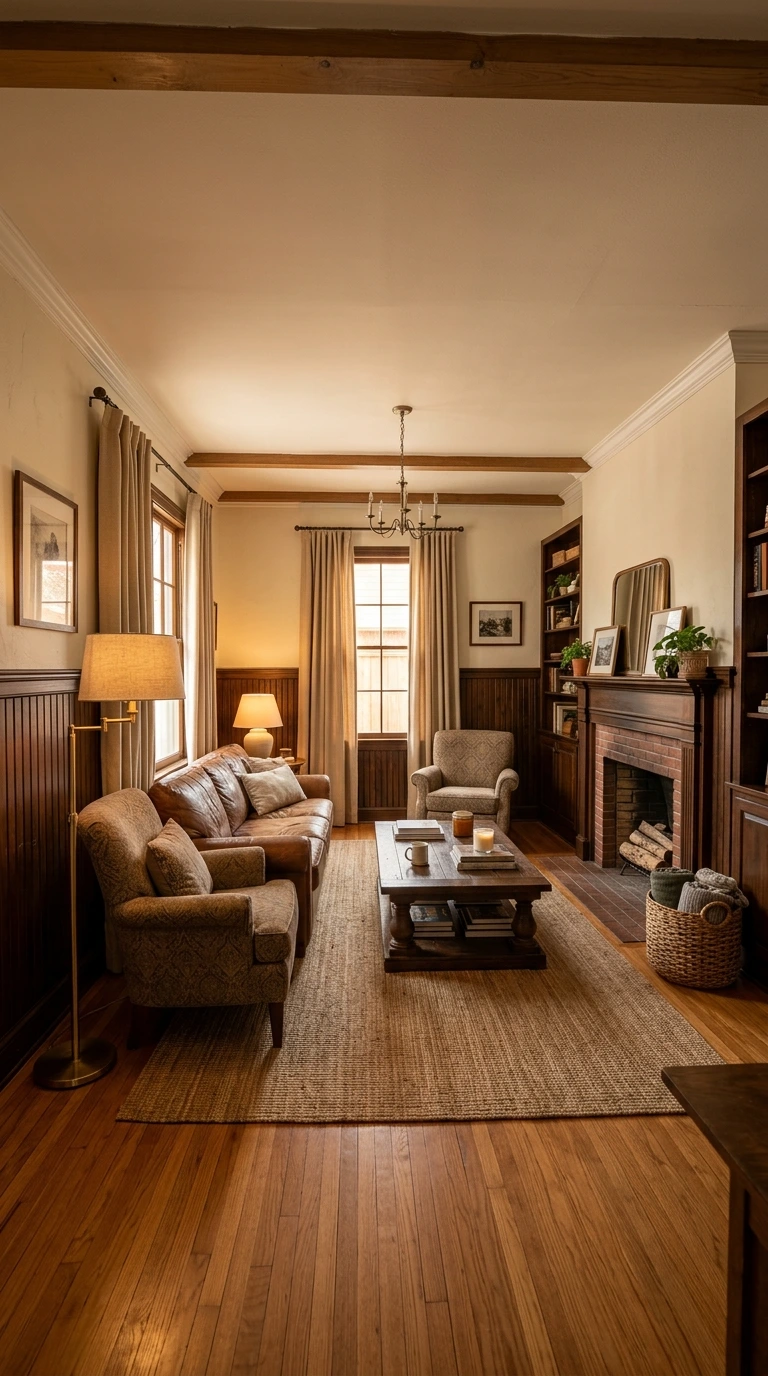
Real or faux wood paneling on the lower half of your walls adds architectural texture reminiscent of old libraries and university halls. This works particularly well in rooms with existing traditional molding or trim that can be built upon rather than fought against.
A rich, dark stain for this paneling, rather than a painted white or gray finish, keeps the addition consistent with the aesthetic’s overall palette. This is a bigger investment than most items on this list, but it delivers considerable authenticity to the room’s architecture.
24. Add a Console Table or Sideboard for Display
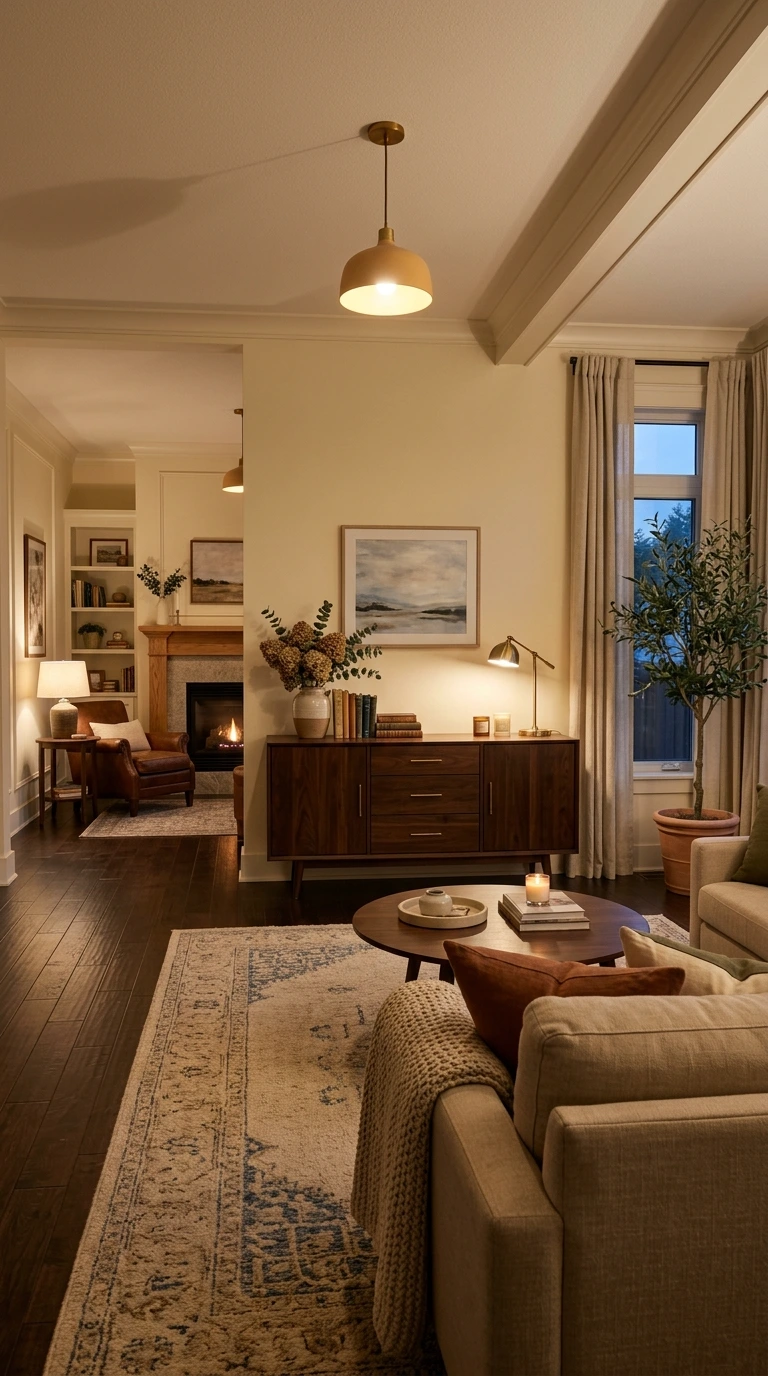
A dark wood console table or sideboard gives you a dedicated surface for candlesticks, framed photos, or a small vase without crowding your main seating area. This piece also adds storage, since a sideboard’s drawers or cabinets can hide anything that doesn’t fit the room’s visual scheme.
Choosing a piece with brass hardware and a rich wood finish ties it naturally to the rest of the room’s furniture. Styling the top with just a few objects, rather than crowding it, keeps this surface feeling intentional rather than cluttered.
- Include at least one piece suggesting old-world leisure, like a games table
- Add a working or decorative fireplace feature if possible
- Layer candlelight alongside your lamp lighting for evening ambiance
- Choose rugs and textiles in deep, saturated jewel tones
- Balance heavier furniture pieces with a few smaller styling objects
25. Incorporate Skeleton Keys and Old Hardware as Decor
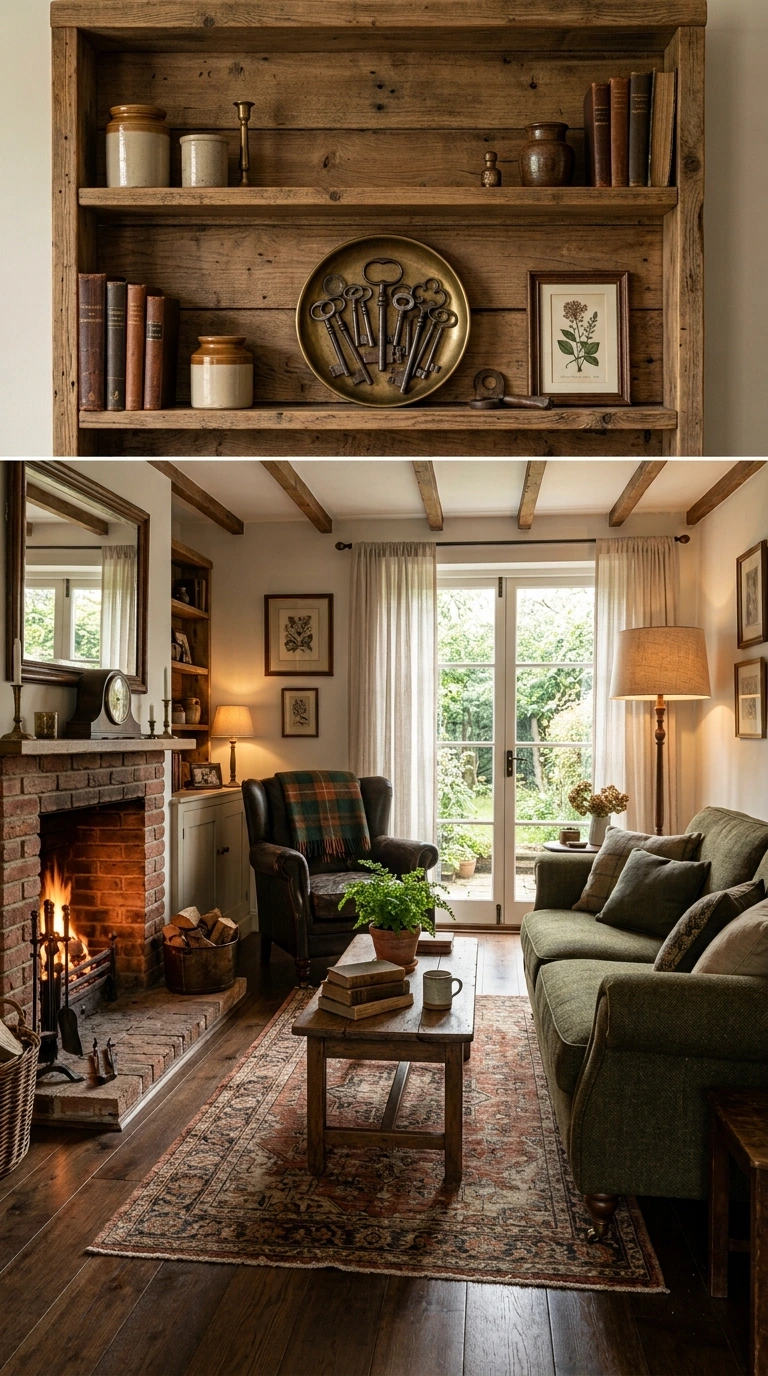
Vintage skeleton keys, old locks, or aged drawer pulls displayed as small objects add a subtle, almost mysterious detail consistent with this aesthetic’s sense of hidden knowledge. These small pieces work well grouped in a small dish or arranged simply on a shelf.
This is one of the more affordable, easy-to-source details on this list, since genuine old keys and hardware are widely available at flea markets and antique shops for relatively little cost. Even a small handful adds a meaningful layer of thematic detail.
26. Add Deep Jewel-Toned Throw Pillows
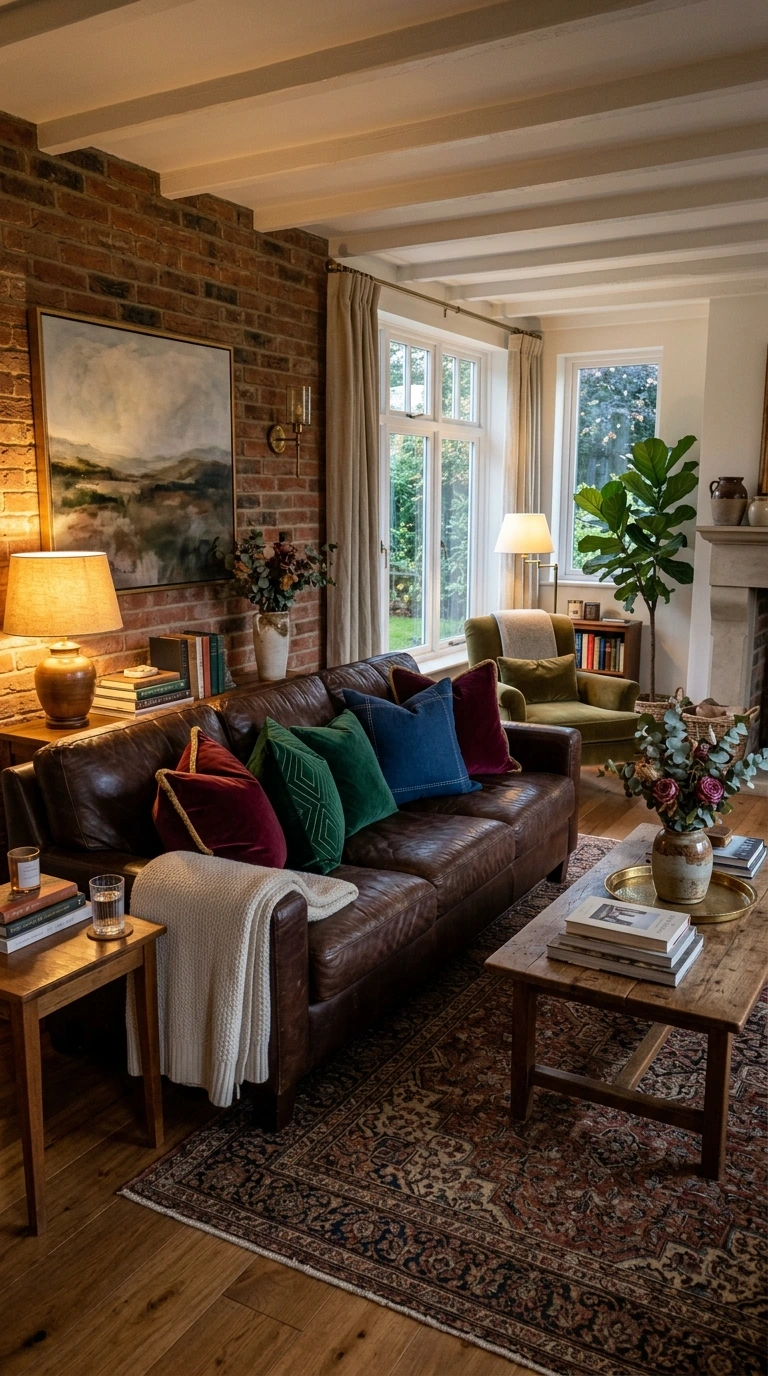
Burgundy, emerald, and sapphire velvet throw pillows layered on your leather sofa or Chesterfield add both comfort and rich color that complements the room’s dark palette. Velvet specifically reinforces the sense of old-world luxury central to this look.
Mixing classic patterns, plaid, toile, damask, or paisley, across a few pillows adds visual interest without clashing, provided you keep the overall color family consistent. This is one of the simplest, most affordable ways to bring genuine richness into the seating area.
27. Use a Vintage Record Player or Gramophone
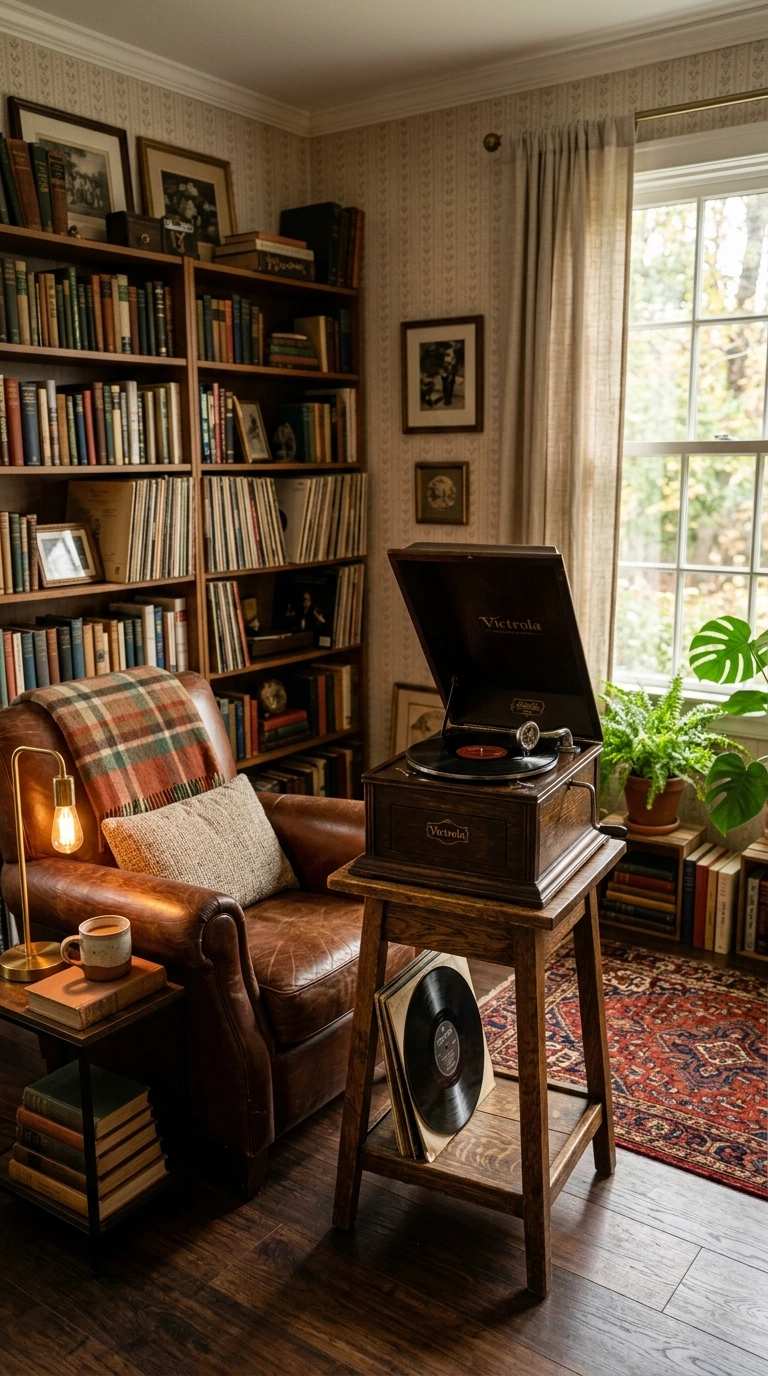
A vintage record player, whether functional or purely decorative, adds a sensory element and genuine period styling to a dark academia room. The physical ritual of selecting and playing a record also fits naturally into this aesthetic’s slower, more intentional approach to daily life.
Positioning it on a side table or dedicated stand, alongside a small collection of records, creates a cohesive vignette rather than a standalone object. This piece works especially well if you already enjoy vinyl, combining a genuine hobby with the room’s overall goals.
28. Add a Reading Chair With a Side Table and Lamp
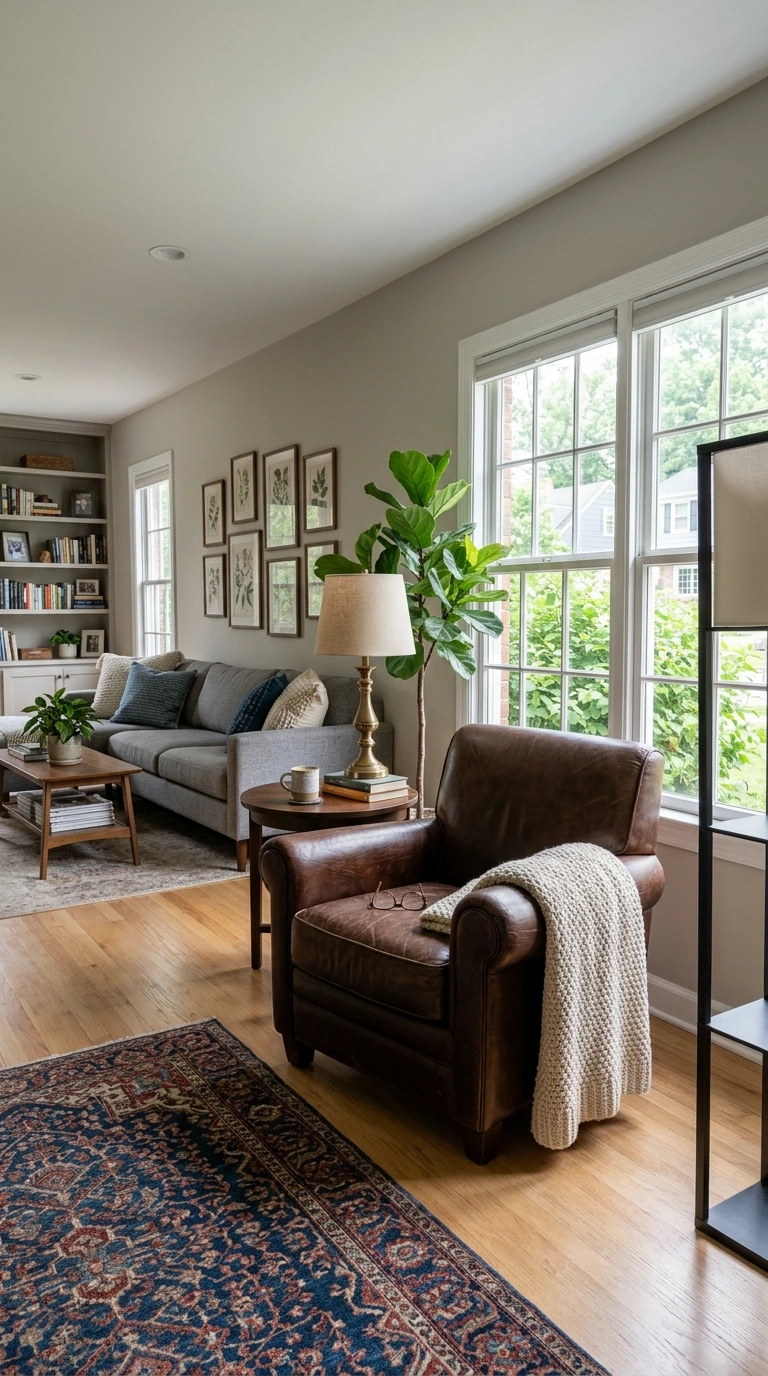
A single, well-appointed reading chair, paired with a small side table and dedicated lamp, creates a genuine, functional vignette central to this aesthetic’s core theme of quiet study. This setup should feel like a real spot someone would actually use, not just a styled corner.
Choosing a chair in leather or a deep, rich fabric, positioned near a window or your fireplace feature, completes this scene with real intention. This is one of the most important functional elements in the whole room, since dark academia is fundamentally about the act of reading, not just the visual aesthetic alone.
29. Incorporate Old Postcards, Letters, or Ephemera
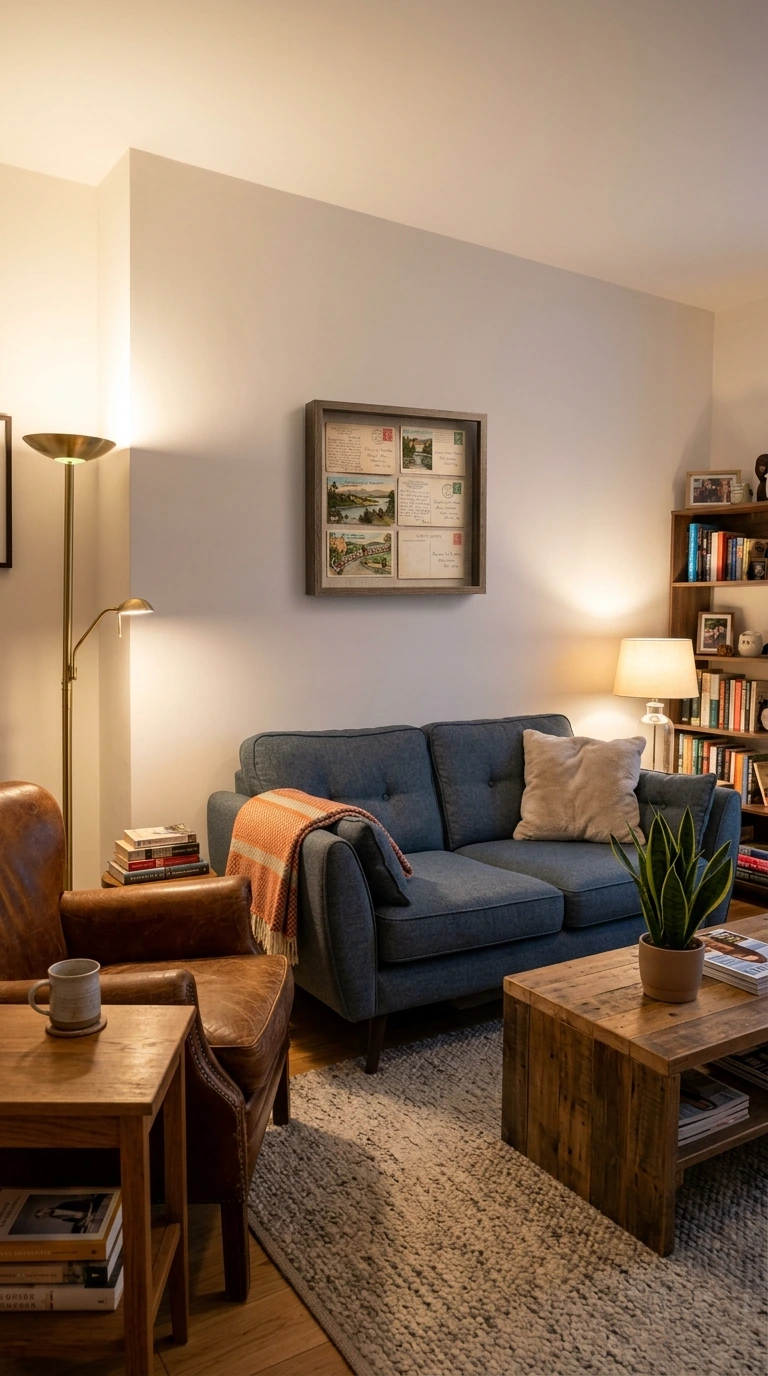
Displaying vintage postcards, old letters, or paper ephemera in a small frame, shadow box, or simply propped on a shelf adds genuine personal history and storytelling. These small paper details are easily overlooked but contribute meaningfully to the collected feeling this aesthetic depends on.
Estate sales and antique paper dealers are excellent sources here, often available for very little cost given how commonly this ephemera turns up in old collections. Even a handful of these pieces, displayed thoughtfully, adds real depth to the room’s overall storytelling.
30. Add a Ladder-Back or Wingback Chair
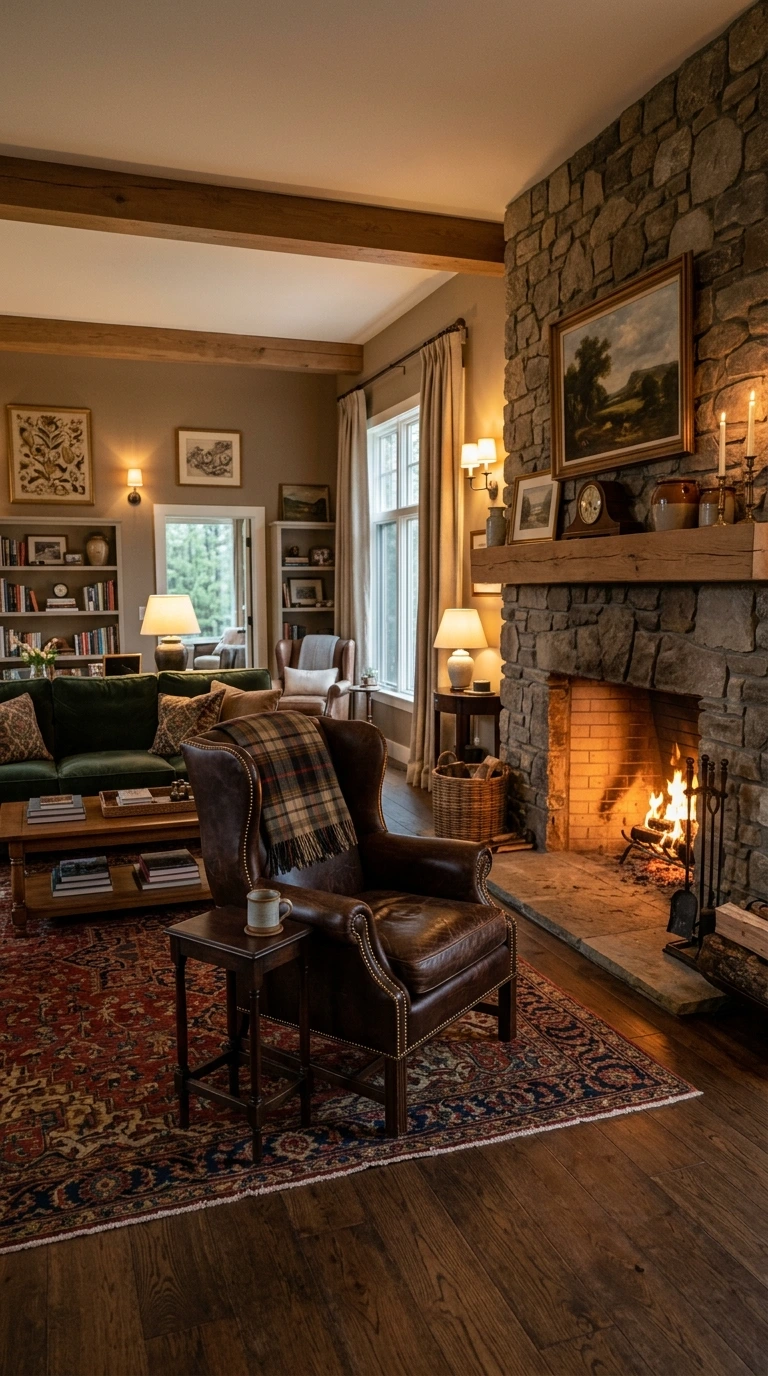
Beyond a leather Chesterfield, a ladder-back or wingback chair in a rich fabric or leather adds seating variety while maintaining the aesthetic’s overall traditional, scholarly feel. This kind of chair works particularly well as a secondary seat near your reading corner or fireplace.
A chair with some visible age or a deliberately vintage-inspired design, rather than a sleek modern silhouette, keeps this addition consistent with the room’s established style. A slightly worn wingback chair evokes countless hours spent reading, which fits this aesthetic perfectly.
31. Use Sepia and Aged-Tone Photography or Prints
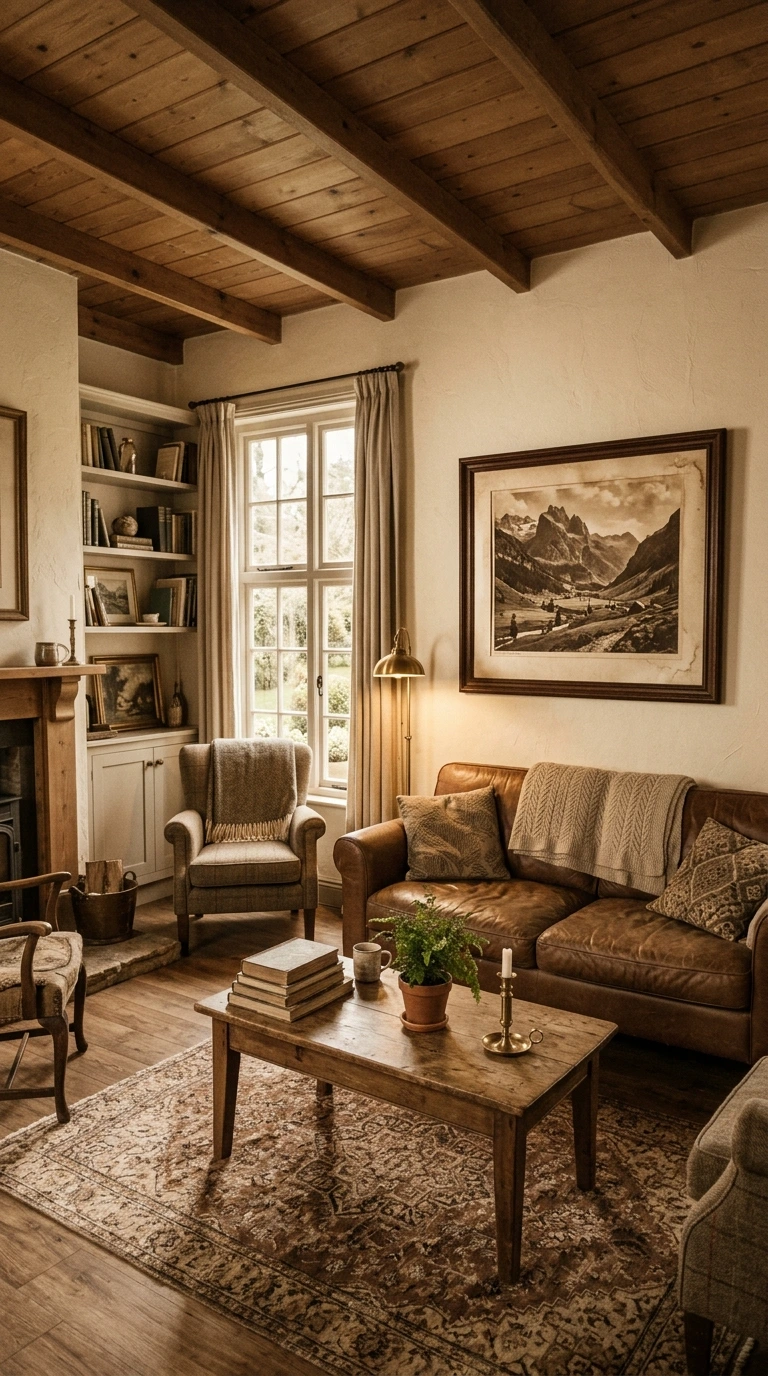
Black and white or sepia-toned photography, whether genuine vintage prints or new photography styled to evoke that look, adds visual texture consistent with the room’s aged, historical feeling. Botanical prints, old architectural studies, or classical portraiture all work particularly well within this theme.
Framing these in simple dark wood or ornate gold frames, rather than modern minimalist frames, keeps the presentation consistent with the room’s visual language. This detail is relatively easy and affordable to source, since vintage-style prints are widely available through both physical and online retailers.
32. Add a Vintage Suitcase or Trunk as a Side Table
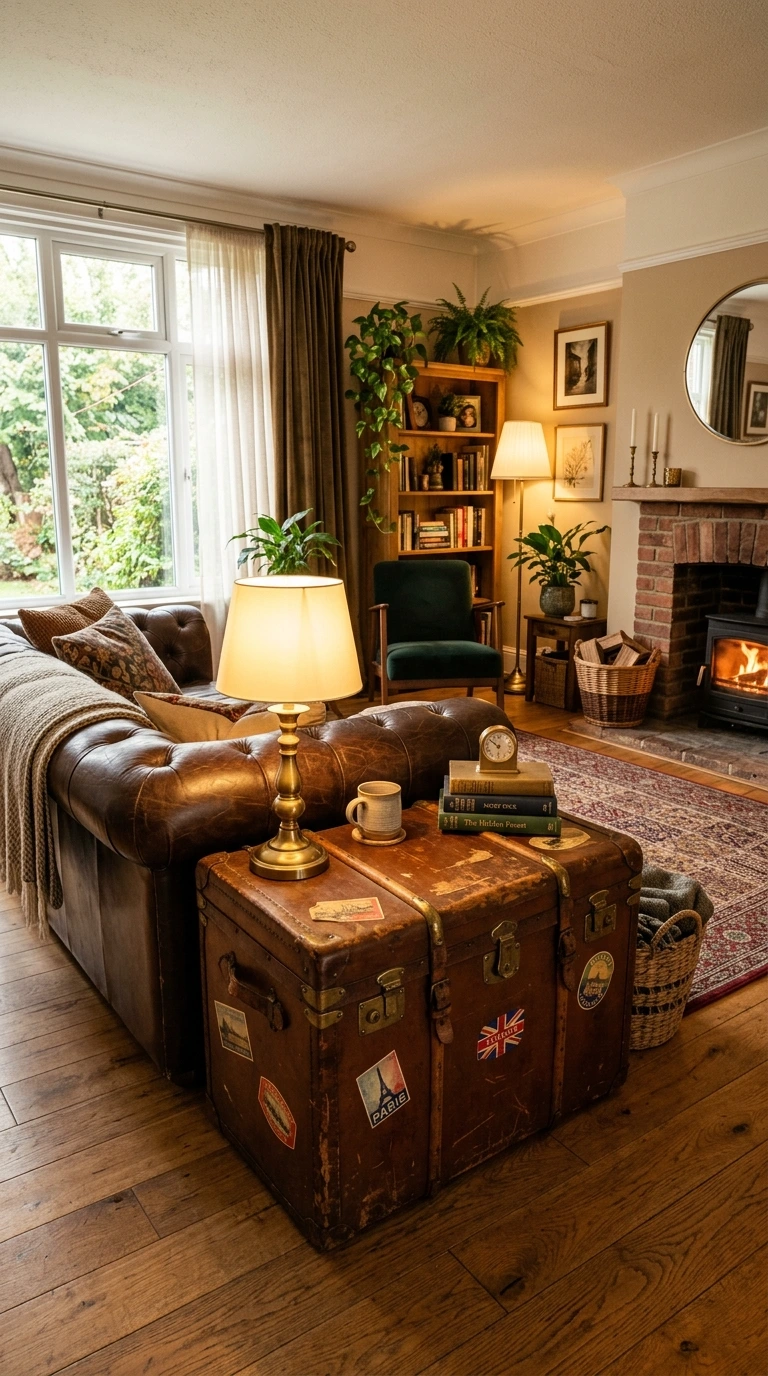
An old leather suitcase or wooden trunk, used as an unconventional side table, adds genuine character and a sense of travel and adventure consistent with this aesthetic’s broader themes. This piece also provides hidden storage inside for blankets or books.
A piece with visible age, like worn leather straps or brass corner protectors, reinforces the authenticity this style depends on. This kind of repurposed furniture often costs considerably less than dedicated new furniture while delivering more genuine character.
33. Incorporate a Wall of Framed Diplomas or Certificates
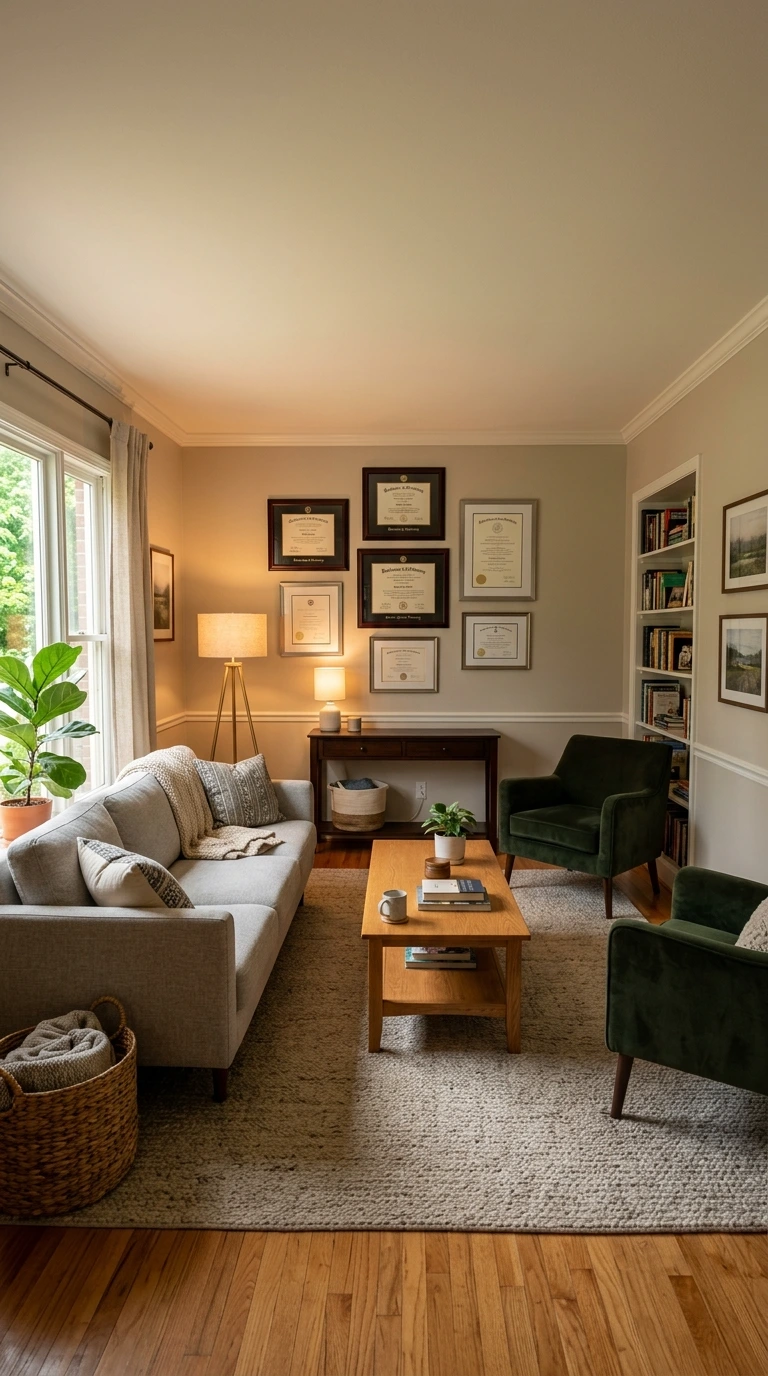
Whether genuine family heirlooms or thoughtfully sourced vintage examples, framed diplomas or certificates evoke the academic achievement central to this aesthetic’s very name. This detail works particularly well arranged in a small grouping alongside other framed pieces.
This is a more personal, harder-to-source detail than most others on this list, since genuine family documents naturally carry more meaning than purchased reproductions. For those without their own family pieces to display, antique document dealers sometimes carry genuinely old, anonymous certificates that still achieve the intended visual effect.
34. Add Dried Botanicals or Pressed Flowers
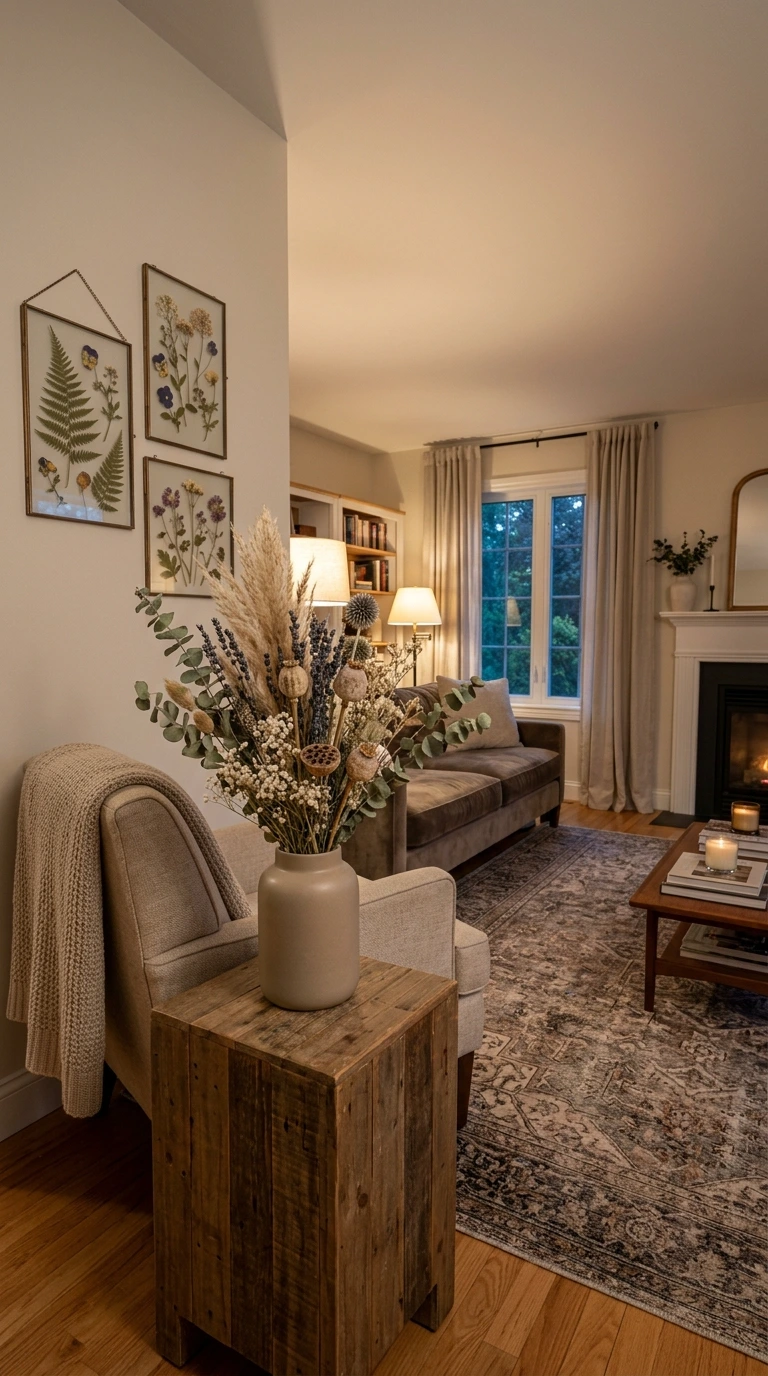
Dried floral arrangements, pressed botanical specimens in small frames, or simple branches in a vase bring a quiet, natural element to the room without disrupting its overall moody atmosphere. This detail connects to the natural history and scientific curiosity often woven into this aesthetic’s broader themes.
Muted, faded colors over anything bright or fresh-looking keep this detail consistent with the room’s overall aged look. A simple bundle of dried eucalyptus or lavender in an antique vase achieves this effect with minimal cost or effort.
35. Use a Vintage Typewriter as a Display Piece
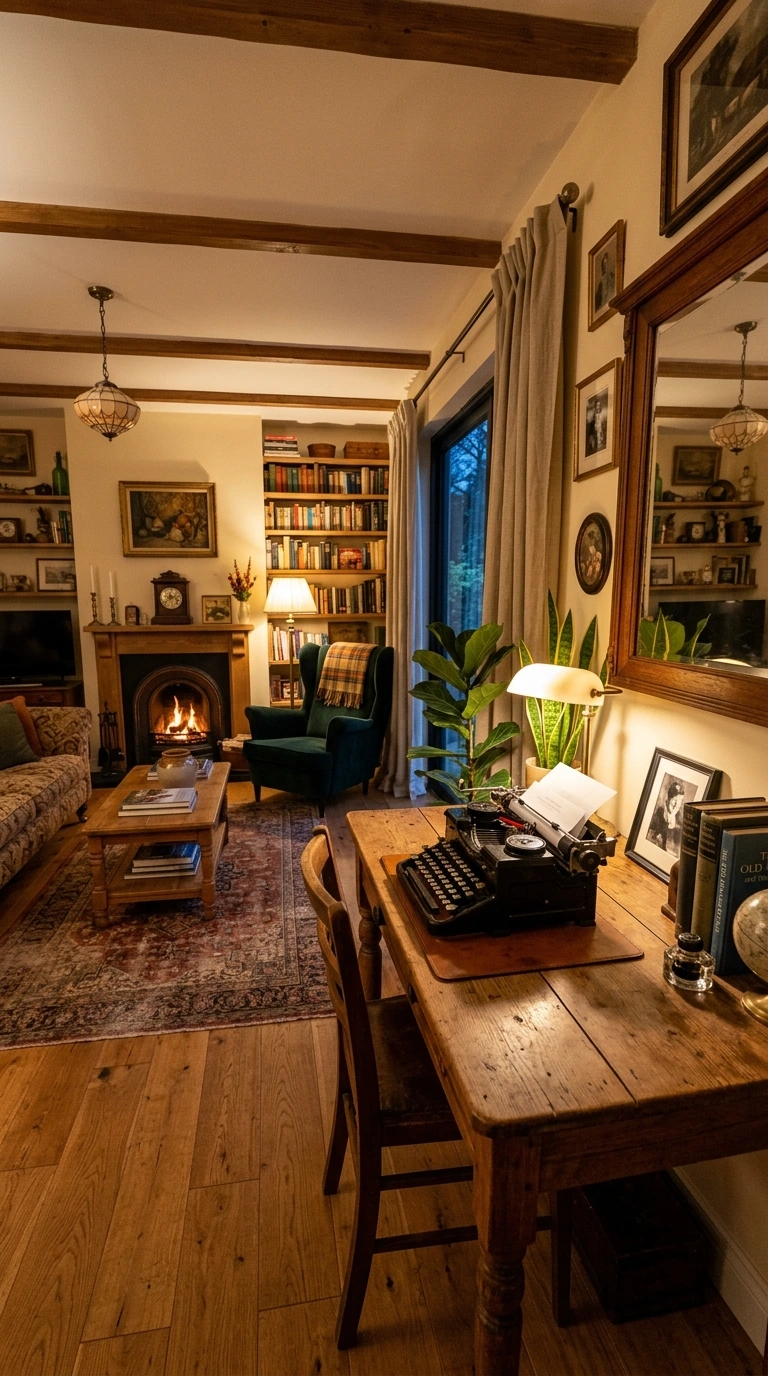
A genuine vintage typewriter, whether functional or purely decorative, is one of the most immediately recognizable dark academia symbols, evoking a writer deep in focused work. This piece works beautifully displayed on a desk, side table, or even a dedicated shelf.
A model with visible age and character, rather than a pristine, fully restored example, often reads as more authentic to this aesthetic’s overall sensibility. Even non-functional typewriters serve this purely decorative purpose effectively.
- Layer in personal or found ephemera like old letters and postcards
- Choose furniture pieces that suggest genuine use rather than pristine condition
- Include at least one piece connected to writing or reading specifically
- Balance darker furniture with a few lighter paper or botanical details
- Source key pieces from estate sales and antique shops when possible
36. Add a Wooden Ladder or Sliding Bookshelf Hardware
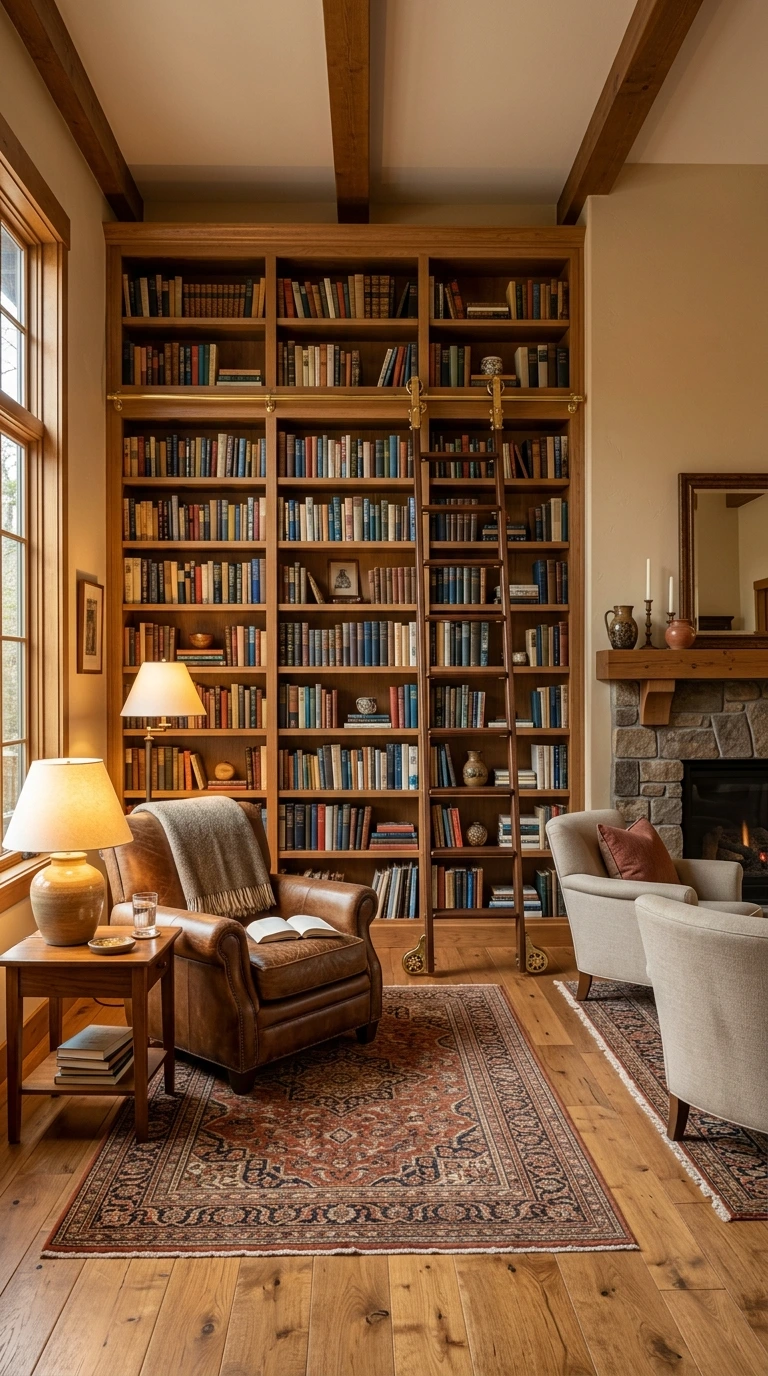
Beyond a dedicated library ladder, sliding brass hardware along a bookshelf’s top rail adds genuine architectural detail, particularly useful for taller shelving units. This hardware signals a serious, well-organized book collection even before any books are placed on the shelves.
An aged or oil-rubbed bronze finish for this hardware, rather than a bright, polished metal, keeps the detail consistent with the room’s overall warm palette. This is a more involved installation than most items here, but it delivers genuine functional and visual impact to a serious bookshelf wall.
37. Incorporate a Small Writing or Correspondence Station
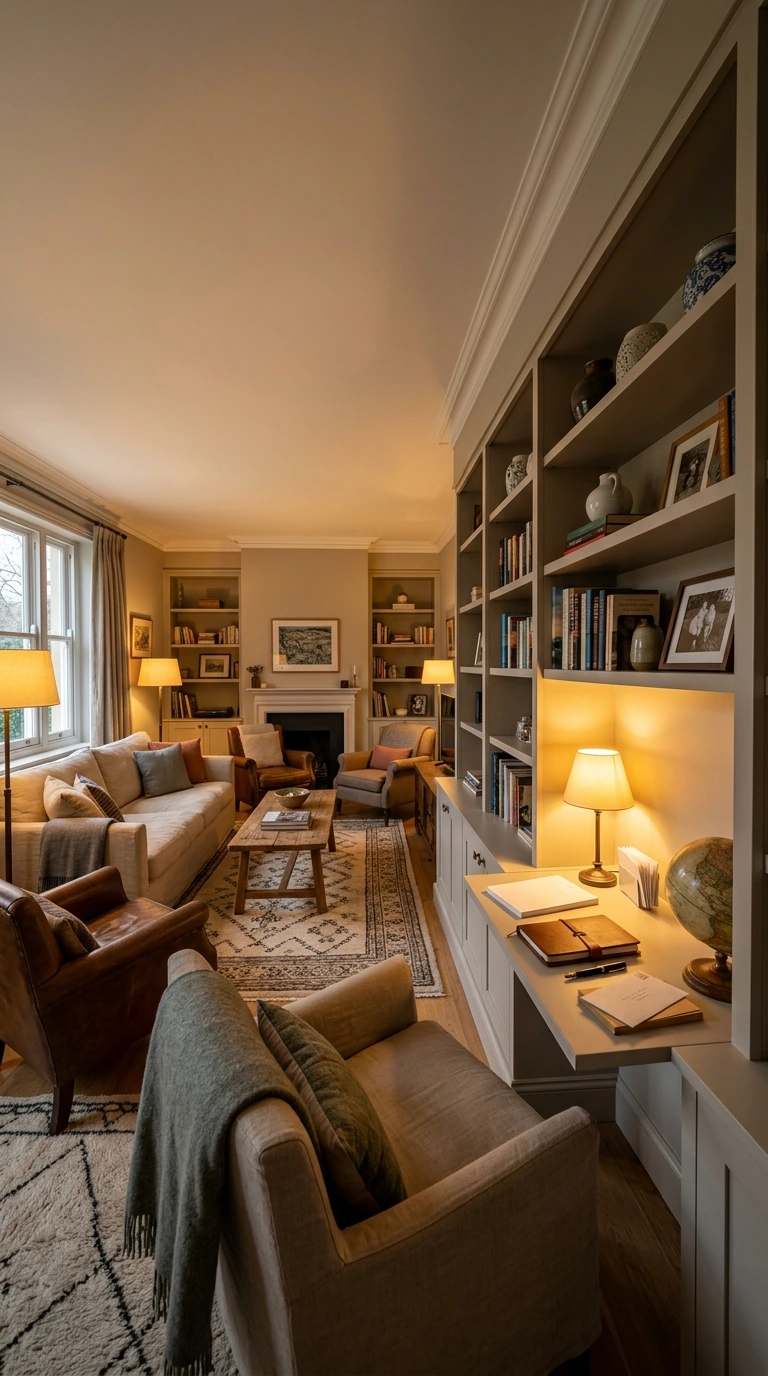
Beyond a full desk, even a small corner with quality stationery, a fountain pen, and wax seal supplies suggests the kind of thoughtful, old-fashioned correspondence this aesthetic often romanticizes. This detail works well tucked into a shelf nook or a small side table.
Styling this station with a few pieces of blank, high-quality paper and an inkwell, even without regularly handwriting letters, completes the vignette convincingly. This is one of the smaller, more affordable details here while still contributing meaningfully to the room’s storytelling.
38. Add a Deep-Colored Throw Blanket in Wool or Tweed
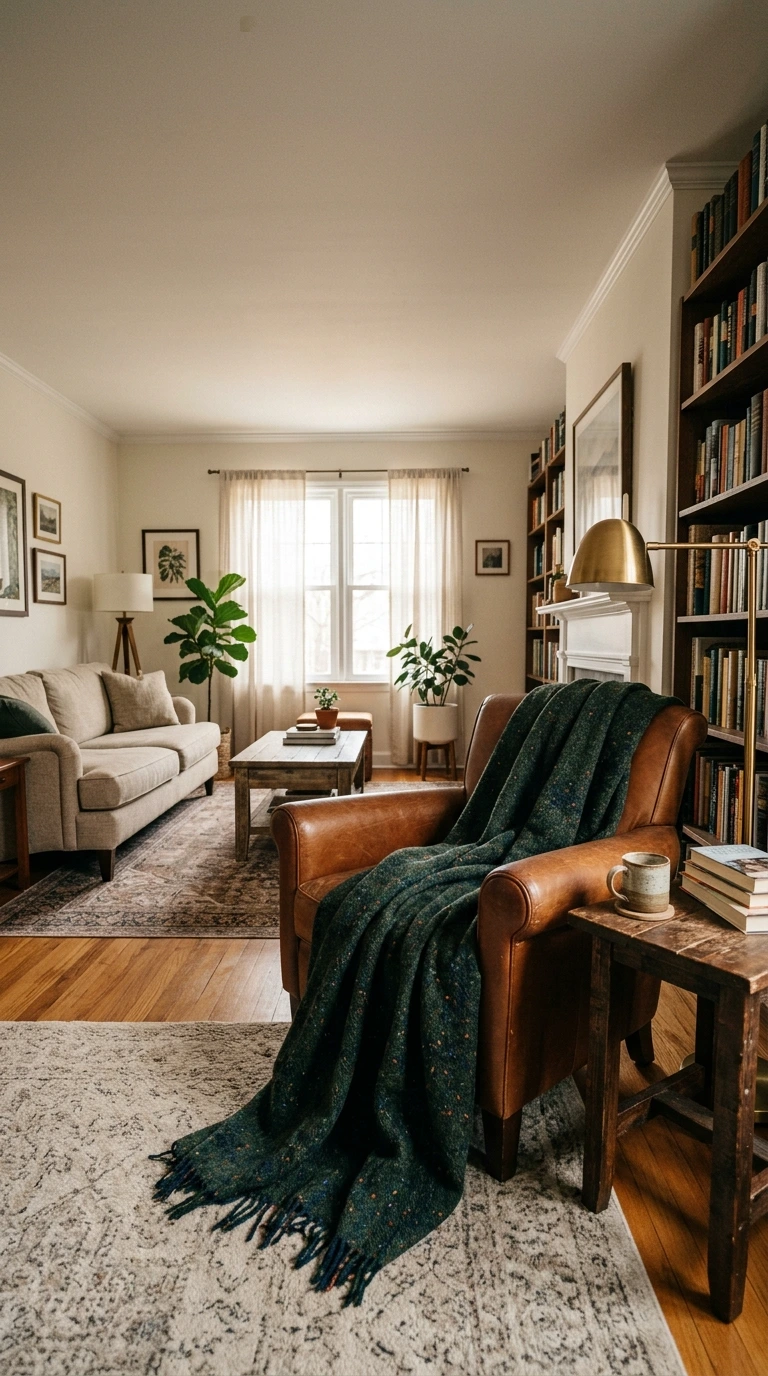
A chunky wool or tweed throw blanket in a deep, muted tone, draped over your reading chair or sofa, adds both comfort and texture consistent with the room’s old-world, academic feeling. Tweed in particular connects visually to traditional British university style.
A plaid or herringbone pattern, rather than a solid color, adds subtle visual interest while still fitting comfortably within the room’s established palette. This is one of the most functional additions on this entire list, since it serves real comfort alongside its styling purpose.
39. Use Aged Mirror Glass or Antiqued Mirrors
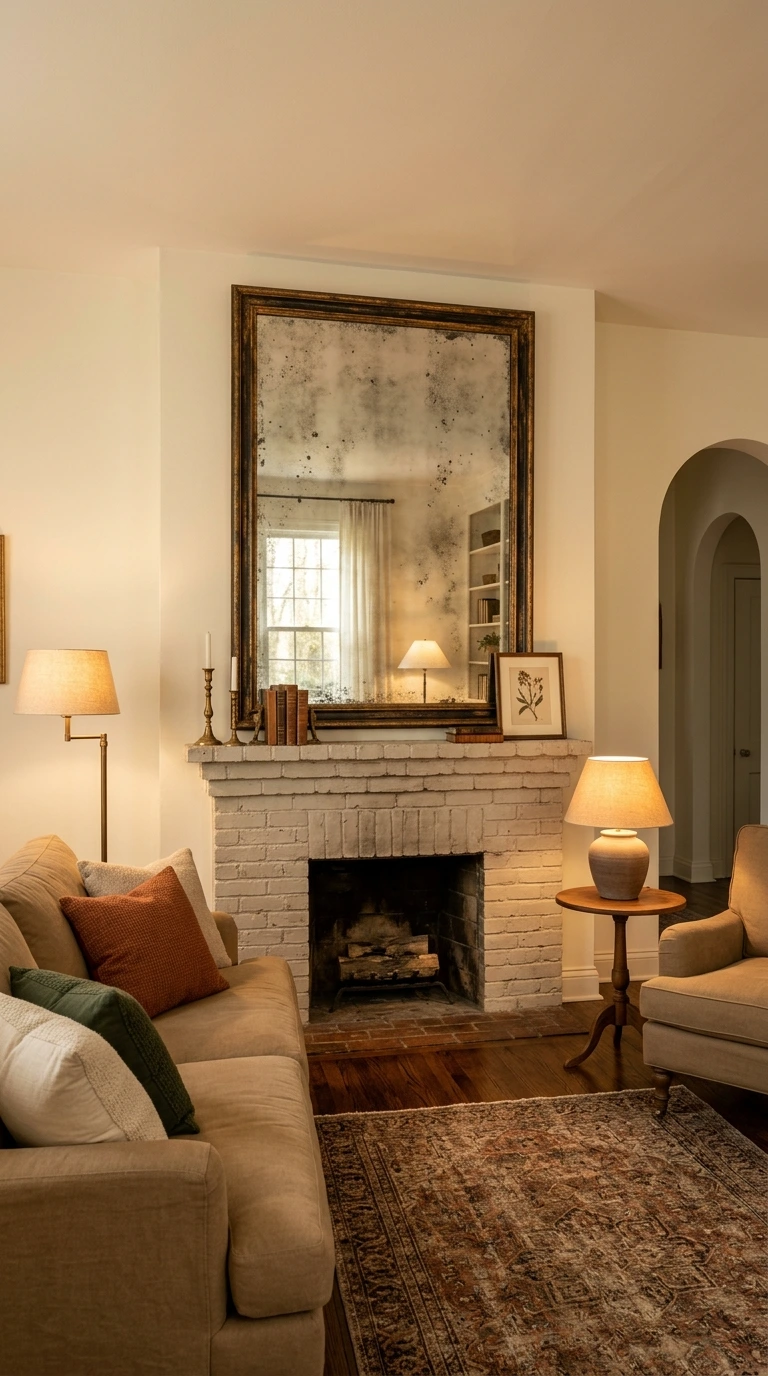
A mirror with an aged, slightly clouded or spotted finish, rather than a perfectly clear modern mirror, adds to the room’s overall sense of history and time passed. This kind of antiqued glass reflects light with a softer, more atmospheric quality than a flawless modern mirror.
An ornate frame in dark wood or aged gold for this mirror reinforces the aesthetic’s overall visual language. Positioned to reflect a bookshelf or a warm lamp, this piece also contributes to the room’s overall depth and light distribution.
40. Personalize With Your Own Genuine Collections and Interests
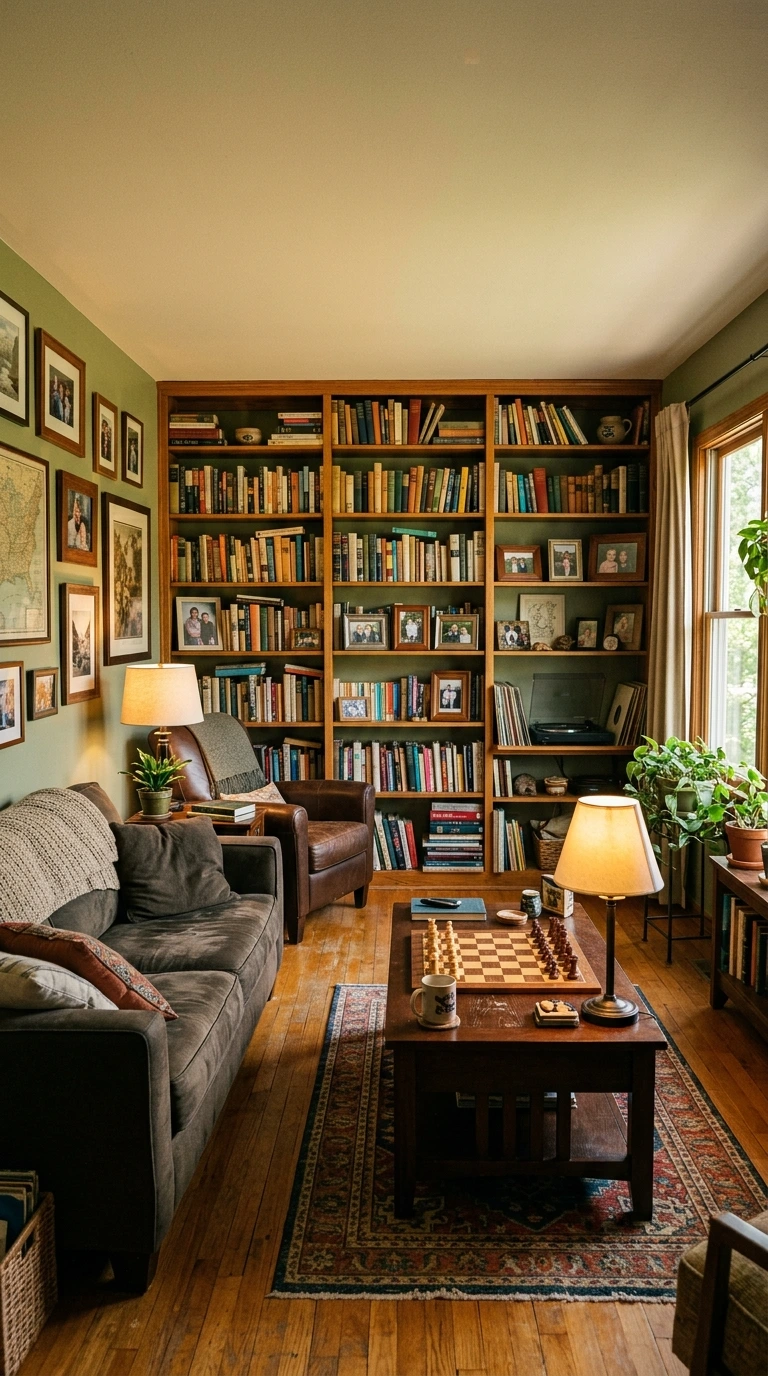
Beyond any specific item on this list, the most convincing dark academia living rooms are built around the occupant’s actual interests, whether that’s a real book collection, a genuine hobby like chess or vinyl records, or family heirlooms with real personal history. This authenticity is what separates a room that feels genuinely lived-in from one that feels like a themed rental.
Don’t feel obligated to include every element described here just because it fits the aesthetic on paper. The most successful dark academia rooms ultimately reflect a real person’s actual intellectual curiosities and collected history, not a perfectly assembled checklist of trend-approved objects.
Frequently Asked Questions
1. Do I need real antiques to achieve a convincing dark academia look?
No, quality reproductions and thoughtfully sourced secondhand pieces can achieve a very similar effect without the cost or fragility of genuine antiques. What matters most is choosing pieces with visible age, texture, and character rather than anything that looks brand new or overly polished.
2. Is dark academia too dark for a small living room?
Not necessarily, though smaller rooms benefit from careful attention to layered lighting to avoid feeling genuinely cramped rather than moodily atmospheric. Multiple warm light sources and at least one lighter element, like aged paper ephemera or a mirror, help keep even a smaller room feeling balanced.
3. What’s the most important single element for achieving this look?
Warm, layered lighting is arguably the most foundational element, since even the right furniture and color palette will fall flat under a single bright overhead fixture. Getting the lighting right first makes every other design decision read as intentional.
4. Can I achieve this look on a budget?
Yes, thrift stores, estate sales, and secondhand marketplaces are often the best and most affordable sources for the aged, characterful furniture and objects this aesthetic depends on. Genuinely old pieces frequently cost less than new furniture trying to replicate the same worn look.
5. Does dark academia work well with modern furniture pieces mixed in?
It can, as long as modern pieces are kept minimal and chosen for genuine function rather than visual prominence, since the overall aesthetic depends on a cohesive vintage, scholarly feeling throughout. A few modern comfort items, like a contemporary sofa cushion insert, can work invisibly within an otherwise traditional piece.
6. How do I keep this look from feeling like a costume rather than genuine style?
Building the room around your actual interests, books you genuinely read, hobbies you actually enjoy, rather than purely decorative objects chosen for their aesthetic value alone, is the best way to keep the look feeling authentic. Personal history and genuine use matter more than checking off every trend element.
7. What colors should I avoid in a dark academia living room?
Bright, saturated colors, pastels, and anything overly modern or minimalist in feeling work against this aesthetic’s deep, muted, historical color palette. Sticking to browns, greens, burgundies, and warm neutrals keeps the overall look cohesive and intentional.
Conclusion
Building a genuine dark academia living room comes down to layering warmth, history, and personal intellectual interest rather than simply painting a room dark and calling it done. Rich colors, aged wood and leather furniture, warm layered lighting, and a real, well-loved book collection all work together to create the moody, scholarly atmosphere this aesthetic is known for.
Start with lighting and one or two key furniture pieces, then build outward with the smaller details, books, ephemera, and personal collections, that make the look feel genuinely yours. Your living room might just become the cozy, intellectual retreat this whole aesthetic was designed to evoke.
Ready for more design inspiration? Explore our other home aesthetic guides to keep building spaces that reflect exactly who you are.