30 Spring Home Decor Refresh Ideas: Light, Bright, and Fresh for the New Season

Introduction
After months of heavy textiles and dim winter lighting, spring is the perfect excuse to open up your home and let some lightness back in. A spring refresh doesn’t mean redecorating from scratch, it means editing, swapping, and brightening what you already have.
The best spring homes feel airy and fresh without losing warmth entirely. It’s a season of transition, so the goal is balance, lighter colors and textures that still feel comfortable rather than sterile.
In this guide, you’ll find 30 spring home decor refresh ideas covering everything from color palettes and textiles to greenery and small styling swaps. Pick a few that speak to your space, and let your home breathe a little easier this season.
1. Swap Heavy Curtains for Light, Airy Fabrics
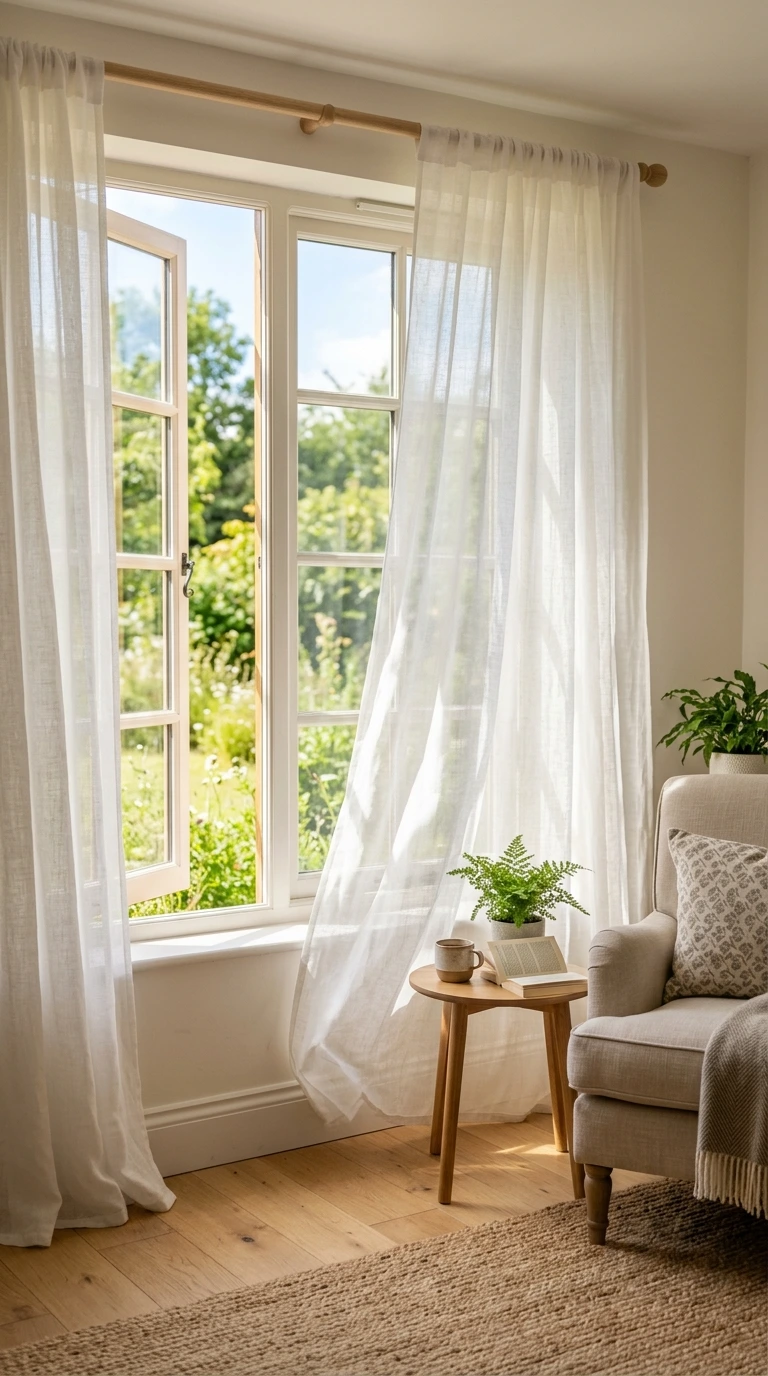
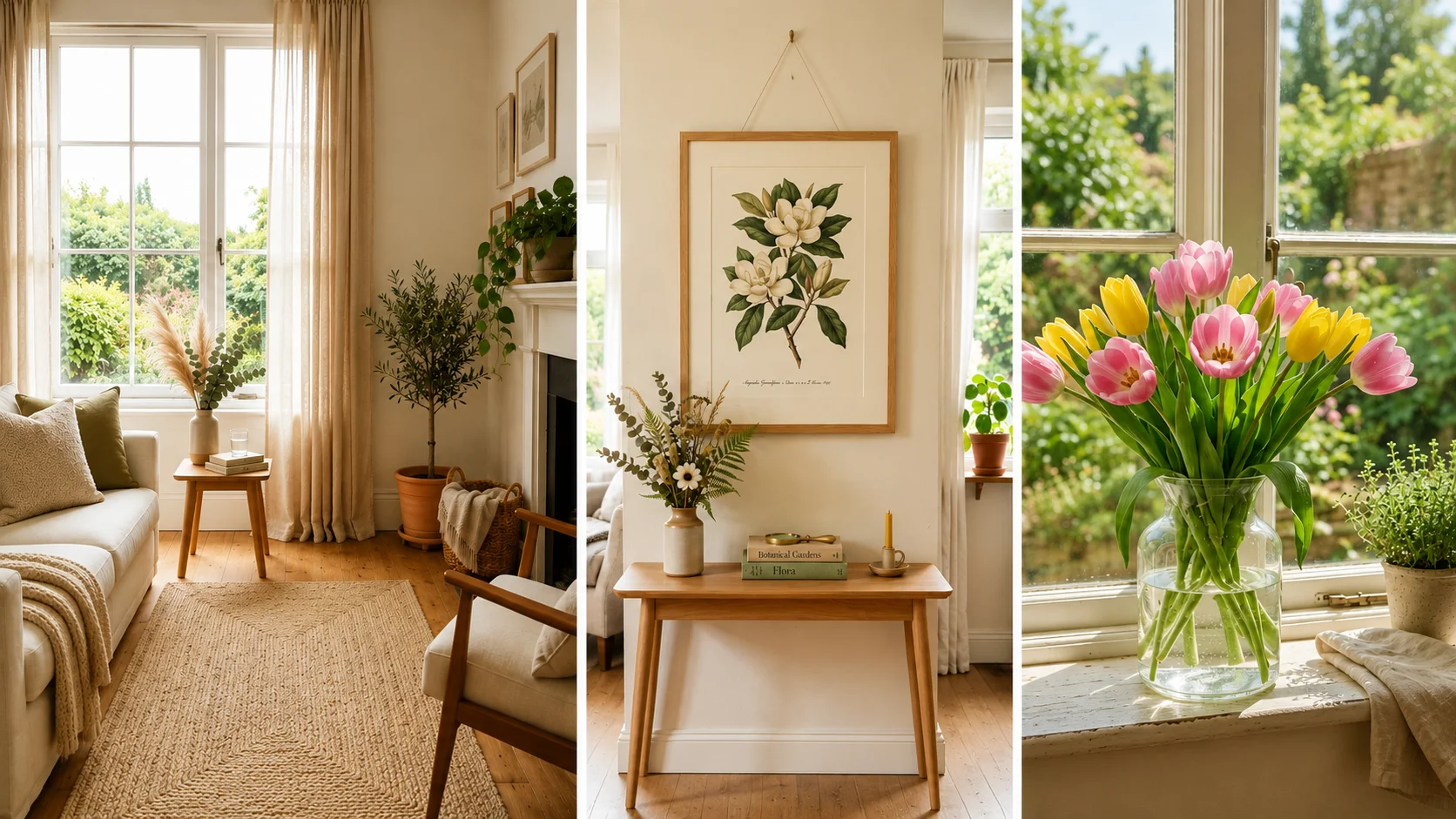
Trading winter’s velvet or wool-blend curtains for lightweight linen or cotton instantly changes how a room feels and how much natural light it lets in. Sheer or semi-sheer panels in particular let sunlight filter through softly rather than blocking it out.
This seasonal swap is one of the simplest, highest-impact spring changes you can make, since curtains affect both the visual weight and the actual brightness of a room. Store your heavier curtains properly folded or hung so they’re ready to bring back out once the weather turns again.
2. Refresh Your Color Palette with Pastels
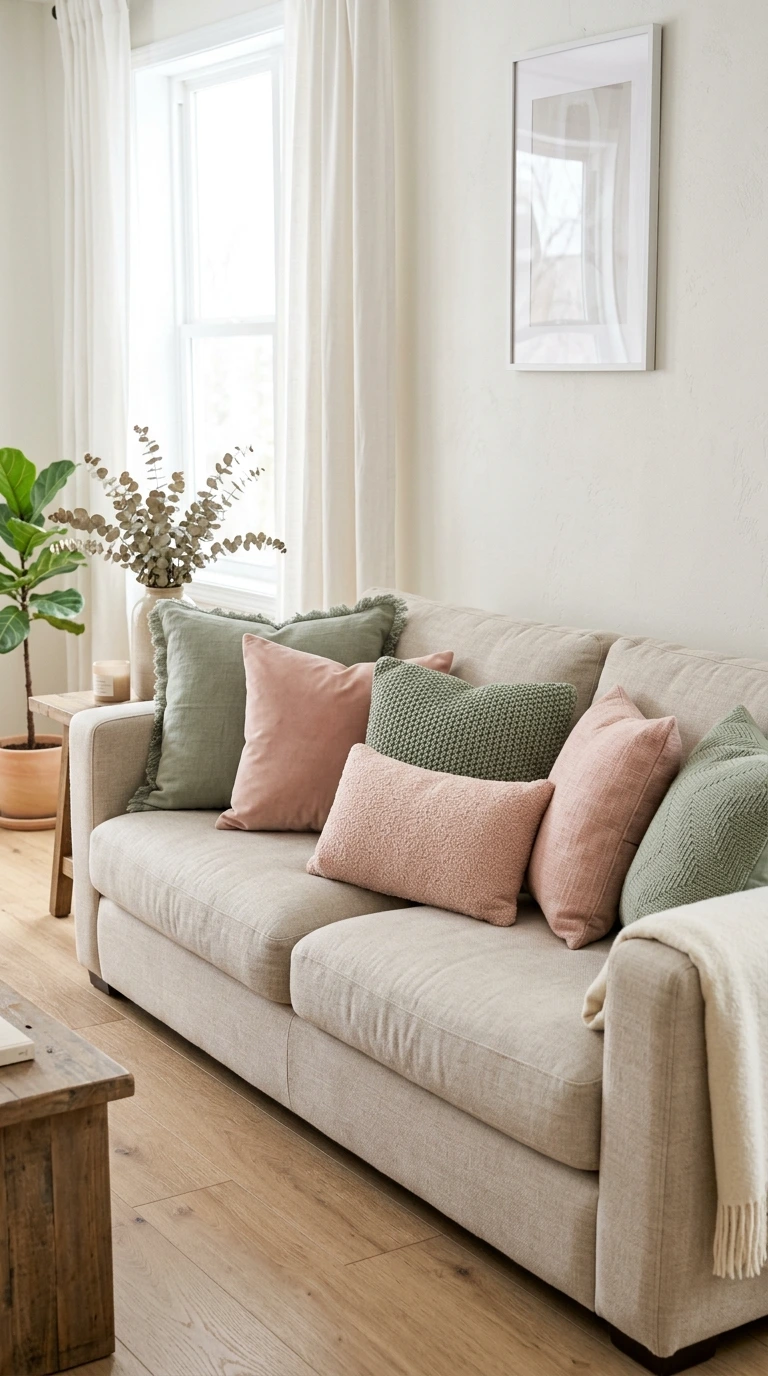
Introducing soft pastels, like blush pink, sage green, or pale yellow, through pillows, throws, or small decor pieces shifts a room’s whole mood toward spring without requiring any major purchases. These colors work especially well layered over the neutral base most homes already have.
Choose one or two pastel accent colors rather than several at once, since too many competing soft colors can start to feel busy instead of calm. A single pastel throw pillow or vase is often enough to signal the seasonal shift throughout an entire room.
3. Bring in Fresh Flowers Regularly
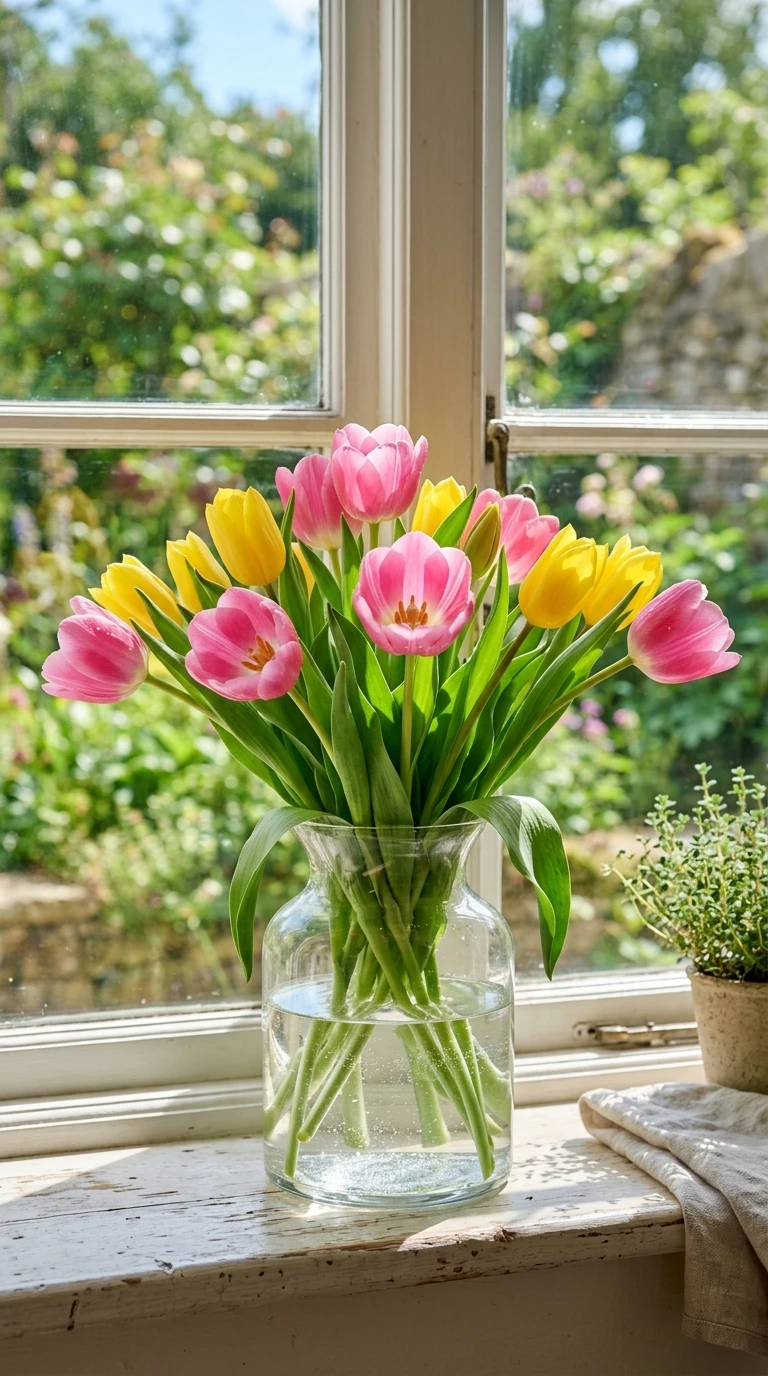
A simple vase of fresh flowers, whether from a grocery store bouquet or your own garden, brings color, fragrance, and genuine life into a home in a way that artificial decor simply can’t replicate. Tulips, daffodils, and ranunculus are classic spring choices that are widely available and relatively affordable.
Rotating flowers every week or so keeps this detail feeling fresh rather than static, and it gives you a reason to notice and enjoy your home a little more often. Even a small bud vase on a kitchen windowsill makes a genuine difference to how a space feels.
4. Declutter and Edit Down Winter Decor
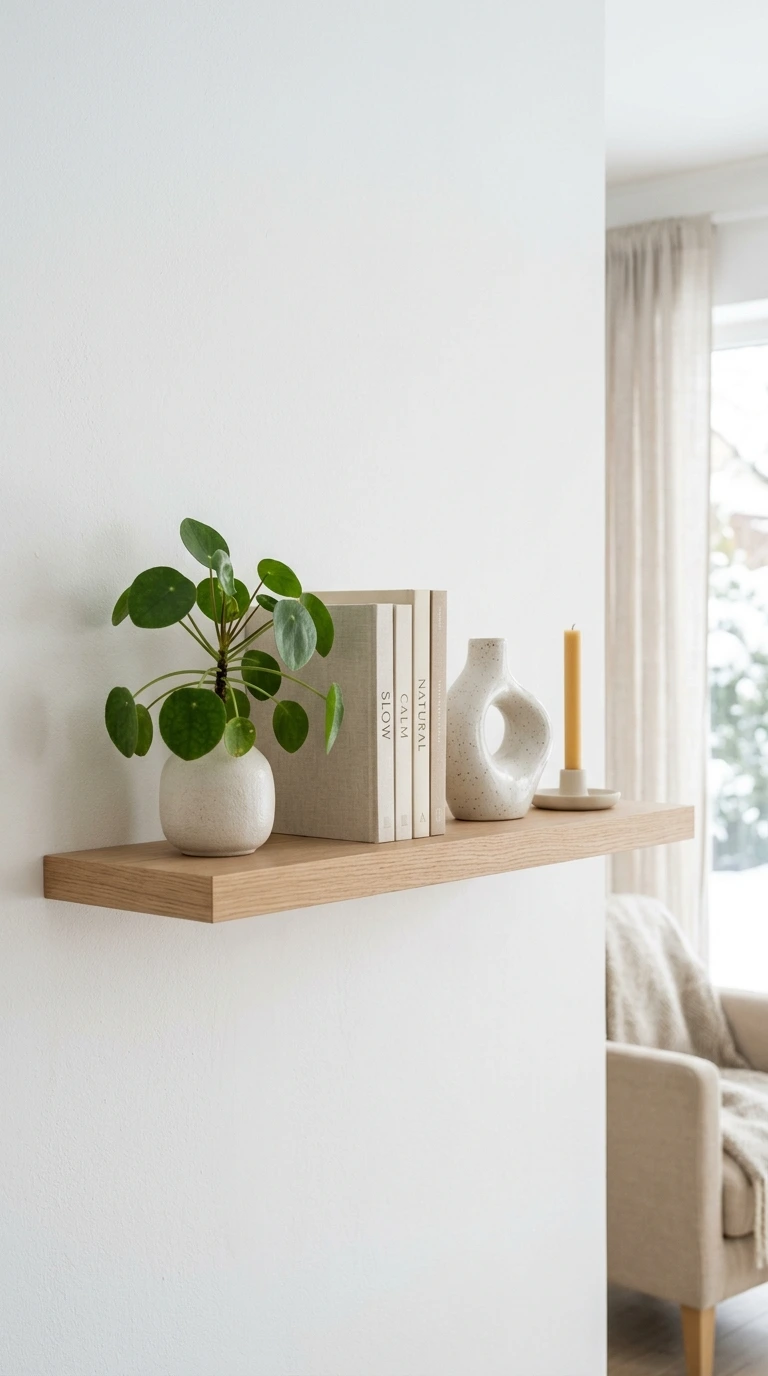
Before adding any new spring decor, take stock of what’s currently out and remove anything that reads as heavy or wintery, thick blankets, dark candles, or dense holiday leftovers. This editing step alone often makes a bigger visual difference than any new purchase would.
Store winter items properly in labeled bins so they’re easy to find again next season, rather than shoved into a closet in a disorganized pile. A decluttered, edited space is genuinely the foundation that makes every other spring refresh idea look more intentional.
5. Add Woven and Rattan Textures
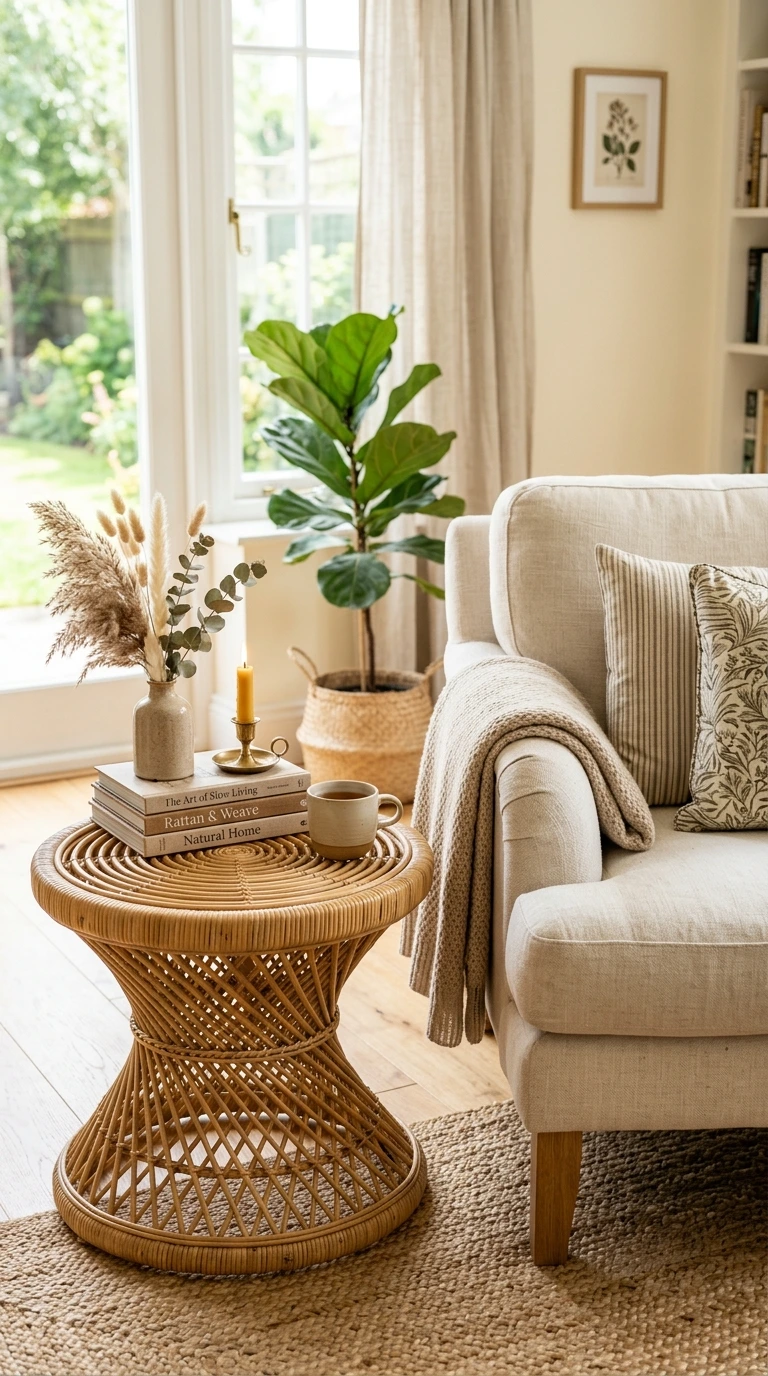
Rattan baskets, a woven light fixture, or a jute rug bring a natural, breezy texture that pairs beautifully with the lighter, brighter feeling of spring. These materials read as considerably more seasonal and casual than the heavier wood and metal finishes common in winter decor.
Swap a heavier metal or dark wood side table for a lighter rattan version if you have one available, since this single piece can shift an entire room’s tone. This texture also photographs beautifully in natural light, which spring tends to offer in greater abundance.
6. Swap Heavy Throws for Lighter Blankets

Chunky knit and faux fur throws that felt perfect in January can feel out of place once spring arrives. Swapping them for lighter cotton or linen throws in pastel or crisp white tones keeps a room feeling appropriately seasonal.
This doesn’t mean removing throw blankets altogether, since spring evenings can still be cool, it just means choosing lighter weight and color options. A simple waffle-weave cotton throw in a soft color does the same functional job while fitting the season’s overall aesthetic.
7. Open Up Windows and Let in More Light
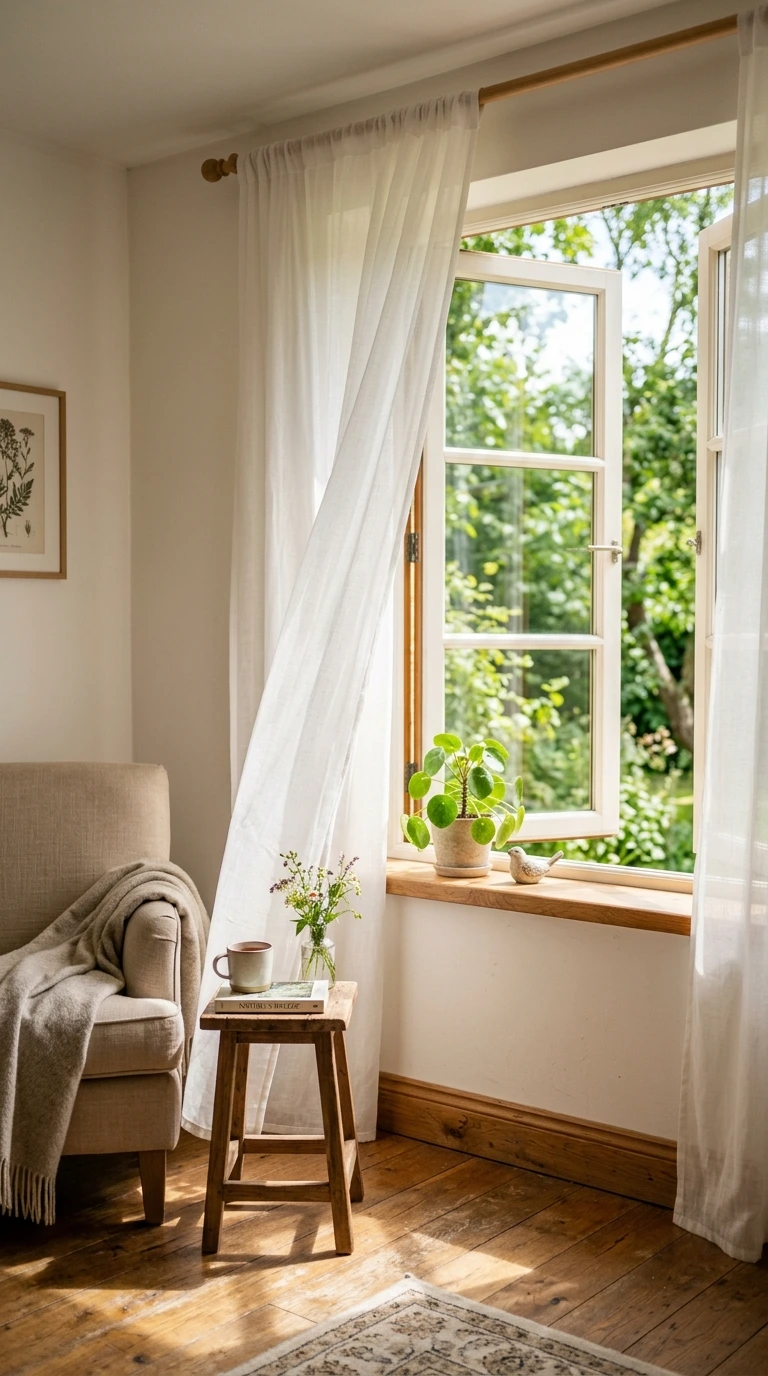
Beyond just decor, physically opening windows more often once the weather allows genuinely refreshes a home’s whole atmosphere. Fresh air circulation helps clear out the closed-up, stale feeling many homes accumulate over winter months.
Cleaning your actual windows, inside and out, at the start of the season also makes a bigger difference to how much light comes through than most people expect. A few months of winter grime can genuinely dim a room more than most decor choices would suggest.
8. Add a Spring Wreath to Your Front Door
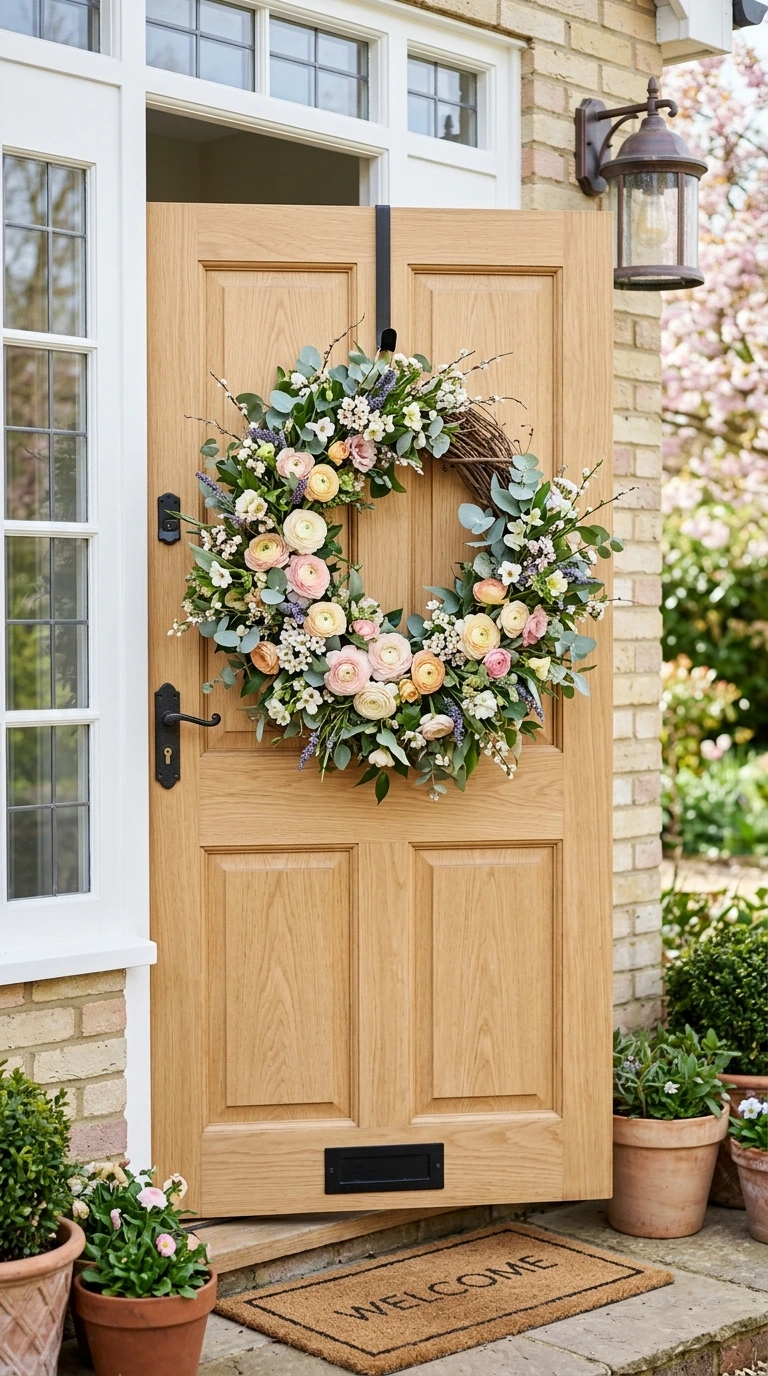
Swapping a winter evergreen wreath for one featuring faux or dried spring blooms, like eucalyptus, ranunculus, or pastel florals, immediately signals the season change to anyone approaching your home. This is one of the simplest, most visible seasonal swaps you can make.
Choose a wreath that complements your door color rather than clashing with it, and consider a ribbon in a soft spring tone to tie it together. This small exterior detail sets expectations for the freshness guests will find once they step inside.
9. Bring Houseplants Out of Winter Dormancy
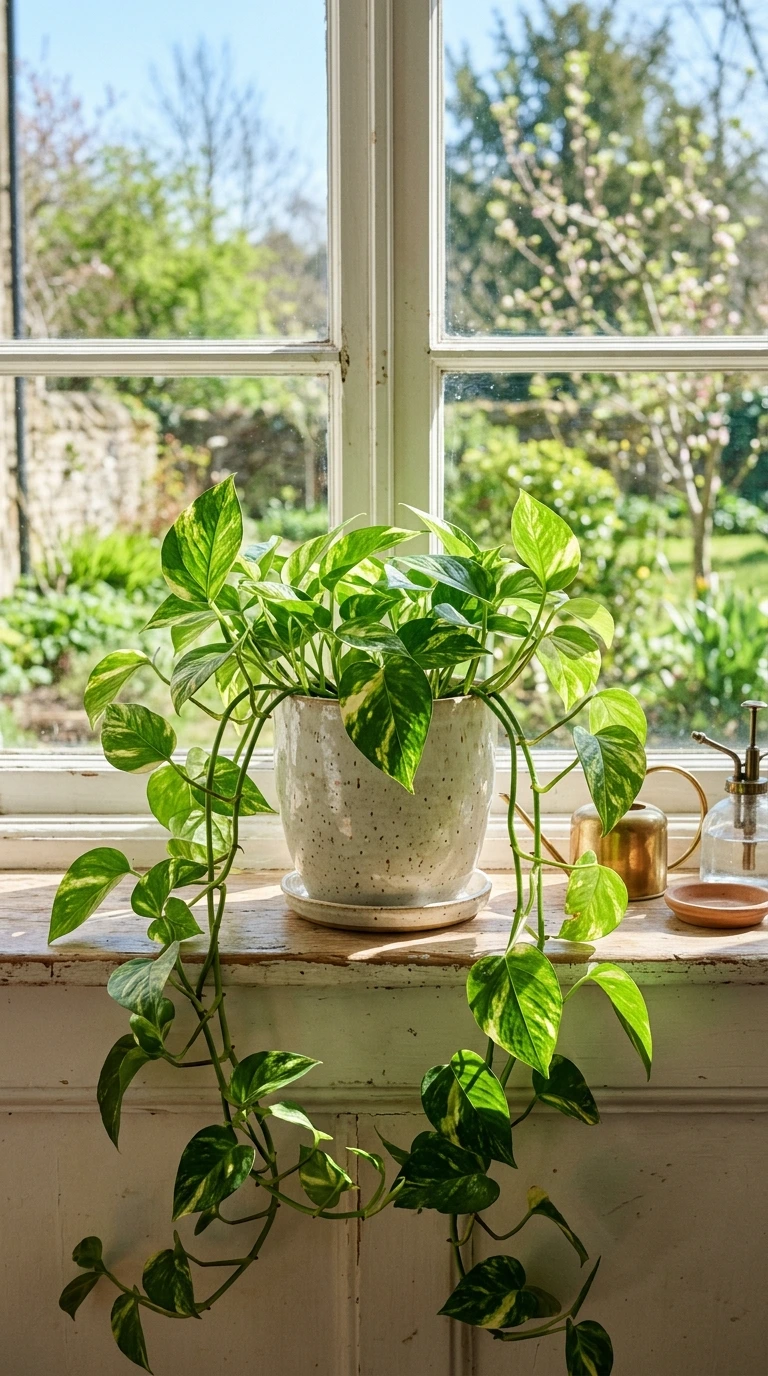
Many houseplants benefit from a spring refresh too, repotting into slightly larger containers, trimming back any winter-damaged leaves, and moving them closer to windows as daylight hours increase. This is a great time to assess which plants need more light or a bit more care after a dormant winter season.
Adding one or two new plants specifically for spring, like a trailing pothos or a flowering plant such as an orchid, brings fresh energy to your indoor greenery collection. Healthy, actively growing plants also just look more vibrant than ones still in their winter slowdown.
Spring Refresh Checklist for Houseplants
- Repot any plants that have become root-bound over winter
- Trim back yellowed or damaged leaves from the dormant season
- Move plants closer to windows as daylight hours lengthen
- Resume regular fertilizing as active growth season begins
- Add one or two new plants to refresh your indoor greenery
10. Swap Dark Throw Pillows for Lighter Covers
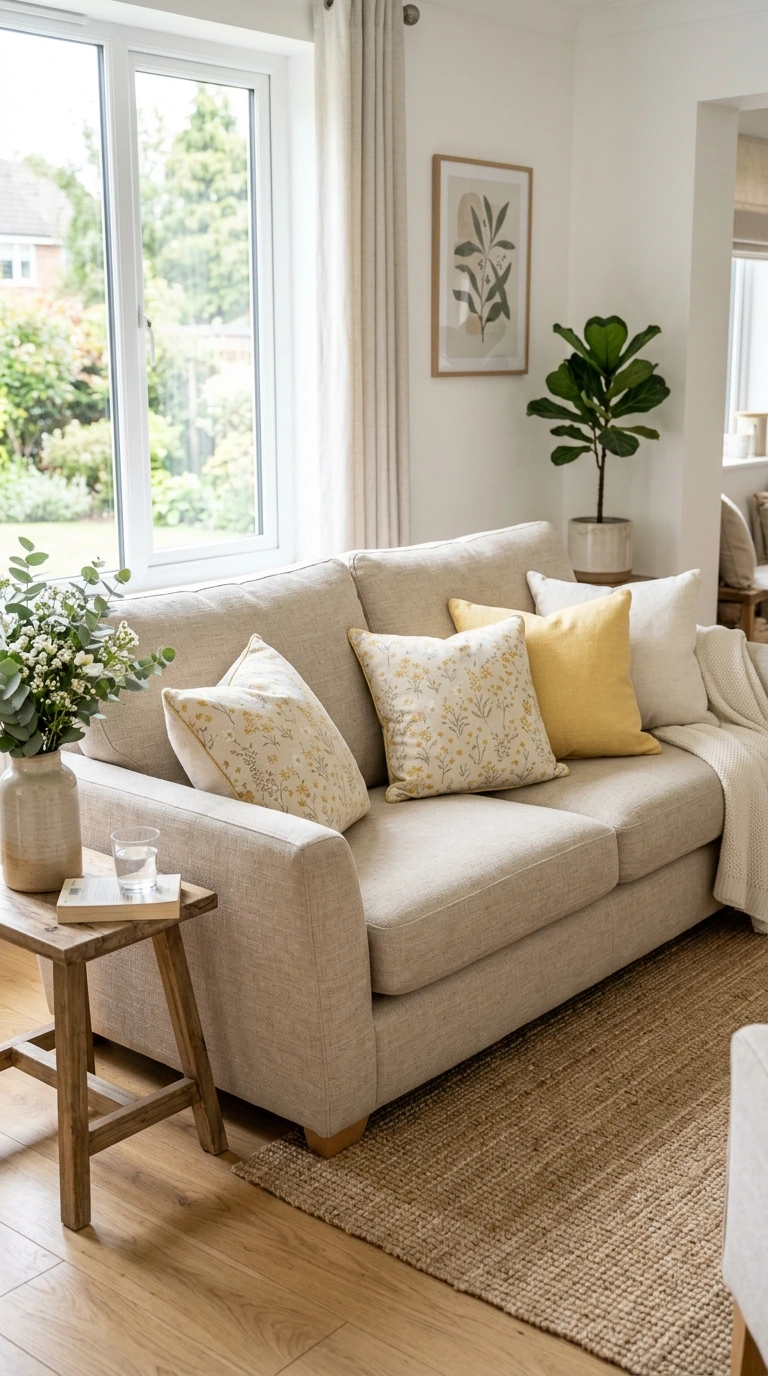
Simply changing throw pillow covers, without buying new pillow inserts, is one of the most budget-friendly seasonal refreshes available. Moving from deep winter tones like burgundy and charcoal to lighter blues, soft yellows, or crisp white instantly lightens a whole seating area.
Mixing a solid pastel with a subtle spring pattern, like a small floral or gingham check, adds visual interest without overwhelming the room. Storing your winter covers flat rather than folded also helps them stay wrinkle-free for next year.
11. Add Fresh Greenery Beyond Flowers
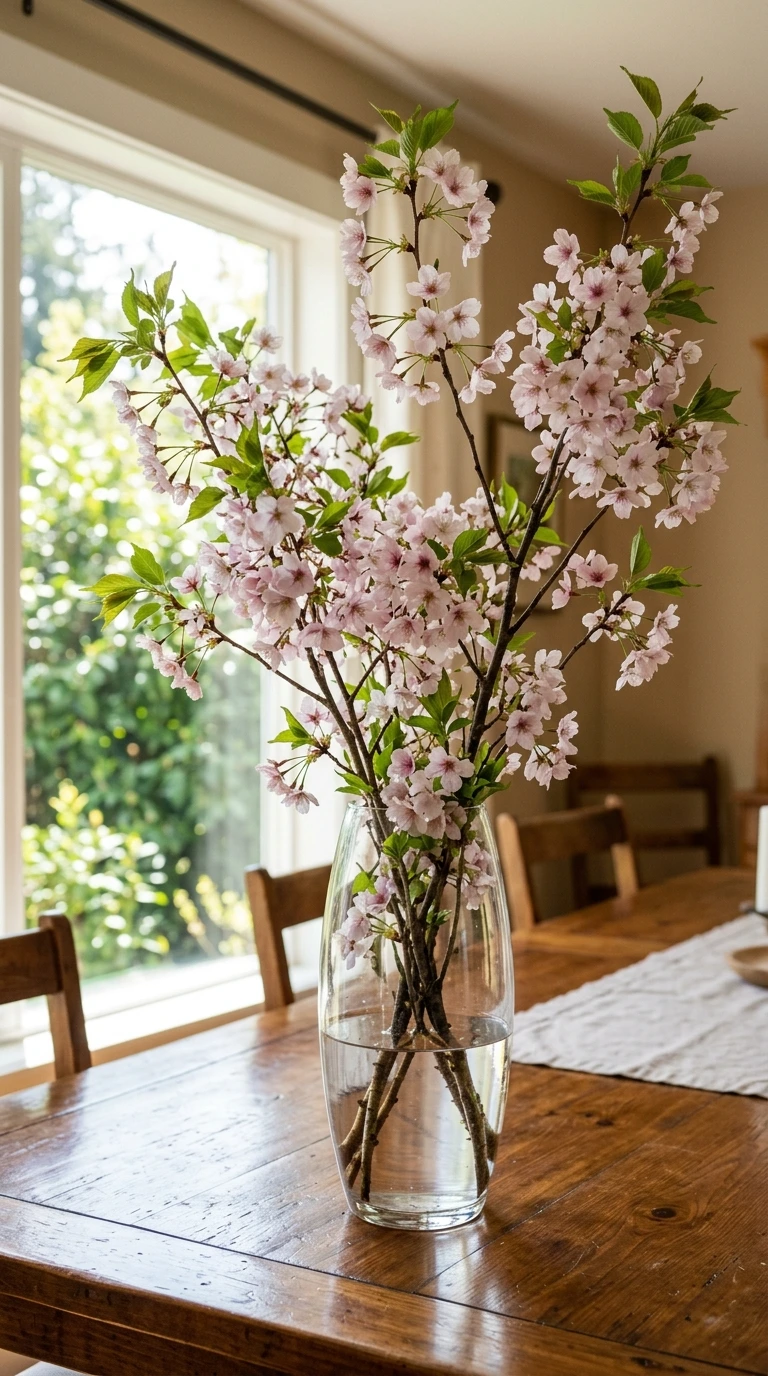
Branches of flowering cherry blossom, forsythia, or simple green foliage in a tall vase bring height and natural texture that a small flower arrangement alone doesn’t provide. These larger branch arrangements make a genuine style statement in an entryway or dining room.
Many flowering branches can be foraged for free if you have access to a yard with early spring blooms. Even simple green branches, without flowers, add an architectural, fresh element that pairs beautifully with a minimalist spring aesthetic.
12. Lighten Up Your Bedding
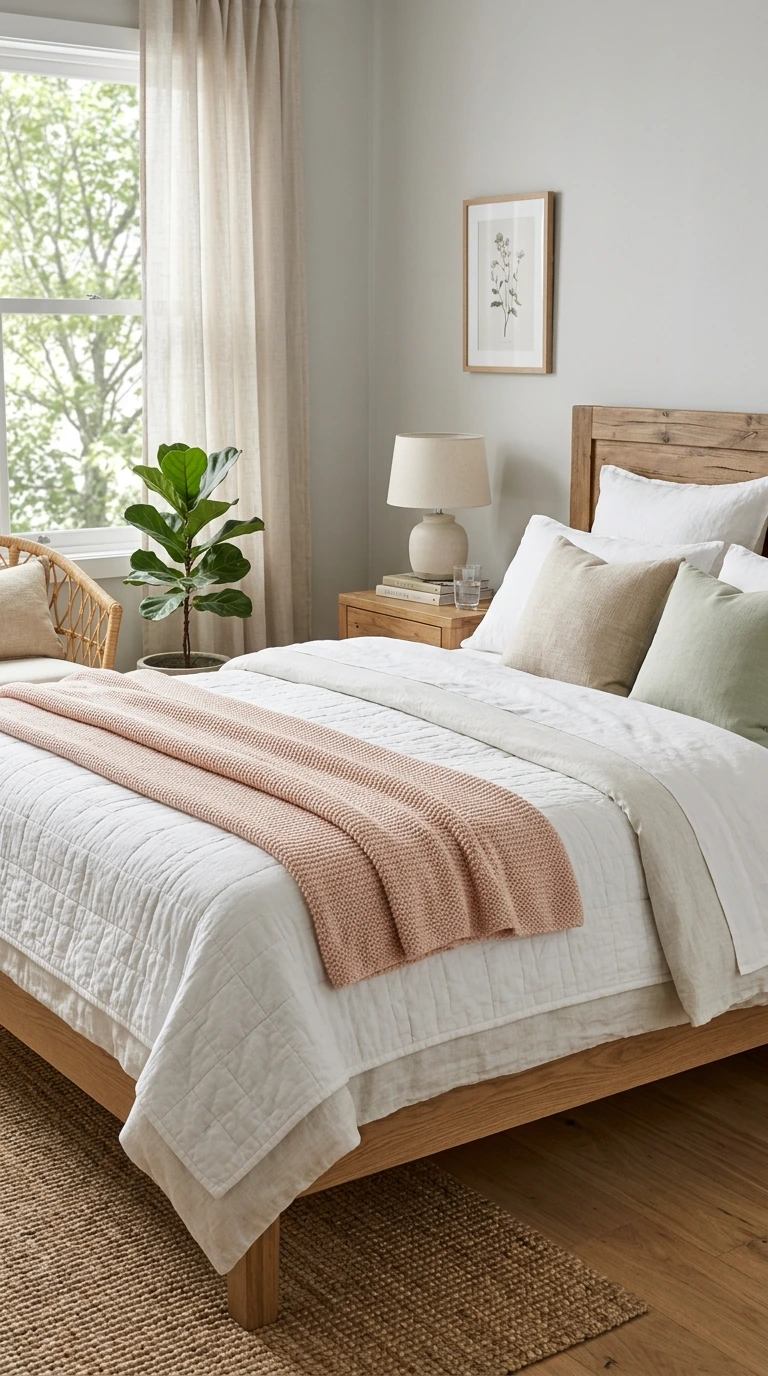
Swapping a heavy winter comforter for a lighter quilt or a simple duvet in white or a soft pastel shade makes your bedroom feel considerably more spring-appropriate. Layering in one lightweight throw at the foot of the bed keeps some texture without the winter bulk.
Crisp white or light-colored sheets in a breathable cotton or linen blend also help regulate temperature better as nights start to warm up. This bedroom refresh is one of the most personally impactful changes on this list, since it affects your daily comfort directly.
13. Add Pastel or Floral Kitchen Accents
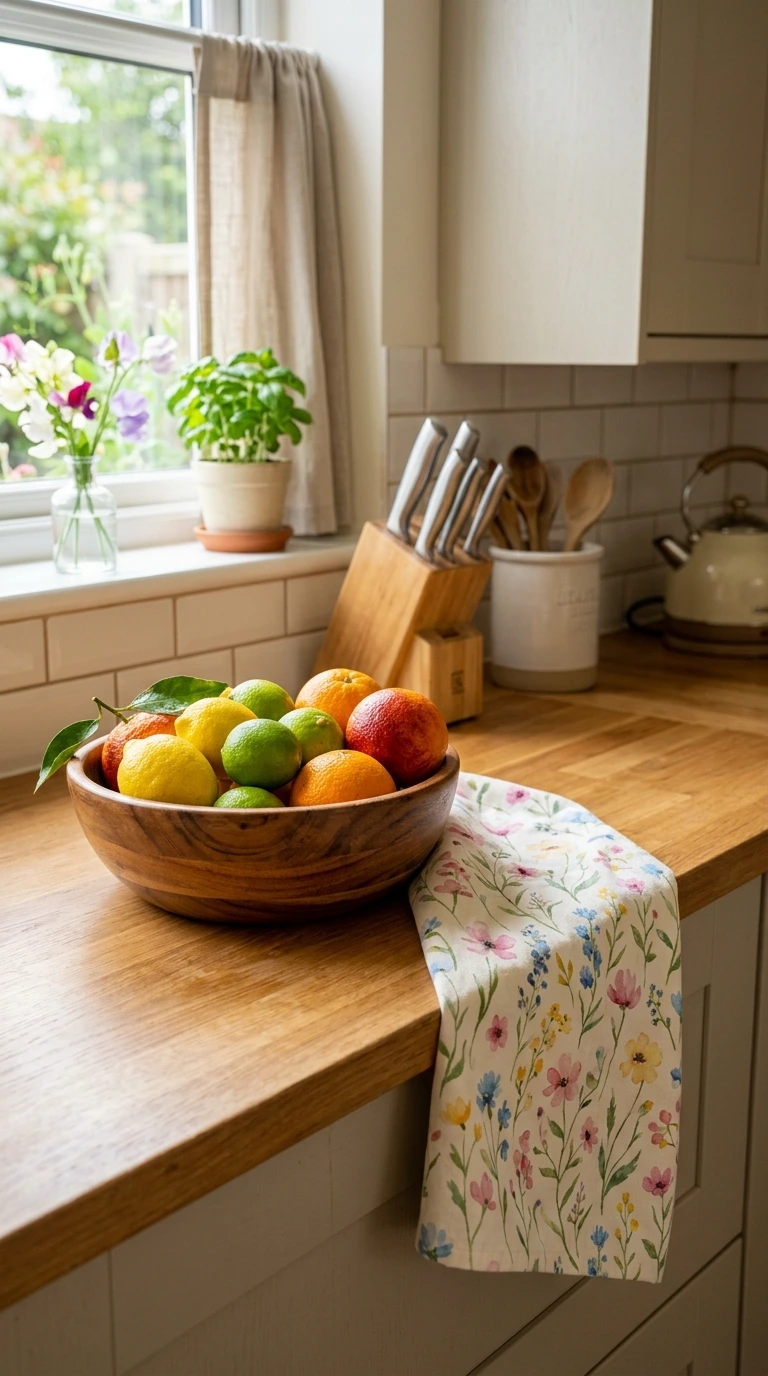
Swapping dish towels, a fruit bowl, or small kitchen linens to pastel or floral spring patterns brings the seasonal refresh into one of the most frequently used rooms in the house. This is a small, affordable change that gets noticed daily.
A bowl of fresh citrus or seasonal fruit on the counter adds both color and genuine freshness to a kitchen space. These small swaps require very little investment but meaningfully change the feel of the room during daily routines.
14. Bring in Rattan or Bamboo Blinds

Swapping heavy blackout curtains or blinds for natural rattan or bamboo versions lets in a softer, filtered light while adding textural warmth. This works especially well paired with lighter curtain panels for a fully layered window treatment.
Natural material blinds also tend to be more affordable than many fabric alternatives, making this an accessible upgrade for multiple rooms. The dappled light effect they create as sun passes through adds a genuinely lovely quality to a room throughout the day.
15. Add a Fresh Coat of Paint to One Accent Wall
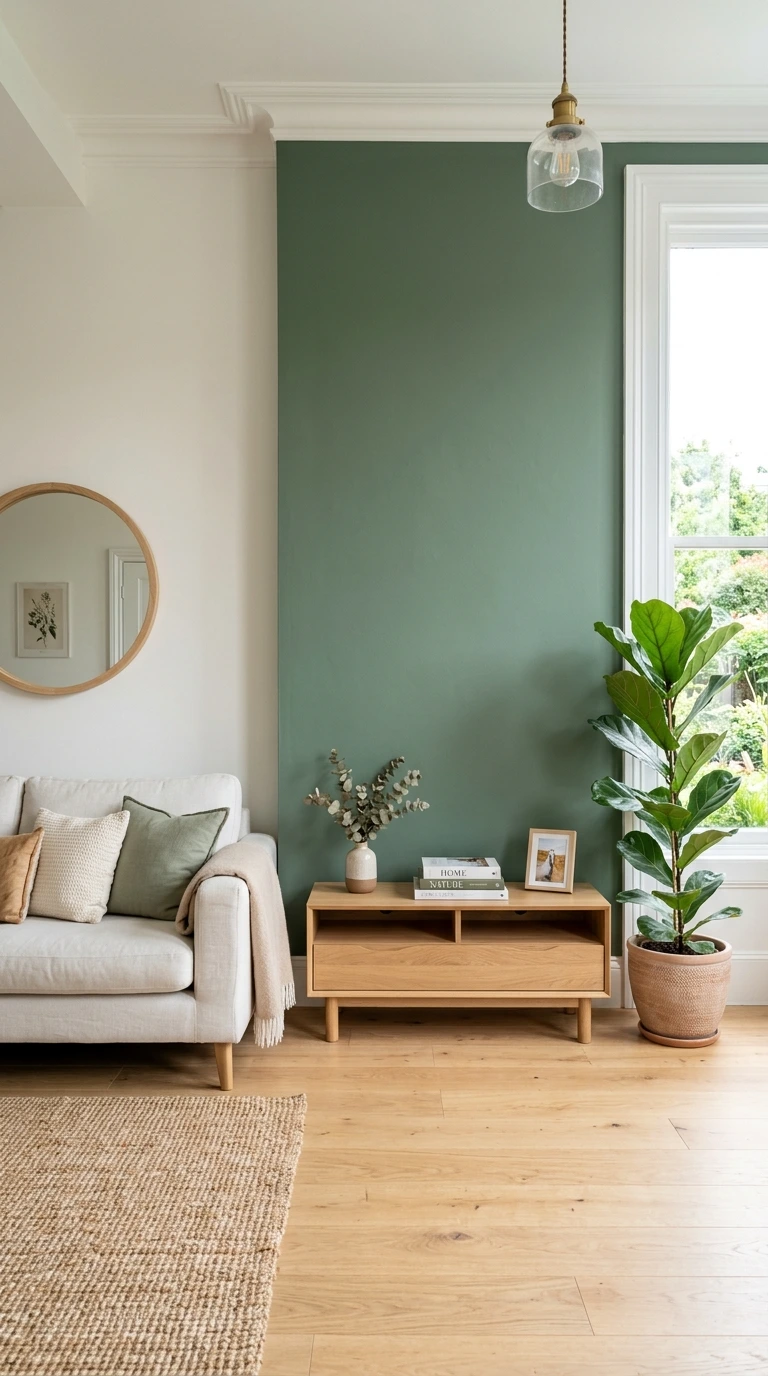
A single accent wall repainted in a soft, fresh color, pale blue, sage green, or warm white, can transform a room’s entire feeling for a relatively modest cost and effort. This is a bigger commitment than most items on this list, but it delivers correspondingly bigger visual impact.
Choose a color that complements rather than competes with your existing furniture, so you’re not forced into a full room redesign alongside the paint. Testing a sample patch on the actual wall, viewed at different times of day, helps avoid an unwelcome surprise once the full wall is painted.
16. Swap Winter Candle Scents for Fresh Florals
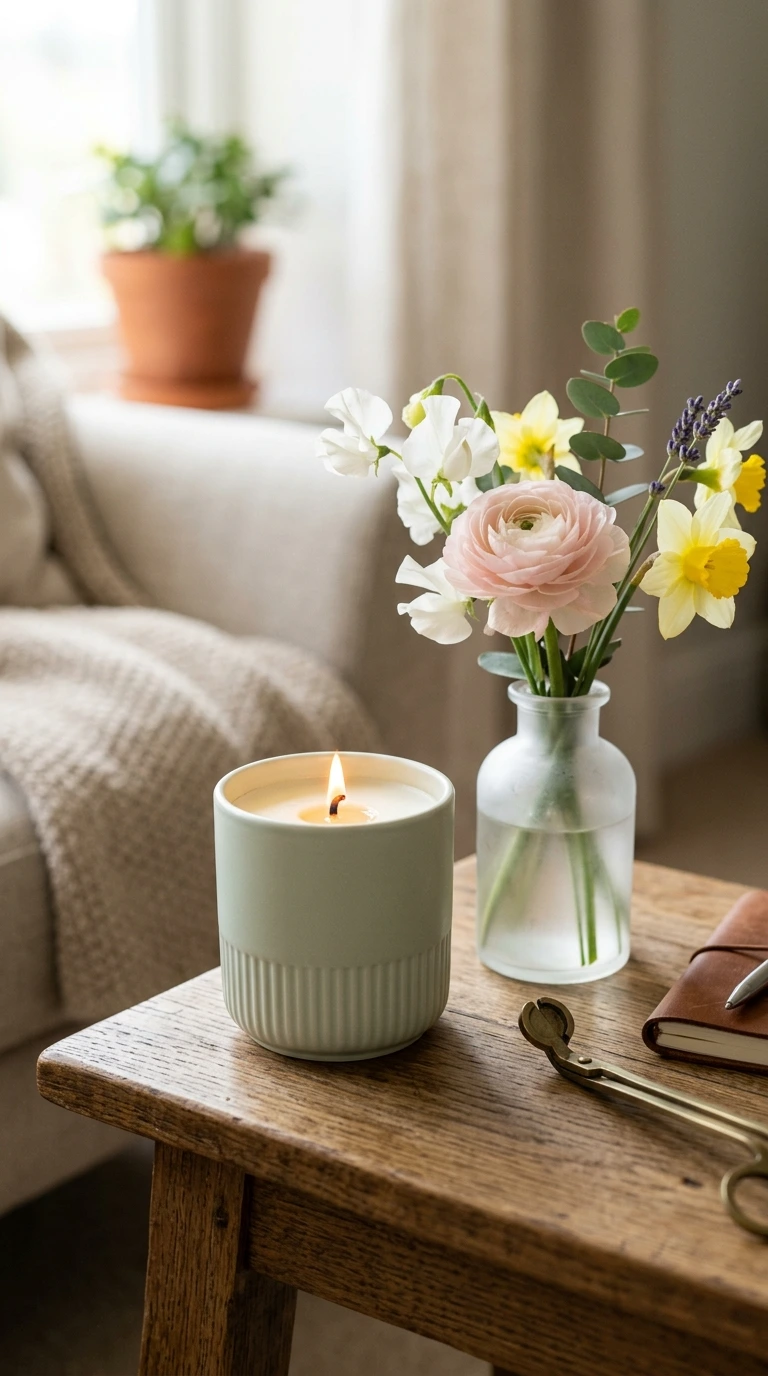
Moving from heavy winter scents like cinnamon, clove, or amber to lighter florals, citrus, or green notes like fresh-cut grass shifts a home’s whole sensory experience toward spring. Scent is an easy detail to overlook, but it genuinely affects how a season feels in your home.
Choose scents like jasmine, peony, or citrus blossom specifically, since these read as fresh and seasonal rather than heavy or overly sweet. This is one of the most affordable spring refresh ideas, since a single candle swap can change the entire mood of a room.
17. Add a Light Area Rug for Warmer Months
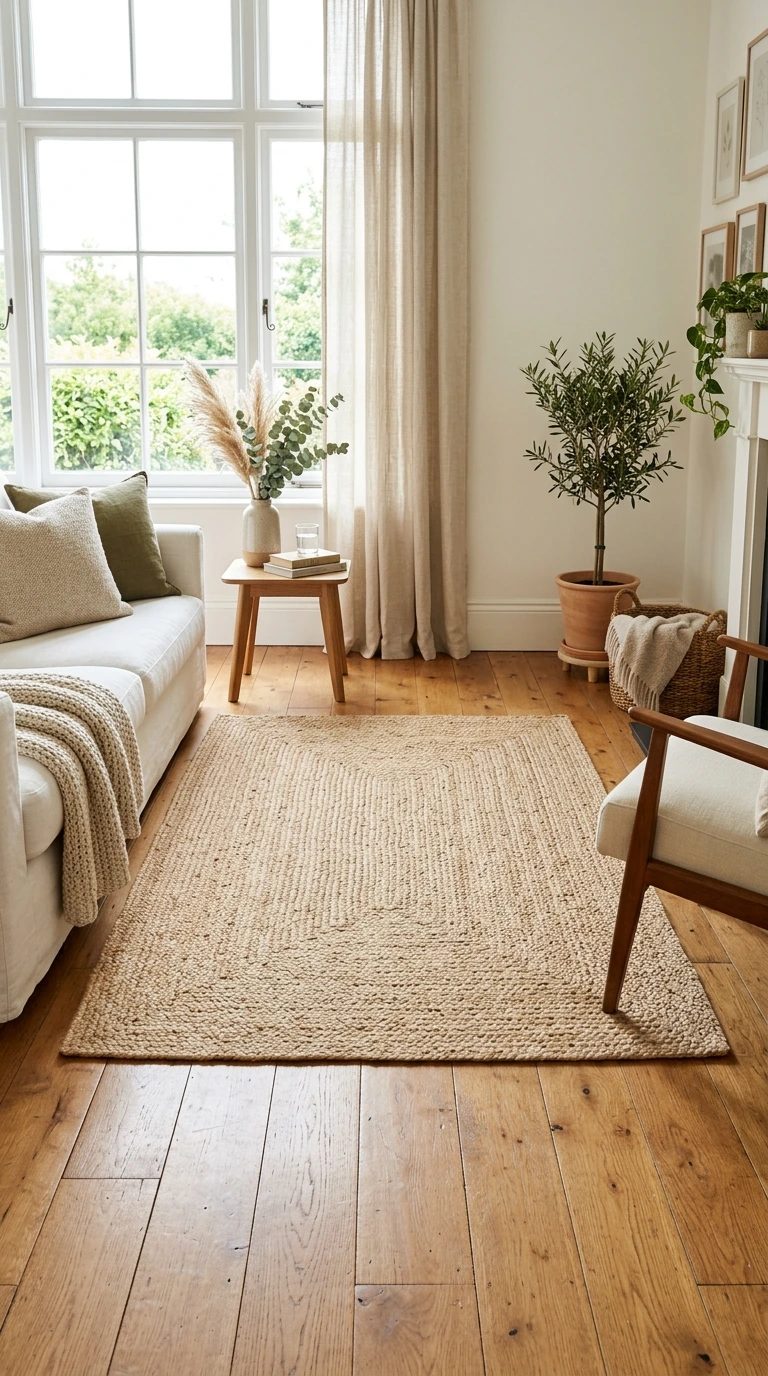
Swapping a thick wool or shag rug for a flatter woven cotton or jute version keeps floors feeling appropriately light as temperatures rise. This also solves a practical problem, since heavier rugs can trap more heat underfoot during warmer spring days.
Light, neutral colors or subtle patterns work particularly well for this seasonal swap, since they read as fresh without being overly bold. Storing your winter rug rolled and protected from moths keeps it in good condition for next year’s colder months.
- Choose a lighter-weight rug material for spring and summer
- Roll and store your winter rug properly to prevent moth damage
- Vacuum thoroughly before storing any seasonal textile
- Consider a rug pad appropriate for the new floor covering
- Test the new rug’s color against your existing furniture before committing
18. Add Fresh Herbs to Your Kitchen Windowsill
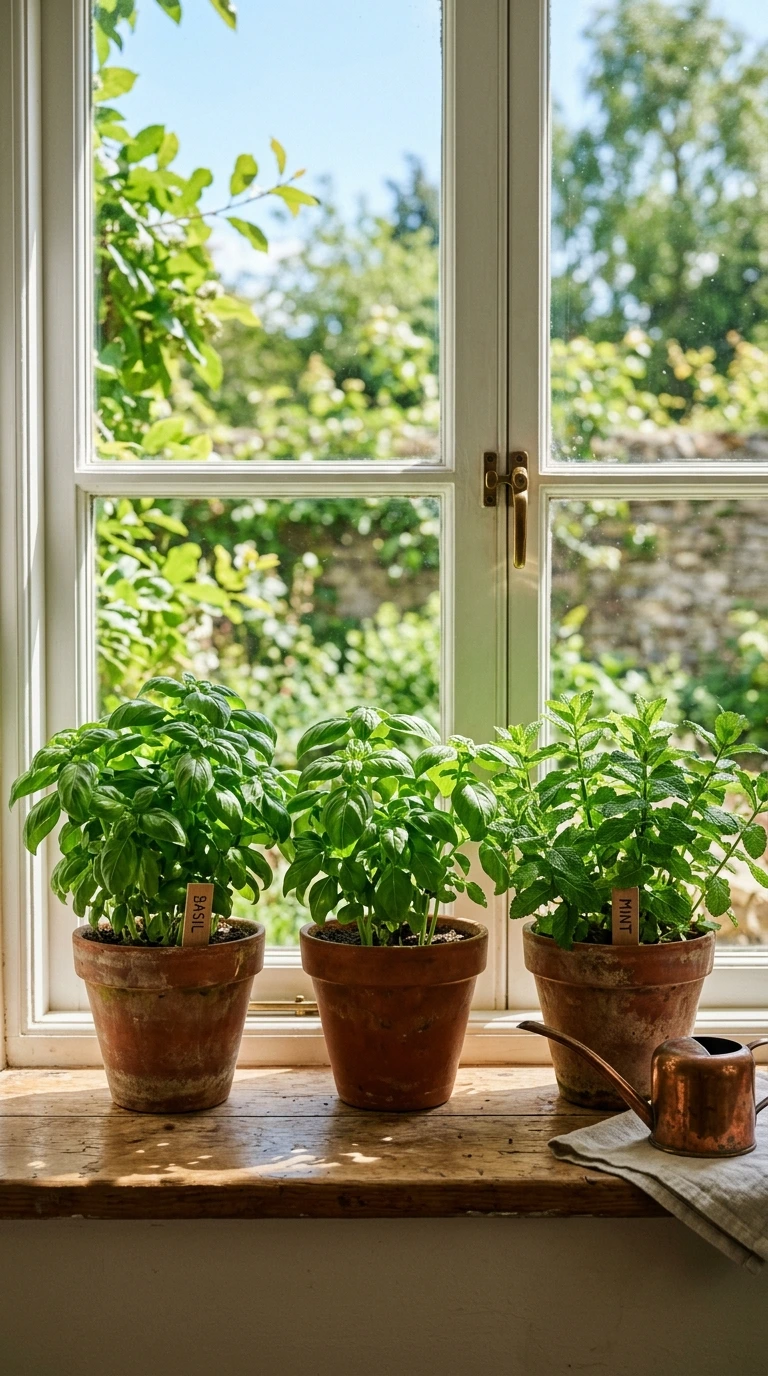
A small collection of potted herbs, basil, mint, chives, or parsley, on a sunny kitchen windowsill brings genuine life and function into your spring refresh. This detail serves both a decorative purpose and a practical one for cooking.
Position the herbs somewhere they’ll get at least a few hours of direct sunlight daily, since most culinary herbs need real light to thrive indoors. Snipping fresh herbs for cooking also gives this decor detail an ongoing, functional purpose beyond just looking nice.
| Refresh Area | Best Spring Swap | Effort Level | Seasonal Impact |
|---|---|---|---|
| Windows | Light curtains, clean glass | Low to Medium | High, affects whole room |
| Textiles | Lighter throws, pillow covers | Low | Medium, quick visual change |
| Greenery | Fresh flowers, new plants | Low | High, adds genuine life |
| Color | Pastel accents, accent wall | Medium | High, sets seasonal tone |
| Scent | Floral or citrus candles | Low | Medium, sensory refresh |
19. Lighten Up Your Entryway
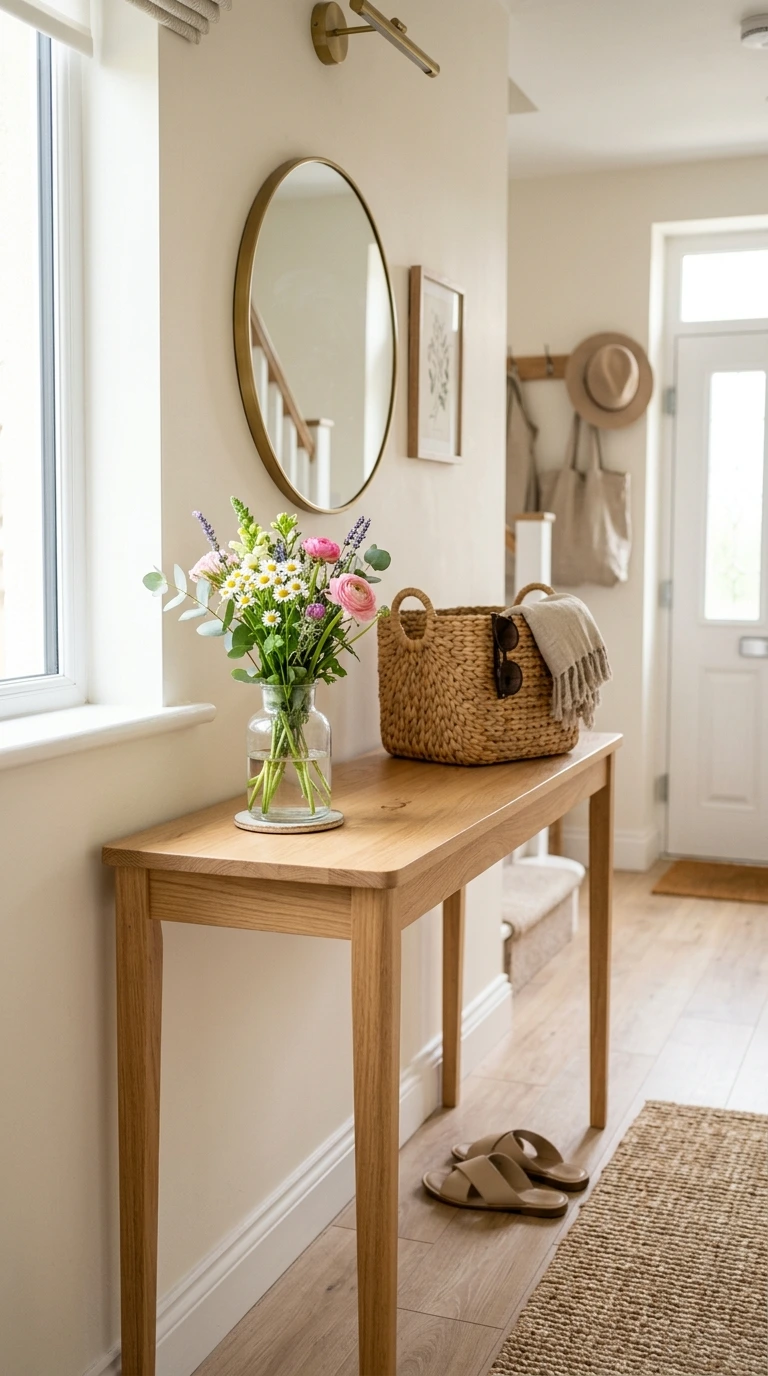
Swapping a heavy winter door mat, dark coat hooks display, or a bulky boot tray for lighter, more streamlined versions refreshes the very first impression of your home each season. A small vase of fresh flowers on an entryway table also sets a welcoming, spring-appropriate tone immediately.
Store winter coats, boots, and heavy scarves elsewhere once the weather allows, since a lighter entryway display feels considerably more spacious and seasonal. This is one of the areas most guests notice first, making it a high-impact spot for a relatively low-effort refresh.
20. Add Botanical or Floral Art
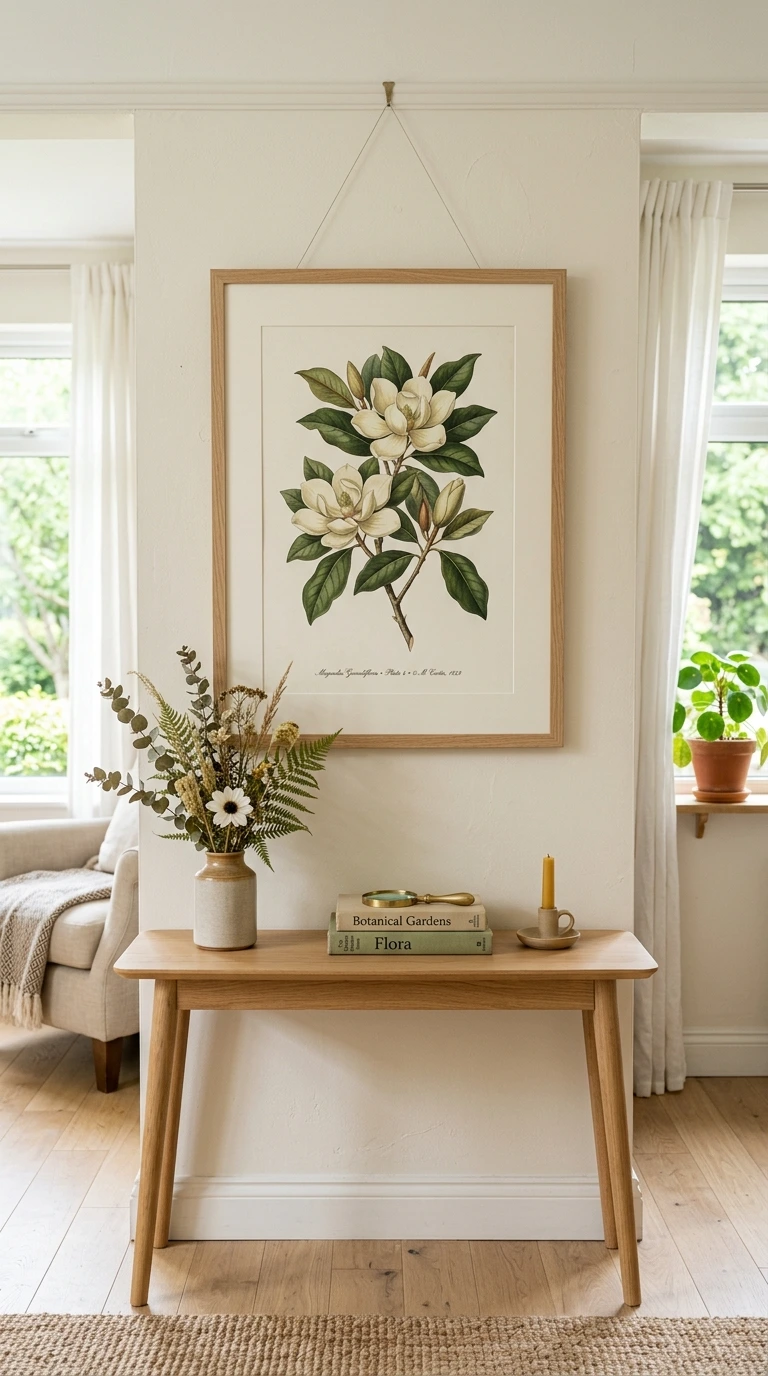
Swapping in artwork with botanical illustrations, pressed florals, or simple line drawings of leaves and flowers brings a fresh, seasonal element to your walls without needing to repaint anything. This works especially well as a temporary seasonal swap if you keep your winter art stored separately.
Choose frames in lighter wood tones or simple white rather than heavy dark frames, since the frame itself contributes to the overall lightness of the piece. Even swapping just one or two key pieces in a main living space makes a noticeable seasonal difference.
21. Bring in Light-Colored Dinnerware
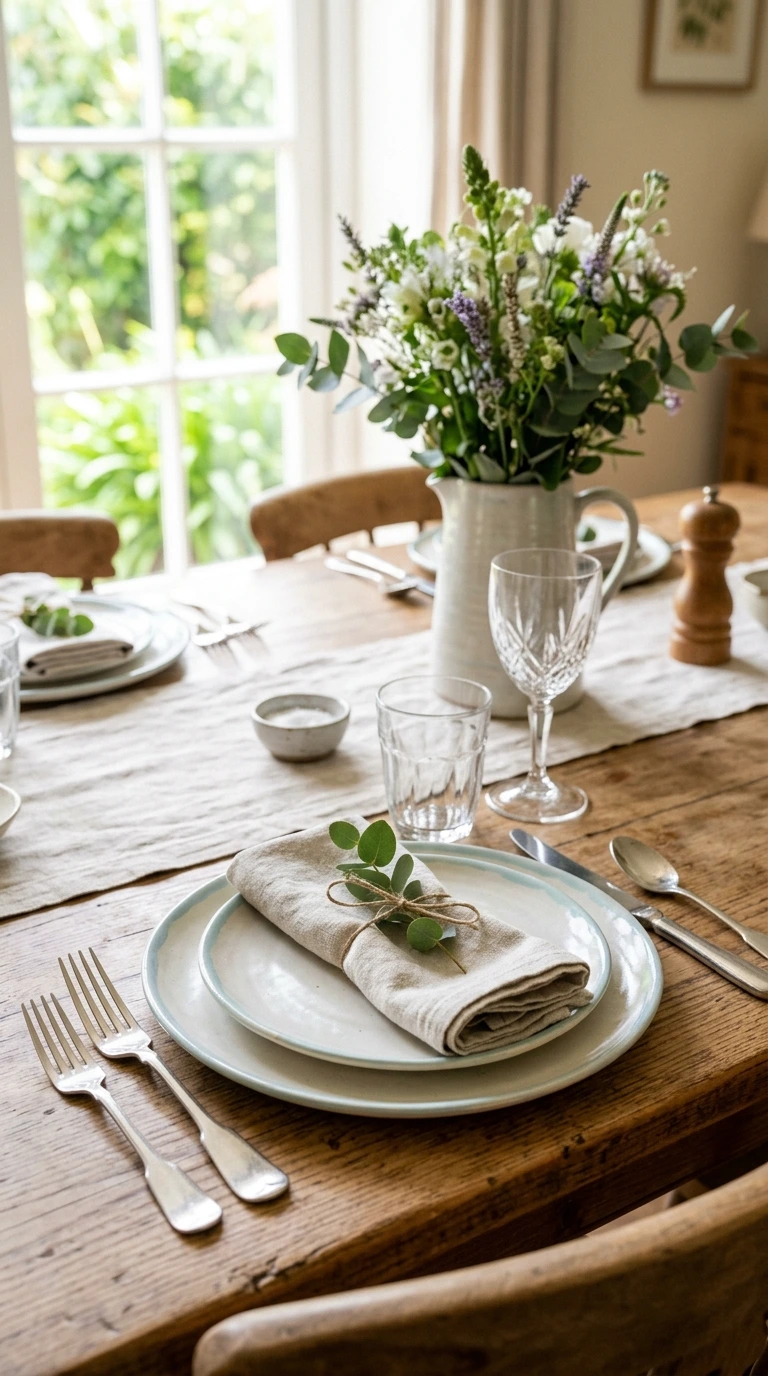
Swapping heavier stoneware or dark-colored dishes for lighter ceramic or simple white dinnerware brings a fresh, spring feeling to everyday meals. This doesn’t require buying an entirely new set, since even mixing in a few lighter serving pieces makes a visible difference.
Pastel-rimmed plates or simple scalloped-edge dishes add a subtle spring detail without committing to a full pattern change. This kind of swap works especially well for spring gatherings or holiday meals like Easter brunch.
22. Add a Fresh Doormat
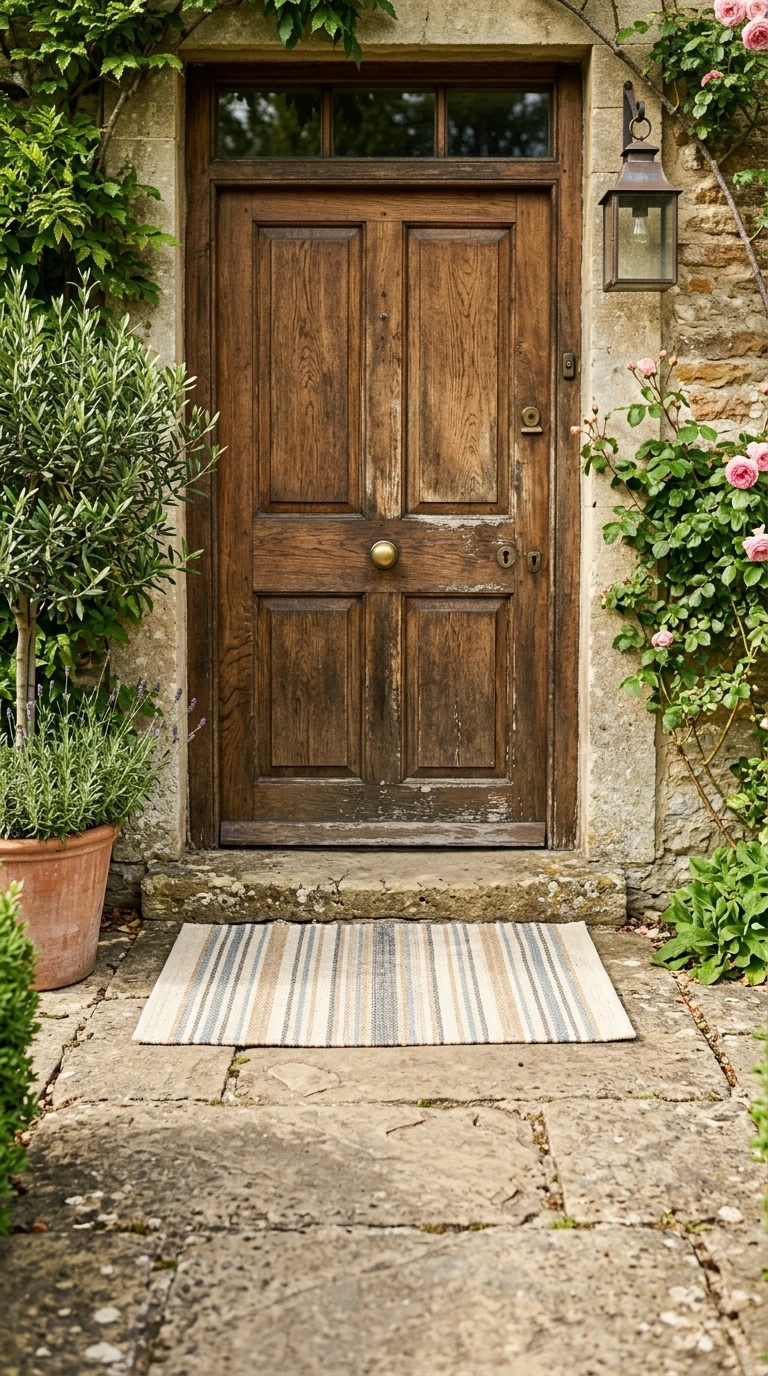
A simple doormat swap, from a heavier winter texture to a lighter woven or striped spring design, is a small but genuinely noticeable seasonal refresh right at your entrance. This detail is often overlooked but sets the tone before guests even step inside.
Choose a doormat in a color or pattern that complements your front door and any seasonal wreath you’ve added. This is one of the most affordable items on this entire list, typically costing very little for a meaningful visual update.
23. Add Sheer Curtain Layers for Softness
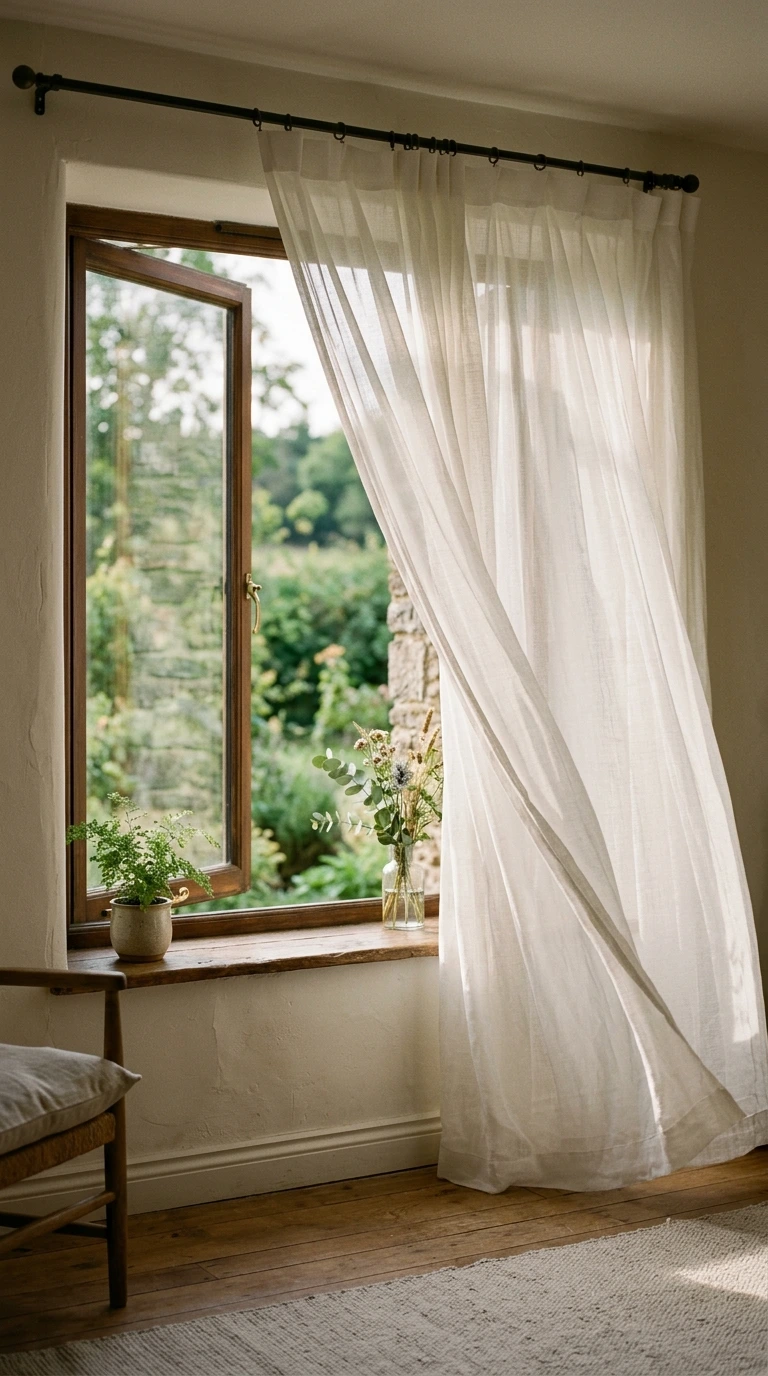
Layering a sheer curtain panel underneath your main curtains, or using sheers alone in rooms that don’t need heavy privacy, adds a soft, billowy quality that feels distinctly spring-like. This layered approach also lets you control light and privacy more precisely as the season changes.
White or very pale sheers work particularly well for this purpose, since they diffuse light beautifully without darkening the room. This detail photographs especially well when a slight breeze moves the fabric, adding genuine movement and life to a space.
24. Add Seasonal Throw Blankets to Outdoor Furniture
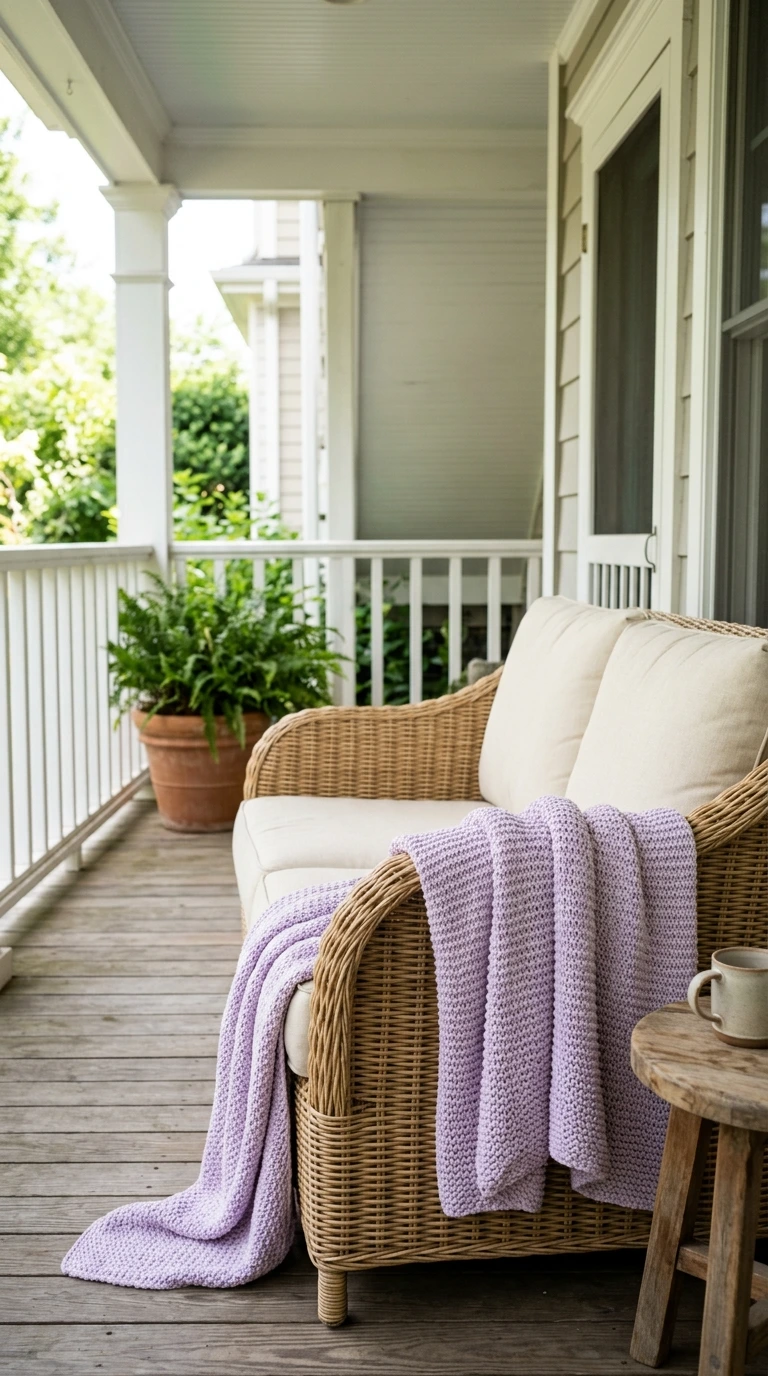
If you have a porch, patio, or sunroom, adding lighter throw blankets in spring colors extends your seasonal refresh into these transitional indoor-outdoor spaces. This makes these areas feel usable and intentional again after months of winter dormancy.
Choose weather-appropriate fabric if the space is only partially covered, since fully exposed outdoor textiles need more durable, quick-drying materials. This detail helps bridge the gap between indoor coziness and the outdoor living spring naturally encourages.
25. Refresh Your Bathroom with Lighter Textiles
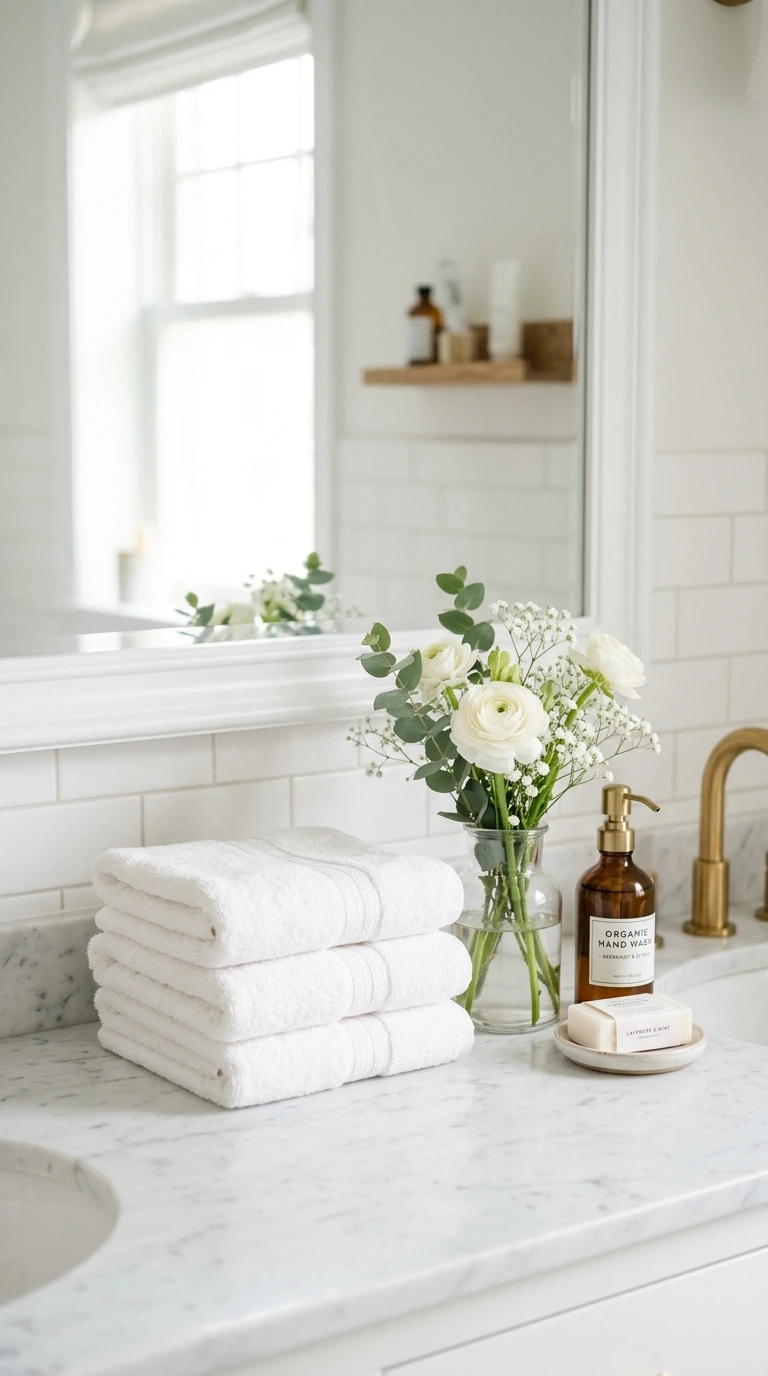
Swapping heavier bath mats and towels for lighter colors and weights brings the same seasonal refresh concept into your bathroom. A small vase of fresh flowers on the counter or a light-scented soap also adds a spring touch to this frequently used space.
Choose pastel or crisp white towels over the deeper jewel tones that often work better in winter bathrooms. This relatively small, affordable swap genuinely changes how the whole room feels during daily routines.
26. Add a Statement Spring Centerpiece
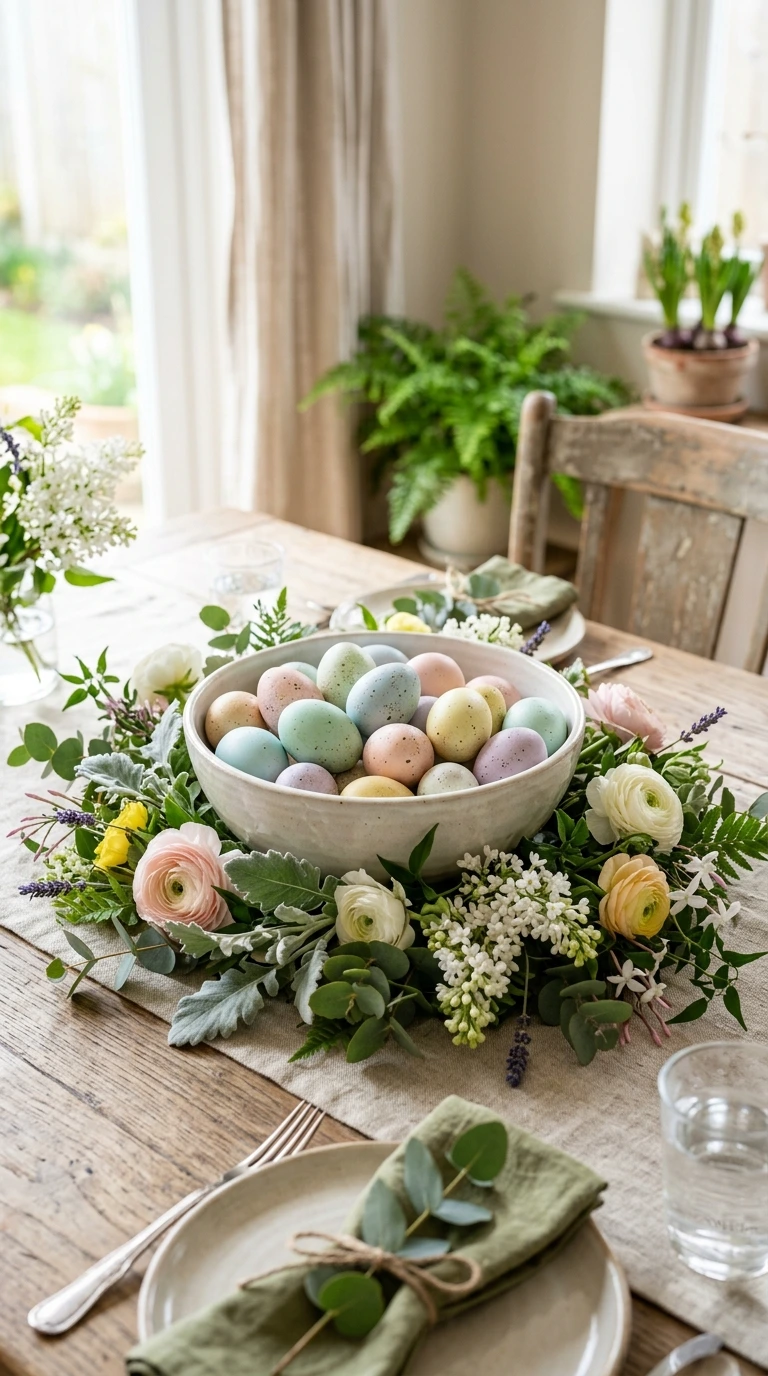
A fresh floral arrangement, a bowl of colorful seasonal fruit, or a simple collection of pastel eggs styled in a bowl all work beautifully as a dining table centerpiece during spring. This detail elevates everyday meals as well as any spring gatherings you might host.
Keep the centerpiece low enough that it doesn’t block conversation across the table, since function matters as much as appearance for a piece that sees daily use. Rotating the centerpiece concept every few weeks keeps your dining table feeling fresh throughout the whole season.
27. Bring in Light Wood Furniture Accents
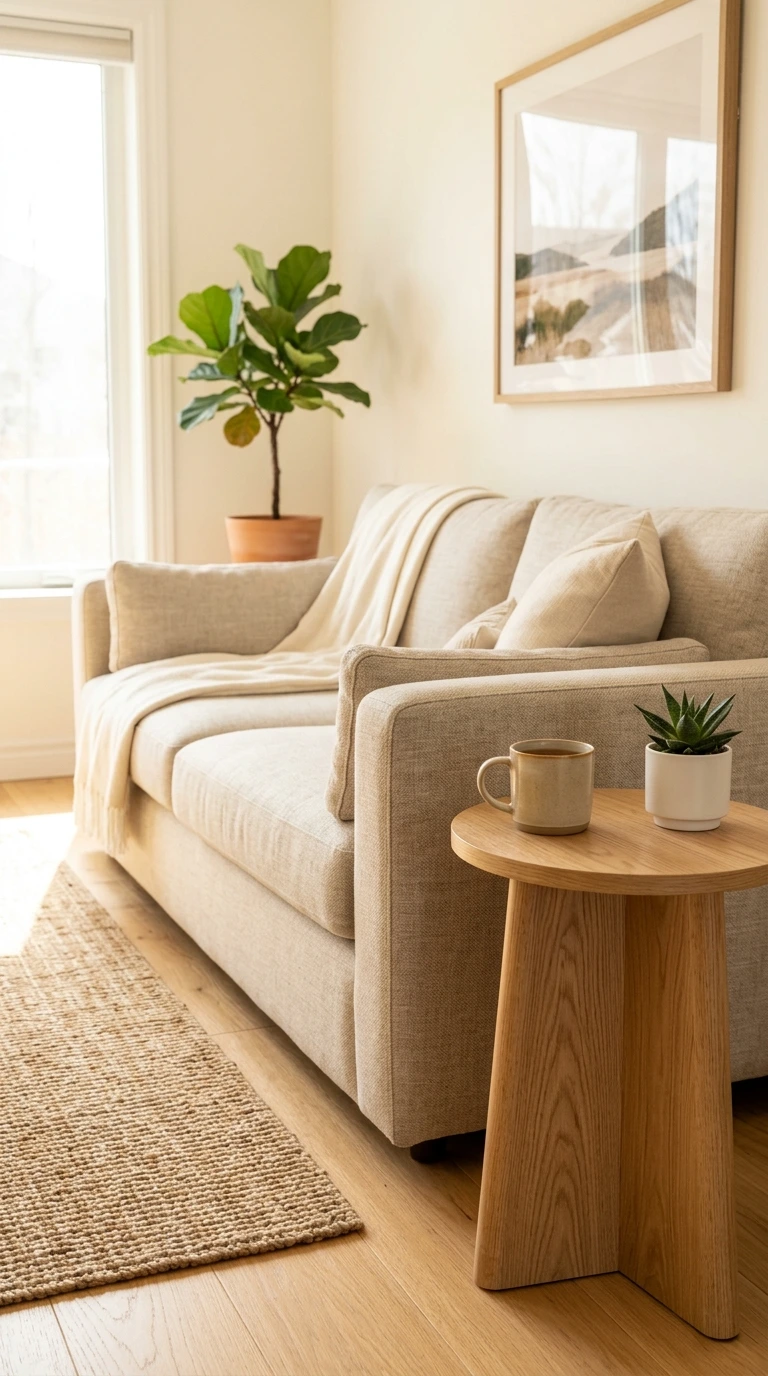
If your home leans heavily on dark wood tones, adding a few lighter wood accent pieces, a side table, a small shelf, or a picture frame, helps balance the room toward a fresher, more spring-appropriate feeling. This doesn’t require replacing major furniture, just introducing a few lighter tones into the existing mix.
Light oak, ash, or whitewashed wood finishes pair particularly well with the pastel and natural texture themes common in spring decorating. Even one or two well-placed lighter pieces can meaningfully shift a room’s overall visual weight.
28. Add a Fresh Scent Diffuser for the Season
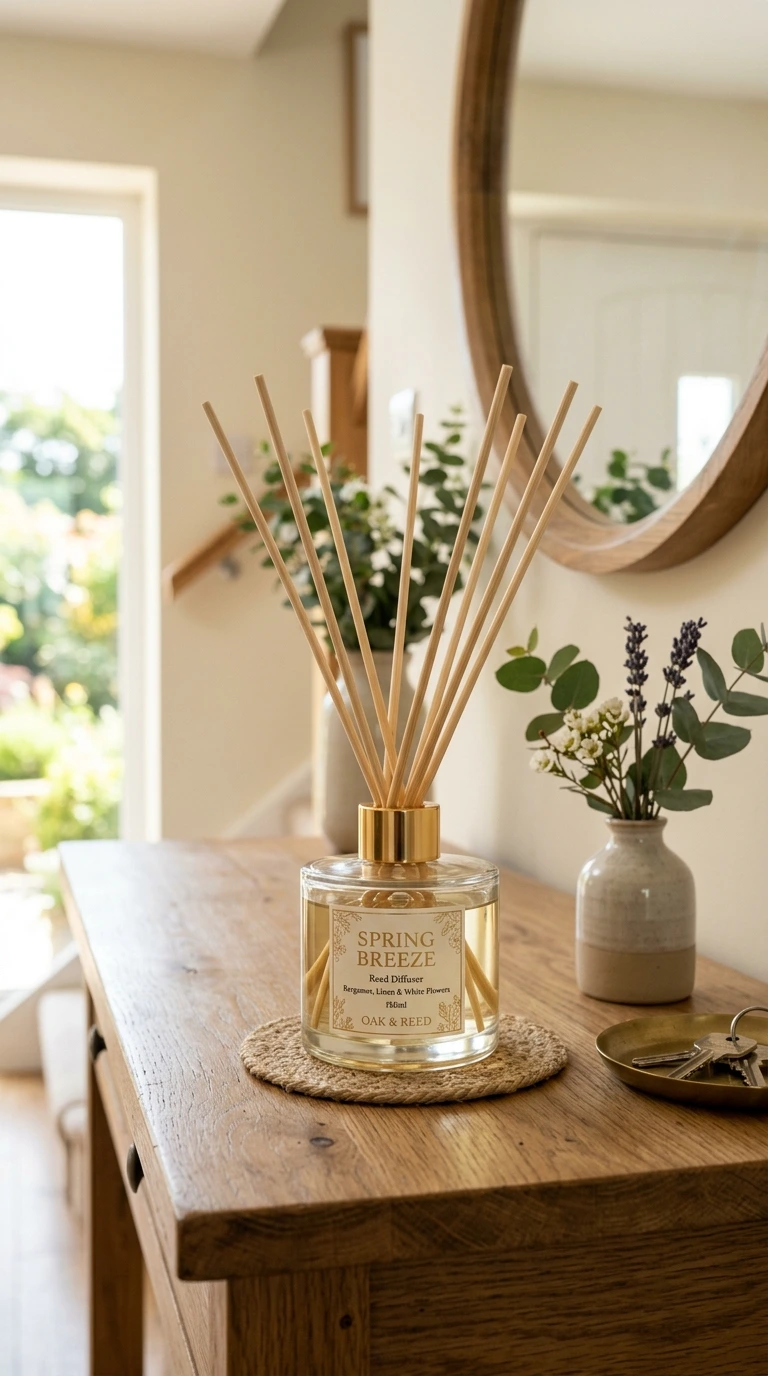
Swapping a heavier reed diffuser scent for something lighter, like fresh linen, green tea, or a light floral, extends the seasonal refresh into your home’s everyday fragrance. This detail works alongside candle swaps to create a fully sensory spring transition.
Position diffusers in frequently used spaces like entryways, bathrooms, and living rooms for the most noticeable impact. This is one of the lowest-effort items on this entire list, requiring just a simple product swap rather than any real project.
29. Style Open Shelving with Lighter Objects
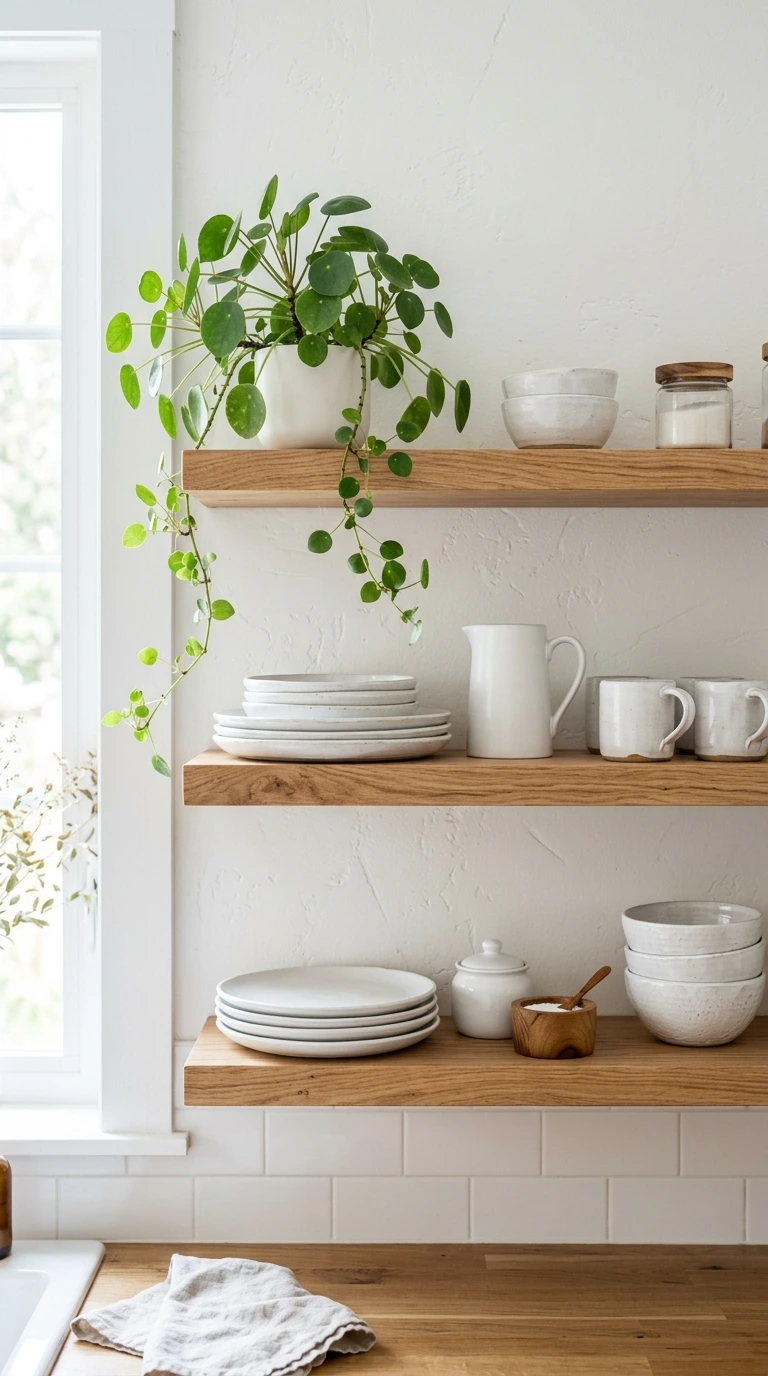
If you have open kitchen or living room shelving, swapping heavier ceramics, dark cookbooks, or dense decor objects for lighter colored pieces refreshes the whole display without a full reorganization. Grouping items by color, favoring whites, pastels, and natural wood tones, creates a considerably lighter overall look.
Adding a small trailing plant or a vase of fresh flowers to open shelving brings genuine life to what’s often a purely decorative display. This detail works especially well in kitchens, where open shelving has become an increasingly popular design choice.
30. Personalize with Meaningful Spring Touches
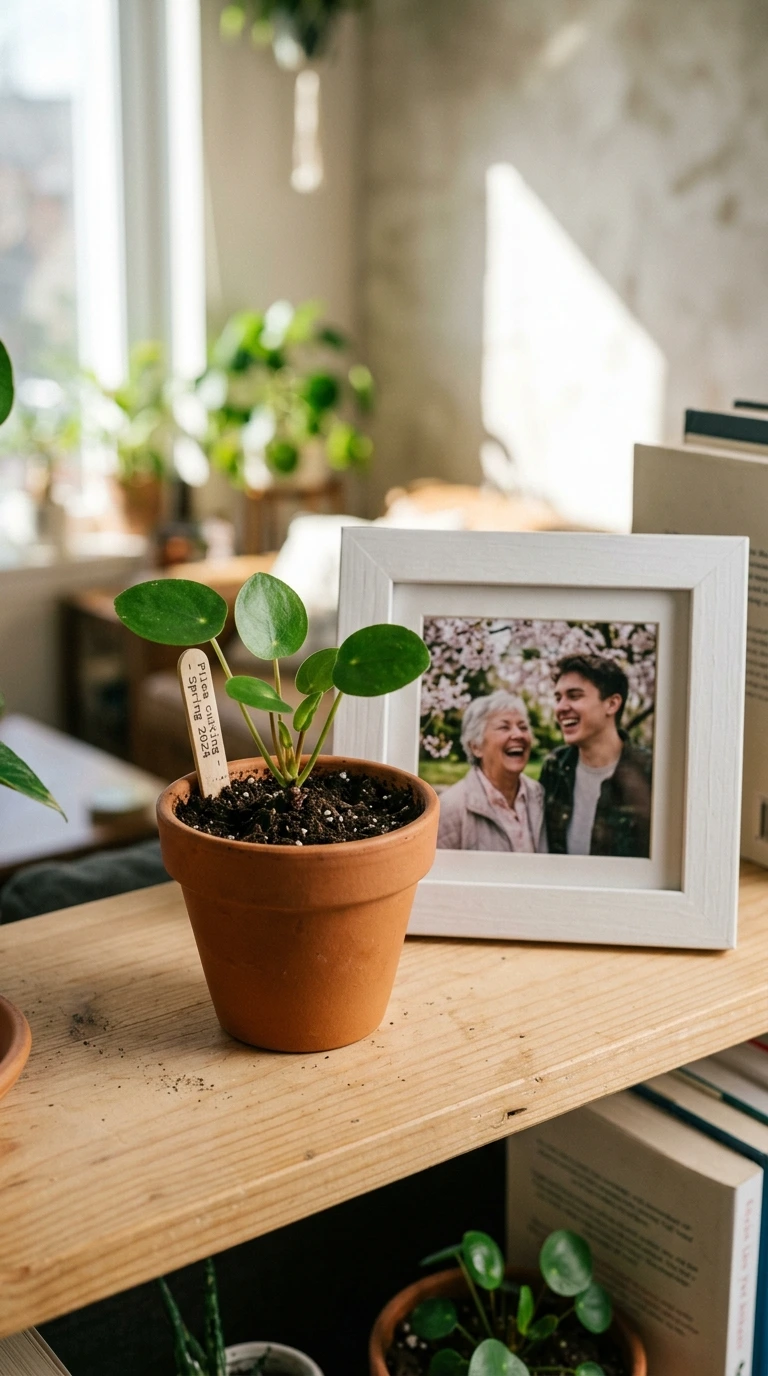
No matter how many refresh ideas you incorporate, the most genuinely welcoming spring homes include a few personal, meaningful details, a favorite childhood Easter decoration, a plant grown from a cutting a friend gave you, or a piece of art that simply makes you happy. These personal touches are what separate a genuinely lived-in home from a purely styled one.
Don’t feel pressured to replace everything just because a trend suggests it. The most successful spring refreshes balance seasonal freshness with the personal details that actually make a house feel like your home throughout every season of the year.
Frequently Asked Questions
1. What’s the easiest way to start a spring home refresh?
Begin by decluttering and removing heavy winter items rather than buying anything new. This editing step alone often makes the biggest visual difference before you add a single spring decoration.
2. Do I need to buy all new decor for a spring refresh?
Not at all. Many of the most effective changes, like swapping pillow covers, opening windows more often, or adding fresh flowers, use items you likely already own or cost very little to add.
3. What colors work best for spring home decor?
Soft pastels like blush pink, sage green, and pale yellow, paired with crisp white, tend to read as the classic spring palette. Choosing one or two accent colors keeps the look cohesive rather than busy.
4. How do I keep fresh flowers looking good longer?
Change the water every two to three days, trim stems at an angle, and keep arrangements away from direct heat or hot afternoon sun. These simple steps can extend a bouquet’s life considerably.
5. What’s the best way to store heavy winter textiles?
Use breathable cotton storage bags rather than sealed plastic, since trapped moisture can lead to mildew over several months of storage. Proper folding and labeling also makes next winter’s setup much easier.
6. How can I bring spring freshness into a small apartment?
Focus on a few high-impact, low-space items like fresh flowers, lighter throw pillow covers, and swapping heavy curtains for sheer panels. These changes work in any size space without requiring major furniture swaps.
7. Is it worth repainting a room just for spring?
It depends on your budget and how much the current color bothers you, but a single accent wall in a lighter tone can deliver significant seasonal impact for a moderate effort. Smaller swaps like textiles and flowers can achieve a similar feeling without any painting at all.
Conclusion
A spring home refresh is really about lightness, both in color and in what you choose to keep out on display. Small swaps in textiles, a bit of fresh greenery, and some thoughtful editing can transform how your whole home feels after a long winter.
Start with the changes that feel most doable, whether that’s fresh flowers on the counter or lighter curtains in your main living space, and build from there as the season progresses. Your home might just feel like a completely different, brighter place without ever needing a full redecorating project.