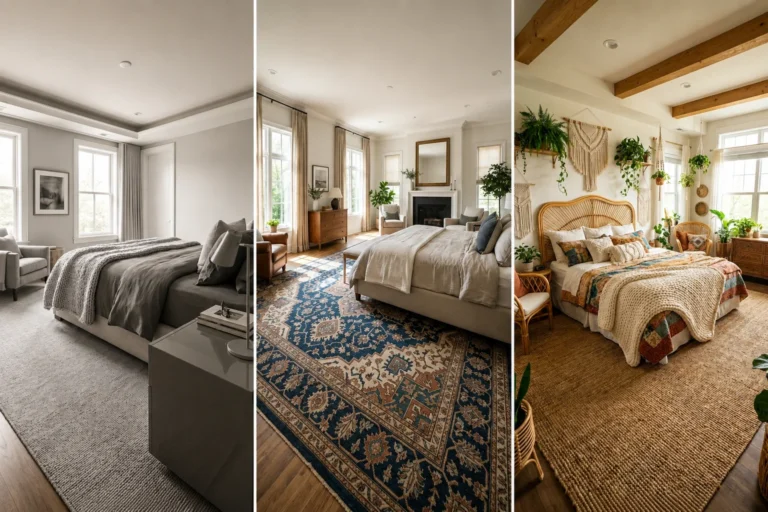
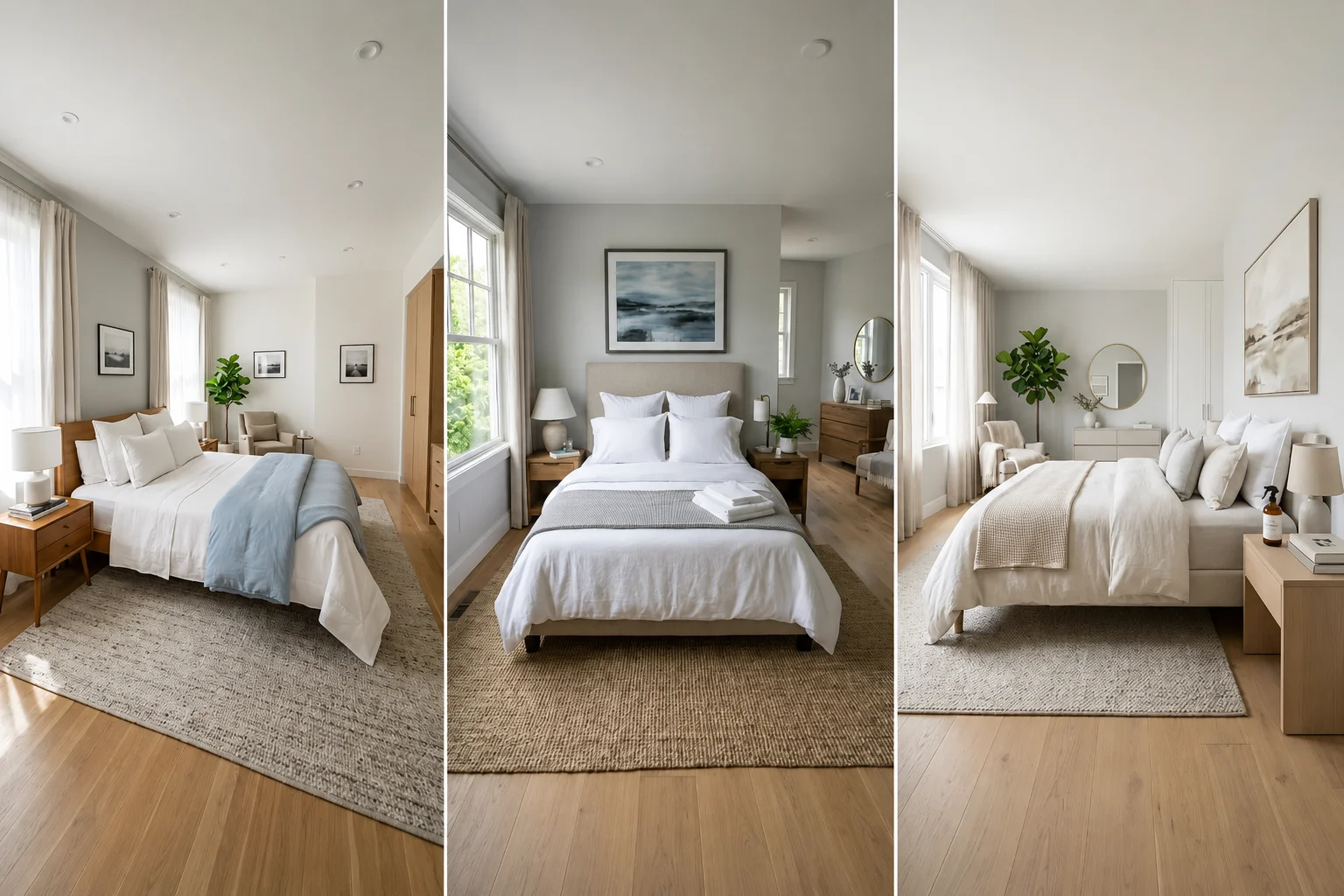
How to Style Your Bed for a Hotel-Like Look (Step by Step)

Introduction
That crisp, plush, effortlessly inviting bed you notice in every hotel room isn’t the result of expensive sheets alone. It comes down to the order layers are added, the specific techniques used at each stage, and a few small finishing details most people skip entirely at home.
The good news is that this look is genuinely replicable without needing designer-level furniture or a professional stylist. Below are 20 sequential steps, following the same layering order hotels themselves use, so you can build that polished, five-star bed one deliberate layer at a time.
Pro Tip: Work through these steps in order rather than jumping to the finishing touches first. Each layer is designed to build on the one beneath it, and skipping the foundational steps is the most common reason a home-styled bed still doesn’t quite achieve that hotel-level result.
1. Start with a Mattress Topper
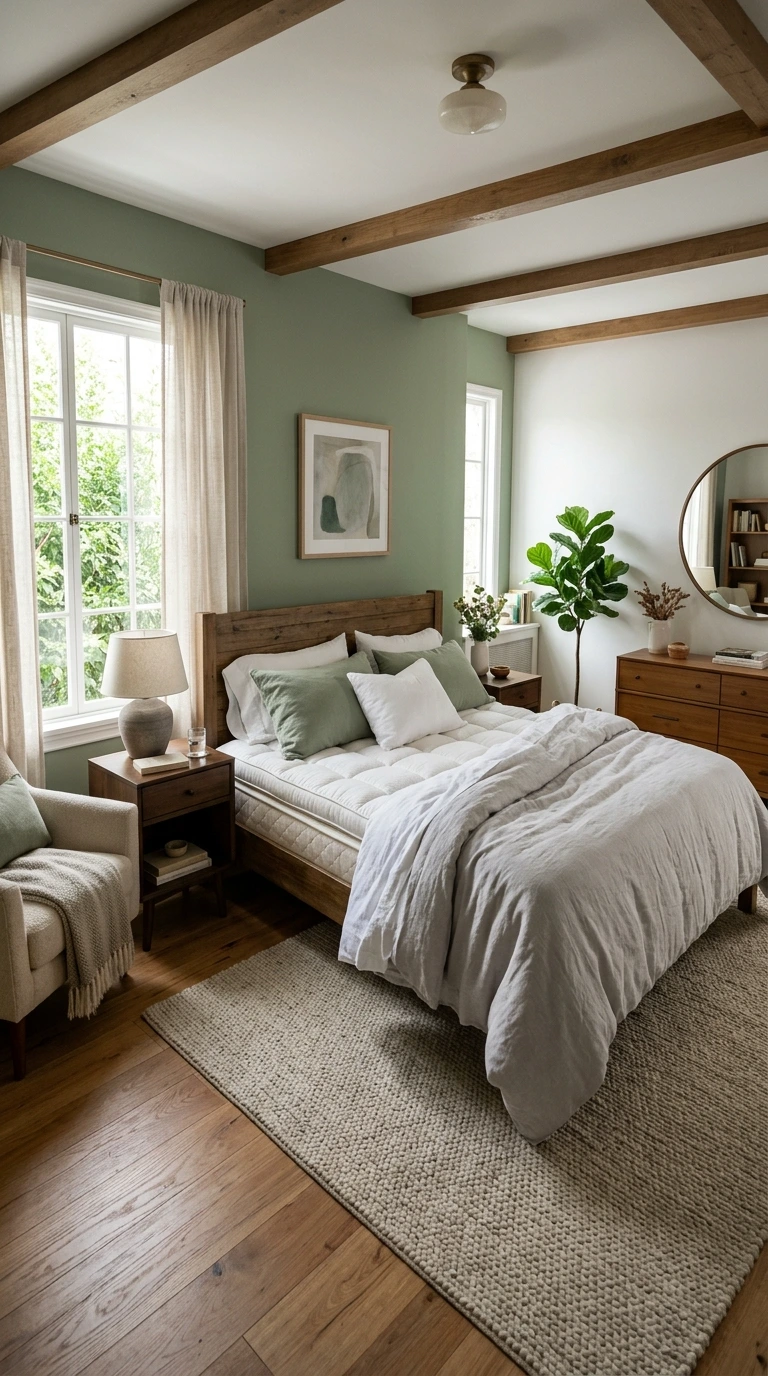
A mattress topper is the true foundation of a hotel-style bed, adding an immediate layer of softness that even a good-quality mattress alone doesn’t provide. This is one of the most overlooked steps when people try to recreate the look, since it’s invisible once the bed is fully made.
Choosing a topper with genuine loft and density delivers noticeably more plushness than a thin, budget version. This single addition affects how every layer above it eventually looks and feels, making it worth prioritizing before moving on to sheets and bedding.
2. Add a Mattress and Topper Protector
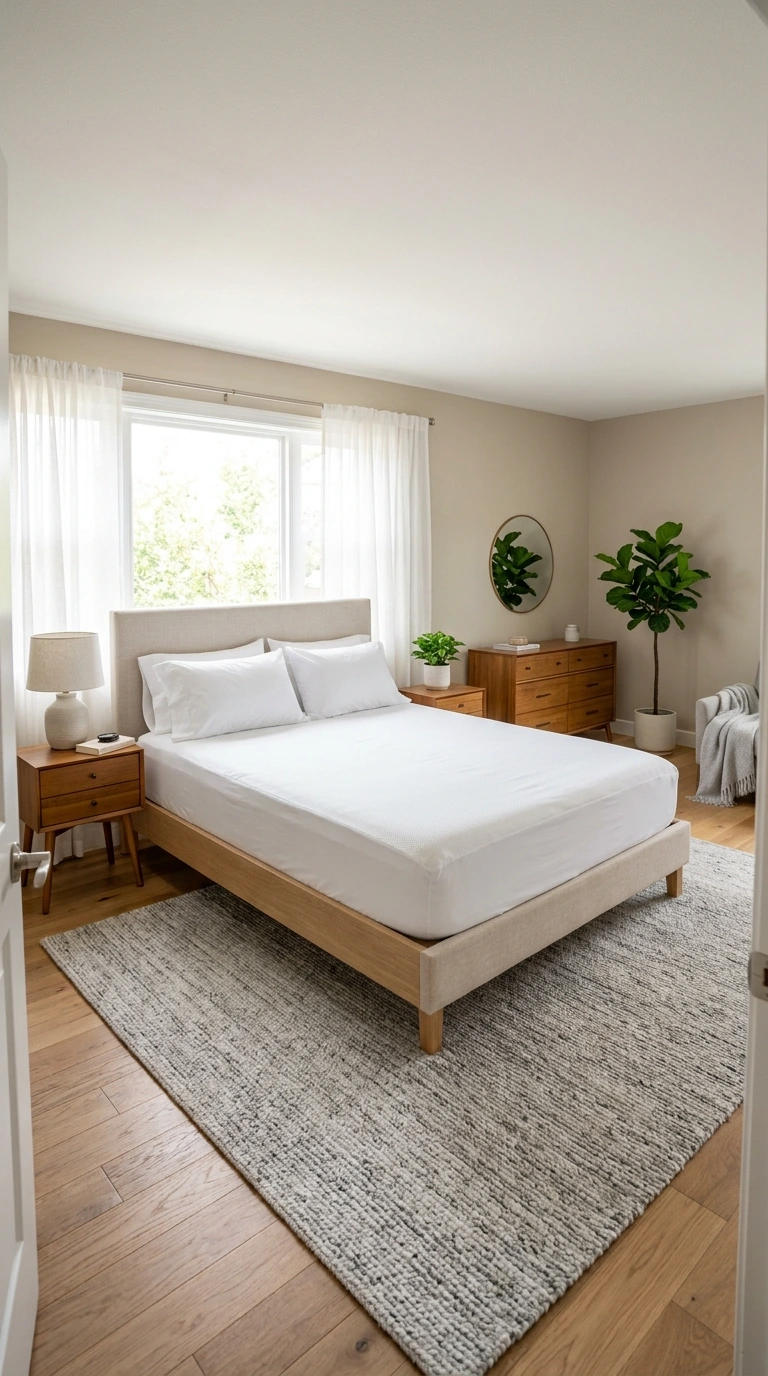
A protective cover placed over both the mattress and topper guards against dust, spills, and general wear while still allowing the surface beneath to breathe. Hotels rely on this layer constantly given how frequently their beds are used, but it’s just as valuable in a home setting.
Choosing a breathable, moisture-wicking protector rather than a thick plastic barrier keeps this layer from trapping heat uncomfortably overnight. This step protects your investment in the topper and mattress beneath it, extending their usable life considerably.
3. Fit the Fitted Sheet Snugly
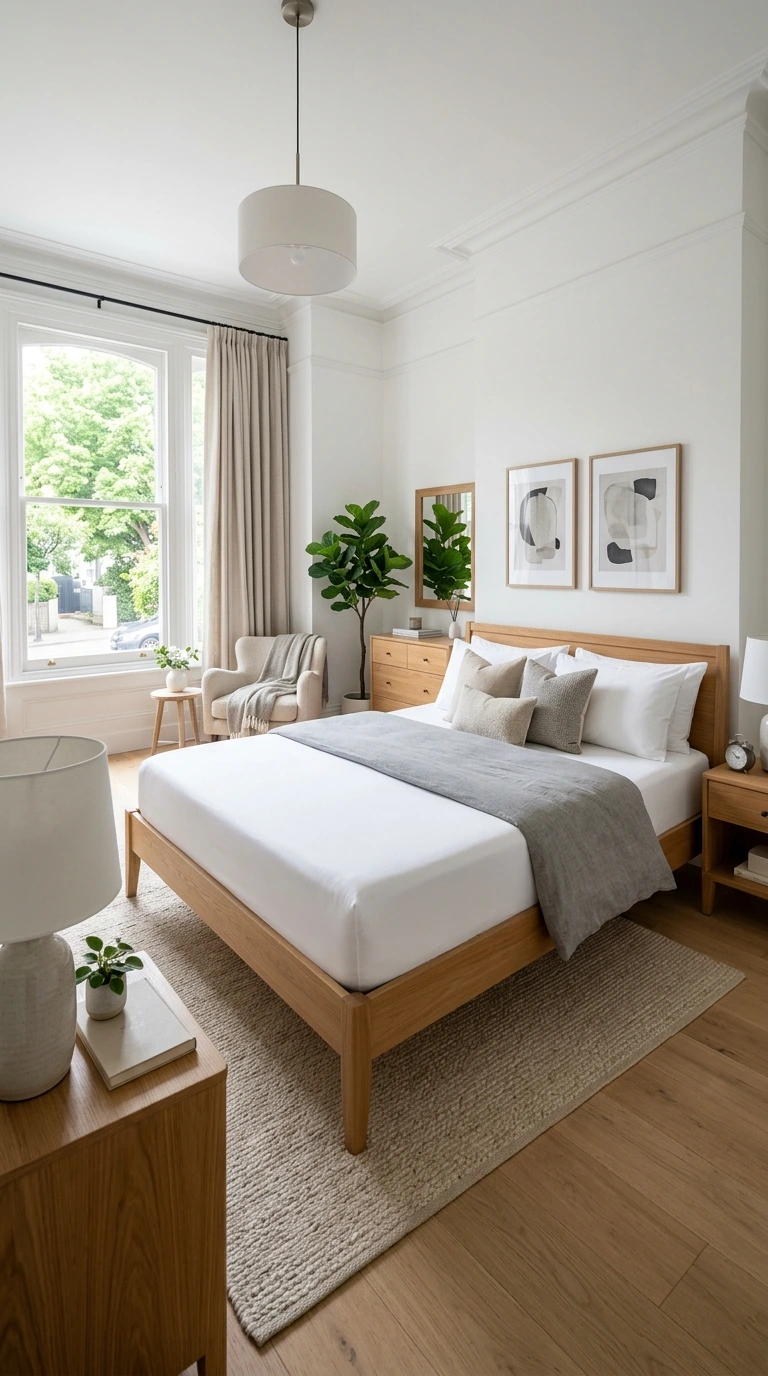
A properly fitted sheet should sit taut and smooth across the mattress, with no visible bumps, wrinkles, or slack fabric pooling at the corners. This snug fit is the first visible layer of the bed and sets the tone for how polished everything above it will eventually look.
Choosing a fitted sheet with deep enough pockets for your specific mattress and topper combination prevents it from popping loose or bunching during the night. A sheet that’s slightly too small will visibly strain and wrinkle no matter how carefully it’s initially placed.
4. Add the Flat Sheet Using Hospital Corners
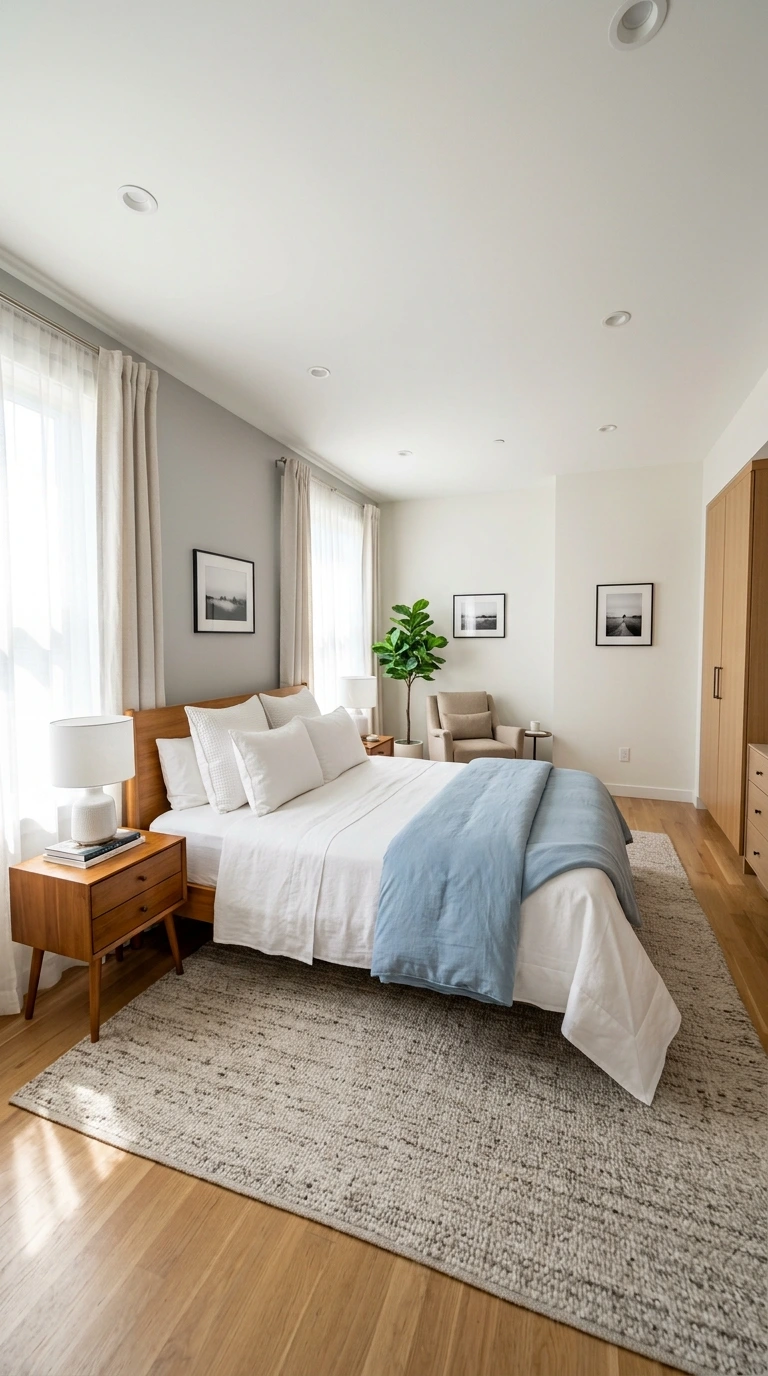
Place the flat sheet with its decorative side facing down, so the right side faces up once the top is folded back, then tuck the edges using the classic “hospital corner” technique. Fold the fabric diagonally at the foot of the mattress and tuck the resulting flap neatly beneath, creating a clean, taut line along each side.
This technique is one of the defining details of true hotel bed-making, keeping the sheet secured in place throughout the night rather than working loose. Taking the extra few minutes to execute this fold properly noticeably elevates the bed’s overall polish from the very first visible layer.
Warning: Skipping hospital corners in favor of simply tucking the sheet loosely under the mattress is one of the most common reasons a home bed doesn’t hold its polished look past the first hour of sleep. Take the extra time for this step, since it directly affects how neat the bed stays throughout the night.
5. Layer a Lightweight Blanket or Coverlet
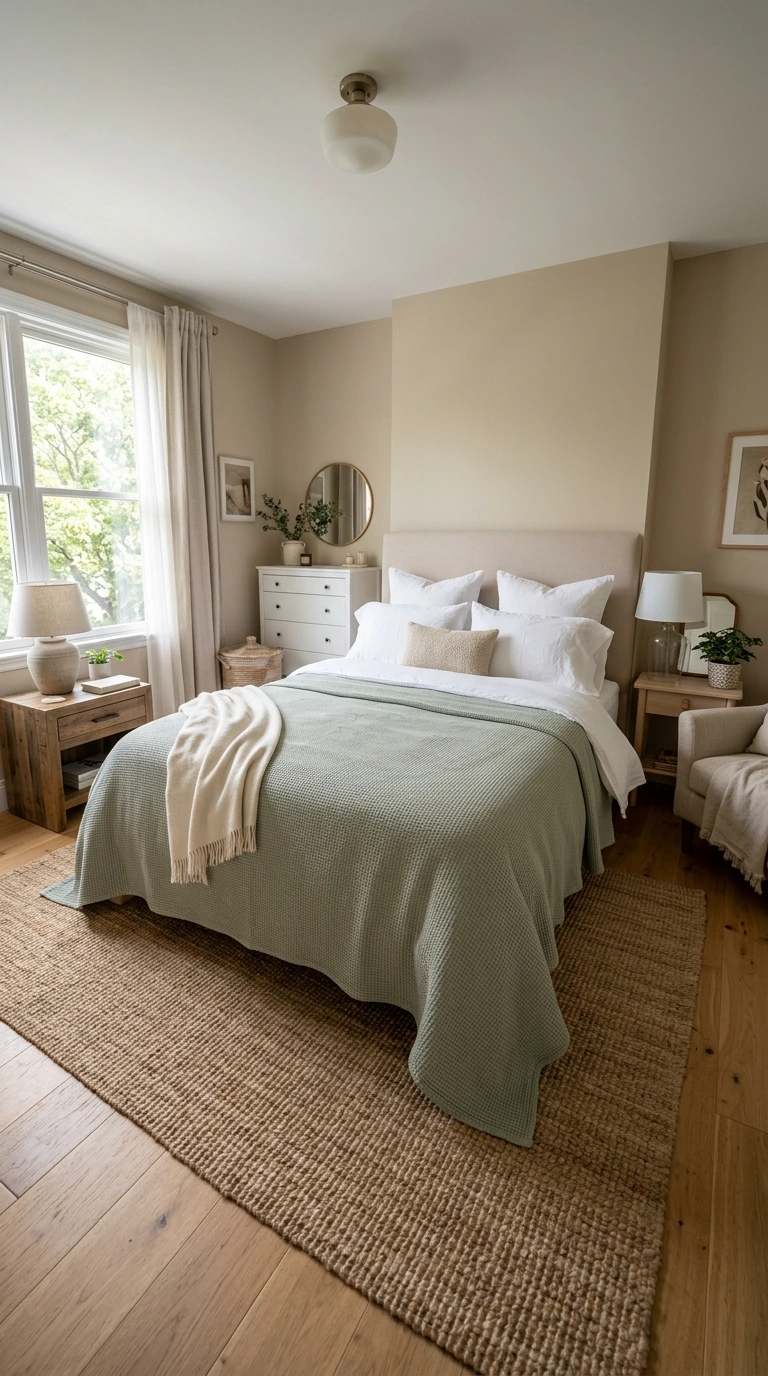
Positioned directly on top of the flat sheet, a lightweight cotton or cashmere blanket adds warmth without bulk, while also introducing genuine visual depth to the bed’s overall composition. Hotels use this layer specifically to allow guests flexibility for different temperature preferences.
This layer is also an ideal place to introduce a secondary color or a subtle textured pattern, like a matelassé weave, providing sophisticated contrast against a primarily white or neutral bed. Skipping this layer entirely is one of the most common reasons a home bed looks visually flat compared to a genuine hotel setup.
6. Choose a Fluffy Duvet with a Breathable Cover
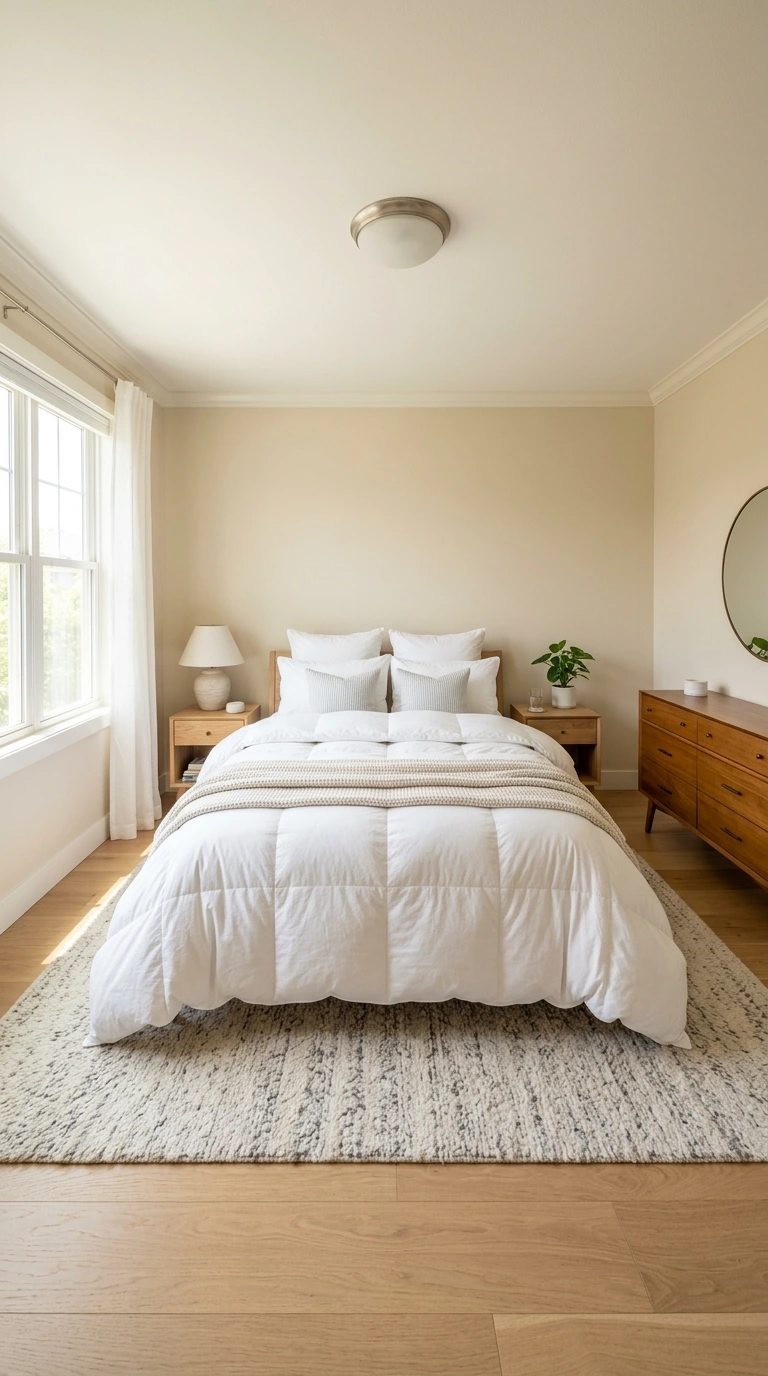
A lofty duvet insert, paired with a smooth, breathable cover, delivers the plush, inviting volume that defines a true hotel-style bed. This layer should feel substantial rather than thin or deflated once placed over the bed.
Choosing a duvet cover in a crisp white or soft neutral tone remains the classic hotel approach, though a subtle pattern or texture works well too, provided it stays consistent with your broader color scheme. This layer typically represents the bed’s largest single visual element, so its quality and fluffiness genuinely matter to the overall final look.
7. Fold the Duvet Down One-Third at the Head
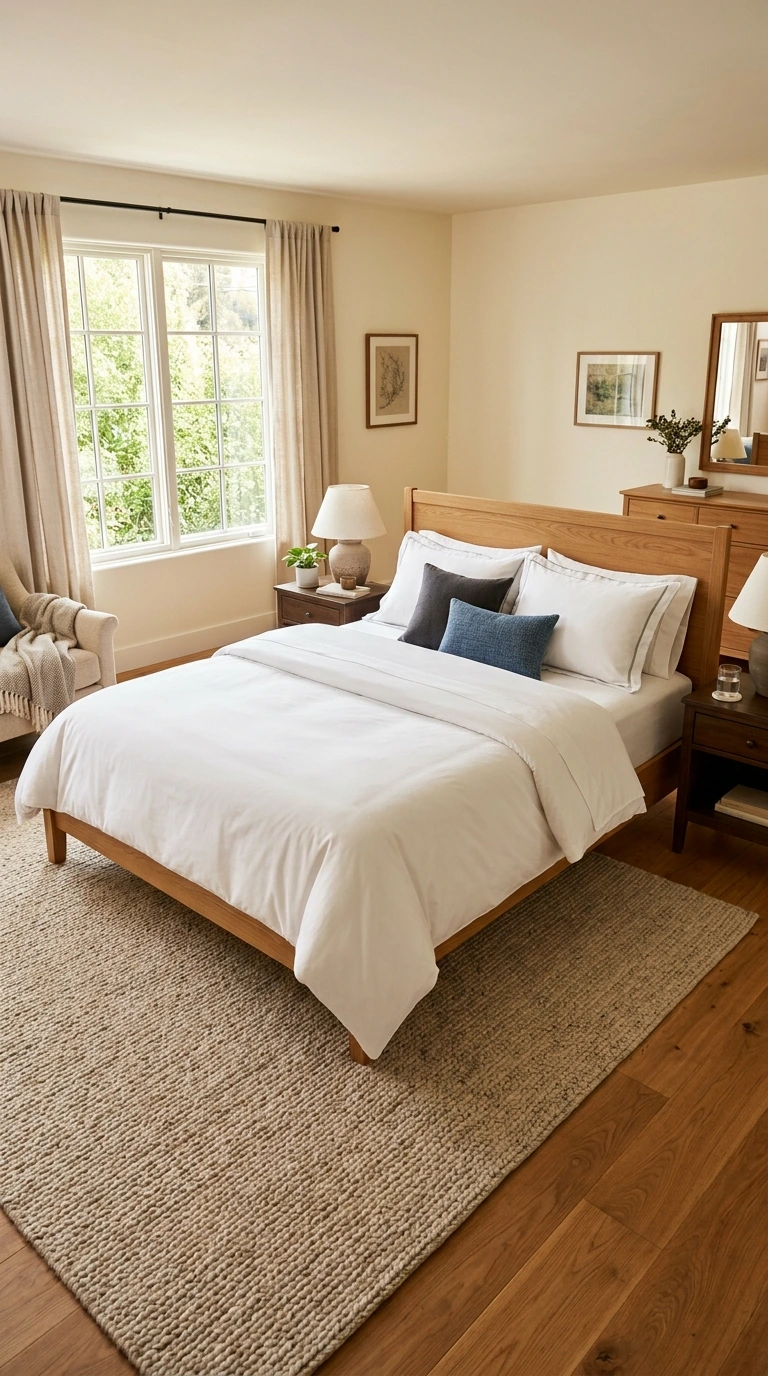
Rather than pulling the duvet all the way up to the headboard, fold it down roughly one-third of the way at the head of the bed. This small styling detail creates that instantly recognizable, welcoming “turned-down” hotel look.
This fold also reveals a hint of the flat sheet or blanket layer beneath it, adding visual depth rather than presenting one flat, uninterrupted surface. This step takes only a few seconds but is one of the most immediately recognizable hallmarks of professional bed styling.
8. Arrange Sleeping Pillows Vertically Against the Headboard
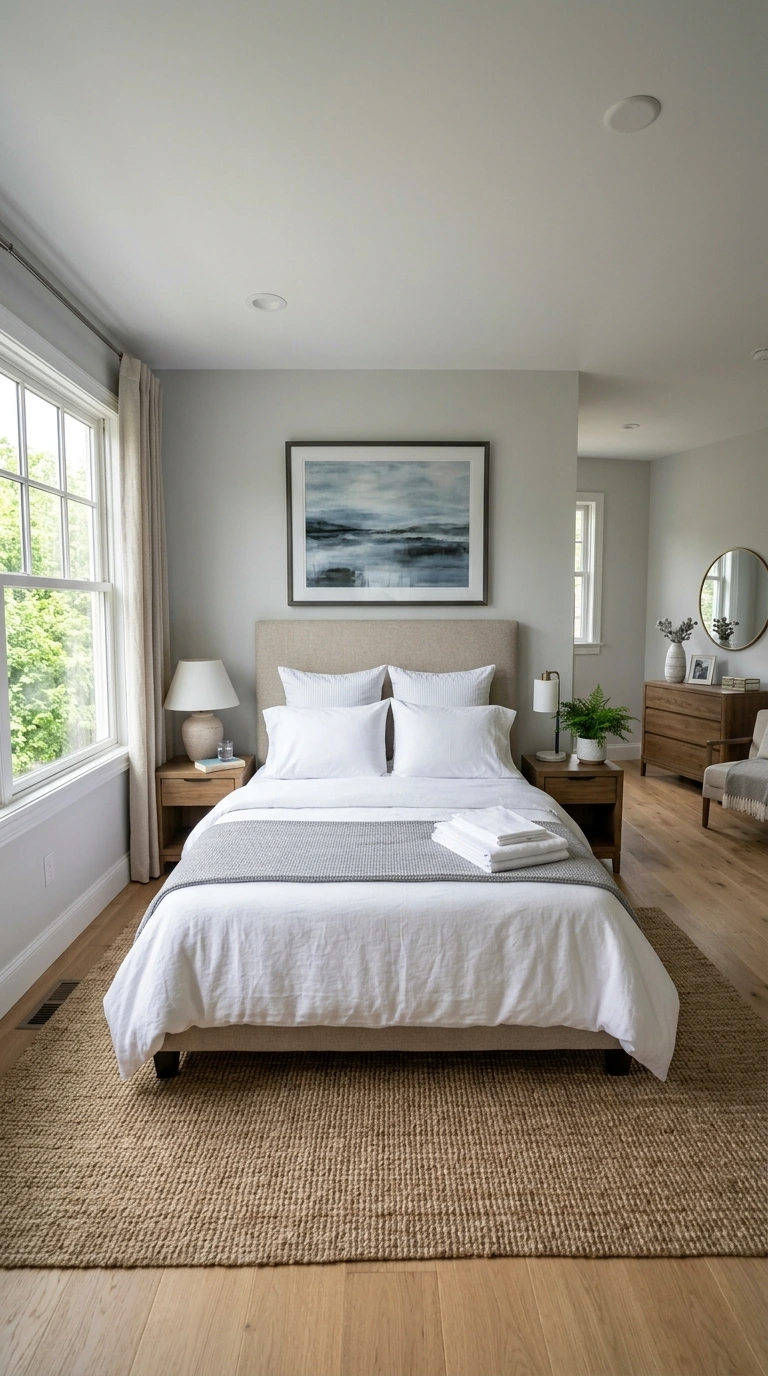
Standing your everyday sleeping pillows upright against the headboard, rather than laying them flat, gives the bed height and structure right from the base of the pillow arrangement. Use at least two pillows for a full or queen bed, or four for a king, encased in pillowcases that match your bedding.
This vertical positioning creates the visual foundation that every additional pillow layer builds upon. Skipping this step and instead stacking everything flat is one of the quickest ways a home-styled bed loses that structured, hotel-quality appearance.
9. Layer Euro Shams in Front
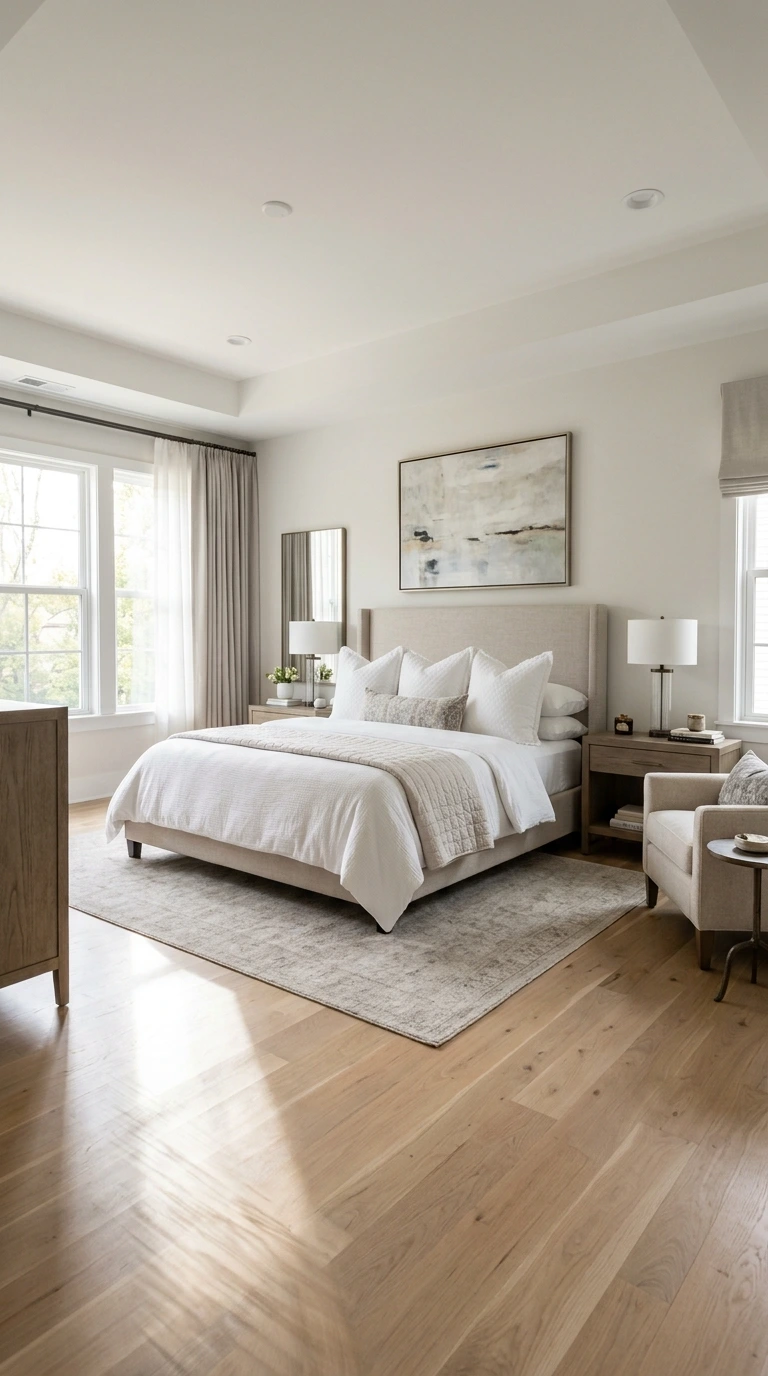
Large square Euro shams, typically around 26×26 inches, placed in front of the vertical sleeping pillows add structure and visual weight to the overall pillow arrangement. Two to three Euro shams work well for most bed sizes.
Choosing shams in a neutral or monochromatic tone with a subtle pattern reinforces the elegant, understated quality most associated with genuine hotel styling. This layer is what gives the pillow arrangement its noticeable sense of intentional height and structure, rather than a simple pile of pillows.
10. Add Smaller Decorative Accent Pillows
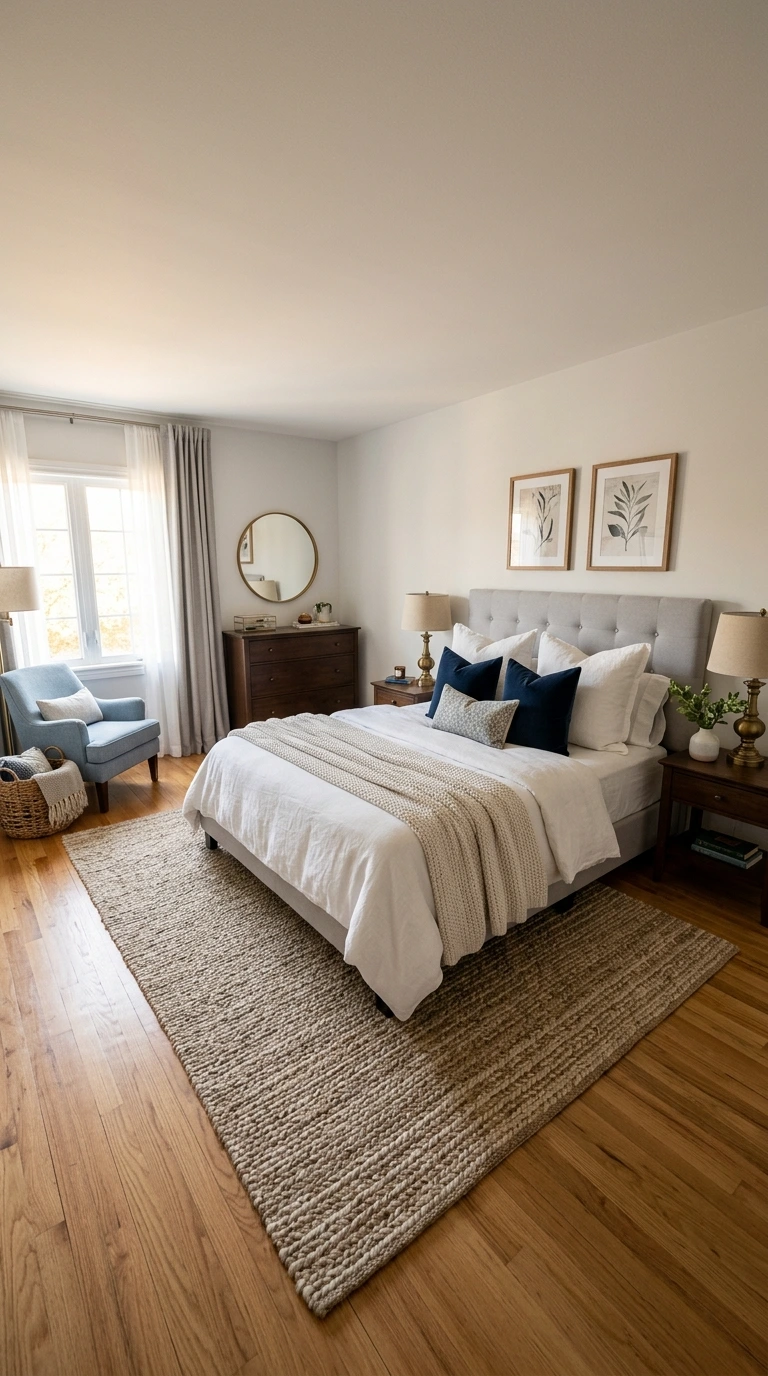
In front of the Euro shams, one to three smaller decorative pillows in coordinating textures and colors complete the pillow arrangement with a final, polished layer. This is where a small pop of pattern or a contrasting texture can be introduced without overwhelming the overall composition.
Keeping this layer relatively restrained, rather than piling on numerous mismatched accent pillows, maintains the sense of curated elegance central to the hotel aesthetic. This final pillow layer is often the detail that ties the entire bed’s color story together.
Important: Adding too many decorative pillows can quickly tip a hotel-style arrangement into feeling cluttered rather than luxurious. Stick to a maximum of three smaller accent pillows in front of your Euro shams to maintain the clean, intentional look.
11. Keep Pillow Count Balanced, Not Overcrowded
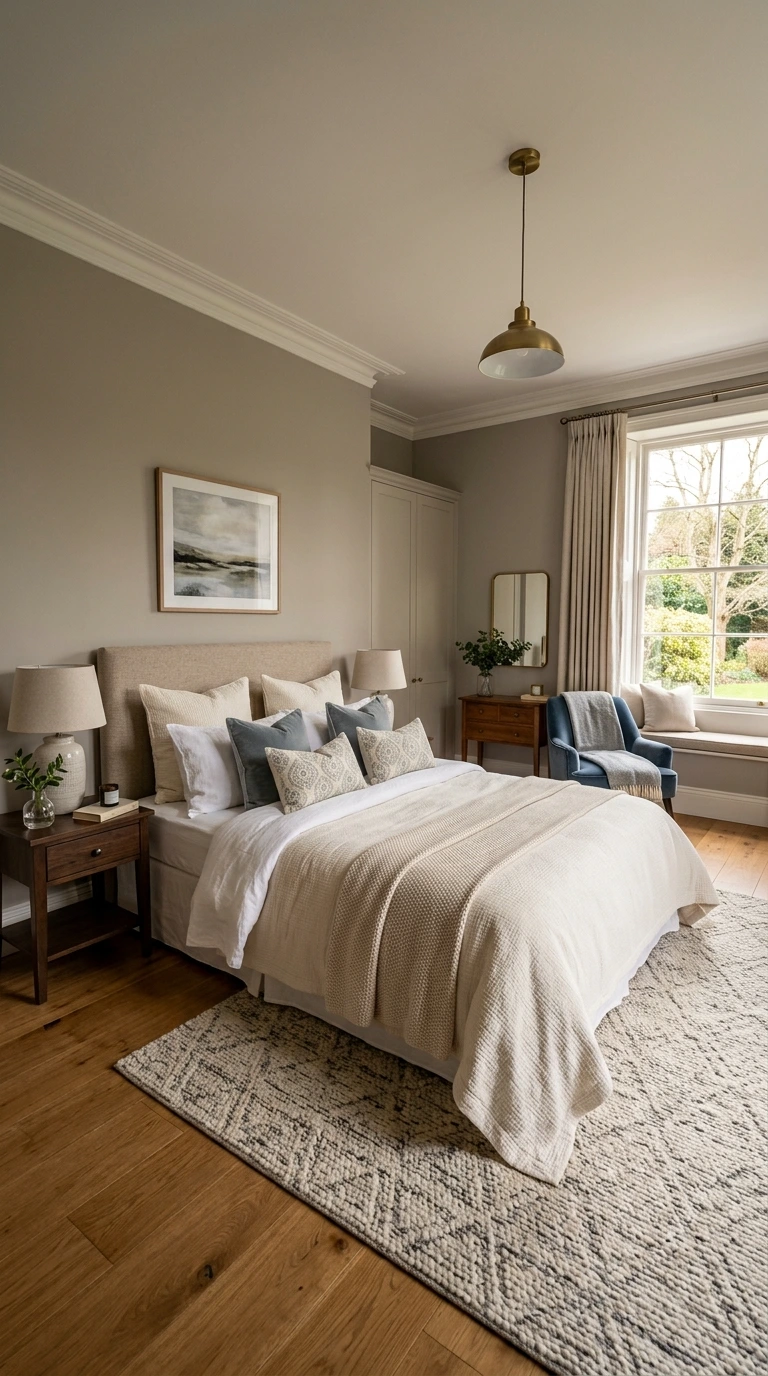
While a full pillow arrangement is part of the hotel aesthetic, the total count should still feel proportional to the bed’s size rather than excessive. A queen bed typically looks best with around six to eight total pillows across all layers, while a king bed can support slightly more.
Overloading the bed with pillows beyond this range starts to feel impractical and visually heavy rather than luxurious. This balance between abundance and restraint is precisely what separates a genuinely elegant hotel bed from one that simply has too much on it.
12. Add a Bed Skirt to Hide the Base
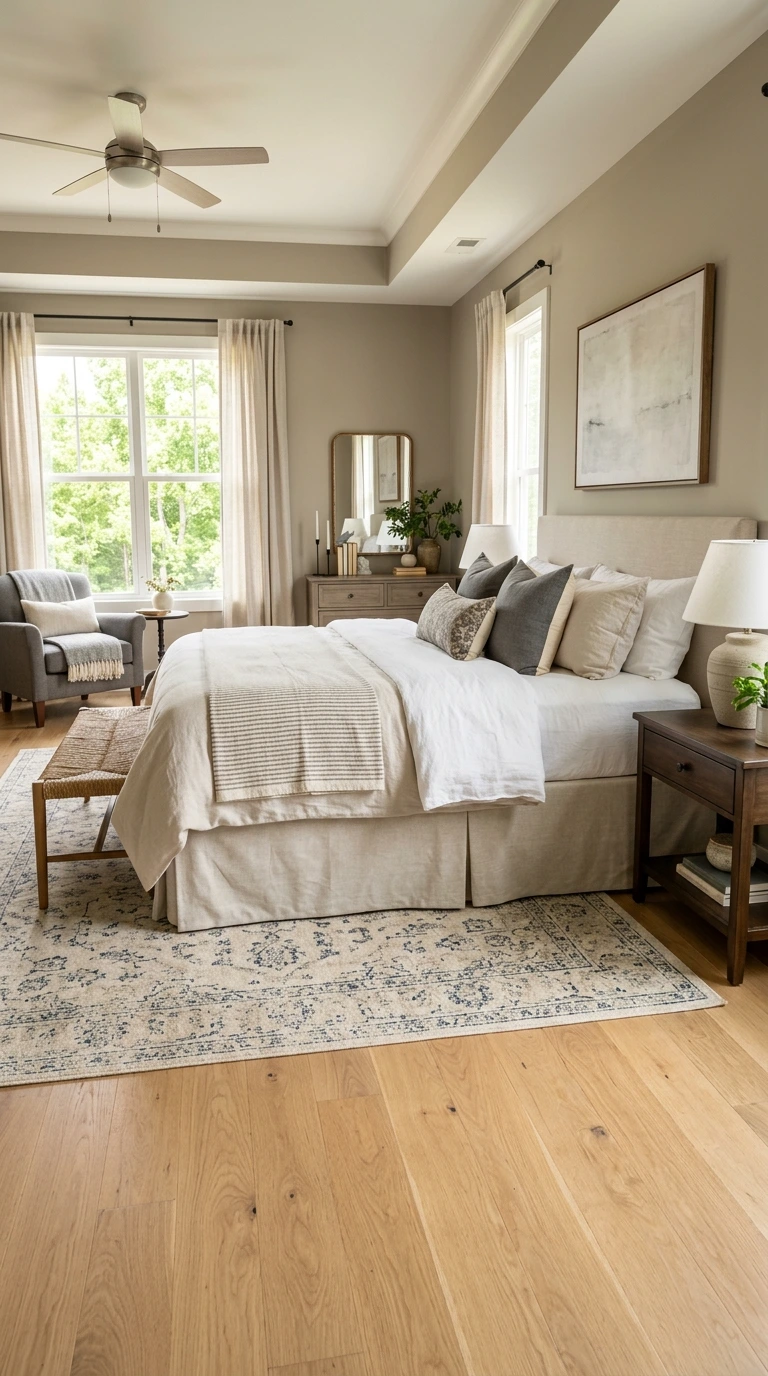
A bed skirt conceals the box spring or bed frame’s base, creating a clean, finished line from the mattress all the way down to the floor. This detail is easy to overlook but meaningfully contributes to the overall polished, seamless appearance hotels consistently achieve.
Choosing a bed skirt in a color that matches or subtly coordinates with your bedding keeps this detail from drawing unwanted attention to itself. This small addition genuinely completes the bed’s silhouette, especially when viewed from across the room.
What Goes Into a Hotel-Style Bed, Layer by Layer
| Layer | Purpose | Typical Placement |
|---|---|---|
| Mattress Topper & Protector | Adds plushness and protects the mattress | Directly on the mattress |
| Fitted & Flat Sheets | Foundation layer with hospital corners | Over topper, beneath blanket |
| Blanket, Duvet & Coverlet | Warmth, texture, and visual depth | Layered above the sheets |
| Pillows (Sleeping, Euro, Accent) | Structure, height, and finishing color | Arranged front to back against headboard |
13. Drape a Throw Blanket at the Foot of the Bed
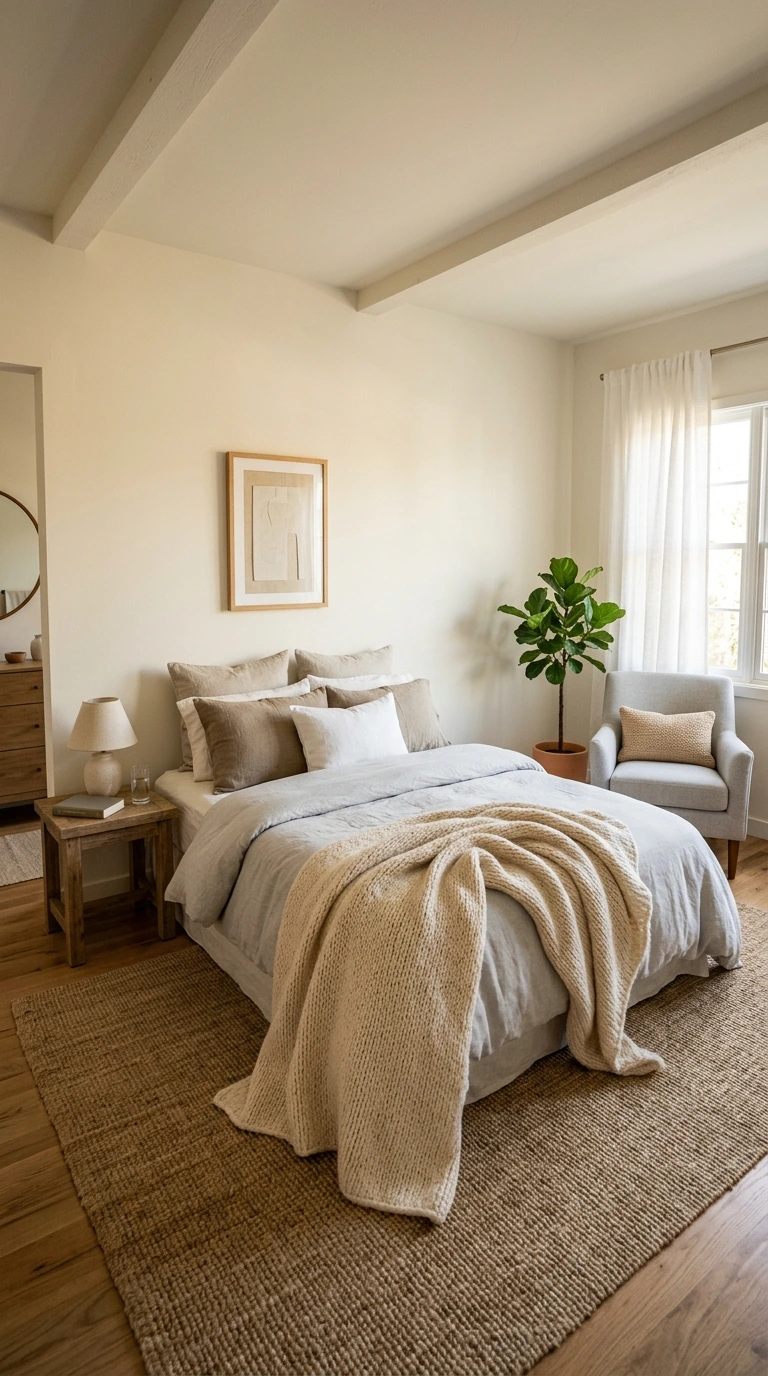
A cashmere, knit, or faux fur throw draped across the foot of the bed adds a final touch of texture and effortless luxury to the overall composition. This detail is one of the simplest, most recognizable finishing elements in hotel-style bed presentation.
Draping the throw loosely rather than folding it into a perfectly neat rectangle tends to look more natural and inviting. This layer also gives you a practical, easily accessible source of extra warmth for cooler nights.
14. Stick to a Two to Three Color Palette
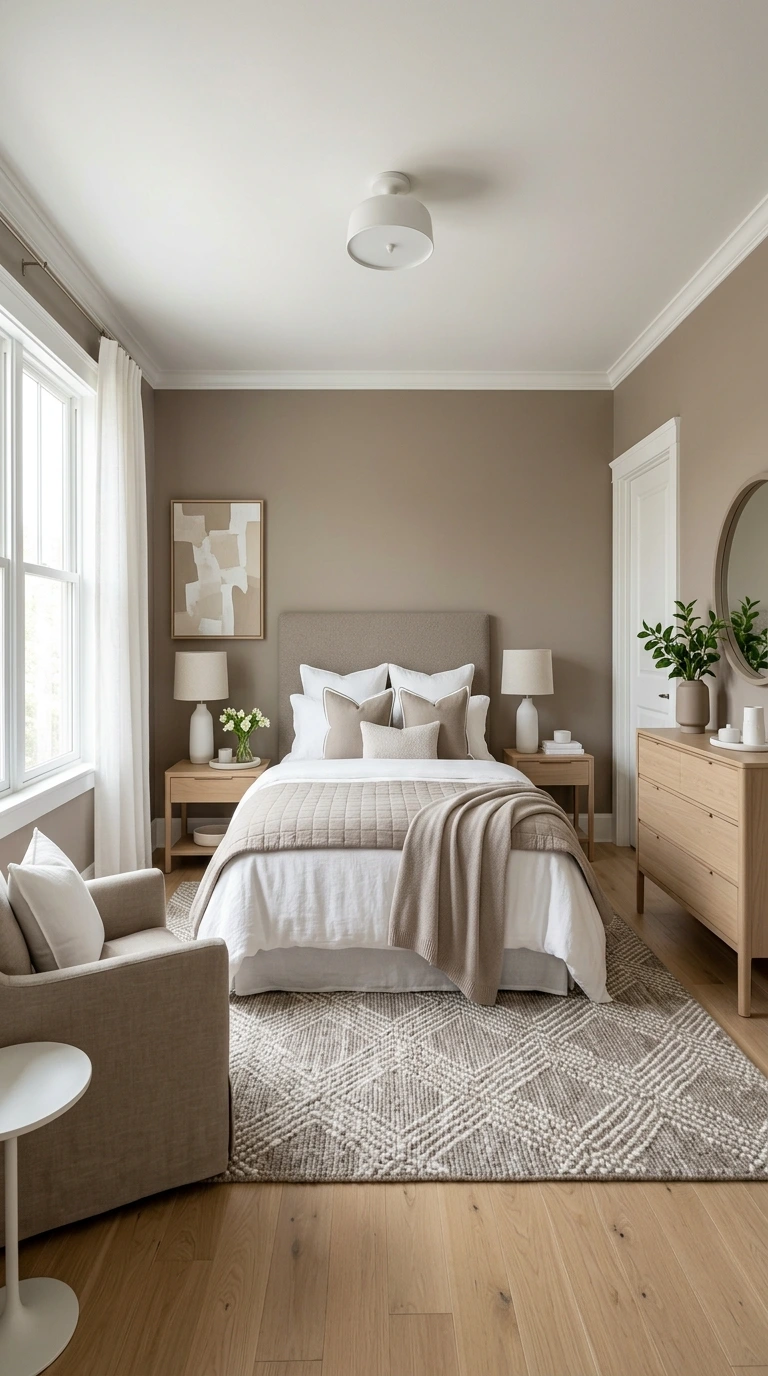
Limiting your overall bedding palette to just two or three coordinated colors keeps the entire arrangement feeling cohesive and intentional rather than visually busy. This restraint is one of the defining characteristics separating hotel-style bedding from a more mismatched, casual approach.
A classic all-white palette remains a hallmark of luxury hotel styling, though incorporating one or two soft neutral or muted accent tones works equally well if you prefer more warmth. Whichever direction you choose, consistency across every layer reinforces the sense of considered, professional styling.
15. Mix Textures, Not Just Colors
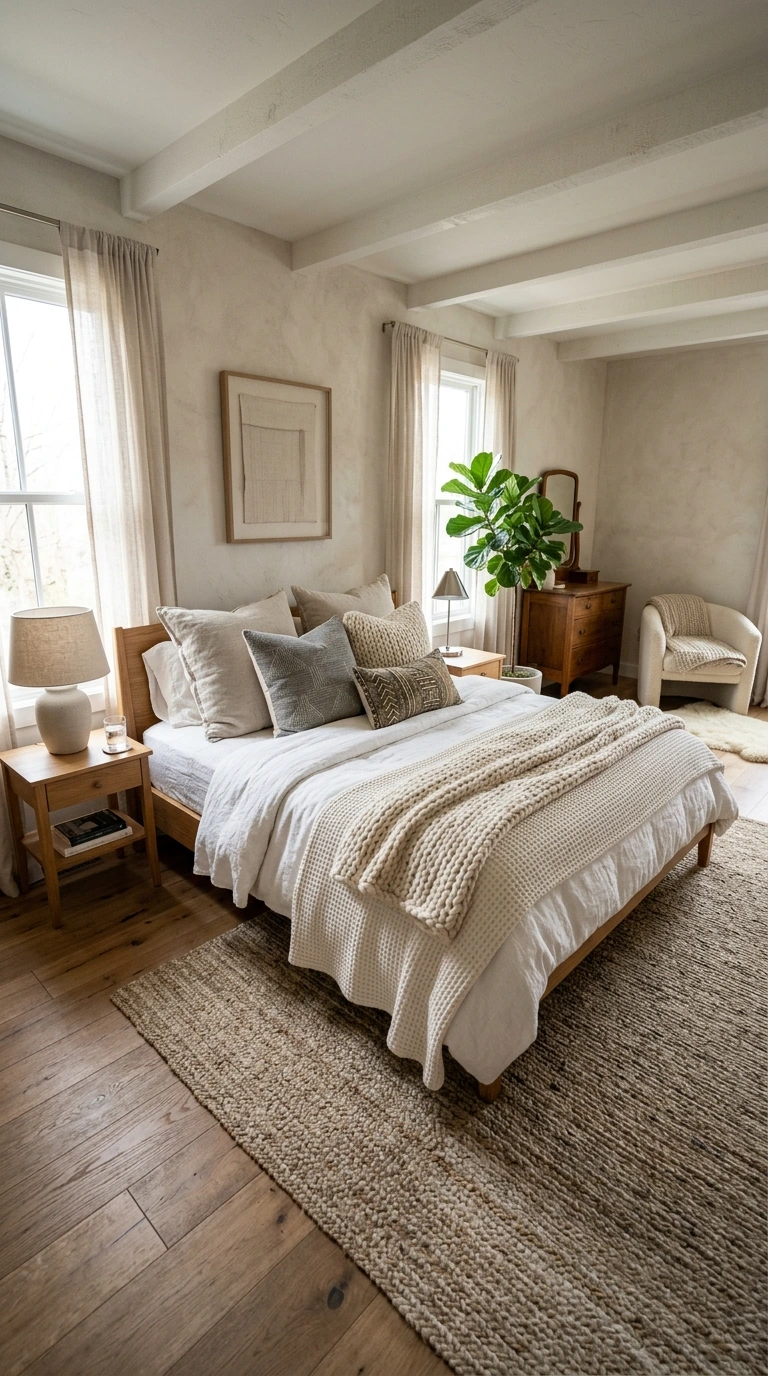
While a monochromatic white palette is a classic hotel look, relying on color alone risks feeling flat and one-dimensional without genuine textural variety. Professional stylists specifically use piqué, waffle, and jacquard weaves across different layers to create depth and subtle shadow.
This textural mixing ensures the bed reads as multi-dimensional and inviting rather than clinical, even within a tightly restrained color scheme. Combining a smooth duvet cover with a slightly textured coverlet or a chunkier knit throw achieves this effect without introducing any additional color.
Warning: A fully monochromatic bed relying purely on color with no textural variety at all can end up looking flat or sterile rather than luxurious. Introduce at least one or two different weave textures across your layers to maintain genuine visual depth.
16. Make Sure the Duvet Hangs Evenly on Both Sides
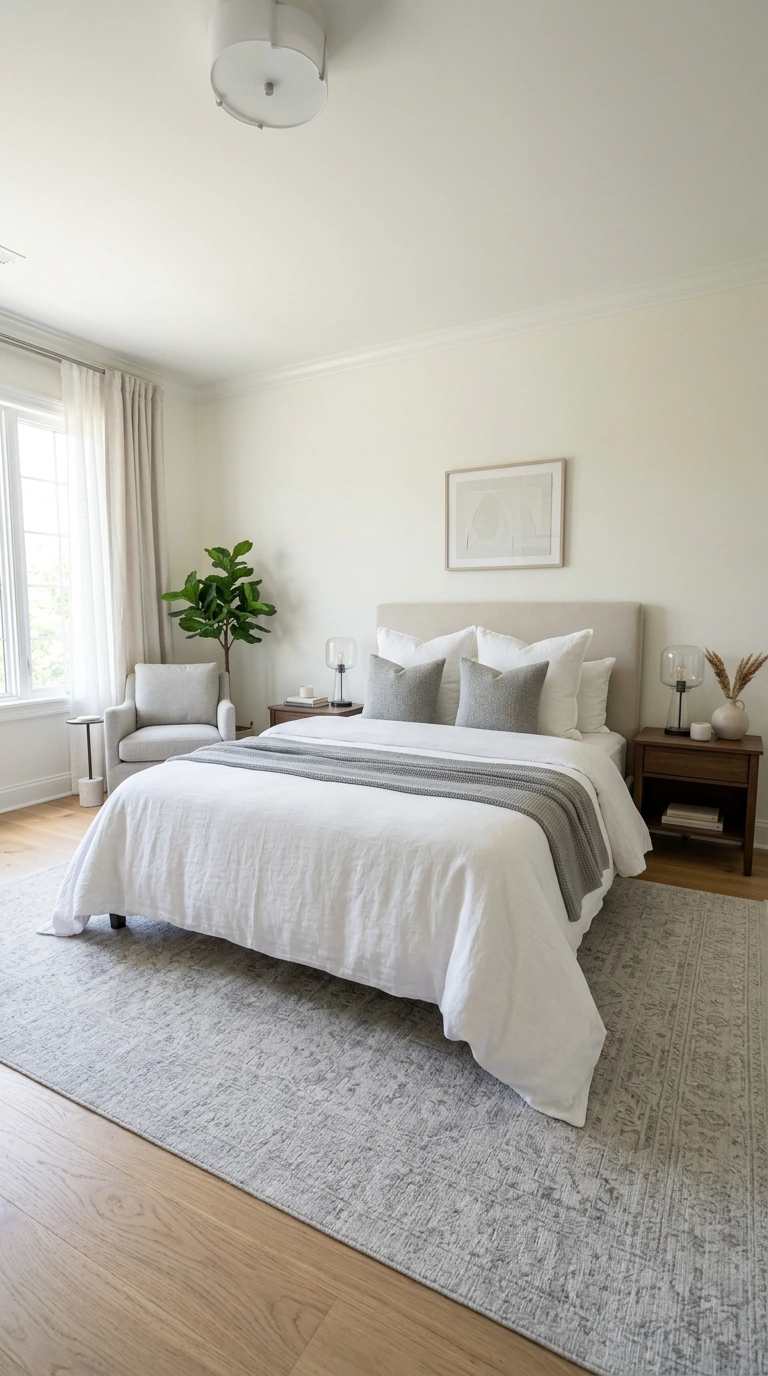
Check that your duvet drapes the same distance down on both sides of the bed, adjusting until the overall silhouette looks balanced and symmetrical. An uneven hang is a small detail, but it’s noticeable once you’re specifically looking for it, and it undercuts an otherwise carefully styled bed.
This final visual check takes only a moment but genuinely affects how polished the finished bed reads from across the room. Symmetry throughout the entire bed-making process reinforces the sense of calm, intentional order central to hotel-style presentation.
17. Steam or Iron Sheets to Eliminate Wrinkles
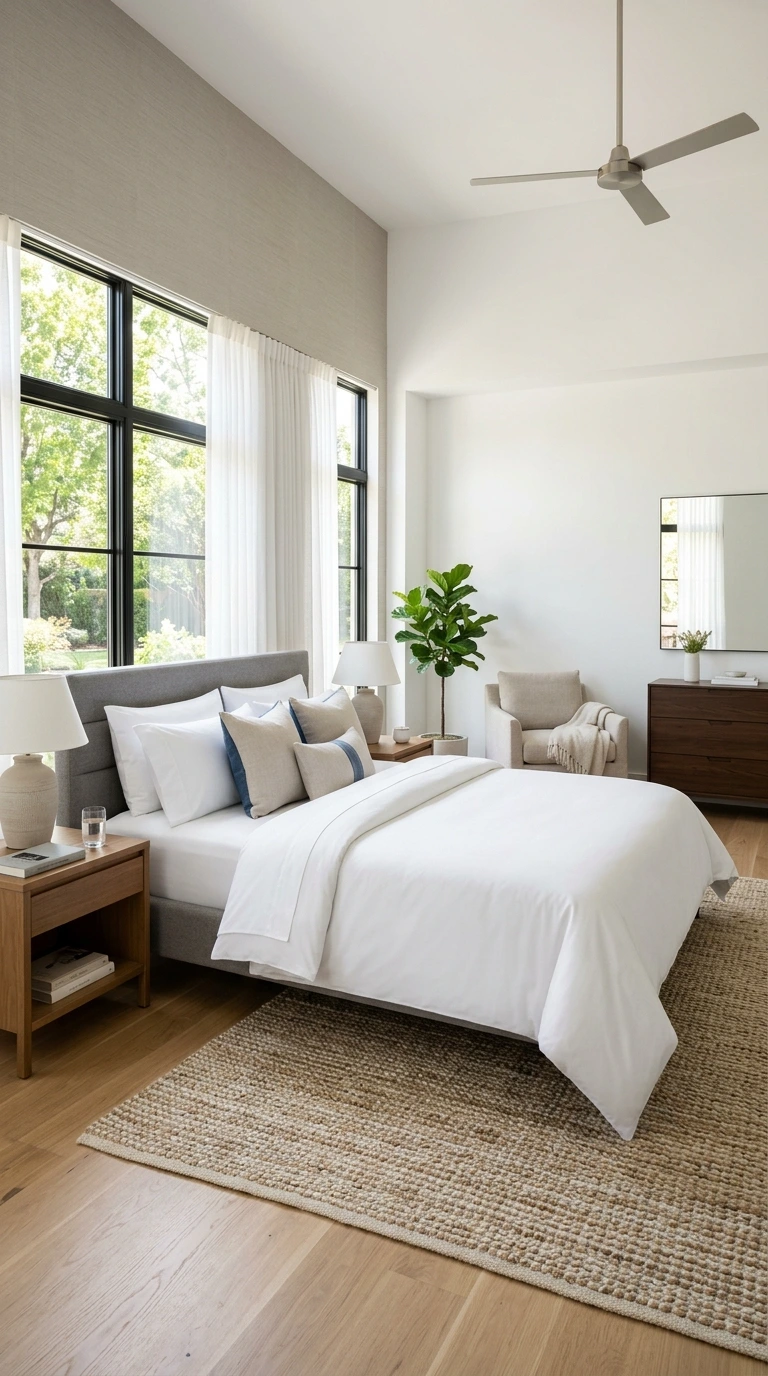
Visible wrinkles across the sheets or duvet cover immediately undercut an otherwise carefully layered bed, making it look unfinished rather than crisp and polished. Steaming or lightly ironing your sheets before making the bed removes this common issue entirely.
This step is easy to skip given the extra time it requires, but it’s specifically what separates a genuinely crisp, hotel-quality finish from a merely tidy one. Even high-quality sheets can look rumpled without this small additional effort.
18. Oversize the Duvet Relative to the Bed
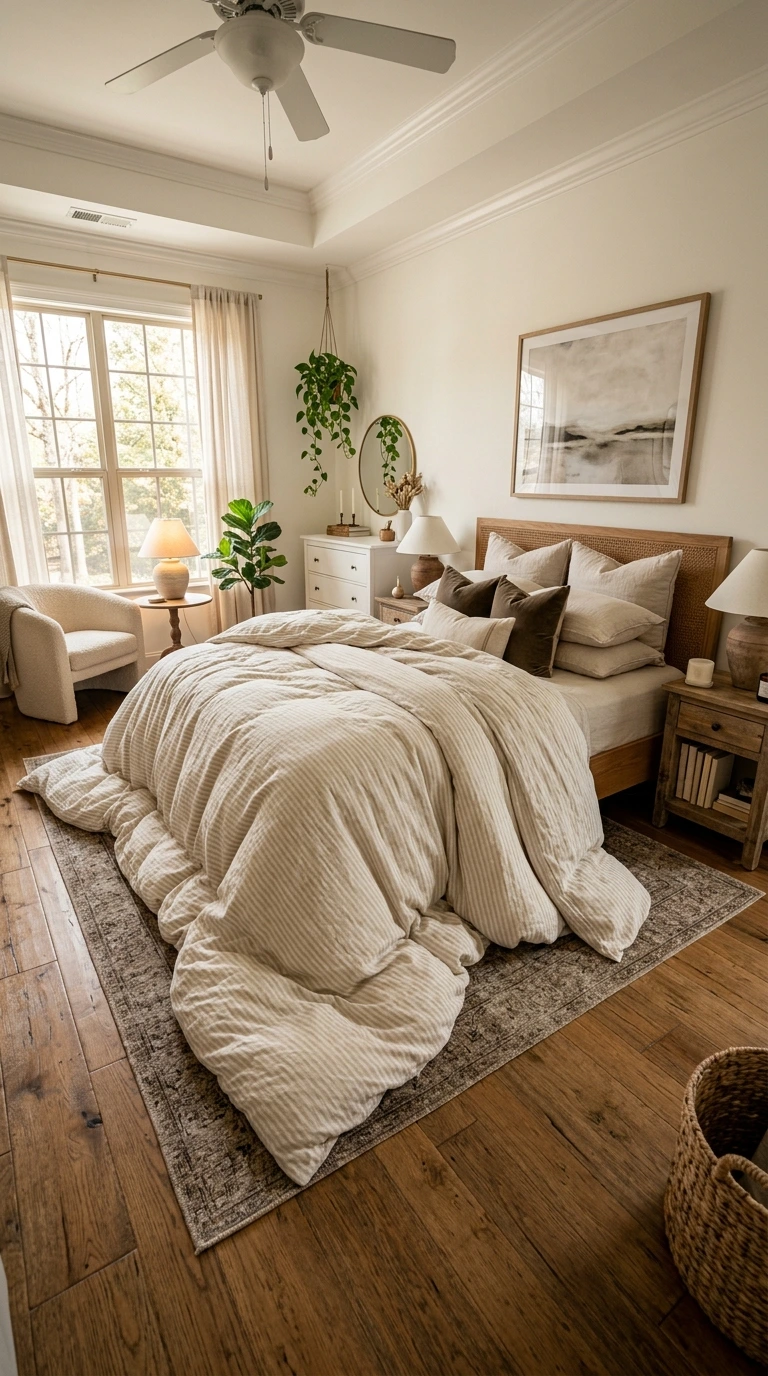
Choosing a duvet insert and cover slightly larger than your bed’s exact dimensions creates extra fluff and fullness that a precisely sized duvet can’t achieve. This intentional oversizing is a specific technique professional hotel stylists rely on for that signature plush appearance.
A duvet that drapes generously over the sides, rather than sitting tightly at the exact edge of the mattress, contributes significantly to the overall sense of luxurious abundance. This detail works especially well paired with the even-hang check discussed earlier.
19. Add a Light Linen Spray Scent
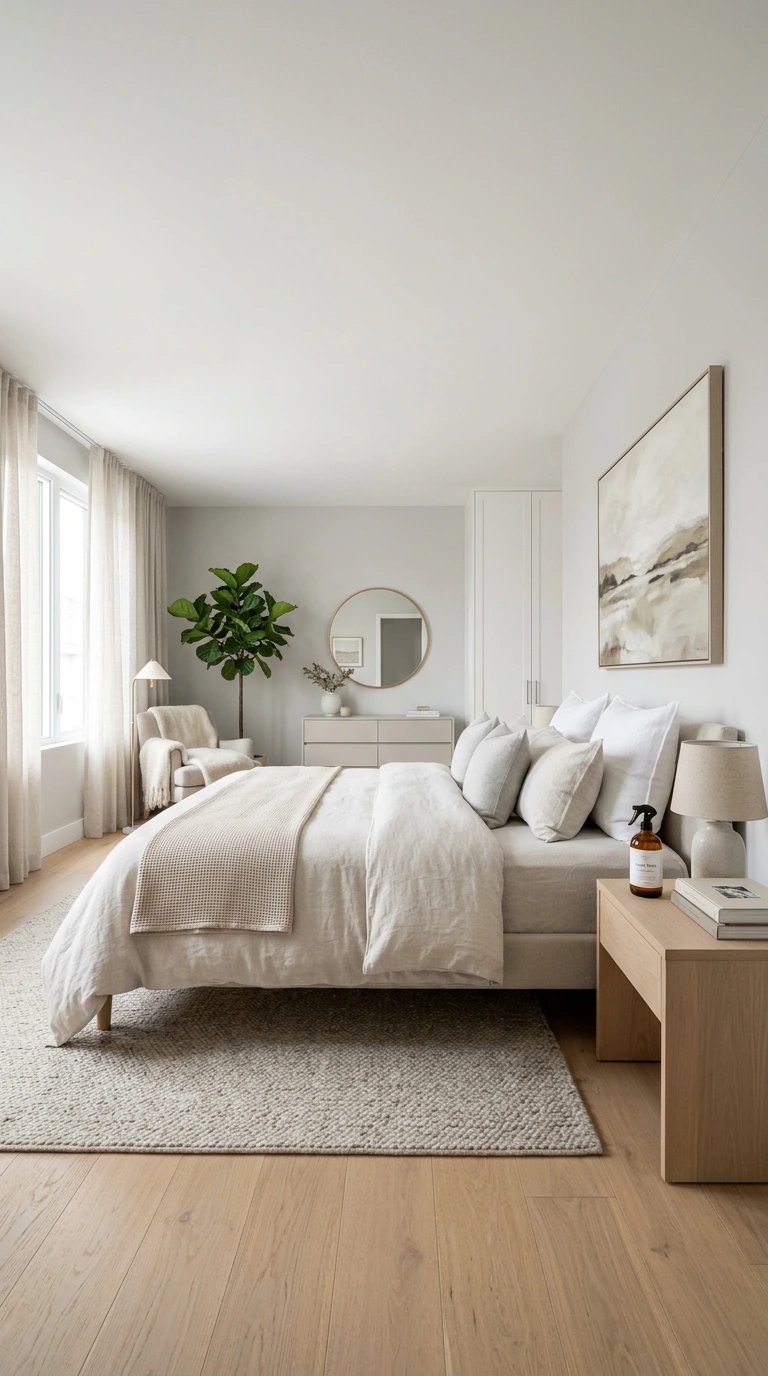
A light spritz of linen spray introduces a subtle, refreshing sensory element that most home bedrooms overlook entirely. This finishing touch engages a sense beyond sight alone, adding to the overall feeling of a genuinely cared-for, luxurious space.
Choosing a light, clean scent rather than anything overpowering keeps this detail feeling refined rather than heavy-handed. This small addition is one of the easiest, most affordable final touches on this entire list.
Important: Applying linen spray too heavily or too close to bedtime can leave sheets feeling damp or overly saturated with fragrance. A light, even mist applied a few hours before use allows the scent to settle naturally without dampness.
20. Keep the Surrounding Room Minimal and Uncluttered
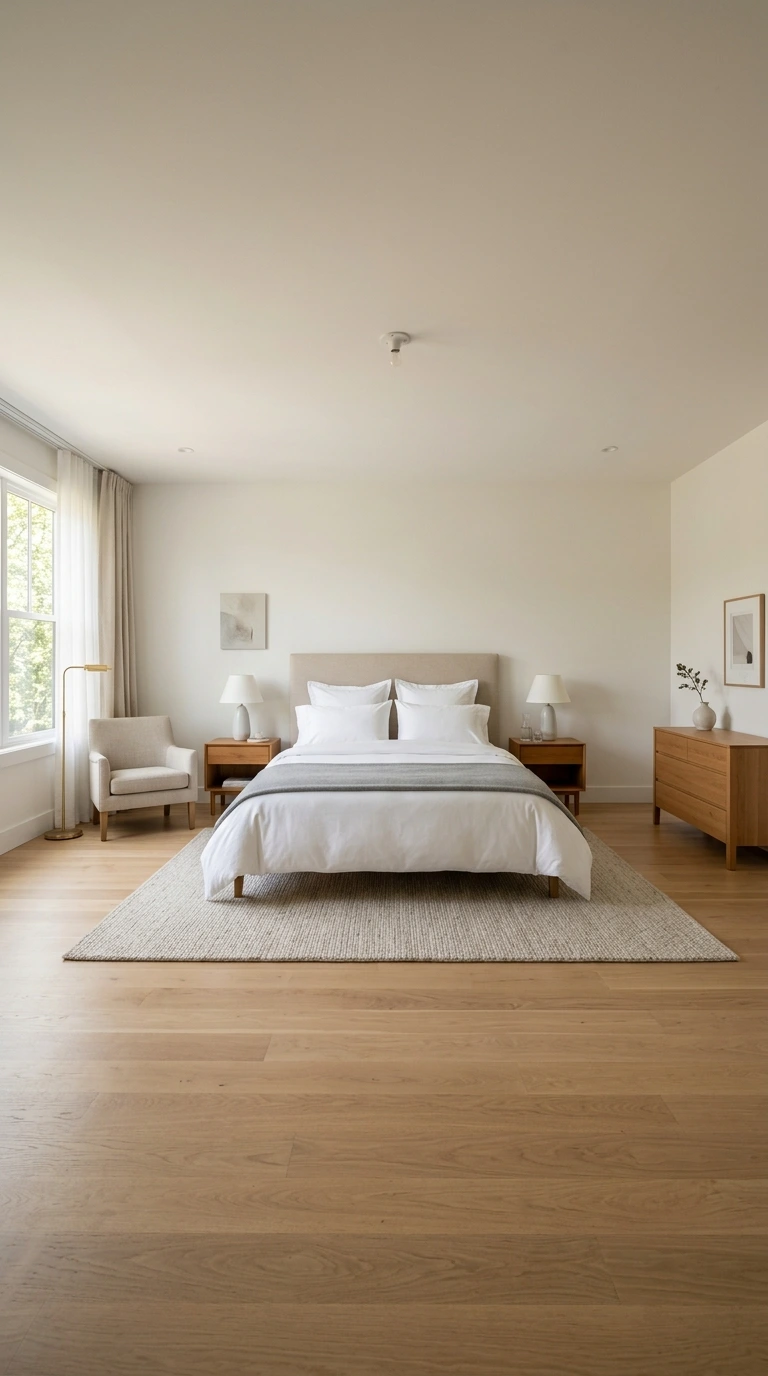
A beautifully styled bed can still lose its impact if the surrounding nightstands, floor, and shelves are visually cluttered. Hotels maintain a clean, minimal environment specifically so the bed itself remains the room’s uninterrupted focal point.
Clearing nightstand surfaces down to just the essentials, and keeping the floor around the bed genuinely open, reinforces the same sense of calm, considered luxury the bedding itself is meant to convey. This final step ties the entire hotel-style presentation together, ensuring the bed’s careful styling isn’t undercut by clutter elsewhere in the room.
- ✅ Layer sheets, blanket, and duvet in the correct sequential order
- ✅ Use hospital corners on the flat sheet for a taut, polished base layer
- ✅ Fold the duvet down about one-third at the head of the bed
- ✅ Stick to two to three coordinated colors while still mixing at least one or two textures
- ✅ Keep the surrounding nightstands and floor space genuinely clutter-free
Frequently Asked Questions
1. What’s the most important step for achieving a hotel-style bed?
Starting with a mattress topper is widely considered the foundational step, since it adds immediate plushness that affects how every layer above it eventually looks and feels. Beyond that, using hospital corners on the flat sheet and folding the duvet down one-third at the head are two of the most visually recognizable hotel touches.
2. How many pillows should a hotel-style bed have?
A queen bed typically looks best with around six to eight total pillows combining sleeping pillows, Euro shams, and smaller decorative accents, while a king bed can support slightly more. Going beyond this range starts to feel cluttered rather than luxurious.
3. Should I stick to all-white bedding for a hotel look?
An all-white palette is a classic hallmark of luxury hotel styling, but it isn’t required. Sticking to two or three coordinated colors overall, while incorporating varied textures like piqué, waffle, or jacquard weaves, achieves the same polished effect with more personal color flexibility.
4. Do I really need to iron or steam my sheets?
While not strictly necessary, this step is specifically what separates a genuinely crisp, hotel-quality finish from a merely tidy one. Visible wrinkles undercut an otherwise carefully layered bed, so steaming or lightly ironing sheets beforehand meaningfully improves the final result.
5. What is the “hospital corner” technique?
This is the classic hotel bed-making method where the flat sheet is folded diagonally at the foot of the mattress and tucked neatly beneath, creating a taut, secure line along each side. This technique keeps the sheet from working loose overnight while contributing to the bed’s overall polished appearance.
6. How do I keep my styled bed looking neat throughout the day?
Choosing a genuinely oversized duvet, checking that it hangs evenly on both sides, and using a bed skirt to conceal the frame’s base all help the bed maintain its polished look beyond the moment it’s first made. Keeping surrounding surfaces uncluttered also reinforces the bed’s presentation as the room’s clear focal point.
7. Can I achieve this look without buying all new bedding?
Yes, many of the most impactful steps, hospital corners, folding the duvet, arranging pillows vertically, and decluttering the surrounding room, cost nothing and use bedding you likely already own. A mattress topper and a linen spray are the only genuinely new purchases most people need to complete the full look.
Conclusion
A genuinely hotel-quality bed comes down to sequence and technique far more than an expensive shopping list. From the foundational mattress topper through hospital corners, a deliberately folded duvet, and a carefully layered pillow arrangement, each of these 20 steps builds on the one before it toward one clearly polished result.
Work through the steps in order the next time you make your bed, paying particular attention to the details most people skip, like hospital corners and the one-third duvet fold. A truly hotel-worthy bed isn’t about spending more money; it’s about styling what you already have with the same intention and sequence professionals rely on every single day.