45 Small Apartment Decor Trends for 2026: What’s In, What’s Out

Introduction
Small apartment decorating trends shift every year, but 2026 marks a genuine turning point away from the ultra-minimalist, almost sterile look that dominated small-space advice for the past several years. People are craving warmth, personality, and texture again, even within tight square footage.
At the same time, some trends that felt fresh just a couple of years ago are starting to feel dated or impractical for genuinely small living. Knowing what’s fading out is just as useful as knowing what’s rising, since it helps you avoid investing time and money into a look that’s already on its way out.
In this guide, you’ll find 45 small apartment decor trends for 2026, covering what’s in and what’s out across color, furniture, textiles, and styling approaches. Use this as a general compass rather than a strict rulebook, since the best small space is always one that reflects how you actually live.
1. In: Warm, Earthy Color Palettes
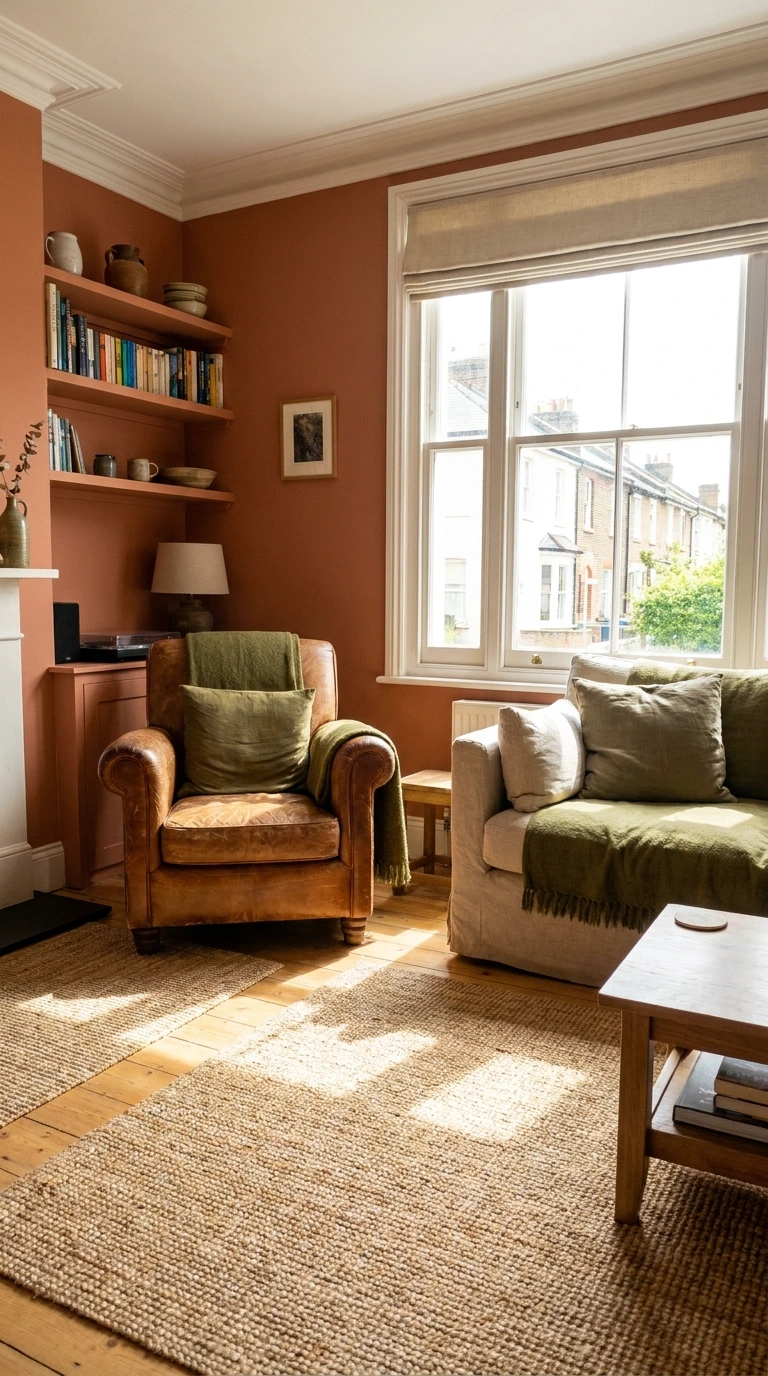
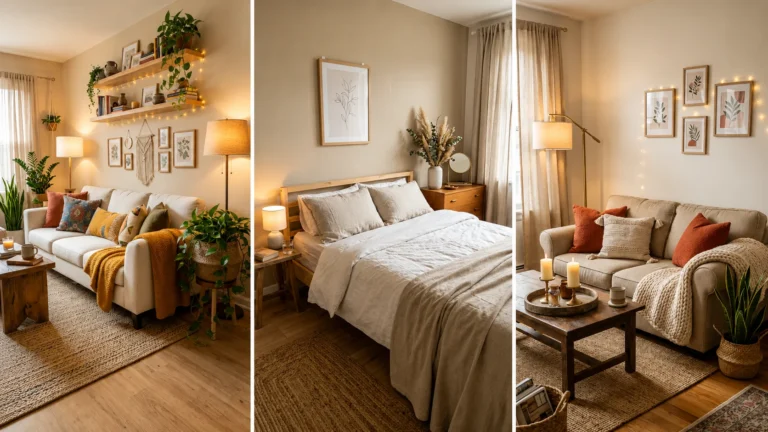
Warm terracotta, ochre, and deep olive tones are replacing the cool grays and stark whites that dominated small-space decorating for years. These earthy colors add genuine warmth to a room without requiring much square footage, since even a single accent wall or a few textiles can shift a whole space’s mood.
This shift reflects a broader craving for coziness after a long stretch of minimalist, almost clinical interiors. A small apartment painted in a soft terracotta or styled with olive-toned textiles feels considerably more inviting than the same space in flat white and gray.
2. Out: All-Gray Everything
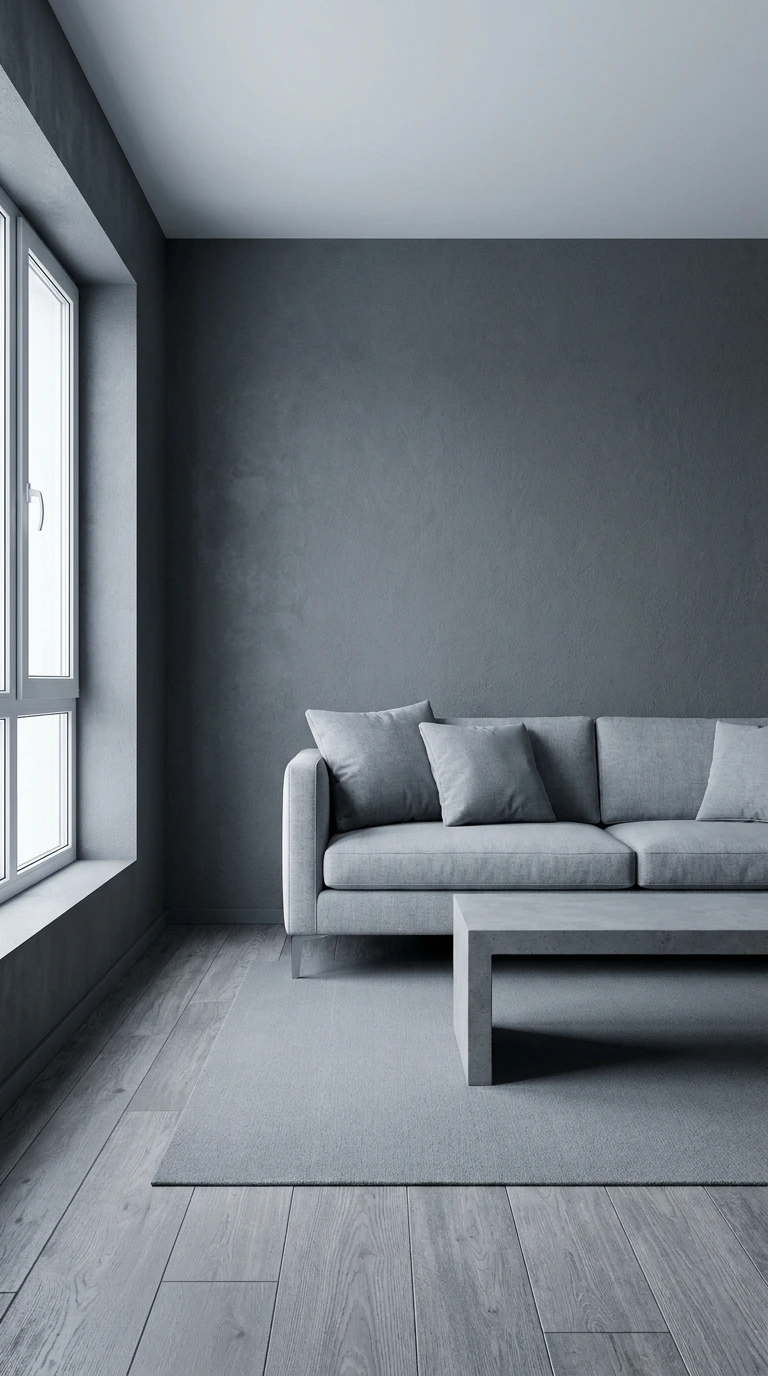
The once-ubiquitous gray sofa, gray walls, and gray flooring combination is fading fast, since it’s started to feel cold and impersonal rather than sophisticated. Small spaces in particular suffer under an all-gray palette, since the lack of warmth can make a compact room feel even more clinical and less lived-in.
Many people who committed fully to this look a few years ago are now layering in warmer textiles and accent colors to soften the effect without a full furniture replacement. If you’re still working with gray as your dominant tone, a few warm-toned pillows or a rug can go a long way toward updating the feel.
3. In: Curved Furniture Silhouettes
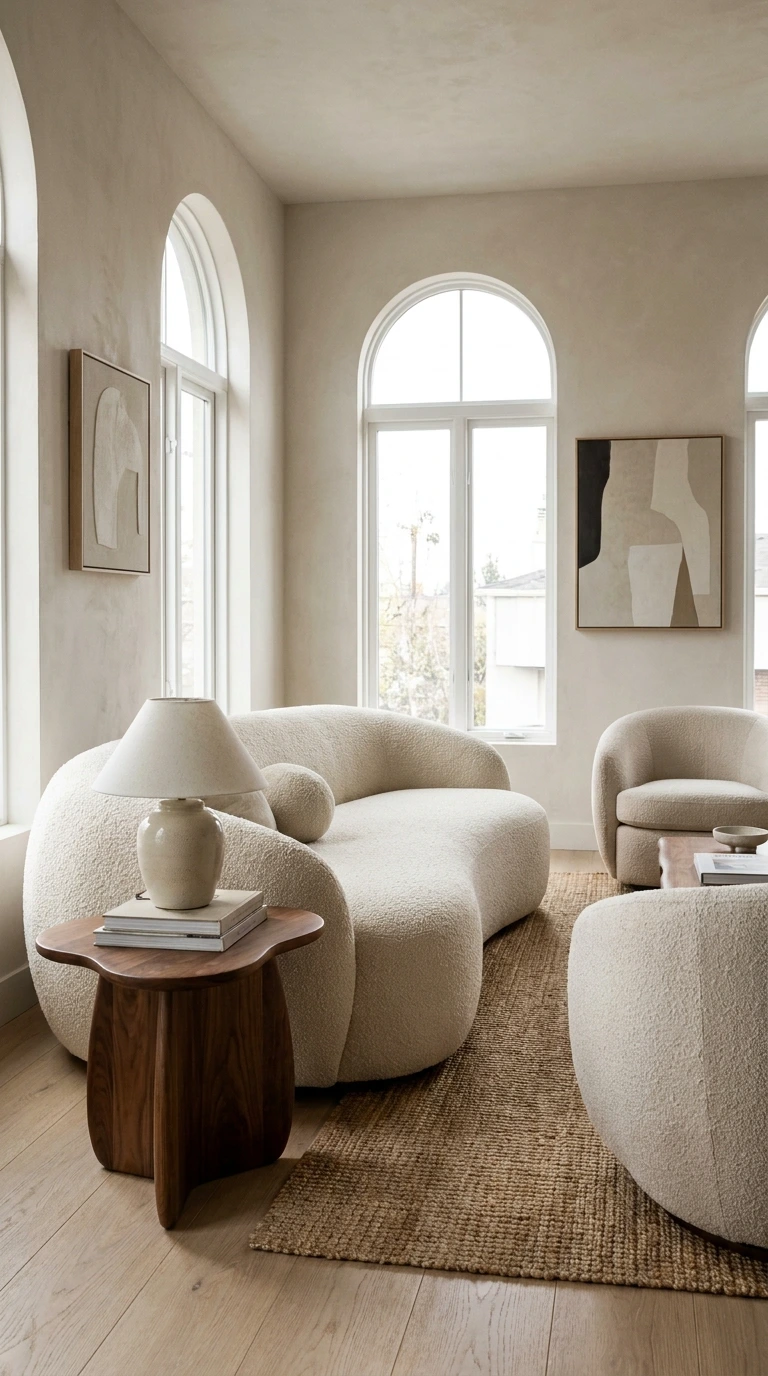
Rounded sofas, curved side tables, and arched mirrors are replacing the sharp, angular furniture that defined small-space design for much of the past decade. Curves genuinely help a small room feel softer and less boxy, since they avoid the multiple hard corners that angular furniture tends to create in a tight floor plan.
This trend also plays well with the multi-functional furniture many small apartments already rely on, since a curved ottoman or a rounded coffee table takes up visually less space than its angular equivalent. Even swapping just one key piece for a curved alternative can noticeably soften an entire room’s overall feel.
4. Out: Sharp, All-Angular Furniture
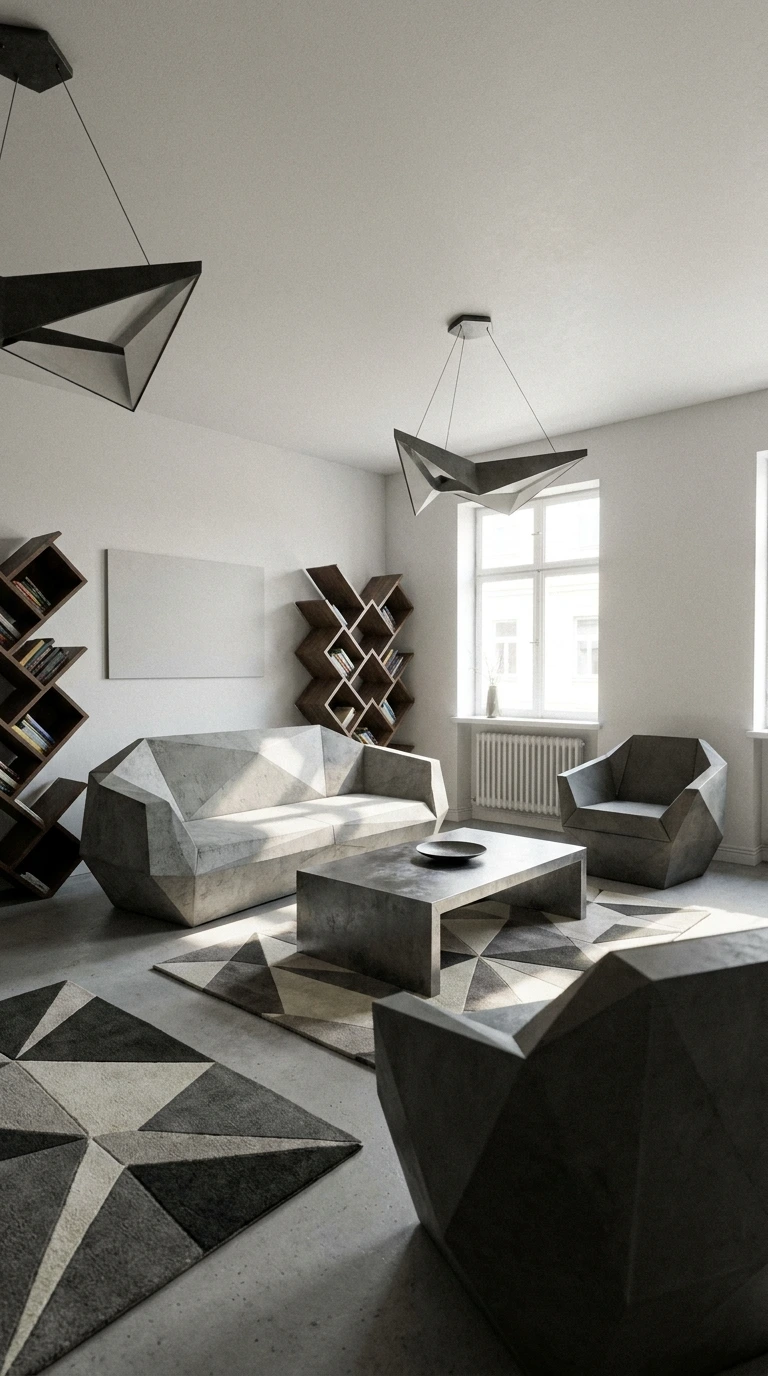
Furniture with hard, geometric edges throughout an entire room is losing favor as curved silhouettes take over, since an all-angular room can feel colder and more clinical in a small space specifically. This look was popular during the height of minimalist decorating, but it’s increasingly seen as dated rather than timeless.
If you already own angular furniture, this doesn’t mean starting over, since introducing just one or two curved accent pieces can update the overall feel without a full replacement. A round mirror or a curved side table alongside your existing straight-edged sofa achieves this balance affordably.
5. In: Genuine Vintage and Secondhand Finds
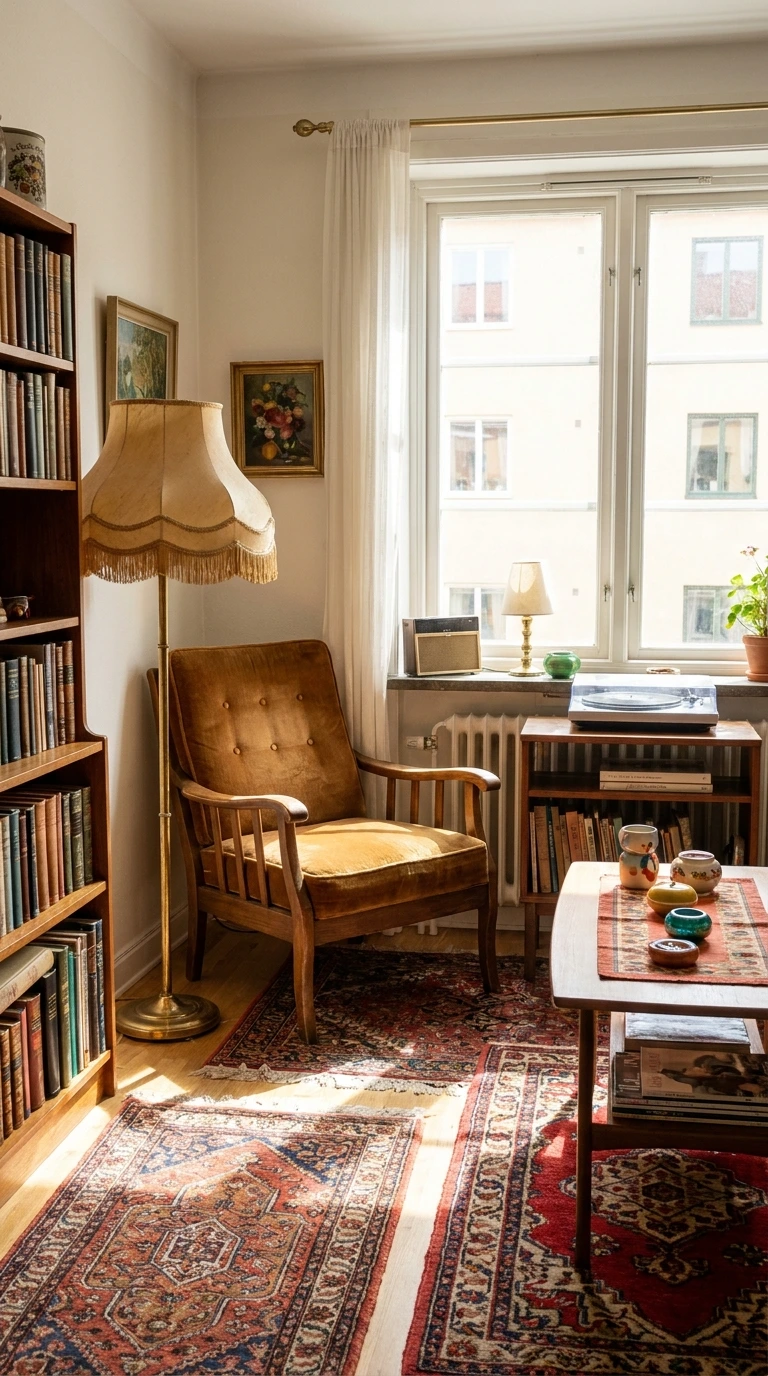
Thrifted furniture, vintage lighting, and secondhand decor are having a real moment, driven partly by sustainability concerns and partly by a desire for pieces with genuine character that mass-produced furniture can’t replicate. Small apartments benefit especially, since vintage pieces often come in more compact, human-scaled proportions than modern furniture designed for bigger homes.
This trend also fits budget-conscious decorating well, since a well-chosen secondhand piece frequently costs less than its new equivalent while adding more visual interest. A single vintage lamp or a thrifted accent chair can genuinely anchor a room’s whole aesthetic in a way that a new, mass-produced piece rarely manages.
6. Out: Matching Furniture Sets
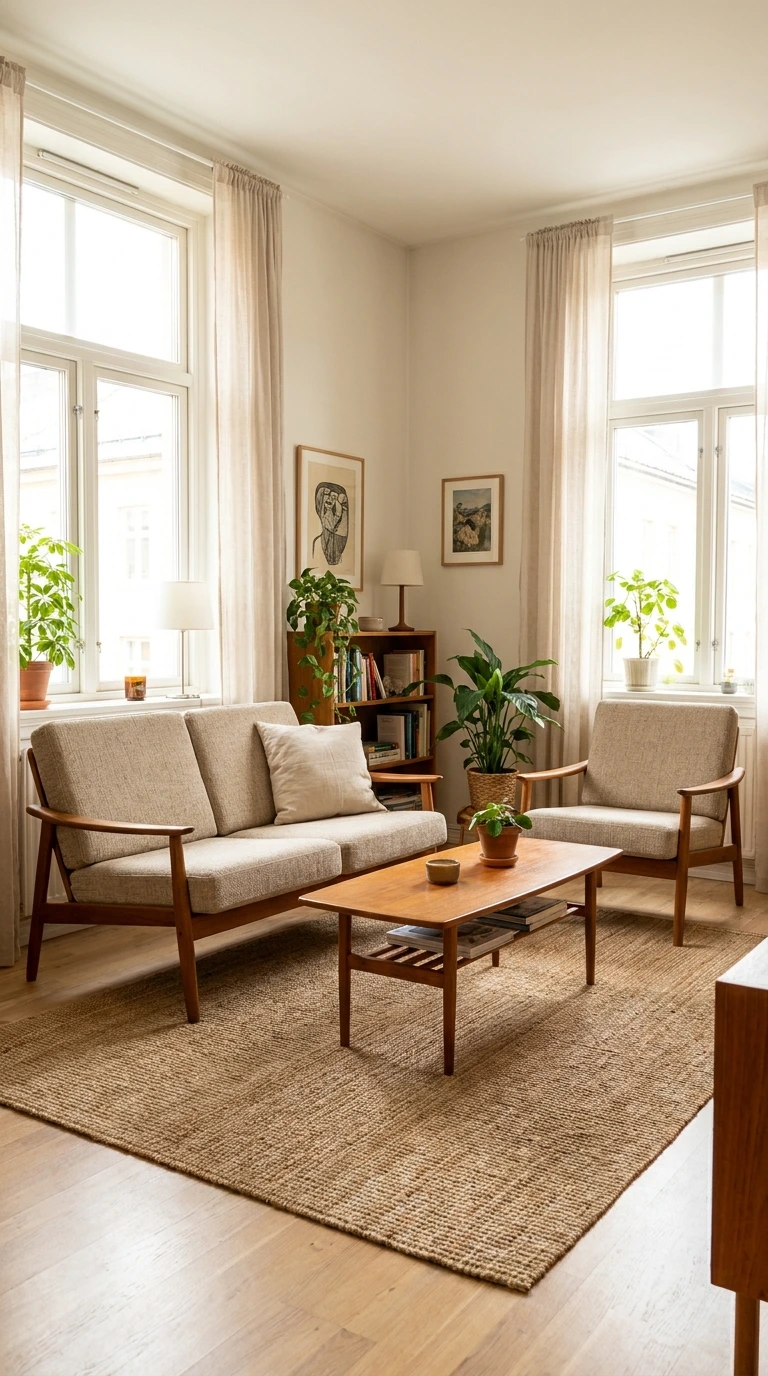
Buying an entire matching living room or bedroom set in one purchase is falling out of favor, replaced by a more collected, intentionally mismatched approach that feels personal rather than showroom-bought. Matching sets can also make a small room feel more like a furniture store display than an actual home.
This shift doesn’t mean total chaos, since a cohesive color palette or shared material still ties a mismatched room together. The goal is simply avoiding the feeling that every piece came from the same box on the same day.
7. In: Textured Wall Treatments
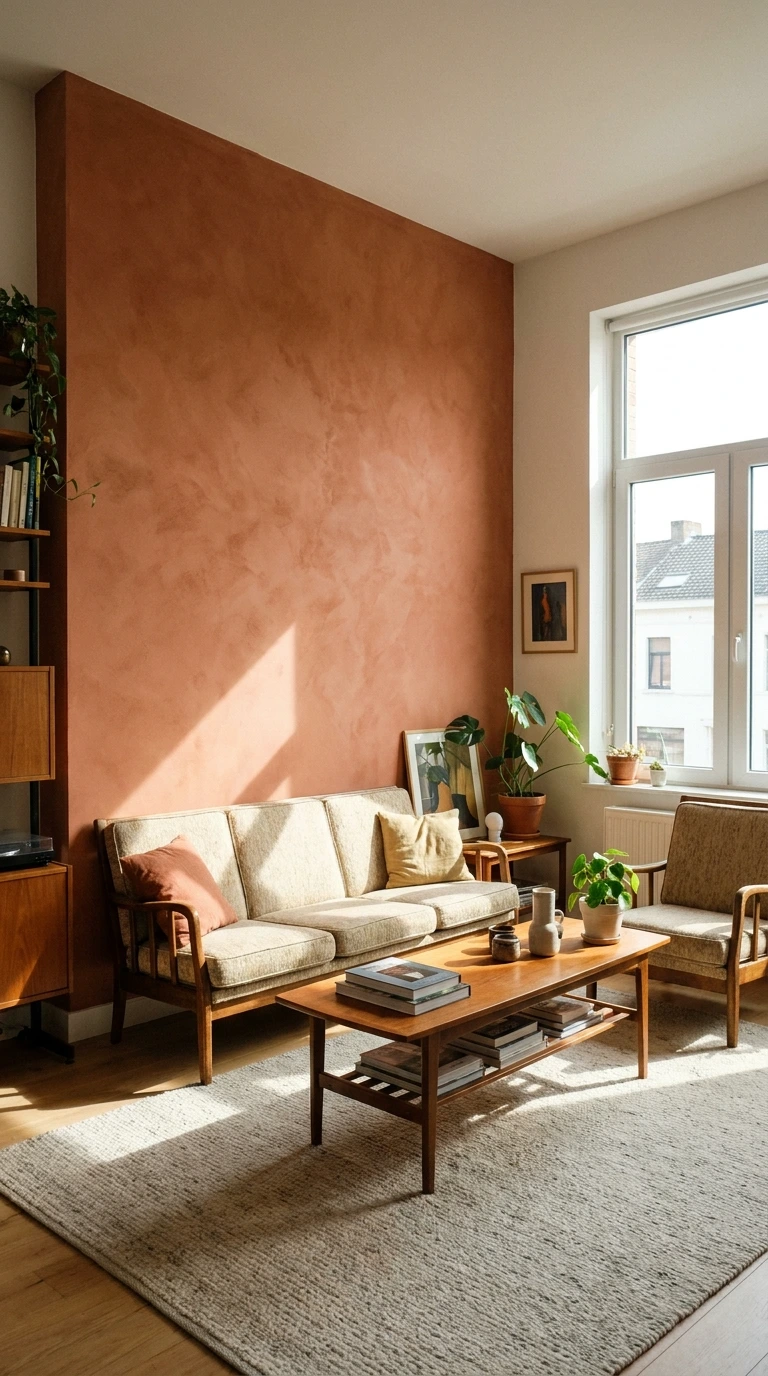
Limewash paint, textured plaster, and grasscloth wallpaper are replacing flat, single-color walls, adding depth and visual interest to small rooms without requiring any additional furniture or floor space. These treatments genuinely change how a room feels under different lighting throughout the day, since texture catches and shifts shadows in a way flat paint never does.
This trend works particularly well in a small space precisely because it adds richness without adding bulk, unlike a large piece of furniture or a busy pattern might. Even a single accent wall with a textured finish can transform a room’s overall character.
8. Out: Accent Walls in Bold Solid Colors
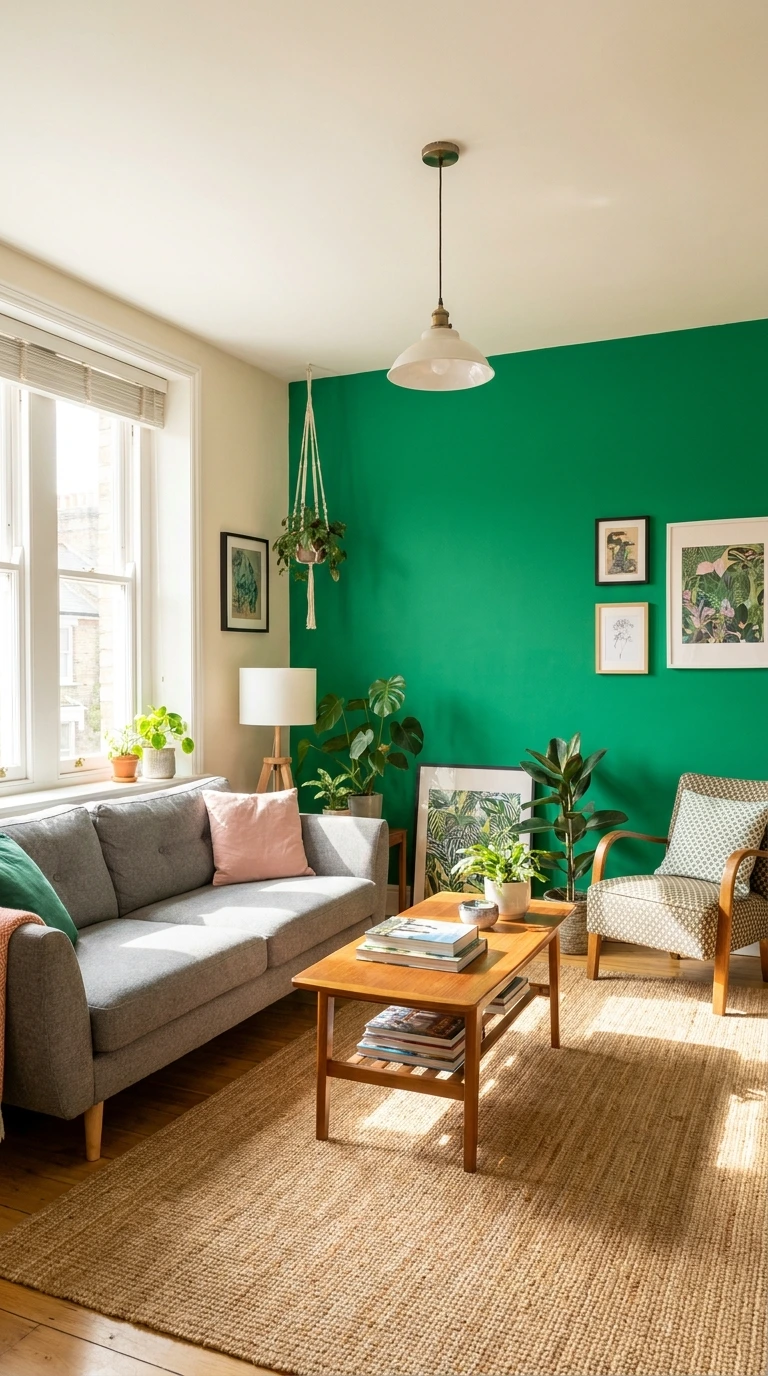
The single bold-colored accent wall, popular for years as an easy way to add drama to a room, is being replaced by textured or tonal treatments that add depth without relying purely on saturated color. A flat, bright accent wall increasingly reads as a dated 2010s trend rather than a current design choice.
This doesn’t mean color is out entirely, just that texture and tonal variation are taking over as the more current way to introduce visual interest to a wall. If you already have a bold accent wall, adding some texture through a textile hanging or an interesting light fixture nearby can help it feel more current.
9. In: Statement Lighting as Art
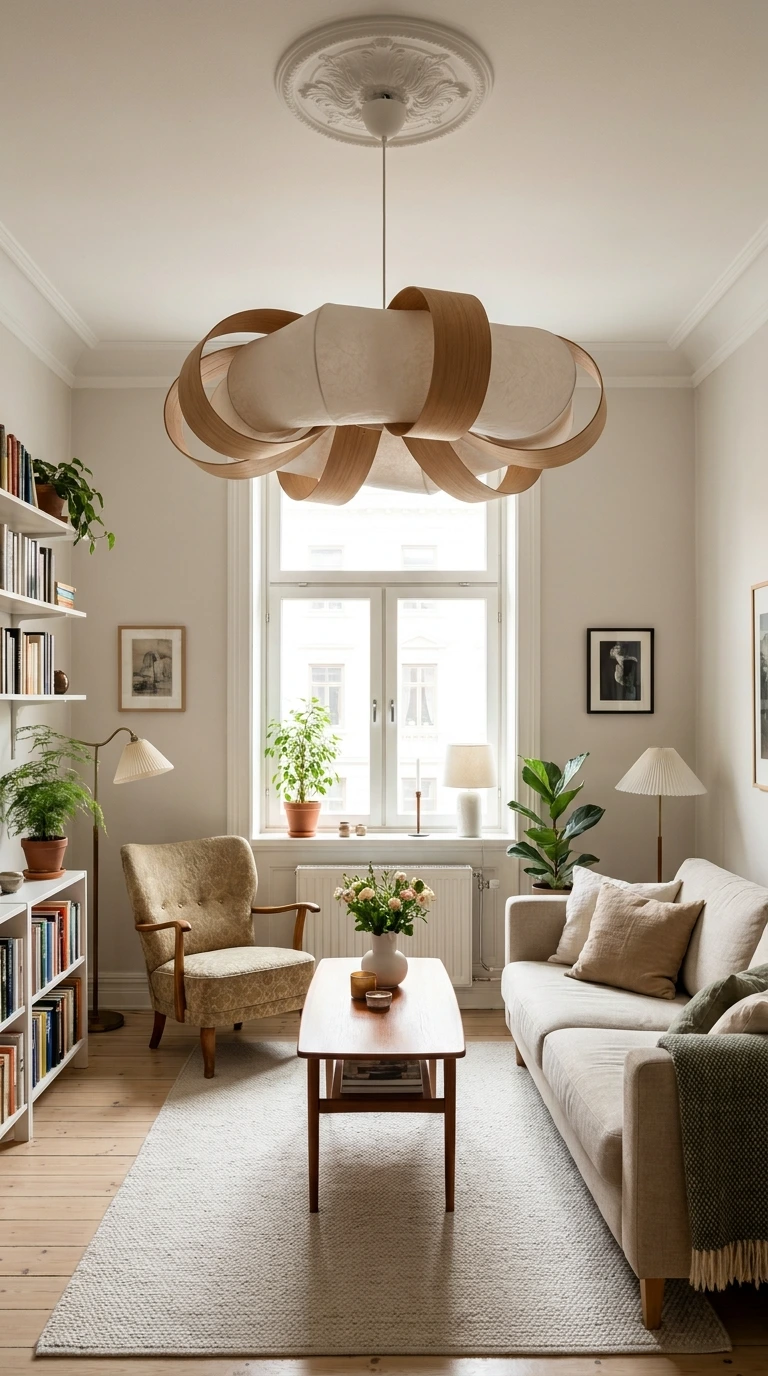
Sculptural pendant lights, oversized table lamps, and unique wall sconces are increasingly treated as art pieces in their own right rather than purely functional additions. This trend suits small apartments especially well, since a striking light fixture adds personality and visual interest without occupying any floor space at all.
Investing in one genuinely interesting lighting piece, rather than several generic fixtures, has become the preferred approach for anyone wanting their small space to feel curated rather than furnished purely for function. A single sculptural lamp can become the focal point an entire room builds around.
10. Out: Generic String Lights as Primary Decor
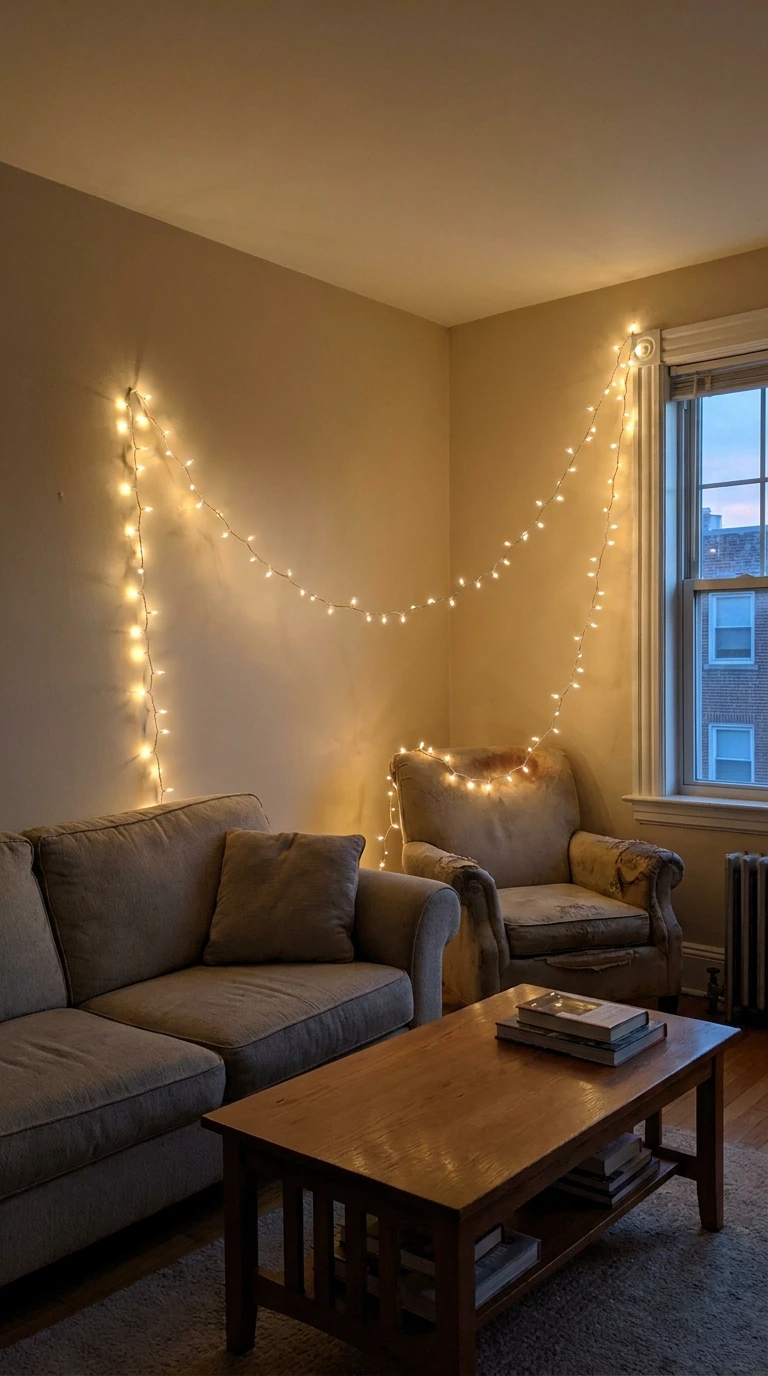
Basic string lights, once a go-to for adding instant ambiance to any small space, are increasingly seen as a starter-apartment cliché rather than a genuine design choice. This doesn’t mean lighting warmth is out, just that string lights specifically have become a shorthand for underdecorated rather than intentionally styled.
If you love the warm glow string lights provide, consider swapping to a more sculptural lighting option or at minimum choosing a higher-quality, dimmable strand rather than the basic version most people default to. The warmth can stay even as the specific fixture gets an upgrade.
| Trend Category | What’s In for 2026 | What’s Out for 2026 |
|---|---|---|
| Color | Warm earthy tones | All-gray palettes |
| Furniture Shape | Curved silhouettes | Sharp angular edges |
| Sourcing | Vintage and secondhand | Matching furniture sets |
| Walls | Textured treatments | Bold solid accent walls |
| Lighting | Statement fixtures as art | Generic string lights |
11. In: Layered, Mismatched Textiles
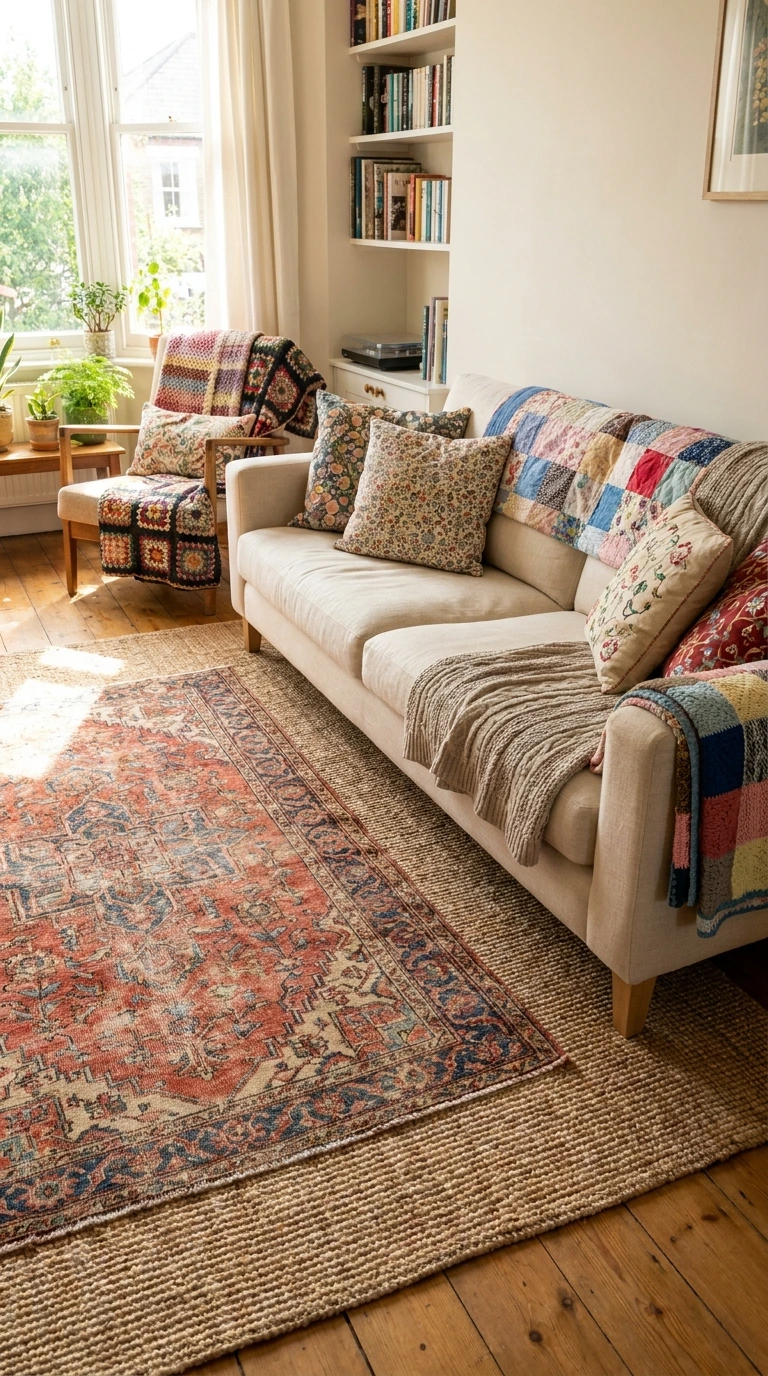
Combining different patterns, textures, and eras of textiles, a vintage kilim rug with a modern linen sofa, for example, has become the preferred approach over a single, perfectly coordinated set. This layered look feels more collected and personal, and it works especially well in a small space where a few well-chosen textiles carry a lot of visual weight.
The trick is finding a common thread, whether that’s a shared color family or a consistent level of pattern intensity, so the mix reads as intentional rather than random. A well-executed layered look often takes longer to assemble than a matched set, but the payoff is a room that feels genuinely yours.
12. Out: Perfectly Coordinated Textile Sets
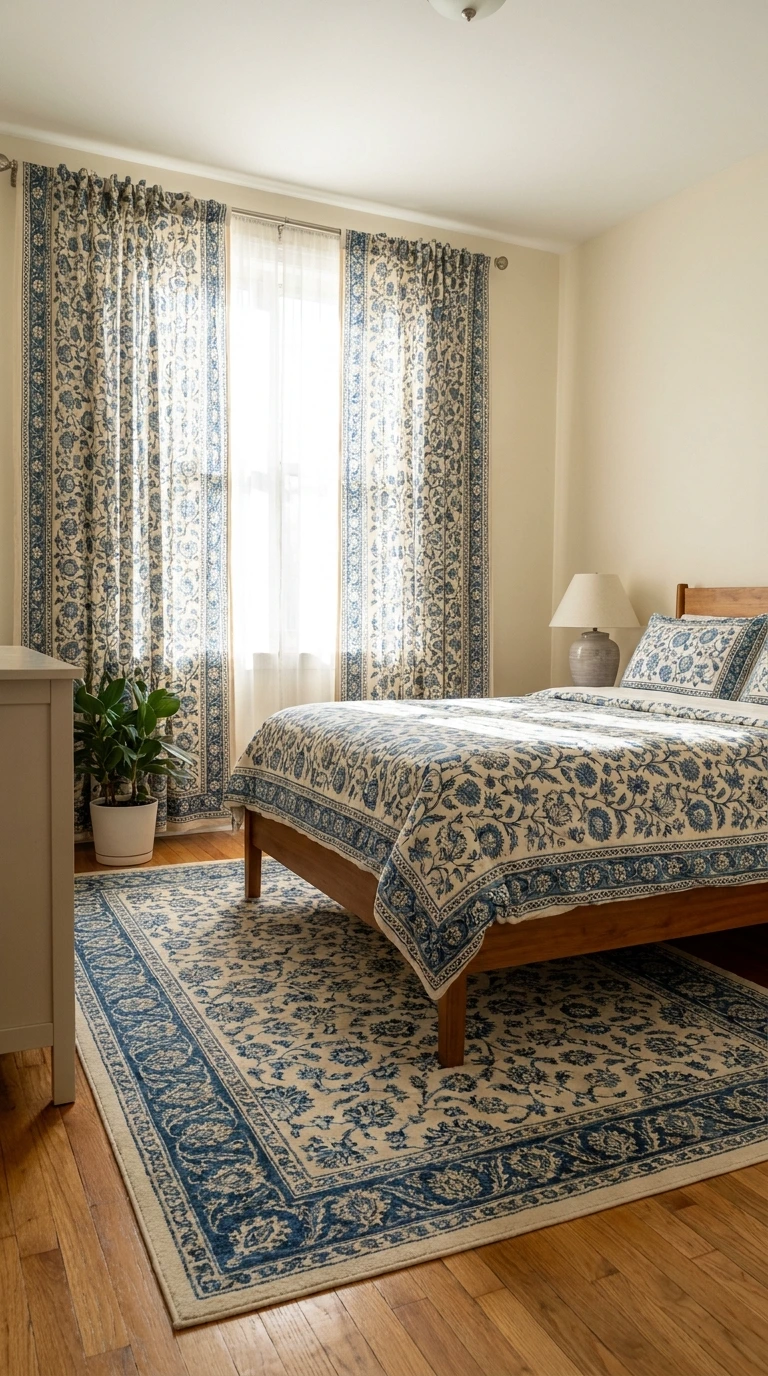
Buying a full bedding, curtain, and rug set designed to match exactly is falling out of favor, replaced by the more eclectic, layered approach described above. Fully matched textile sets increasingly read as impersonal, since they suggest a single purchasing decision rather than a collection built over time.
This shift doesn’t mean abandoning coordination entirely, since some visual thread still needs to tie a room together. It simply means that thread is now more likely a shared color palette or texture family rather than an identical pattern repeated across every textile in the room.
13. In: Biophilic Design and Real Plants
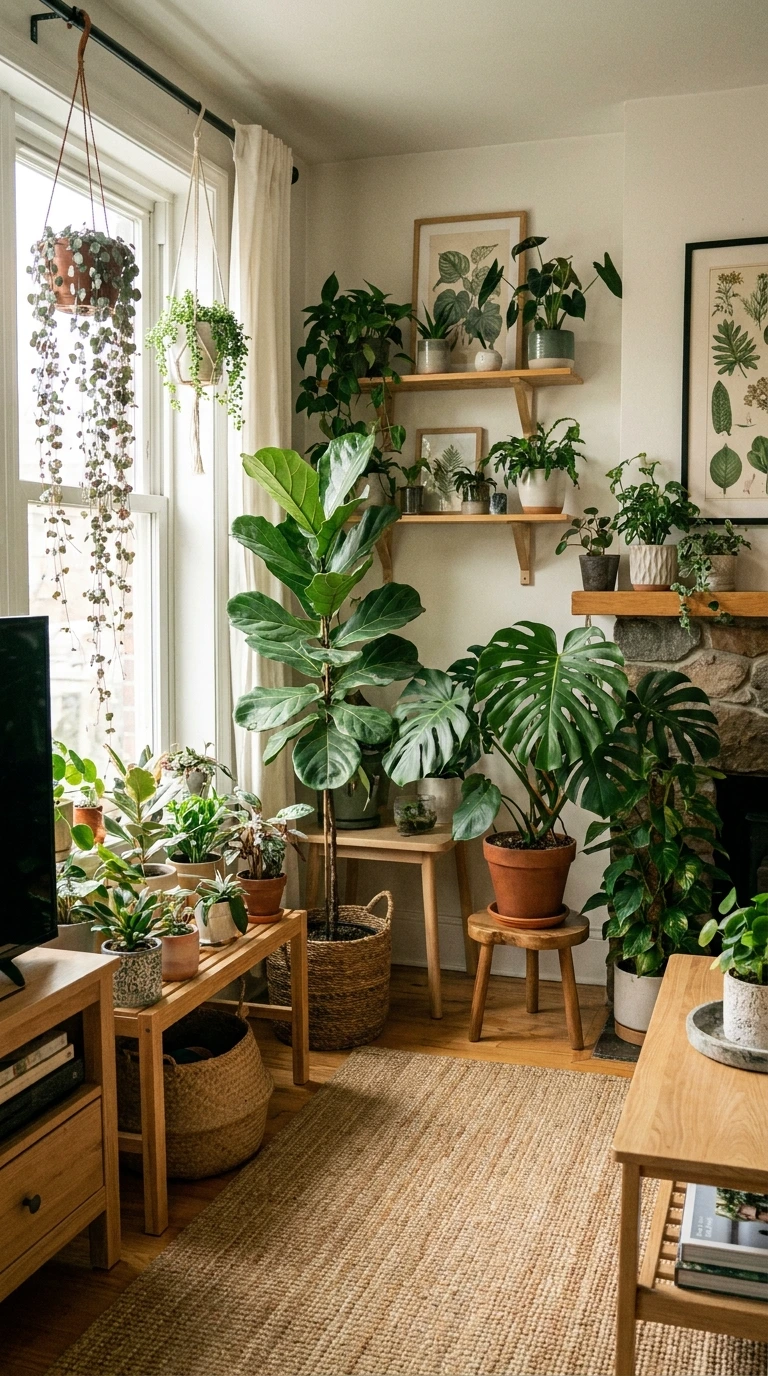
Bringing genuine greenery into small spaces, rather than relying purely on faux plants, continues to grow as a priority, since real plants improve air quality and add a sense of life that artificial versions can’t fully replicate. This trend has expanded beyond just a few pots on a windowsill into more considered plant styling throughout an entire apartment.
Small-space specific solutions, like wall-mounted planters and hanging plant systems, have made this trend considerably more accessible for anyone without much floor space to spare. A well-placed collection of real plants can transform a small room’s atmosphere more than almost any other single decorating decision.
14. Out: All-Faux Greenery
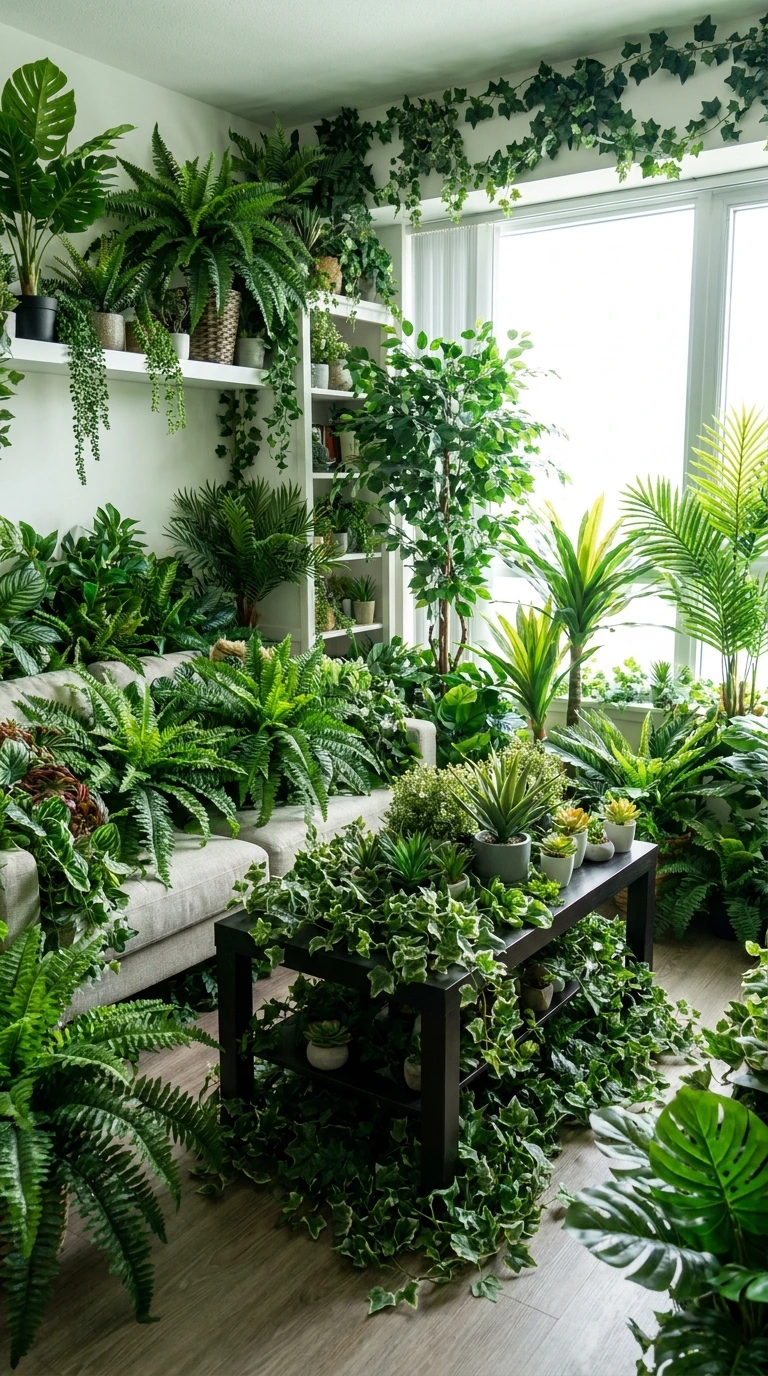
While faux plants still have their place, particularly in low-light spots where real plants genuinely struggle, relying entirely on artificial greenery throughout an apartment is increasingly seen as a missed opportunity rather than a practical solution. Quality faux plants have improved, but they still can’t fully replicate the presence and subtle movement of real ones.
A hybrid approach, real plants where light allows and faux versions only in the darkest corners, has become the more current strategy. This lets you enjoy the genuine benefits of real greenery while still filling in gaps your specific space’s lighting can’t support.
15. In: Multi-Functional Furniture with Design Appeal
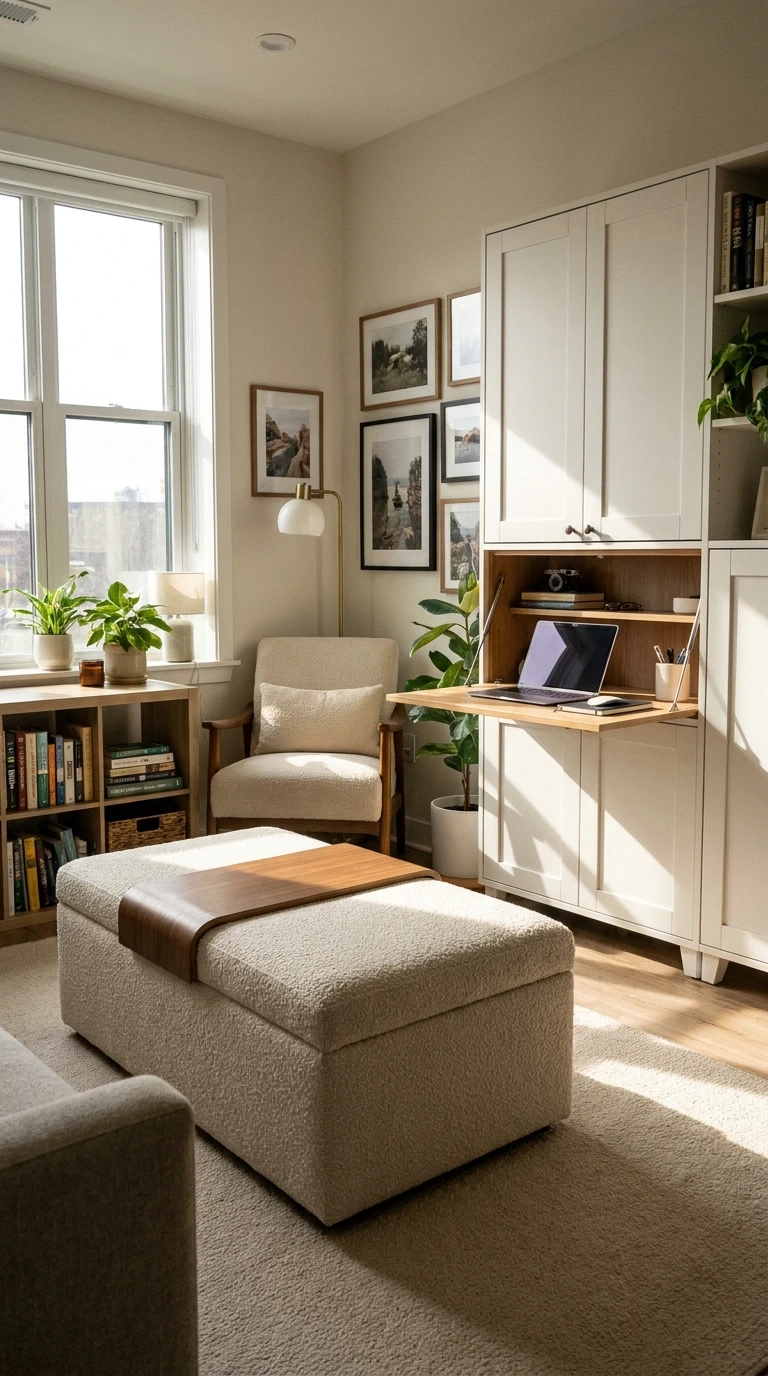
Furniture that serves two purposes, a storage ottoman, a fold-out desk, a bed with built-in shelving, remains essential in small spaces, but the current trend demands these pieces also look genuinely stylish rather than purely utilitarian. Multi-functional furniture has moved well past the clunky, purely practical designs of a decade ago.
This shift reflects small-space dwellers refusing to sacrifice style for function any longer, expecting both from every piece they invest in. A well-designed convertible sofa or a beautiful storage bench can now serve as a genuine style statement while still solving a real space problem.
- Pick two or three trends that genuinely fit your existing style
- Introduce new trends gradually rather than overhauling everything at once
- Balance trendy pieces with items you know you’ll love long-term
- Prioritize function alongside style for any small-space furniture purchase
- Let go of trends that no longer serve how you actually live
16. Out: Purely Functional, Style-Free Storage Solutions
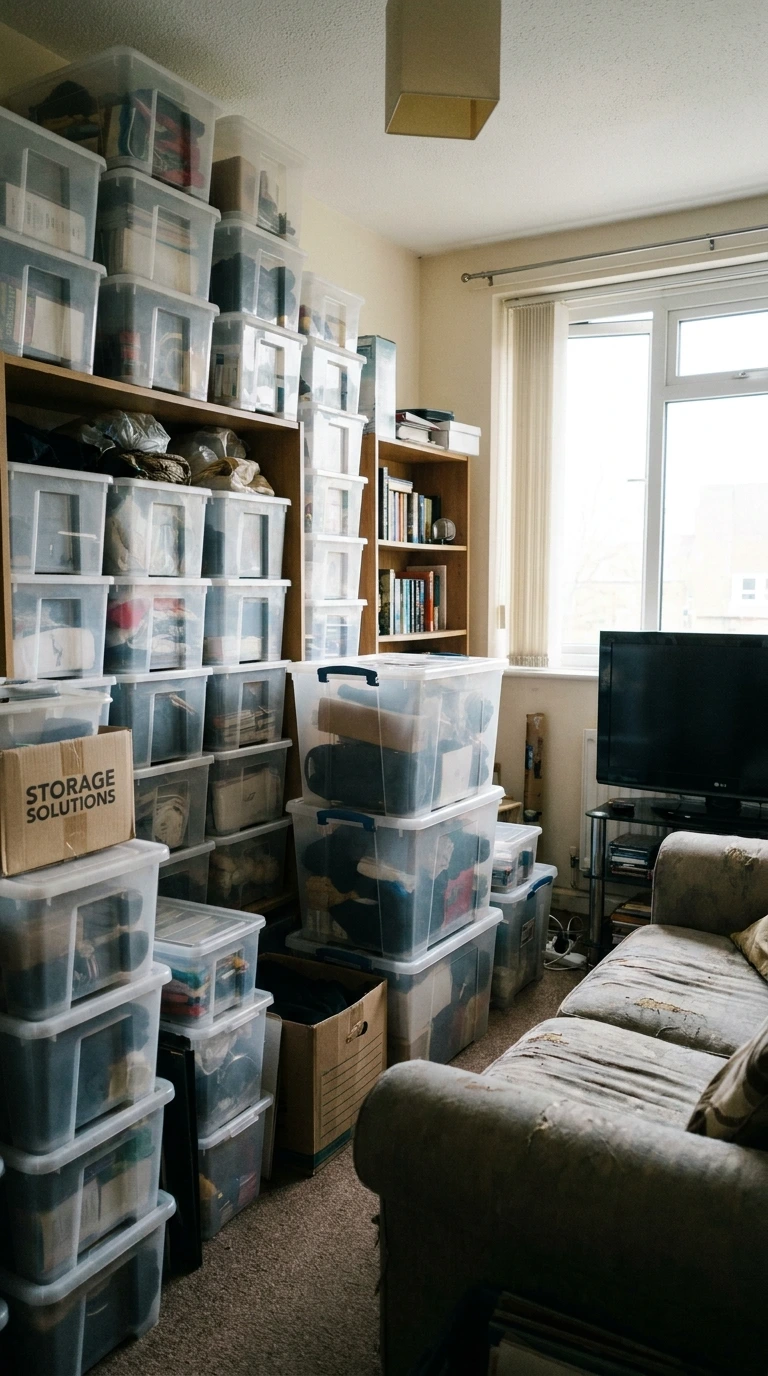
Basic plastic bins and generic storage furniture chosen purely for function, with zero consideration for how they actually look, are increasingly seen as a compromise small-space dwellers no longer need to make. As more stylish multi-functional options become available and affordable, there’s less excuse for purely utilitarian storage on display.
This doesn’t mean every storage solution needs to be a design statement, since tucked-away storage inside a closet can stay purely practical. But anything visible in your main living space is now expected to contribute to the room’s overall look, not just solve a problem.
17. In: Warm Metallic Accents
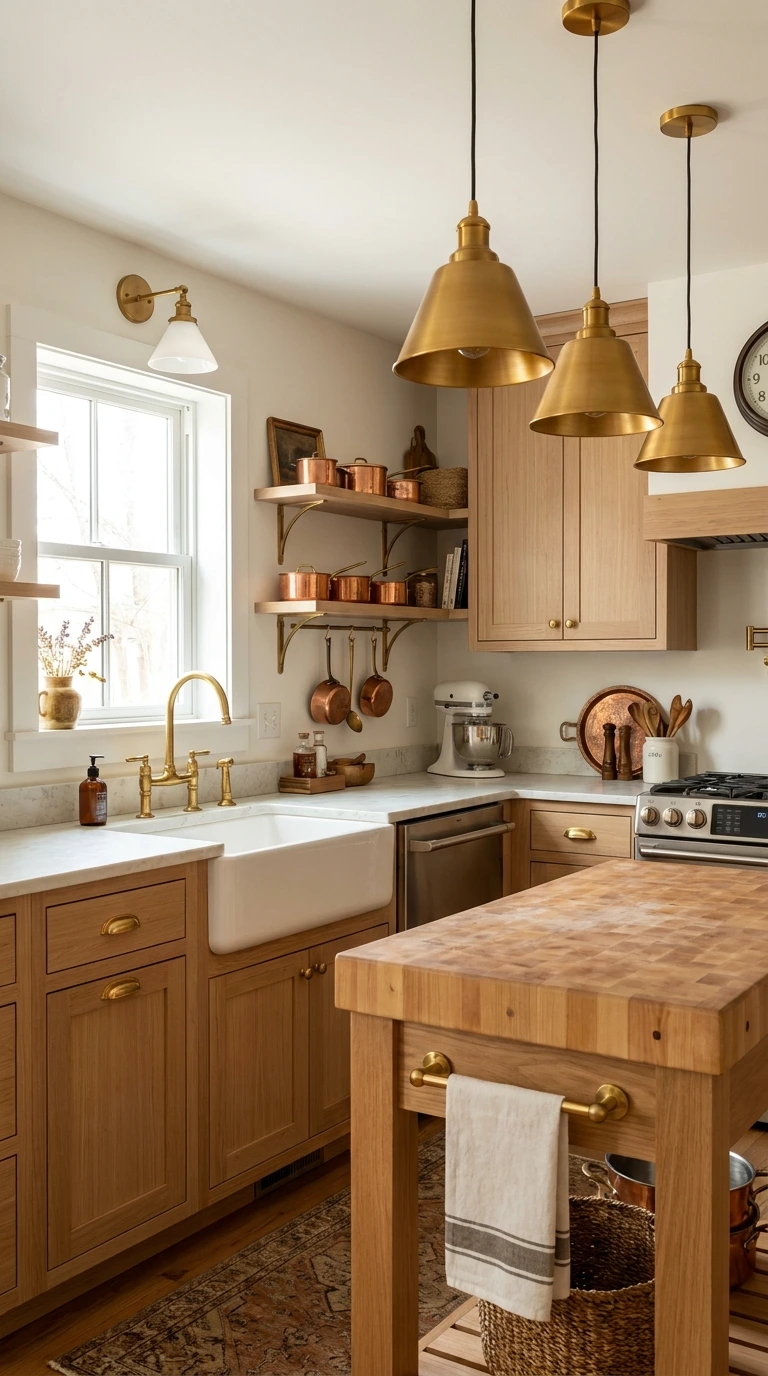
Brass, aged brass, and warm gold tones are replacing the cooler chrome and stainless steel finishes that dominated small-space hardware and fixtures for years. Warm metals add a glowing richness that pairs beautifully with the earthy color palettes also trending this year, creating a cohesive overall look.
This trend shows up in everything from cabinet hardware to light fixtures to small decorative accents, offering an easy way to update a space without a major renovation. Swapping just your cabinet hardware or a few light fixtures to a warm metal finish can meaningfully shift a room’s overall feel.
18. Out: Cool Chrome and Stainless Finishes
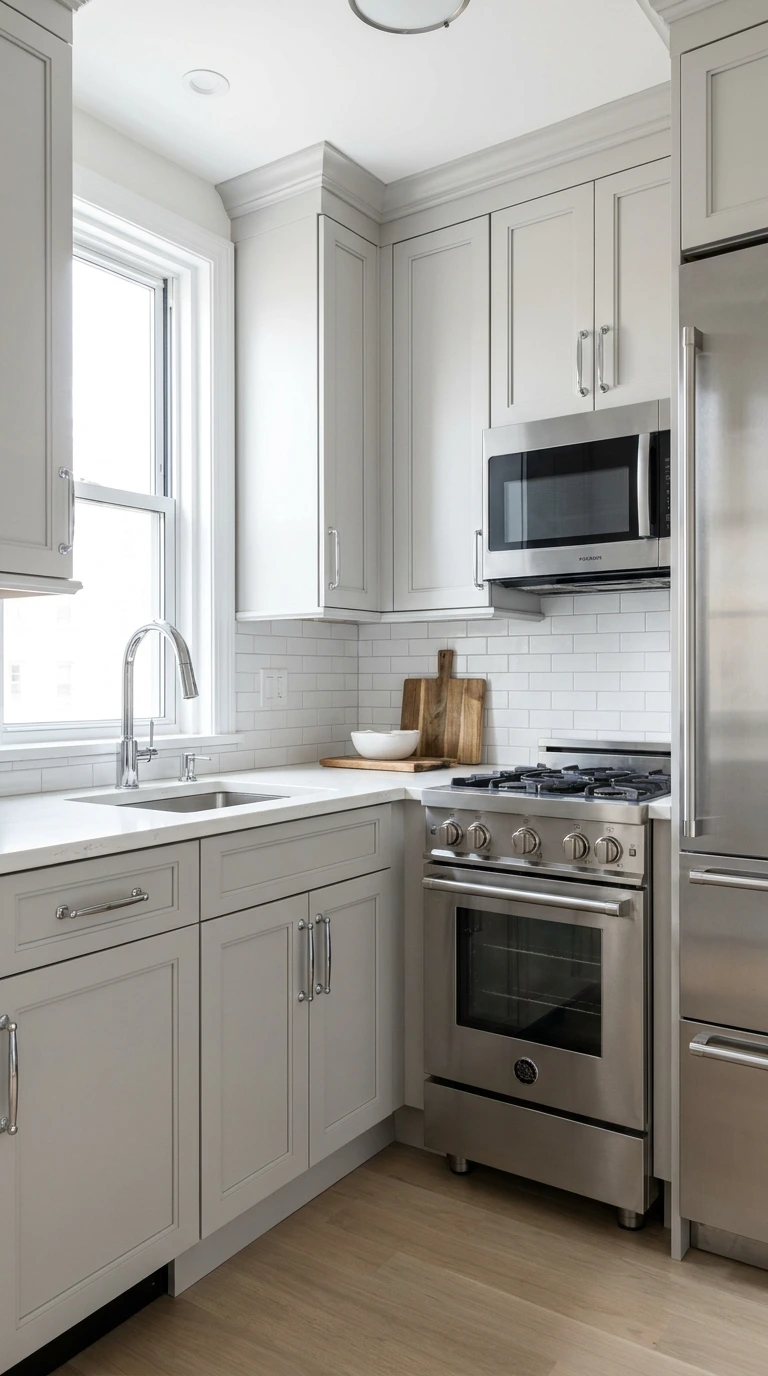
The sleek, cool-toned chrome and stainless steel hardware popular in modern small-space design is starting to feel more clinical than current, especially as warmer metals take over. This look, once considered the height of contemporary style, now reads as somewhat dated to many designers working in 2026.
If you have existing chrome fixtures throughout your apartment, a full replacement isn’t always necessary, since focusing on just the most visible pieces, cabinet pulls or a single light fixture, can meaningfully update the overall feel without a complete renovation.
19. In: Scalloped and Wavy Edges
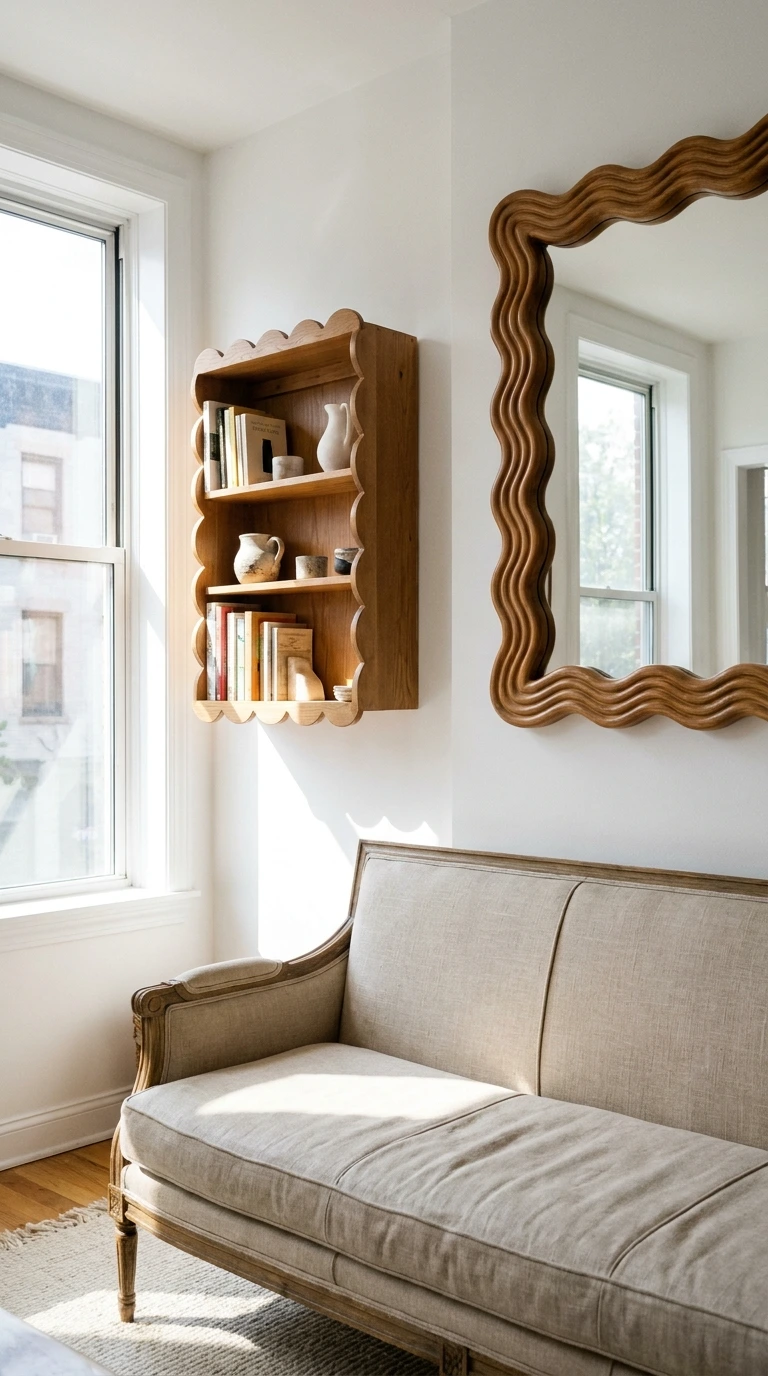
Scalloped shelving, wavy mirror frames, and curved-edge furniture details are extending the broader curved silhouette trend into smaller decorative accents. This playful detail adds visual interest to even the smallest decor items, like a scalloped tray or a wavy-edged picture frame.
This trend pairs especially well in a small space, since these playful details don’t require any additional square footage while still adding genuine personality to a room. A single scalloped mirror or wavy vase can introduce this trend without any major purchase.
20. Out: Perfectly Straight, Minimalist Edges
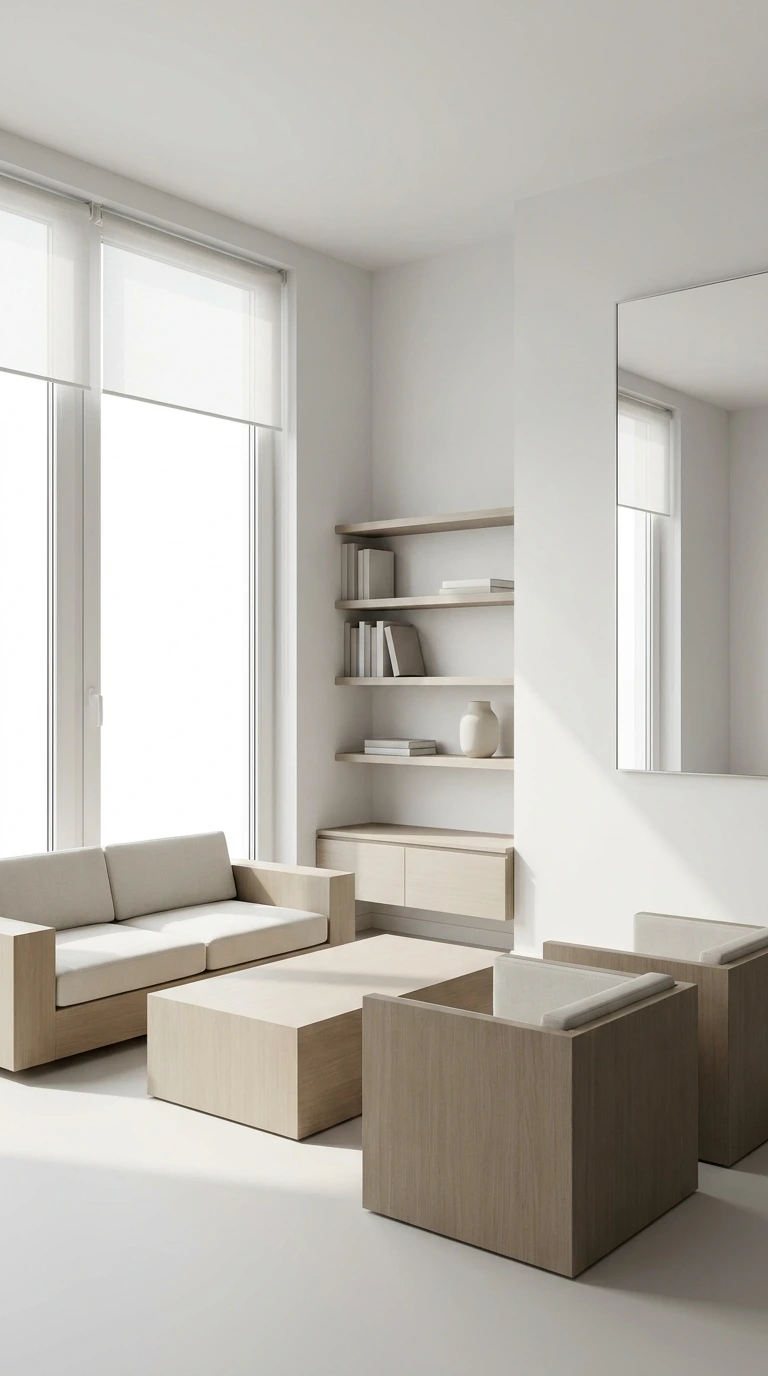
The extremely minimalist, razor-straight edges that defined the peak minimalism era are giving way to softer, more playful shapes throughout small-space decor. This shift reflects a broader move away from strict minimalism toward a warmer, more personality-driven aesthetic.
This doesn’t mean straight lines have no place, since a mix of straight and curved elements typically creates the most balanced room. It simply means an entire space built purely around minimalist straight edges is starting to feel more austere than intentional.
21. In: Personal Collections on Display
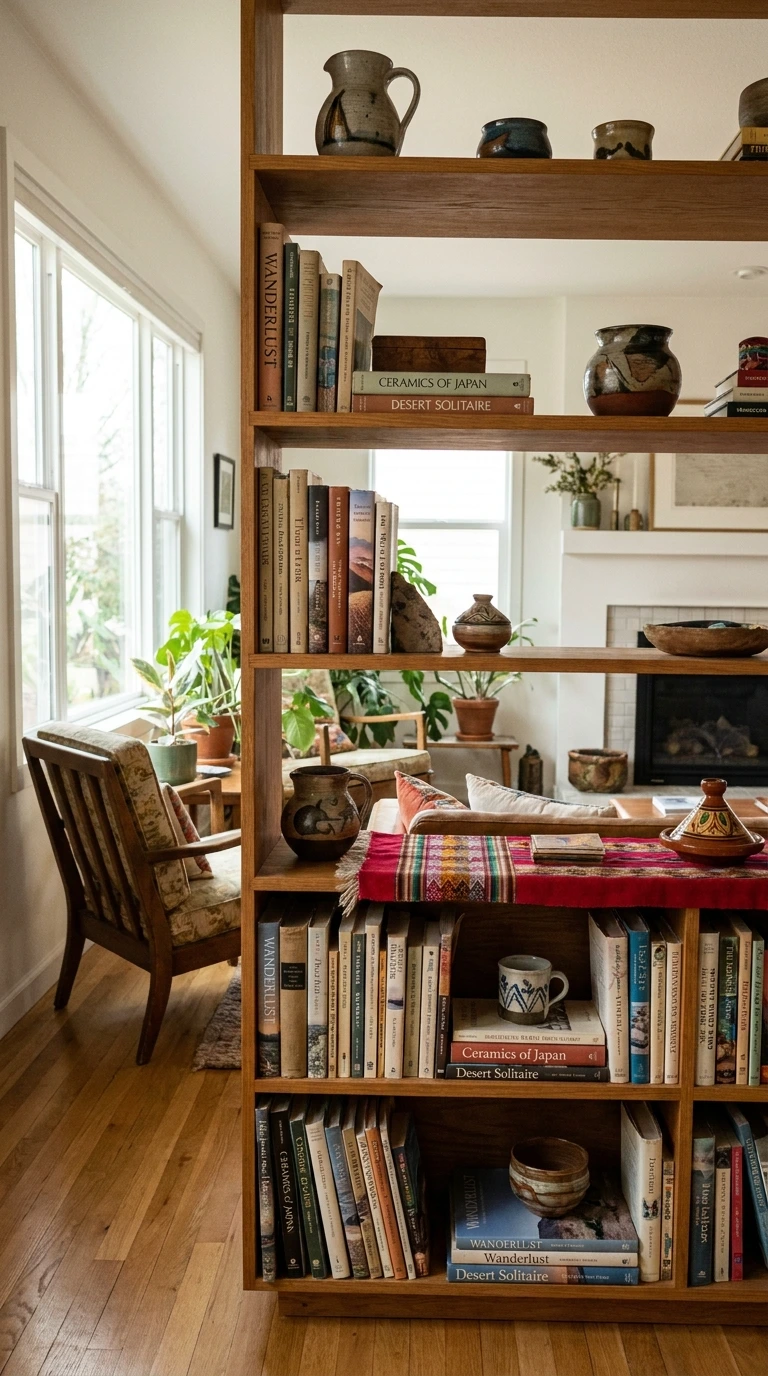
Curated collections of books, art, ceramics, or travel finds displayed intentionally are replacing the impulse to hide everything away for a streamlined look. This trend reflects a genuine desire for small spaces to feel like homes full of personality rather than staged showrooms.
The key to this trend working well is curation, choosing your favorite, most meaningful pieces rather than displaying literally everything you own. A thoughtfully arranged shelf of ten meaningful items reads as considerably more stylish than a shelf crowded with fifty random objects.
22. Out: The Fully Minimalist, Empty-Surface Aesthetic
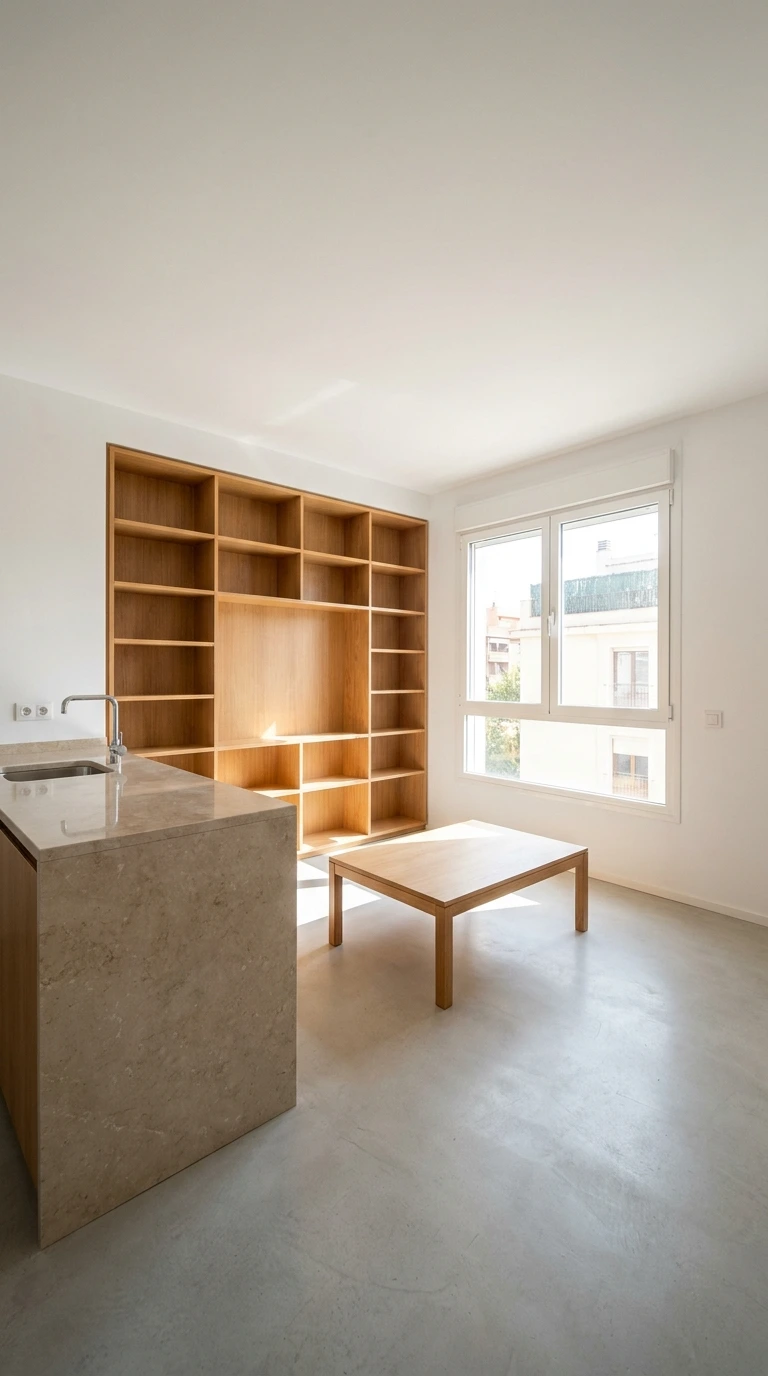
Extremely minimal decorating, with bare countertops and empty shelves throughout an entire apartment, is losing appeal as people crave more warmth and personality in their homes. This ultra-minimal look, while photogenic, often felt sterile and impersonal to actually live in day to day.
If you’ve been living with this aesthetic and want to update, start by bringing back just a few genuinely meaningful items rather than filling every surface at once. The goal is personality, not clutter, so restraint still matters even as full minimalism fades.
23. In: Handmade and Artisan Pieces
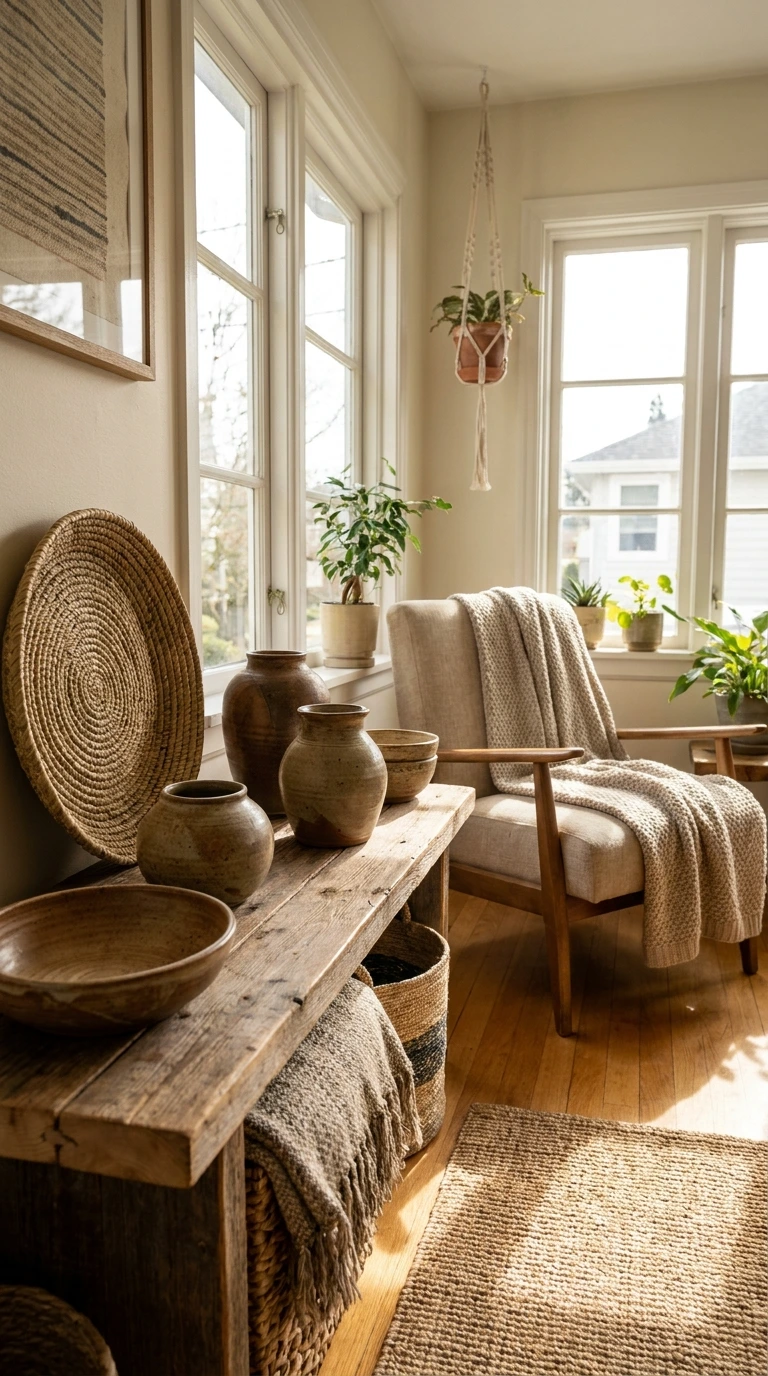
Handwoven baskets, hand-thrown pottery, and other artisan-made decor are gaining favor over mass-produced alternatives, reflecting both a sustainability mindset and a desire for genuine craftsmanship. These pieces often carry visible marks of the hand that made them, adding warmth and story that factory-made items lack.
This trend works particularly well in a small space, since a single well-made artisan piece can serve as a genuine conversation piece and focal point without needing to fill the whole room with similar items. Supporting local makers or small businesses for even one or two key pieces can meaningfully shift a room’s overall character.
24. Out: Mass-Produced, Identical Decor Pieces
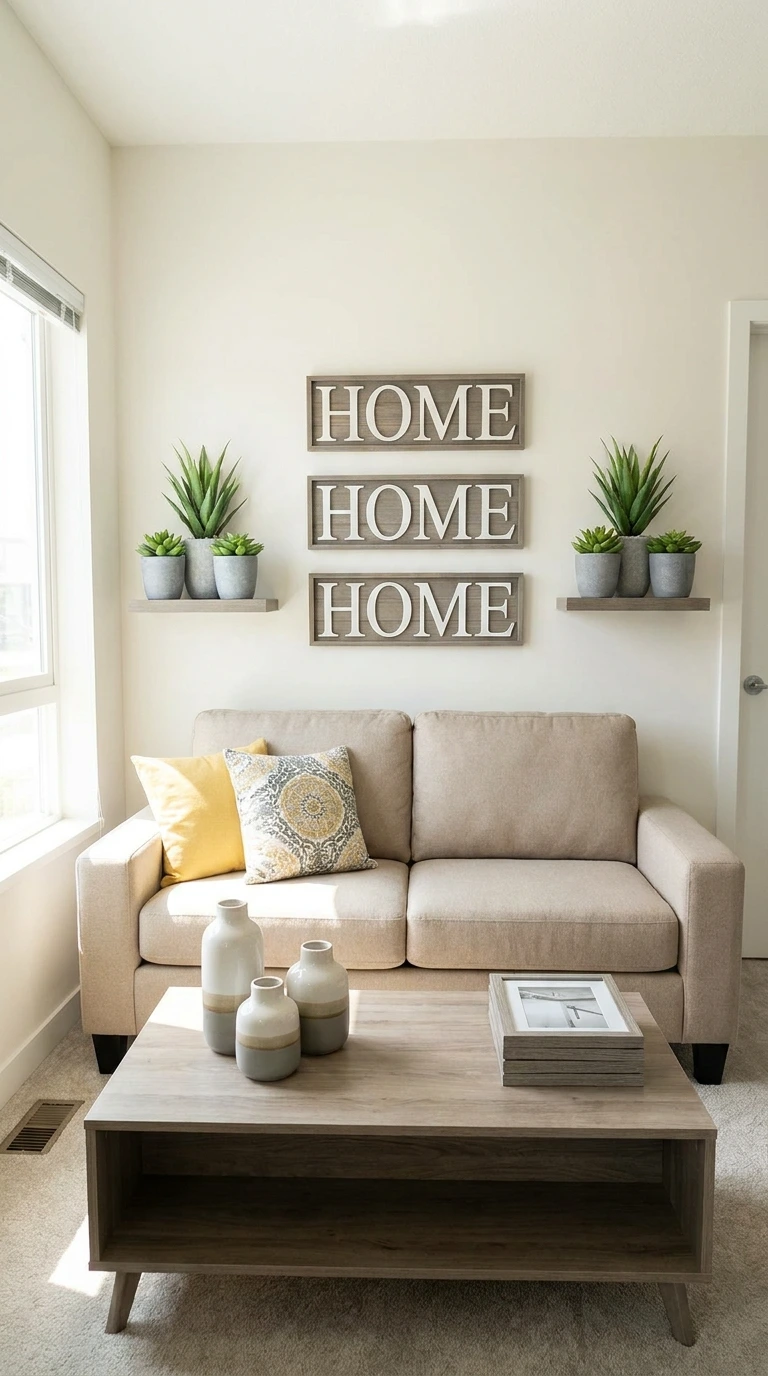
Decor items that look identical to what’s in thousands of other homes, purchased purely because they were convenient and cheap, are increasingly seen as forgettable rather than a genuine design choice. This shift doesn’t mean everything needs to be expensive or handmade, just that intentional sourcing matters more than pure convenience now.
If your current decor leans heavily on generic, mass-produced pieces, you don’t need to replace everything at once. Prioritizing more intentional choices for your next few purchases gradually shifts the room’s overall feel without requiring a complete overhaul.
25. In: Warm Wood Tones
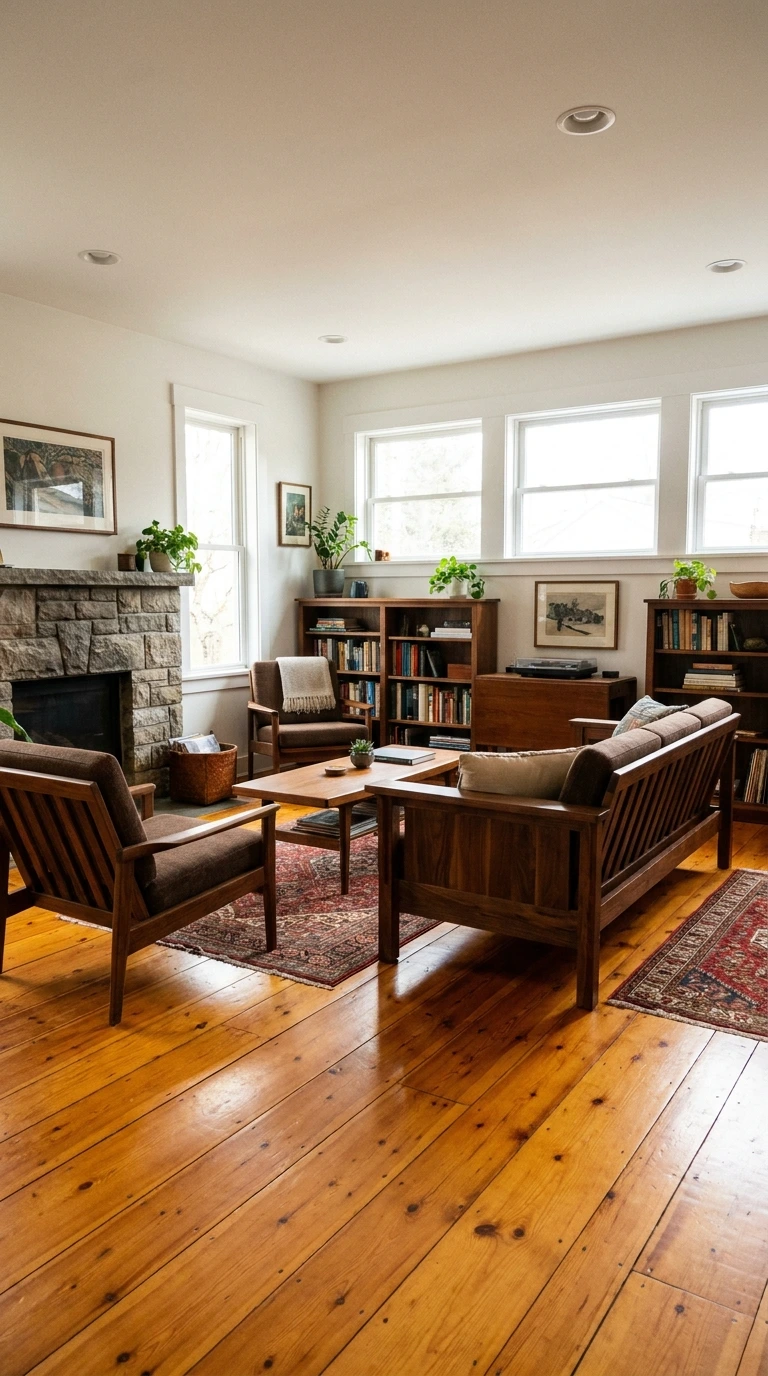
Rich walnut, warm oak, and honey-toned woods are replacing the cooler, gray-washed wood finishes that dominated small-space furniture for the past several years. Warm wood adds genuine richness and depth to a room, pairing naturally with the earthy color palettes and warm metals also trending this year.
This shift affects everything from flooring to furniture to small decorative accents, offering multiple entry points depending on your budget and willingness to commit. Even a single warm-wood side table or shelf can introduce this trend without a full furniture replacement.
26. Out: Gray-Washed and Cool-Toned Wood
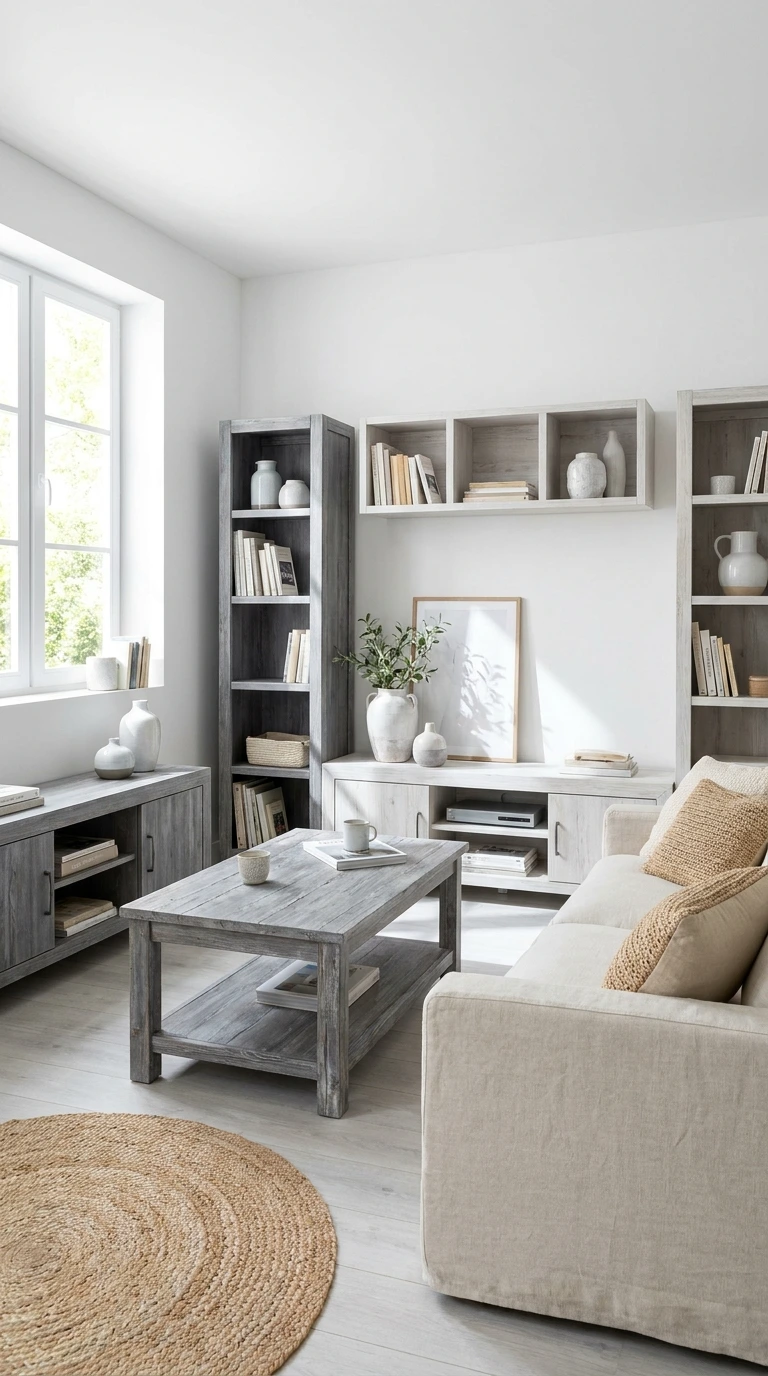
The gray-washed, whitewashed wood finishes popular during the height of Scandinavian-inspired minimalism are fading as warmer wood tones take over. This cooler wood finish, once considered fresh and modern, now reads as somewhat dated alongside the current warm, cozy design direction.
If you have existing gray-washed wood furniture, restaining isn’t always practical or necessary, since introducing warmer wood accents elsewhere in the room can balance the overall look without requiring you to replace or refinish everything you own.
27. In: Bold, Maximalist Patterns in Small Doses
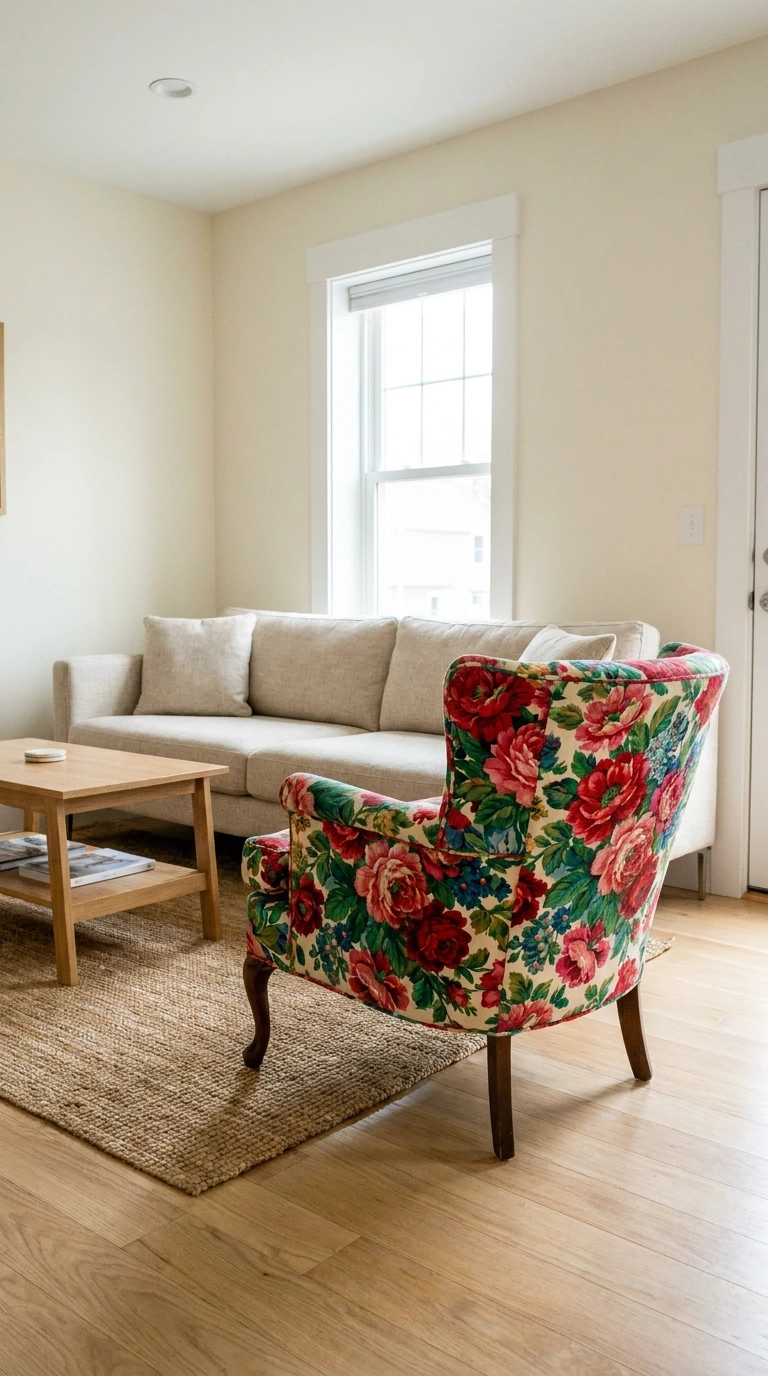
Rich, saturated patterns, whether florals, geometrics, or global-inspired prints, are making a comeback, but typically in smaller, contained doses rather than covering an entire room. A single patterned chair or a bold wallpapered nook delivers maximalist energy without overwhelming a small space’s limited square footage.
This measured approach to maximalism suits small apartments particularly well, since a full room of bold pattern can feel overwhelming in tight quarters, while one well-chosen statement piece adds genuine personality and visual excitement.
28. Out: All-Neutral, Pattern-Free Rooms
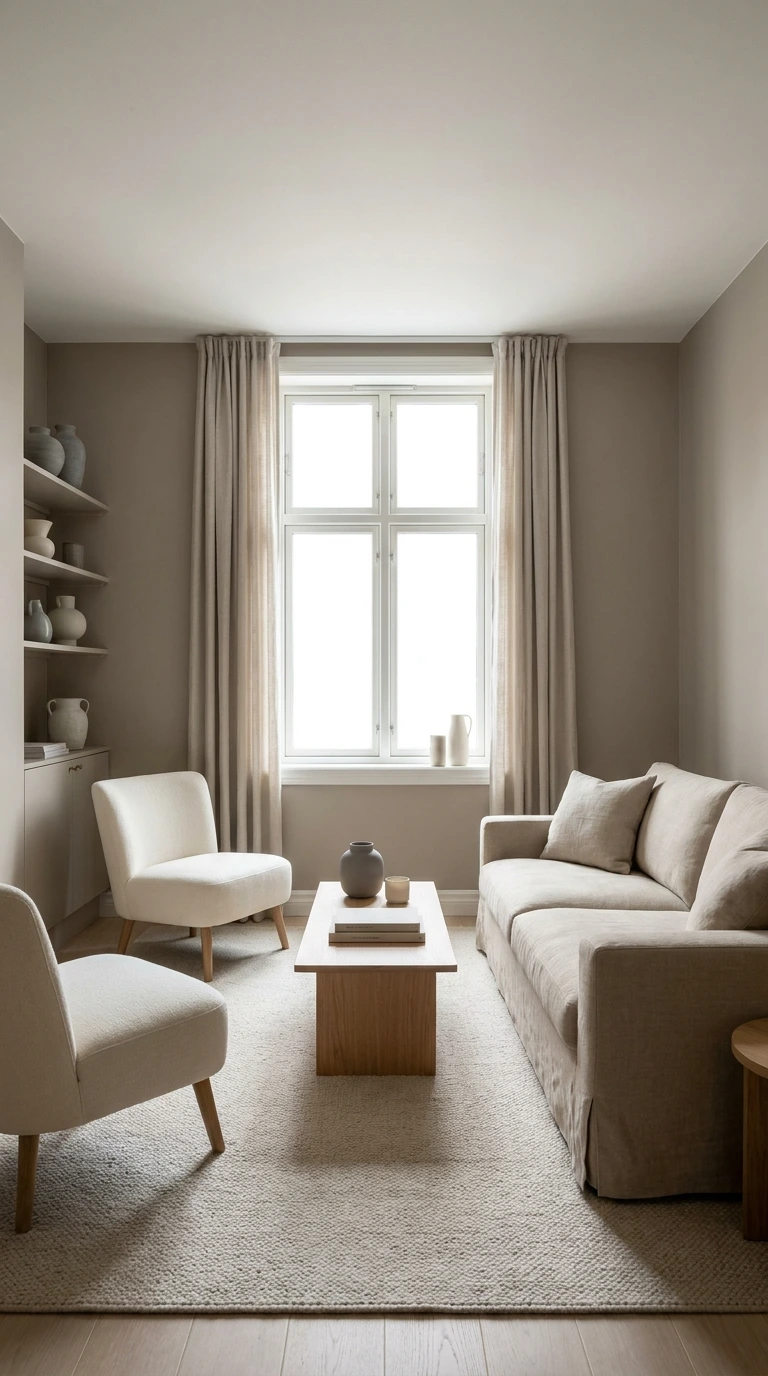
Rooms decorated entirely in solid neutrals, with zero pattern anywhere, are starting to feel flat and unfinished compared to spaces that incorporate at least some pattern, even in small doses. This all-neutral approach, once considered the safest choice for small spaces, is increasingly seen as a missed opportunity for personality.
If your space currently leans entirely neutral, introducing just one patterned pillow, a piece of art, or a small rug can add the visual interest currently missing without requiring a full redecorating project.
29. In: Vintage-Inspired Kitchen Details
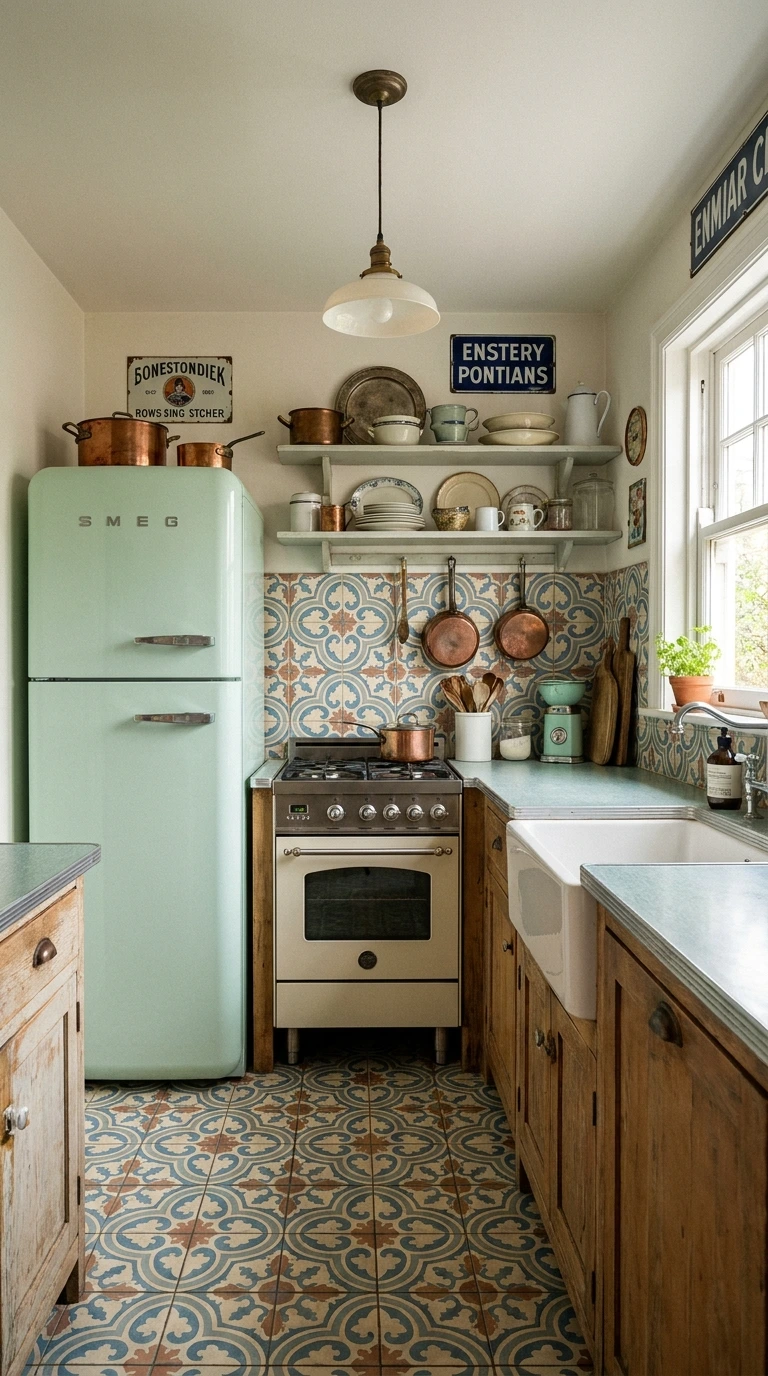
Retro-style appliances, vintage-inspired tile patterns, and classic hardware are bringing genuine character back to small apartment kitchens, moving away from the sleek, ultra-modern look that dominated kitchen design for years. This trend adds warmth and personality to what’s often the most function-focused room in a small apartment.
Small updates, like swapping cabinet hardware to a vintage-inspired style or adding a retro-look small appliance, let renters and budget-conscious decorators participate in this trend without a full kitchen renovation.
30. Out: All-White, Ultra-Modern Kitchen Looks
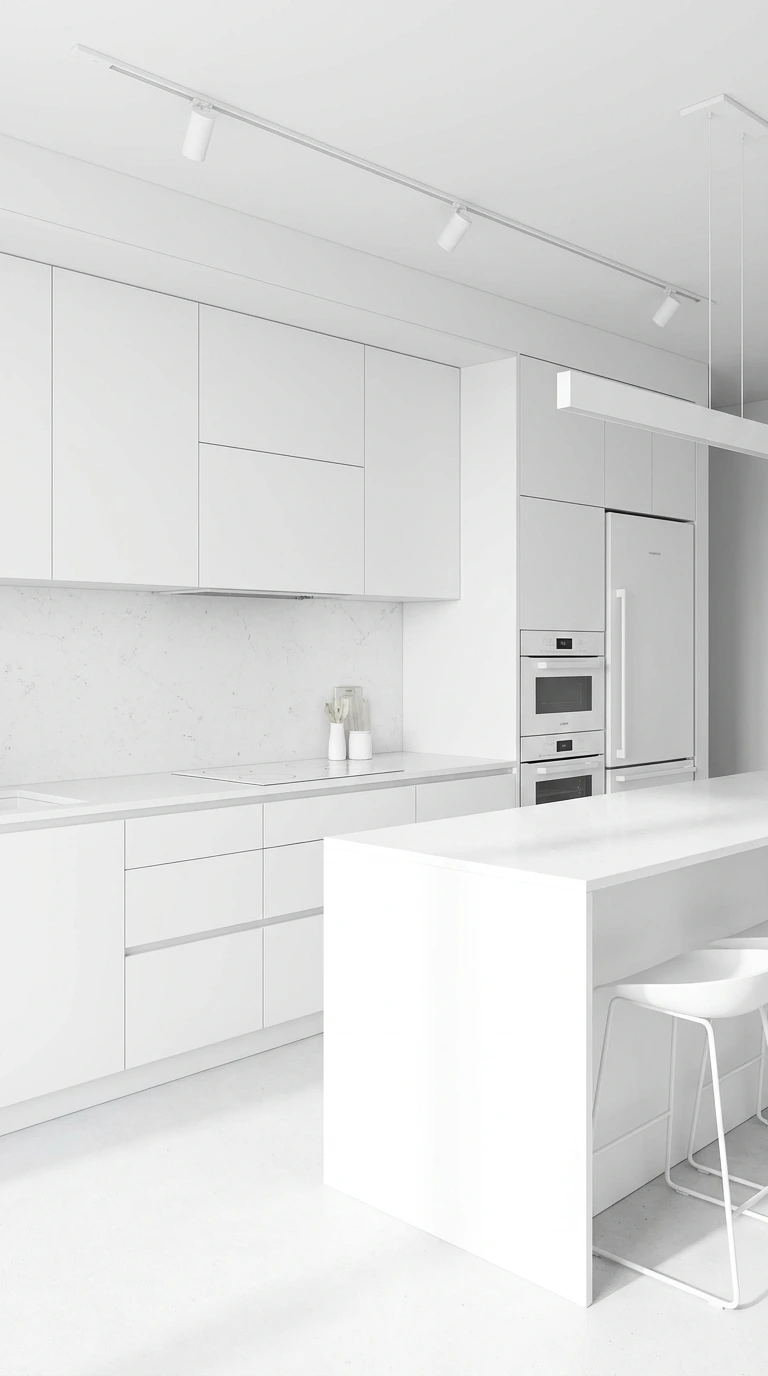
The completely white, ultra-sleek kitchen aesthetic that dominated design media for years is starting to feel clinical and impersonal compared to kitchens with more warmth and character. This look photographs well but often feels cold to actually cook and live in daily.
If you’re working with an existing all-white kitchen, introducing warm wood accents, vintage-inspired hardware, or a few personal touches can soften the look considerably without requiring any structural changes.
| Trend Category | What’s In for 2026 | What’s Out for 2026 |
|---|---|---|
| Textiles | Layered, mismatched patterns | Perfectly coordinated sets |
| Wood Tones | Rich, warm finishes | Gray-washed, cool finishes |
| Pattern | Bold pattern in small doses | All-neutral, pattern-free rooms |
| Kitchen Style | Vintage-inspired details | All-white ultra-modern looks |
| Sourcing | Handmade, artisan pieces | Mass-produced identical decor |
31. In: Dedicated Micro-Zones Within One Room
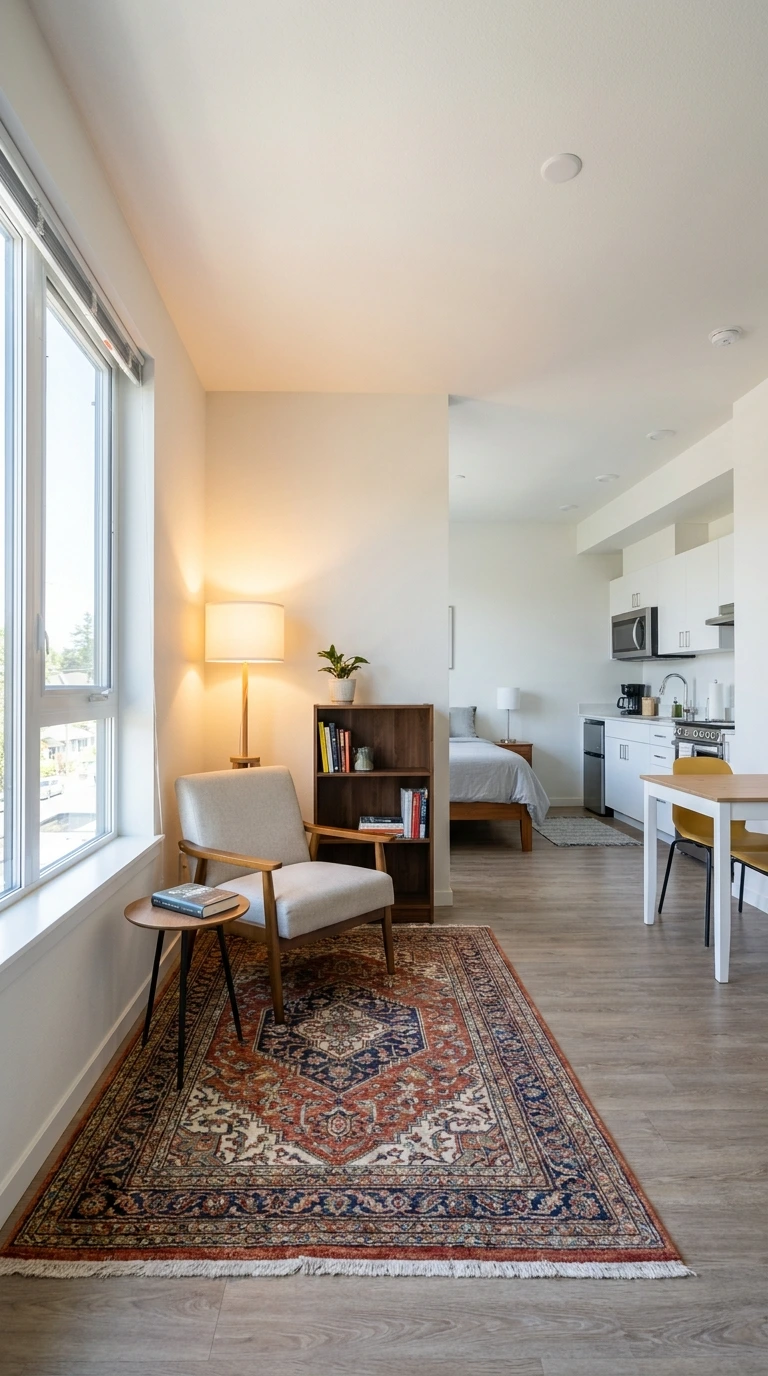
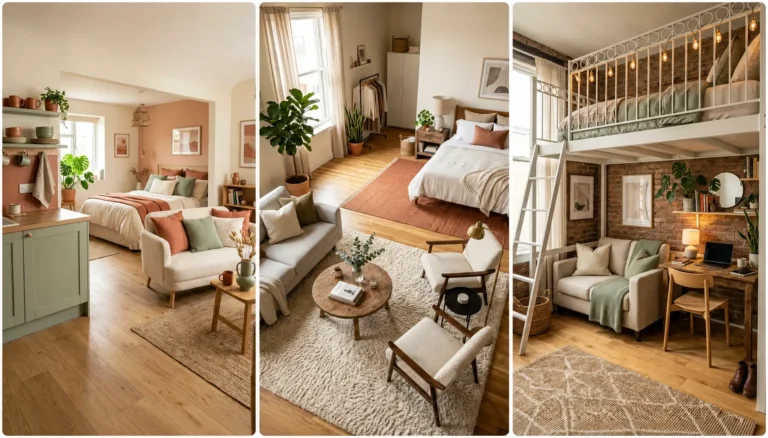
Even in a studio or single-room apartment, creating distinct zones, a reading corner, a small workspace, a defined sleeping area, using rugs, lighting, or furniture arrangement is becoming a more deliberate design priority than treating the whole space as one undifferentiated area. This zoning approach genuinely improves how a small space functions day to day.
A simple room divider, a strategically placed bookshelf, or even just a rug that defines one corner can create this sense of distinct purpose without any construction or major investment.
32. Out: Treating a Studio as One Undefined Space
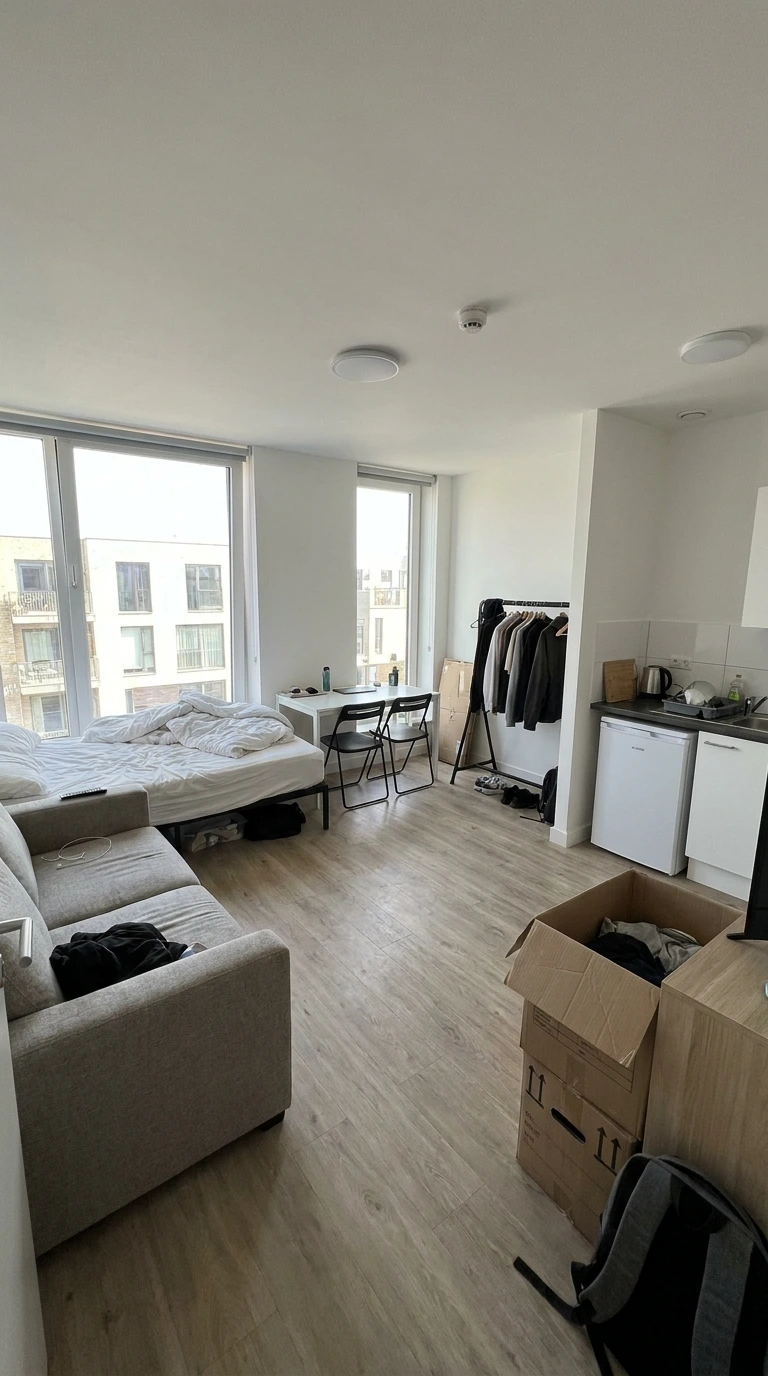
Furnishing a studio apartment with no clear zoning, just furniture scattered somewhat randomly throughout one open area, is increasingly seen as a missed opportunity rather than an acceptable compromise. This undifferentiated approach often makes even a well-furnished studio feel less functional than it could be.
If your current studio lacks clear zones, even simple additions like a floor lamp marking a reading corner or a rug defining a seating area can introduce this more current, purposeful layout approach.
33. In: Sustainable and Secondhand-First Shopping
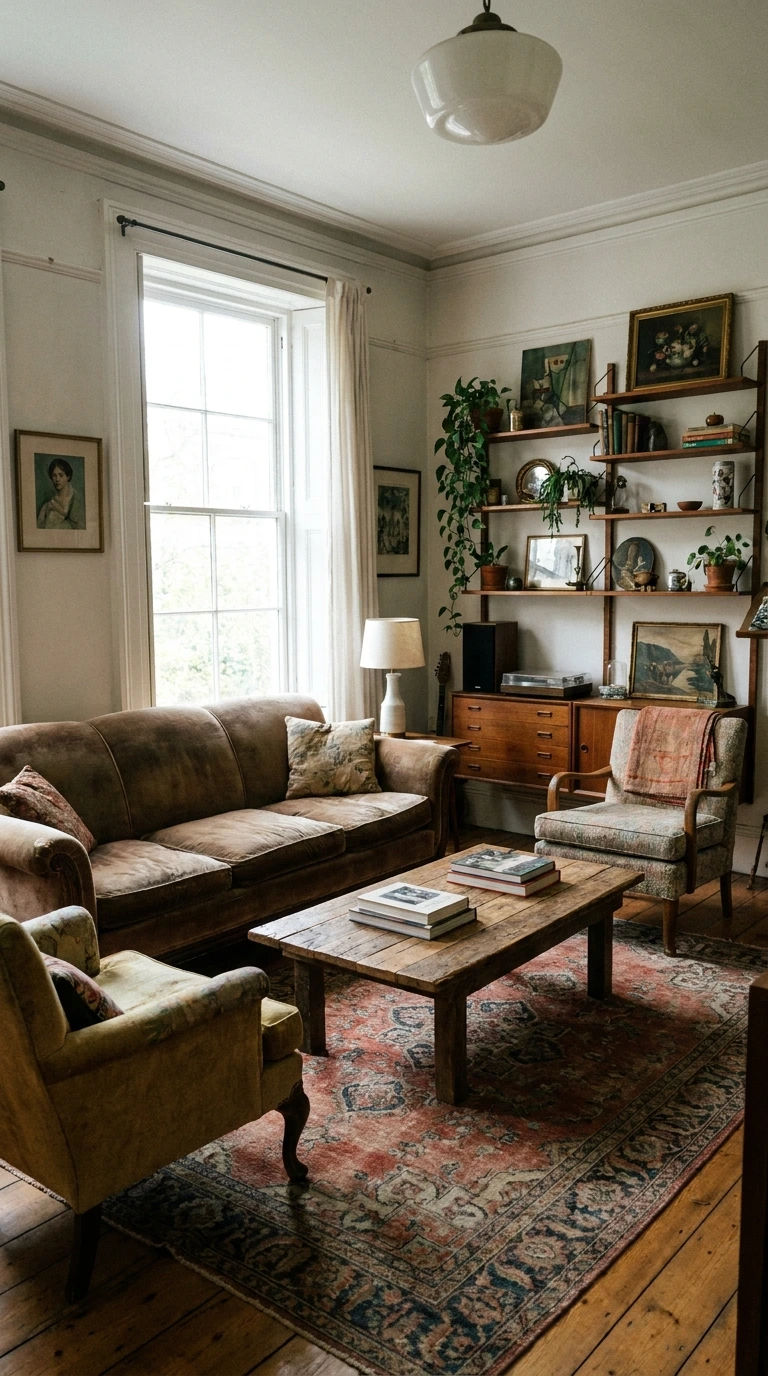
Choosing secondhand, vintage, or sustainably made pieces as a first instinct, rather than a fallback when budget is tight, reflects a genuine values shift among small-space decorators in 2026. This approach aligns naturally with the vintage and artisan trends also gaining ground this year.
Beyond the environmental benefit, this shopping approach often results in more unique, characterful pieces than buying new from a mass retailer, which fits the broader move away from generic, identical decor.
34. Out: Fast-Furniture Shopping Habits
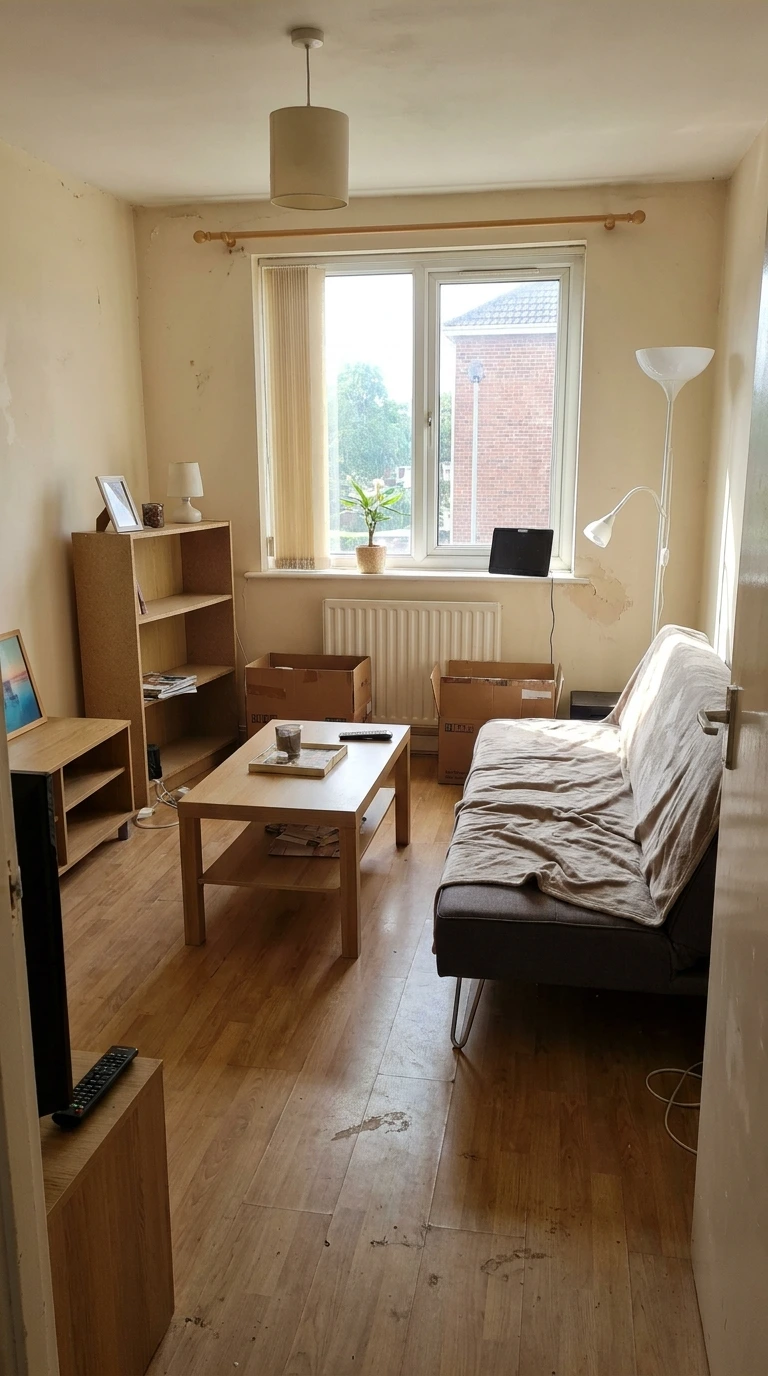
Buying cheap, trend-driven furniture meant to be replaced within a year or two is increasingly viewed as wasteful and unsustainable, both financially and environmentally. This disposable approach to furnishing a small space often results in lower-quality pieces that don’t hold up to genuine daily use.
Shifting toward fewer, better-chosen pieces, even if that means saving up longer for each purchase, tends to serve small-space dwellers better long term than a cycle of cheap replacements.
35. In: Warm, Dimmable Ambient Lighting Layers
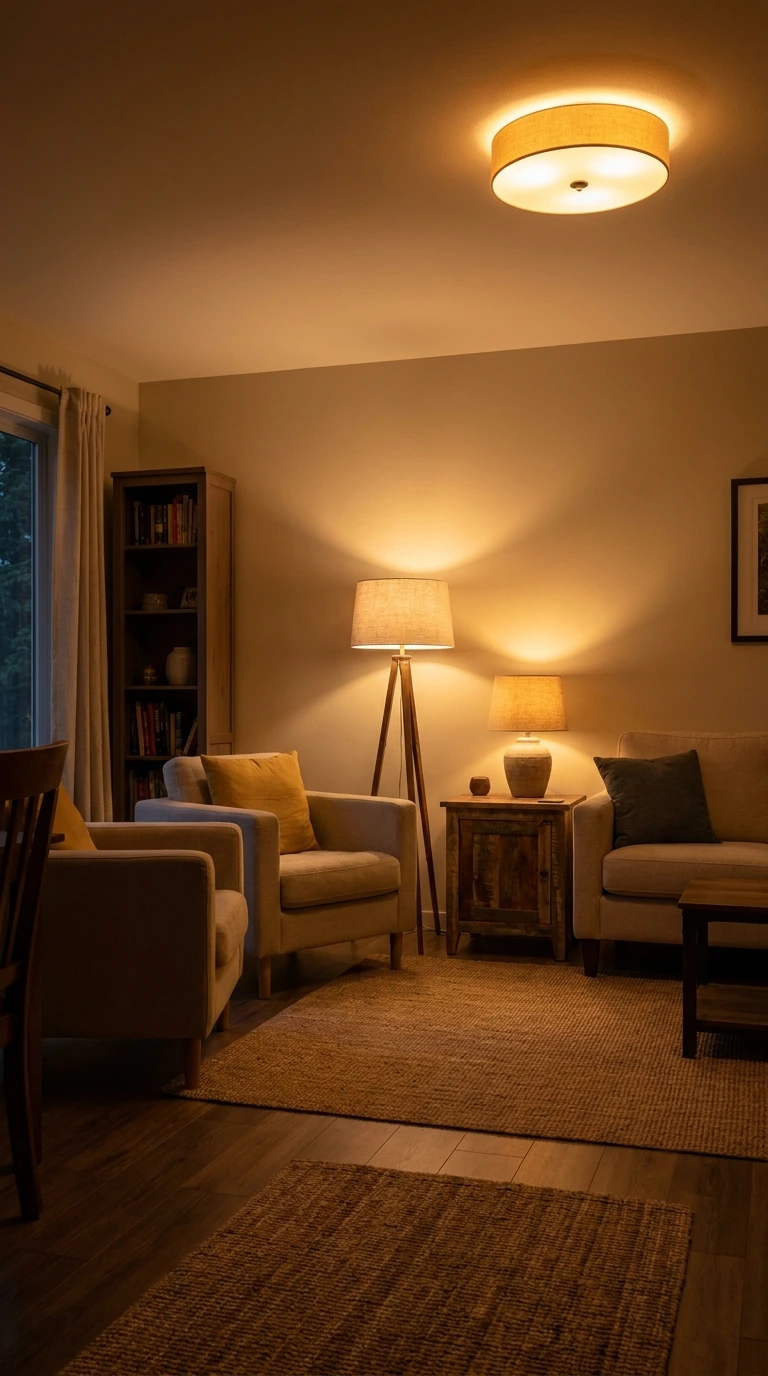
Multiple light sources at varying warmth levels, rather than one bright overhead fixture, continue gaining priority as people recognize how much lighting affects a small room’s actual livability. Dimmable options in particular let a single space transition from bright and functional during the day to warm and cozy in the evening.
This layered approach requires a bit more upfront investment in fixtures and bulbs, but it delivers considerably more flexibility and warmth than relying on a single ceiling light throughout every hour of the day.
36. Out: Single Overhead Lighting as the Only Source
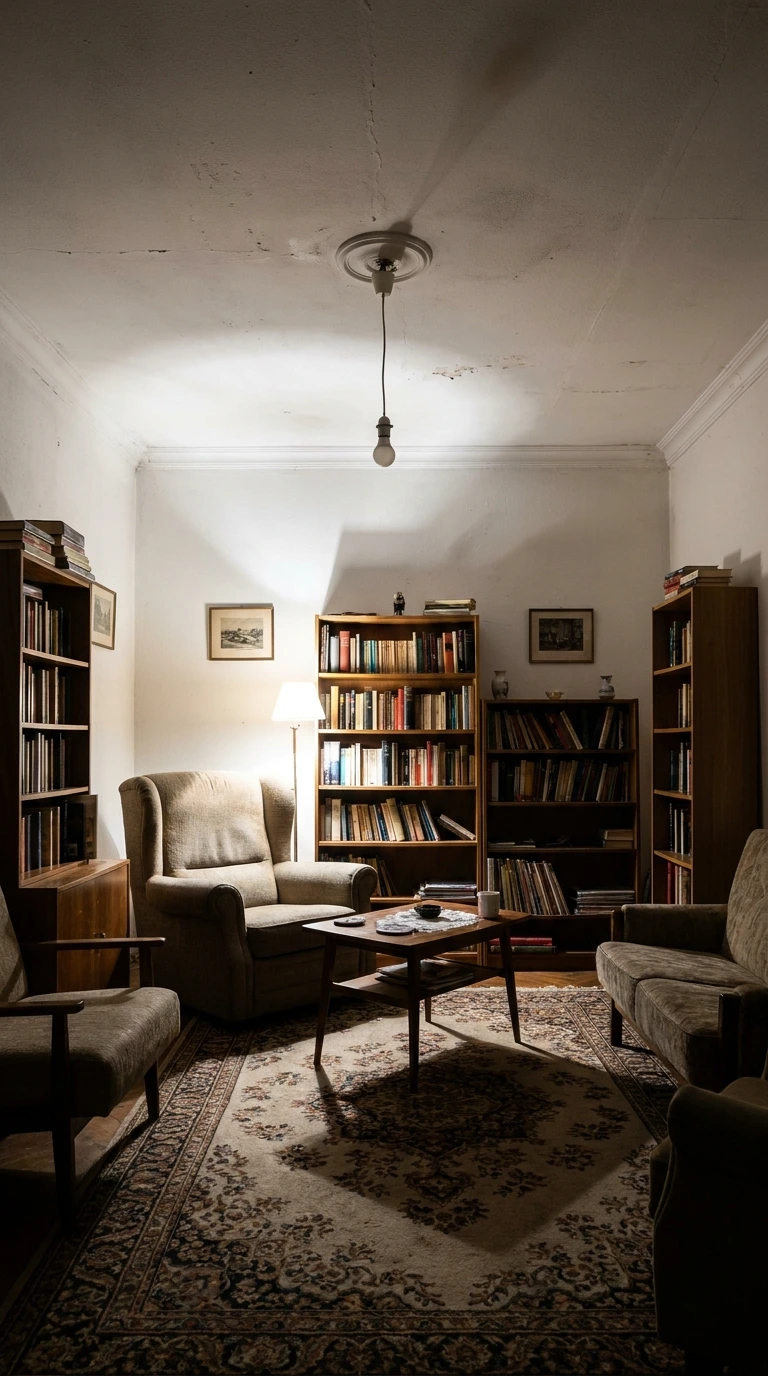
Relying entirely on one bright overhead fixture for a whole room is increasingly seen as a missed opportunity, since this single-source lighting tends to feel harsh and flat compared to a layered approach. This outdated lighting habit often makes even a well-decorated room feel less inviting than it could.
Adding even one additional lamp, whether a floor lamp or a small table lamp, alongside your existing overhead fixture introduces genuine warmth and flexibility without a major electrical project.
37. In: Nostalgic, Grandmillennial Touches
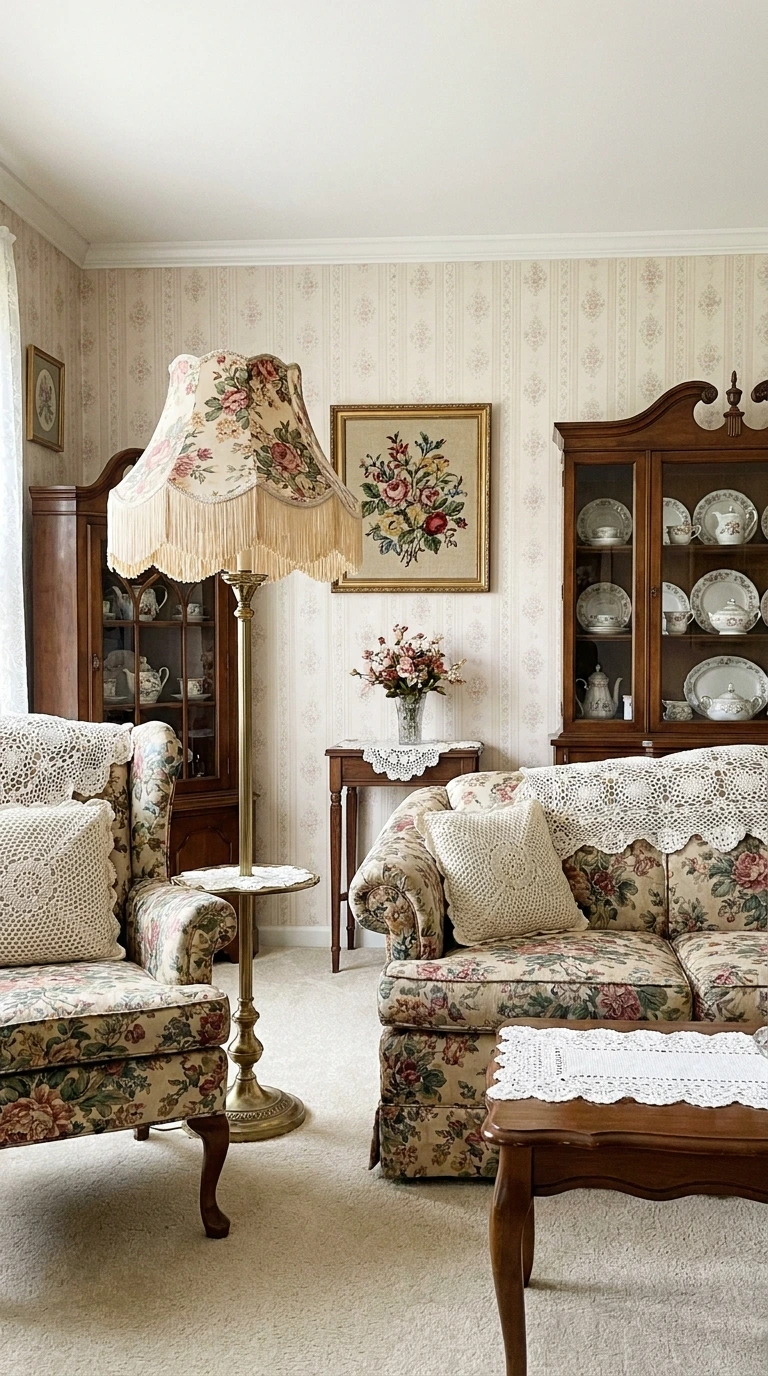
Doilies, fringe trim, ruffled edges, and other details reminiscent of a grandmother’s home are being reinterpreted through a modern lens, adding warmth and nostalgia to small spaces. This trend, sometimes called grandmillennial style, blends traditional details with a more contemporary overall approach.
A single fringed lampshade or a doily-inspired textile detail can introduce this nostalgic warmth without committing to a fully traditional aesthetic throughout the whole space.
38. Out: Overly Sterile, Corporate-Feeling Interiors
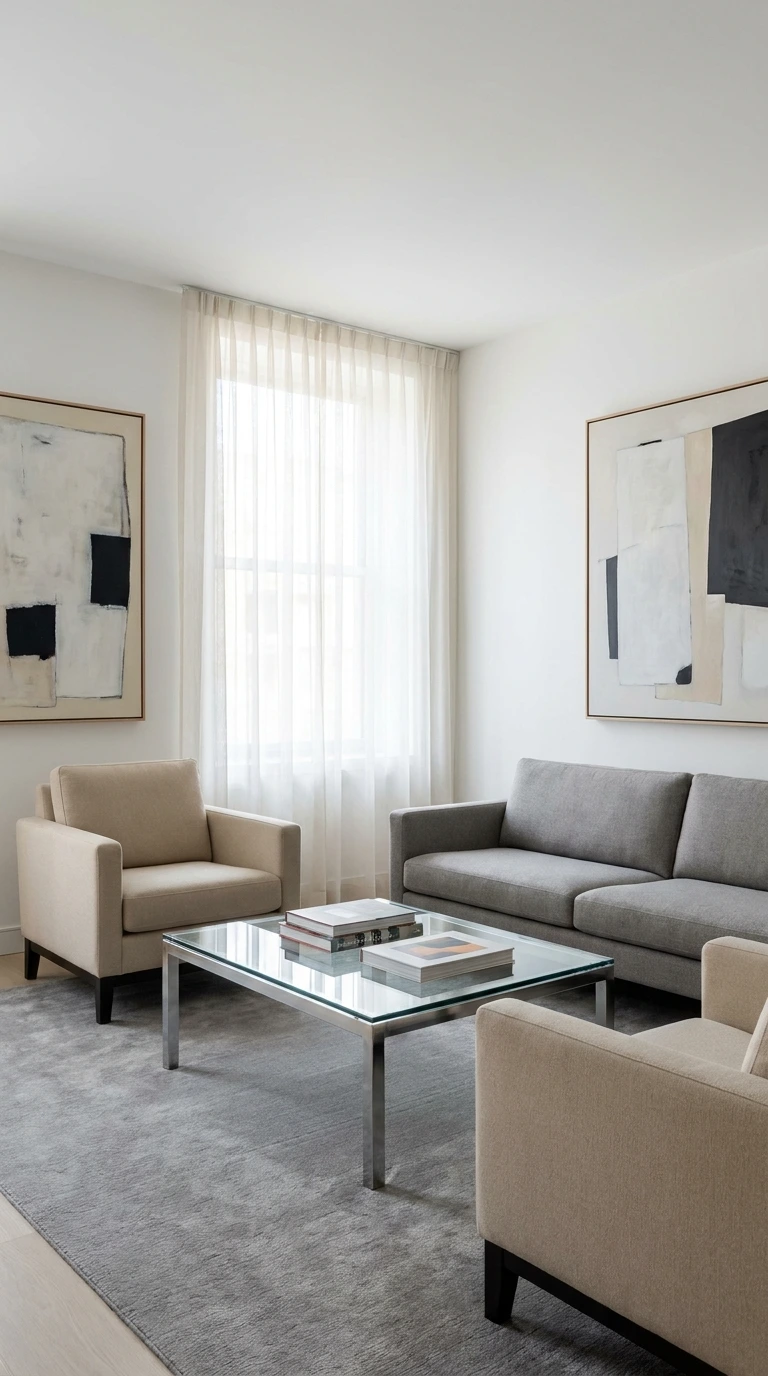
Spaces that feel more like a hotel lobby or corporate office than an actual home, with generic art and impersonal furniture arrangements, are increasingly seen as a design failure rather than a safe, neutral choice. This overly polished, impersonal look has fallen out of favor as genuine warmth and personality take priority.
If your space currently leans in this direction, personal touches, family photos, meaningful art, a favorite collected object, do more to fix this feeling than any single furniture purchase could.
39. In: Tactile, Nubby Textures
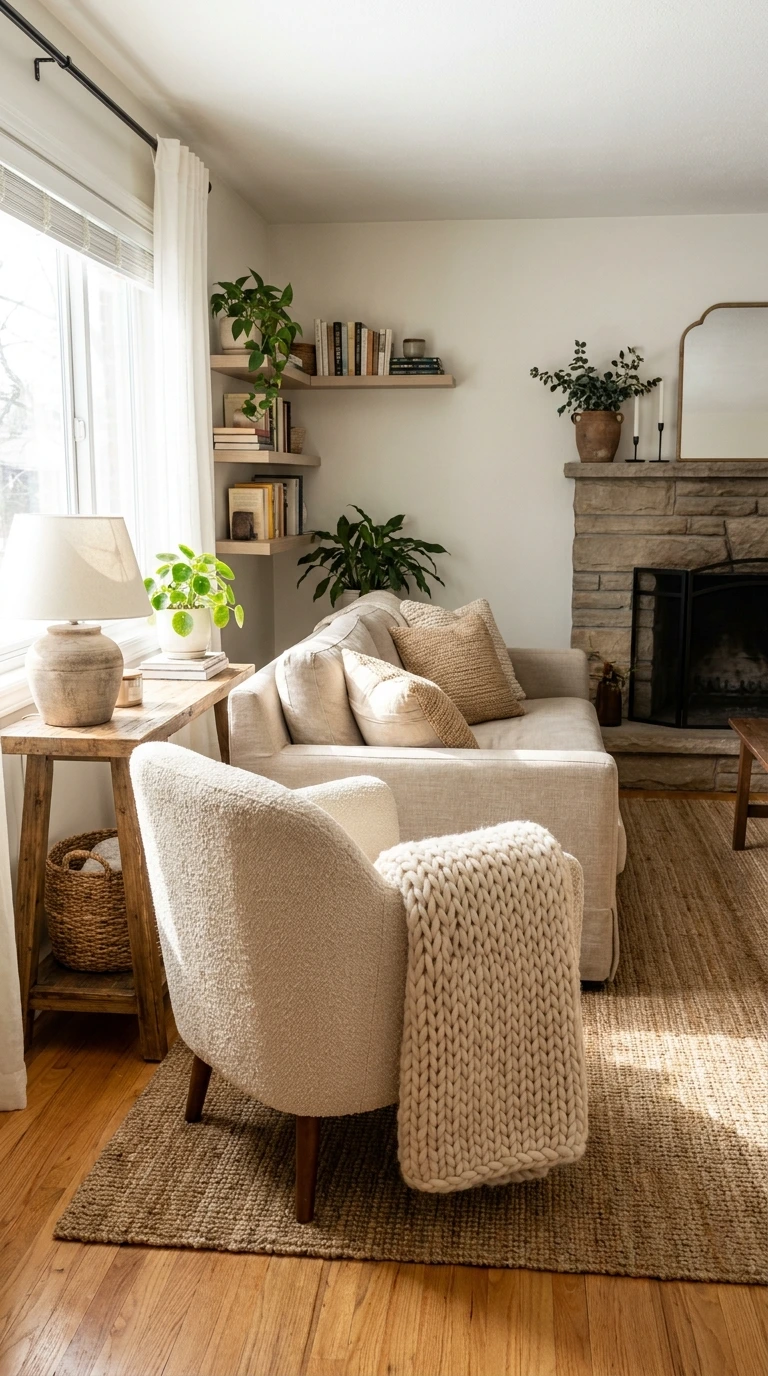
Boucle, chunky knits, and other deeply textured fabrics continue gaining ground, adding a tactile richness that flat, smooth fabrics simply can’t provide. This trend pairs naturally with the broader move toward warmth and coziness happening across small-space design in 2026.
A single boucle accent chair or a chunky knit throw can introduce this texture without requiring a full furniture overhaul, making it an accessible entry point into the trend.
40. Out: Flat, Slick Fabric Finishes
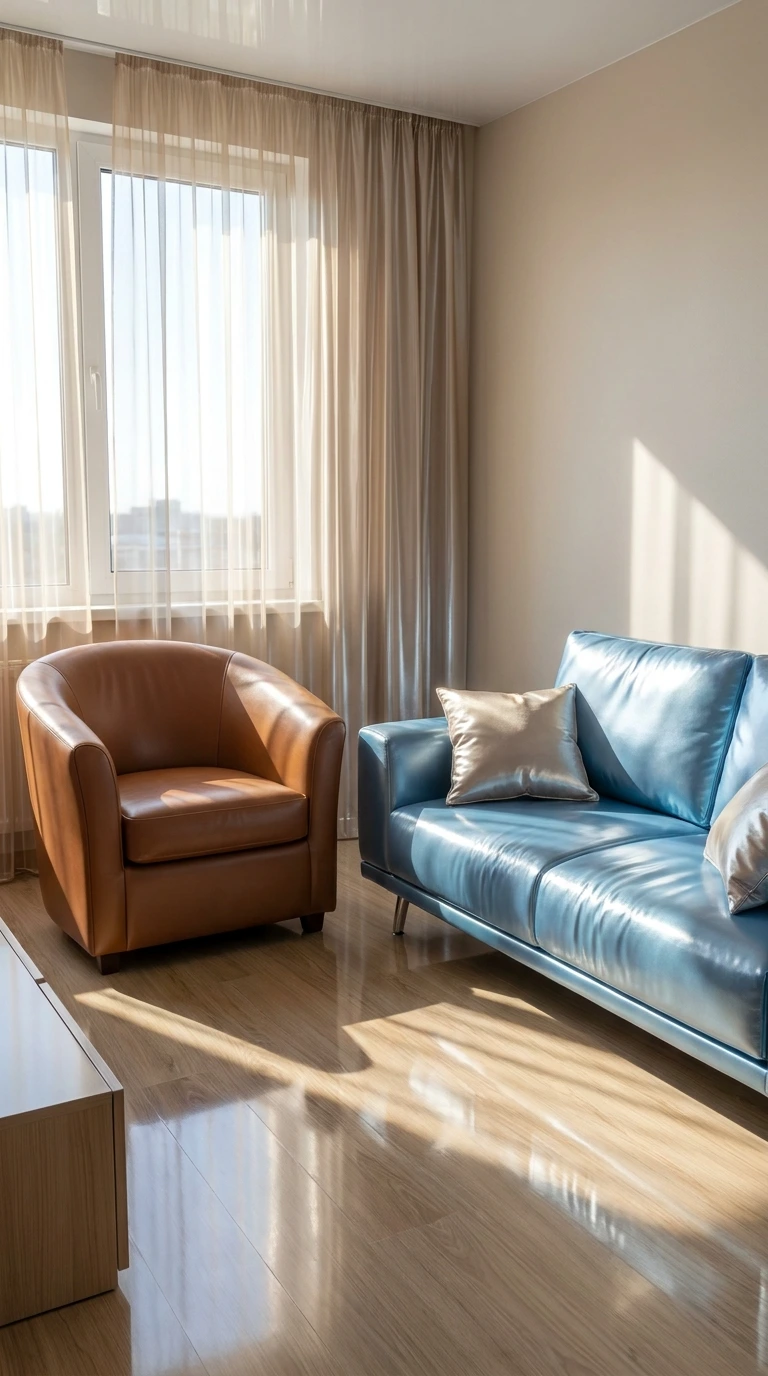
Smooth, slick fabrics like pure polyester blends or overly glossy leather are starting to feel less current as tactile, nubby textures take priority. This flat fabric finish, once associated with sleek modern design, now reads as somewhat impersonal compared to richer textured alternatives.
If you have existing slick-fabric furniture, layering in textured pillows, a chunky throw, or a nubby rug can balance the overall feel without replacing the furniture itself.
41. In: Small-Space Specific Furniture Design
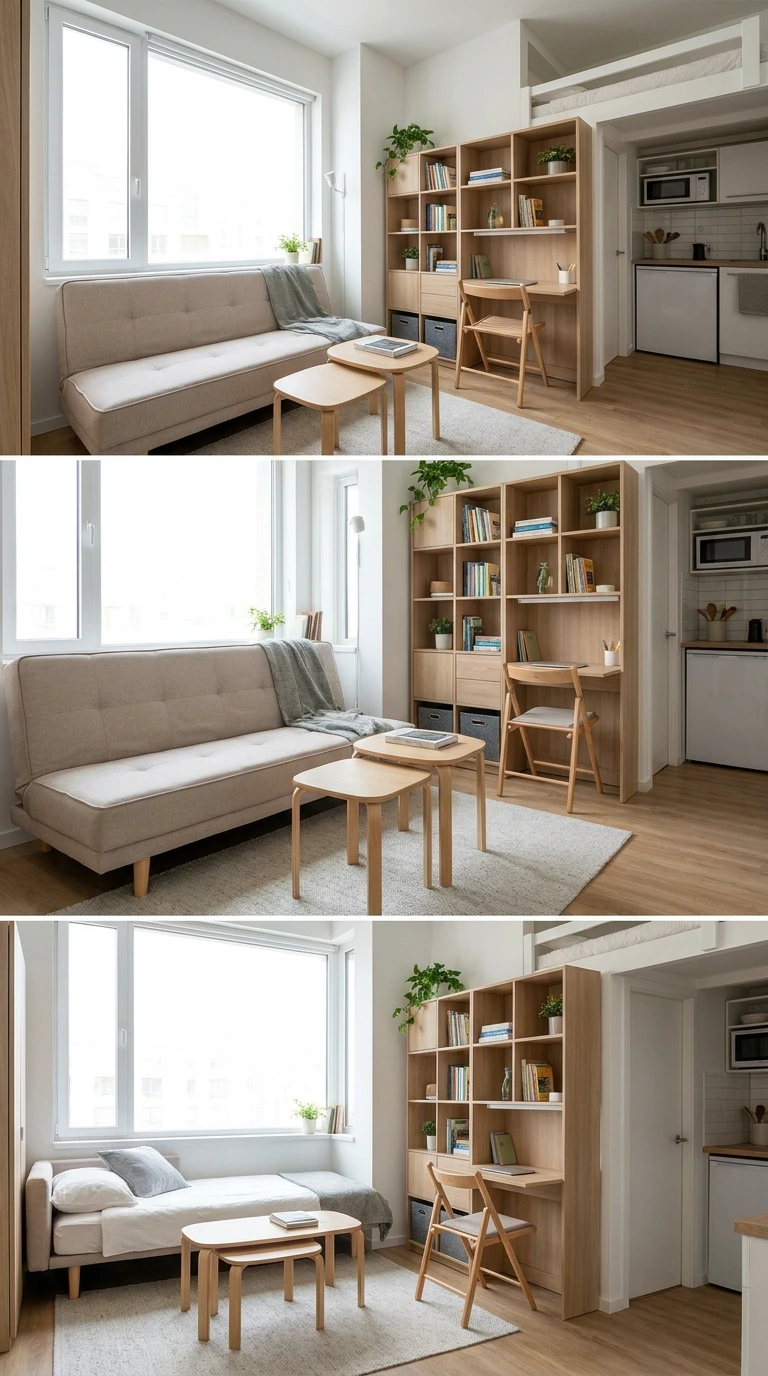
Furniture genuinely designed and scaled for small apartments, rather than smaller versions of pieces meant for larger homes, is becoming more widely available and prioritized. This trend reflects furniture brands finally taking small-space living seriously as its own design category rather than an afterthought.
Choosing pieces specifically designed with small-space proportions in mind, rather than simply the smallest option in a standard collection, typically results in furniture that actually fits and functions better in a compact footprint.
42. Out: Scaled-Down Versions of Standard Furniture
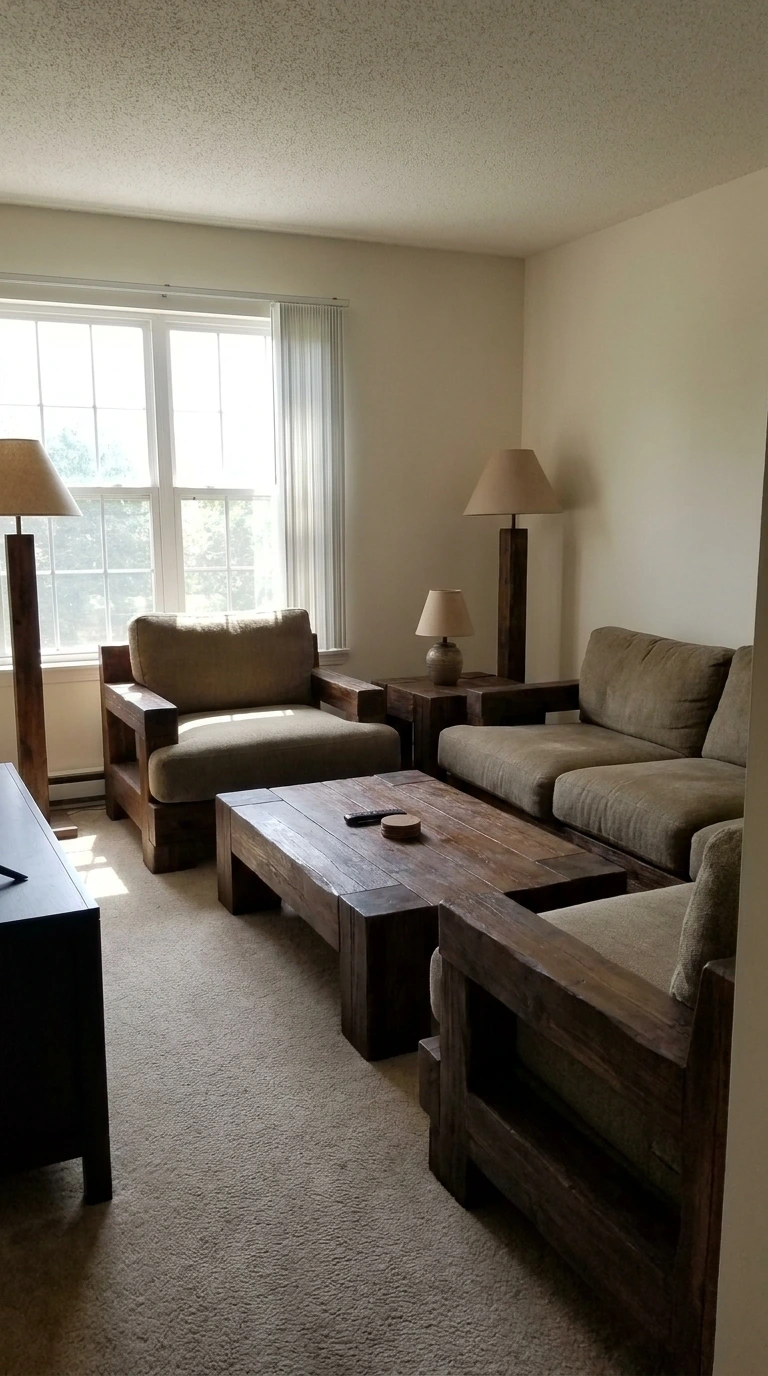
Furniture that’s simply a smaller version of a piece designed for a larger home often doesn’t translate well to small-space living, since the proportions and functionality weren’t genuinely reconsidered for a tighter footprint. This approach, common for years due to limited alternatives, is losing favor as purpose-built small-space furniture becomes more available.
If you’re shopping for new furniture this year, seeking out brands and lines specifically designed for small spaces, rather than settling for the smallest option in a standard collection, tends to produce better results.
43. In: Intentional Negative Space
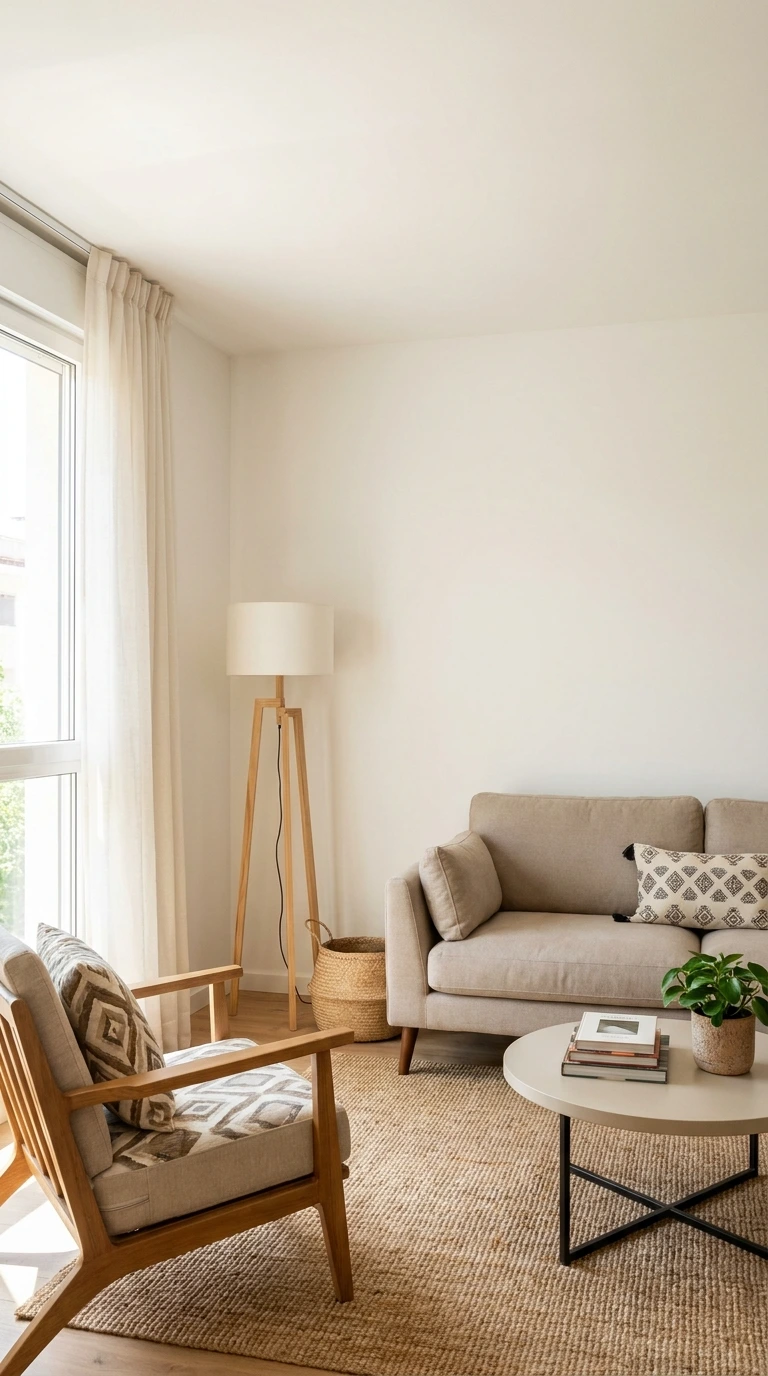
Leaving some walls, corners, or surfaces deliberately bare is being embraced as a genuine design choice rather than an oversight, giving the eye somewhere to rest even in a fully decorated small space. This trend works alongside the return of personal collections and pattern, since the negative space provides necessary breathing room.
Rather than filling every available inch, current small-space design intentionally reserves at least one area as calm, uncluttered visual rest, which helps the rest of the space feel curated rather than crowded.
44. Out: Filling Every Available Surface
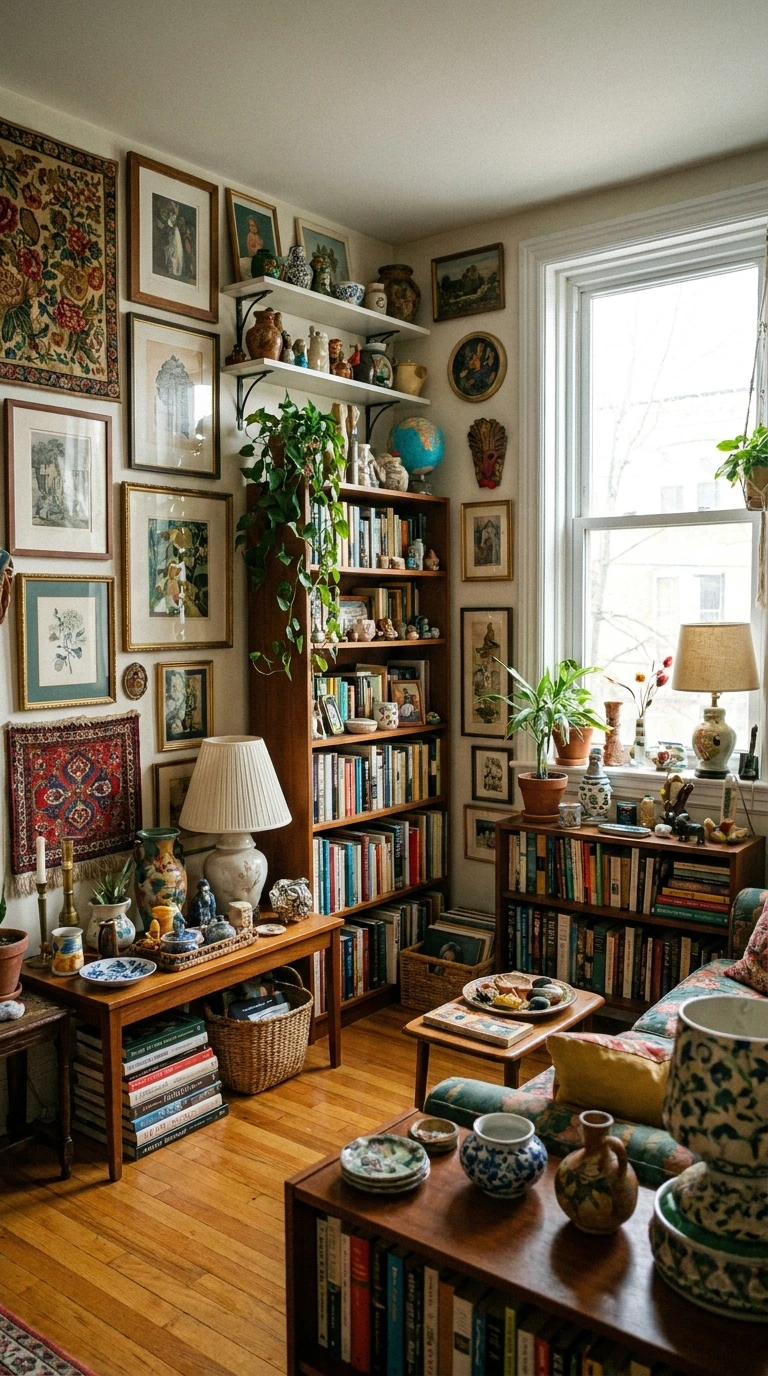
The impulse to fill every shelf, wall, and surface simply because space is limited and therefore precious is increasingly seen as counterproductive rather than efficient. A small space packed edge to edge with decor often feels more cramped and chaotic than one with a bit of intentional emptiness.
If your apartment currently has every surface covered, identifying just one area to intentionally clear can meaningfully improve how the whole space feels, even without removing much decor overall.
45. In: Personalization Over Perfection
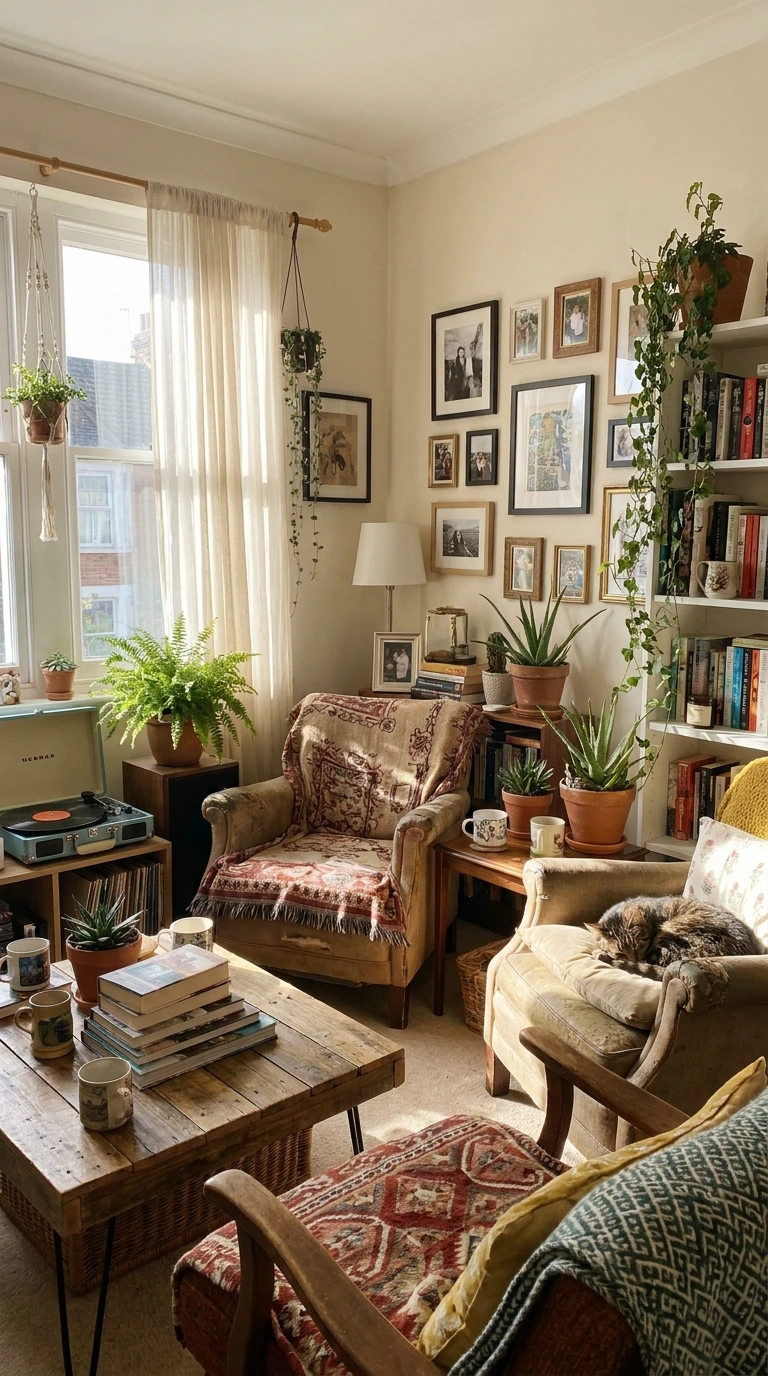
Above every specific trend on this list, the overarching shift for 2026 is toward small spaces that genuinely reflect their occupant’s actual life and taste, rather than chasing a flawless, magazine-ready look. This meta-trend explains why vintage finds, personal collections, and imperfect handmade pieces are all rising together.
The most successful small apartments this year aren’t the ones following every trend precisely, they’re the ones using these trends selectively to build a space that feels authentically like home. Trust your own taste over any single list, including this one, when the two genuinely conflict.
Frequently Asked Questions
1. Do I need to follow every trend on this list to have a stylish small apartment?
No, trends work best as a general direction rather than a strict checklist. Choosing two or three that genuinely resonate with your existing style will serve you better than trying to incorporate all 45 at once.
2. What’s the single most important trend shift for small spaces in 2026?
The move toward warmth and personality over strict minimalism is the most significant overall shift, influencing color, texture, and how people display their belongings. Nearly every other trend on this list connects back to this core change.
3. Is it expensive to update my apartment to reflect these trends?
Not necessarily, since many of the biggest shifts, like layering textiles or introducing warm lighting, can be achieved affordably through secondhand shopping or small swaps rather than full furniture replacement. Prioritizing a few key updates over a complete overhaul keeps costs manageable.
4. How do I know if a trend will still feel current in a few years?
Trends rooted in genuine function or timeless appeal, like curved furniture or warm wood tones, tend to have more staying power than purely aesthetic fads. Choosing trends that also solve a real problem in your space is a good way to hedge against a look feeling dated too quickly.
5. Can I mix vintage furniture with these newer trends?
Yes, and many of 2026’s trends actually lean into this mix, since vintage and secondhand pieces pair naturally with warm colors, curved silhouettes, and layered textiles. This blended approach is very much in line with the current direction rather than working against it.
6. What should I do with decor that’s currently “out” but that I still love?
Keep it. Trends are a general guide, not a mandate, and a piece you genuinely love will always serve your space better than one chosen purely to follow a trend. Personal attachment should outweigh trend status every time.
7. How often should I update my small apartment’s decor to stay current?
There’s no strict timeline, but many people find a small refresh every year or two, focusing on a few key pieces rather than a full overhaul, keeps a space feeling current without constant, costly redecorating. Let your own satisfaction with the space guide the timing more than trend cycles alone.
Conclusion
Small apartment decor trends for 2026 point toward warmth, personality, and genuine character over the strict minimalism that defined the past several years. Warm colors, curved furniture, layered textiles, and personal collections are all part of a broader shift toward spaces that feel authentically lived-in rather than perfectly staged.
Use this list as inspiration rather than obligation, picking the trends that genuinely fit your taste and letting go of anything that doesn’t serve how you actually live. Your small apartment will always look and feel best when it reflects you, whatever year’s trend list happens to say.