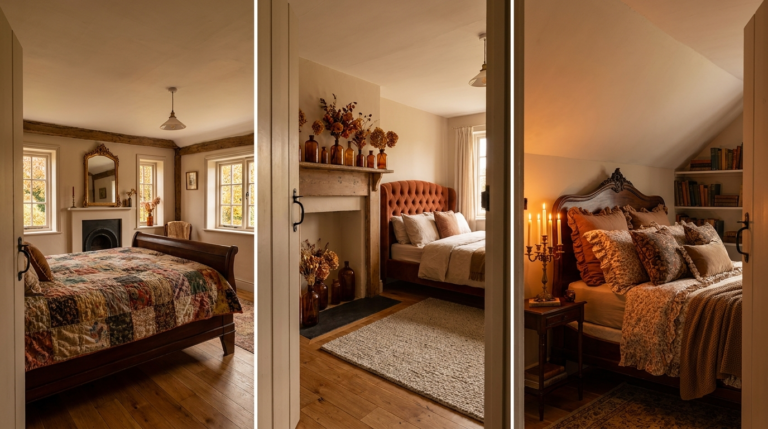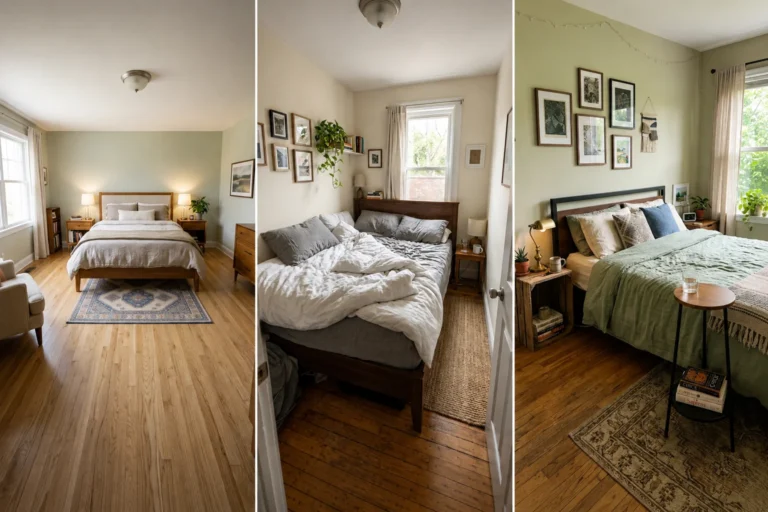
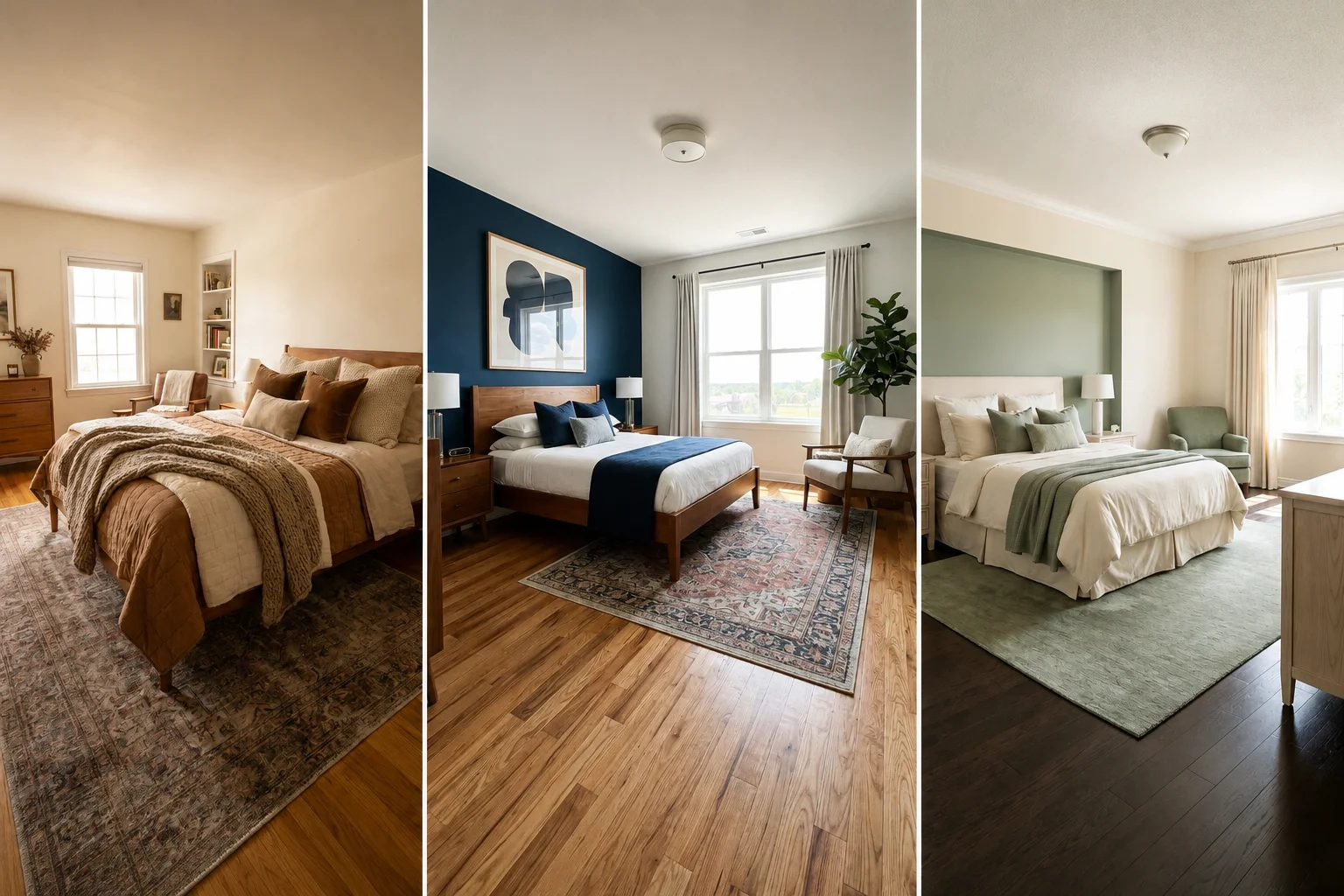
Bedroom Decorating 101: How to Start When Your Room Feels Hopeless

Introduction
Staring at a bedroom that feels completely wrong, cluttered, mismatched, or just plain uninspiring, is one of the most common and most paralyzing feelings in home decorating. It’s easy to assume the room needs a complete overhaul, new furniture, a full renovation, or a budget you simply don’t have, when in reality, most “hopeless” bedrooms just need a clear, sequential process.
This guide breaks that process down into 20 manageable steps, starting with the foundational decisions that make everything else easier and moving toward the smaller finishing touches that make a room feel personal. You don’t need to tackle all 20 at once, and you don’t need a large budget to see real progress. Work through them in order, and that “hopeless” feeling will start lifting long before the room is technically finished.
Pro Tip: Before changing anything, spend five minutes simply naming what specifically bothers you about the room right now. A vague feeling of “I hate this room” is much harder to fix than a specific problem like “the lighting is too harsh” or “there’s nowhere to put my clothes.”
1. Identify What Specifically Feels Wrong
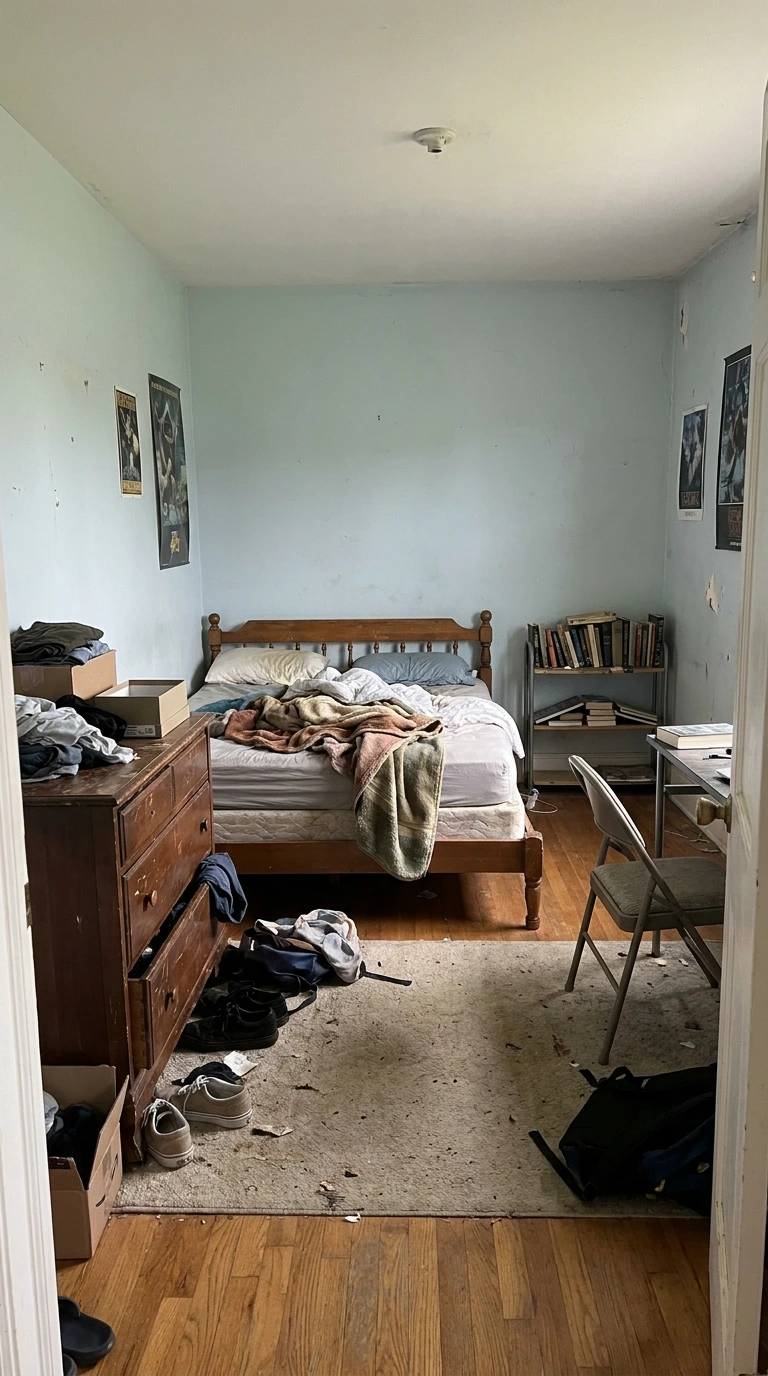
Before buying anything or rearranging a single piece of furniture, get specific about what’s actually bothering you. “I hate this room” is an emotional reaction, not a diagnosis, and it won’t tell you where to actually start.
Walk through the room and note concrete issues: is it cluttered, poorly lit, mismatched in color, or simply missing personality entirely? Naming the actual problems turns an overwhelming feeling into a manageable list of fixable issues, which is the single most important mental shift in this entire process.
2. Declutter Before You Do Anything Else
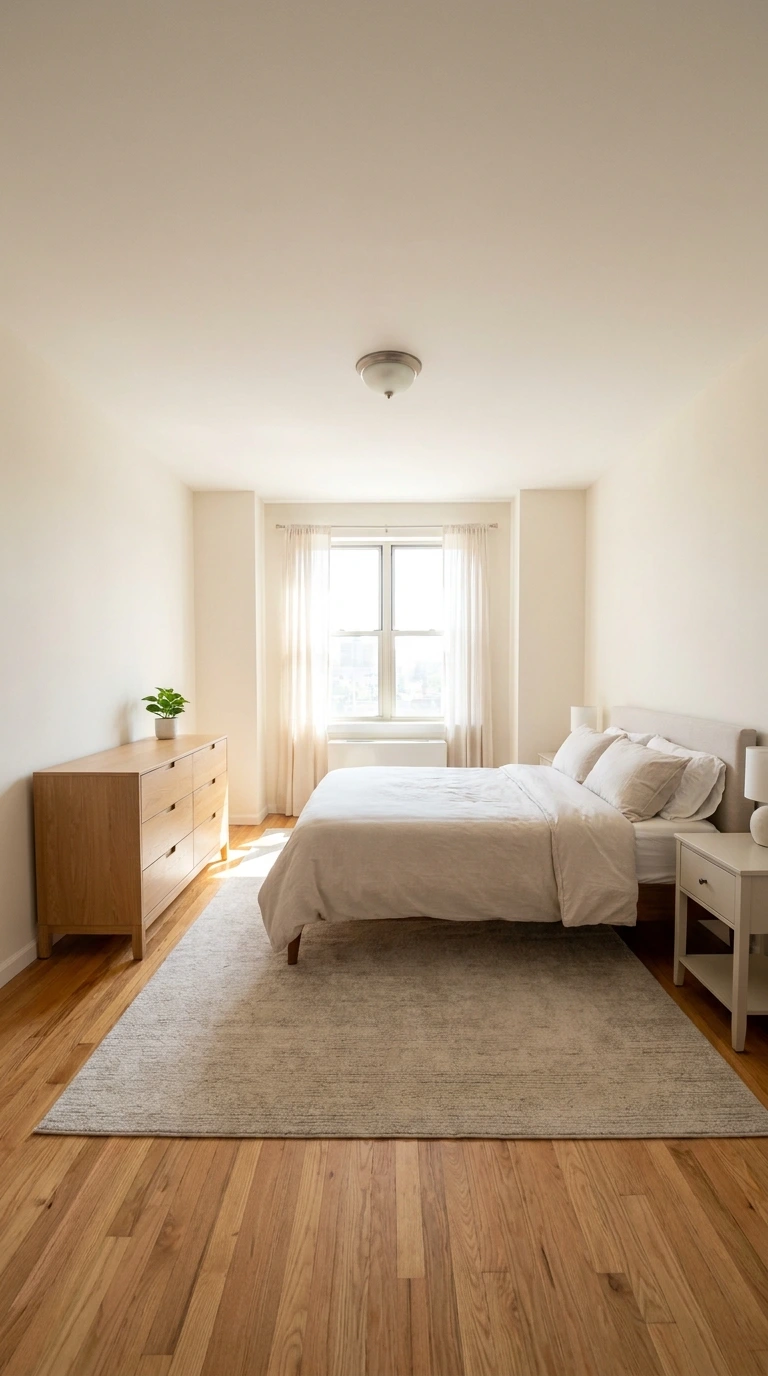
Removing items that don’t belong is the most effective free step available, and it’s the one most people skip in their rush to buy something new. A cluttered room makes it nearly impossible to judge what’s actually missing, since your eye is constantly distracted by things that shouldn’t be there.
Sort through the room and separate items into keep, relocate, and donate piles, being honest about what you actually use. Many people discover the room already feels noticeably better after this step alone, even before a single new item has been added.
3. Set a Realistic Budget
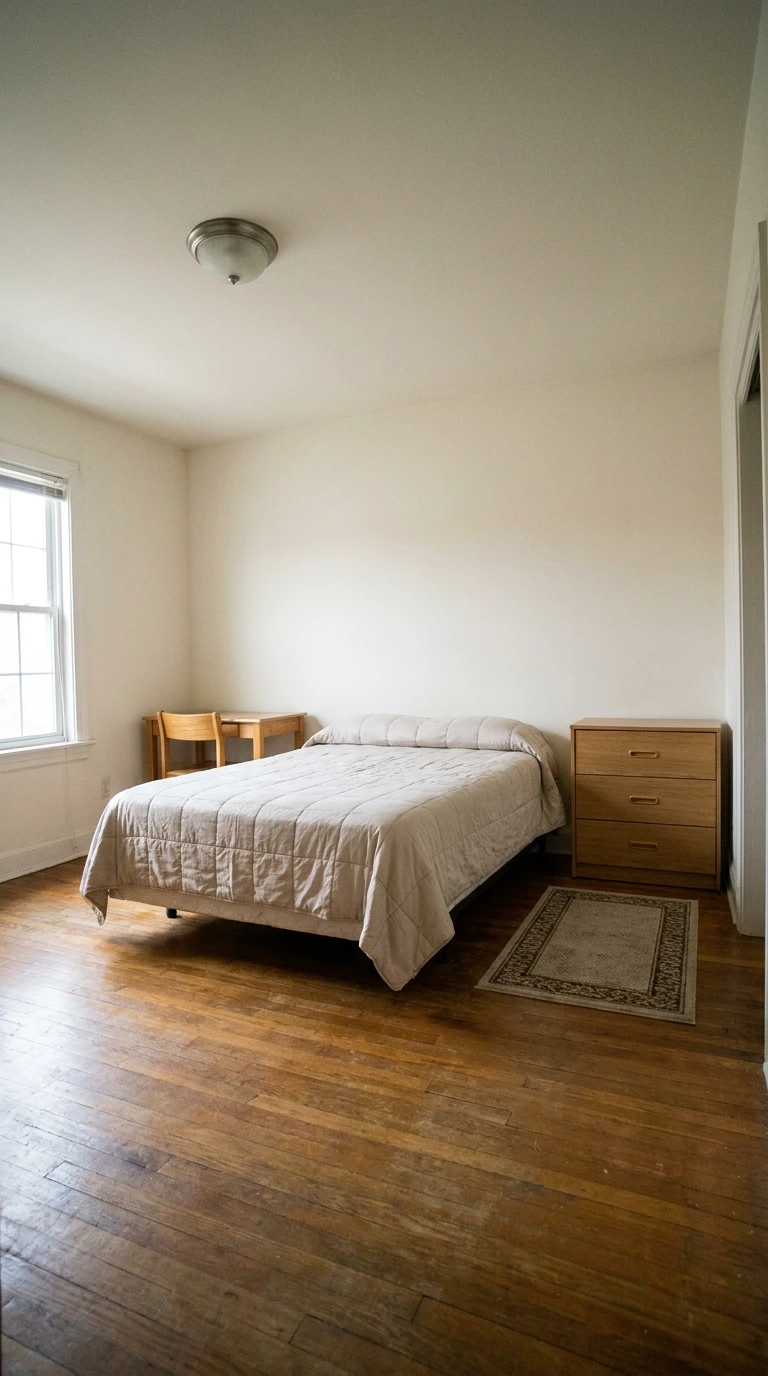
Decide on a total amount you’re willing to spend before you start browsing anything, then break that number down into rough categories: bedding, lighting, decor, and any larger furniture. Without this step, it’s easy to overspend on one appealing item and then feel stuck compromising everywhere else.
A helpful rule of thumb is prioritizing your budget toward the pieces you’ll use most, typically your bed and mattress, since these are the hardest and most expensive to replace later. Smaller items like pillows and decor are far easier to upgrade gradually as your budget allows.
4. Define a Simple Style Direction
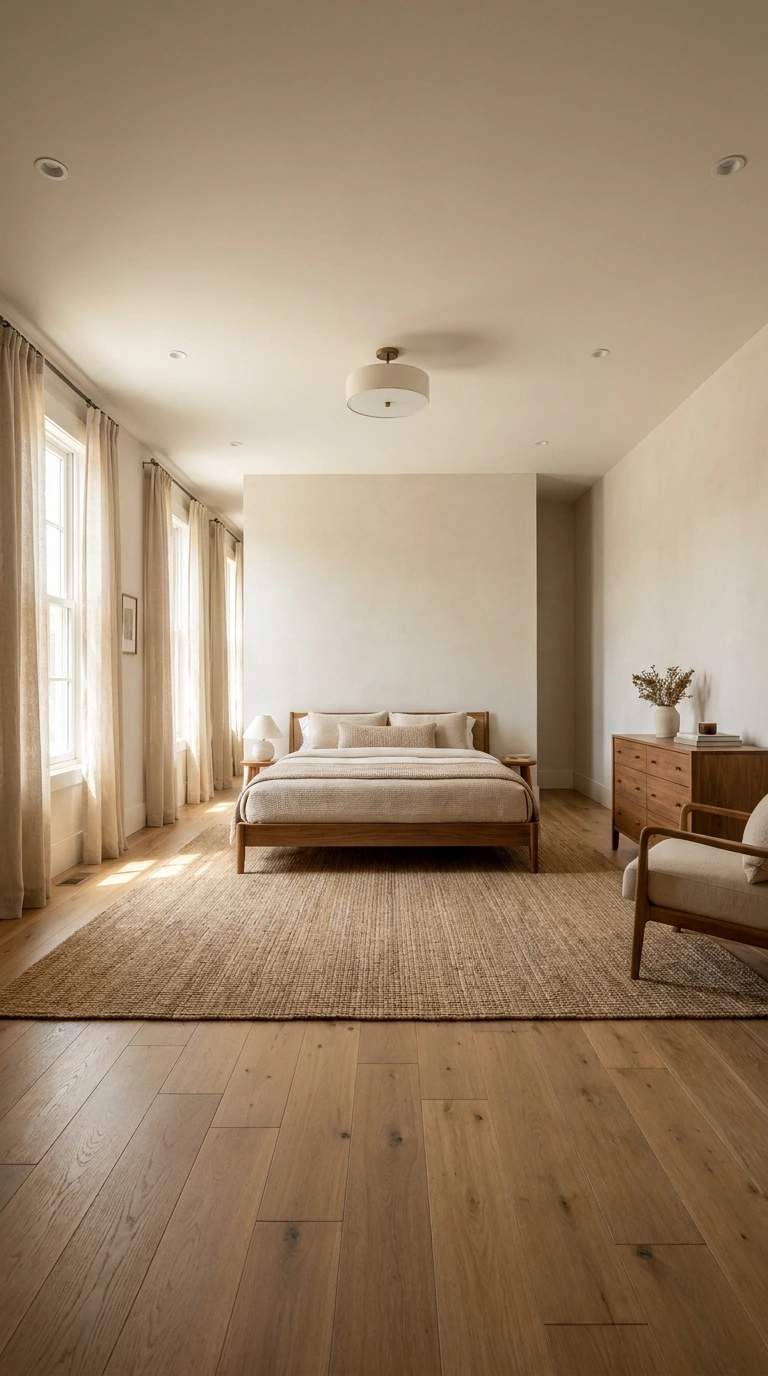
You don’t need to know an official design term, cottagecore, Japandi, minimalist, just a general sense of the mood you want: calm, cozy, bright, moody, or airy. This single decision prevents you from buying items in isolation that don’t end up working together.
Collect 10 to 15 images that genuinely evoke the feeling you want, whether from a home decor app or simply your camera roll. Look for patterns in the colors, textures, and furniture shapes that keep repeating, since that pattern reveals your actual style far more reliably than picking a trend name first.
5. Measure Your Room Before Buying Anything
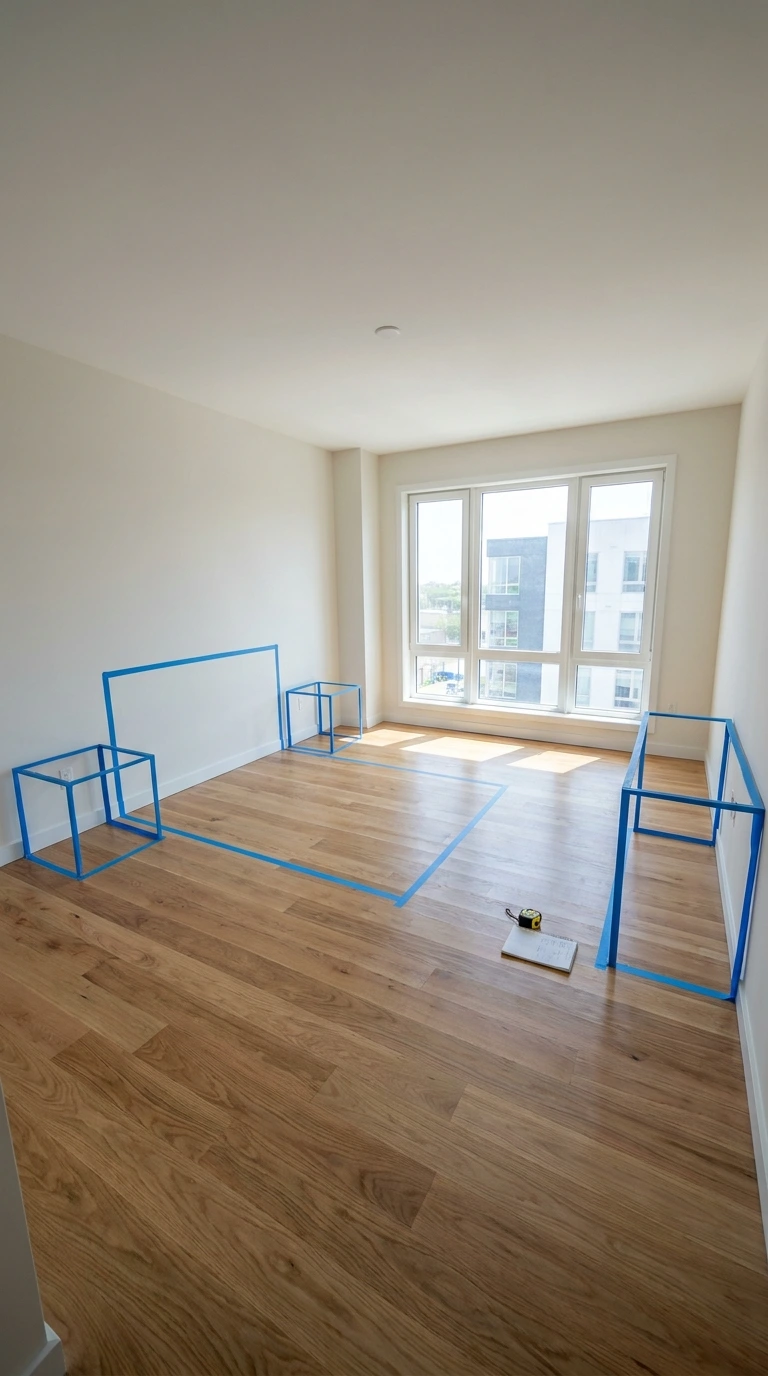
Measure your bedroom’s full dimensions, including window and door placement, before purchasing any furniture. Skipping this step is one of the fastest ways to end up with a bed that’s too large for the space or a layout that blocks natural walking paths.
Use painter’s tape on the floor to map out where large pieces like a bed or dresser will sit before buying them. This gives you a far more accurate sense of scale than trying to picture it in your head, and it prevents costly return shipping later.
Warning: Skipping the measuring step is one of the most common and most expensive mistakes in bedroom decorating. A beautiful piece of furniture that doesn’t actually fit your room’s dimensions or door frame becomes an immediate, frustrating problem rather than a solution.
6. Rearrange What You Already Own
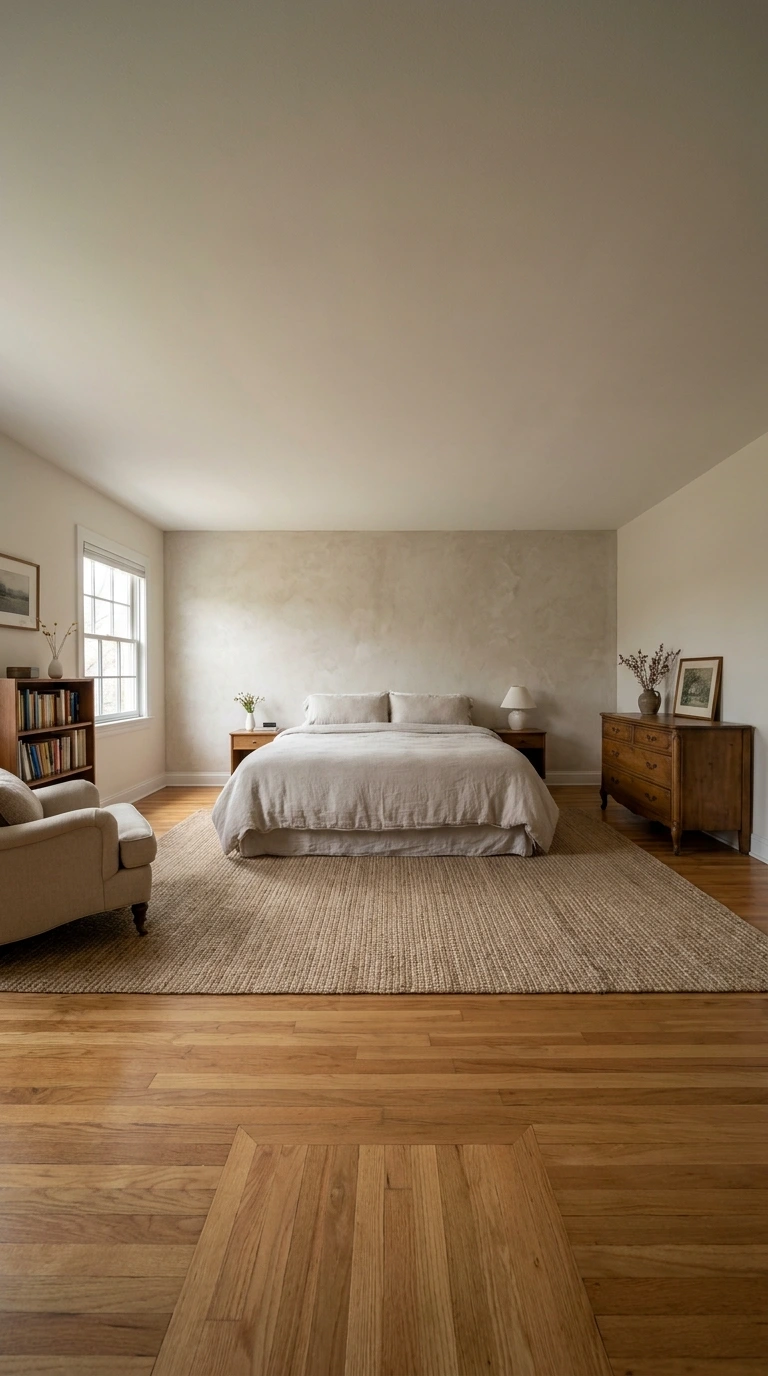
Before spending any money, simply try repositioning your existing furniture in a few different configurations. Something as small as moving your bed to a different wall can dramatically change how the whole room feels and functions.
This step costs nothing beyond time and effort, yet it frequently reveals a more efficient layout than the one you inherited or fell into by default. Many “hopeless” rooms feel significantly better after this single free change, before any new item has even entered the picture.
7. Start With Your Bed as the Focal Point
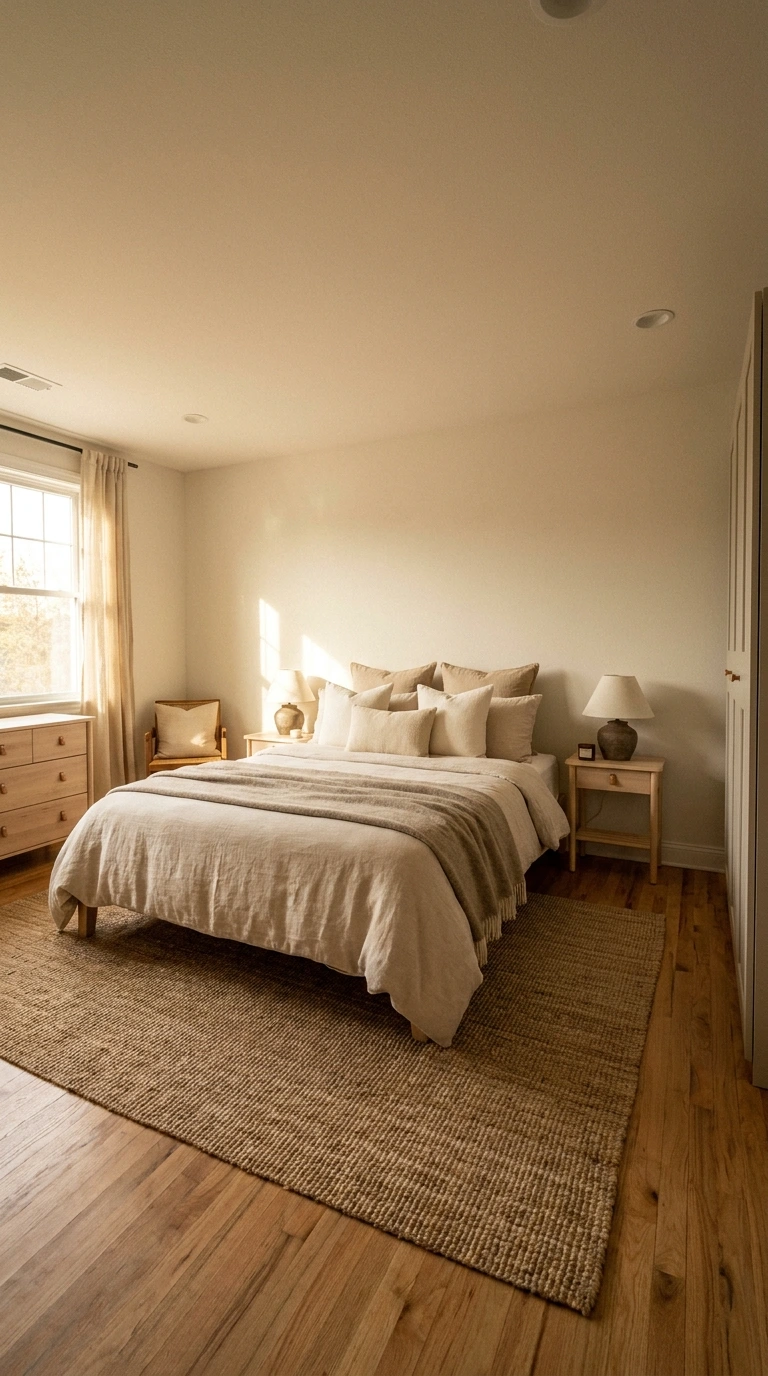
Your bed is the largest and most visually dominant piece of furniture in the room, so it makes sense to build your overall plan around it first. Once the bed’s placement and bedding are settled, every other decision, lighting, rugs, decor, becomes easier to make in relation to it.
Choosing a simple, quality bedding set in a neutral or calming color gives you a stable foundation to build color and texture around later. Trying to finalize smaller decor choices before settling on the bed often leads to a mismatched, disjointed final result.
8. Choose One Focal Point Beyond the Bed
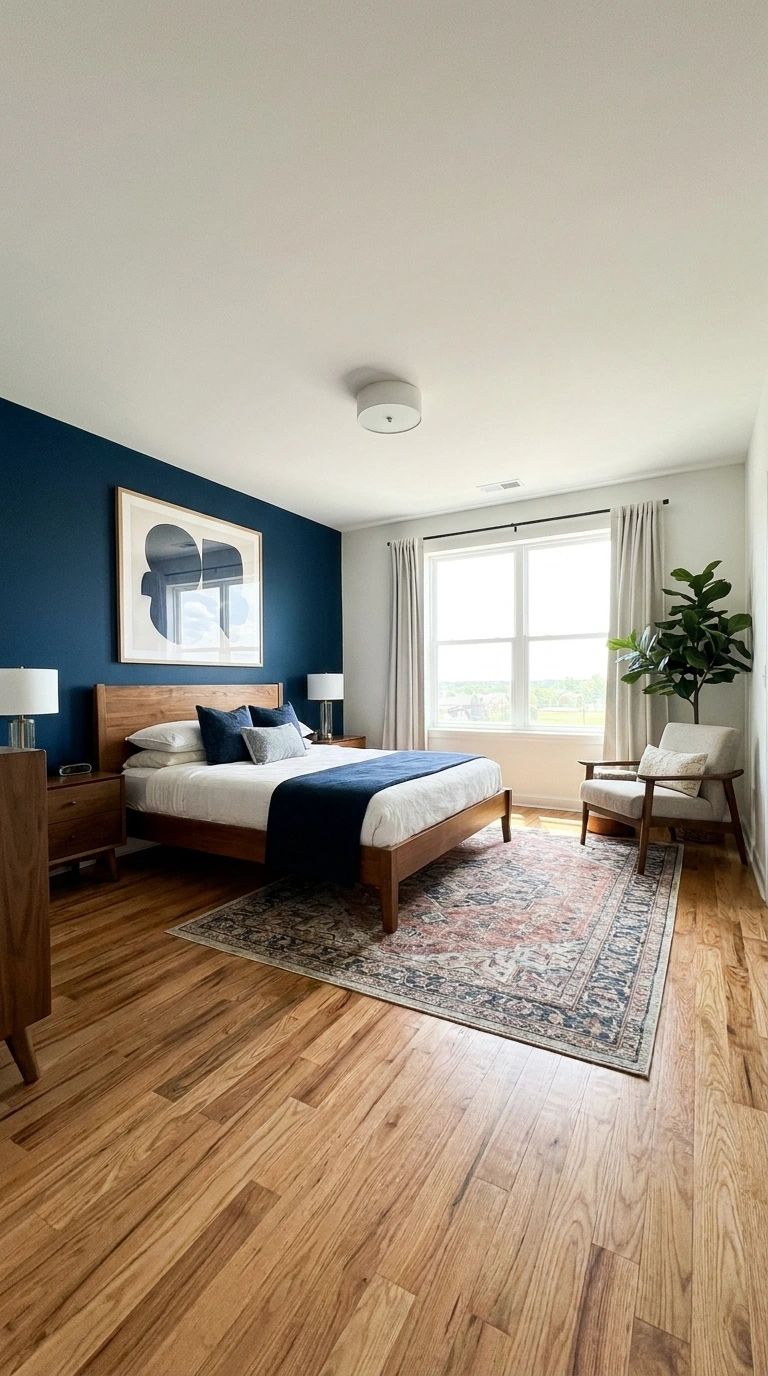
If your room has a secondary feature worth highlighting, a window, a piece of art, or an accent wall, decide on it early and let the rest of your smaller decisions support it rather than compete with it. Without a clear secondary focal point, a room’s decor can start to feel scattered.
If nothing obvious exists, you can create one deliberately with a single striking piece of wall art or a bold accent color on one wall. This single decision gives the eye somewhere to land and makes the whole room feel more intentional.
9. Fix the Lighting First, Before Decor
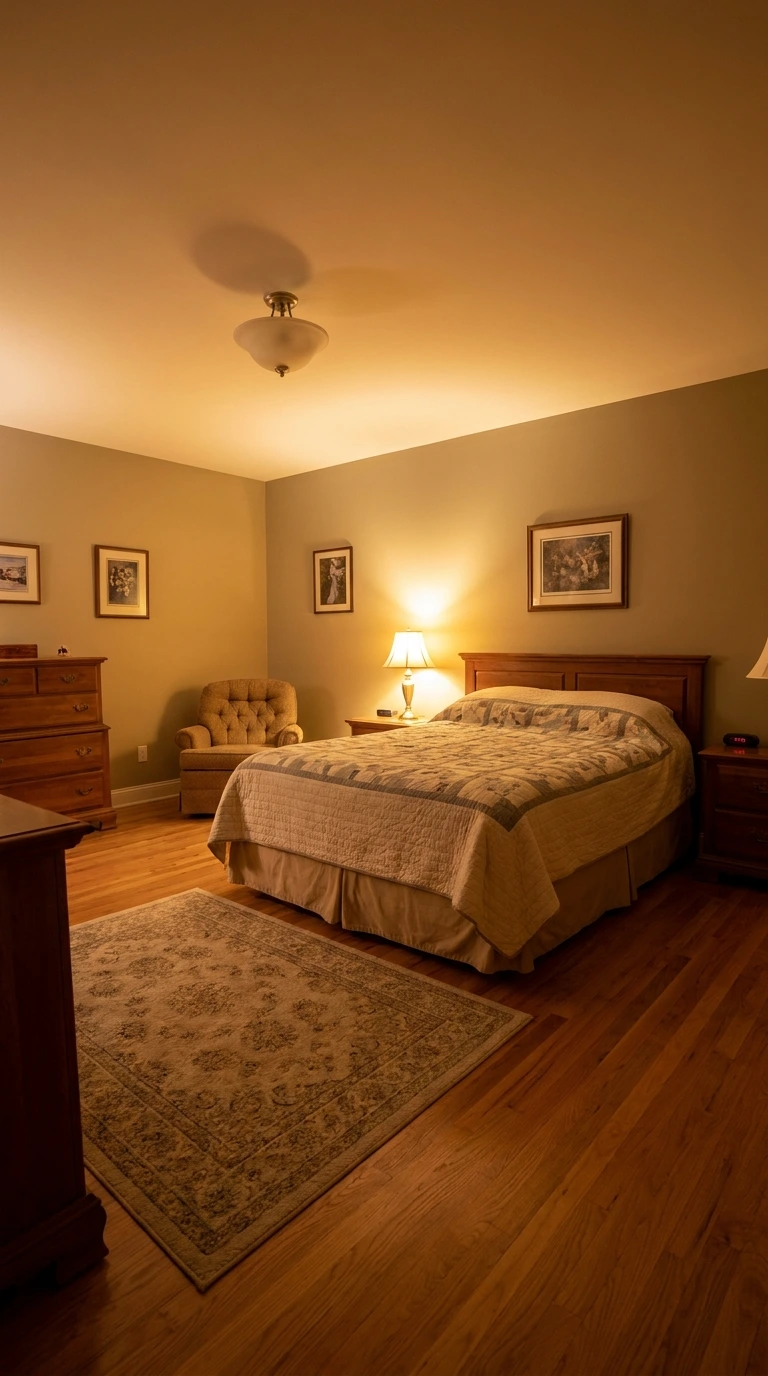
A single harsh overhead light is one of the most common reasons a bedroom feels cold or uninviting, regardless of how nice the furniture is. Layering in even one additional light source, a lamp, a plug-in sconce, immediately adds warmth and depth.
Swapping to warm bulbs, generally in the 2700K to 3000K range, is one of the cheapest, highest-impact changes available in this entire list. This single fix often does more to make a “hopeless” room feel cozier than any decor purchase would.
Important: Lighting affects how every other color and material in the room actually reads. Testing paint colors or new bedding under your room’s actual evening lighting, not just daylight, prevents an unpleasant surprise once the sun goes down.
Where Should Your Budget and Time Actually Go?
| Priority Level | What to Focus On | Approximate Cost | When to Address It |
|---|---|---|---|
| First (Free) | Decluttering, rearranging existing furniture | $0 | Before anything else |
| Second (Low Cost) | Lighting, bedding, small decor swaps | $50–$200 | Early, high-impact stage |
| Third (Moderate) | Rug, curtains, wall art or paint | $100–$400 | Mid-process refinement |
| Fourth (Larger) | New furniture, bed frame, storage solutions | $300+ | Only after the basics are settled |
10. Choose a Simple, Cohesive Color Palette
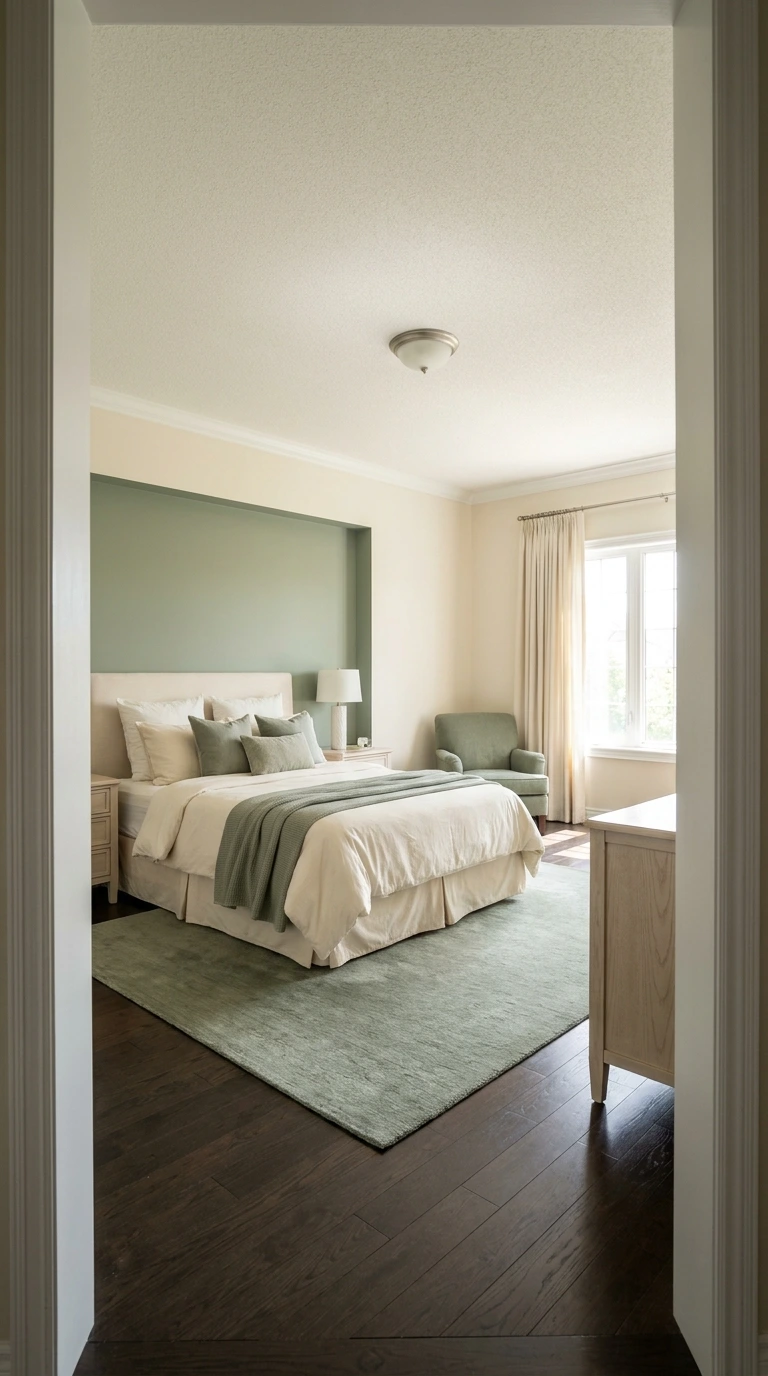
Limiting your room to two or three coordinated colors keeps everything feeling intentional rather than visually busy. This is especially important in a room that already feels chaotic, since a clear palette immediately calms the overall composition.
Pull your palette directly from your bedding or one favorite piece you already own, then build outward from there. Avoiding the temptation to introduce a fourth or fifth competing color keeps the whole room reading as considered rather than accidental.
11. Add a Rug If Your Floor Feels Cold or Bare
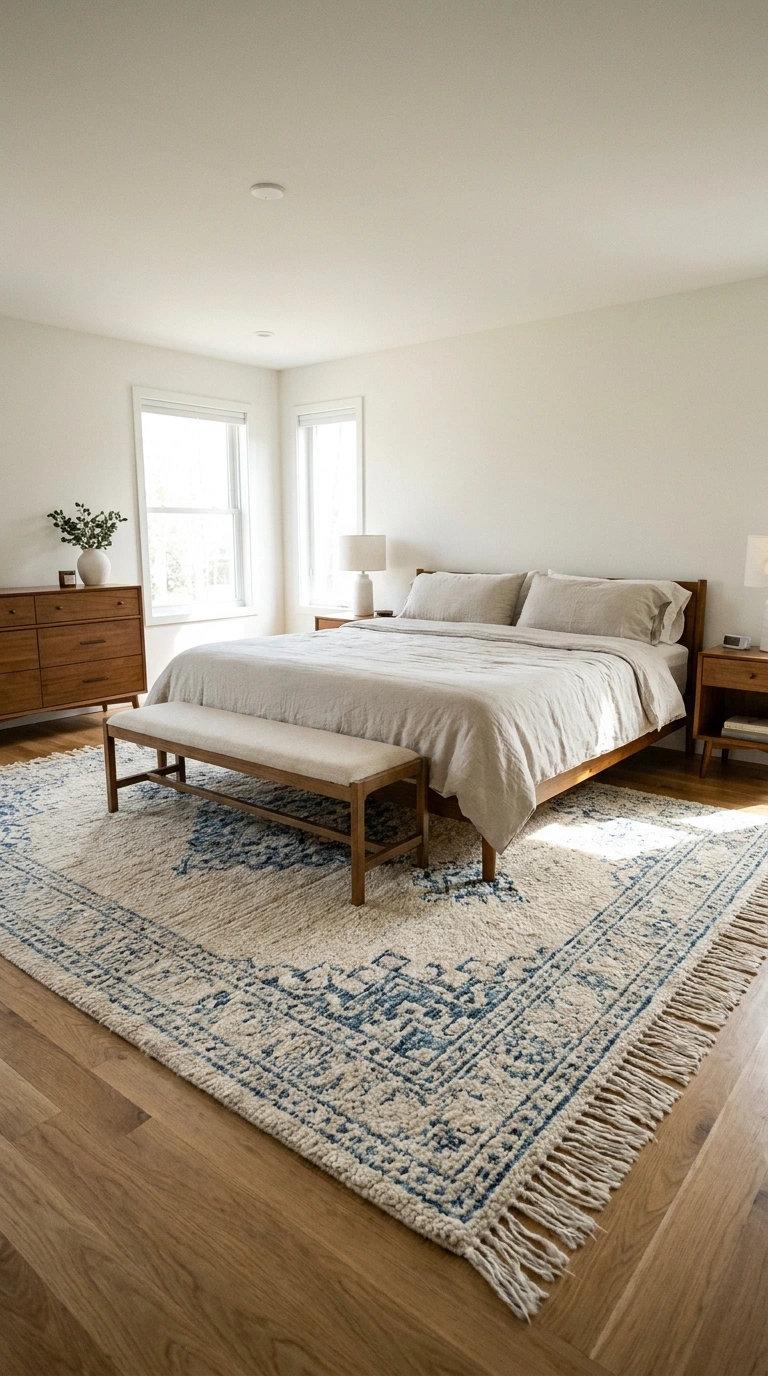
An area rug adds warmth, softens hard flooring, and helps visually anchor the bed within the room’s overall layout. A room without a rug, particularly over hardwood or tile, can feel unfinished no matter how nice everything else is.
As a general guideline, choose a rug large enough that at least the front portion extends beyond the sides of the bed. Sizing up rather than down, when in doubt, almost always looks more intentional than an undersized rug floating beneath the bed frame.
12. Hang Curtains Closer to the Ceiling
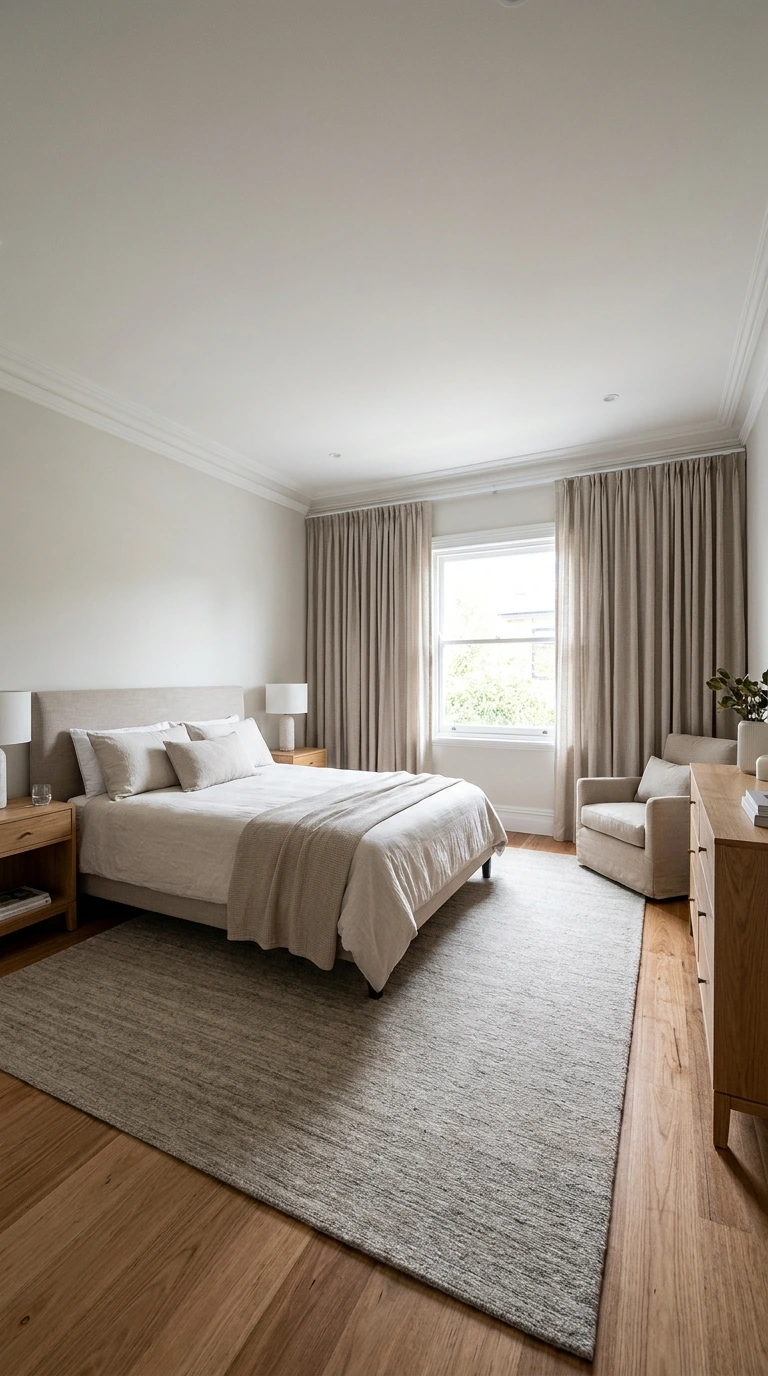
If your room already has curtains, simply repositioning the rod higher, closer to the ceiling rather than directly above the window frame, makes the entire room feel taller. This adjustment costs nothing if you already own the hardware and curtains.
If you’re buying new panels, choosing ones that graze or slightly puddle on the floor reinforces this height illusion even further. This remains one of the most reliable, low-cost tricks for making a room feel more spacious and polished.
13. Add Storage Before Adding More Decor
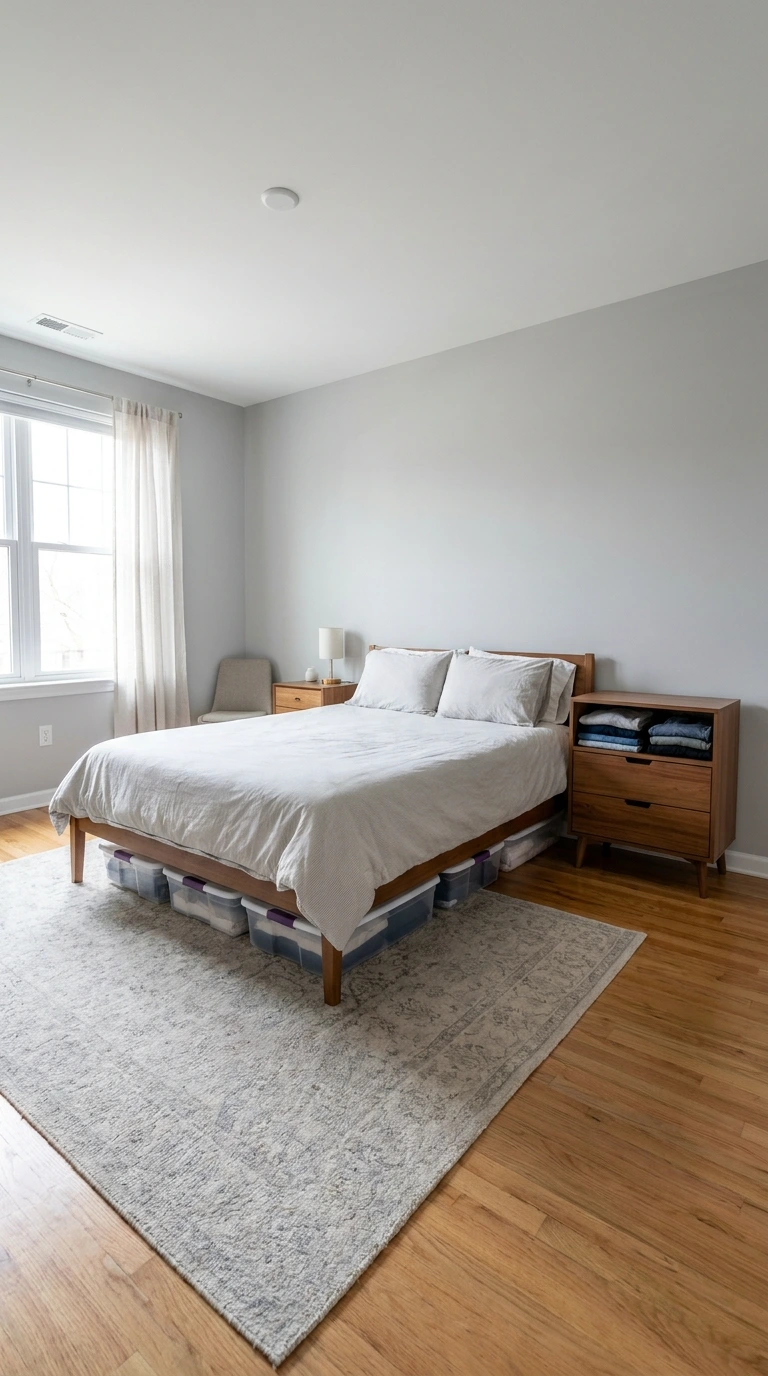
A room without adequate storage will always look cluttered again shortly after you tidy it, no matter how much decorating effort you put in elsewhere. Addressing genuine storage gaps, under-bed bins, a small dresser, closet organizers, protects your other decorating efforts long-term.
Choosing storage that matches your actual daily habits, rather than an idealized version of how you wish you organized things, ensures the system genuinely gets used. A beautiful storage solution that doesn’t fit your real routine simply becomes another source of clutter.
14. Layer in Textiles for Warmth and Texture
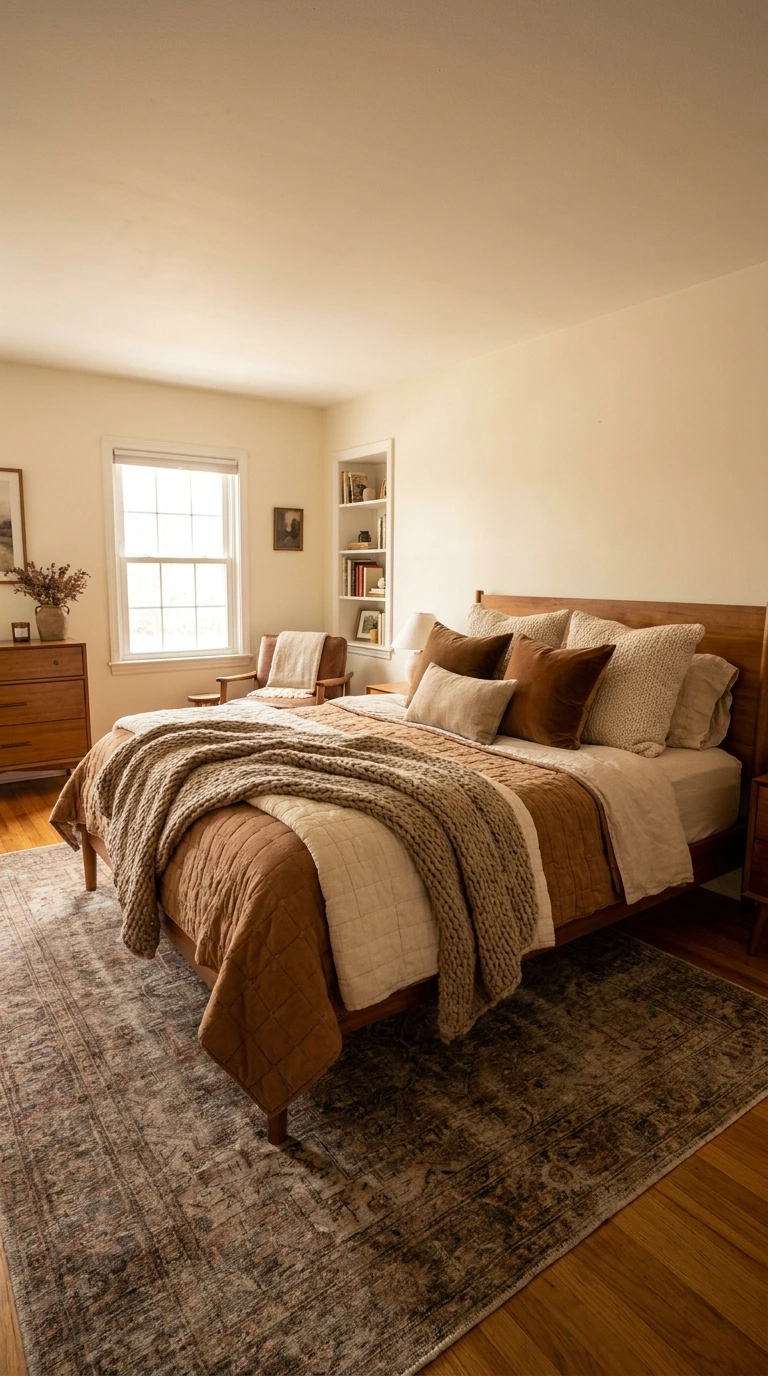
Throw pillows, a soft blanket, and layered bedding textures add warmth and visual depth to a room that might otherwise feel flat or sparse. This is one of the most affordable ways to introduce color and coziness without a large investment.
Mixing a few different textures, a knit throw against smoother sheets, a velvet pillow against linen, adds dimension that a single flat fabric choice can’t achieve. This detail alone often transforms a plain, “hopeless”-feeling bed into the room’s most inviting element.
15. Add One Piece of Wall Art or a Mirror
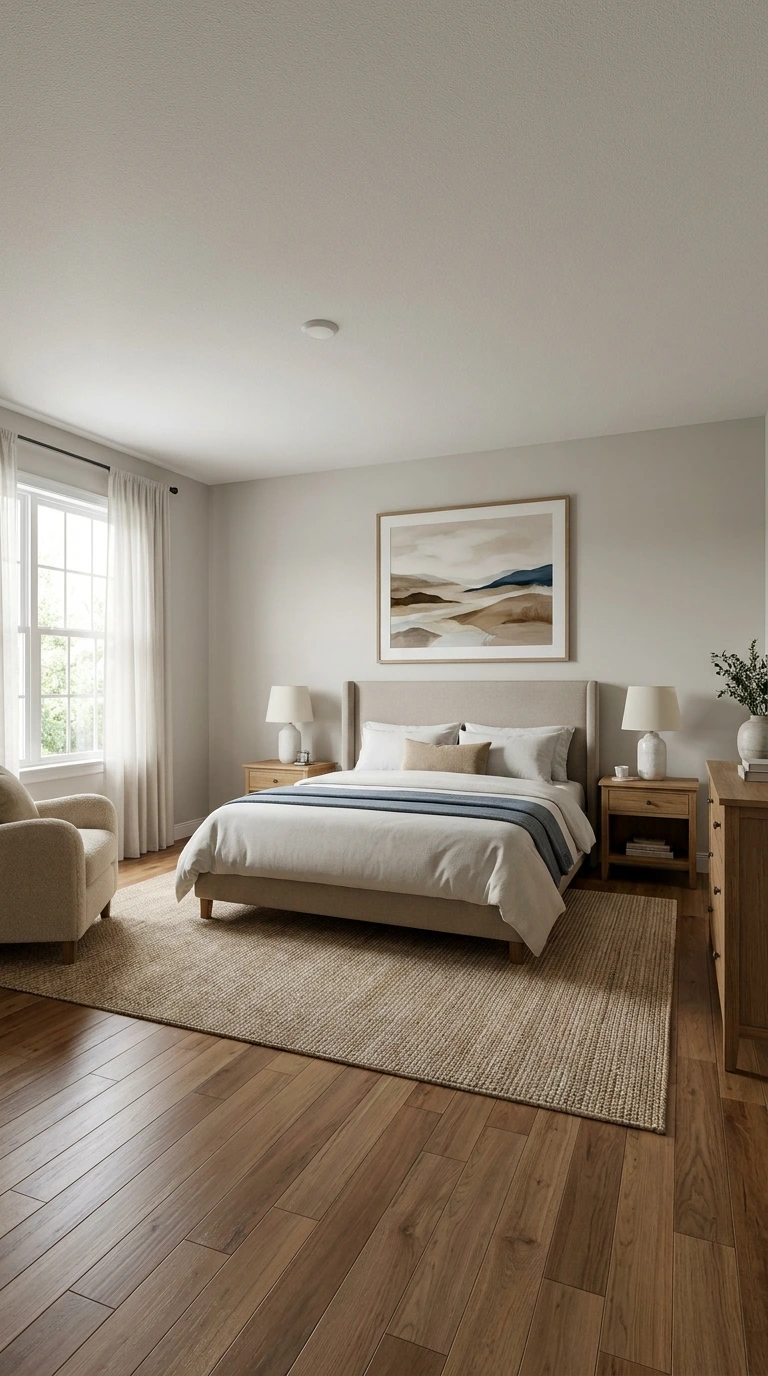
A completely bare wall can make a room feel unfinished, but you don’t need to fill every wall to fix this. One well-placed, appropriately sized piece of art above the bed, or a mirror positioned to reflect natural light, often does more work than several smaller, scattered pieces.
Centering the piece at standard eye level and choosing a size proportional to your furniture beneath it keeps the placement looking intentional rather than random. This single addition frequently becomes the detail that makes a room finally feel complete.
Warning: Hanging art too high above the bed is one of the most common beginner mistakes, making an otherwise well-chosen piece look disconnected and randomly placed. Keep the bottom edge roughly 6 to 10 inches above the headboard for a properly proportioned result.
16. Introduce a Plant or Two for Life
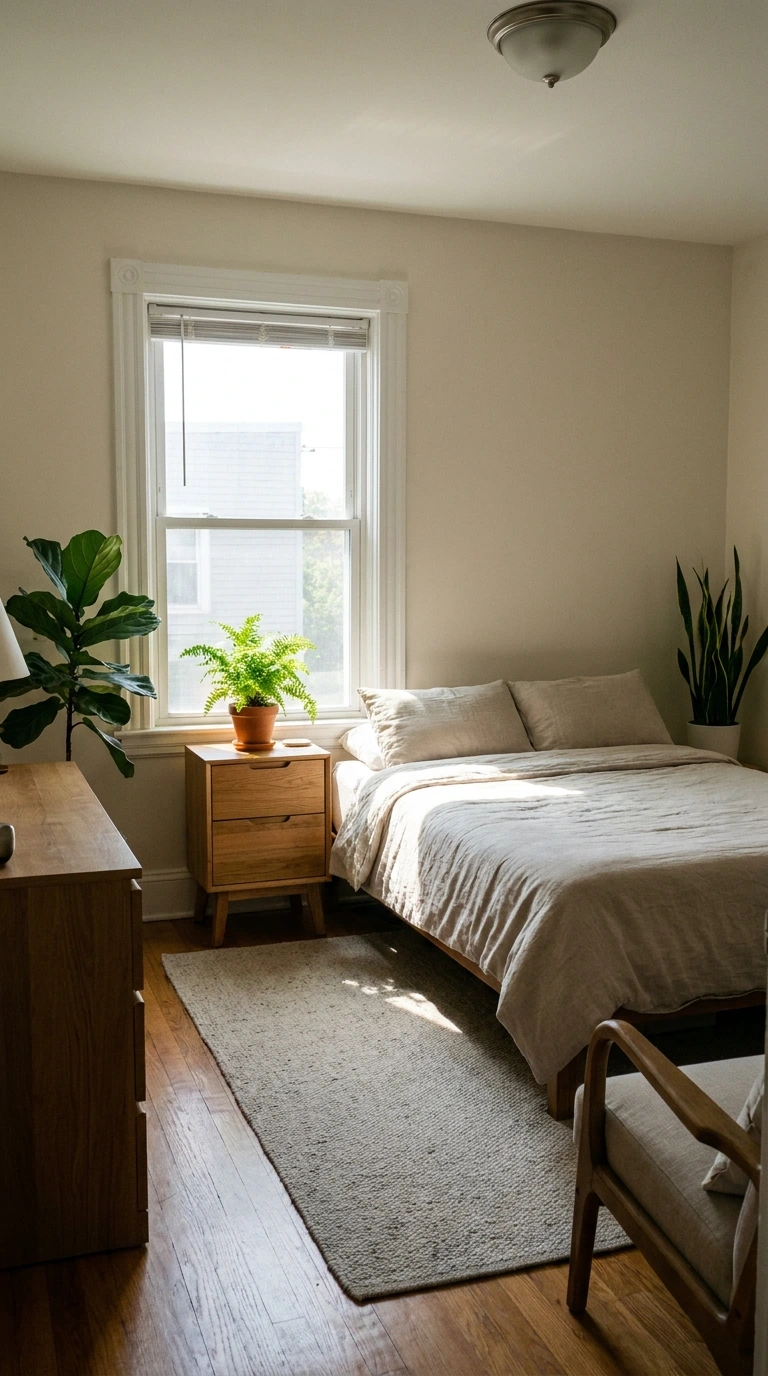
Plants bring genuine freshness and warmth to a bedroom in a way that almost no other decor element replicates, and low-maintenance varieties require very little effort to keep alive. Even a single well-placed plant can meaningfully soften a room’s overall feel.
If you’re new to plant care, start with beginner-friendly, low-light-tolerant options rather than something finicky. Position it near a window or on a shelf where it gets adequate light, and let it serve as an easy, affordable way to add life to an otherwise static room.
17. Personalize the Space Gradually
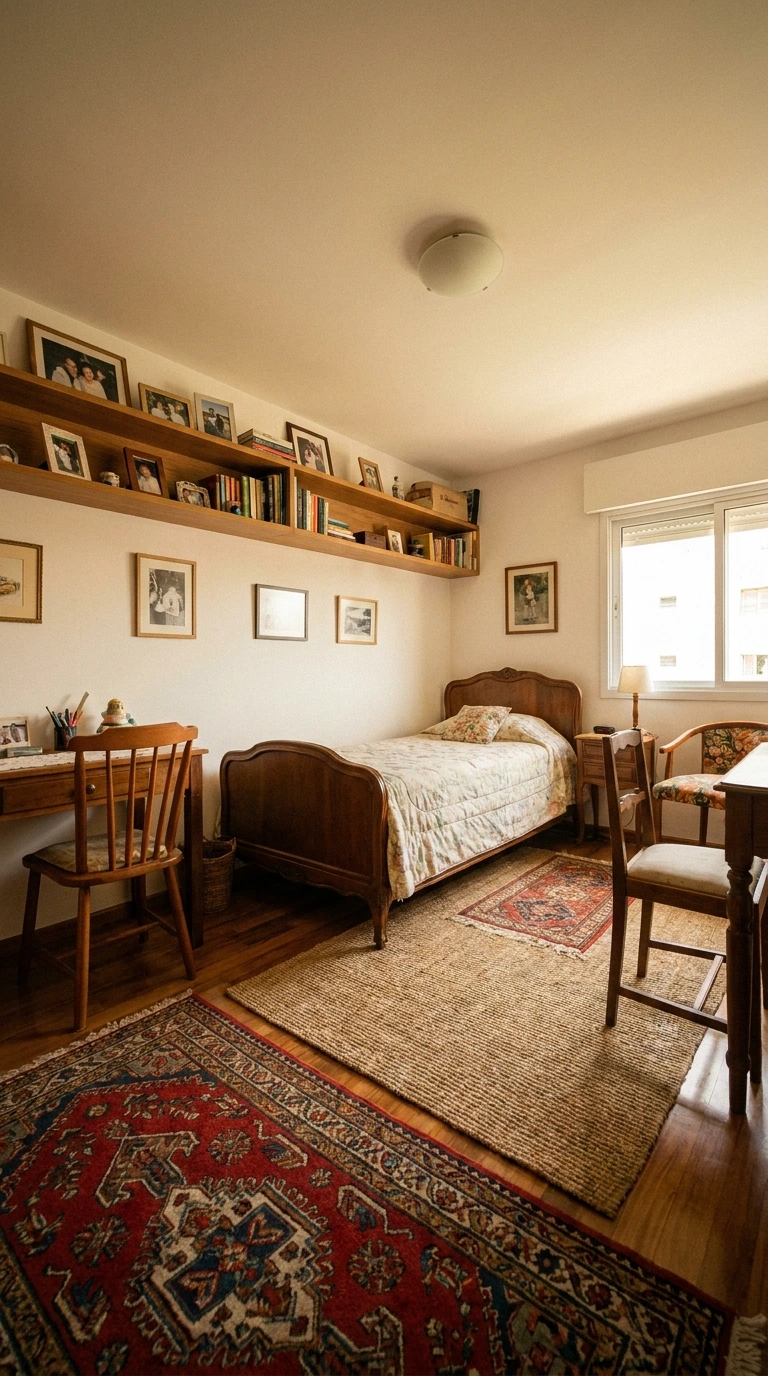
A room built entirely from generic, store-bought decor can end up feeling impersonal, even if every individual item looks nice. Adding a few genuinely meaningful objects, photos, travel finds, a favorite book, tells a more authentic story than decor chosen purely because it matched a trend.
Rather than trying to fill every surface immediately, let your personal collection build gradually as you come across pieces that genuinely resonate with you. A room that evolves this way almost always feels more genuine than one decorated all at once and never touched again.
Important: Resist filling every empty surface right away simply because it looks “unfinished.” A few intentionally empty spots reserved for future meaningful finds read as considered, not incomplete.
18. Step Back and Reassess Regularly
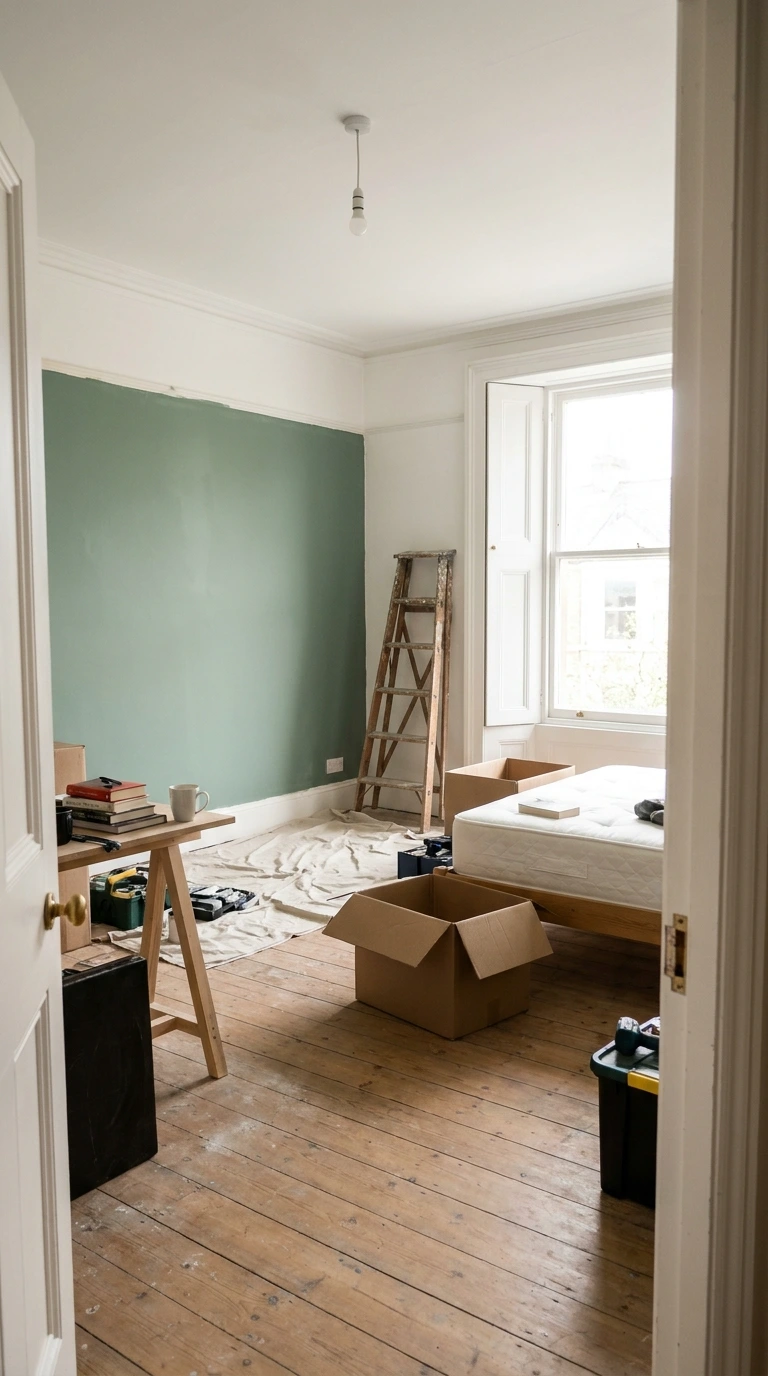
Give yourself permission to live with a change for a few days before deciding whether it’s working. First impressions in an unfamiliar layout aren’t always accurate, and a piece that feels slightly off at first sometimes settles in beautifully once you’ve adjusted to it.
If something genuinely isn’t working after a fair trial period, don’t hesitate to rearrange, return, or replace it rather than forcing yourself to live with a choice that isn’t right. This willingness to adjust is what separates a genuinely successful decorating process from a rushed, one-time attempt.
19. Don’t Try to Finish Everything in One Weekend
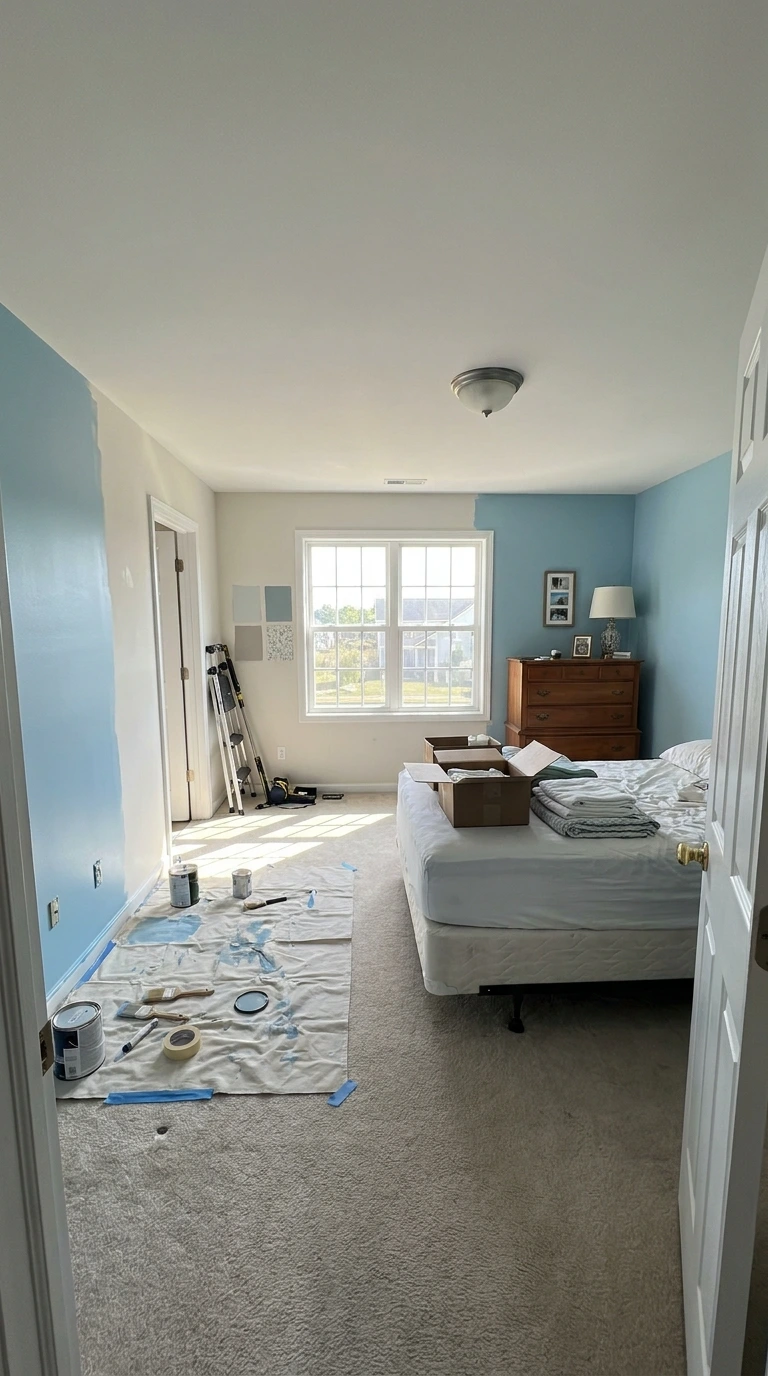
Trying to complete an entire bedroom transformation in a single weekend is one of the most common reasons people feel overwhelmed and eventually abandon the project. Most successful bedroom makeovers happen gradually over several weeks or months, not all at once.
Working through the steps in this list at a sustainable pace, addressing your biggest pain points first, protects both your budget and your motivation. A room built with patience consistently feels more considered than one assembled in a single exhausting push.
20. Trust That Progress, Not Perfection, Is the Goal
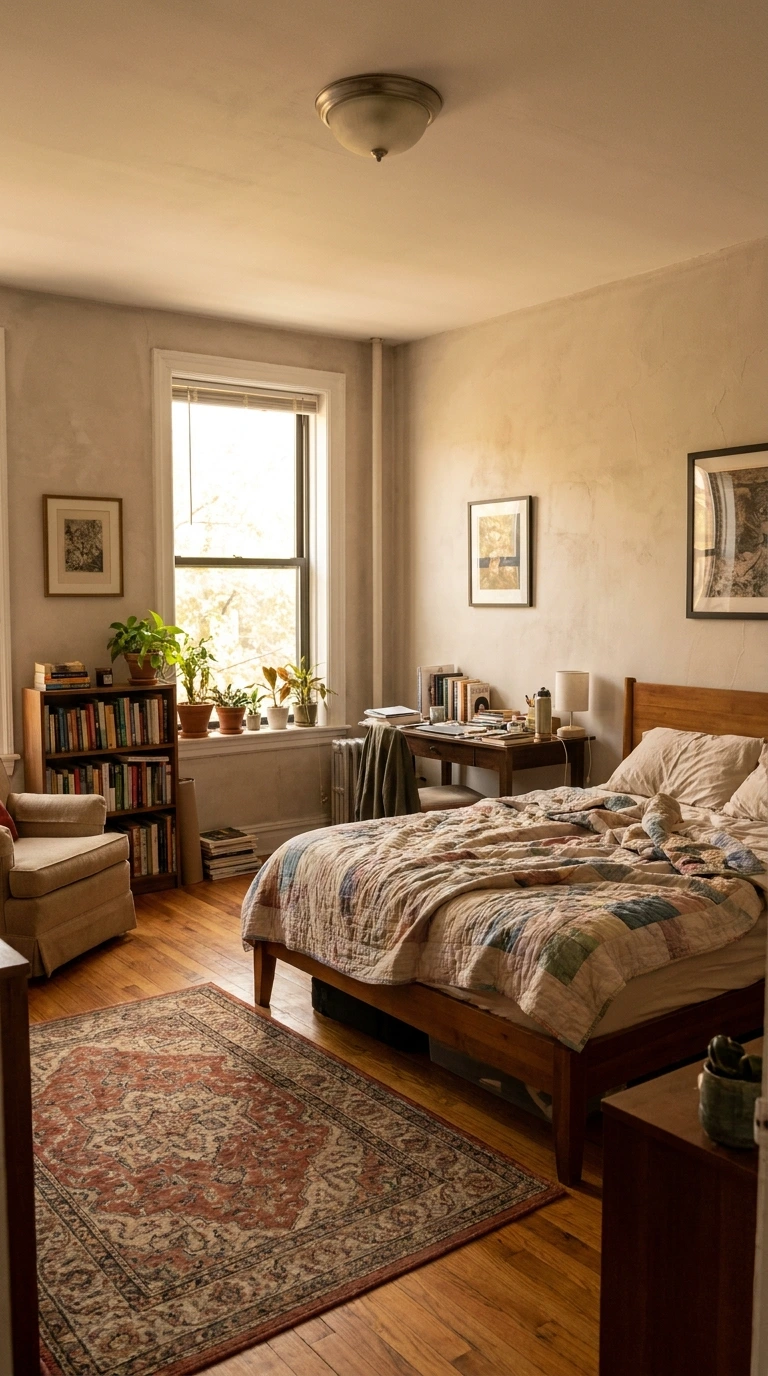
A “hopeless” bedroom rarely becomes perfect overnight, and that’s genuinely fine. The goal of this entire process is steady, visible improvement, not an immediate, flawless transformation matching a magazine spread.
Celebrate the small wins along the way: the first time the room feels calmer after decluttering, the first evening the new lighting feels cozier, the first time a plant or piece of art makes you smile when you walk in. These incremental moments of progress are what eventually add up to a room that no longer feels hopeless at all.
- ✅ Get specific about what’s actually bothering you before making any changes
- ✅ Declutter and rearrange existing furniture before spending any money
- ✅ Fix lighting and add storage before focusing on purely decorative items
- ✅ Choose a simple two-to-three color palette to keep the room feeling cohesive
- ✅ Work gradually rather than trying to finish everything in one weekend
Frequently Asked Questions
1. Where should I start if my bedroom feels completely overwhelming?
Begin by getting specific about what’s actually bothering you, rather than reacting to a vague overall feeling, and then declutter the space. These two free steps almost always make the room feel noticeably better before any money has been spent.
2. Do I need a large budget to fix a hopeless-feeling bedroom?
No, many of the most impactful changes, decluttering, rearranging furniture, swapping light bulbs, cost little to nothing. Prioritizing these free or low-cost steps first often resolves a significant portion of what felt wrong before any larger purchase is needed.
3. What’s the biggest mistake people make when starting a bedroom makeover?
The most common mistake is jumping straight to buying new furniture or decor without first decluttering, measuring the room, or defining a general style direction. This often results in purchases that don’t work together once they’re all in the room.
4. How important is lighting compared to decor?
Very important, and often more impactful than decor itself. A room lit only by a harsh overhead fixture tends to feel cold and uninviting no matter how nice the furniture is, while even one additional warm light source meaningfully changes the room’s entire atmosphere.
5. Should I try to finish my bedroom makeover in one weekend?
Most successful bedroom transformations happen gradually over several weeks or months rather than all at once. Trying to finish everything in a single weekend is one of the most common reasons people feel overwhelmed and lose motivation partway through.
6. What if I don’t know my personal decorating style?
Collect 10 to 15 images that genuinely evoke the feeling you want, then look for patterns in the colors, textures, and shapes that keep repeating. This pattern reveals your actual style far more reliably than trying to pick an official design term first.
7. How do I know if my bedroom decorating is finished?
A hopeless-feeling bedroom rarely becomes “finished” all at once, and that’s genuinely fine. Progress, not perfection, is the real goal, and most well-loved bedrooms continue evolving gradually as personal, meaningful pieces are added over time.
Conclusion
A bedroom that feels hopeless almost never actually requires a full renovation; it usually just needs a clear, sequential process starting with decluttering, lighting, and a simple color palette before moving into smaller finishing touches. Each of these 20 steps builds on the one before it, turning an overwhelming project into a series of manageable, achievable decisions.
Work through them at your own pace, celebrating the small wins along the way rather than expecting an instant, magazine-worthy transformation. The bedrooms that feel the most genuinely restful and complete are rarely the ones finished in a single weekend; they’re the ones built patiently, one thoughtful step at a time, until that hopeless feeling has quietly disappeared.