What Is a Focal Point and Why Every Living Room Needs One

Introduction
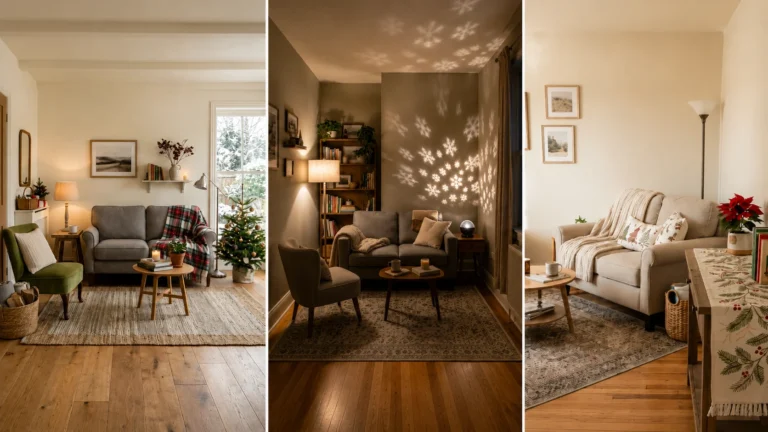
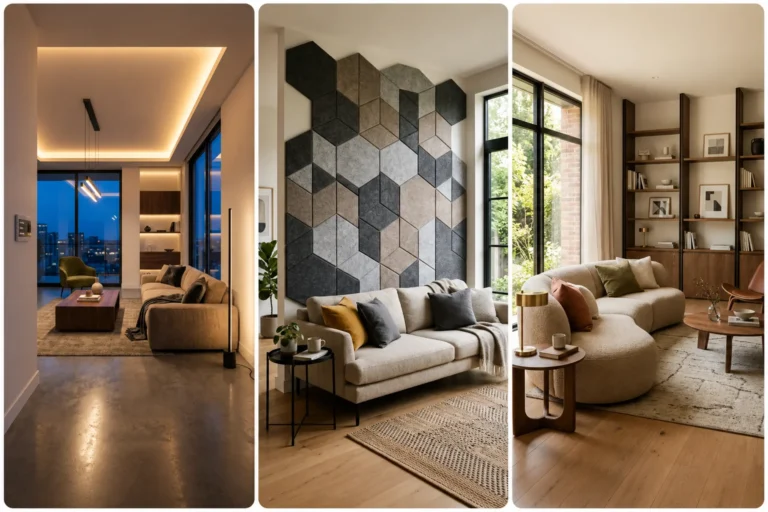
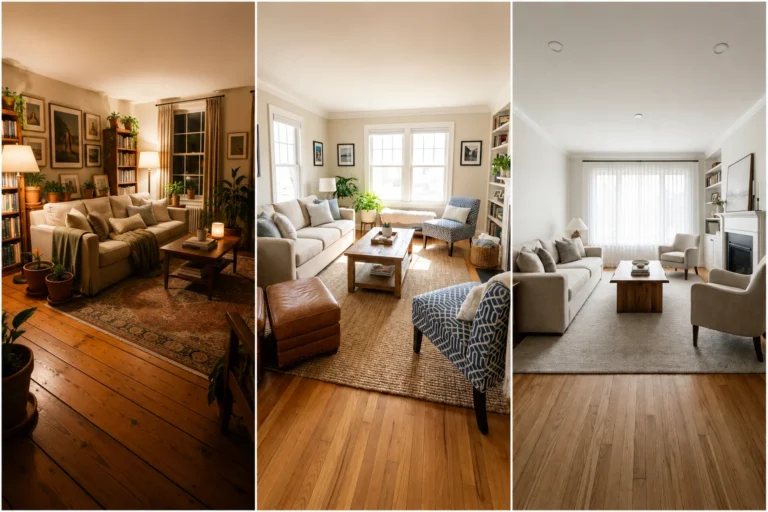
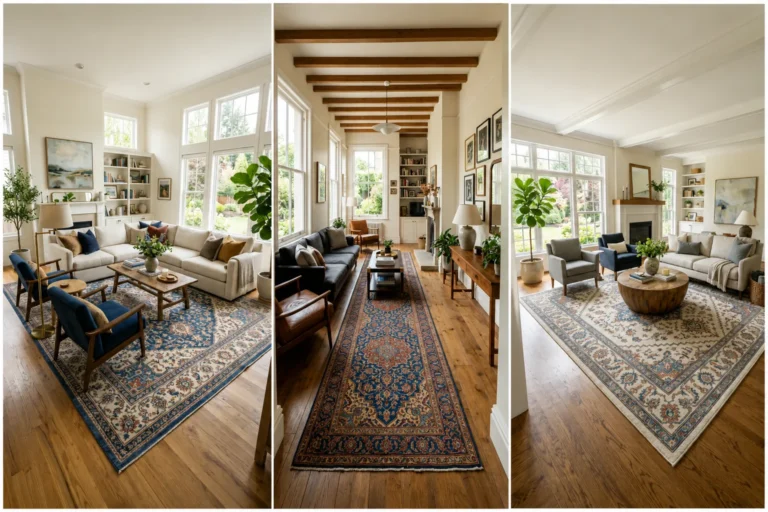
A focal point is the one spot in a room your eye is naturally drawn to the moment you walk in. It might be a fireplace, a dramatic window view, a piece of art, or a stunning collection of furniture, but whatever it is, it acts like the sun in a solar system: everything else in the room, from furniture placement to lighting to color choices, orbits around it.
Without a focal point, a living room can feel scattered, as if every element is competing for attention instead of working together toward a shared visual story. This is one of the most common reasons a fully furnished room can still feel unfinished, even when every individual piece in it looks nice on its own.
In this guide, you’ll find 30 ways to create or highlight a focal point in your living room, whether you’re working with an existing architectural feature or building one entirely from scratch. Start with whichever idea resonates most with your space, and let the rest of the room’s layout follow its lead.
Pro Tip: Before choosing a focal point, stand at your living room’s main entrance and notice what your eye lands on first. That natural instinct is often the clearest signal of what your room’s focal point should be, or where it’s currently missing one.
1. A Fireplace Mantel
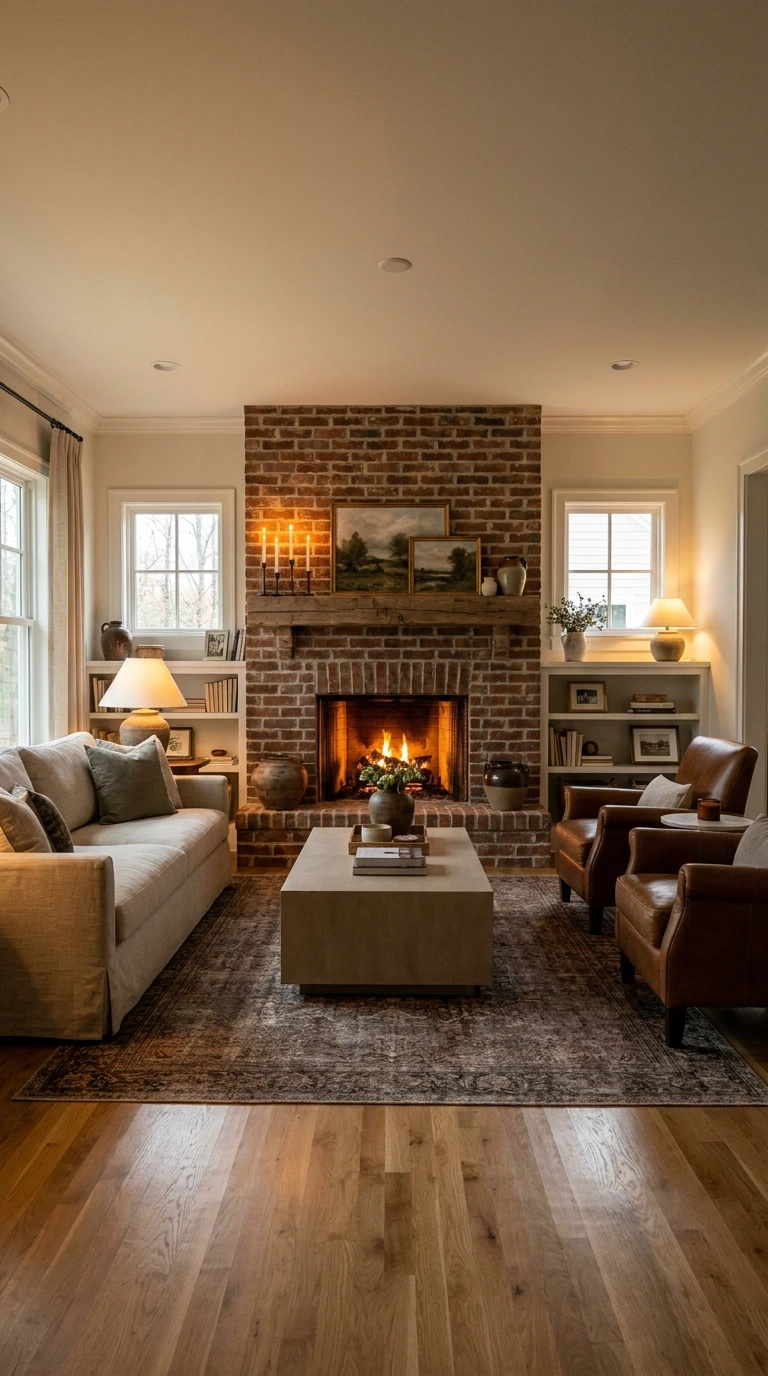
A fireplace remains one of the most natural and commonly used focal points in a living room, whether it’s a working wood-burning feature or a purely decorative mantel. Its central, often symmetrical placement on a wall naturally draws the eye, and its warmth, both literal and visual, gives a room an inviting sense of gathering.
Even a plain, undecorated fireplace can be elevated into a true showpiece with the right styling. Painting the surround a bold color, adding tile detailing, or layering the mantel with art, mirrors, and a few candles all reinforce the fireplace as the room’s clear and intentional centerpiece rather than letting it sit there unremarkably.
2. A Large Window or Scenic View
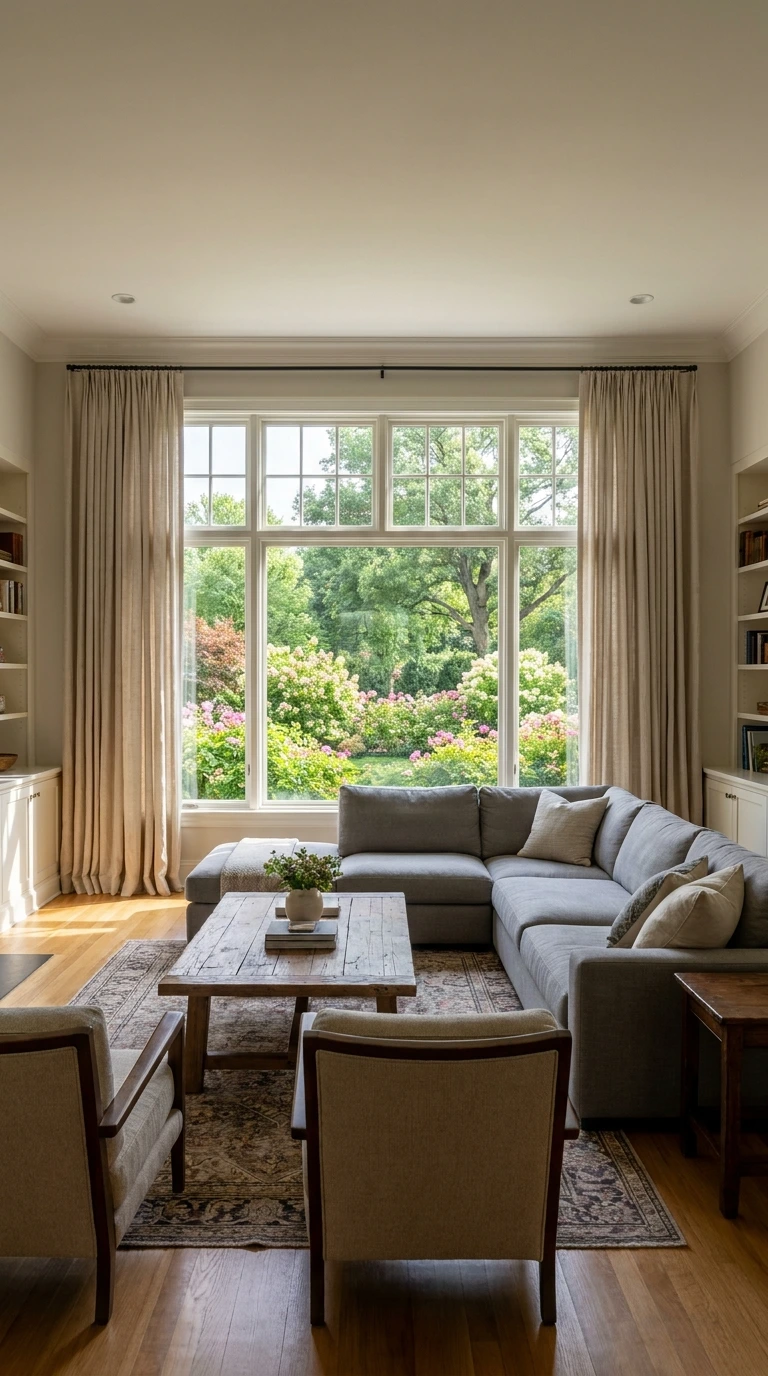
If your living room has a large window overlooking a garden, skyline, or any other worthwhile view, that view can serve as an effortless, built-in focal point. Rather than fighting to create visual interest elsewhere, you simply frame and highlight what’s already there.
Floor-to-ceiling curtains hung close to the ceiling emphasize a window’s height and draw even more attention to it, while keeping the surrounding wall space simple lets the view remain the star. Arranging your main seating to face the window, rather than away from it, reinforces the view as the room’s intended focus.
3. A Statement Art Piece
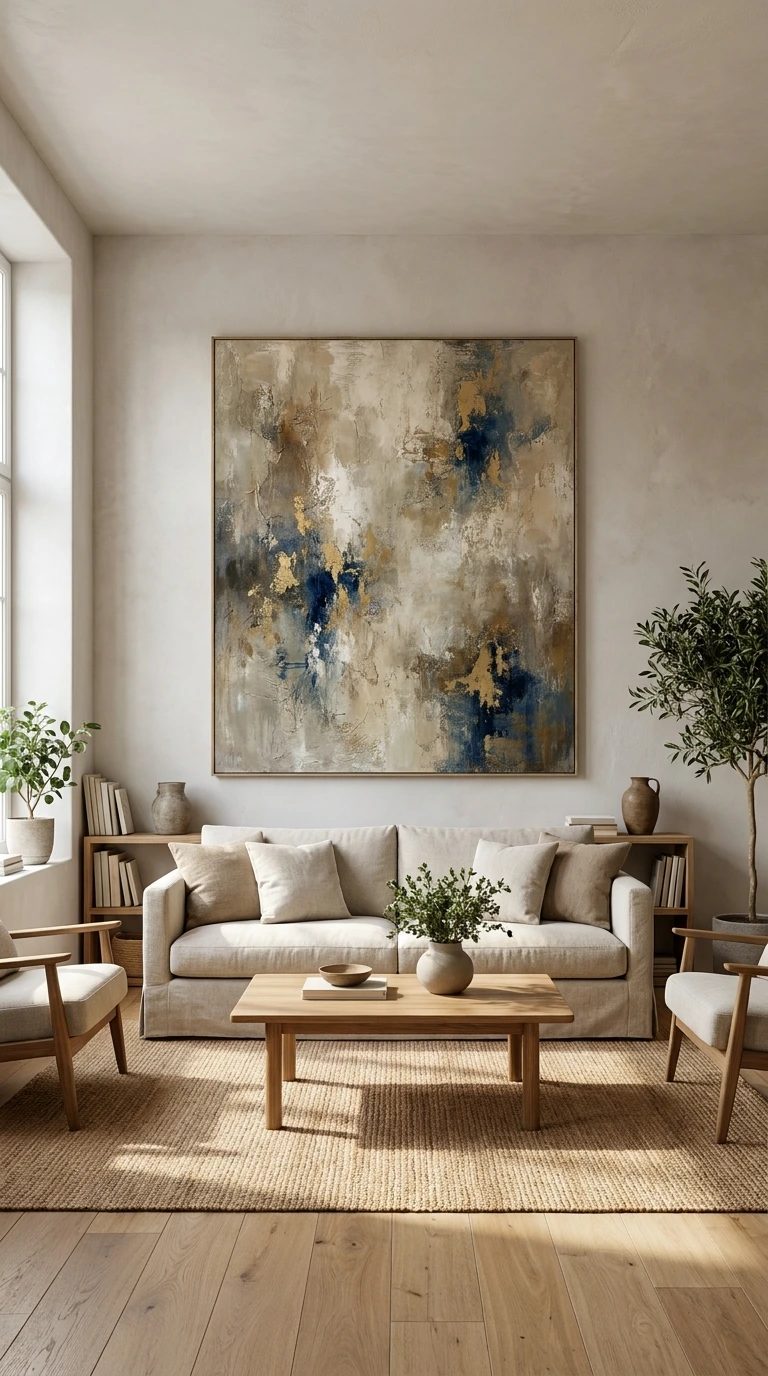
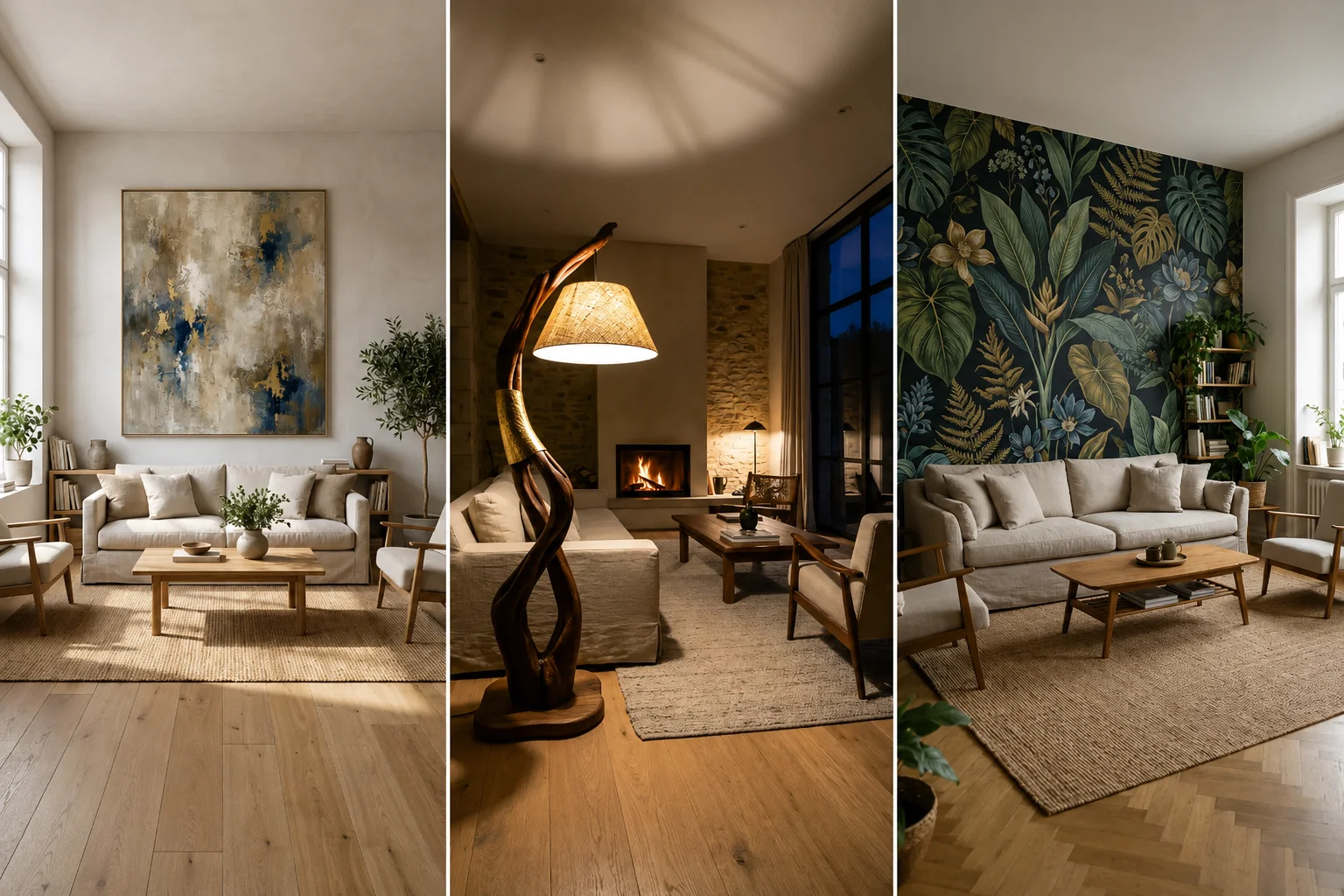
A single large, striking piece of art can anchor an entire wall and give a room a clear sense of purpose, especially in a space without an obvious architectural feature like a fireplace. The scale of the piece matters here; a small print will get lost, while an oversized canvas commands the space the way a fireplace or window naturally would.
Choosing art that reflects your personal taste rather than a trend tends to make this focal point feel more authentic over time. Centering the piece above a key piece of furniture, such as a sofa or console table, also helps tie the art visually to the rest of the room instead of leaving it feeling disconnected from everything beneath it.
4. A Curated Gallery Wall
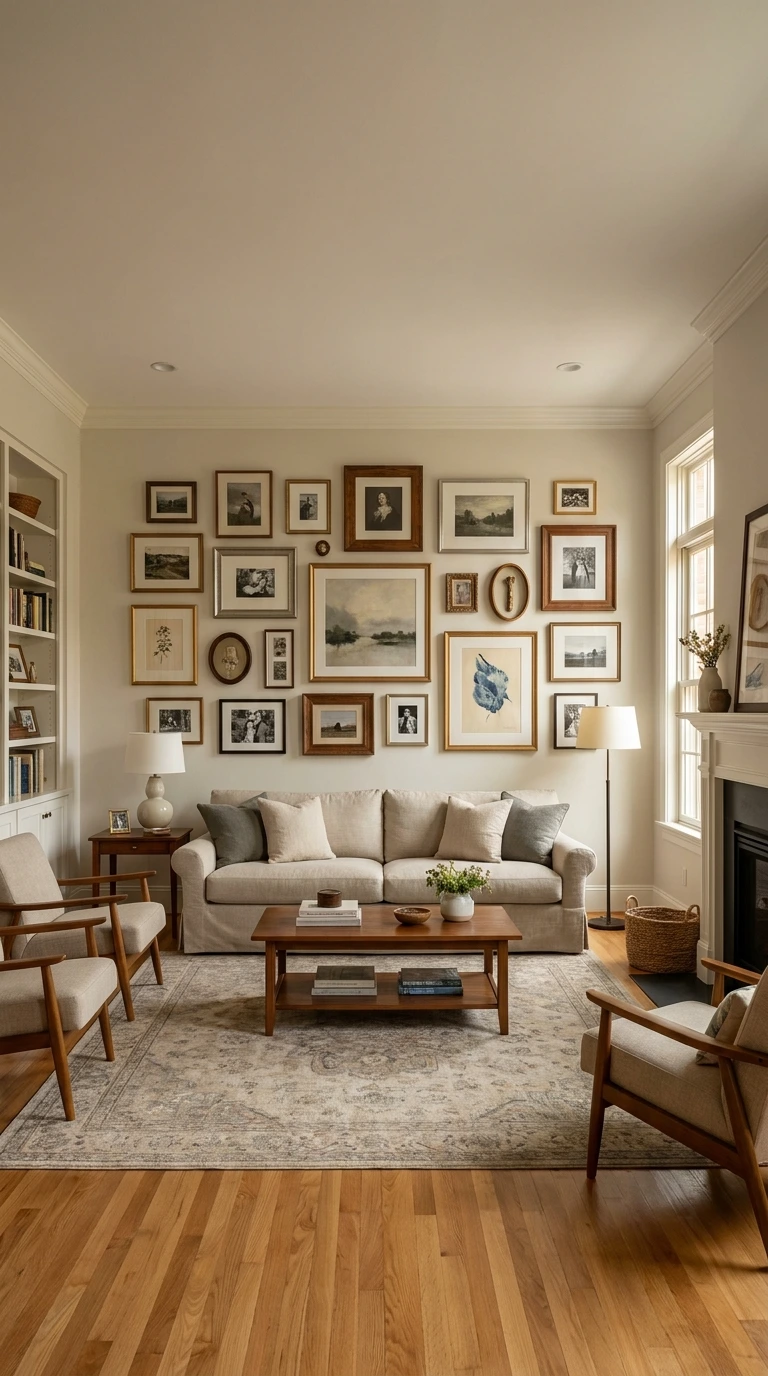
A gallery wall made up of multiple smaller frames, art prints, and personal photographs can serve as a focal point in its own right, especially when it’s centered thoughtfully above a piece of furniture like a sofa or console table. The visual interest comes from the collection as a whole rather than any single piece within it.
Because gallery walls involve more moving parts than a single art piece, planning the layout on the floor first, or using paper templates taped to the wall, helps avoid a lopsided or disorganized final result. Keeping a consistent color palette or frame style across the collection also helps it read as one intentional focal point rather than a random assortment.
5. Built-In Bookshelves
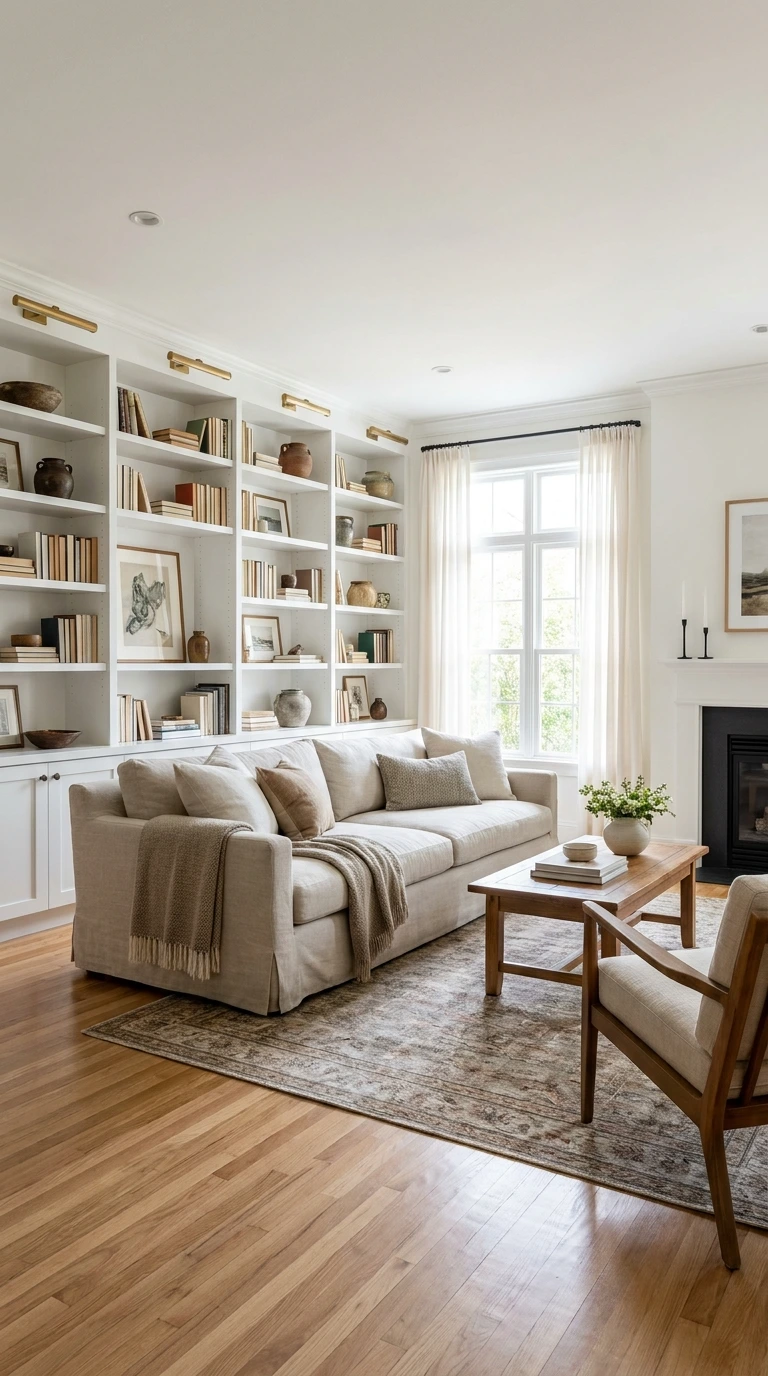
Floor-to-ceiling built-in bookshelves offer both function and visual weight, making them a natural focal point in rooms without a fireplace or standout window. The sheer scale of a wall of shelving draws attention on its own, even before a single book or object is placed on it.
Styling built-ins well means mixing books with decorative objects like vases, framed photos, and small plants, varying the height and texture across shelves rather than filling every inch with identical stacks. For a more cohesive, gallery-like effect, painting the back panel of the shelving a contrasting color makes the entire unit pop even further as the room’s centerpiece.
6. A Floating Shelf Wall
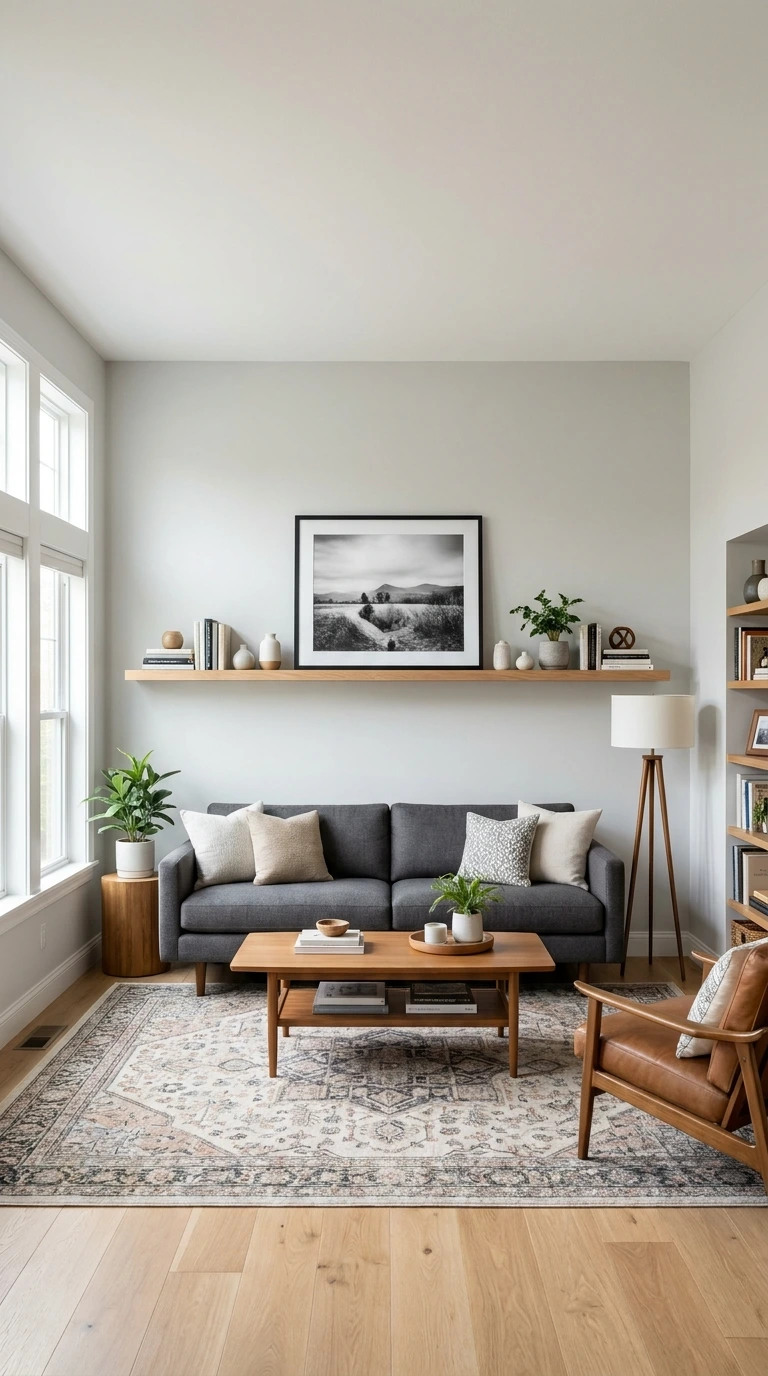
For a lighter, more modern take on built-ins, a floating shelf wall spans a long stretch of blank wall space with slim, minimal shelving rather than a full bookcase structure. This works particularly well behind a sofa or across from the main seating area, where it becomes the first thing visible upon entering the room.
Displaying a single large photo or art piece centered on the shelf, then layering smaller objects on either side, creates a natural visual hierarchy. Choosing shelves in a color that either blends with the wall or contrasts boldly against it both work, depending on whether you want the display to feel understated or dramatic.
7. A Bold Accent Wall
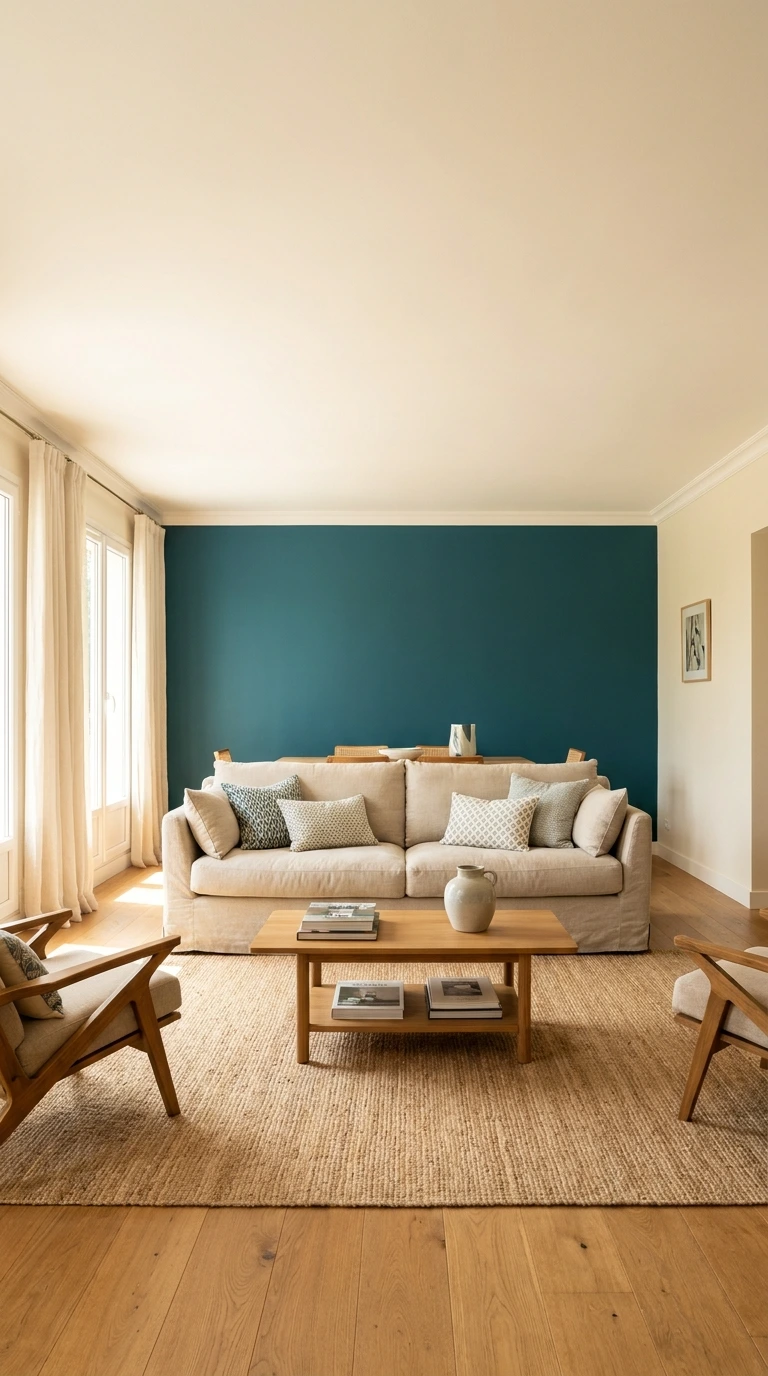
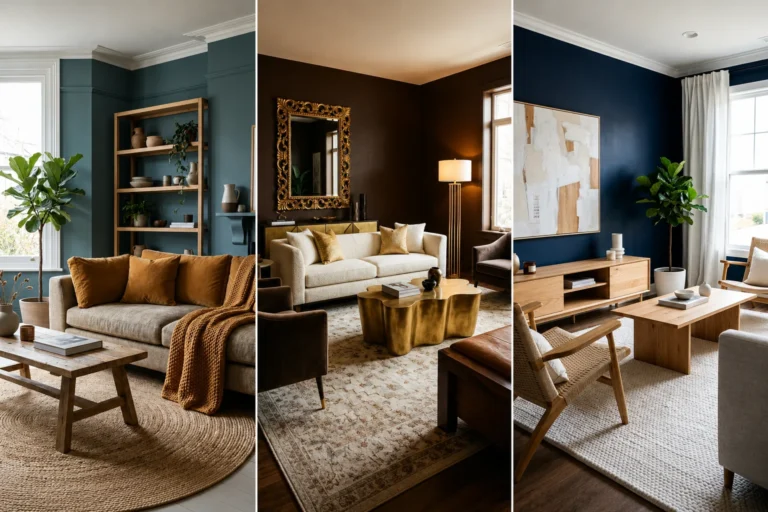
Painting one wall in a bold, saturated color while keeping the rest of the room neutral is one of the most affordable ways to create an instant focal point. The contrast between the accent wall and its surroundings naturally pulls the eye toward it the moment someone enters the room.
Choosing which wall to paint matters as much as the color itself; the wall directly across from the room’s entrance, or the one behind the main seating arrangement, tends to have the most impact. Because this focal point is created purely through paint, it’s also one of the easiest and cheapest to change later if your taste evolves.
Warning: An accent wall competes for attention with any other bold element in the room, like a patterned rug or a colorful sofa. If you already have a strong secondary focal point elsewhere, keep the accent wall’s color more restrained so the two don’t visually clash.
8. A Statement Wallpaper Wall
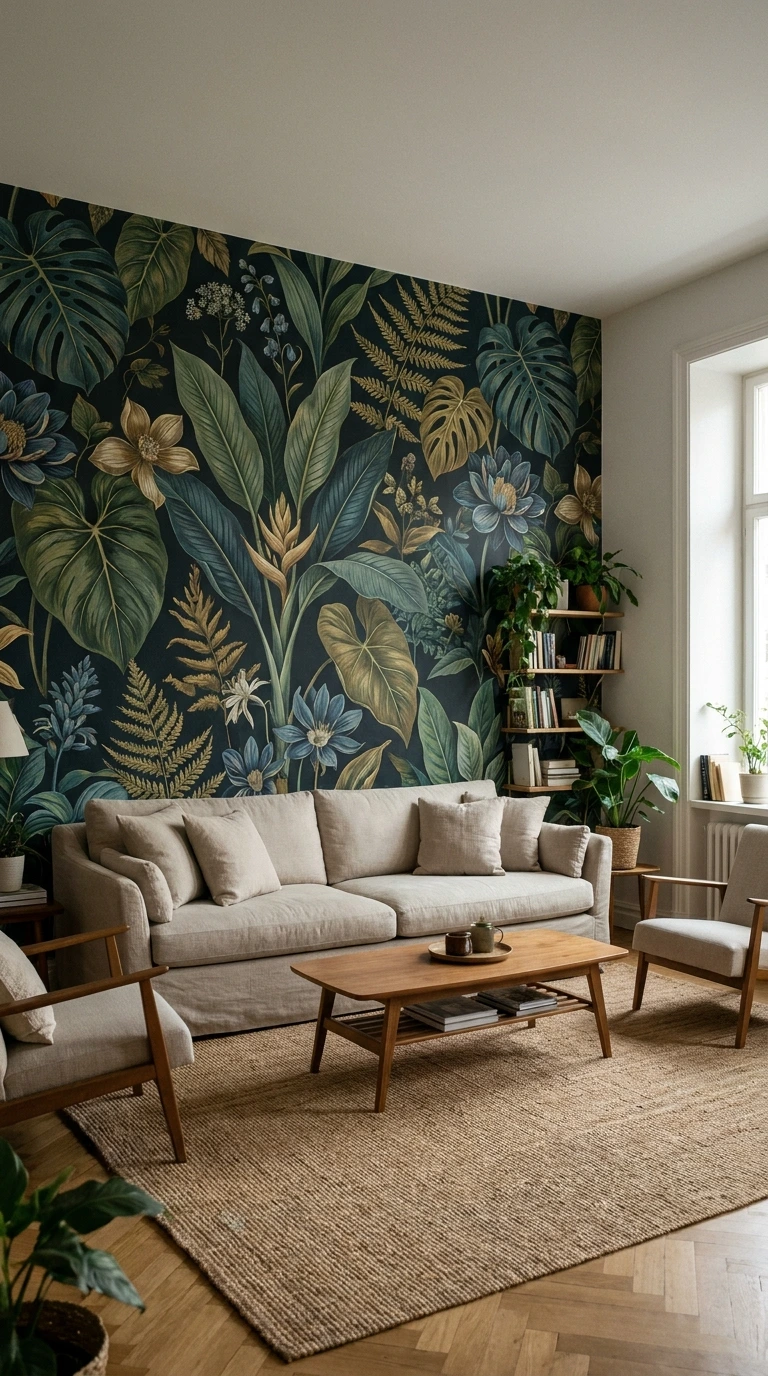
Wallpaper offers a similar effect to a painted accent wall but with the added dimension of pattern and texture, making it an especially strong option for a room that could use more visual interest. A bold botanical print, geometric pattern, or textured grasscloth wallpaper all work well as a single feature wall.
Because wallpaper carries more visual weight than paint, it’s worth choosing a design that complements your existing furniture and color palette rather than fighting against it. Limiting the wallpaper to just one wall, rather than the whole room, keeps the look intentional and prevents the pattern from becoming overwhelming.
9. A DIY Wood Slat Accent Wall
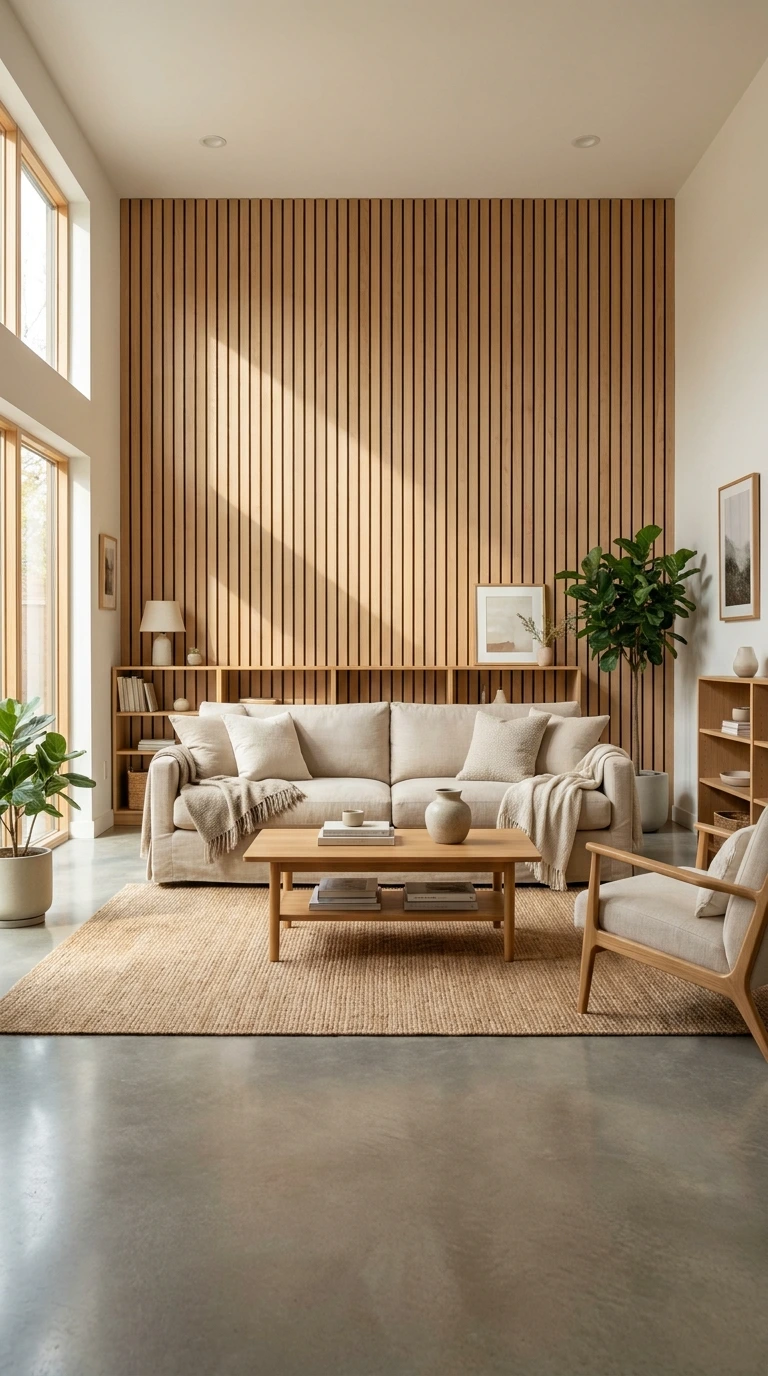
Installing wood slats or paneling on a single wall brings warmth, texture, and a sense of craftsmanship that paint or wallpaper alone can’t replicate. This focal point works particularly well in modern, Scandinavian, or Japandi-inspired living rooms, where natural materials are already part of the design language.
This project can range from a simple DIY weekend job to a professionally installed feature, depending on your budget and skill level. Either way, the vertical or horizontal lines created by the slats add architectural interest to an otherwise plain wall, giving the room a built-in-feeling focal point without any structural renovation.
10. A Large Statement Mirror
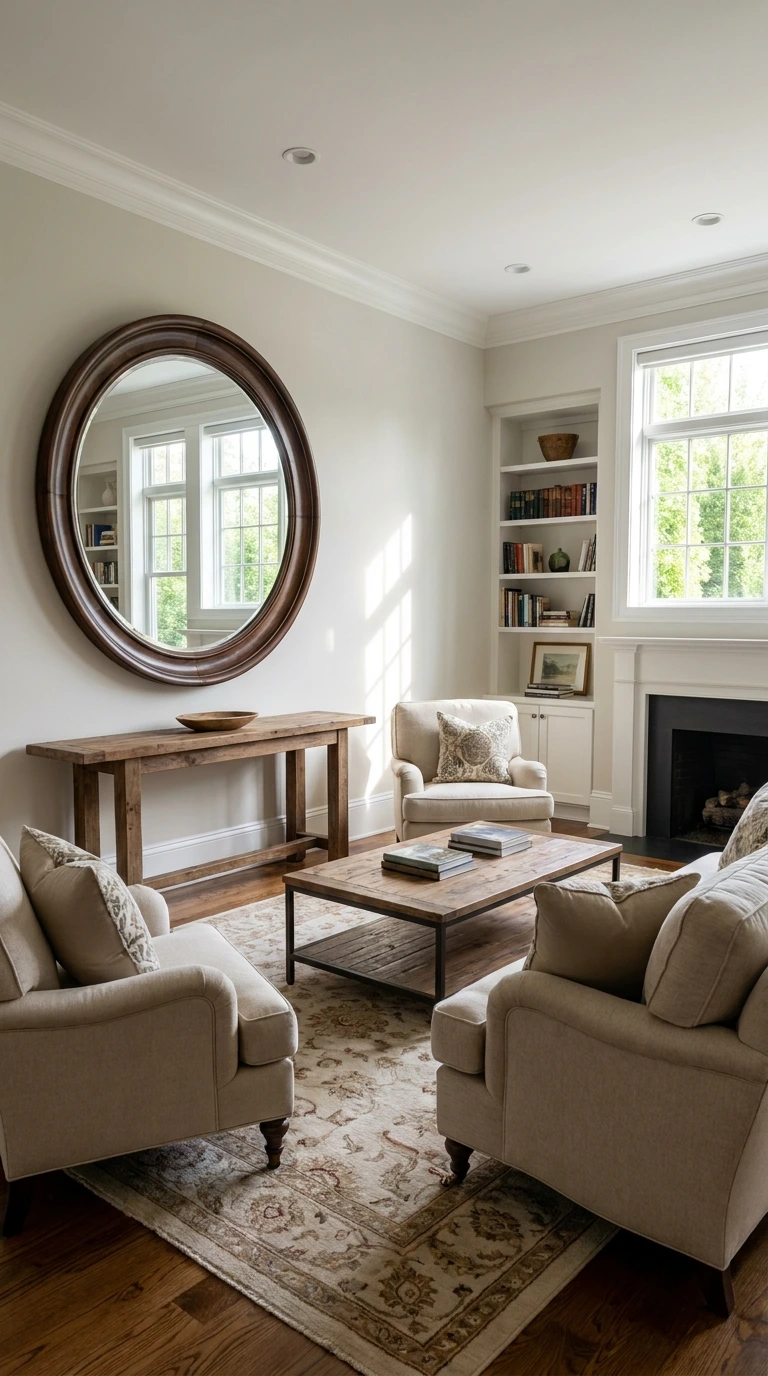
A large mirror with an interesting frame does double duty as a focal point: it draws the eye the way a piece of art would, while also reflecting light and making the room feel brighter and more spacious. This is a particularly strong option for smaller living rooms that could use the added sense of depth.
Positioning a statement mirror across from a window maximizes its light-reflecting benefit, while hanging it above a console table or mantel gives it a clear anchor point within the room’s layout. A round or curved mirror frame also softens a room full of straight-edged furniture, adding a bit of visual contrast alongside its function.
Important: A mirror’s frame matters as much as its size when it comes to acting as a true focal point. A plain, frameless mirror tends to disappear visually, while a mirror with a distinctive frame reads clearly as an intentional design choice.
11. A Television Framed with Shelving or a Console
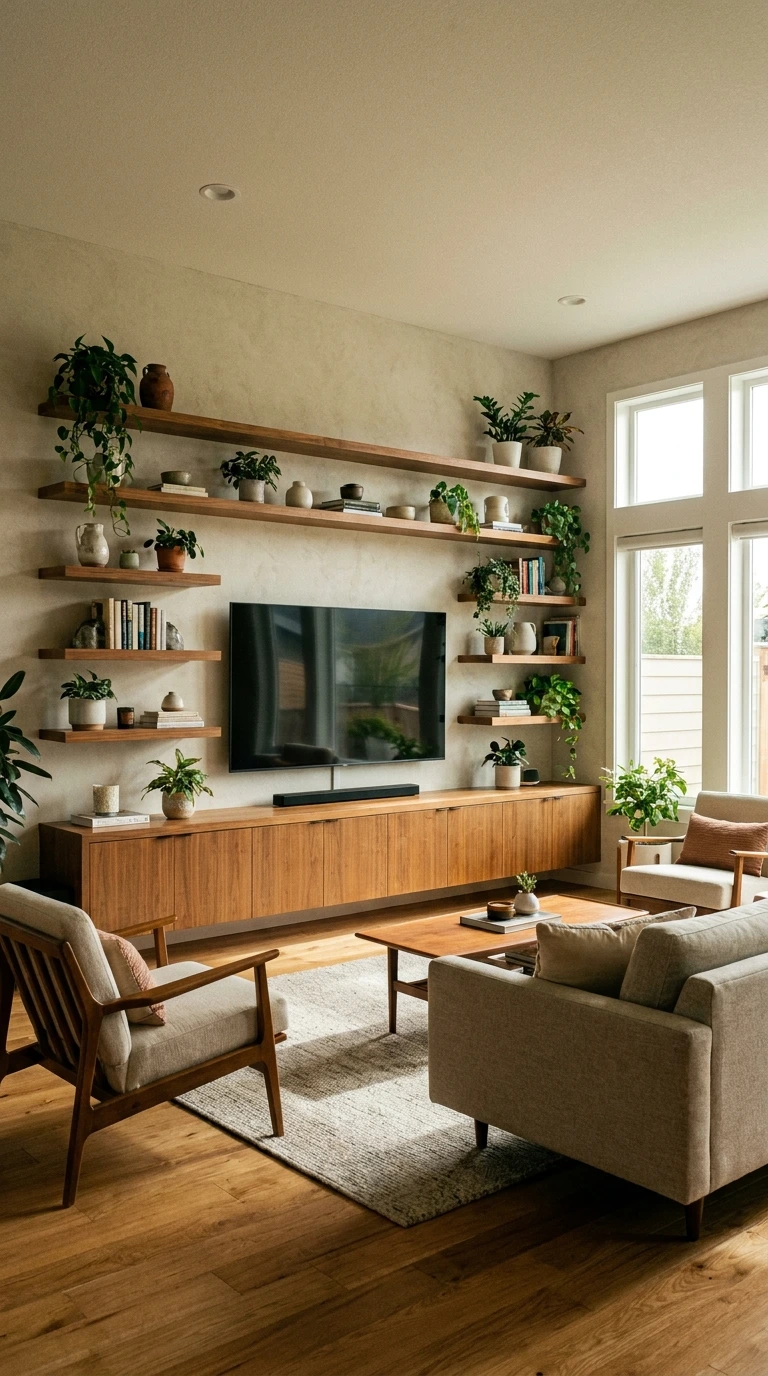
For many households, the television is realistically where attention gathers most often, which makes it worth treating as an intentional focal point rather than an awkward necessity to hide. Mounting the TV above a stylish console or flanking it with floating shelves helps frame and balance it visually.
Adding decor around the television, such as plants, books, or small art pieces on the surrounding shelves, keeps the area from feeling like a purely functional media setup. This framing effect helps the whole wall read as a cohesive, designed focal point rather than just a screen mounted on an empty wall.
12. A Statement Sofa or Sectional
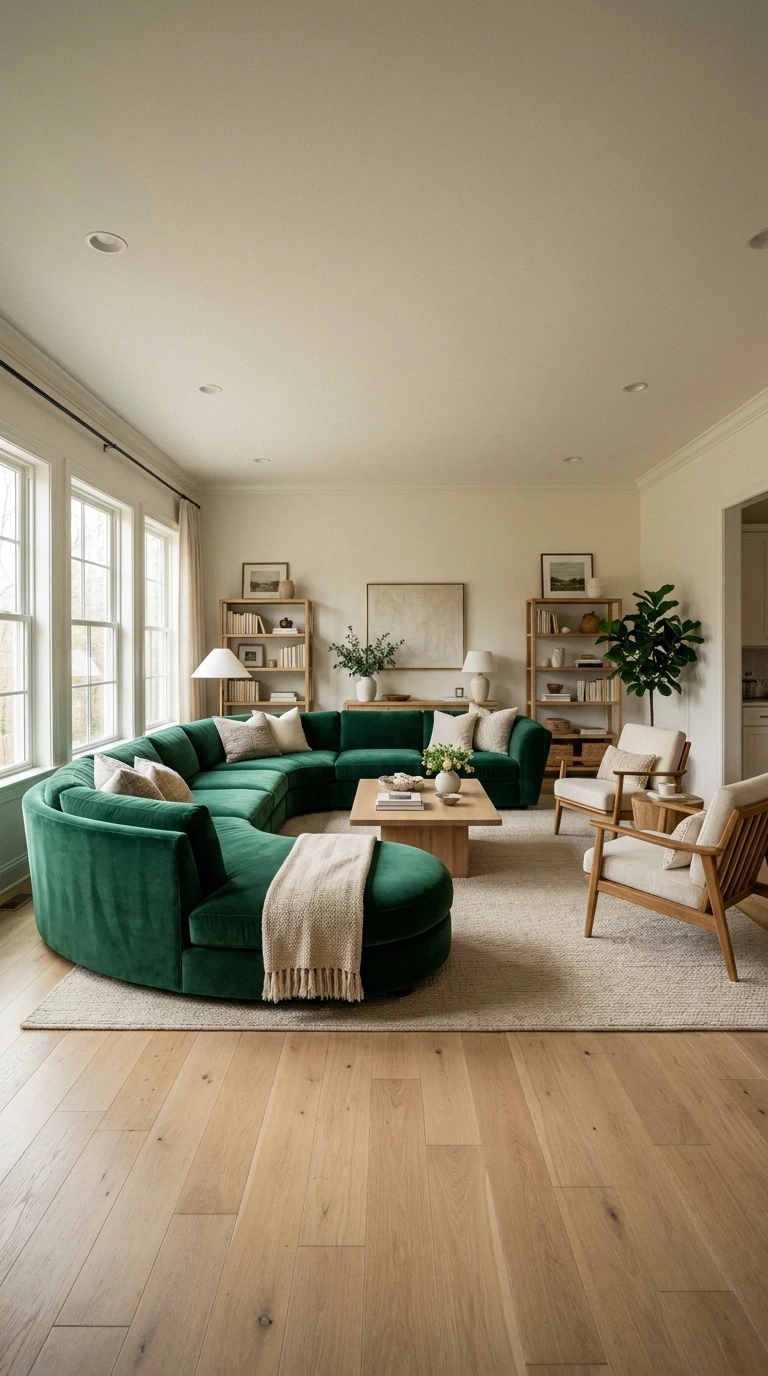
An oversized, boldly colored, or uniquely shaped sofa can become the room’s focal point on its own, especially in an open-concept space where a fireplace or built-in feature isn’t available. The sheer scale of a large sectional naturally draws people into the space and signals where the main gathering area is.
Choosing a sofa in a bold color or interesting silhouette, such as a curved shape or a rich jewel tone, reinforces this effect further. Keeping the surrounding furniture and decor more neutral in comparison helps the sofa remain the clear visual anchor rather than getting lost among competing statement pieces.
- ✅ Stand at the room’s main entrance and note what your eye lands on first
- ✅ Choose one primary focal point, even if the room has more than one strong feature
- ✅ Arrange main seating to face the chosen focal point directly
- ✅ Keep decor near the focal point simple so it doesn’t compete for attention
- ✅ Reassess your focal point choice after living with it for a few weeks
13. An Oversized, Eye-Catching Area Rug
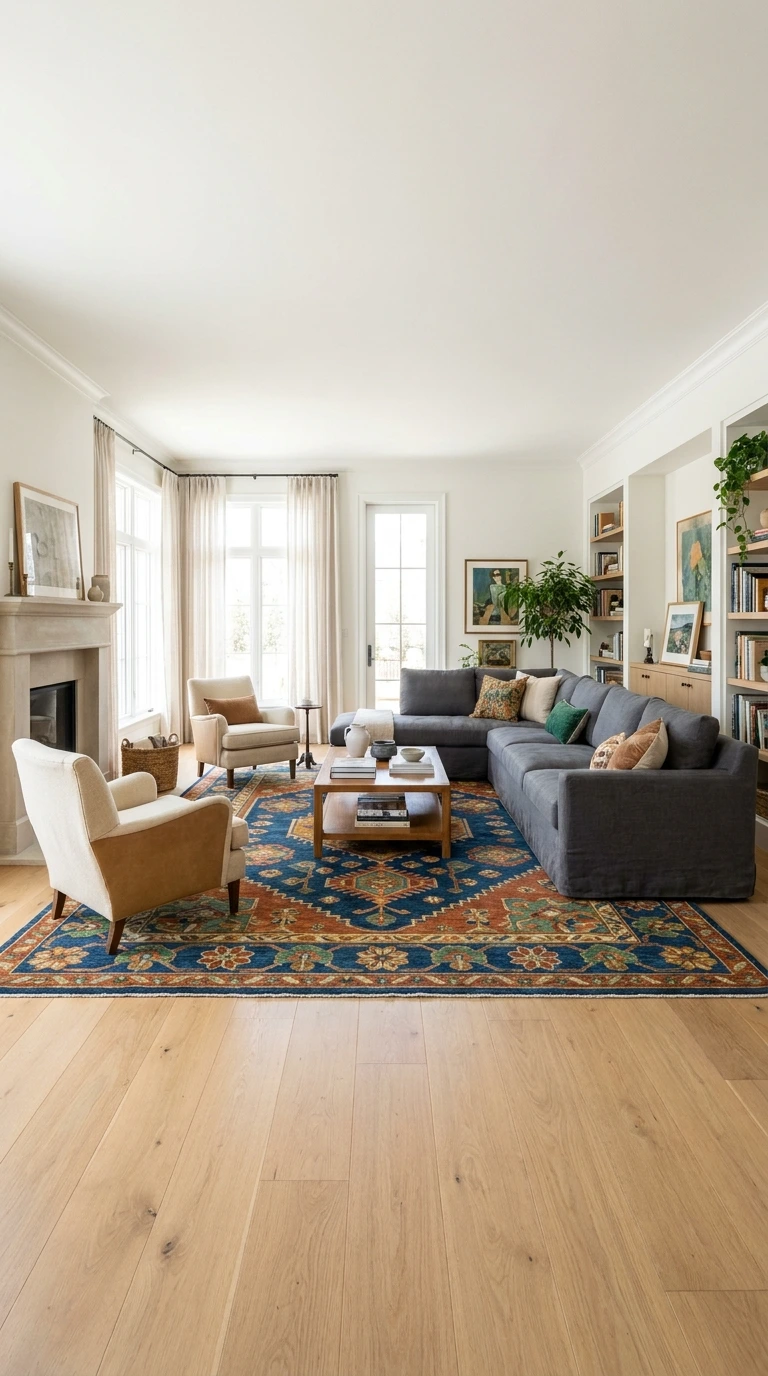
A large rug in a bold pattern or contrasting color can serve as a focal point from the floor up, tying the whole room together while also drawing attention in its own right. This works especially well in rooms with neutral walls and furniture, where the floor becomes an unexpected place for the eye to land.
Choosing a rug color that contrasts noticeably with your flooring makes the biggest visual statement, while a rug that closely matches the floor tends to blend in rather than stand out. Pairing a bold rug with an equally striking piece of art can also create two complementary focal points that work together rather than competing.
| Focal Point Type | Best For | Approximate Cost Level | Impact Level |
|---|---|---|---|
| Statement Art Piece | Blank walls, rented spaces | Low to medium | High |
| Accent Wall (Paint) | Budget-friendly drama | Low | Medium to high |
| Built-In Shelving | Storage plus display | Medium to high | High |
| Statement Rug | Neutral, minimal rooms | Low to medium | Medium |
| Fireplace Styling | Homes with existing fireplace | Low | High |
14. A Console or Chest Against a Blank Wall
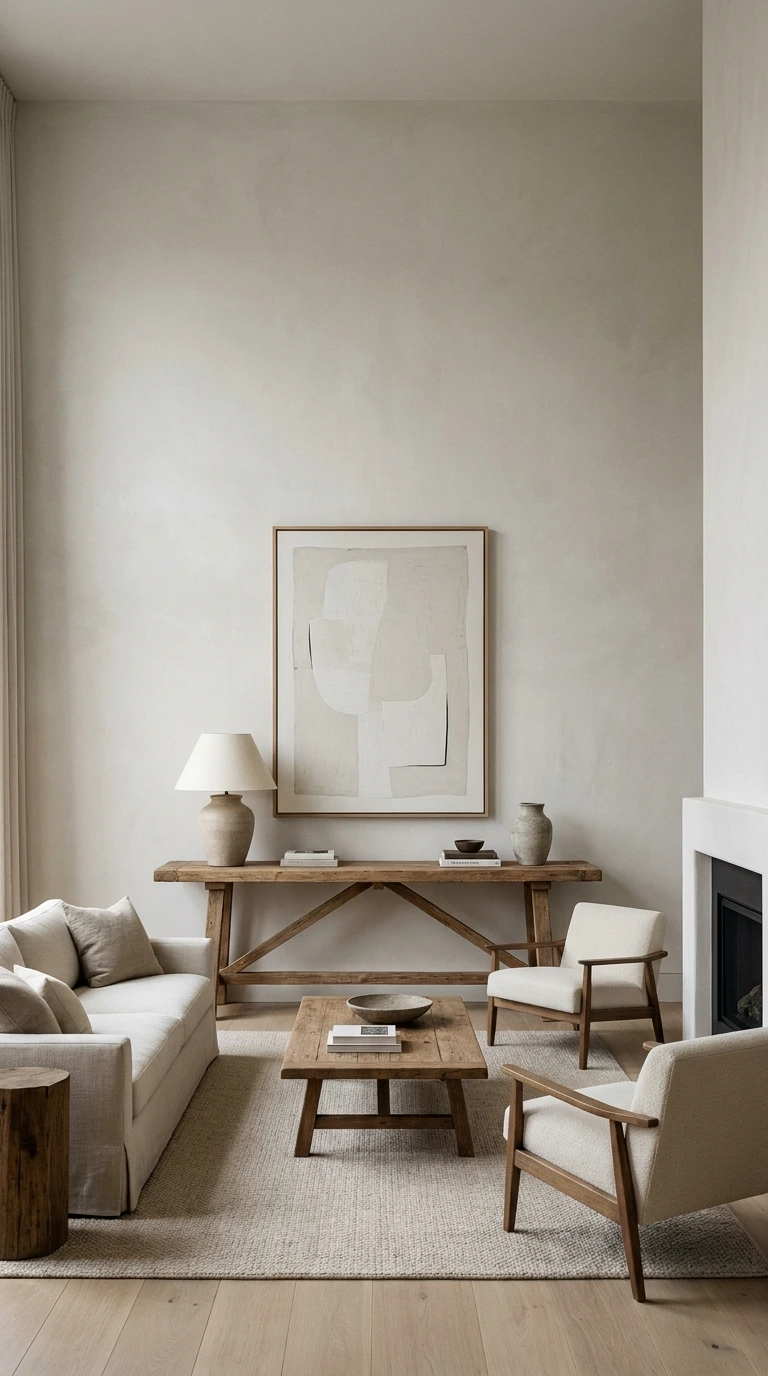
A well-chosen console table or vintage chest placed against an otherwise blank wall can anchor a room that lacks any natural architectural feature. This is a particularly useful solution for awkward walls that don’t have space for a full gallery display or accent treatment.
Styling the console with a lamp, a piece of art hung above it, and a few curated objects turns a simple piece of furniture into a genuine focal point. Choosing a console with an interesting silhouette or finish, rather than a purely utilitarian design, adds to its visual weight as the room’s centerpiece.
15. A Piano or Musical Instrument
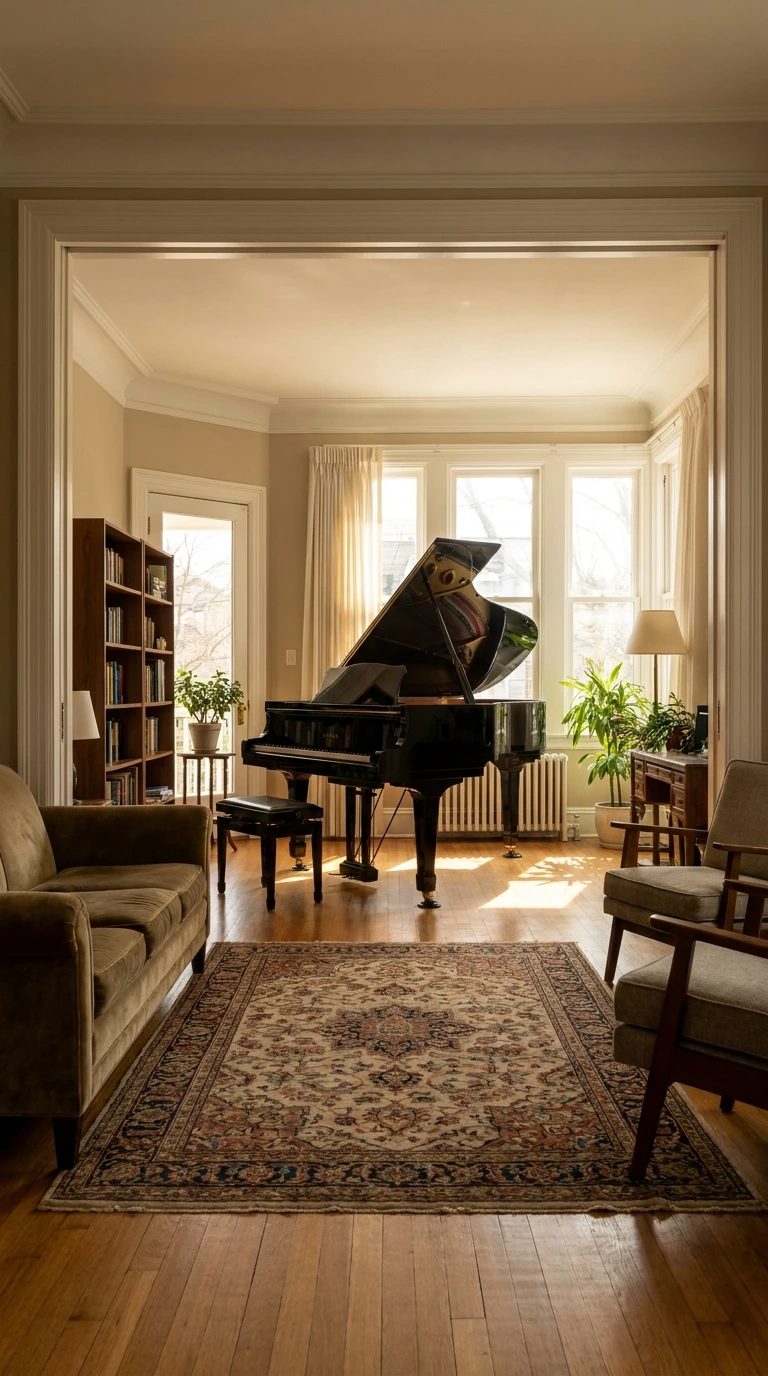
If your living room includes a piano or another prominent musical instrument, it can double as a striking, naturally occurring focal point, particularly in an open floor plan or two-story great room. The size and shape of a piano especially commands attention without requiring any additional styling.
Positioning the instrument where it’s visible from the room’s main entry point maximizes its impact as a focal point, and keeping the surrounding decor simple lets the instrument’s natural form take center stage. A few personal touches nearby, like framed sheet music or a small plant, can complement without competing.
16. A Sculptural Floor Lamp
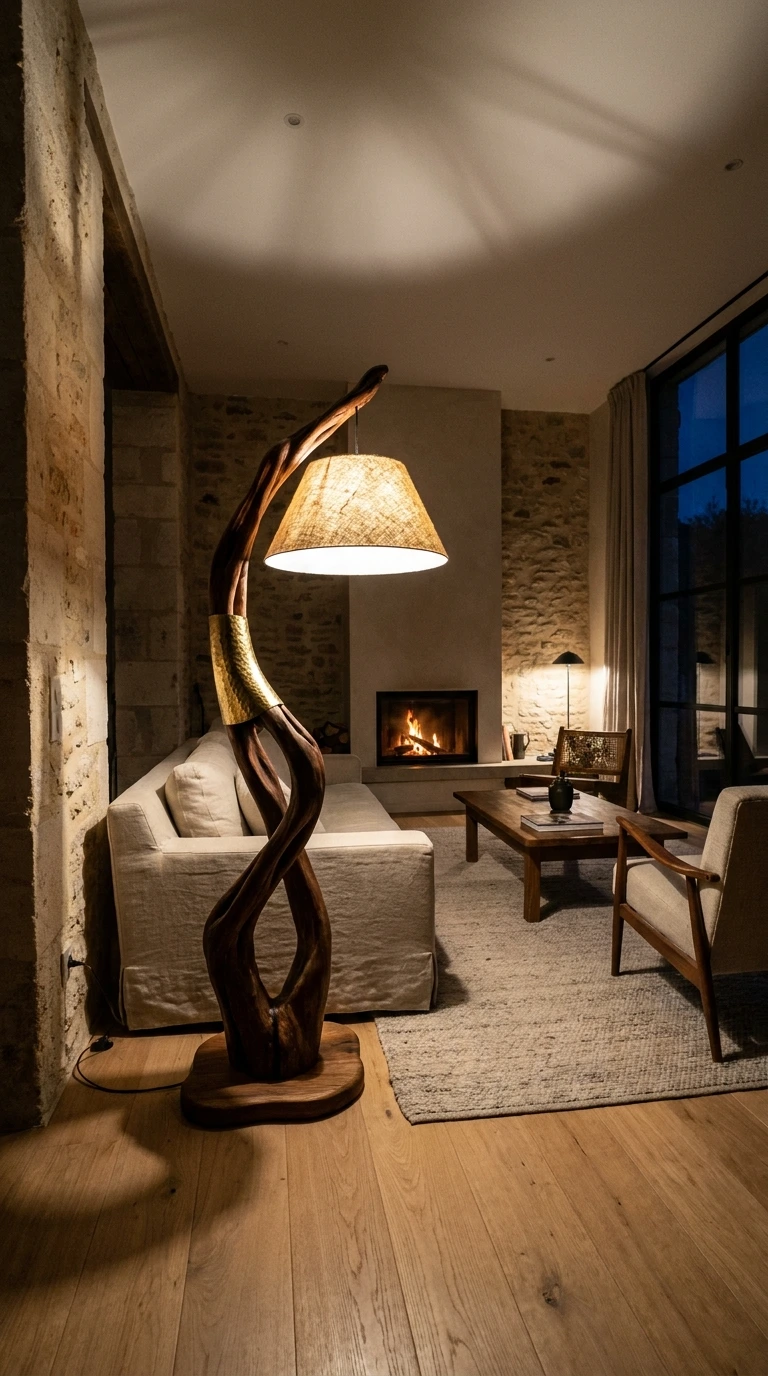
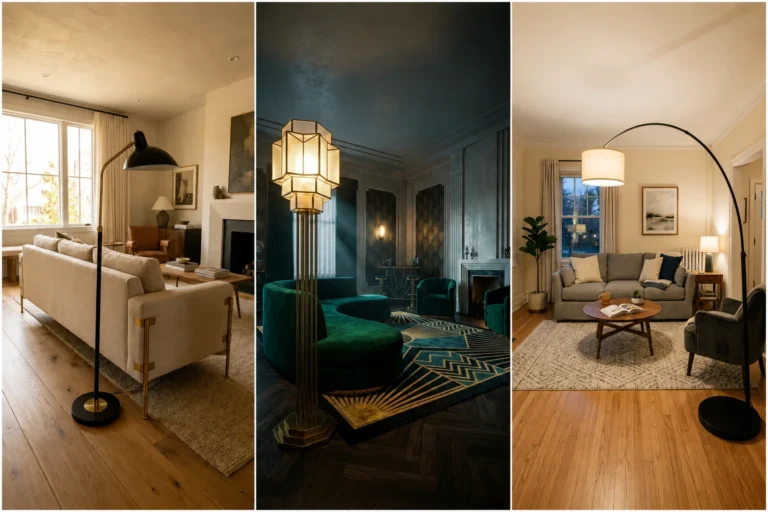
An architecturally interesting floor lamp, whether asymmetrical, oversized, or otherwise sculptural in form, can serve as an unexpected focal point in a room that’s otherwise simply furnished. Its impact comes from both its daytime silhouette and the glow it casts once lit in the evening.
Positioning a sculptural lamp in an open corner, rather than crowding it next to other furniture, gives it the visual space it needs to read clearly as a standalone feature. This focal point works particularly well in modern or eclectic rooms where a bold, artistic lighting choice fits naturally into the overall design language.
17. Dramatic Floor-to-Ceiling Curtains
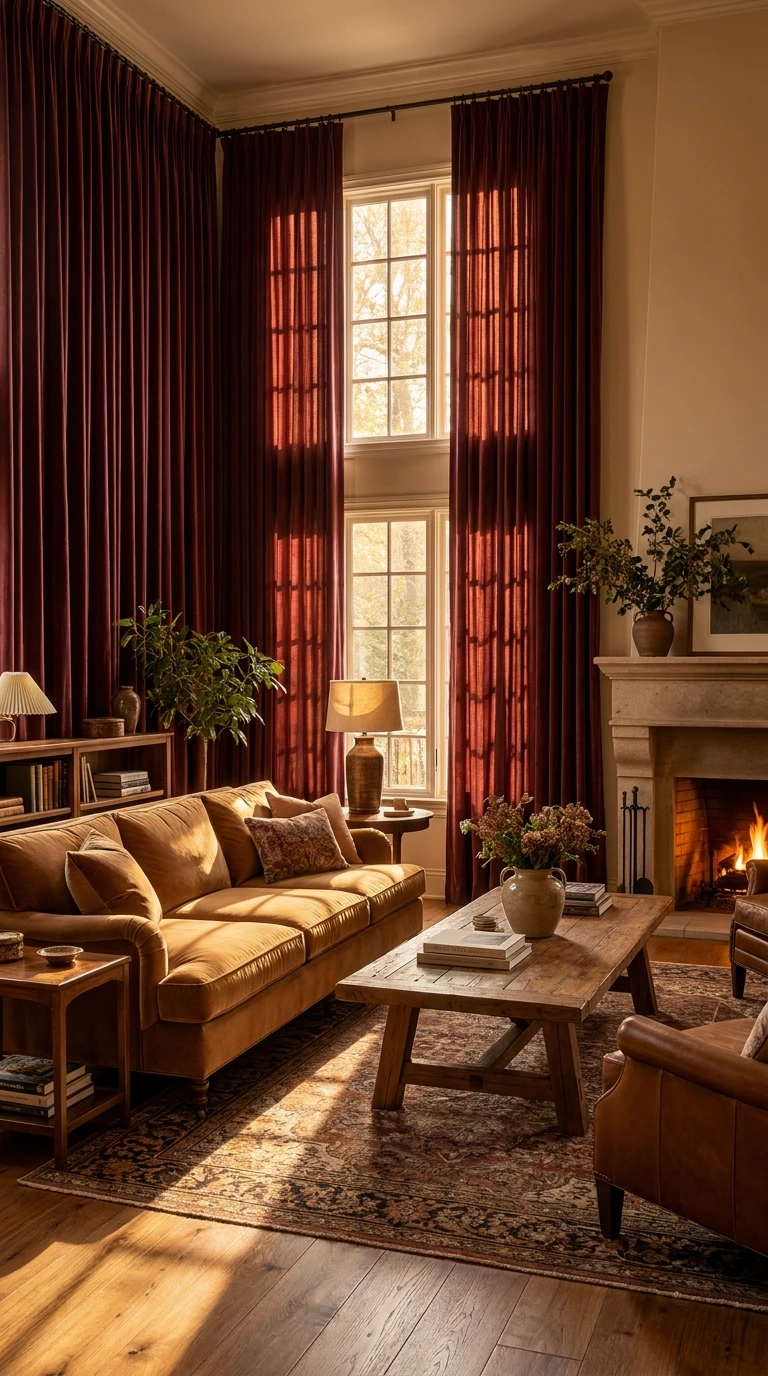
Curtains hung floor-to-ceiling, in a bold color or luxurious fabric, can transform an ordinary window into the room’s clear visual centerpiece. The height and drama of full-length drapery draw the eye upward, making the room feel taller while also emphasizing whatever view lies beyond the glass.
Choosing a fabric weight and color that suits the room’s existing style matters here; a heavier, richly colored fabric creates a more formal, dramatic look, while a lighter, sheer fabric feels airier and more casual. Either way, mounting the curtain rod close to the ceiling rather than directly above the window frame maximizes the sense of height and drama.
Warning: Dramatic curtains and a bold accent wall can visually compete if placed on the same or adjacent walls. Choose one as the primary statement and keep the other more restrained so they don’t fight for attention.
18. A Built-In Window Seat
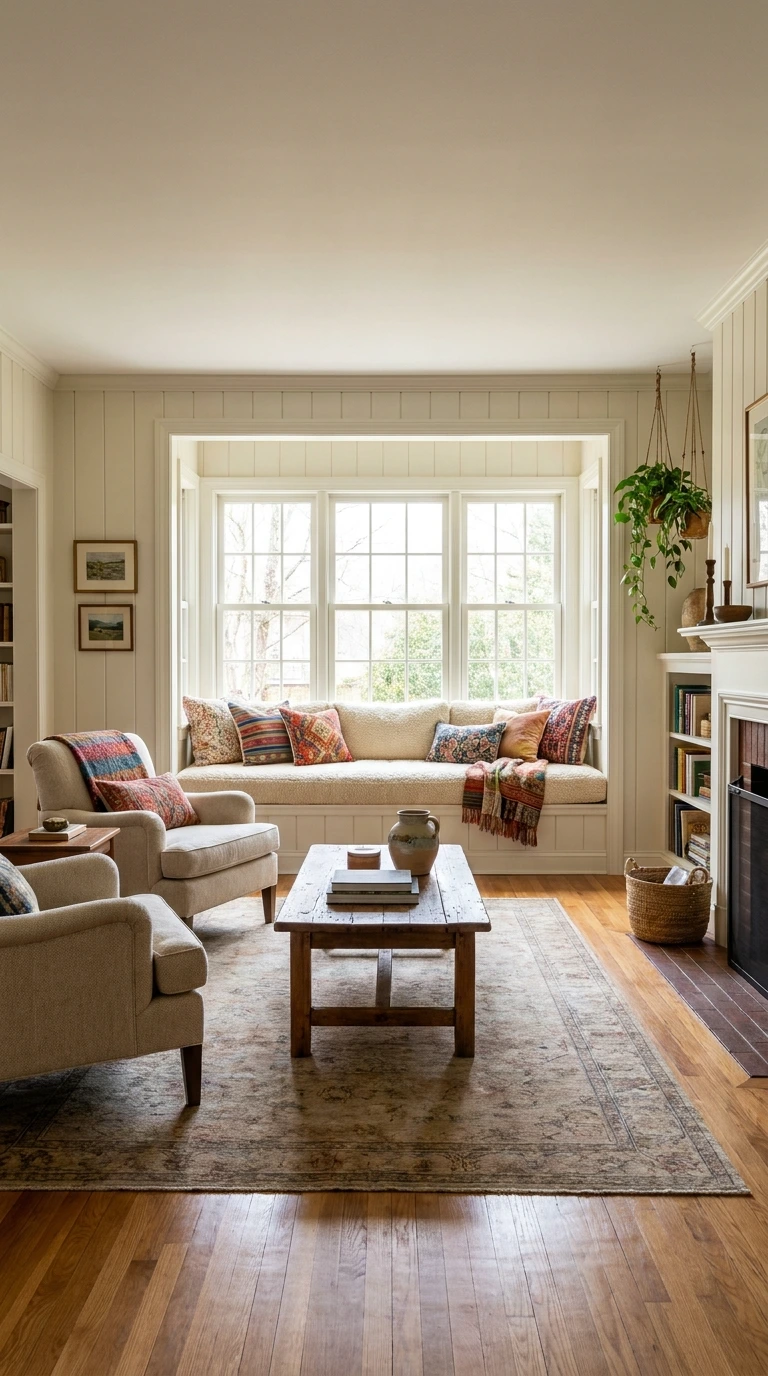
A window seat, whether original to the home or added during a renovation, combines architecture and function into a natural focal point. The built-in nature of a window seat gives it a permanence and visual weight that furniture alone often can’t achieve.
Styling a window seat with a mix of cushions and pillows in varying textures and patterns adds warmth and invites people to actually use the space rather than just look at it. Positioning other furniture to face or flank the window seat reinforces its role as the room’s central gathering point.
19. Exposed Architectural Beams or Vaulted Ceilings
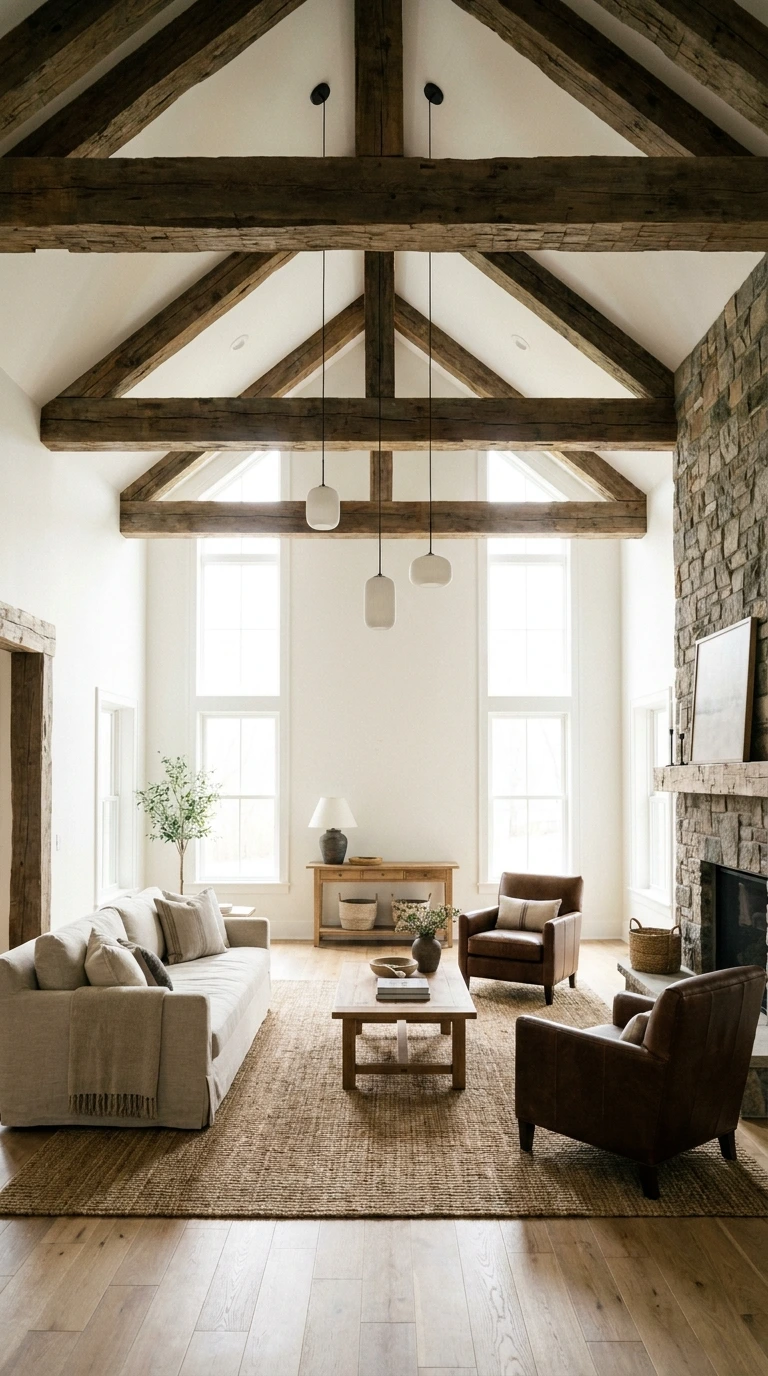
If your living room has exposed wood beams, a vaulted ceiling, or another distinctive architectural feature overhead, it can serve as a focal point that draws the eye upward rather than to a single wall or piece of furniture. This kind of feature is especially powerful because it’s difficult to replicate artificially, giving the room genuine architectural character.
Highlighting this feature with the right lighting, such as pendant fixtures that emphasize the ceiling’s height, reinforces its role as the room’s centerpiece. Keeping the walls and furniture below relatively simple allows the ceiling detail to remain the star without visual competition from busier decor choices.
20. A Statement Indoor Tree or Large Plant
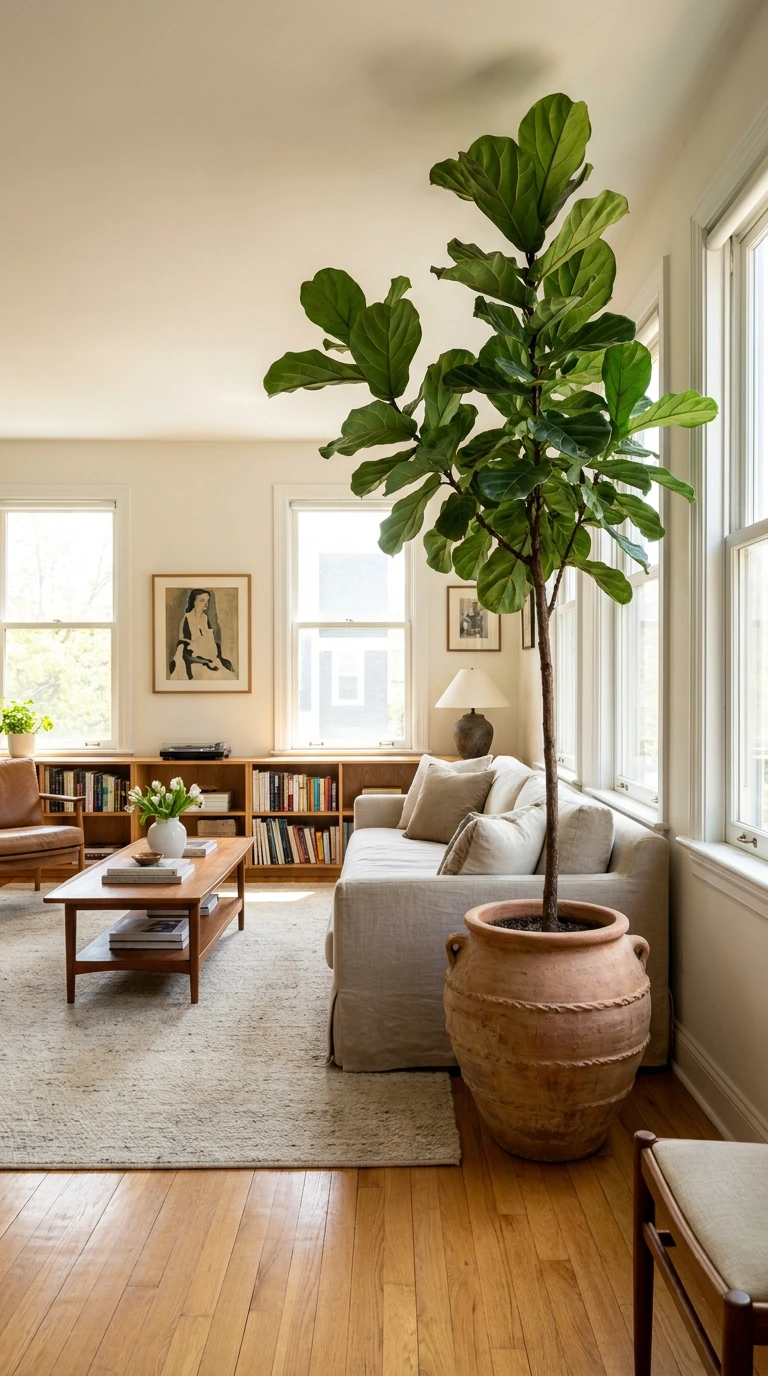
A tall, dramatic indoor plant, such as a fiddle leaf fig or an olive tree, can serve as a surprisingly effective focal point, especially in a corner that would otherwise go unused. The organic shape and height of a large plant add life and visual interest that furniture and decor alone can’t replicate.
Positioning a statement plant where natural light reaches it, and choosing a striking pot to match, helps reinforce its role as an intentional design choice rather than an afterthought. This focal point option is also one of the more affordable ones on this list, making it a strong choice for renters or anyone decorating on a tighter budget.
Important: A statement plant only works as a focal point if it stays healthy. Research the specific light and watering needs of a large plant before committing, since a struggling or dying plant undermines the polished effect you’re going for.
21. A Statement Chandelier or Pendant Light
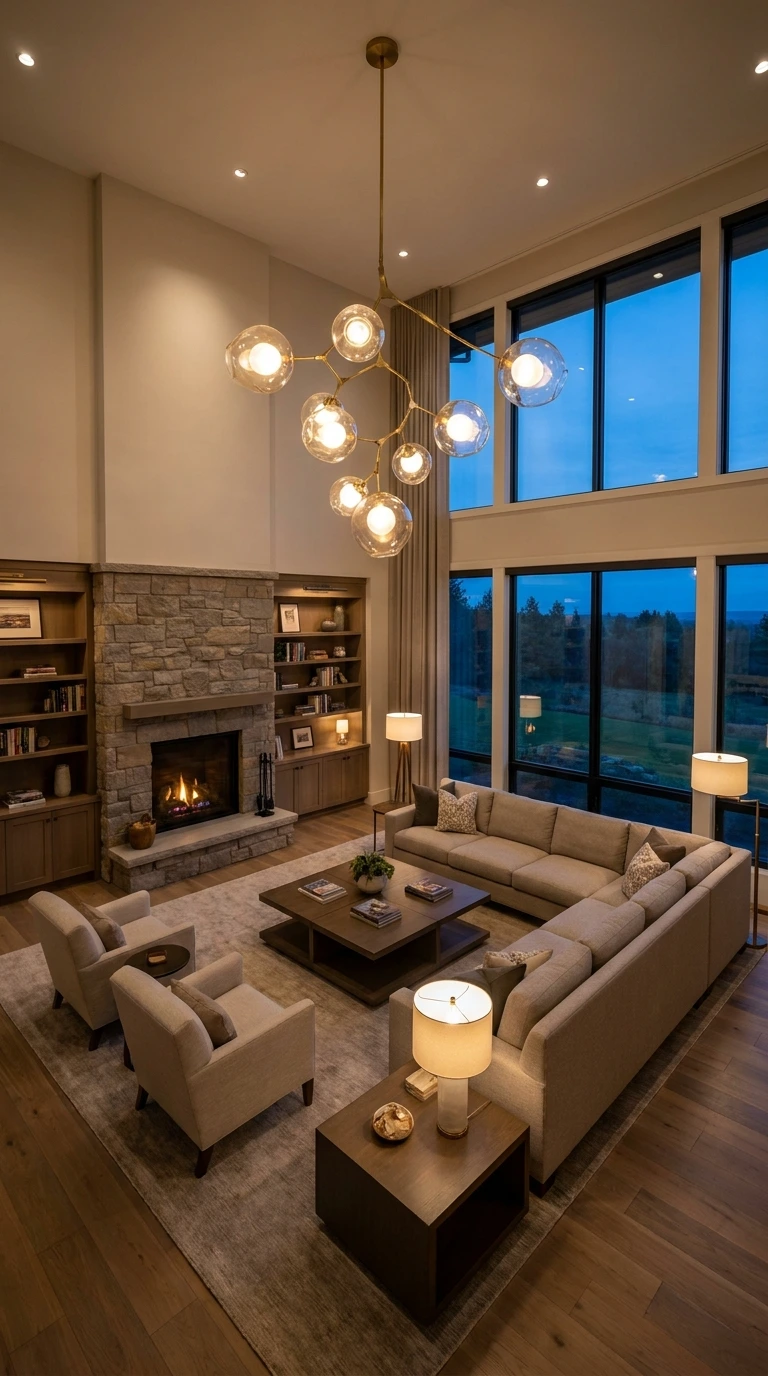
An eye-catching overhead light fixture, whether an oversized pendant or a dramatic chandelier, draws the eye upward and can anchor a room even in the absence of any other standout architectural feature. This focal point works especially well in a dining nook attached to the living room or in a space with generous ceiling height.
Choosing a fixture with a distinctive shape, material, or finish, rather than a purely functional overhead light, is what elevates it into a genuine focal point rather than just background lighting. Positioning the fixture above a key piece of furniture, like a dining table or a central seating arrangement, further reinforces its role as the room’s centerpiece.
22. A Bold, Uniquely Shaped Accent Chair
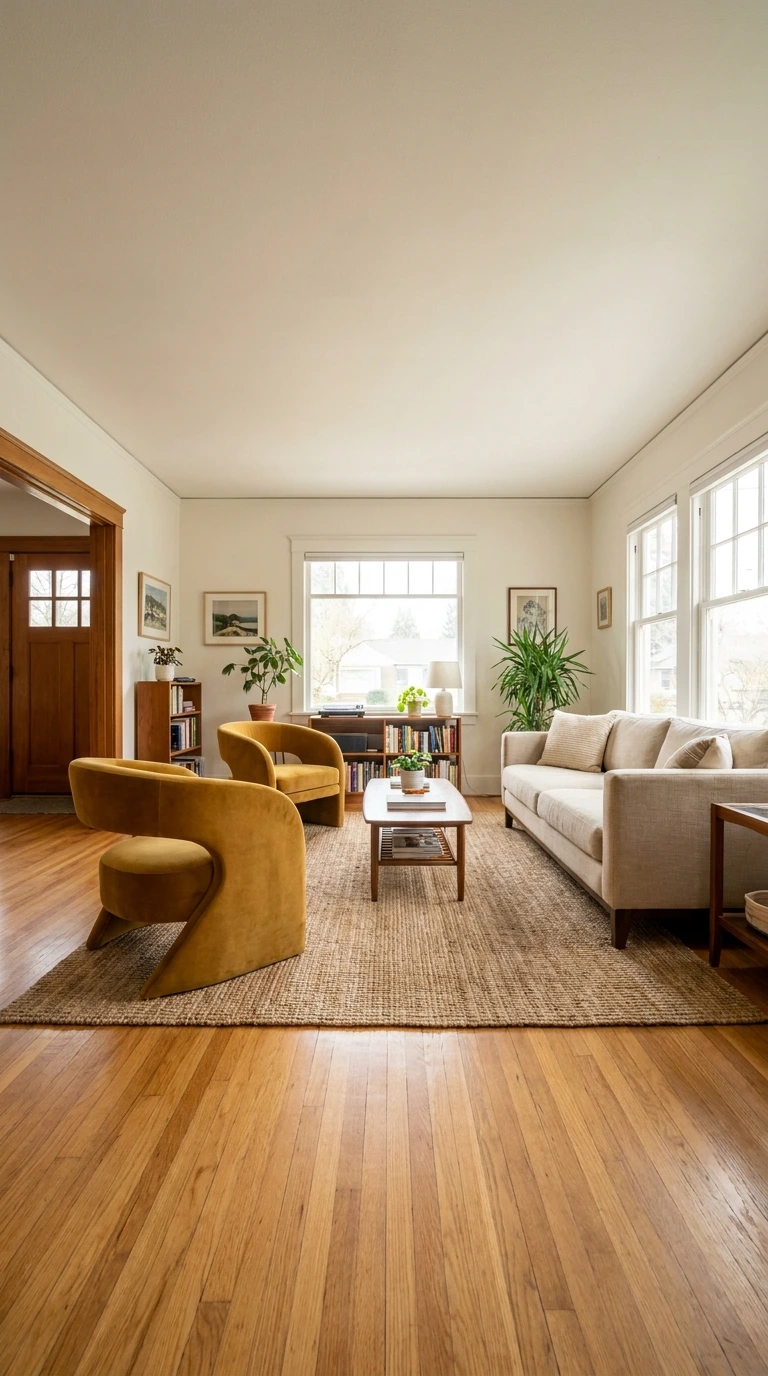
A single striking accent chair, whether in a bold color, unusual silhouette, or interesting material like velvet or leather, can serve as an unexpected focal point within an otherwise neutral seating arrangement. Its impact comes from contrast: a distinctive chair stands out precisely because everything else around it is more understated.
Positioning the chair where it’s visible from the room’s main entry point, rather than tucked into a corner, maximizes its role as a focal point. This approach works particularly well for renters or anyone who wants a bold design statement without committing to a permanent architectural change like an accent wall.
23. A Decorative Room Divider or Screen
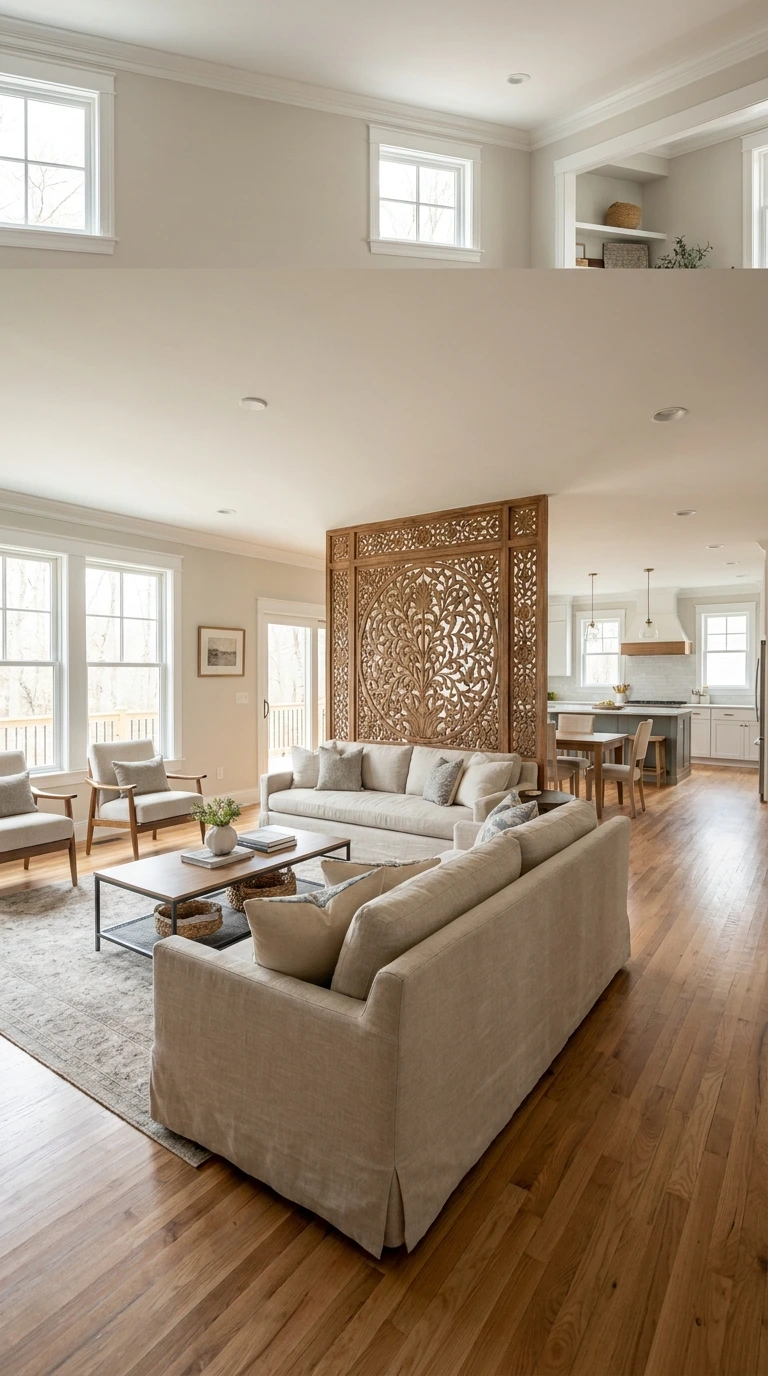
A freestanding screen or room divider, especially one with an interesting pattern, material, or silhouette, can serve as both a functional space separator and a visual focal point in open-concept living areas. This is particularly useful in studio apartments or multi-purpose rooms where zones need gentle visual definition.
Choosing a divider in a material that contrasts with the rest of the room, such as a carved wood screen in an otherwise minimalist space, gives it more visual weight as an intentional design feature rather than a purely practical addition. Positioning it to partially, rather than fully, block sightlines keeps the room feeling open while still creating a clear point of interest.
- ✅ Let a single bold rug or accent wall stand alone rather than pairing two competing statements
- ✅ Position sculptural or freestanding focal points (lamps, plants, screens) with open space around them
- ✅ Check plant care requirements before committing to a large statement plant
- ✅ Confirm chandelier or pendant clearance if ceilings are on the lower side
- ✅ Use an accent chair’s color or shape, not its size, to make it stand out
24. A Standout Antique or Vintage Furniture Piece
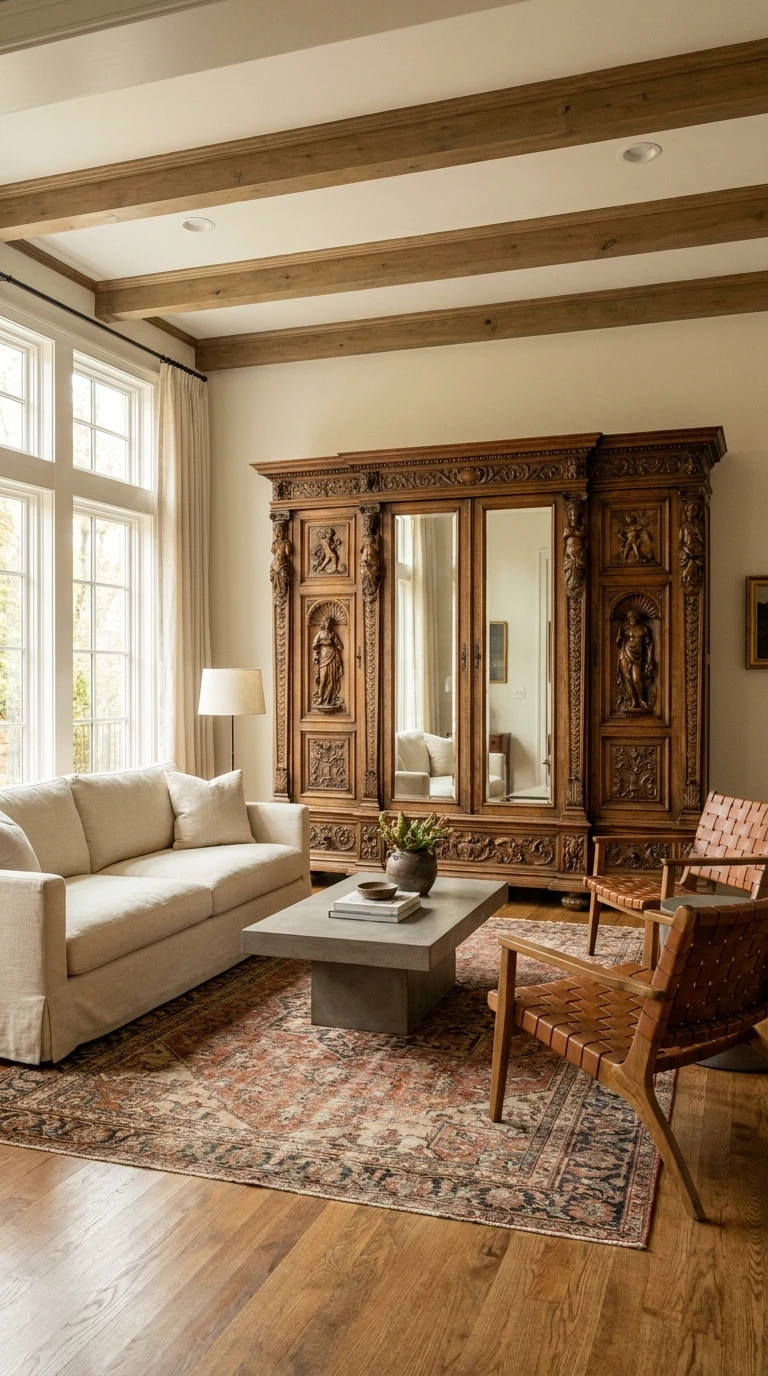
A single well-chosen antique or vintage piece, such as an ornate armoire, an inherited chest, or a distinctive vintage cabinet, can anchor a room with character that mass-produced furniture rarely achieves. Its age and history give it a natural visual weight that draws attention without requiring any additional styling effort.
Balancing a large antique piece with a few simpler, more modern elements nearby, like plants or contemporary art, keeps the overall look feeling curated rather than dated. This focal point option also tends to carry genuine personal or sentimental value, adding a layer of authenticity that a purely decorative choice can’t replicate.
25. A Styled Picture Ledge Display
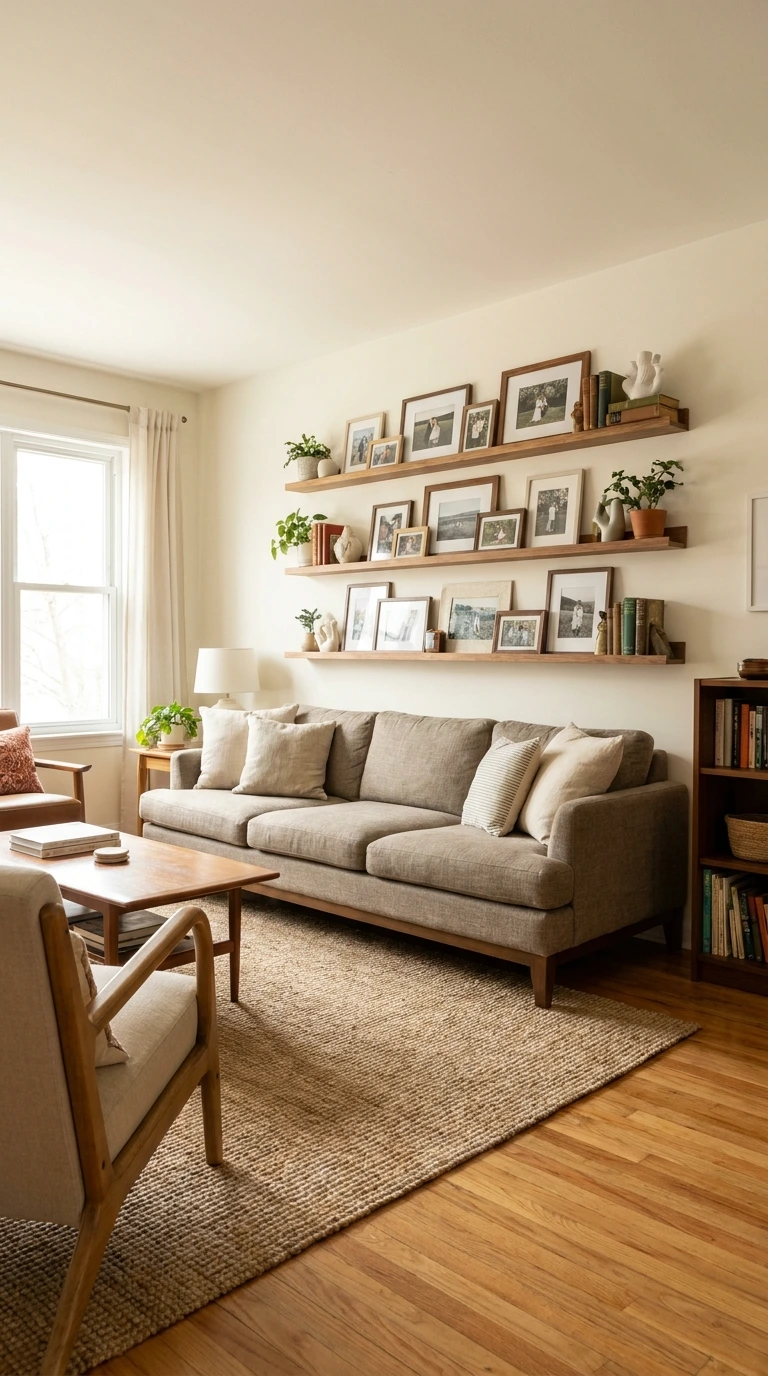
A row of picture ledges styled with layered framed art, small objects, and personal photographs creates a focal point that’s both visually rich and easy to update over time. Unlike a single large art piece, a picture ledge display invites a closer, more collected look.
Grouping similar items together, such as all black-and-white photography or a single color palette across the frames, keeps the display feeling cohesive rather than cluttered. Varying the depth and layering of the frames along the ledge adds dimension, making the whole display read as one intentional focal point rather than a random collection of individual pieces.
26. A Textured Stone or Exposed Brick Wall
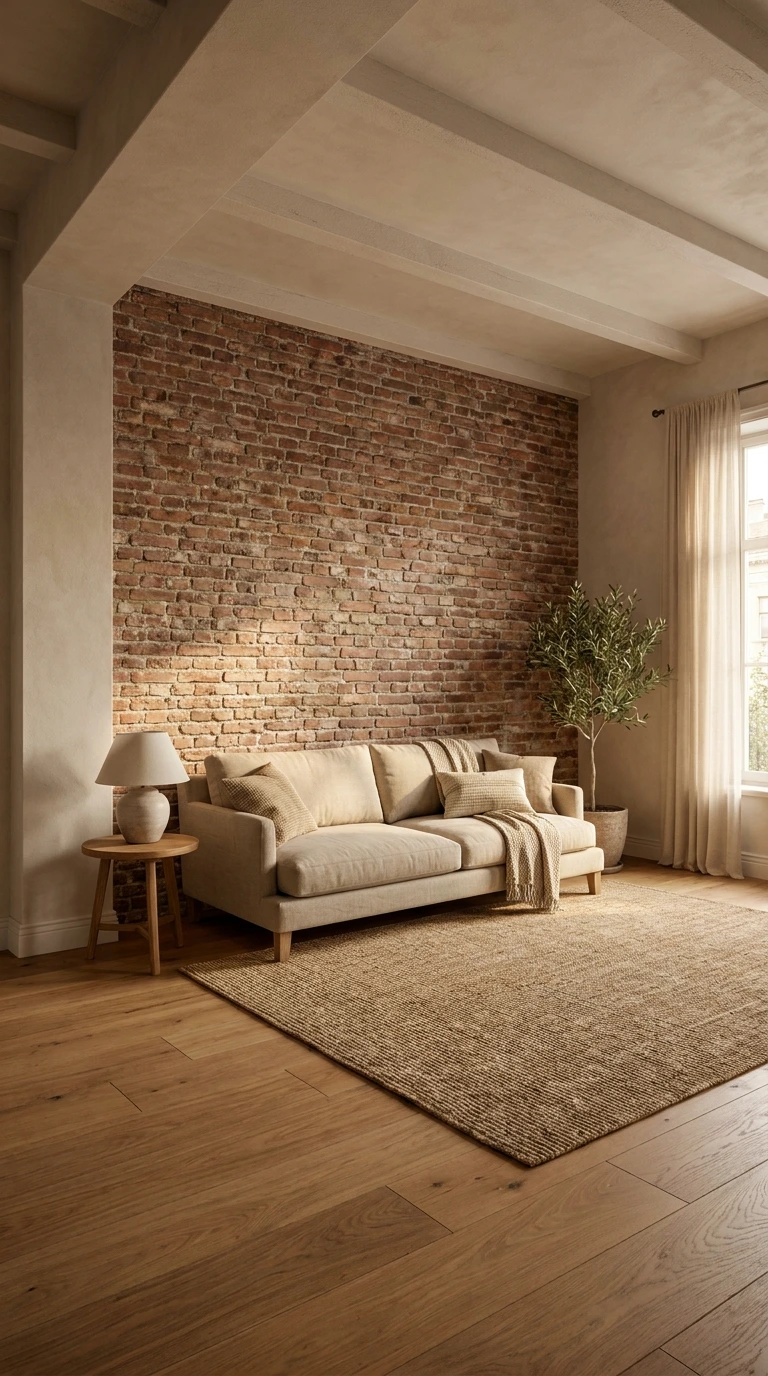
A wall of natural stone or exposed brick brings texture and architectural authenticity that few other focal points can match. Whether it’s an original feature of the home or an added stone veneer, this kind of wall naturally draws the eye due to its contrast in texture against smoother surrounding surfaces.
Because stone and brick already carry significant visual weight, keeping the furniture and decor near this wall relatively simple prevents the space from feeling overly busy. A few well-placed plants or a single piece of art can soften the texture without competing with it for attention.
27. A Freestanding or Wall-Mounted Electric Fireplace
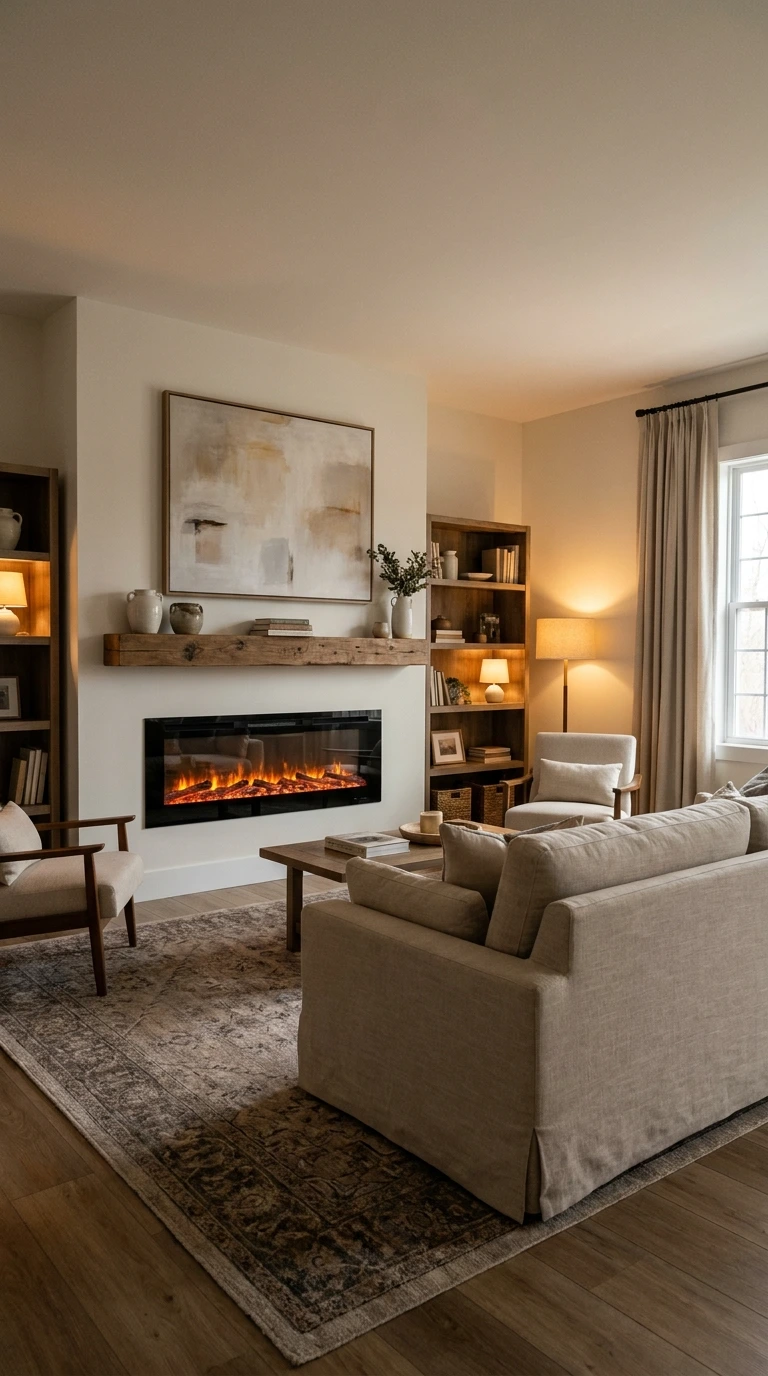
For homes without a traditional fireplace, a freestanding or wall-mounted electric fireplace offers a similar focal point effect without requiring any structural renovation or venting. The visual warmth of the flame effect, combined with the fireplace’s central placement, recreates much of the same anchoring quality as a traditional hearth.
Styling the surrounding wall with a mantel shelf, art, or a mirror above the unit helps it read as a genuine architectural feature rather than a simple appliance. This option is particularly popular in apartments and rentals, where a permanent fireplace installation isn’t possible.
Warning: An electric fireplace’s visual impact depends heavily on realistic flame quality, so preview the unit in person or watch video reviews before buying online. A flame effect that looks obviously artificial can undermine the focal point rather than strengthen it.
28. An Aquarium or Terrarium Feature
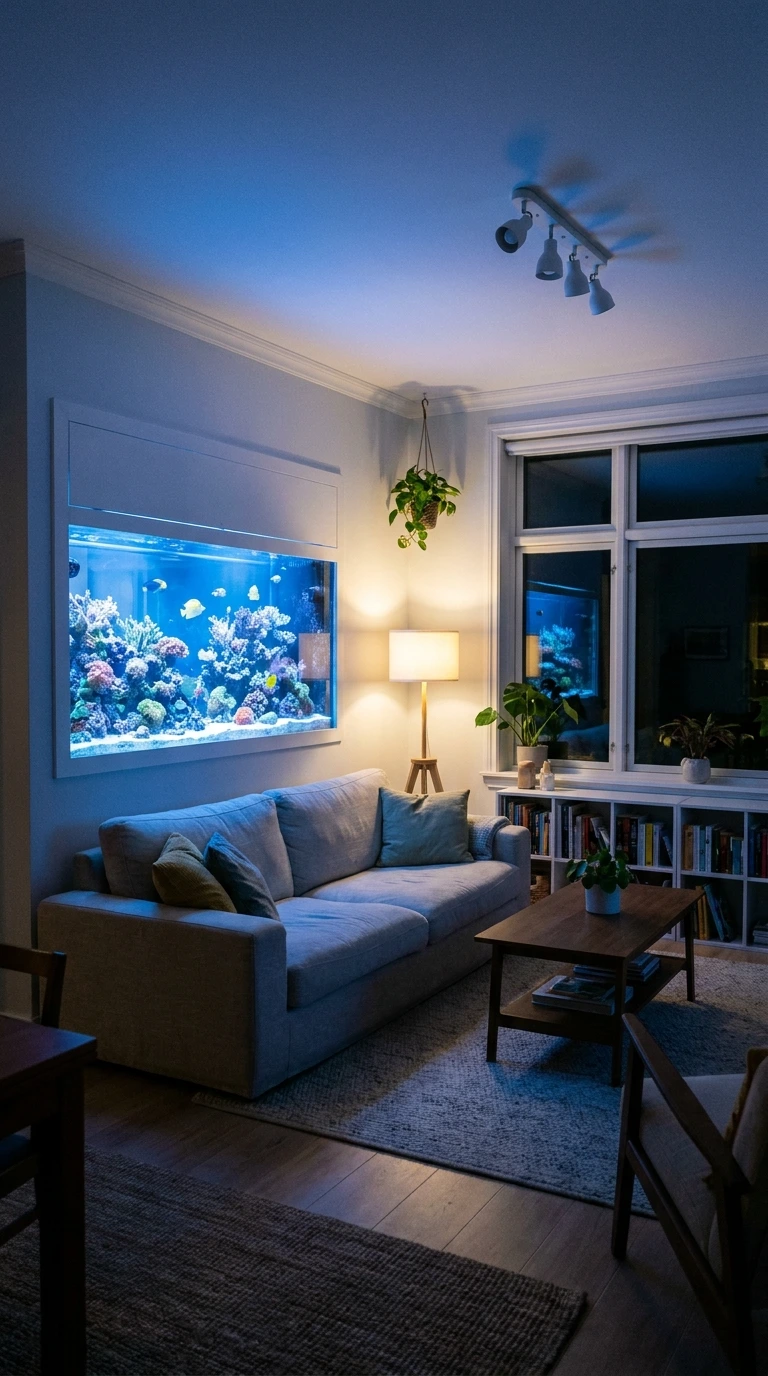
An aquarium or large terrarium brings movement, color, and a sense of the unexpected into a living room, making it a genuinely memorable focal point for anyone who enjoys the hobby. The combination of light, water or greenery, and gentle motion draws the eye in a way that static decor simply can’t replicate.
Positioning the tank at eye level, rather than low to the ground, maximizes its visual impact as a true focal point rather than an incidental feature. This option requires more ongoing maintenance than most others on this list, so it works best for households genuinely willing to care for the setup long-term.
29. A Curated Collection Display
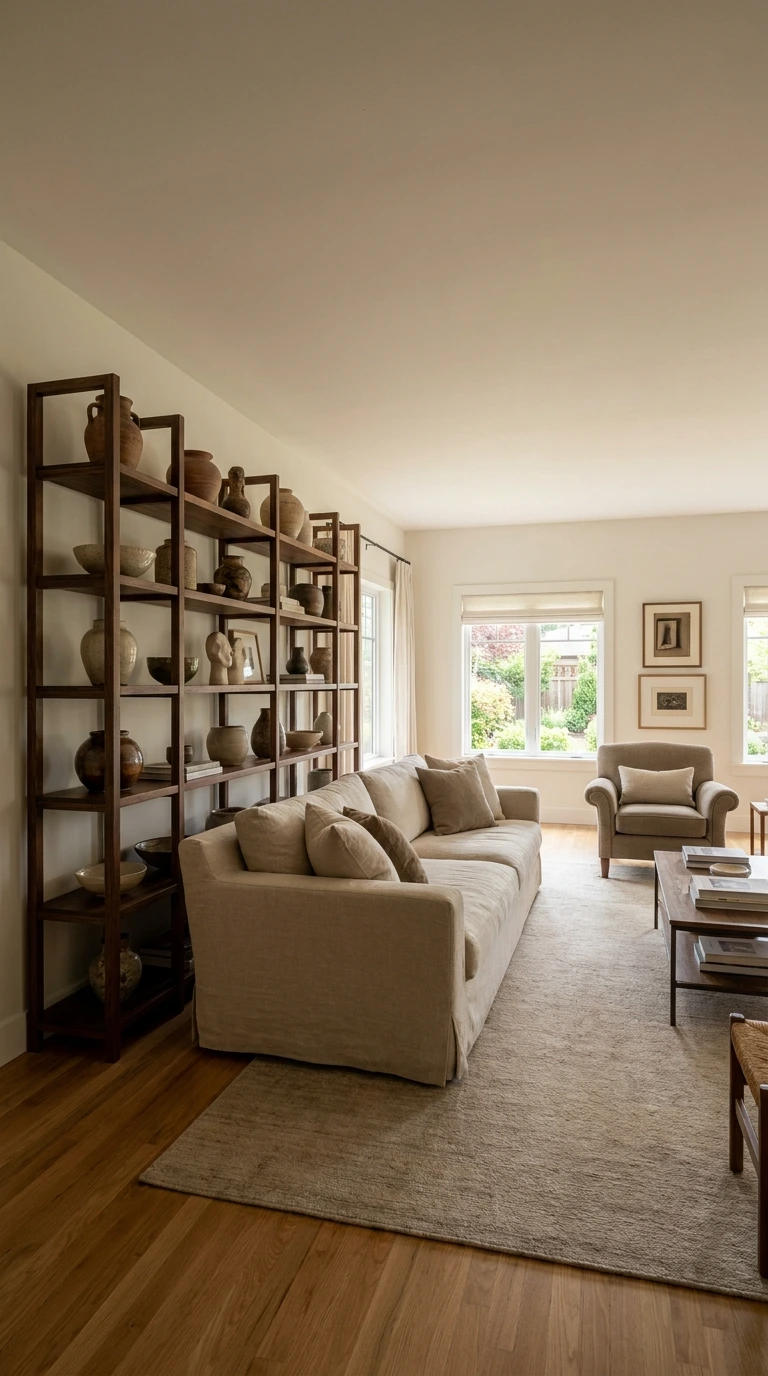
A thoughtfully arranged collection, whether of pottery, vintage cameras, travel souvenirs, or another personal category, can serve as a focal point that tells a story about the people living in the room. Unlike purely decorative choices, a genuine collection carries built-in authenticity and personality.
Displaying the collection together, rather than scattering pieces throughout the room, gives it the visual weight needed to function as a true focal point. A dedicated shelf, cabinet, or wall arrangement designed specifically to showcase the collection helps it read as an intentional design feature rather than clutter.
30. A View Through French Doors or a Glass Wall
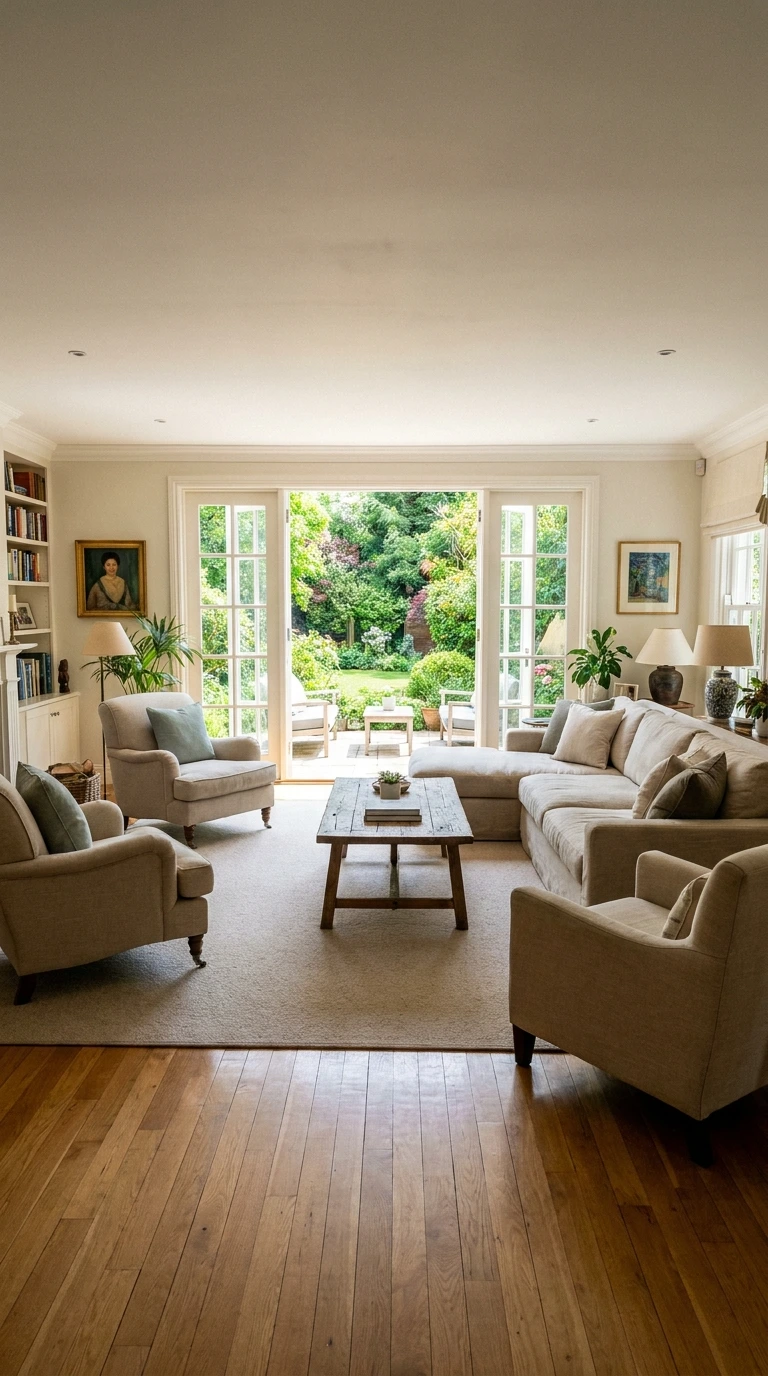
French doors or a full glass wall leading out to a patio, garden, or scenic view create a focal point that blurs the line between indoor and outdoor space. The sense of openness and the view beyond naturally draws attention, especially when the doors are styled with minimal window treatments that don’t obstruct the sightline.
Arranging seating to face the doors, rather than away from them, reinforces this connection to the outdoor view as the room’s central focus. Keeping the surrounding decor simple and letting the natural light and scenery do the visual work tends to create the most striking version of this focal point.
Frequently Asked Questions
1. What exactly is a focal point in interior design?
A focal point is the spot in a room that naturally draws the eye first, whether that’s an architectural feature like a fireplace or window, or something added intentionally, like a piece of art or a statement furniture item. It acts as the visual anchor that the rest of the room’s layout and decor is organized around.
2. Why does every living room need a focal point?
Without a clear focal point, a room’s furniture and decor tend to compete for attention rather than working together, which can make the space feel scattered or unfinished. A strong focal point gives the eye somewhere to rest and helps the rest of the room feel more balanced and intentional.
3. What if my living room doesn’t have a fireplace or a great view?
You can create a focal point from scratch using art, an accent wall, statement furniture, or lighting, among many other options. A focal point doesn’t need to be architectural; it simply needs to be the clearest, most intentional visual anchor in the room.
4. Can a living room have more than one focal point?
It can, but it’s usually best to choose one primary focal point and let any secondary features play a supporting role rather than competing equally for attention. Rooms with multiple strong architectural features, like both a fireplace and a large window, often benefit from deciding which one takes priority in the overall layout.
5. Should furniture always face the focal point?
In most cases, yes. Arranging your main seating to face the chosen focal point reinforces its role as the room’s centerpiece and typically creates the most natural, comfortable layout for conversation and everyday use.
6. Is the television a good focal point?
It can be, especially in households where the living room is primarily used for watching TV. Framing the television with a stylish console or surrounding shelving helps it read as an intentional design feature rather than simply a screen mounted on a blank wall.
7. How do I know if I’ve chosen the right focal point?
Stand at the room’s main entrance and notice what your eye is drawn to first; that’s very likely your natural focal point. If nothing stands out clearly, it’s a sign the room would benefit from adding or emphasizing one of the options above.
Conclusion
A focal point is one of the simplest yet most powerful tools in interior design, giving a living room the sense of intention and balance that scattered decor alone can’t achieve. Whether it comes from an existing architectural feature or something you create entirely from scratch, choosing and highlighting a clear focal point is often the single change that makes a room finally feel pulled together.
With 30 different options to choose from, ranging from a classic fireplace to something as simple and affordable as a statement plant, there’s a focal point suited to nearly every living room, budget, and design style. Once you’ve identified yours, let the rest of the room’s layout and decor follow its lead, and you’ll likely notice the whole space start to feel more settled and complete.